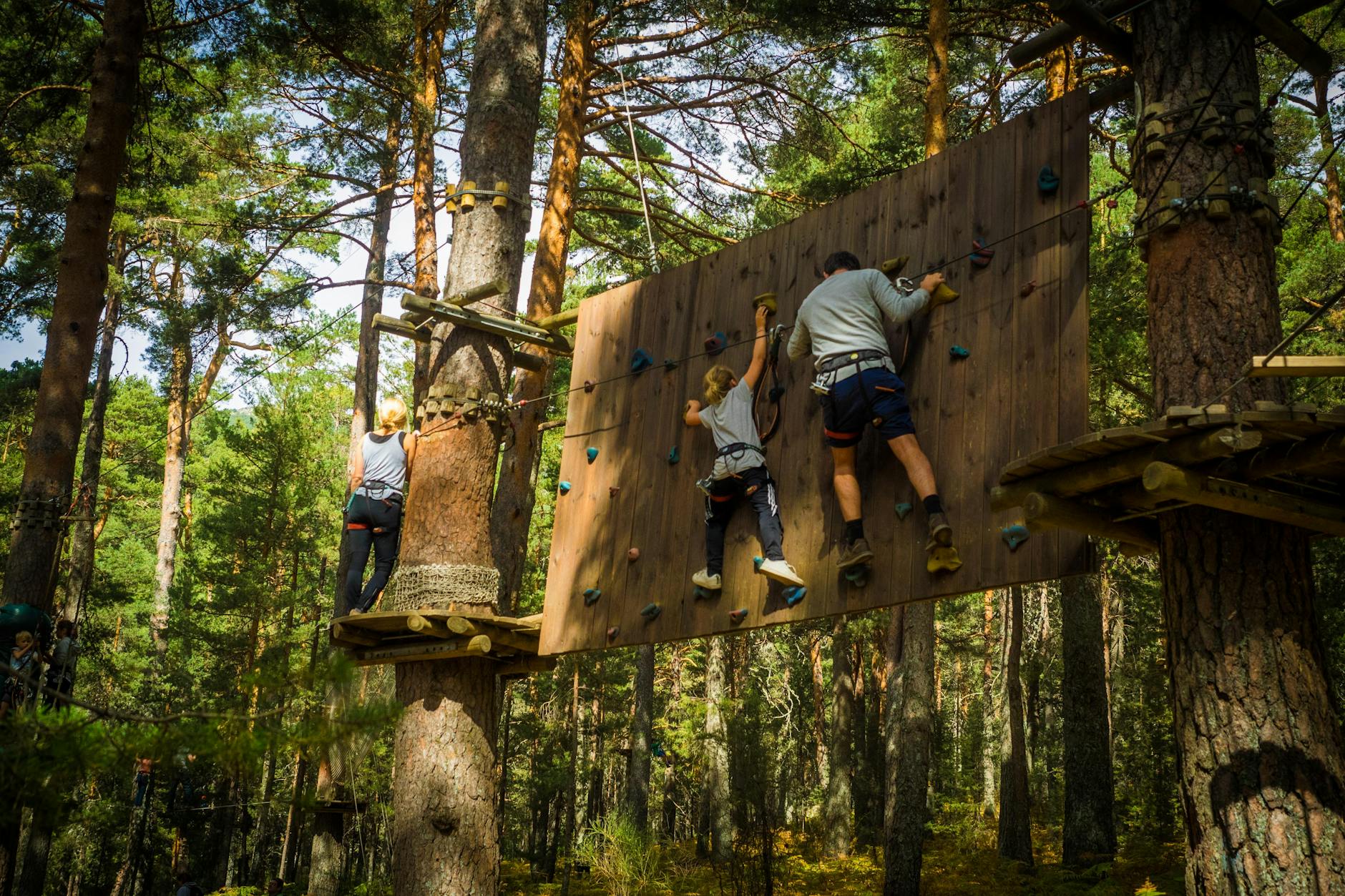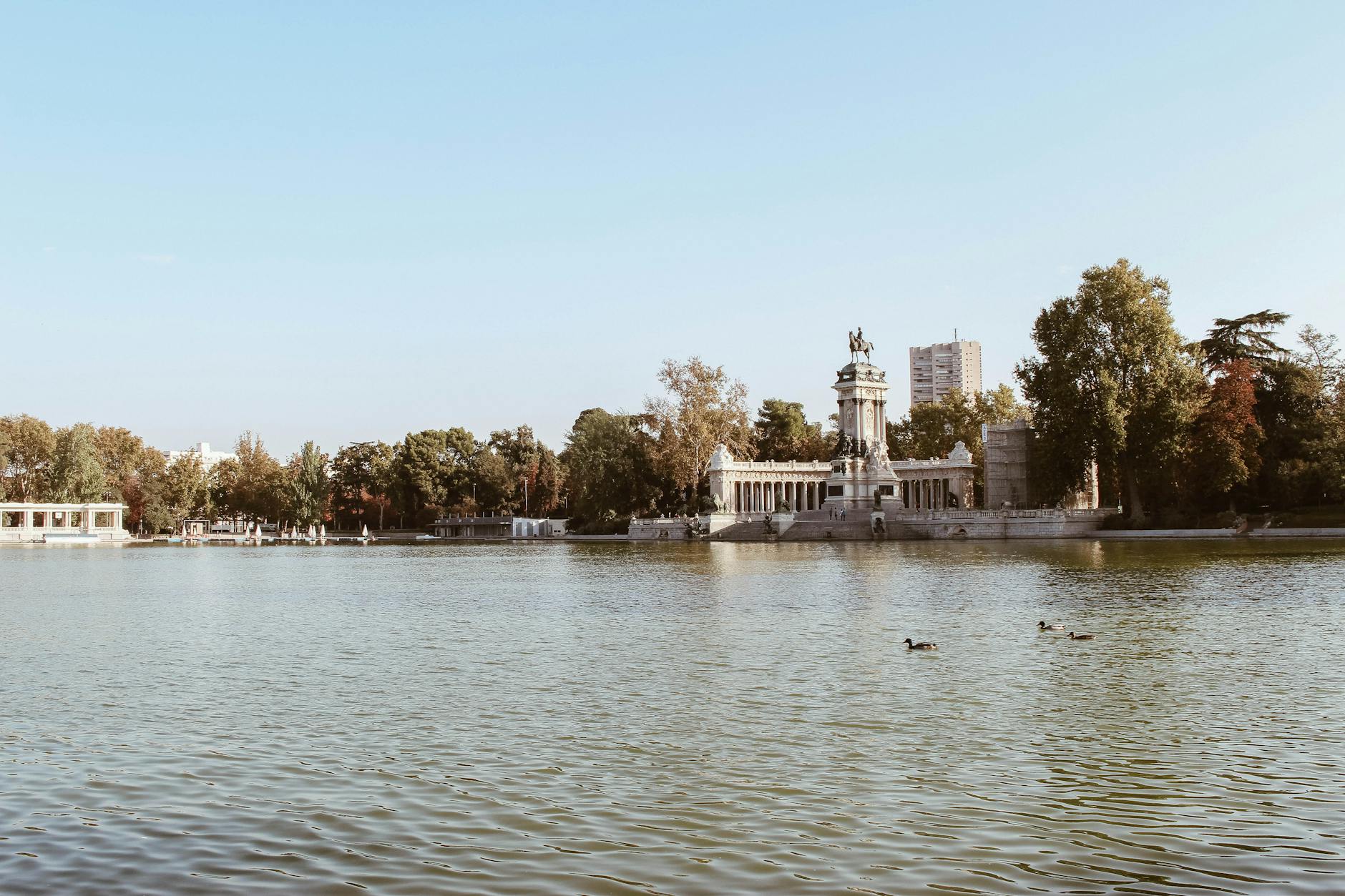
Madrid can be a strong outdoor city, but not in the same way as an alpine town or coastal adventure base. Its best short active trips often combine Retiro, Casa de Campo, Madrid Rio, Parque del Oeste, urban cycling, running routes, skate or climbing sessions, rooftop views, and carefully chosen day trips toward the Sierra de Guadarrama, Manzanares el Real, Cercedilla, El Escorial, or nearby reservoirs and trails. The value is the mix: a capital city with serious parks and regional outdoor access, not wilderness at the hotel door. The planning challenge is to match ambition to Madrid's weather, transport, distances, and daily rhythm. Summer heat can make a midday walk feel punishing. Winter mountain plans can be affected by snow, road conditions, and short daylight. Bike and running routes work best when they are chosen for surfaces and traffic, not just scenery. The strongest plan keeps the outdoor goal real while protecting recovery, water, shade, transit exits, and the rest of the trip.
Start with the right outdoor frame
Madrid rewards outdoor travelers who define the trip honestly. A short stay can support city walks, running, cycling, parks, skate sessions, climbing gyms or rope parks, photography walks, lake or reservoir days, and mountain day trips. Those are different plans. A traveler who treats Madrid as if serious trail terrain begins beside the hotel will lose time. A traveler who treats it as only museums and plazas will miss how much active space the city and region can provide.
The first decision is whether Madrid itself is the outdoor destination or the base for one regional outdoor day. If the goal is daily movement, lodging near Retiro, Madrid Rio, Casa de Campo access, Chamberi, Moncloa, Atocha, or a useful Metro line may work well. If the goal is Manzanares el Real, Cercedilla, El Escorial, or Sierra routes, station access, car logistics, pickup points, weather, and return timing matter more than a famous central address.
- Decide whether the trip is city-outdoor, regional day-trip based, or a mix of both.
- Choose lodging by access to parks, Madrid Rio, stations, car pickup, or the specific outdoor objective.
- Do not plan Madrid as if full mountain terrain starts at the hotel door.
Use parks as different outdoor environments
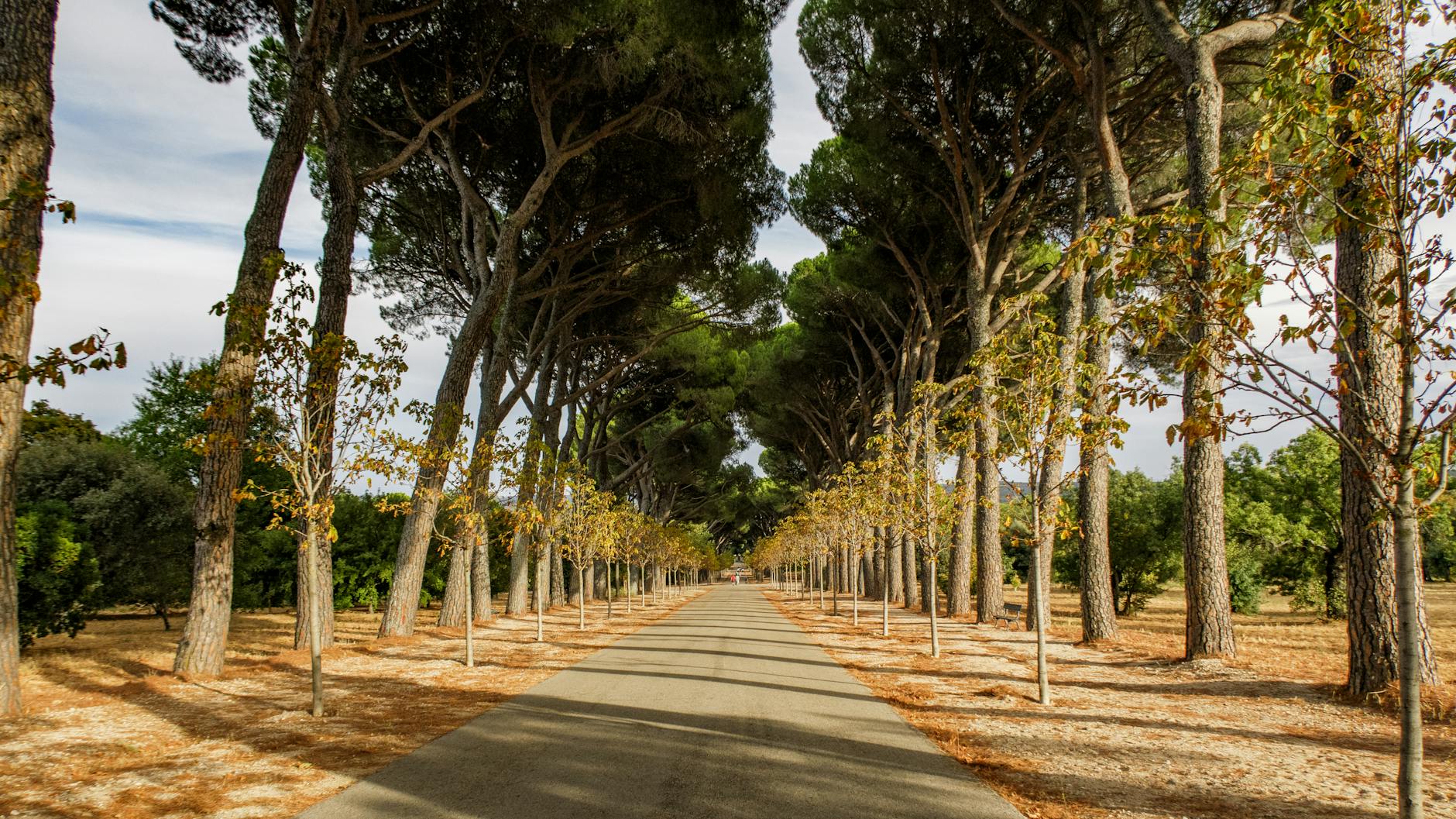
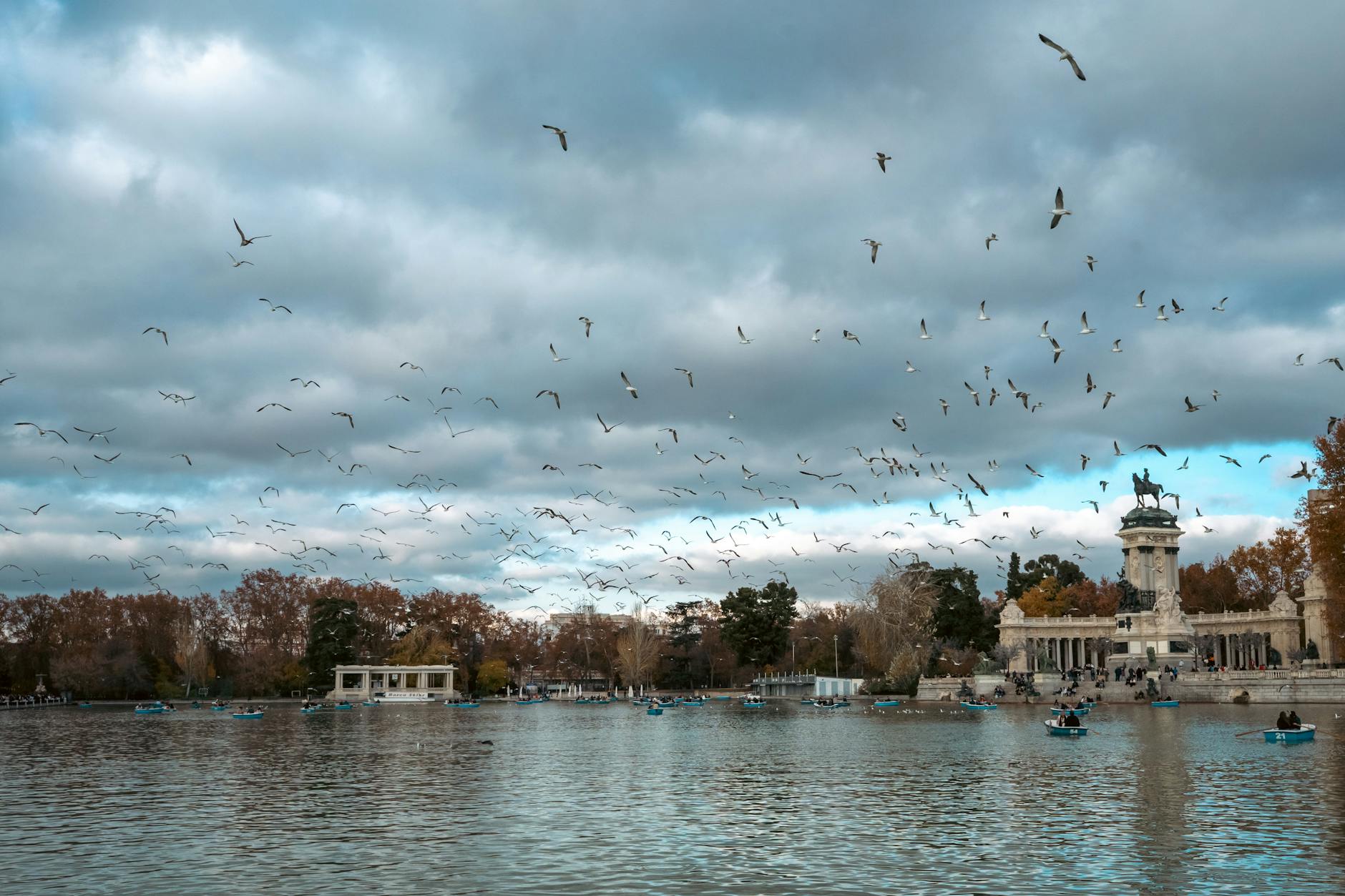
Madrid's parks should not be treated as interchangeable green patches. Retiro is central, beautiful, and easy to combine with museums, hotels, and first-time city movement, but it can be crowded and polished. Casa de Campo is larger, rougher, and better for longer walking, running, cycling, and a more open feeling close to the city. Madrid Rio gives structured river-adjacent movement and bridges. Parque del Oeste and the Temple of Debod area work for slopes, sunset, and short active breaks. El Capricho and other outer parks can reward slower travelers with more space but require more deliberate timing.
A good active day usually has one anchor. Trying to sample every park can turn outdoor time into transit time. The traveler should choose by purpose: shade, distance, running surface, cycling connection, children, views, quiet, museum pairing, or simple recovery after a busy day. The right park is the one that fits the body's needs, not the one that appears first on a tourist list.
- Match Retiro, Casa de Campo, Madrid Rio, Parque del Oeste, and outer parks to the activity, not just fame.
- Use one outdoor anchor per day instead of scattering short park stops around the city.
- Choose routes by shade, surface, distance, crowding, toilets, views, and nearby recovery options.
Treat running, cycling, and urban routes as logistics
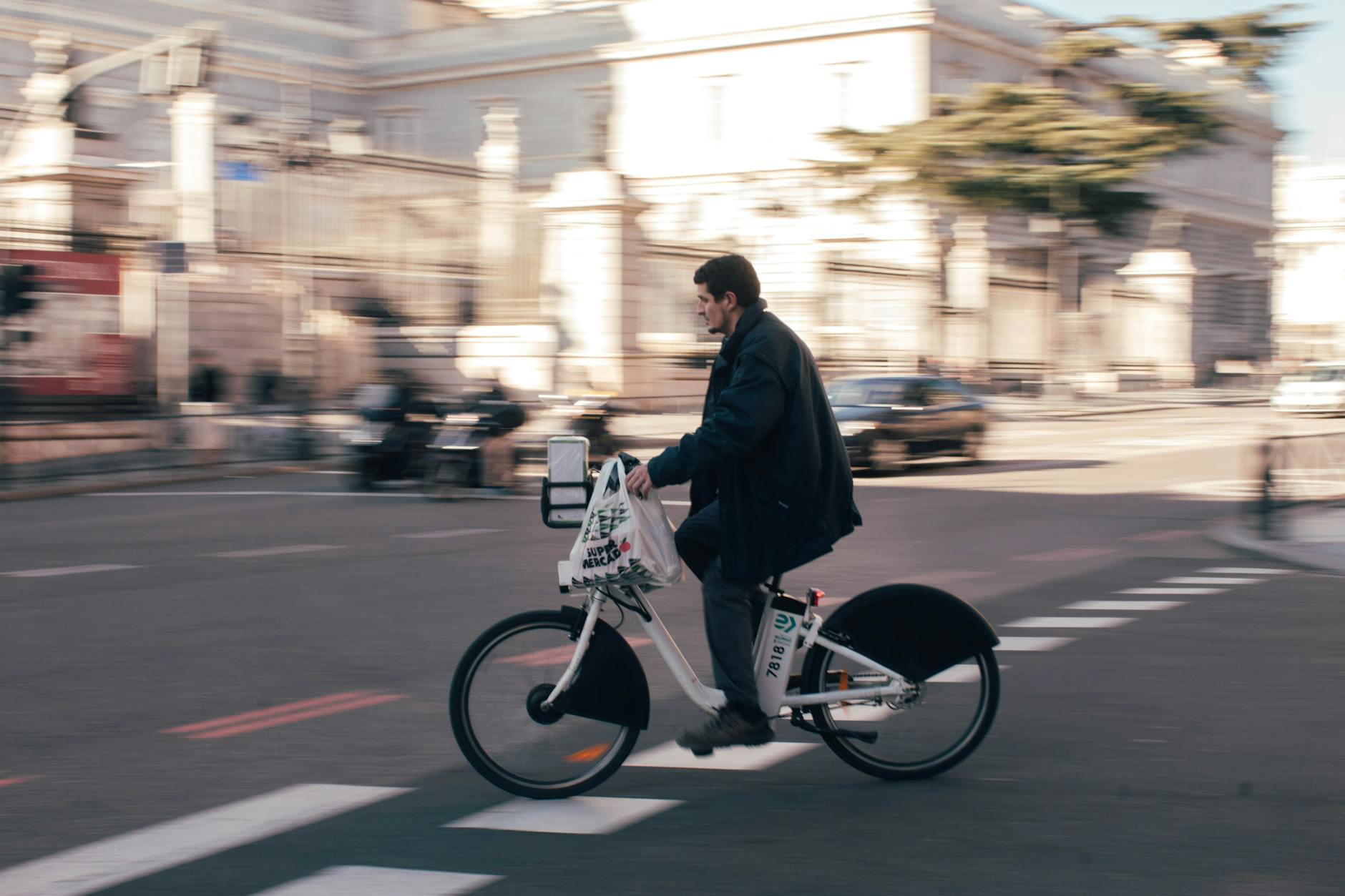
Running and cycling in Madrid can be excellent when the route is chosen carefully. Retiro loops, Casa de Campo, Madrid Rio, and some neighborhood corridors can work well, while dense traffic, unfamiliar intersections, narrow sidewalks, tourist crowds, and heat can make an attractive map route unpleasant. A traveler using bike share or rental equipment should check station locations, helmet expectations, payment setup, route surfaces, theft exposure, and where the ride ends. A runner should know where water, shade, and an easy return are available.
The mistake is planning these activities as if movement itself were the only requirement. A morning run before meetings, a cycling afternoon with children, or a sunset route after sightseeing all carry different risks. Traffic, exhaustion, sweat, bag storage, phone battery, and post-activity transport matter. Madrid's active routes should make the day better; they should not leave the traveler overheated, under-hydrated, or stranded with gear.
- Plan running and cycling around surfaces, shade, traffic, water, returns, and heat exposure.
- Check bike rental or bike-share logistics before making a route depend on them.
- Avoid routes that look scenic but force tired travelers through awkward traffic or transit returns.
Choose Sierra and regional day trips carefully
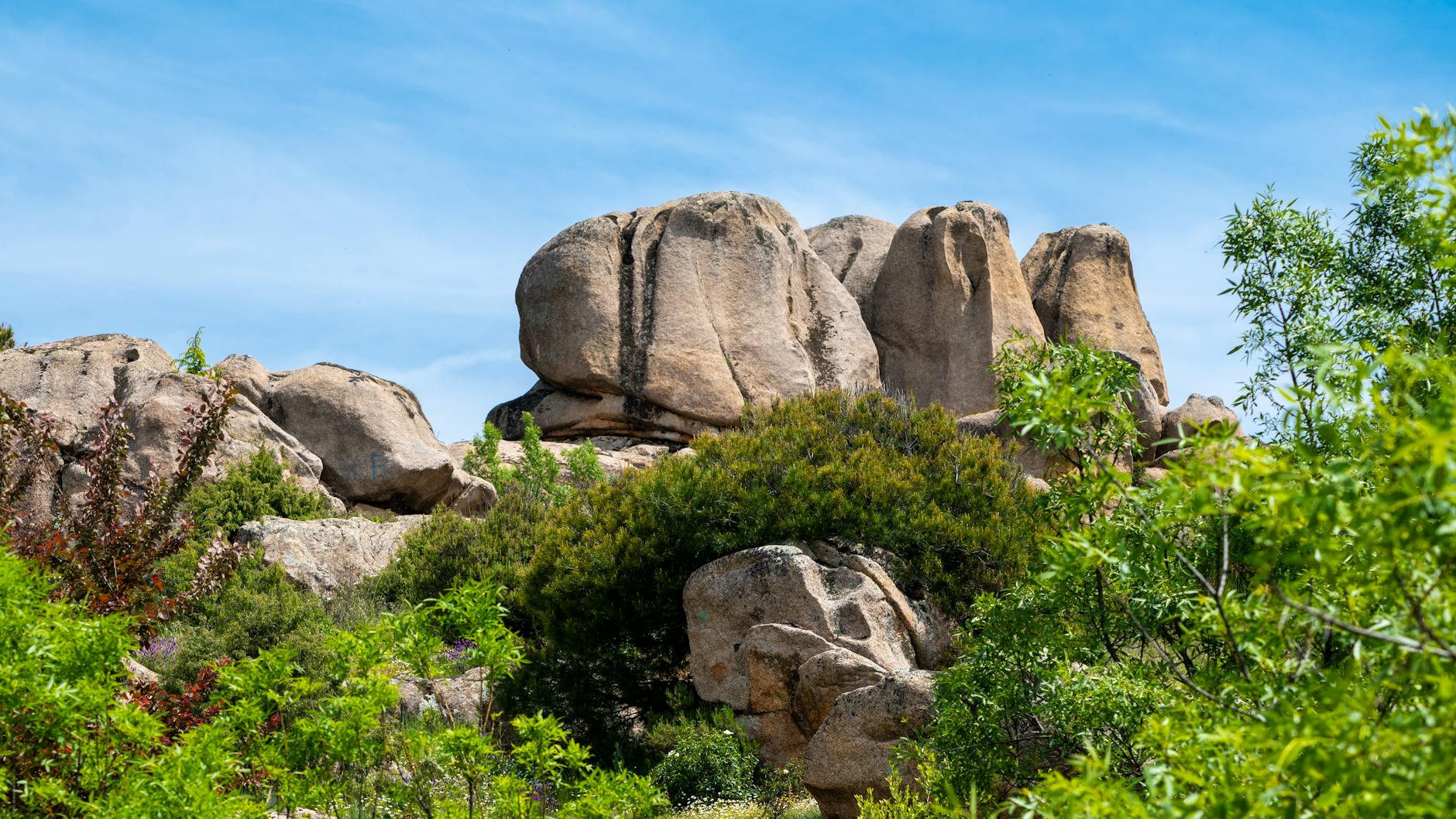
The Sierra de Guadarrama, Manzanares el Real, Cercedilla, El Escorial, and nearby mountain or reservoir areas can turn a Madrid trip into something more adventurous, but they require real planning. Public transport may work for some trailheads and towns, while others are awkward without a car, guide, or pickup. Mountain weather can differ sharply from the city. Snow, heat, wind, parking pressure, trail closures, and late returns can change the day quickly.
The traveler should choose a regional objective by ability level, season, daylight, transport, and return reliability. A light walk near Cercedilla is not the same as a rocky route around La Pedriza. A visit to El Escorial is different from a full mountain hike. If the traveler has only two or three days in Madrid, the outdoor day should earn its place by being workable, not just dramatic.
- Match Sierra, Manzanares el Real, Cercedilla, El Escorial, and reservoir plans to transport and season.
- Check weather, daylight, trail difficulty, parking, return timing, and whether a guide or car is needed.
- Do not sacrifice a short Madrid trip to a regional plan that is too fragile for the available time.
Take heat, altitude, and weather seriously
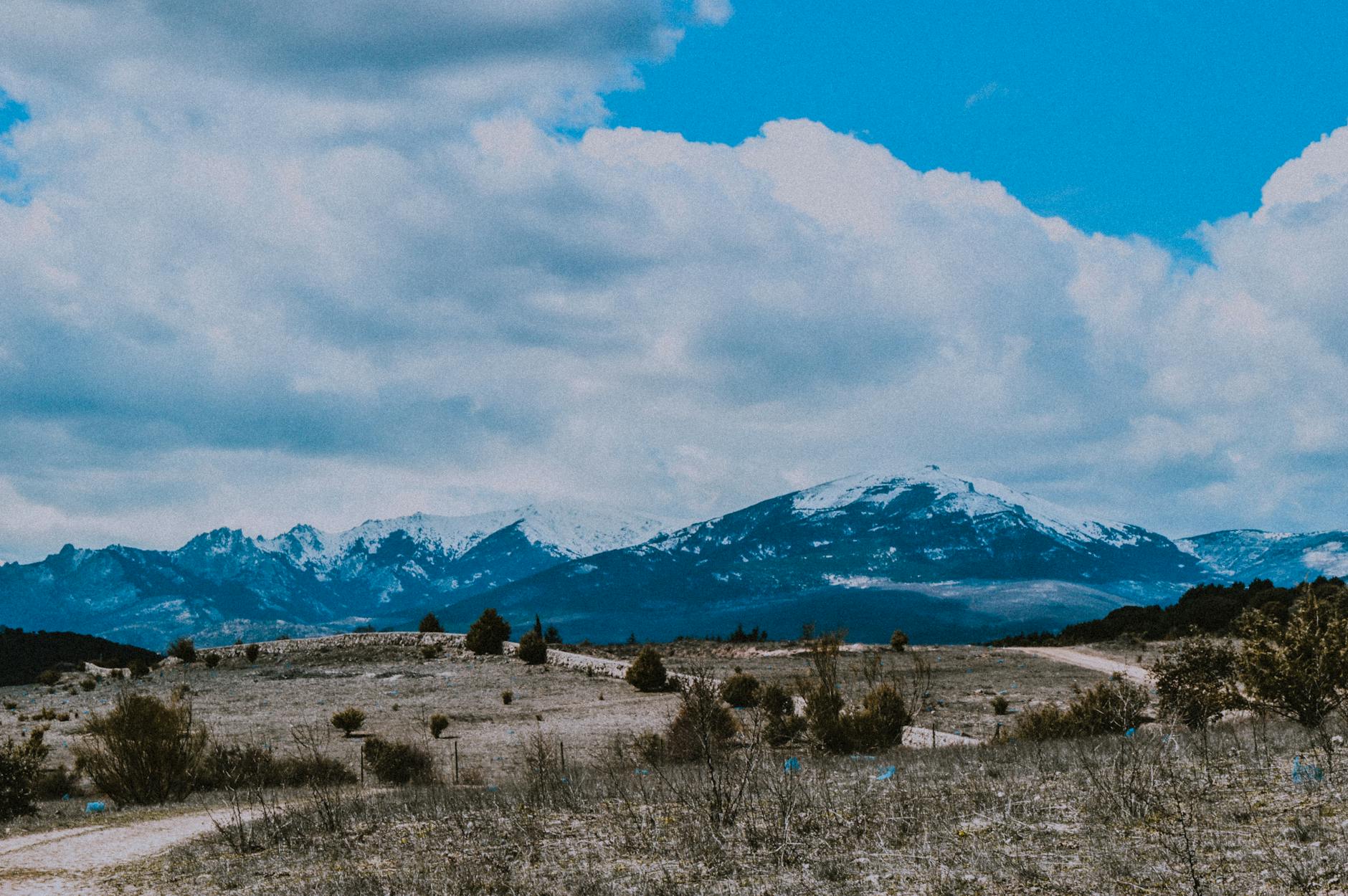
Madrid's climate is part of the outdoor plan. Summer heat can make midday movement unpleasant or unsafe, especially for older travelers, children, people with medical constraints, and visitors arriving from cooler climates. Winter can be mild in the city and wintry in the mountains. Spring and autumn can be ideal, but storms, wind, and temperature swings still matter. A plan that ignores the forecast may turn a reasonable walk into a grind.
Hydration, shade, sun protection, layers, footwear, and timing are basic controls. The traveler should move longer routes earlier or later in hot weather, know where to refill water, avoid exposed midday pavement, and keep a shorter-route option. In the Sierra, the traveler should not assume city clothing is enough. The right decision may be to switch from a mountain day to a shaded park, from a long walk to a shorter loop, or from outdoor ambition to recovery.
- Plan outdoor hours around heat, sun, wind, winter mountain conditions, and forecast changes.
- Carry water, sun protection, layers, proper footwear, phone power, and offline route information.
- Keep shorter, shaded, or city-based backups for days when the original route becomes a poor fit.
Build gear, storage, and recovery into the day
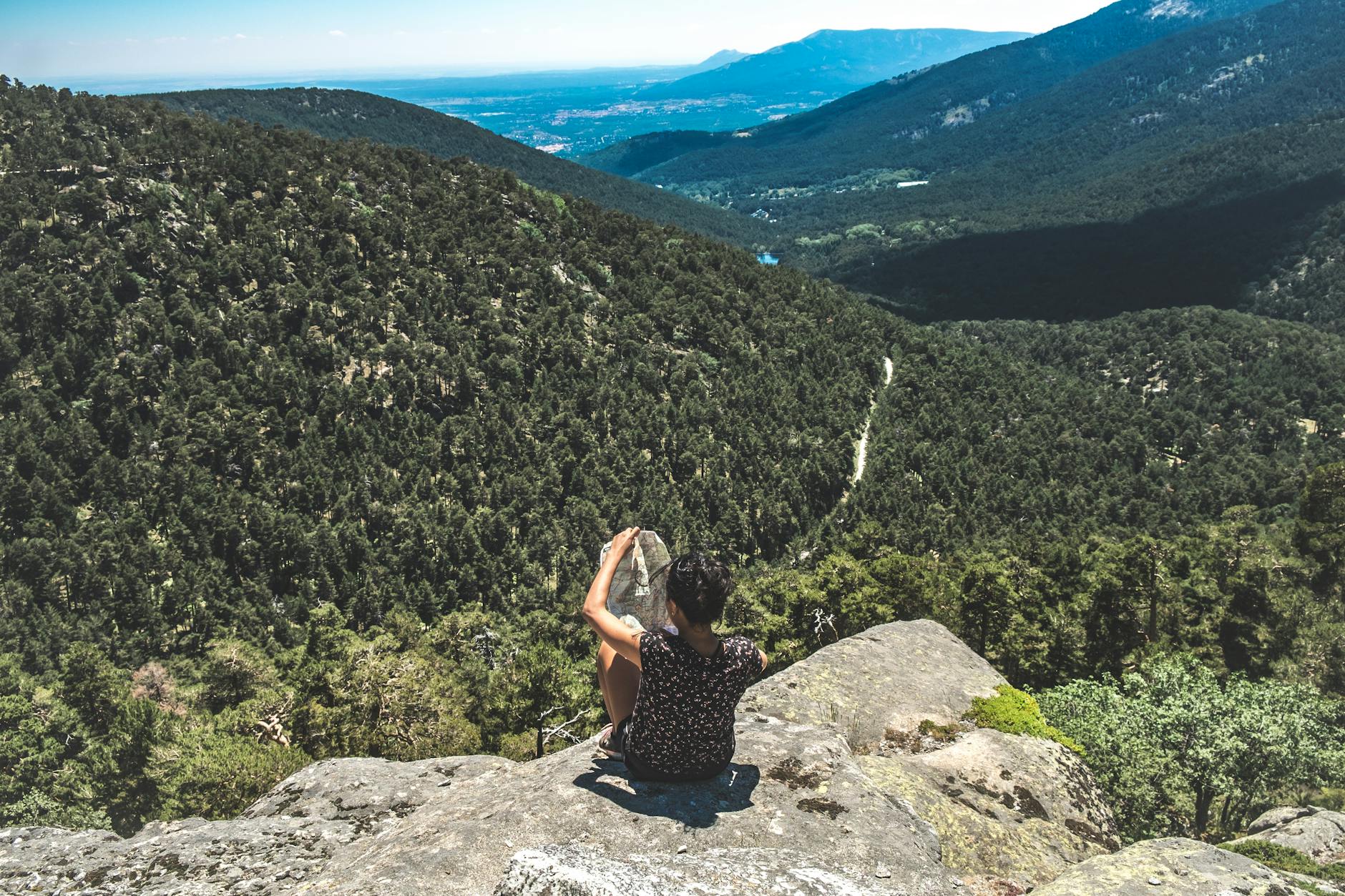
Outdoor travelers often under-plan the transitions. Madrid active days may involve moving from a park to a museum, from a trail to a train, from a bike ride to dinner, or from a climbing session to a hotel lobby. Shoes, sweat, dust, wet clothes, helmets, snacks, bottles, poles, camera gear, and backpacks all become part of the city experience. A hotel with storage, laundry options, good air-conditioning, and an easy return can matter more than a small saving on location.
Gear should be city-appropriate. Most Madrid outdoor days need comfortable shoes, sun protection, water, battery reserve, a small first-aid kit, offline maps, and a secure day bag more than expedition equipment. Regional hikes or climbing activities may require more, but that should be decided before arrival. Recovery also belongs in the schedule: food, shower, rest, and file or photo backup if the outdoor day is tied to content creation.
- Choose lodging that can handle gear storage, laundry, cooling down, and returns between active and city plans.
- Pack for transitions from park, trail, bike, or climbing session back into urban Madrid.
- Schedule recovery, food, charging, and photo backup instead of leaving them to leftover energy.
When to order a short-term travel report
A traveler planning a casual Retiro walk probably does not need a custom report. An adventure or outdoor traveler should consider one when the trip includes regional hiking, cycling, outdoor climbing, older or mixed-ability companions, children, medical constraints, heat-sensitive plans, dawn or sunset photography, paid content, activity bookings, car rental, or a tight schedule that depends on weather and return timing. Those are the trips where generic park suggestions do not answer the real questions.
The report should test the hotel base, park sequence, Madrid Rio and cycling options, Sierra or Manzanares feasibility, transport choices, weather risks, gear storage, hydration, current disruptions, recovery windows, and backup activities. The value is a Madrid outdoor plan that keeps the active parts real without letting heat, distance, closed routes, gear problems, or overambitious day-trip logic take over a short visit.
- Order when outdoor goals depend on weather, gear, transport, regional routes, bookings, or mixed traveler abilities.
- Provide activities, dates, fitness level, gear, hotel candidates, transit preference, medical limits, and day-trip targets.
- Use the report to balance city outdoor time, regional adventure, comfort, and reliable return timing.