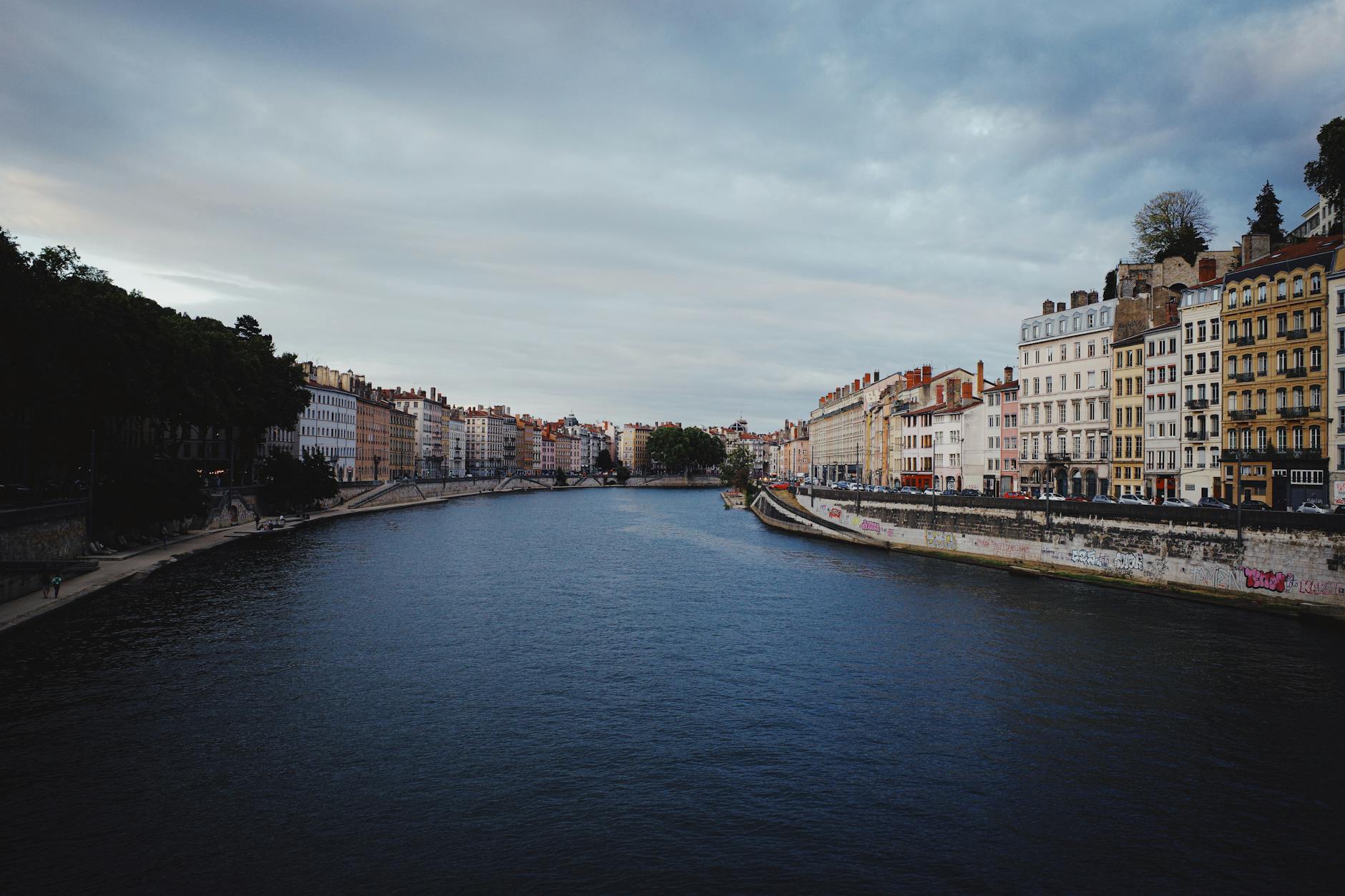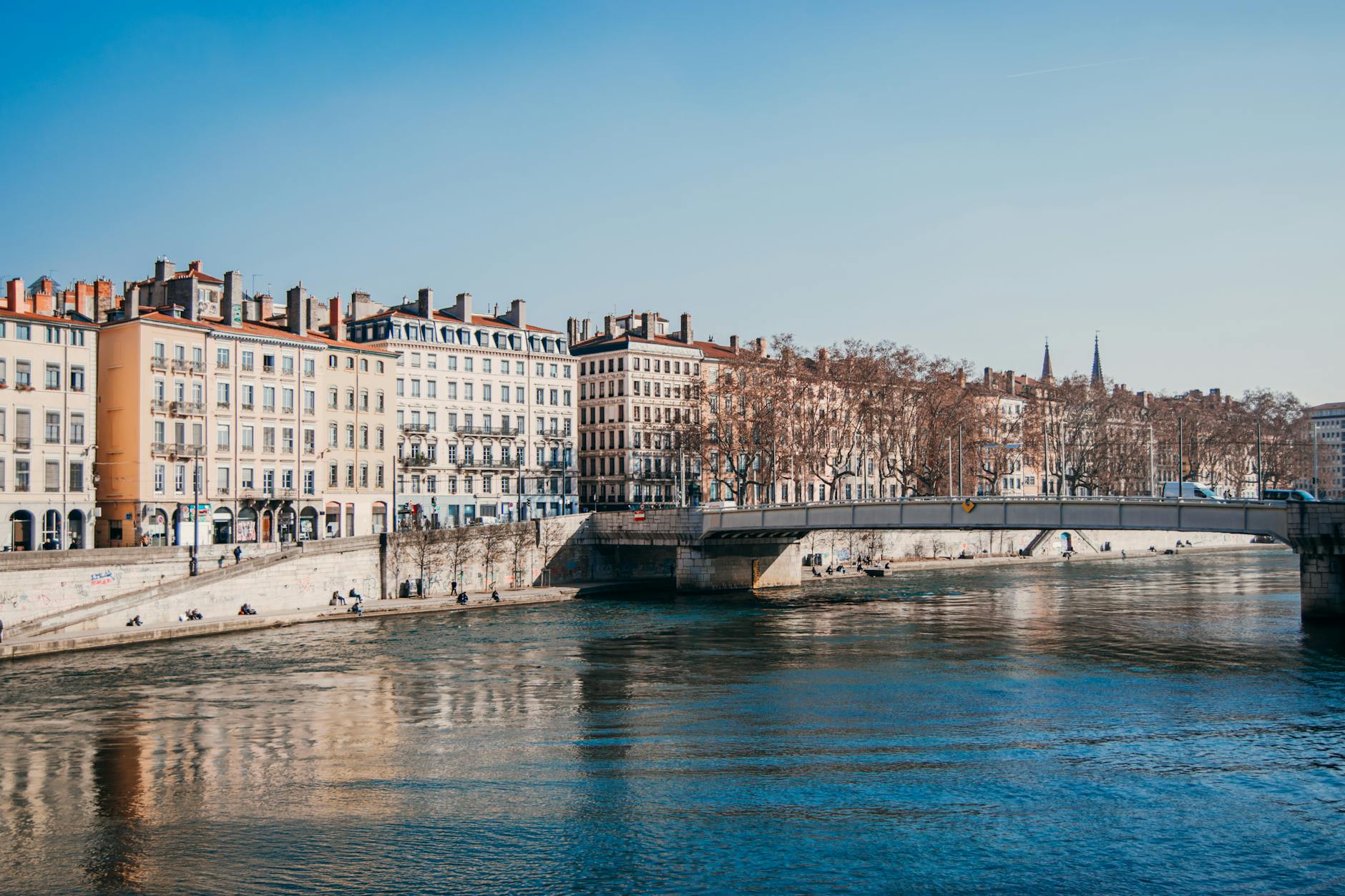
Lyon is often a strong short-term destination for women travelers because the central city is legible, culturally rich, food-focused, and easier to navigate than many larger European capitals. Presqu'ile, Vieux Lyon, the Saone and Rhone riverfronts, Fourviere, Croix-Rousse, Parc de la Tete d'Or, museums, shops, markets, and cafes can support a trip that feels independent rather than managed. That does not mean every plan is equally comfortable. A woman arriving alone at night, staying in the wrong micro-location, carrying visible valuables, depending on a quiet uphill walk, or improvising the route home after dinner may experience the city very differently from someone whose base, transfers, and evening boundaries were chosen with care. The right Lyon plan is not defensive or fearful. It is practical. Choose a base that keeps evenings simple, know how you are getting from the airport or station to the door, separate daytime wandering from late-night movement, keep medication and payment backups close, and decide in advance what kind of attention, crowding, or street atmosphere you are willing to tolerate. The paid short-term report applies that judgment to the traveler's exact hotel, arrival time, route plan, comfort level, identity-specific concerns, and current local conditions.
Choose a base that makes evenings controllable
For many women travelers, the most important Lyon decision is not the list of sights. It is the hotel base. A central Presqu'ile location near Bellecour, Cordeliers, Jacobins, or the river crossings can make the trip easier because meals, shops, transport, taxis, and hotel returns stay close together. Vieux Lyon can be beautiful, but the charm comes with older buildings, cobblestones, tourist density, narrow lanes, and some routes that feel less direct late in the evening. Part-Dieu can be practical for rail arrivals and business schedules, but it is not automatically the best leisure base if the traveler expects relaxed solo dinners or night walks.
The hotel should be assessed at street level. Look for a staffed reception or clear late-entry procedure, an elevator if bags are heavy, nearby food that does not require a long walk, a taxi-friendly address, and a return route that is obvious after dark. A woman traveler should also check whether the hotel entrance is on a quiet side street, whether the immediate area feels commercial or residential at night, and whether the route from transit requires stairs, underpasses, or isolated blocks. The right base gives the traveler more freedom because the last movement of the day is not fragile.
- Use central Presqu'ile as a strong default when restaurants, taxis, shops, and short returns matter.
- Treat Vieux Lyon, Part-Dieu, Croix-Rousse, and Confluence as specific choices with specific tradeoffs.
- Check the actual hotel entrance, late access, elevator, nearby meals, and taxi route before booking.

Make the arrival route boring on purpose
A woman traveler arriving in Lyon should avoid making the first transfer the moment when she has to solve the city. Saint-Exupery Airport, Rhonexpress, taxis, hotel cars, Part-Dieu station, Perrache, metro lines, tram stops, and luggage all create different levels of exposure and confusion. A midday arrival with one bag may be easy by train and transit. A late arrival after a long-haul flight, a winter evening, an unfamiliar phone plan, or expensive equipment may justify a taxi or hotel car even if public transport is available.
The goal is not luxury. The goal is to arrive with enough energy and orientation to make good decisions. Before leaving the arrival point, the traveler should have the hotel address saved offline, phone battery available, payment backup, a clear route to the door, and a fallback if the first plan fails. If the transfer involves Part-Dieu, the plan should account for station crowding, exits, taxi queues, and the difference between a straight daytime route and a more tiring nighttime one. First-night improvisation is where preventable problems often begin.
- Choose Rhonexpress, taxi, hotel car, metro, or tram by arrival hour, luggage, fatigue, and phone reliability.
- Save the hotel address offline and keep payment backup available before leaving the airport or station.
- Use the simplest transfer when arriving alone late, carrying valuables, or starting from an unfamiliar station.
Use daytime Lyon confidently, but by zones
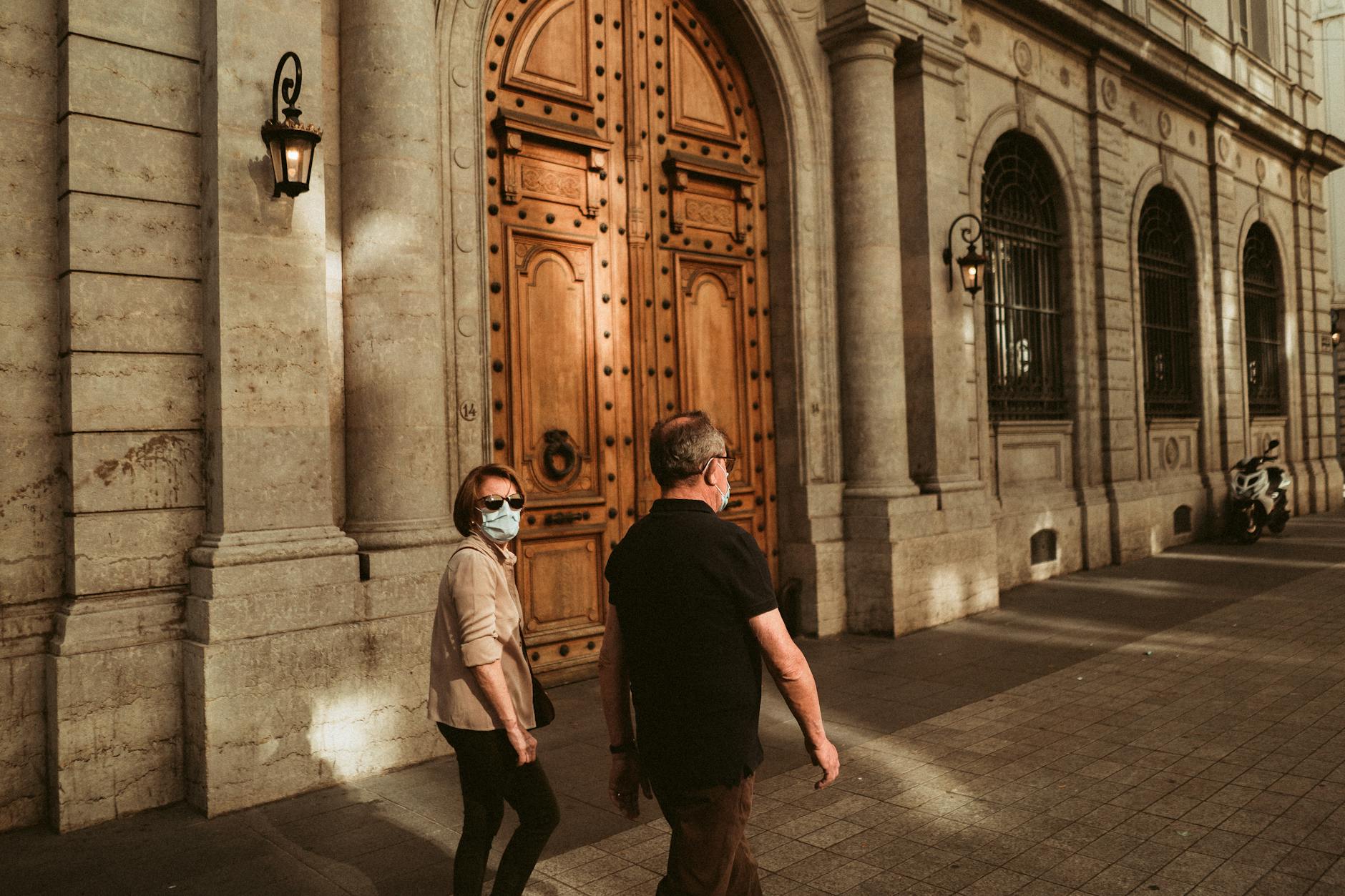
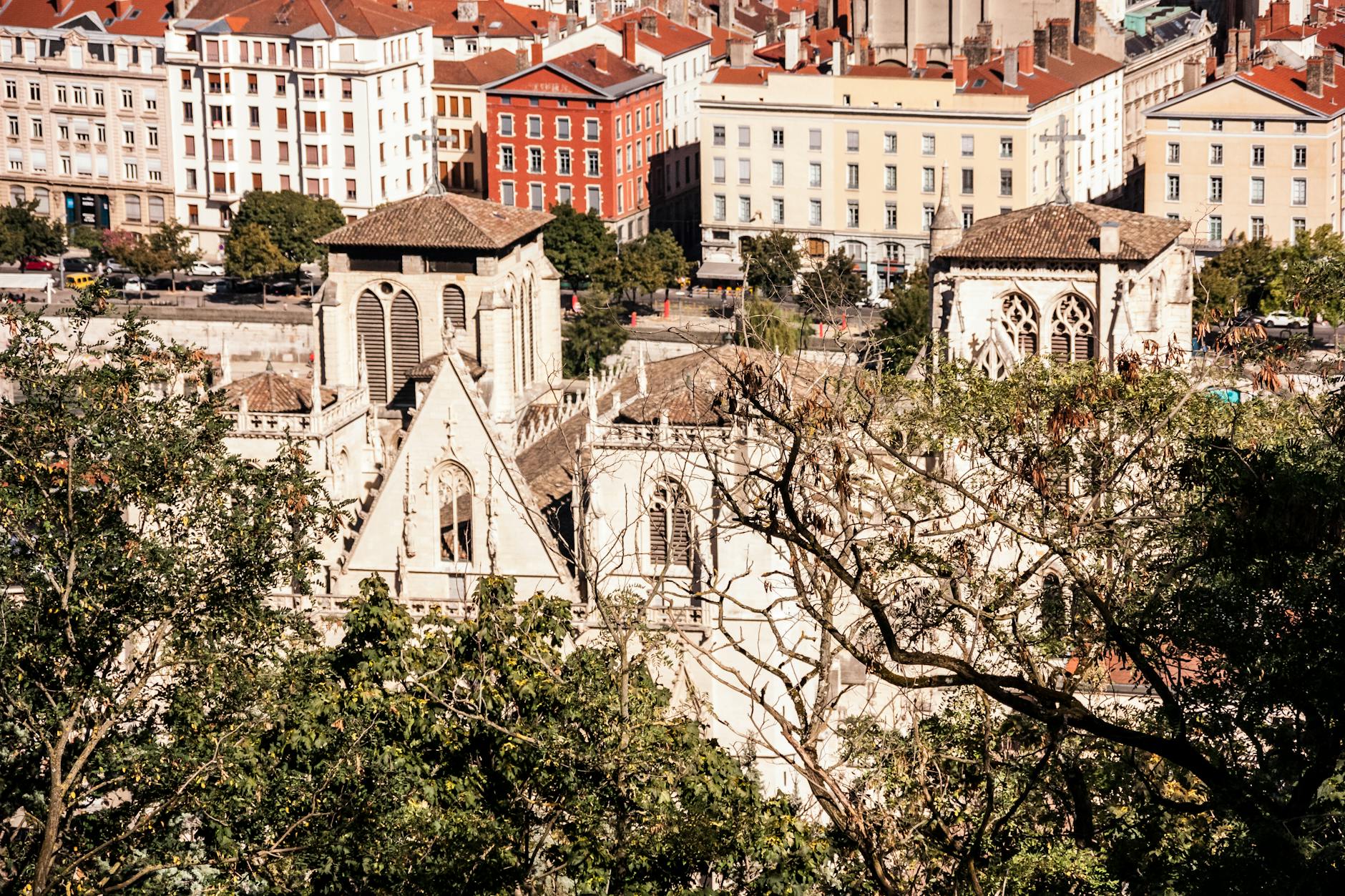
Daytime Lyon is best approached as a set of connected zones rather than a scatter of disconnected attractions. Vieux Lyon and Saint-Jean, the climb or funicular to Fourviere, Presqu'ile shopping streets, the Rhone and Saone riverbanks, Croix-Rousse, Parc de la Tete d'Or, and museum districts can all work well, but the sequence matters. A woman traveling alone or with one friend should group nearby places so that she is not repeatedly checking maps at corners, crossing back and forth unnecessarily, or ending up far from the next meal, toilet, pharmacy, or transit point.
The traveler should also separate exploration from wandering without a plan. Lyon rewards curiosity, especially in old streets, markets, passages, and river areas, but it is still easier to enjoy when the next anchor is known. A good pattern is one cultural or neighborhood anchor, one food or rest anchor, and one return option. That gives enough freedom for discovery without leaving the traveler dependent on signal, battery, or a hurried search when she is already tired.
- Group Vieux Lyon, Fourviere, Presqu'ile, riverfront, Croix-Rousse, parks, and museums by actual walking sequence.
- Keep one meal, rest, toilet, or transit anchor visible in the plan instead of drifting across the city all day.
- Use offline maps and a known next stop so public phone-checking does not become constant.
Handle solo meals and cafes on your own terms
Lyon's food culture is one of the best reasons to visit, but a woman traveling alone may need a dining strategy that protects comfort as well as quality. A famous bouchon, a crowded terrace, a wine bar, a covered market, a hotel restaurant, a casual cafe, and a counter seat each create a different social environment. Solo dining can be perfectly normal in Lyon, but the best choice depends on language comfort, reservation timing, budget, appetite, and whether the traveler wants a long meal or a low-friction stop.
The practical details matter. Keep the phone and bag controlled on terraces, choose a seat that feels comfortable, avoid making the best meal dependent on a long return route, and decide how to respond to unwanted conversation before it happens. A solo traveler may prefer lunch for the more ambitious food experience and a simpler dinner near the hotel. A traveler meeting friends or colleagues should still know how she is returning afterward, especially if alcohol, late hours, or a river crossing is involved.
- Match bouchons, terraces, markets, cafes, and hotel restaurants to the traveler's language comfort and evening plan.
- Keep bags, phones, and payment cards controlled on terraces and in busy food areas.
- Use lunch for ambitious dining if a late solo return after dinner would make the day less comfortable.
Set after-dark boundaries before the night starts
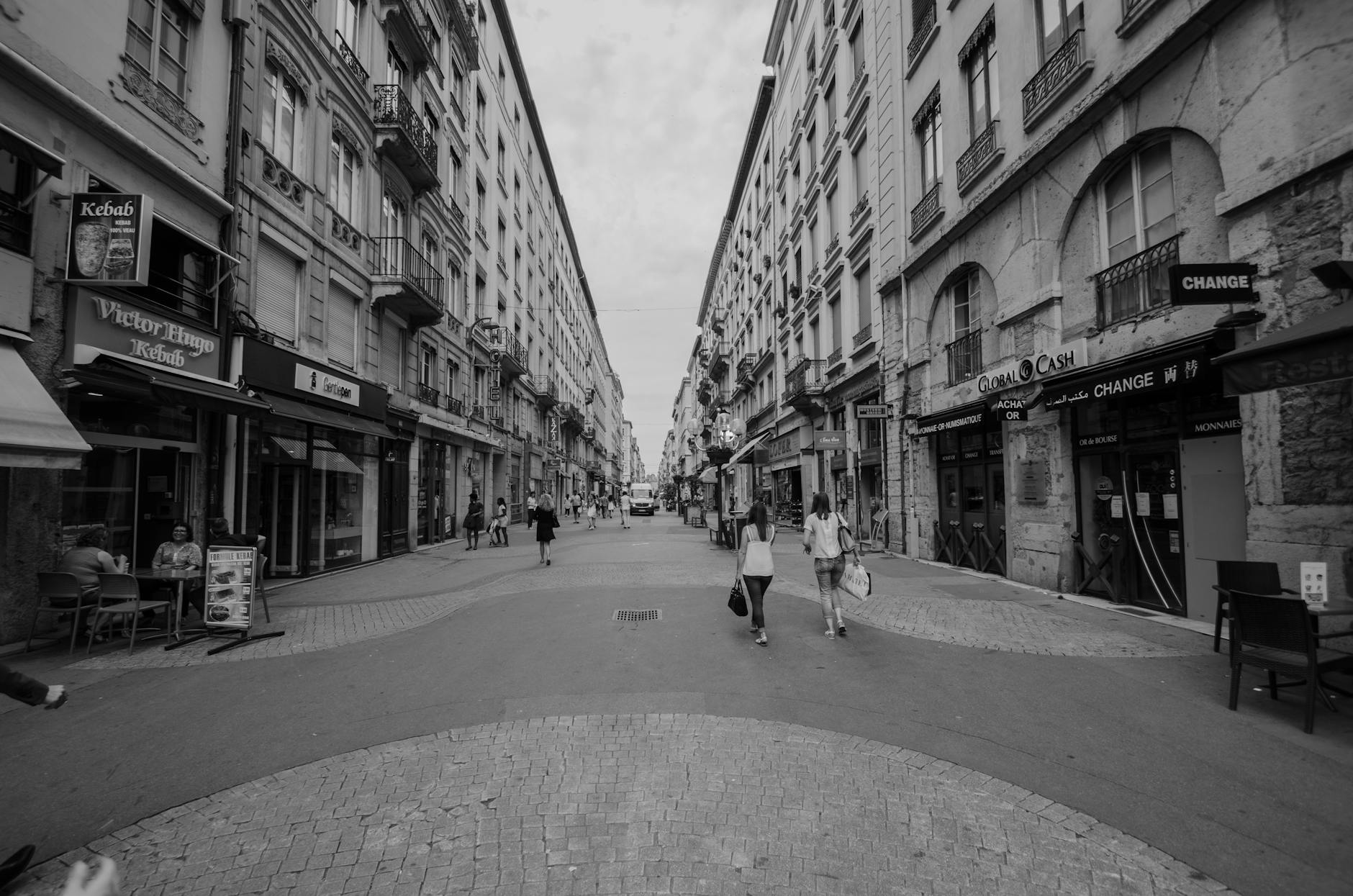
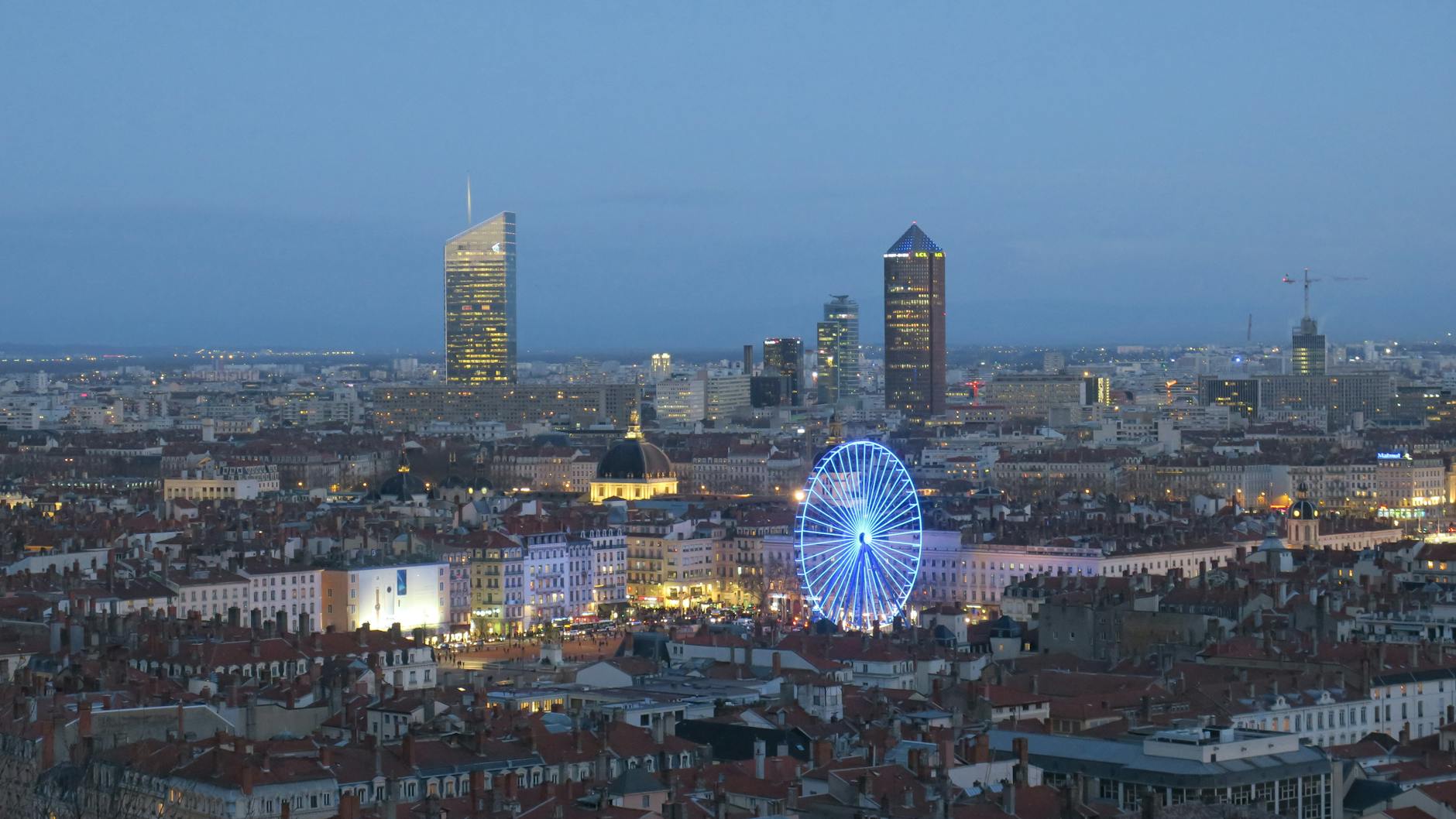
Lyon can be attractive at night, especially around central squares, bridges, river views, restaurants, and illuminated landmarks. The mistake is treating a nighttime route as if it were just the daytime route with lights on. After dark, the same walk can feel different because shops close, streets thin out, riverbank areas become quieter, station surroundings feel less settled, and hills or old-town lanes become more tiring. A woman traveler should decide before dinner which routes are still acceptable after dark and which ones require a taxi, direct transit, or a shorter plan.
The return should be boring by design. Keep the hotel address ready, preserve phone battery, avoid walking with earbuds when situational awareness matters, and do not let politeness override discomfort. If a street, platform, terrace, or conversation does not feel right, the plan should allow an exit without negotiation. Most Lyon evenings will be uneventful. The point is to make uneventful the default by choosing the last movement while the traveler is still clear-headed.
- Choose the return route before dinner, especially across rivers, near stations, up hills, or through quieter old-town streets.
- Preserve phone battery and keep the hotel address, taxi option, and payment backup ready.
- Use a taxi or direct transit when discomfort, weather, alcohol, fatigue, or late hours change the risk calculation.
Protect health, documents, and practical backup
Women travelers should treat health and backup planning as part of the trip design, not as an emergency afterthought. Lyon has pharmacies, clinics, hospitals, and ordinary urban services, but the traveler still needs to know what matters for her own body and schedule: prescriptions, allergy medication, menstrual products, contraception, glasses or contact lenses, mobility strain, sleep, food sensitivity, and whether any care would require language support. A short stay leaves little room for losing half a day to preventable logistics.
Document and payment backup should be equally practical. Keep passport storage separate from daily carry, preserve a card and cash fallback, save insurance and emergency contacts offline, and avoid carrying every key item in one bag. If the traveler uses a rideshare app, transit app, translation app, or bank app, it should be tested before the first evening. The issue is not that Lyon is unusually difficult. It is that small failures compound quickly when a woman is alone, tired, or trying to solve a problem in public.
- Plan prescriptions, allergy medication, menstrual products, contraception, and clinic or pharmacy fallback before travel.
- Separate passport storage, daily carry, cards, cash, phone, and emergency contacts so one loss does not become a full crisis.
- Test rideshare, transit, translation, bank, and offline map access before relying on them at night.

When to order a short-term travel report
A woman traveler with a central hotel, daytime arrival, light luggage, strong French or travel confidence, and flexible plans may not need a custom report. A report becomes more useful when she is arriving late, traveling alone, choosing between hotel areas, carrying work equipment, planning nights out, meeting unfamiliar contacts, managing medical needs, navigating harassment concerns, or deciding whether a charming accommodation is actually well placed for the way she wants to move through Lyon.
The report should test the exact hotel entrance, airport or rail transfer, neighborhood feel, daytime route sequence, solo dining options, evening return choices, pharmacy and clinic fallback, current local risk signals, and any identity-specific concerns the traveler wants considered. For a woman traveler in Lyon, the value is not a generic reassurance that the city is safe or unsafe. It is a practical reading of the specific trip so the traveler knows where she can be relaxed, where she should be deliberate, and which choices will make the stay feel easier.
- Order when hotel choice, late arrival, solo movement, nights out, medical needs, equipment, or identity-specific concerns matter.
- Provide hotel candidates, arrival time, comfort level, planned meetings, restaurant priorities, and any concerns about unwanted attention.
- Use the report to align base, transfer, walking sequence, dining plan, evening returns, and health backup around the real itinerary.