
A short volunteer or NGO trip to Lyon can sit at the intersection of civic work, student life, migrant support, food distribution, health outreach, environmental activity, religious charities, neighborhood associations, and international nonprofit partnerships. Lyon is not a remote field environment, but that does not make the work simple. The practical questions are local: who is the partner, where is the service site, what language is used, what safeguarding rules apply, how will the traveler move between housing and the work location, and what should not be done by a short-term outsider. The strongest plan starts with humility and specificity. A volunteer should know whether the trip is hands-on service, observation, training, donor engagement, program evaluation, logistics support, or a faith-based or university-linked placement. Each version changes the clothing, documents, neighborhood plan, risk posture, and communication needs. Lyon offers strong transport and a dense civic fabric, but a short trip can still be weakened by unclear role boundaries, weak partner vetting, misplaced housing, poor French-language preparation, or photographs and social posts that violate the dignity of the people being served.
Define the role before planning the trip
Volunteer travel fails most often when the traveler has a generous intention but no precise role. In Lyon, the difference between a university service placement, a church-linked charity week, a humanitarian logistics visit, a donor observation trip, a migrant support program, an environmental cleanup, and a nonprofit training visit is not cosmetic. Each requires different permissions, different clothing, different documentation, different language preparation, and different standards for what the visitor should and should not do.
The traveler should ask for a written description of the partner, the site, the daily work, the supervisor, the hours, the required documents, the expected contact with vulnerable people, and the policy on photos or public discussion. Short-term volunteers can create burden when they arrive expecting meaningful work without understanding local capacity. A good plan respects that the Lyon partner knows the community better than the visitor does.
- Clarify whether the trip is service, observation, donor engagement, evaluation, logistics, training, or religious outreach.
- Get written expectations for site, supervisor, hours, documents, vulnerable-person contact, and photography rules.
- Do not assume a short-term visitor should be placed directly into sensitive work without preparation.
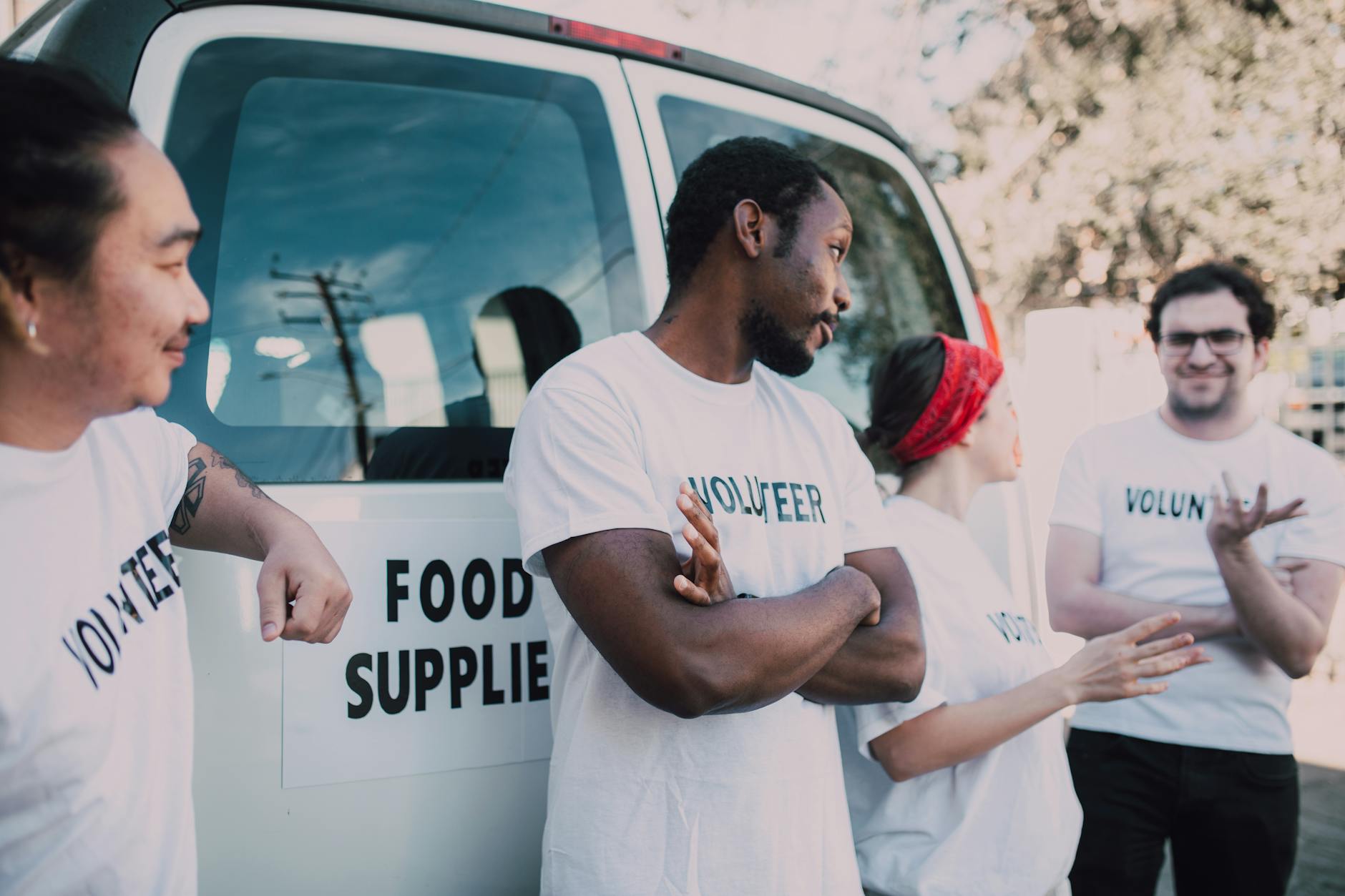
Place the work site on the real Lyon map
A volunteer placement can be described as being in Lyon while the daily site is central, suburban, campus-adjacent, or across a municipal boundary that changes the commute. The traveler may need to reach Presqu'ile, Guillotiere, Gerland, Vaise, Villeurbanne, Venissieux, Bron, or another partner location that behaves differently from the old city most visitors imagine. The work location should control housing and transport choices more than sightseeing preferences.
Neighborhood context also matters because nonprofit work often brings the traveler into ordinary residential areas rather than the polished visitor path. That does not mean those areas should be treated with fear. It means the traveler should understand arrival times, building access, local transit stops, nearby food options, language needs, and how the route feels at the beginning and end of the service day. A placement that is easy at noon can be different after an evening meeting or a long distribution shift.
- Map the exact partner address and do not plan from a generic idea of central Lyon.
- Check whether the site is in Lyon proper, Villeurbanne, Venissieux, Bron, Gerland, Vaise, or another daily operating zone.
- Evaluate routes for morning arrival, late return, food access, building entry, and personal comfort.

Vet the partner and the safeguarding rules
Partner credibility is the core risk control. The traveler should understand whether the organization is registered, who supervises the work, how long it has operated, how participants are protected, what insurance applies, and whether background checks or formal agreements are required. This is especially important if the work involves children, migrants, elderly people, unhoused residents, medical vulnerability, addiction support, domestic-violence services, or any setting where privacy and dignity are central.
Safeguarding is not only a paperwork issue. A short-term visitor should know when not to take photos, when not to ask personal questions, when not to distribute money or gifts directly, and when to refer a situation to staff instead of trying to solve it. The rules protect the people served, but they also protect the traveler from creating ethical, legal, or reputational problems for the local organization.
- Confirm registration, supervision, insurance, background-check expectations, and formal agreements.
- Treat children, migrants, health cases, unhoused residents, and other vulnerable groups as safeguarding-sensitive contexts.
- Follow partner rules on photos, gifts, personal questions, direct aid, and escalation to staff.
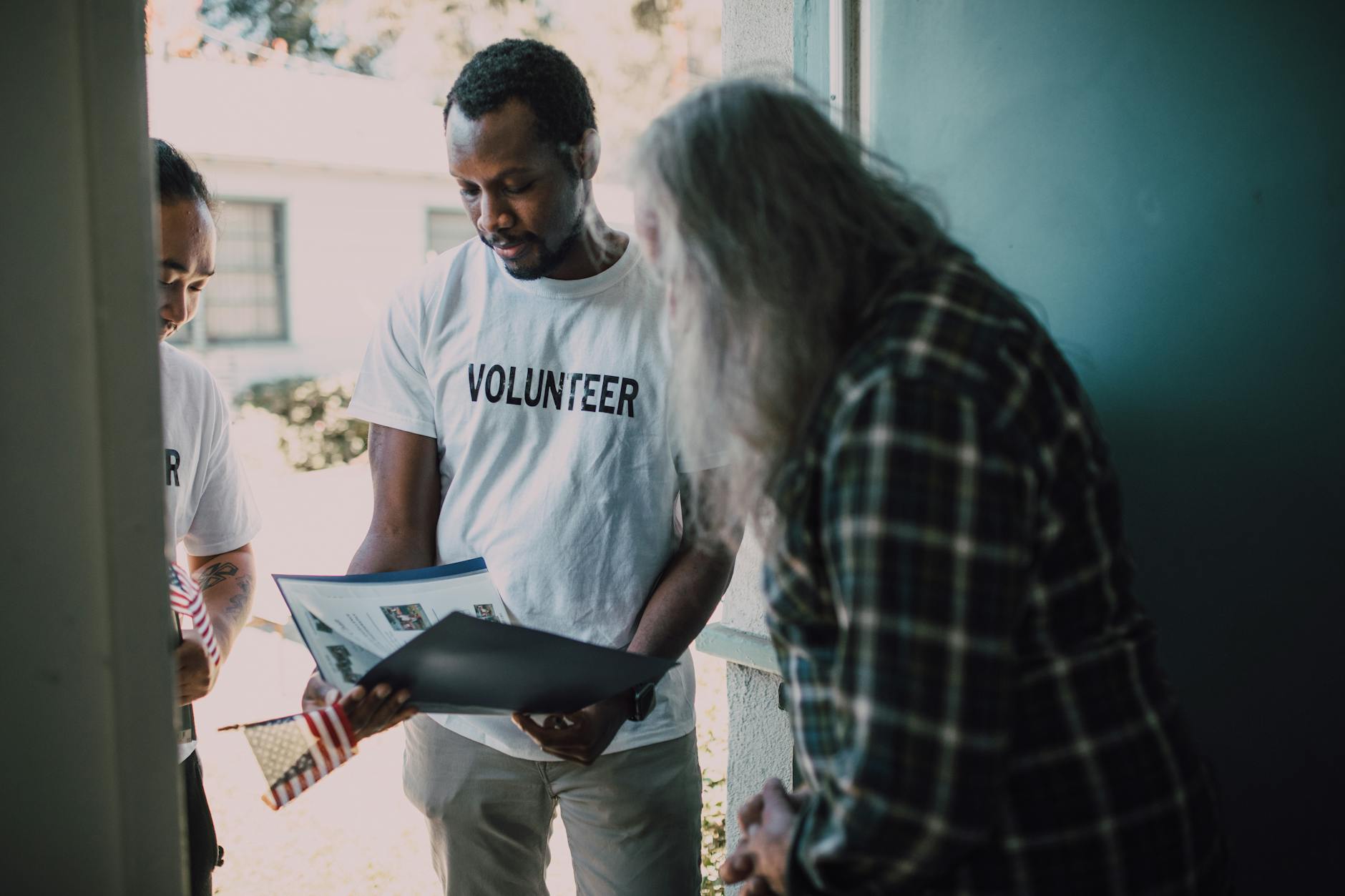
Plan language, paperwork, and daily equipment
French ability can matter even when the partner staff speaks English. The traveler may need to understand signs, building rules, transit instructions, food labels, pharmacy conversations, or basic exchanges with people who are not part of the international program team. A volunteer does not need to pretend to be fluent, but they should prepare the terms used by the placement and save addresses, contact names, emergency numbers, and key phrases in a form that works offline.
The equipment list should be built from the actual site. Donation sorting, food distribution, outdoor cleanup, home visits, program evaluation, and training support each require different clothing and materials. The traveler may need closed-toe shoes, plain clothes, weather layers, gloves, ID, a notebook, battery pack, water, lunch, printed contact information, or a phone that can last through a long day. The goal is to arrive useful, not to make the partner improvise around a visitor who brought the wrong things.
- Prepare the French terms, saved addresses, contact names, emergency numbers, and offline directions needed for the placement.
- Build the packing list from the work type: sorting, food distribution, cleanup, home visits, evaluation, or training.
- Carry practical basics such as ID, battery, water, lunch plan, weather layers, and written partner contacts.
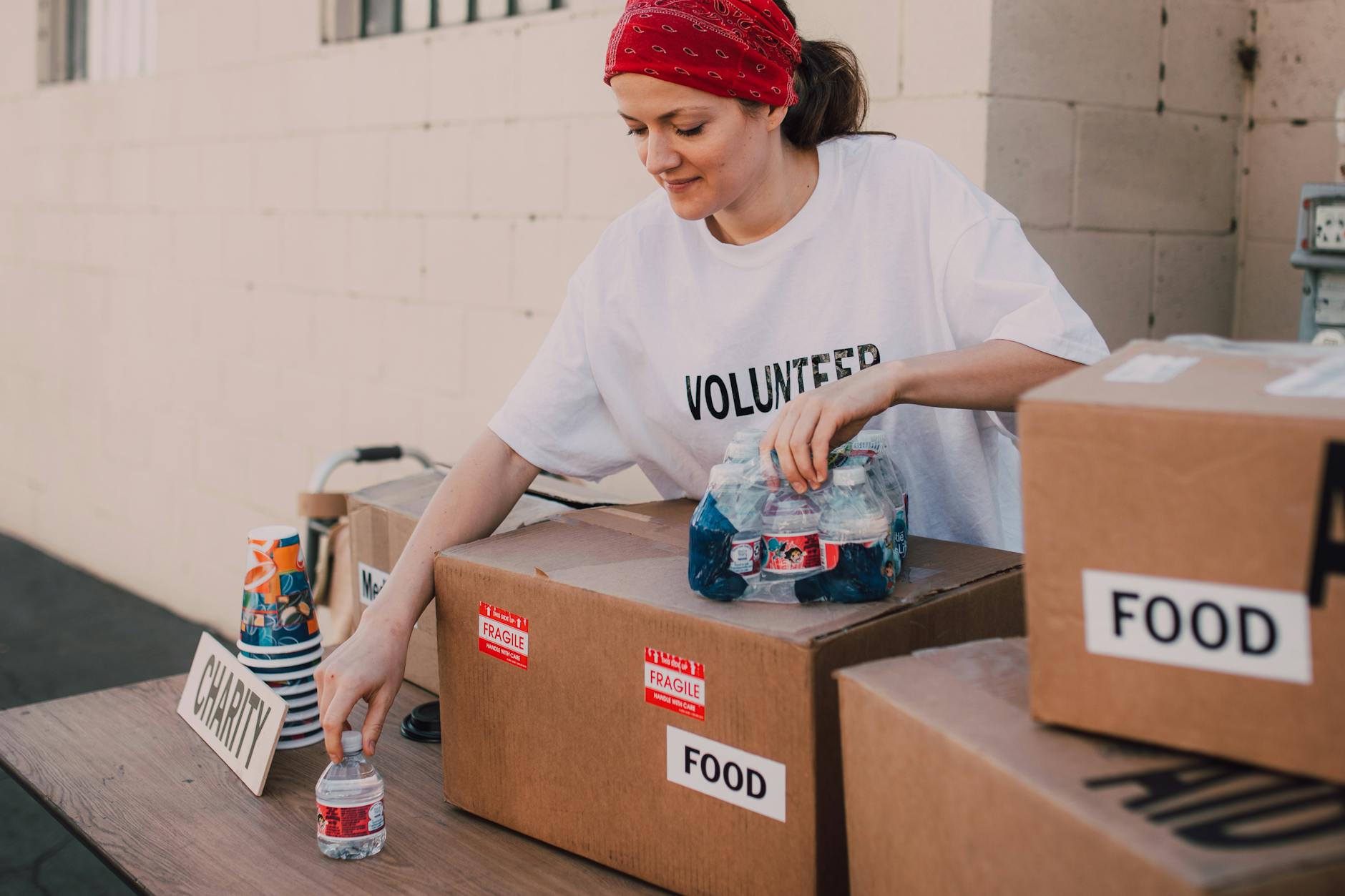
Keep service days sustainable
Short volunteer trips can be emotionally and physically uneven. A traveler may spend one day doing simple logistics, another hearing difficult stories, another standing for hours, and another navigating a slow administrative meeting. The schedule should include food, water, rest, travel time, and a clear end point rather than assuming goodwill can carry the whole day. Exhausted volunteers make poorer judgments, communicate less clearly, and sometimes become one more thing for the local team to manage.
Housing should support recovery. A late commute back from a service site, noisy room, weak Wi-Fi, or no place to wash clothes can matter more on this kind of trip than on a leisure visit. If the traveler is part of a group, the group should also decide how debriefing works. Some conversations belong with the supervisor, some with teammates, and some should not be turned into public content or casual stories after the shift.
- Build service days around food, water, rest, travel time, and a clear end point.
- Choose housing that supports laundry, recovery, communication, and reliable return from the placement.
- Set debriefing norms so difficult experiences are handled respectfully and not turned into casual content.
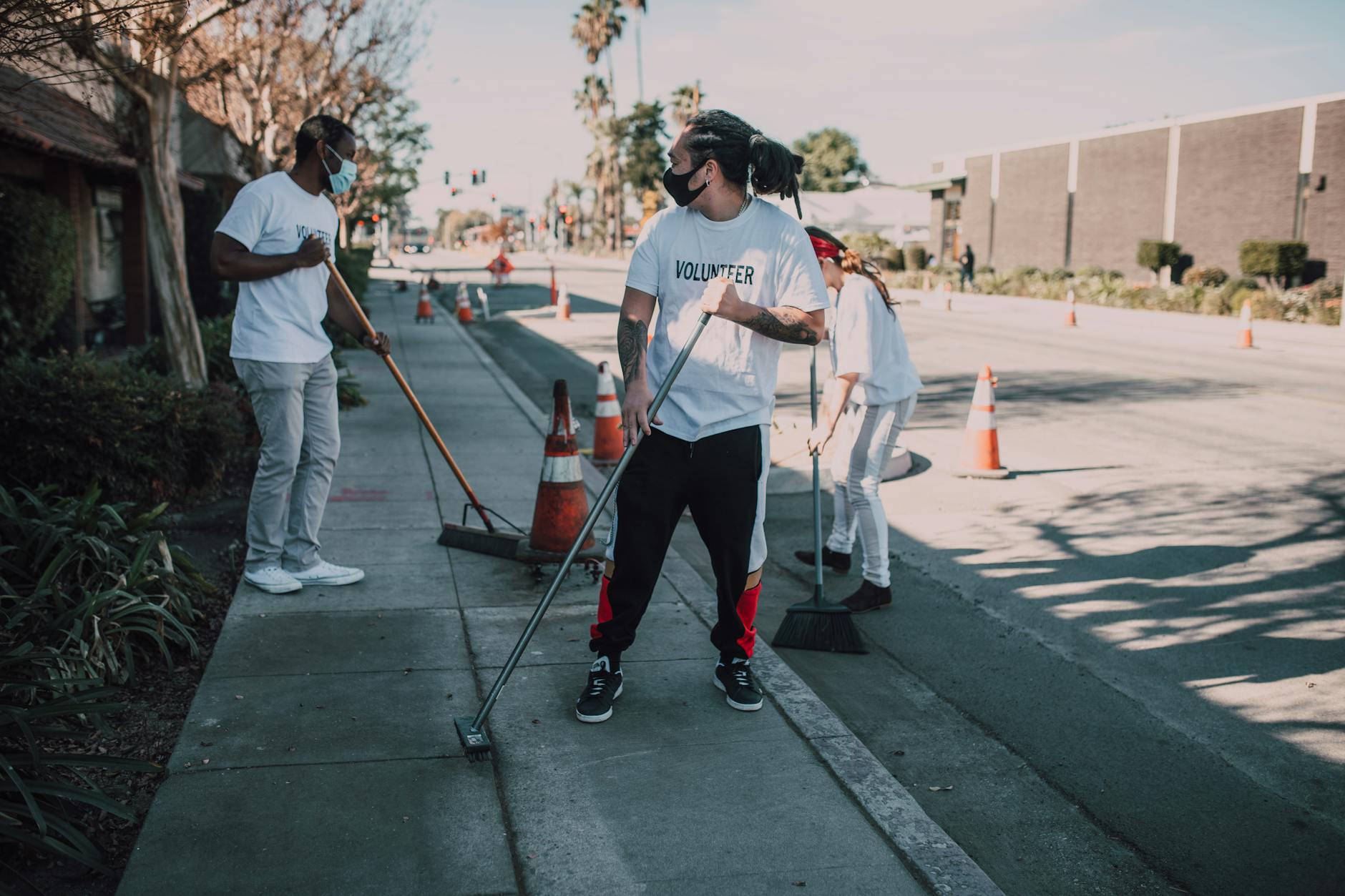
Watch demonstrations and civic friction
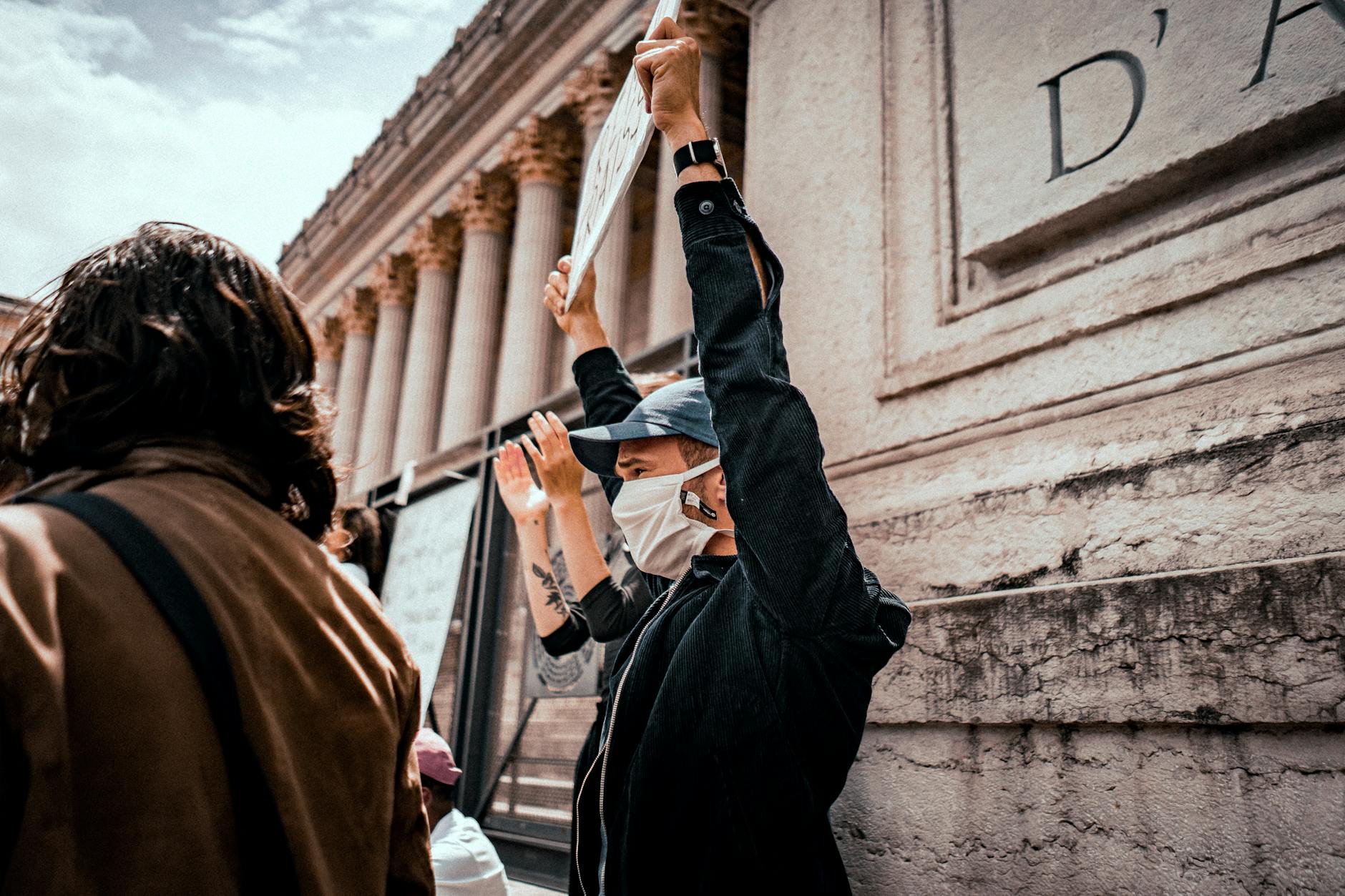
Lyon is an active civic city, and demonstrations, labor actions, football crowds, transport strikes, or neighborhood-specific tensions can affect a volunteer schedule even when they have nothing to do with the placement. This is not a reason to avoid the city. It is a reason to monitor local conditions, keep the partner's guidance central, and avoid drifting into events that the traveler does not understand. A volunteer or NGO visitor may be read as politically connected even when they are just nearby.
The practical rule is to separate mission from curiosity. If a protest, police operation, or crowd forms near a work route, the traveler should prioritize route changes, partner instructions, and group accountability over photography or observation. If the trip includes advocacy, journalism-like documentation, or politically sensitive communities, the planning should be more formal about public statements, device security, social media, and what the traveler is authorized to say on behalf of the organization.
- Monitor demonstrations, strikes, football crowds, and transport disruption that could affect routes or service sites.
- Avoid photographing or drifting into civic events that are not part of the mission.
- Use stricter communication and device rules if the work touches advocacy or politically sensitive communities.
When to order a short-term travel report
A traveler joining a fully organized group with housing, transport, supervision, and a clear daily role may not need a custom report. A report becomes more useful when the traveler is arranging housing independently, visiting a partner for the first time, working across several sites, handling donor or evaluation responsibilities, traveling alone, serving vulnerable groups, or entering neighborhoods they do not know. It is also useful when parents, schools, churches, or sponsors need an outside look at the placement environment before approving the trip.
The report should test the partner address, role description, neighborhood context, housing options, arrival route, daily transit, late-return plan, language needs, safeguarding concerns, documentation rules, current disruption risks, and how the service work fits into Lyon's real geography. The value is not a generic reminder to be careful. It is a placement-aware operating brief that helps the traveler support the local partner without becoming a burden or creating avoidable risk.
- Order when housing, partner vetting, vulnerable groups, several sites, solo travel, or sponsor approval creates uncertainty.
- Provide partner details, work site, role, schedule, housing options, language ability, supervision, and safeguarding rules.
- Use the report to protect the mission, the people served, the local partner, and the traveler's daily reliability.