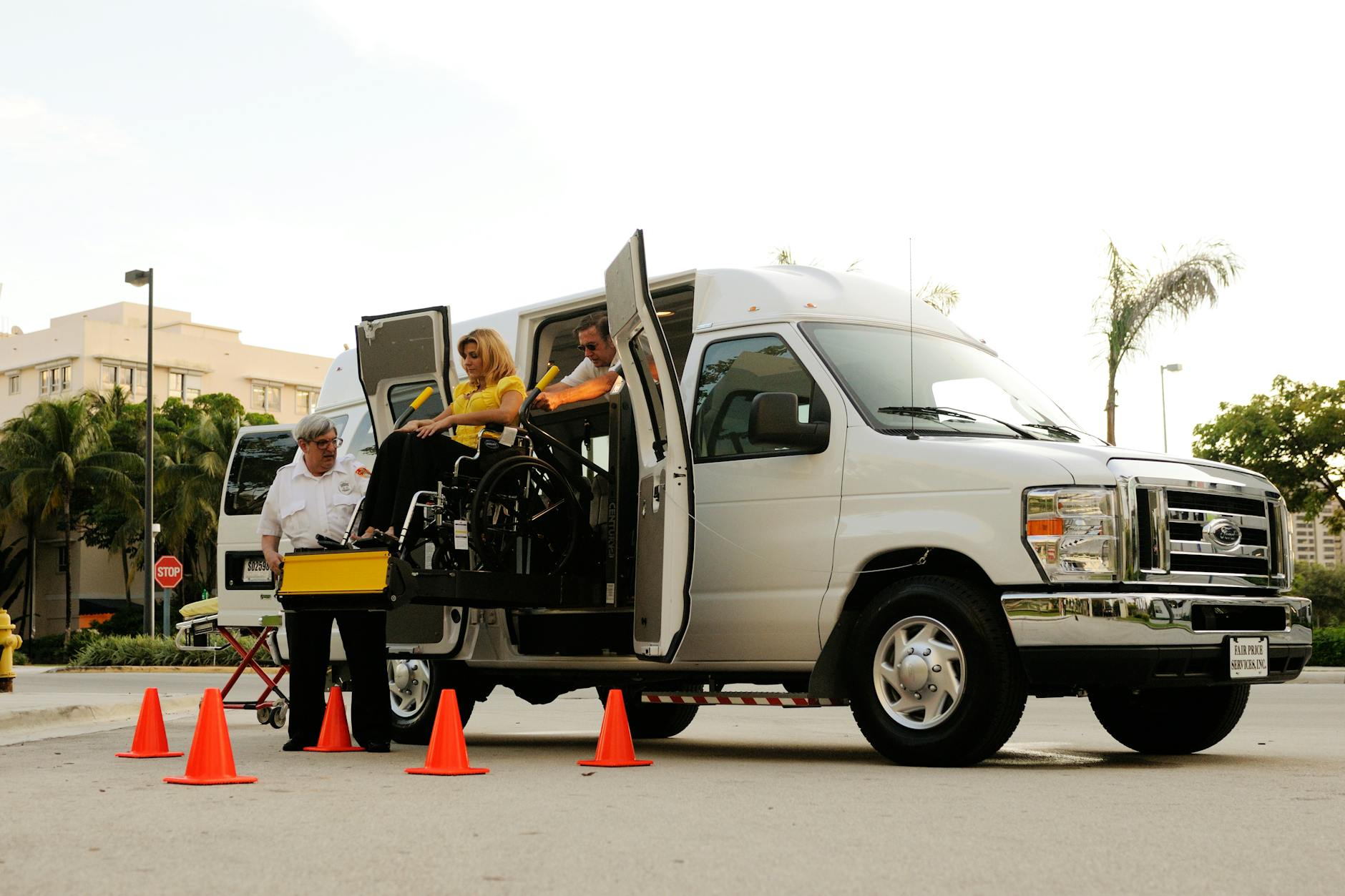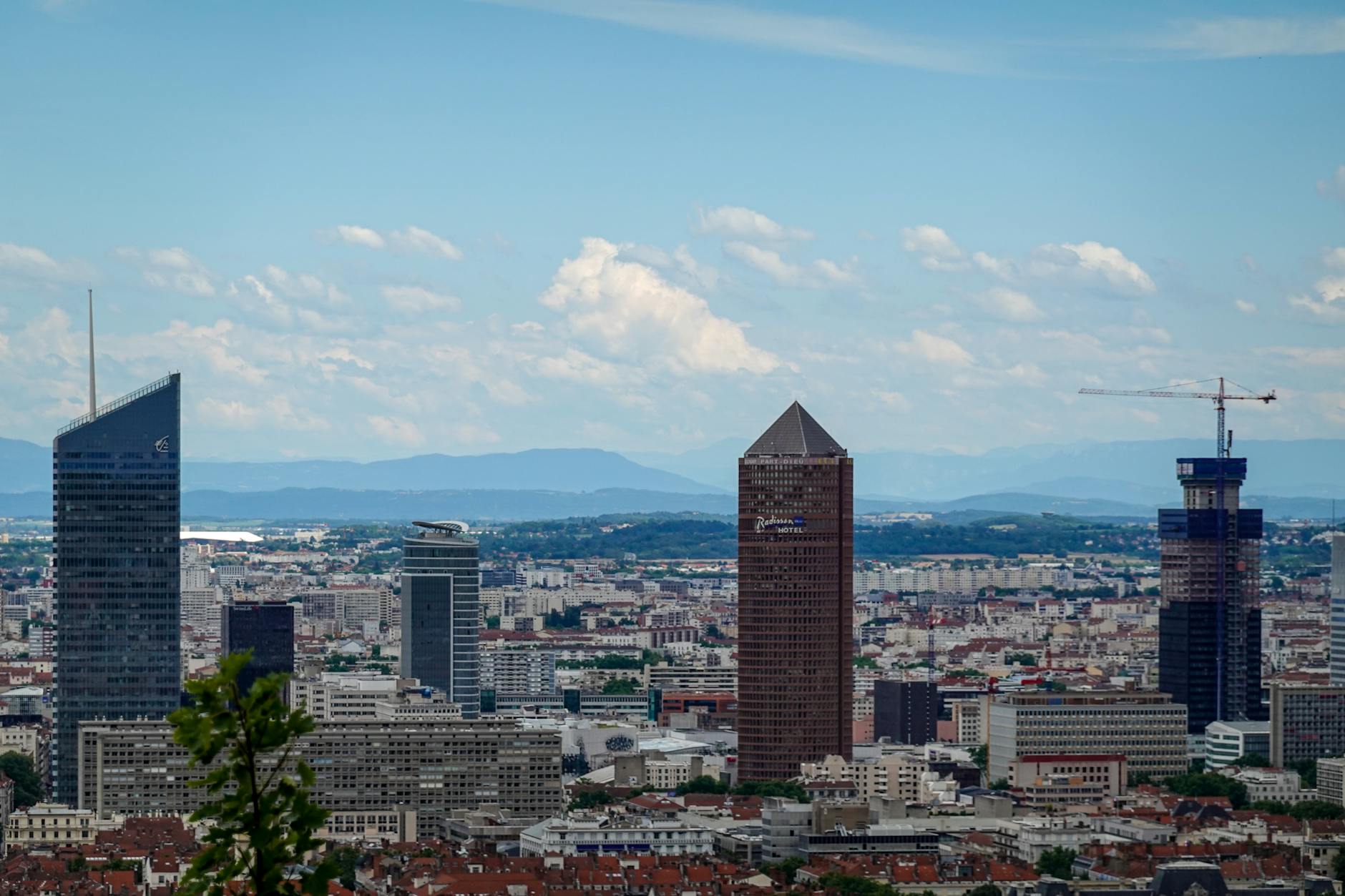
Lyon can be a rewarding short-term destination for travelers with mobility limitations, but it rewards careful planning more than optimism. The city has useful public transport, river-level promenades, strong hotel options, compact central districts, museums, markets, restaurants, and a layout that can make short moves feel efficient. It also has hills, cobblestones, stairs, station complexity, older buildings, crowded historic lanes, weather exposure on the rivers, and districts where the final approach to a hotel, restaurant, or viewpoint matters more than the map distance. The correct question is not whether Lyon is accessible in the abstract. The question is whether a specific traveler can move through a specific Lyon itinerary with acceptable effort, dignity, recovery time, and contingency. A wheelchair user, cane user, walker user, traveler with limited stamina, traveler recovering from surgery, or companion managing mobility support will each need a different version of the trip. The paid short-term report is designed to turn that difference into a practical plan: where to stay, how to arrive, which routes to favor, when to use taxis or private transfers, what to avoid, and how to keep the trip from being consumed by preventable friction.
Choose lodging by the last 100 meters
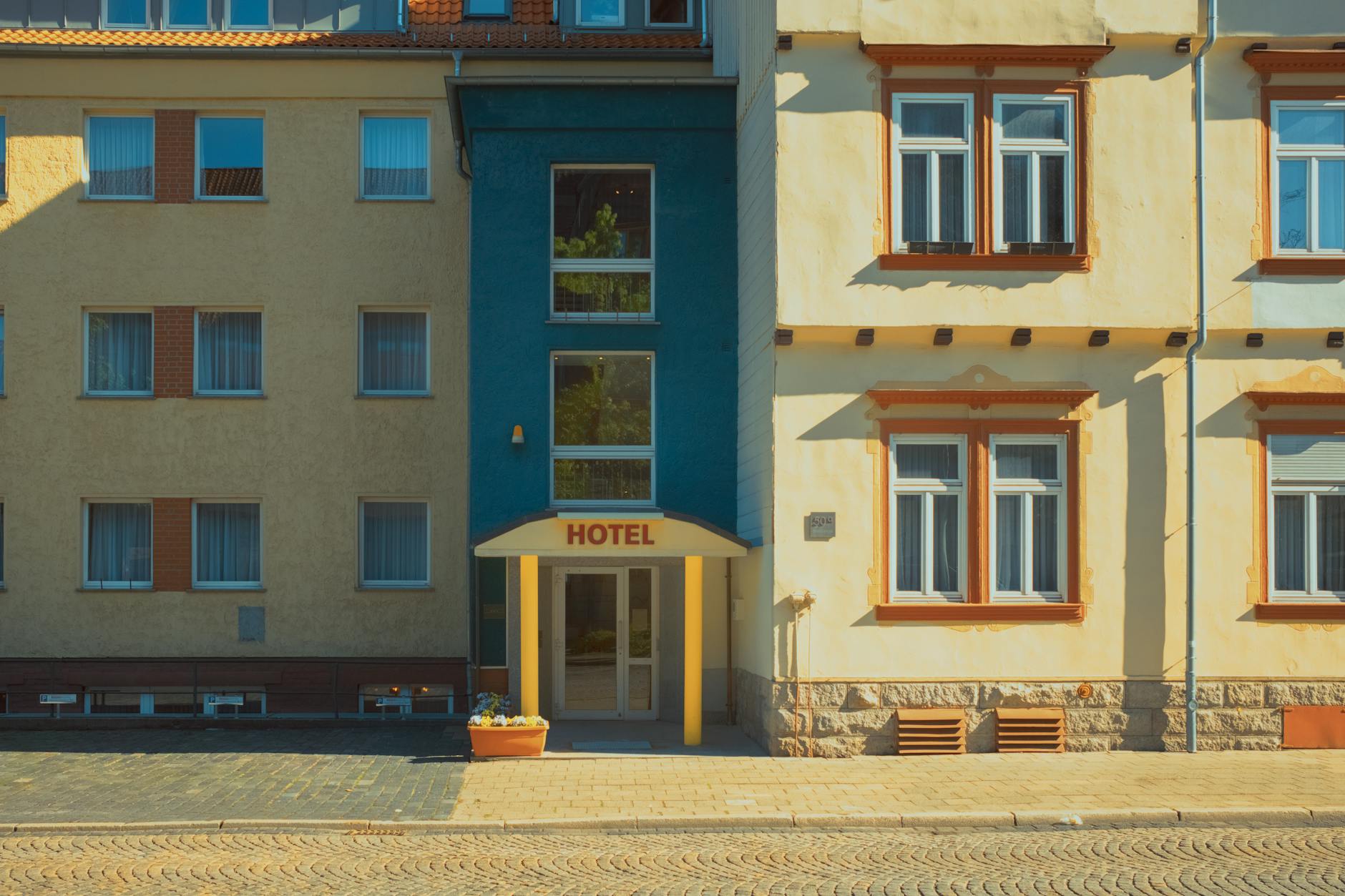
For mobility-limited travelers in Lyon, the lodging decision should begin with the last 100 meters, not the neighborhood label. A hotel can be central and still fail if the entrance has steps, the pavement outside is uneven, the taxi drop-off is awkward, the elevator is too small, the shower is not workable, or the nearest reliable meal requires a tiring climb. A slightly less charming hotel with a level entrance, usable elevator, predictable taxi access, nearby restaurants, and a clean path to transit may be the stronger choice.
Presqu'ile is often the most practical starting point because Bellecour, Cordeliers, Jacobins, and the central shopping streets keep many meals, museums, river walks, taxis, and transit connections within manageable reach. Part-Dieu can work when rail access or business logistics dominate, but the station environment can feel complex when a traveler is tired. Vieux Lyon is atmospheric, yet its cobbles, lanes, old buildings, and small elevation changes should be checked carefully. Croix-Rousse and Fourviere should not be selected casually unless the traveler has a precise access plan.
- Confirm step-free entrance, elevator dimensions, shower type, taxi drop-off, and the nearest practical meals before booking.
- Favor Presqu'ile when the trip needs the simplest balance of food, taxis, transit, museums, and river-level movement.
- Treat Vieux Lyon, Croix-Rousse, and Fourviere as access-sensitive districts rather than default romantic bases.
Make arrival step-free before it needs to be
Arrival is where many Lyon mobility plans succeed or fail. Saint-Exupery Airport sits outside the city, and the best transfer is not simply the cheapest or fastest one on paper. Rhonexpress can be useful, but the traveler still has to manage bags, platforms, crowds, station exits, and the final move to the hotel. A taxi or private transfer may be worth the cost when late arrival, pain, fatigue, luggage, weather, or a mobility device makes the first hour of the trip fragile.
Rail arrivals also need planning. Part-Dieu is practical but large, busy, and under constant enough movement that the correct exit matters. Perrache can be useful for some central plans but has its own circulation issues. Travelers should know the station exit, elevator fallback, taxi stand location, and hotel approach before arrival. The goal is to avoid making route decisions while tired, loaded with bags, and already committed to an inaccessible path.
- Choose the arrival transfer by transitions, luggage, arrival hour, fatigue, and final hotel approach, not only by fare.
- Pre-check the station exit, elevator fallback, taxi stand, and hotel entrance before landing or arriving by rail.
- Use private transfer or taxi when the first hour of the trip would otherwise carry too much mobility risk.
Do not let map distance hide effort
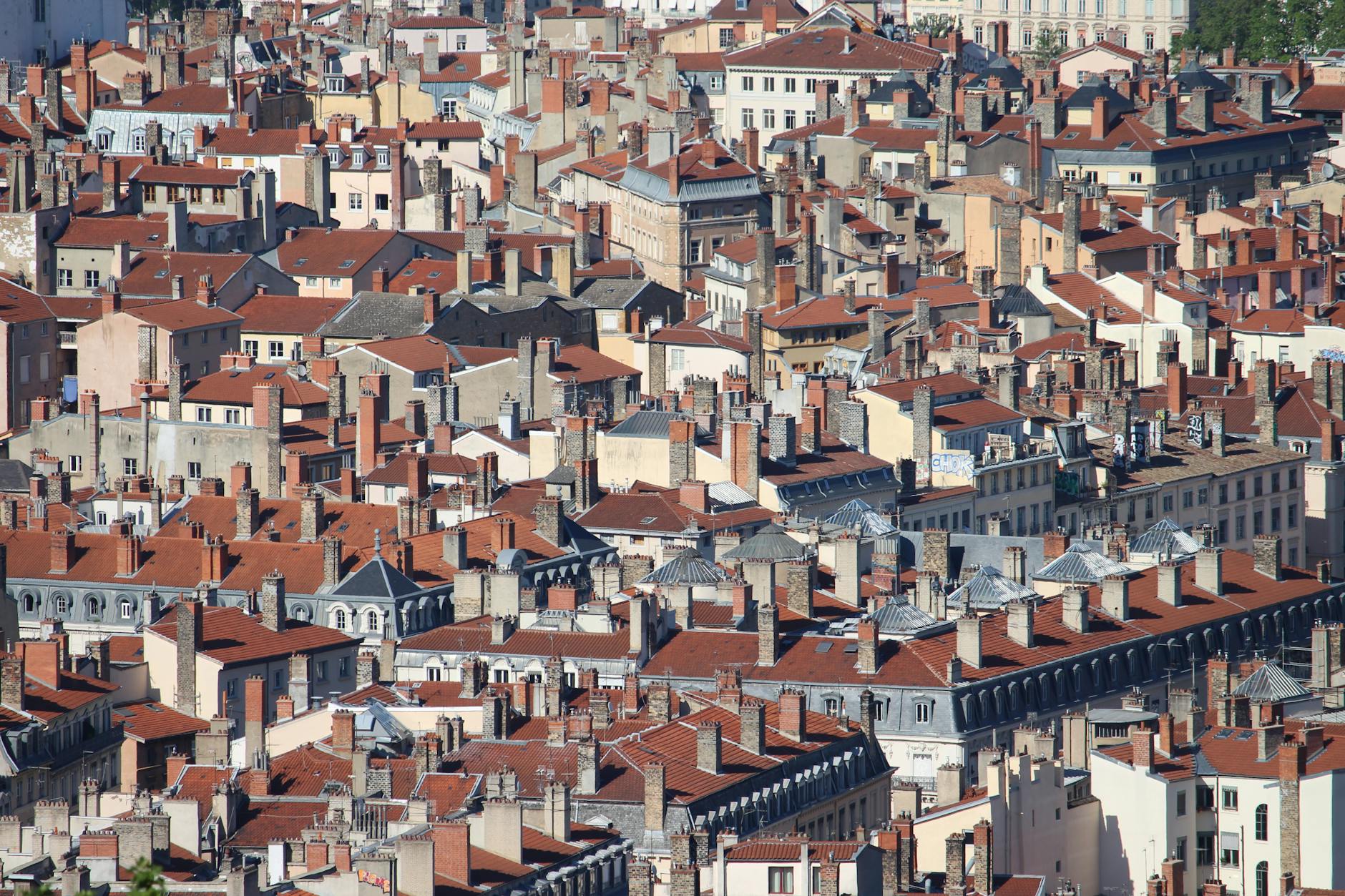
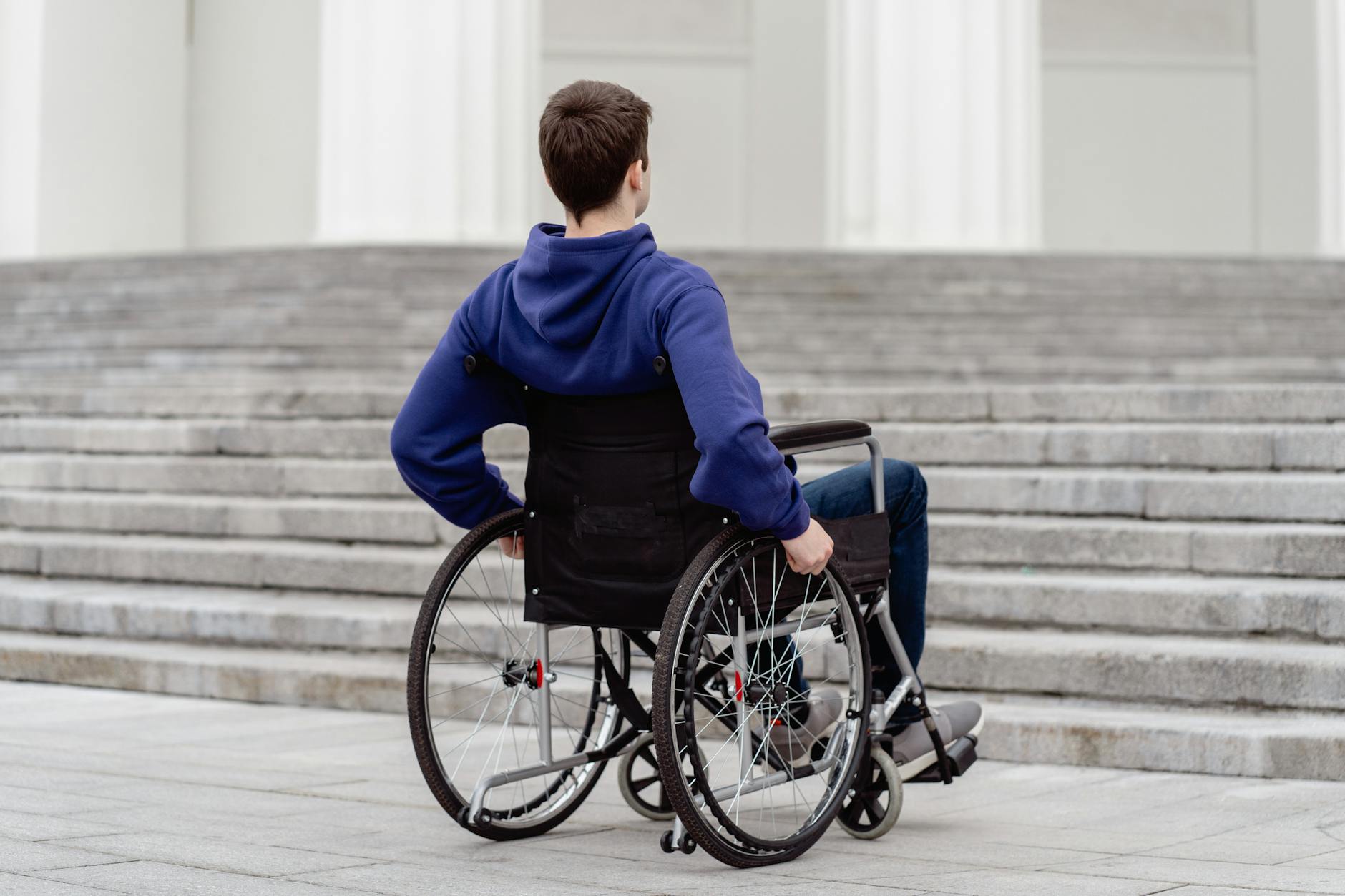
In Lyon, short map distances can conceal meaningful effort. A route may include cobbles, curbs, gradients, stairs, narrow lanes, crowds, construction, missing seating, or a river crossing that feels longer in heat or rain than it looks on a screen. Vieux Lyon is the clearest example: it is central, beautiful, and important, but parts of it can be slow or uncomfortable for wheelchairs, walkers, canes, unstable knees, limited stamina, or travelers who need frequent rest.
Fourviere and Croix-Rousse require even more care. The funicular can reduce hill effort, but the whole chain still matters: hotel to station, platform access, exit, surface at the top, crowds, toilets, and return. A mobility-aware Lyon itinerary should rank routes by surface, grade, seating, shade, toilets, and bailout options. Sometimes the best route is not the scenic one. Sometimes the scenic route is excellent precisely because it stays near the rivers and avoids unnecessary climbs.
- Evaluate each route by surface, grade, curbs, crowds, seating, toilets, and taxi or transit fallback.
- Treat Vieux Lyon, Fourviere, and Croix-Rousse as high-reward areas that need specific access planning.
- Use river-level routes when they preserve energy without sacrificing the trip's sense of place.
Use public transport selectively
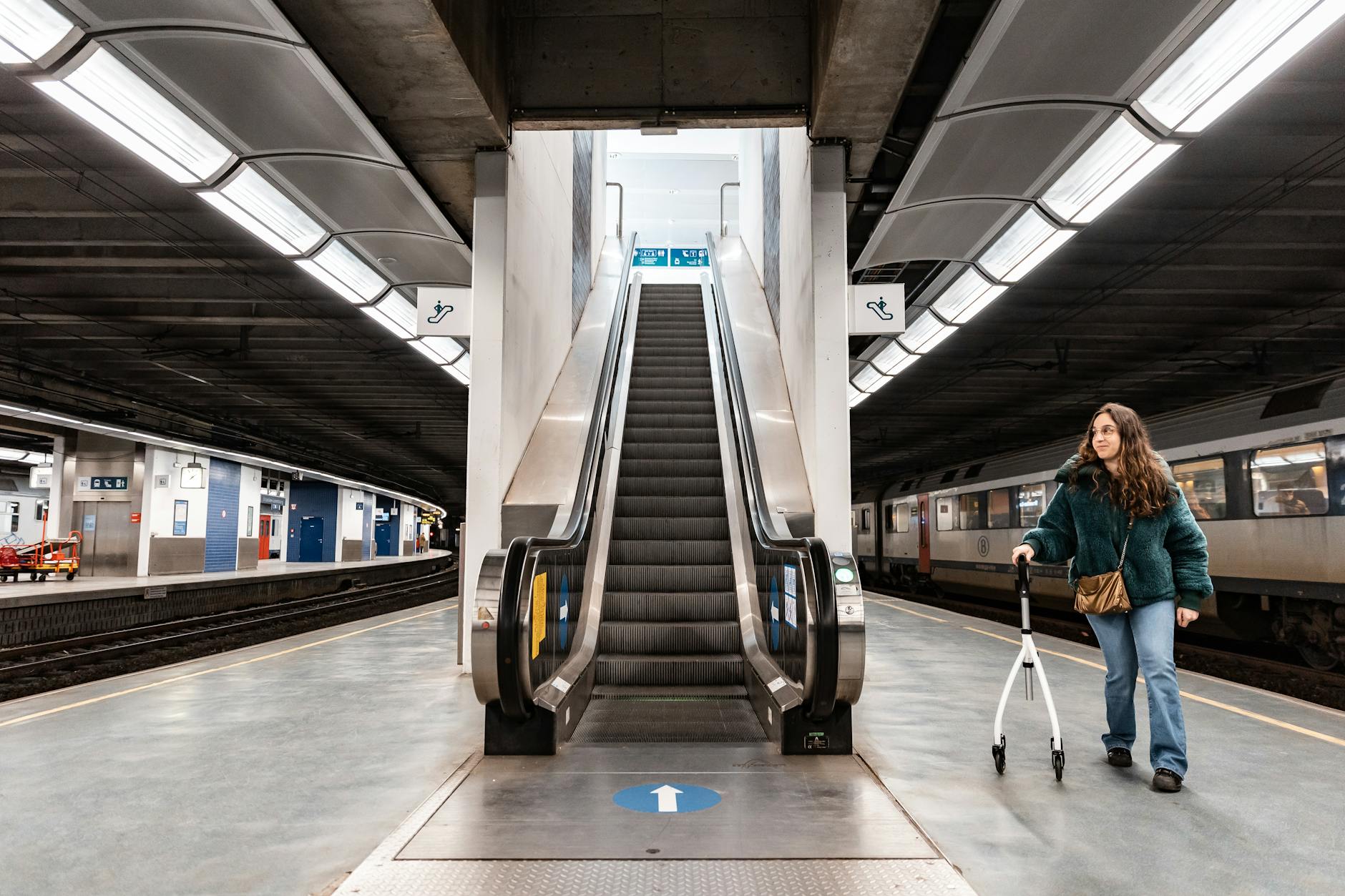
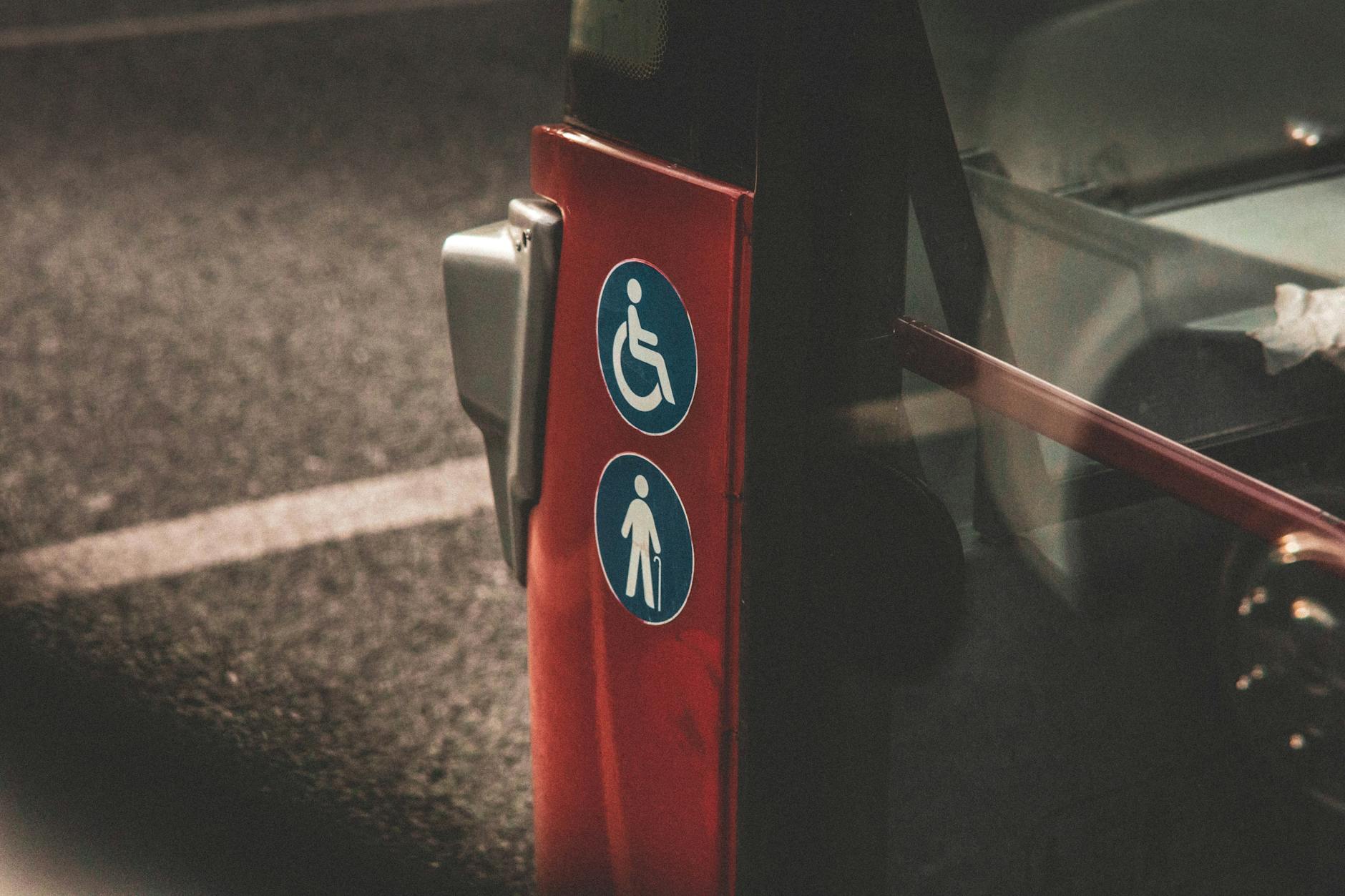
Lyon's metro, tram, bus, and funicular network can be useful for travelers with mobility limitations, but it should be used as a selected tool rather than a blanket promise. A nominally accessible network still depends on the exact station, line, elevator, vehicle, platform, crowd level, and the distance from the stop to the real destination. A route with fewer transfers may be better than a theoretically faster route that depends on lifts, crowded platforms, or complicated exits.
Trams and buses can be easier for some travelers because they avoid underground circulation, while metro connections can be better when the station chain is known and working. Taxis may be the right answer after dinner, in rain, during pain flares, or when the day has already demanded too much. The plan should include a threshold: when transit is worth it, when walking is reasonable, and when paying for a car protects the next part of the trip.
- Plan public transport by exact station, line, elevator, platform, transfer, and final approach.
- Favor fewer transfers and simpler exits over routes that look faster but create more access dependencies.
- Set a taxi threshold before the trip so the traveler does not overextend just to follow the original plan.
Build days around rest and accessible anchors
A strong Lyon day for a mobility-limited traveler usually has one main anchor, one nearby secondary option, and a real rest plan. Trying to stitch together Vieux Lyon, Fourviere, Croix-Rousse, river walks, museums, shopping, and a major dinner in one day may look efficient on a map, but it can turn the trip into a stamina test. The better approach is to protect one important experience and keep the rest of the day close, adjustable, and easy to shorten.
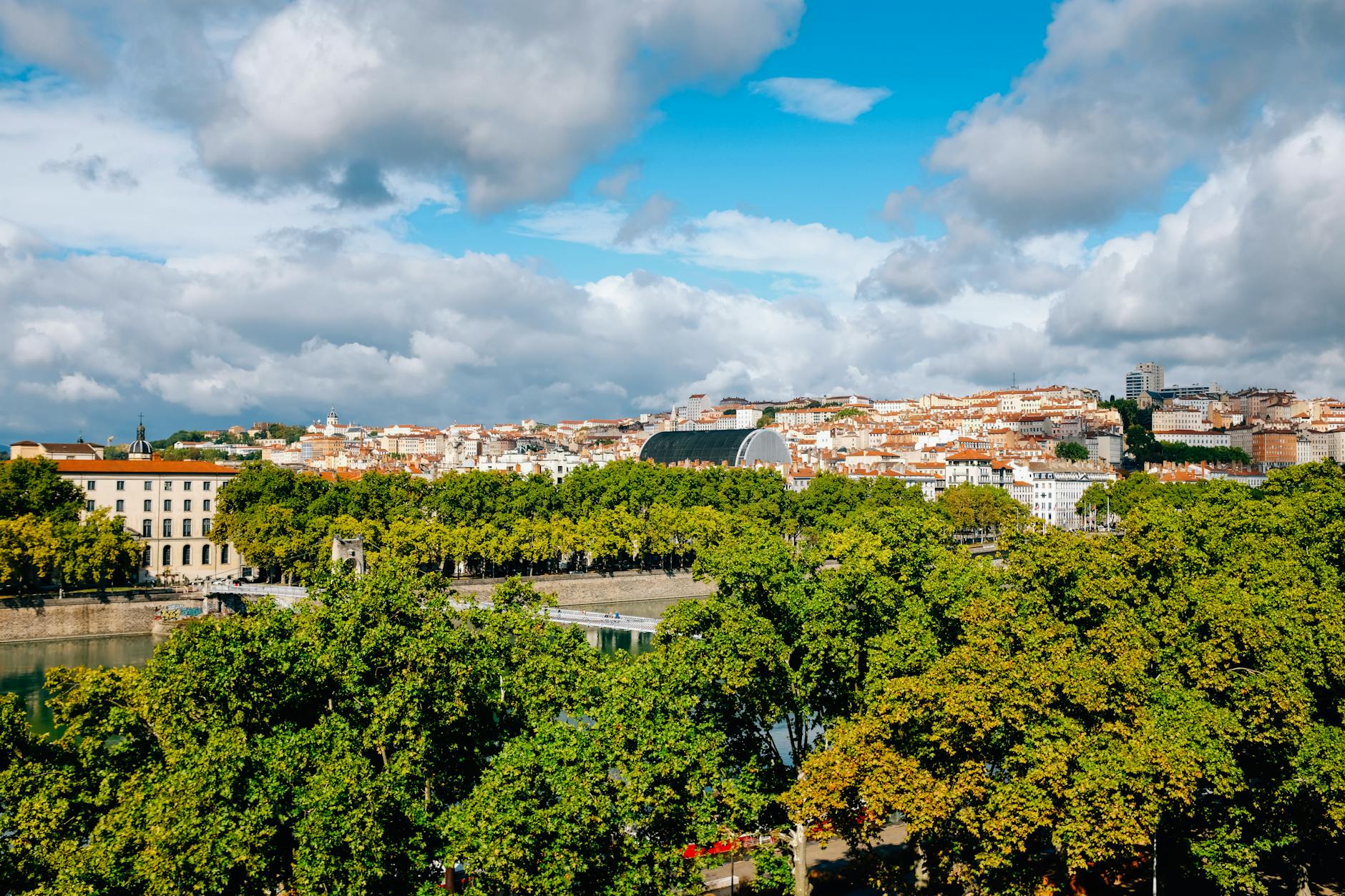
River-level routes can be excellent anchors when the weather cooperates. Museums, parks, markets, and central squares can also work when seating, toilets, taxis, and nearby meals are known. The traveler should plan recovery windows at the hotel or a reliable cafe, not as a sign that the trip is failing but as a way to keep the later day usable. Mobility planning is partly route design and partly energy budgeting.
- Use one main anchor, one nearby secondary option, and one planned recovery window each day.
- Check seating, toilets, shade, weather exposure, and taxi fallback around museums, parks, markets, and river walks.
- Keep optional add-ons geographically close instead of building a day around constant cross-city movement.
Plan meals, pharmacies, and evening returns
Meals are not secondary for travelers with mobility limitations. A restaurant may have excellent food and still be wrong if the entrance has steps, tables are tight, restrooms are inaccessible, the route from the hotel is uneven, or the return after dinner depends on a tiring walk. Lyon's food culture is one of the main reasons to visit, so the plan should make it usable rather than leaving dinner to chance after the traveler is already fatigued.
The same logic applies to pharmacies, basic supplies, and urgent care fallback. The traveler should know what is near the hotel, what is near the day's anchor, and how to return if pain, rain, crowds, heat, or equipment issues change the plan. Evening returns deserve special attention because fatigue accumulates. A direct taxi after dinner may be the difference between a pleasant night and a trip that loses the next morning.
- Reserve restaurants only after checking entrance, table spacing, restroom practicality, route surface, and return transport.
- Identify pharmacies and basic-supply options near the hotel and near the day's main anchor.
- Plan evening returns as deliberately as the meal itself, especially after a long day or in bad weather.
When to order a short-term travel report
A traveler with very mild mobility limits, a central step-free hotel, and a relaxed itinerary may be able to plan Lyon with public resources and direct hotel confirmations. A custom report becomes more valuable when the traveler uses a wheelchair, rollator, cane, scooter, brace, or other mobility aid; has limited stamina; is traveling with a companion who provides support; needs a specific hotel or conference site assessed; plans to include Vieux Lyon, Fourviere, or Croix-Rousse; or wants the arrival and return logistics checked before committing.
The report should not provide medical advice. Its value is practical trip design: lodging filters, transfer choice, route surfaces, public transport options, taxi thresholds, dining checks, pharmacy and fallback planning, pacing, and current disruption review. For Lyon, the difference between a workable trip and an exhausting one is often not one famous attraction. It is the small sequence of doors, curbs, grades, platforms, meals, rests, and returns that either supports the traveler or drains the trip.
- Order when mobility equipment, limited stamina, hotel uncertainty, station complexity, or hill districts could shape the trip.
- Provide the exact hotel candidates, arrival point, mobility constraints, device details, walking or standing tolerance, and must-see items.
- Use the report to make Lyon practical at route level, not just to collect generic accessibility tips.