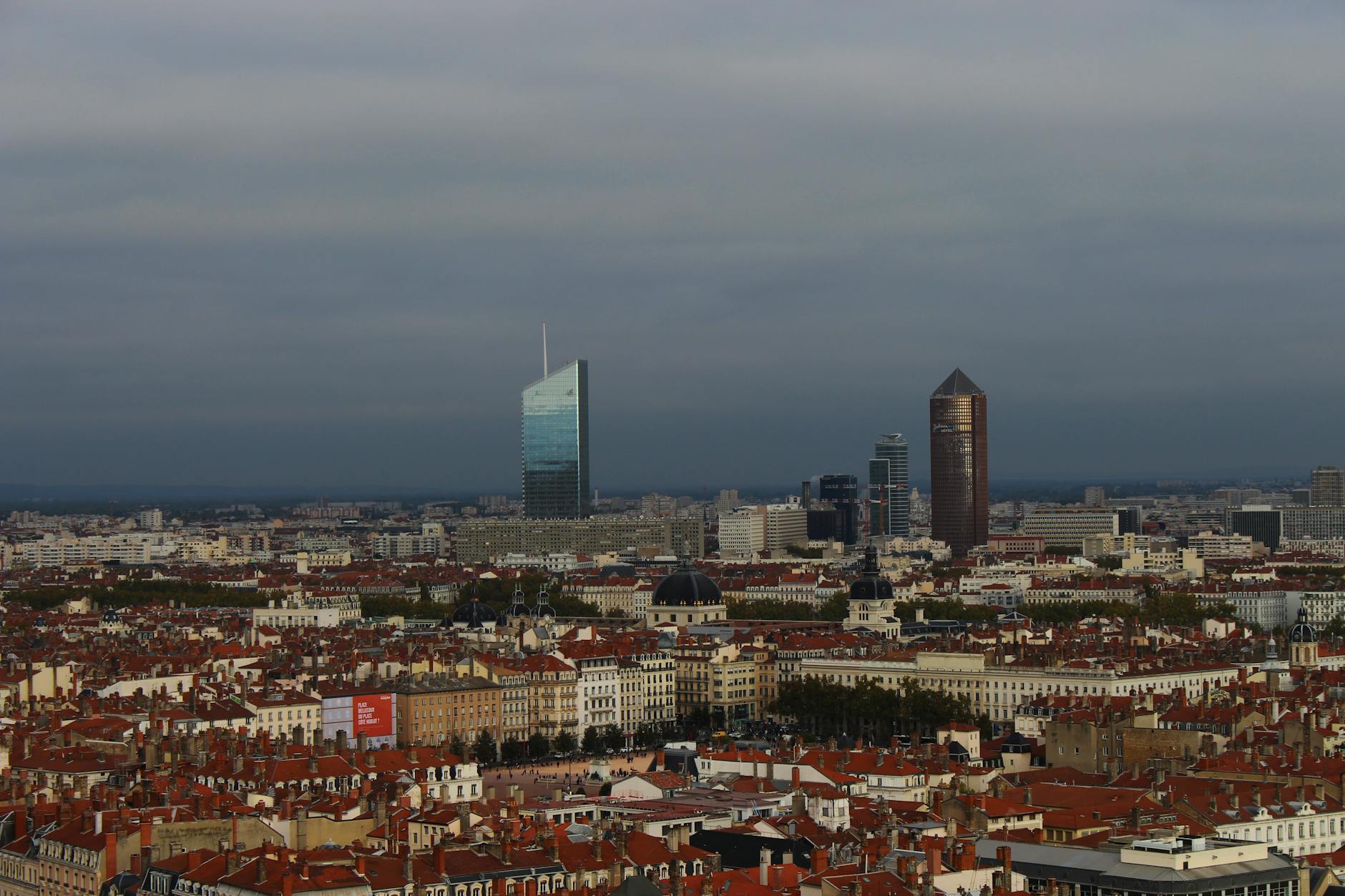
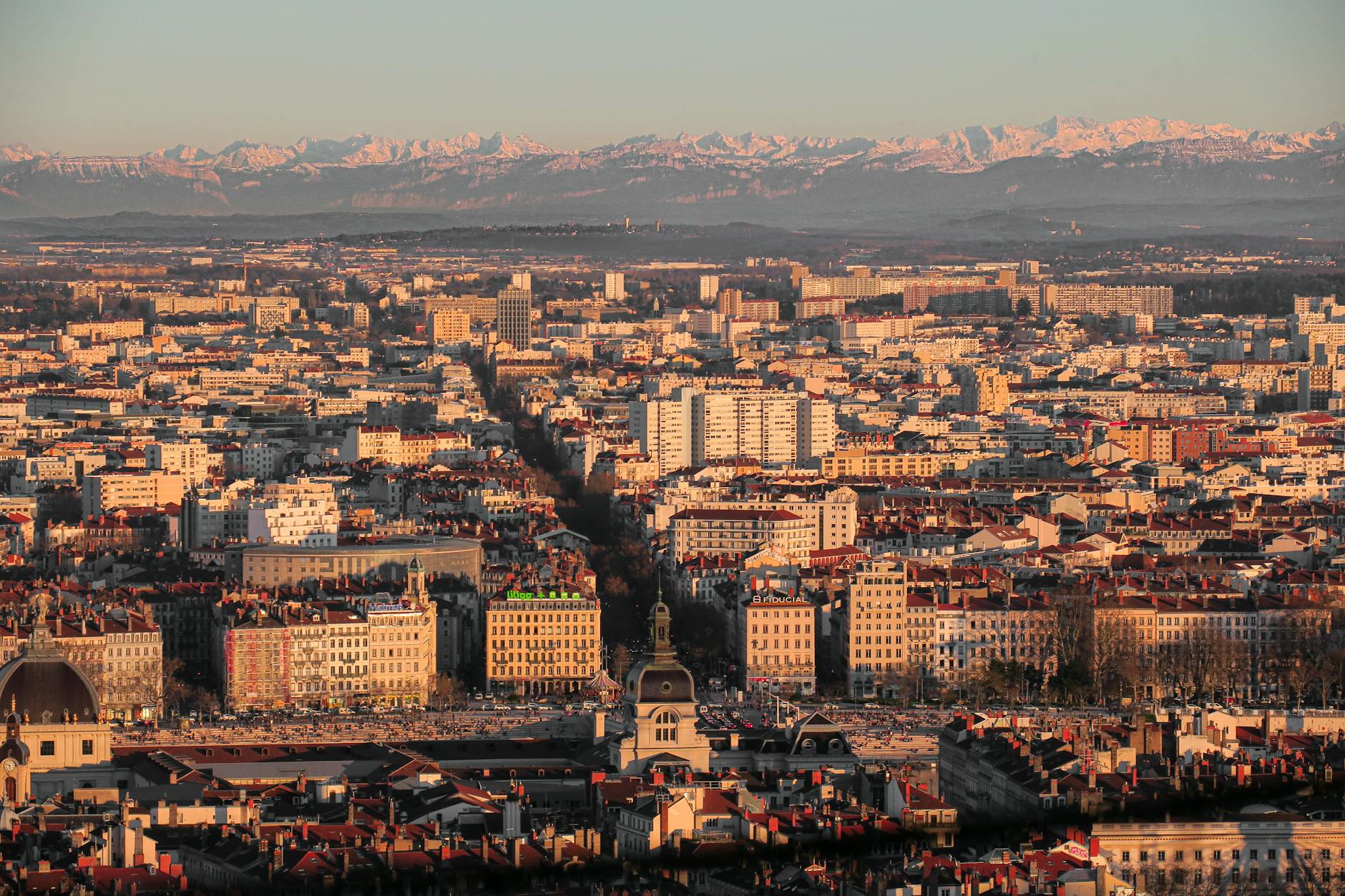
A short sales trip to Lyon is a commercial campaign compressed into a city with several different business geographies. The traveler may be opening a new account near Part-Dieu, meeting a distributor in Presqu'ile, visiting a buyer in Confluence, calling on a lab or industrial site near Gerland or Saint-Priest, hosting a dinner in the center, and trying to write usable follow-up before the next morning. Lyon is manageable, but a sales day can still lose momentum if the hotel is in the wrong place, the transfer plan is thin, materials are awkward to carry, or a late client meal consumes the time needed to turn a conversation into next steps. The useful planning question is not simply where the traveler should stay in Lyon. It is where the account plan needs the traveler to be sharp, punctual, equipped, and able to recover between buyer-facing moments. A sales traveler has different concerns from a general business visitor because the value of the trip depends on trust, timing, memory, and follow-through. The paid short-term report is designed to test the exact account addresses, hotel candidates, airport or rail arrival, demo needs, meeting order, client-meal expectations, and current local disruption risk.
Build the trip around the account map
Sales travel should start with the account map, not the hotel map. Lyon's commercial geography can place one buyer near Part-Dieu, another around Presqu'ile, a partner in Confluence, a technical contact in Gerland, a university or health-sector contact near the east side, and an industrial customer beyond the easiest metro pattern. Those places may all be called Lyon in the calendar, but they do not create the same travel day.
The first pass should rank accounts by value and route fragility together. A meeting that could open a major account deserves a larger buffer and a simpler arrival. A maintenance visit to an existing customer may be placed around a stronger prospect rather than allowed to split the day. Client lunches, reseller calls, and technical demonstrations should be sequenced so that the traveler is not constantly crossing the city under pressure. Sales momentum is easier to preserve when geography serves the commercial priority.
- Map prospects, existing accounts, partners, meals, and side meetings before choosing the hotel.
- Treat Part-Dieu, Presqu'ile, Confluence, Gerland, Villeurbanne, Saint-Priest, and outer client sites as different operating areas.
- Give the highest-value account the least fragile route and the strongest arrival buffer.
Protect punctual arrivals and buyer confidence
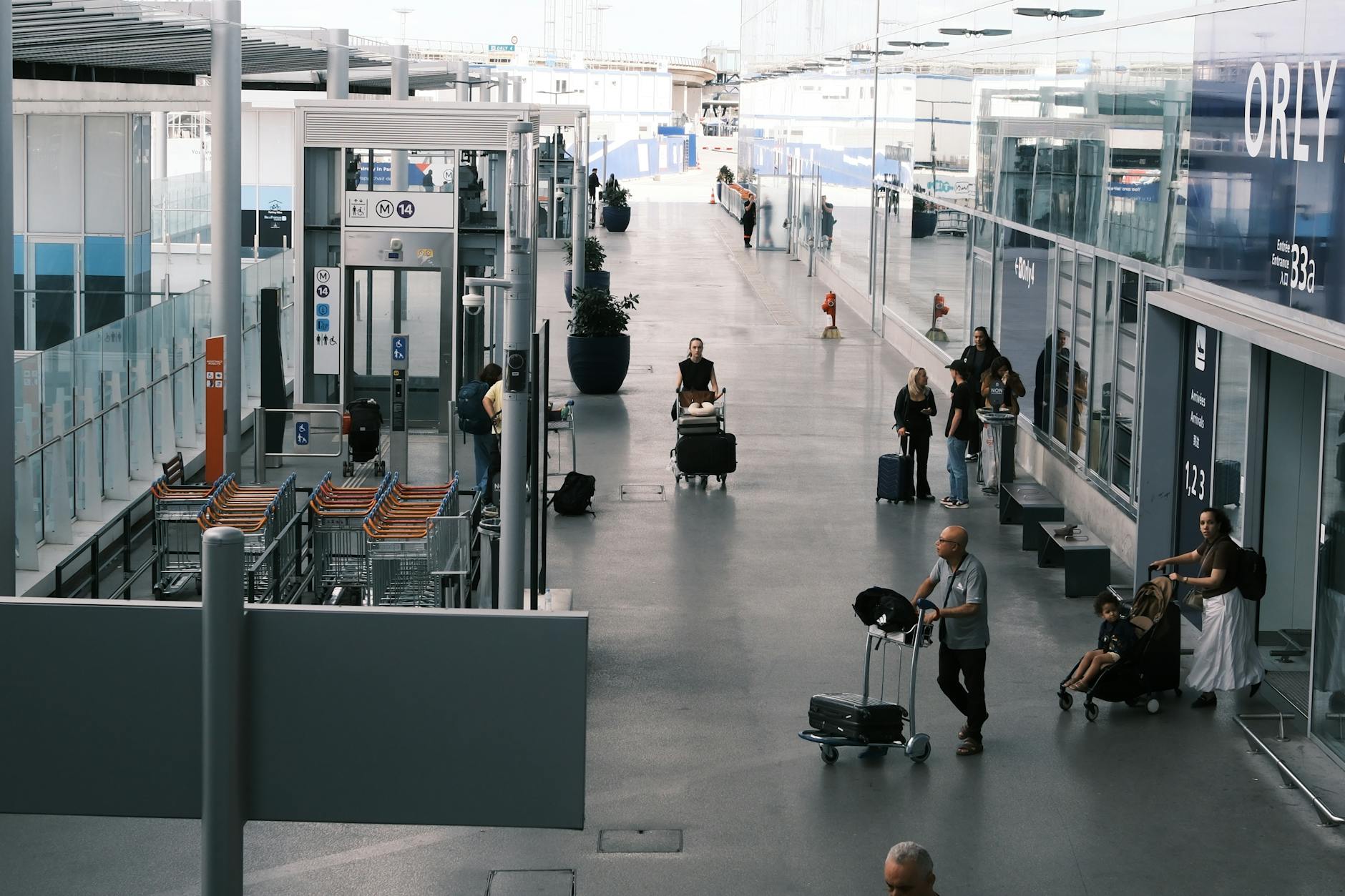
For a sales traveler, lateness is not only a logistics failure. It changes the buyer's first impression and can shorten discovery, weaken the pitch, or make the traveler look casual about the relationship. Lyon's transport can be efficient, but the traveler still needs door-to-door timing: airport or rail arrival, Rhonexpress or taxi choice, Part-Dieu station exits, metro or tram connections, road congestion, reception procedures, and the walk from the final stop to the actual entrance.
A sales plan should include one primary route and one credible fallback for every high-value meeting. If the traveler is carrying samples or demonstration equipment, a taxi or private car may be worth more than the fare difference. If the meeting is near a well-connected central district, transit may be more reliable than road traffic. The correct choice is the one that gets the traveler to the buyer composed, prepared, and not apologizing before the conversation begins.
- Plan to the buyer's reception desk, not merely to the nearest station or district.
- Build fallback routes for high-value meetings, especially when moving from airport, rail, or outer client sites.
- Choose transit, taxi, or private car by punctuality, composure, and materials, not by price alone.

Keep demo materials and proof points under control
Sales trips often carry hidden operational risk. The traveler may need a product sample, demo device, printed leave-behind, charger, adapter, pricing sheet, case study, compliance document, event badge, or offline version of a deck. A missing cable or blocked cloud demo can change the tone of a buyer meeting. A sample case can make a transit route slower than expected. A buyer who asked for proof may not wait patiently while the traveler searches email in a lobby.
The packing and transfer plan should separate mission-critical items from optional support material. Core deck, demo access, pricing logic, customer references, and samples that cannot be replaced quickly should stay under direct control. If the buyer site has strict visitor Wi-Fi or device rules, the traveler needs an offline or low-bandwidth fallback. In Lyon, where account calls may combine central offices with outer business zones, material handling can decide whether the route is realistic.
- Keep core pitch materials, demo access, chargers, pricing support, and critical samples under direct control.
- Prepare offline or low-bandwidth proof points for client sites with restrictive networks.
- Match the transport plan to the actual material load, especially when samples or demonstration equipment are involved.

Choose a hotel that supports selling and follow-up
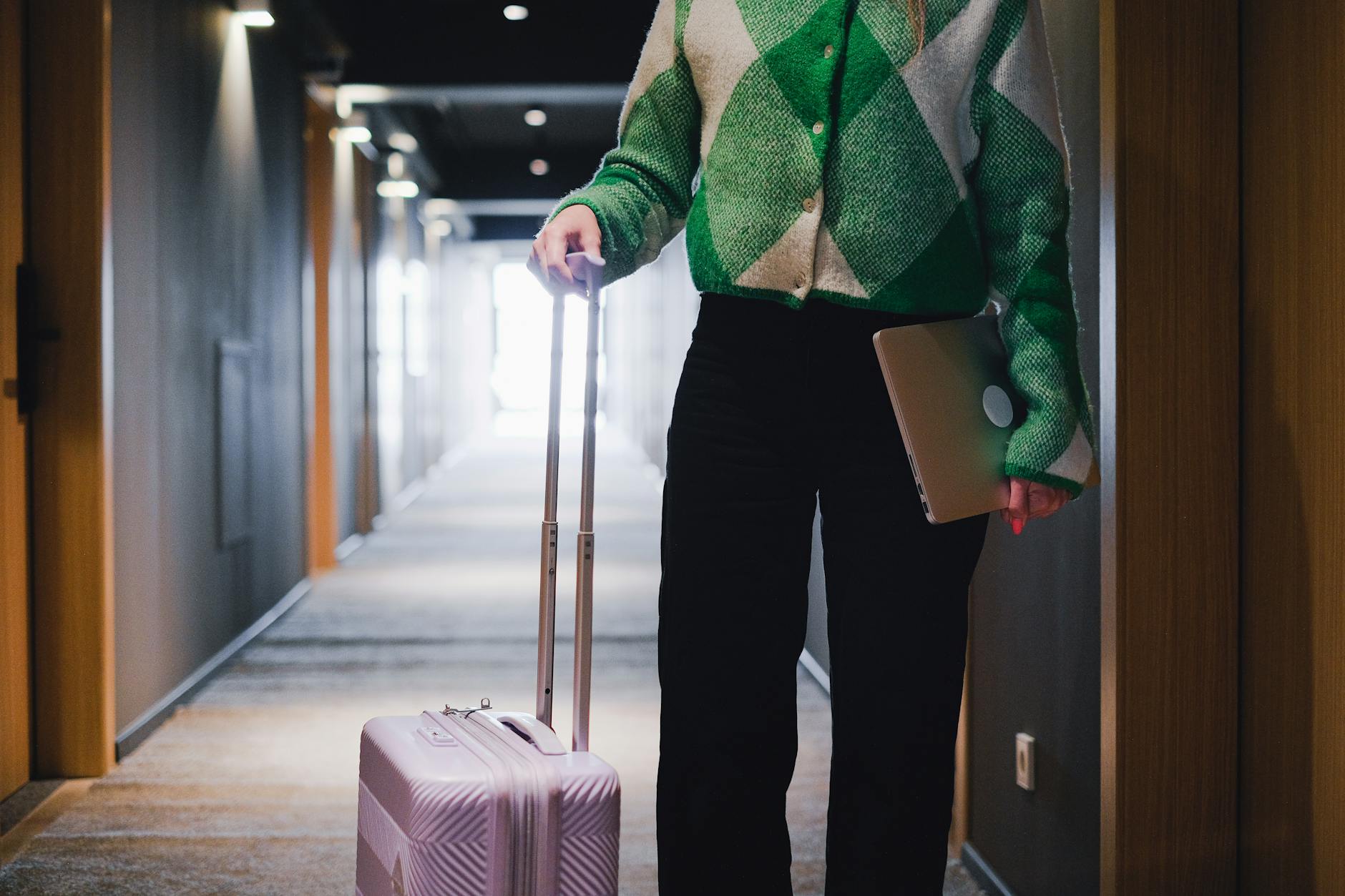
A sales hotel has to support preparation, recovery, and follow-up. The traveler may need a quiet call before a meeting, a usable desk for proposal edits, reliable Wi-Fi for CRM updates, enough room for samples, fast breakfast, laundry or pressing, late food, and a pickup point that taxis can actually use. A hotel can be attractive and still be wrong if it leaves the traveler working from a noisy lobby or walking too far after a client dinner.
The base should follow the account pattern. Part-Dieu can work well for rail arrivals and office-heavy days. Presqu'ile can be better when buyer meals and central meetings matter. Confluence, Gerland, Villeurbanne, or the eastern side may make sense if the commercial target sits there. The right hotel is not the most impressive one; it is the one that lets the traveler prepare, arrive, regroup, and send clean follow-up without fighting the city between every account.
- Check desk, Wi-Fi, quiet, sample storage, breakfast timing, laundry, late food, and taxi pickup before booking.
- Use hotel geography to protect the strongest account cluster rather than a generic central preference.
- Avoid rooms and lobbies that make confidential account work difficult after meetings.
Use each meeting to move the account
A sales traveler in Lyon should separate meeting activity from account progress. A coffee, showroom visit, procurement call, technical demonstration, distributor meeting, and executive conversation may all be useful, but they should not be treated as equal wins. The trip should clarify what each buyer needs to decide, who influences the decision, what objections remain, and what follow-up will actually move the opportunity forward.
Local business culture may also affect the pace. French buyers can be direct, detail-oriented, and skeptical of vague claims. A traveler who arrives with practical proof, clear pricing logic, and respect for the buyer's time is better positioned than one who relies on enthusiasm. If meetings involve both English and French speakers, the traveler should know whether translated materials, bilingual support, or more precise written follow-up will be needed.
- Define the purpose of each meeting: discovery, validation, executive buy-in, technical proof, procurement, or relationship repair.
- Bring specific proof points, pricing logic, references, and next-step options rather than a generic pitch.
- Plan language and written-follow-up needs when the buyer group includes both French and English speakers.

Treat client meals as account strategy
Lyon is a strong food city, which can help a sales trip if meals are chosen with intent. A buyer lunch in Presqu'ile, a quieter restaurant near Brotteaux or Part-Dieu, a central dinner after a late meeting, or a short coffee near the client's office can all serve different commercial purposes. The mistake is choosing a restaurant because it sounds impressive while ignoring noise, travel time, dietary needs, the buyer's seniority, or the work still required afterward.
Client hospitality should support the relationship and the next obligation. A traditional bouchon may be memorable but not right for every buyer or every schedule. A quiet table with easy transport may produce a better conversation than a destination meal that forces everyone across the city. The traveler should also plan the return route and the follow-up block after the meal, because good conversations lose value if they are not captured while they are still specific.
- Choose meals by buyer fit, conversation quality, location, timing, and the next obligation.
- Do not make a cross-city restaurant choice unless the relationship value justifies the travel time.
- Protect time after client meals to record objections, commitments, and next steps while details are fresh.

When to order a short-term travel report
A salesperson with one familiar Lyon account and flexible timing may not need a custom report. A report becomes more useful when the trip includes several prospects, a major pitch, product samples, a high-value renewal, buyer entertainment, airport-to-meeting pressure, outer business zones, or meetings split across Part-Dieu, Presqu'ile, Confluence, Gerland, and the eastern suburbs. Those are the trips where small logistics errors can weaken commercial outcomes.
The report should test account geography, hotel candidates, arrival route, meeting sequence, transport fallbacks, material handling, client-meal options, current disruptions, and the follow-up windows needed to keep the pipeline clean. The value is not a generic Lyon guide. It is an account-aware operating plan that helps the traveler use a short trip to create real commercial movement.
- Order when account value, geography, samples, buyer meals, or airport timing makes improvisation expensive.
- Provide account addresses, meeting sequence, hotel candidates, materials, airport or rail details, and buyer-meal plans.
- Use the report to protect punctuality, buyer confidence, and follow-up quality across the full sales trip.