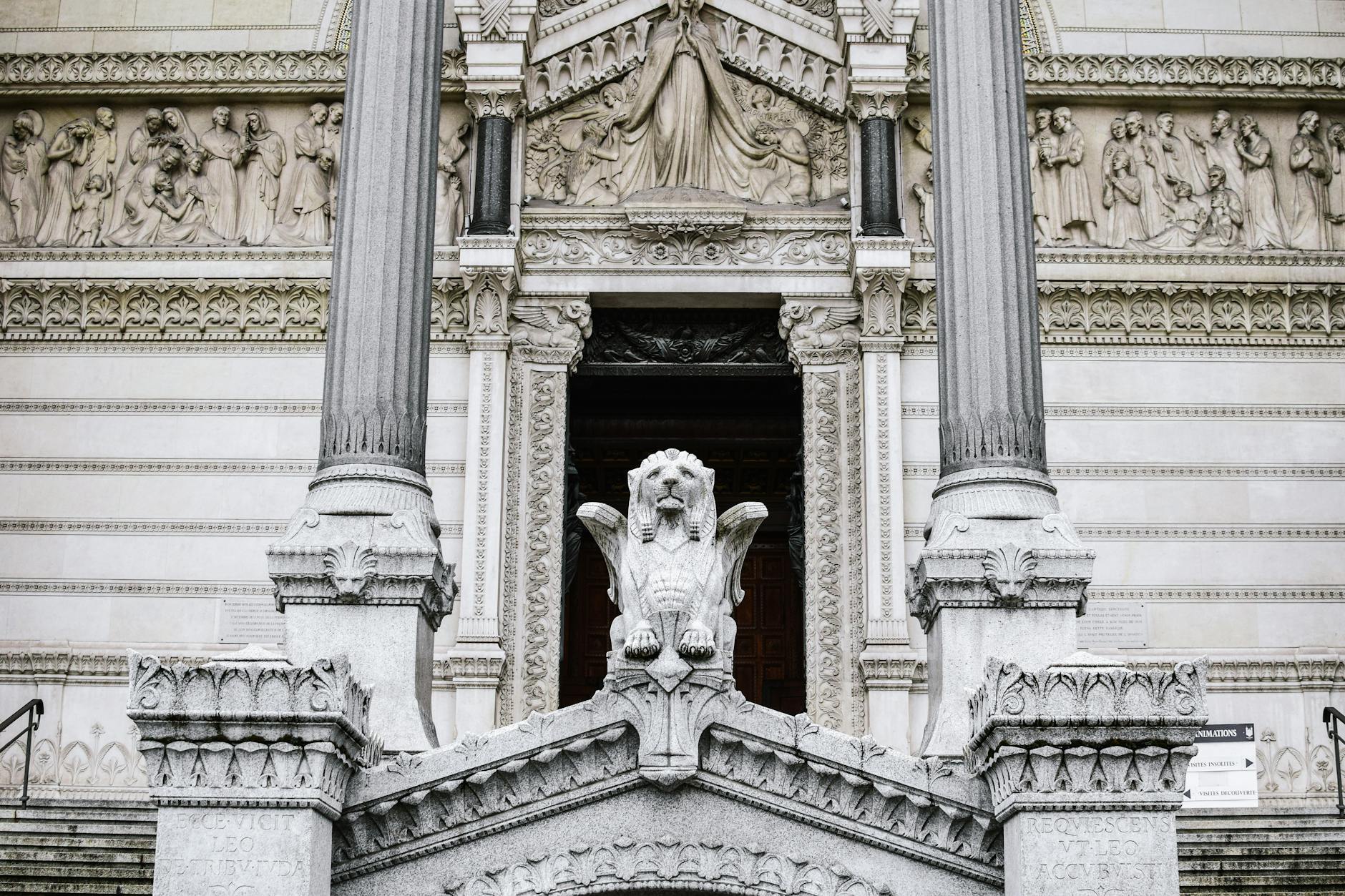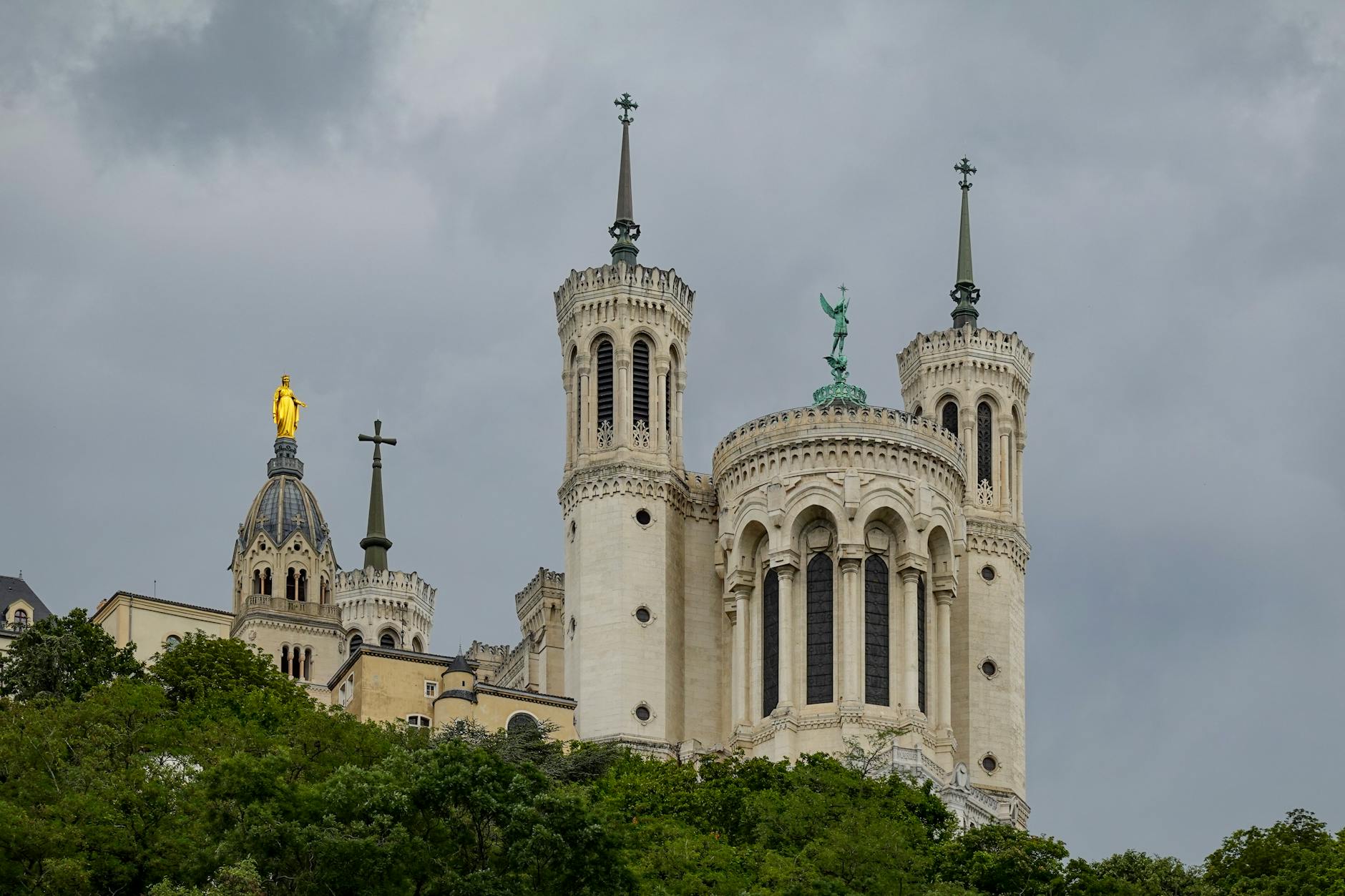
Lyon is a serious religious city, not only a pretty city with churches. The Basilica of Notre-Dame de Fourviere, Saint-Jean Cathedral, old-town churches, hillside routes, Catholic institutions, Jewish history, Muslim communities, Protestant and Orthodox worship, and the city's wider social and charitable life can all matter depending on the traveler. A short religious trip may be a personal pilgrimage, a parish group visit, an interfaith stop, a retreat-adjacent itinerary, or a cultural journey where worship and heritage are intertwined. The planning challenge is that sacred travel has a different rhythm from ordinary sightseeing. Mass times, prayer time, silence, mobility, dress, photography, offerings, confession, group movement, and respectful behavior inside active worship spaces matter. Lyon's hills, old streets, funiculars, river crossings, and crowded visitor areas can also affect older travelers, groups, clergy, and pilgrims who want the day to feel reverent rather than rushed.
Decide whether the trip is pilgrimage, worship, heritage, or study
A religious trip to Lyon can have several purposes, and the purpose should be explicit before the schedule is built. A Catholic pilgrim focused on Fourviere needs a different day from a church-history traveler, a parish group, a student studying religious architecture, a traveler attending Mass, a visitor tracing family or community history, or someone arranging meetings with faith-based charities. If the trip is mostly cultural, the route can move quickly. If it is devotional, the itinerary needs space to pray, attend services, and absorb the setting without constant movement.
The difference is practical. A pilgrim may care about access to Mass, confession, candle offerings, chapels, quiet corners, and walking routes. A heritage traveler may prioritize architecture, museums, neighborhood history, and guided interpretation. A group leader may need toilets, seating, step-free options, meal timing, and a place to gather without blocking a church entrance. The best plan names the spiritual purpose rather than treating every church as another stop on a sightseeing loop.
- Clarify whether the trip is devotional, cultural, educational, group-based, interfaith, or tied to a specific service.
- Let that purpose decide pace, service times, interpretation, quiet time, and how many sites belong in one day.
- Do not build a pilgrimage day as if every church were simply another attraction.
Treat Fourviere as more than a viewpoint
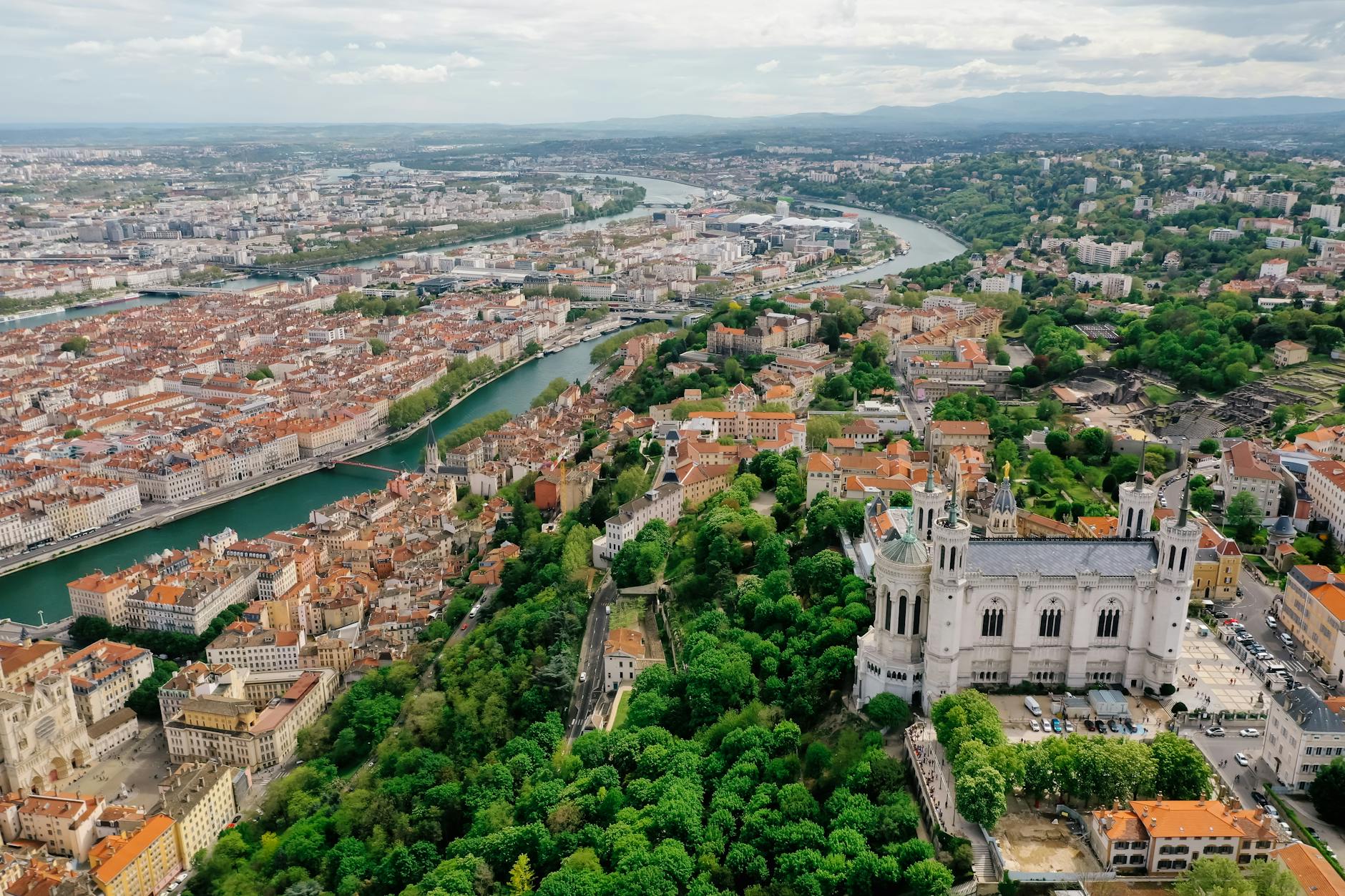
Fourviere is one of Lyon's strongest religious and visual anchors, but travelers should not treat it only as a skyline stop. The basilica, hillside location, chapels, views, crowds, services, and access routes all shape the experience. A visitor who arrives only for a quick photo may miss the devotional meaning of the site; a pilgrim who arrives without checking service times, closures, crowd patterns, or mobility needs may lose the quiet they came for.
The route matters. Some travelers will want to walk uphill as part of the experience, while others should use the funicular or a car because the grade, stairs, heat, rain, or group mobility makes the climb impractical. The strongest Fourviere visit usually has a defined intention: attend a service, pray quietly, study the interior, view the city in context, or connect the basilica with Saint-Jean and the old town below. Trying to do all of that in a rushed hour weakens the visit.
- Check service times, access, closures, crowd patterns, and the best arrival route before going up the hill.
- Choose walking, funicular, taxi, or group transport based on mobility, weather, and the purpose of the visit.
- Give Fourviere enough time if it is the spiritual center of the trip rather than a photo stop.
Connect Saint-Jean and the old city carefully
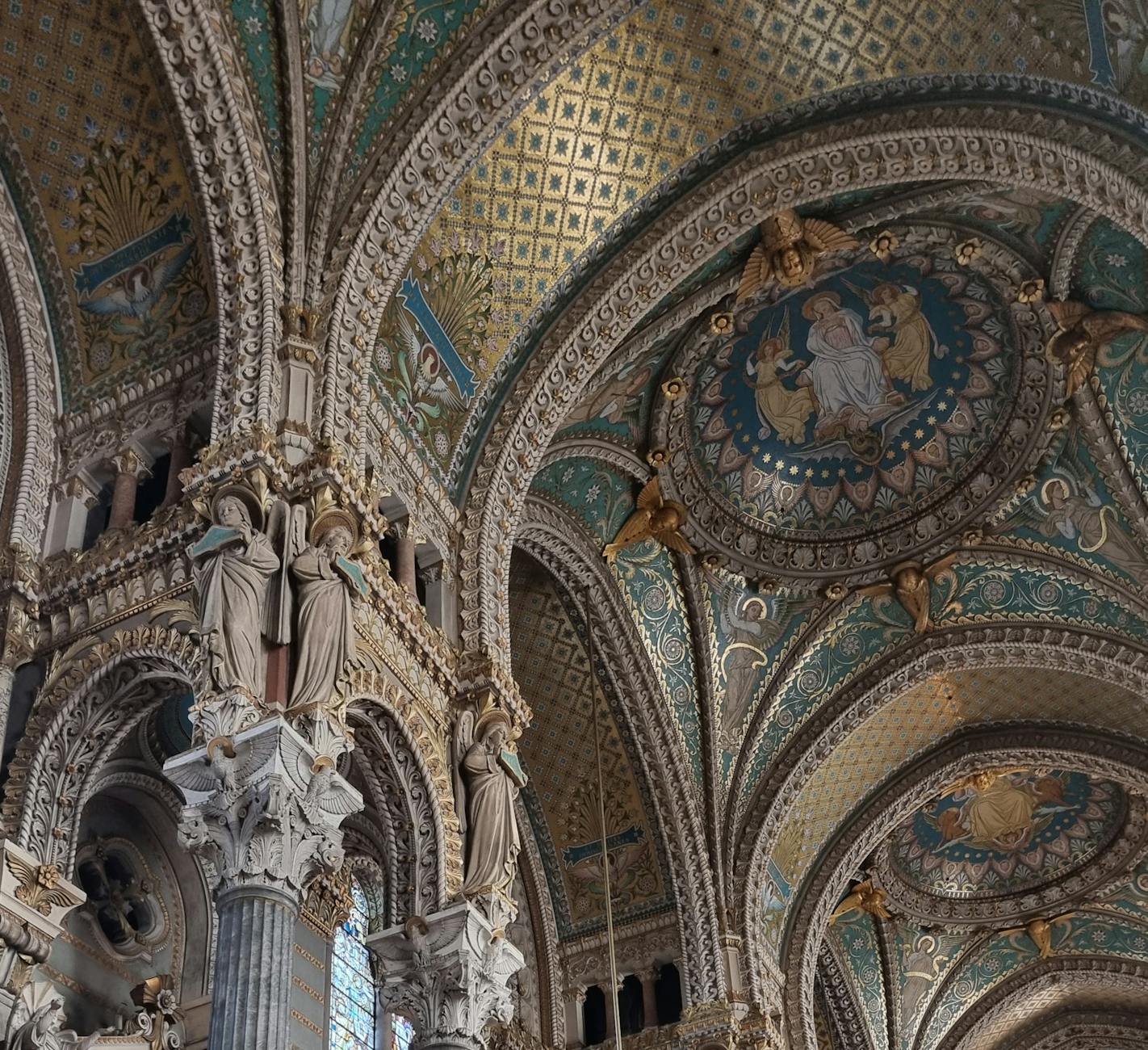
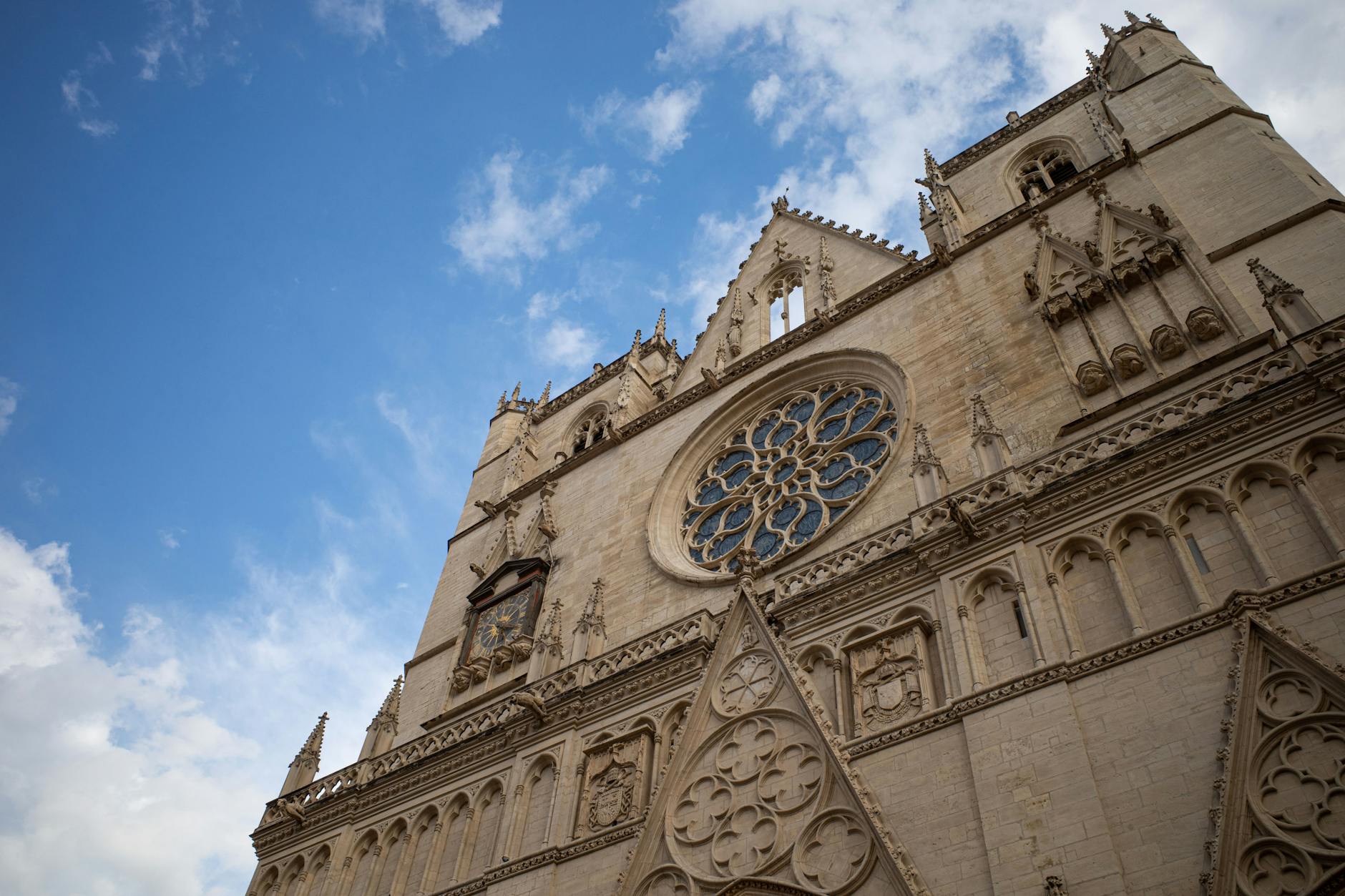
Saint-Jean Cathedral and the old city can be deeply rewarding, but they can also be crowded, narrow, and physically uneven. A religious traveler may want to connect the cathedral with Vieux Lyon streets, traboules, nearby churches, the riverfront, and the route up toward Fourviere. That sequence can work well when paced properly. It can become tiring when a group tries to cover too many stone streets, stairs, and interior visits without rest.
The cathedral should be treated as an active sacred space first and an architectural monument second. Visitors should check service times, respect any restricted areas, keep conversation low, and understand that photography rules or crowd flow may change. For groups, the guide or leader should decide where interpretation happens. Long explanations inside a worship space can be disruptive; a quieter exterior briefing may be better before entering.
- Plan Saint-Jean, Vieux Lyon, traboules, riverfront, and Fourviere as one physical sequence, not scattered stops.
- Respect service times, restricted areas, silence, and photography rules inside the cathedral.
- For groups, do longer interpretation outside or in appropriate spaces instead of blocking worship areas.
Respect sacred-space etiquette across traditions
Religious travel in Lyon is broader than Catholic monument visits. Depending on the traveler, the trip may include Catholic Mass, Protestant worship, Orthodox liturgy, Jewish heritage, mosque visits, interfaith meetings, charitable institutions, or private appointments with religious communities. Each setting can have different expectations around dress, gendered spaces, photography, food, timing, language, and whether visitors should participate, observe, or remain outside certain areas.
The safest approach is direct and humble. Ask in advance when visiting a living community rather than a public heritage site. Dress modestly when unsure. Do not photograph worshippers, children, clergy, private prayer, or security-sensitive entrances without permission. If the traveler is not part of the tradition, observation should not become performance. Lyon is a city of active communities, not a religious set built for visitors.
- Ask in advance before visiting active worship communities, schools, charities, or private religious sites.
- Plan for dress, gendered spaces, language, food rules, service timing, and participation boundaries.
- Avoid photographing worshippers, children, clergy, private prayer, or security-sensitive entrances without permission.
Build mobility, weather, and rest into the day
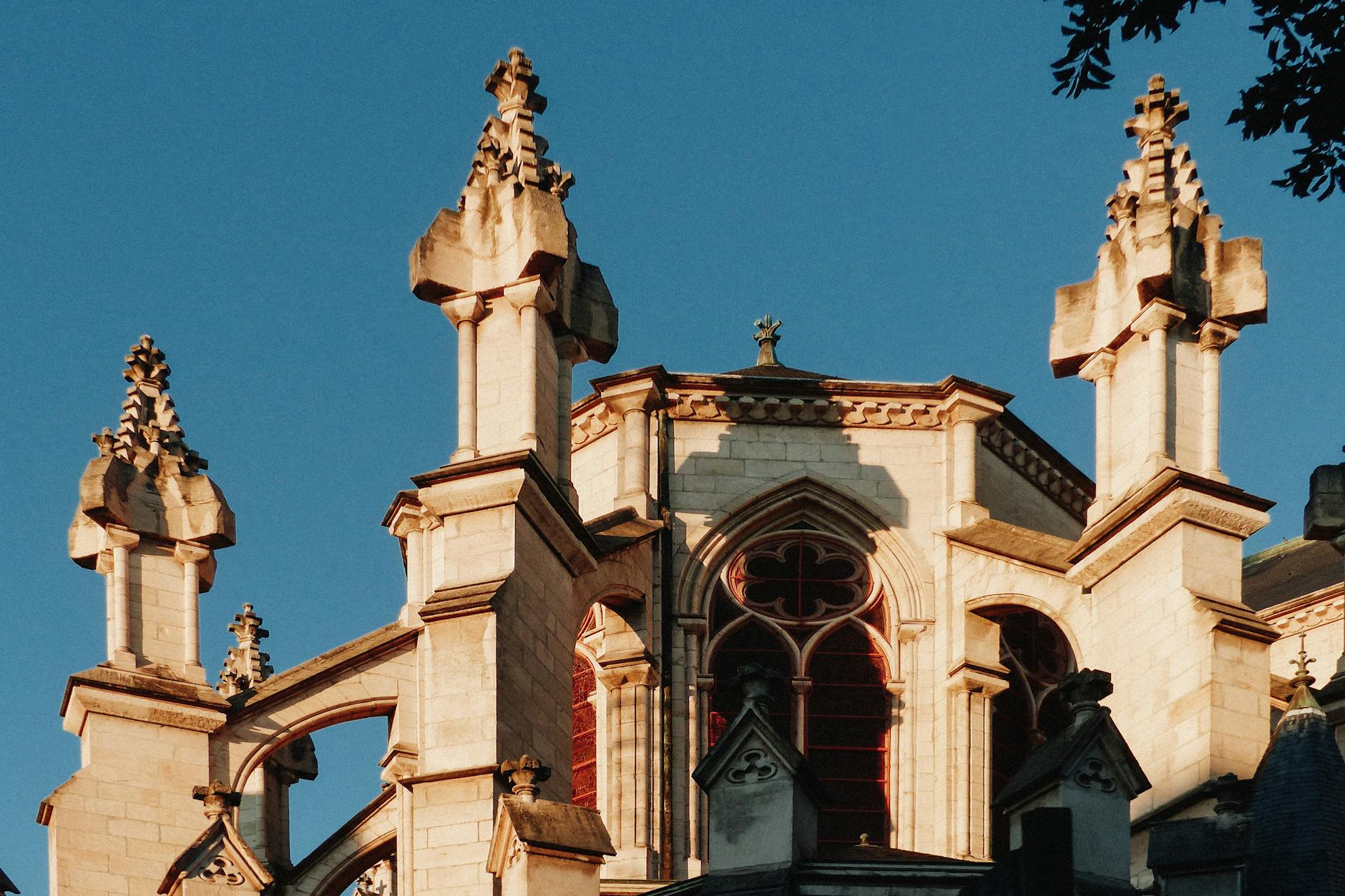
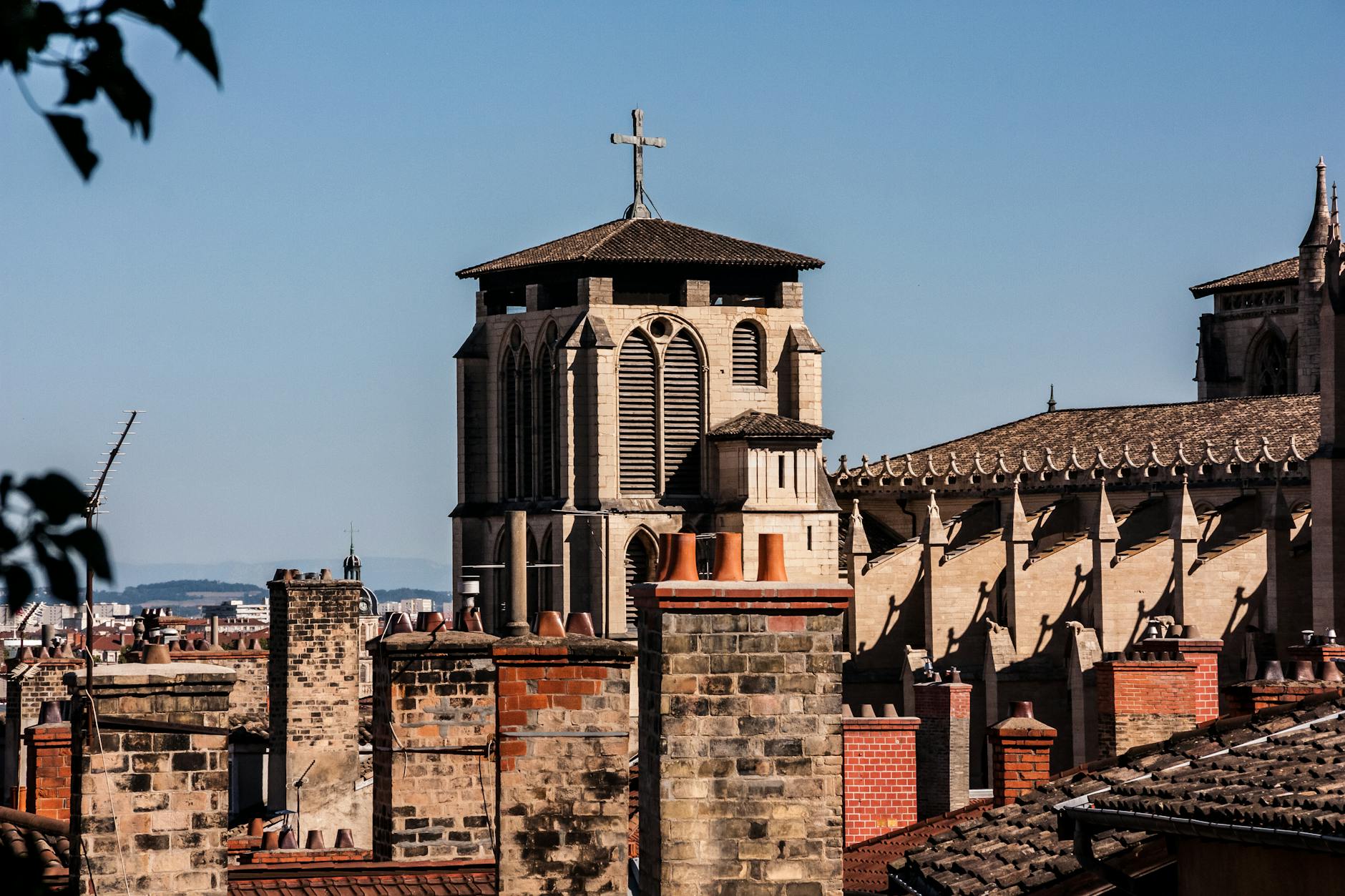
Religious travelers often include older pilgrims, clergy, family groups, school groups, or visitors who want a slower pace. Lyon's old streets, hills, stairs, cobblestones, bridges, and crowded transit can make a beautiful itinerary feel punishing if mobility is ignored. Fourviere, Vieux Lyon, Croix-Rousse, and river crossings all need realistic timing, especially in rain, heat, winter cold, or after a long train or flight arrival.
Rest is part of the plan, not a failure of devotion. A church visit after lunch, a quiet cafe stop, a shorter walk to the funicular, or a taxi for a group member with knee pain may preserve the spiritual purpose better than pushing through. If the traveler has medical, mobility, sensory, or dietary needs, those should be planned before the day begins. Sacred travel is usually better when the body is not being treated as an afterthought.
- Plan for hills, stairs, cobblestones, bridges, transit crowding, weather, and older or limited-mobility travelers.
- Use the funicular, taxis, shorter walking loops, or rest stops when they preserve the purpose of the visit.
- Handle medical, dietary, sensory, and mobility needs before the pilgrimage day starts.
Leave room for prayer, candles, and silence
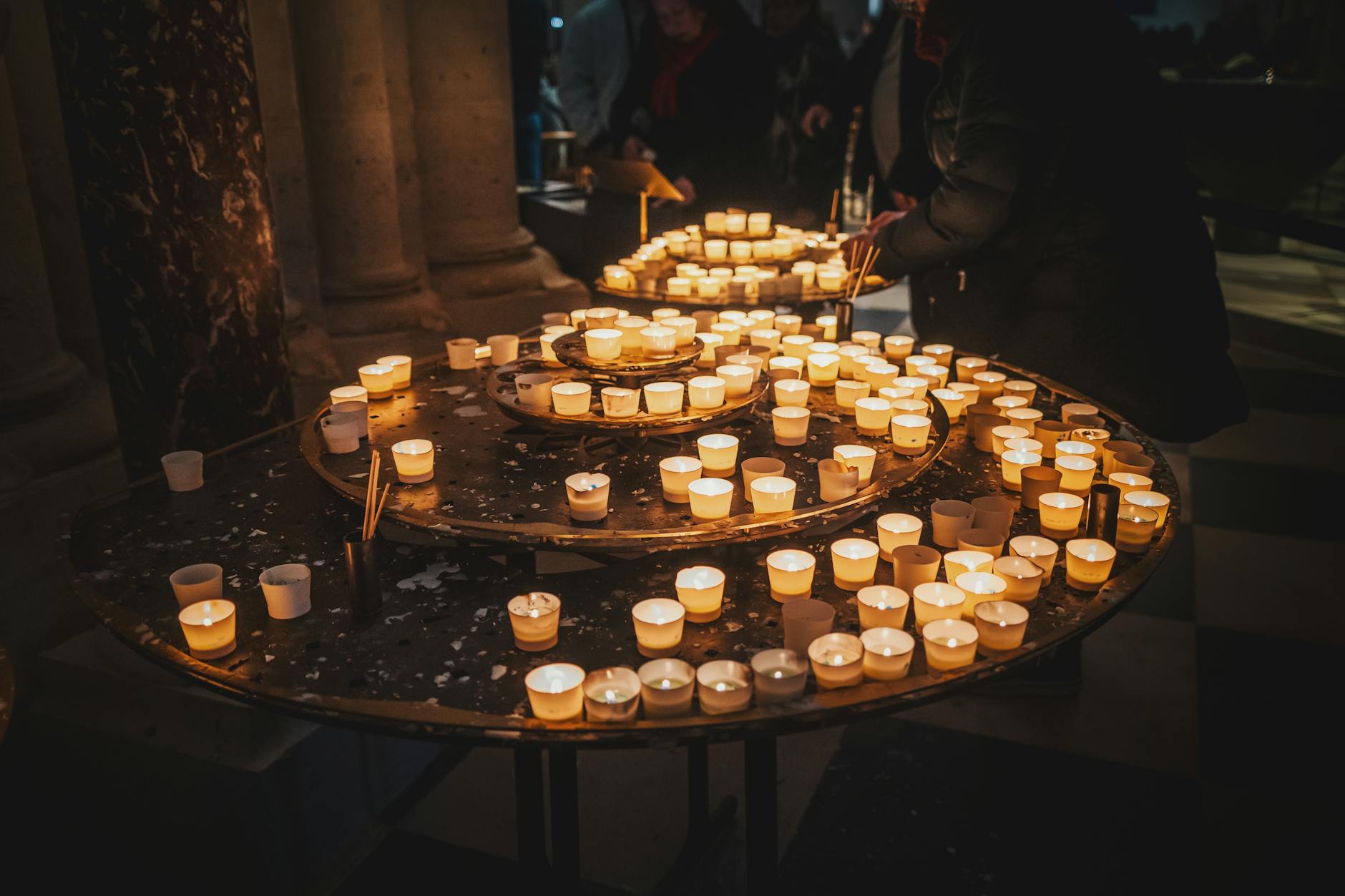
A religious itinerary can become oddly secular if every sacred stop is timed like a museum. Pilgrimage travelers may need time to light a candle, sit quietly, pray for someone, attend a short service, write notes, or simply be still. That time is easy to erase when the schedule is packed with views, meals, and transfers. The result may look efficient and feel spiritually thin.
Quiet time should be planned in the same way transport is planned. Decide which site is the main devotional stop, which is a brief visit, and where the traveler can sit without blocking others. If traveling as a group, give clear meeting points and enough time for people to reassemble without pressure. A short Lyon pilgrimage does not need to be slow everywhere, but it should be slow somewhere.
- Protect time for prayer, candles, silence, services, journaling, or personal reflection.
- Name the main devotional stop so the day does not become a chain of quick interior visits.
- For groups, use clear meeting points and enough time for quiet personal practice.
When to order a short-term travel report
A traveler making a simple tourist visit to Fourviere and Saint-Jean may not need a custom report. A report becomes more useful when the trip includes a parish group, older travelers, mobility constraints, service attendance, interfaith meetings, private religious appointments, multiple sacred sites, a retreat-like schedule, or family members with different physical limits and religious expectations. Those trips need more than a list of churches.
The report should test sacred-site sequence, service times, access routes, funicular or taxi logic, group movement, quiet-time blocks, meal placement, dress and etiquette rules, current disruptions, and any special needs around language, health, mobility, or religious observance. The value is a Lyon plan that treats faith, body, and city together rather than forcing a pilgrimage into a generic sightseeing day.
- Order when services, group movement, older travelers, mobility limits, interfaith meetings, or private appointments add complexity.
- Provide desired sites, service needs, group size, mobility limits, hotel candidates, meal needs, and religious priorities.
- Use the report to protect reverence, access, timing, and physical comfort across the full Lyon visit.