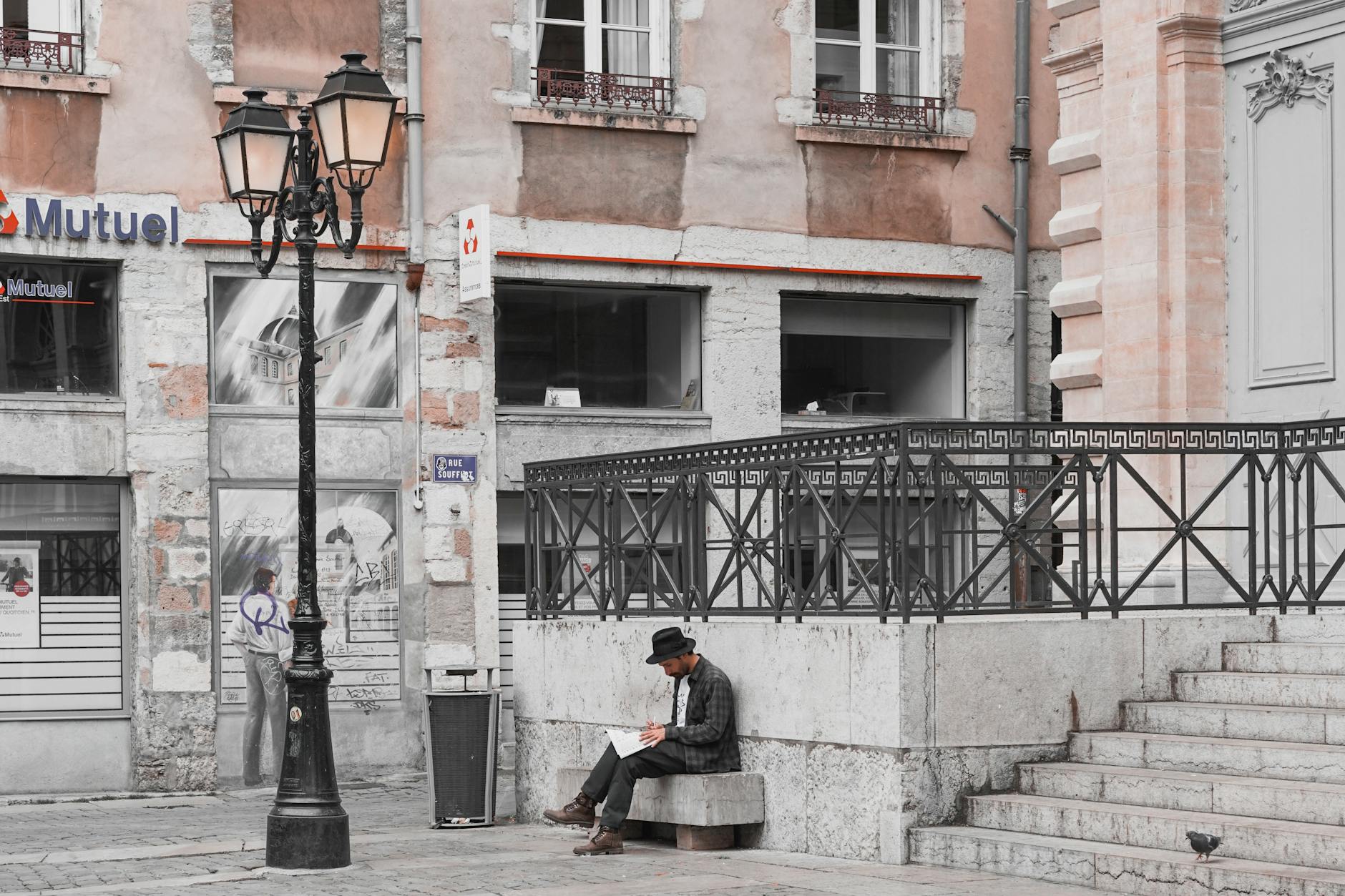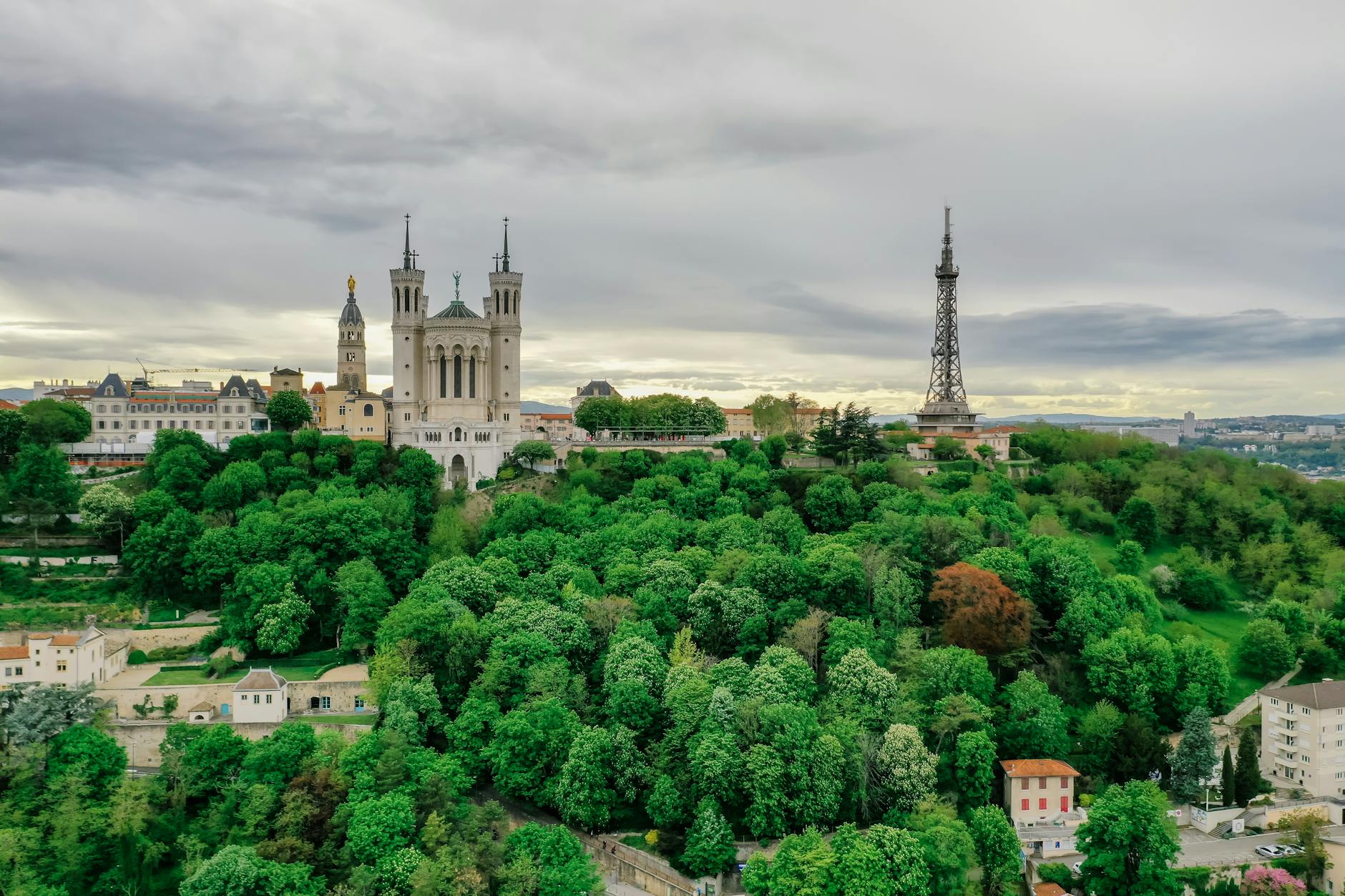
Lyon can be an excellent city for an older traveler because it offers depth without the full scale of Paris: strong rail links, good food, river walks, museums, Vieux Lyon, Fourviere, Presqu'ile, parks, and enough public transport to avoid making every day a walking test. It is also a city where the details matter. The same old-town lanes, hills, bridges, station spaces, and restaurant culture that make Lyon rewarding can become tiring when the traveler is managing luggage, medication, joint pain, limited stamina, hearing or vision needs, heat, winter weather, or a slower morning routine. The right Lyon plan for an older traveler is not a reduced version of a younger traveler's itinerary. It is a better-paced trip built around arrival recovery, a hotel base that works, flatter route choices, medical fallback, reliable meals, and a clear plan for getting back in the evening. The paid short-term report applies that structure to the traveler's exact hotel, arrival time, mobility, medication needs, walking tolerance, food requirements, and must-see priorities.
Make arrival recovery part of the itinerary
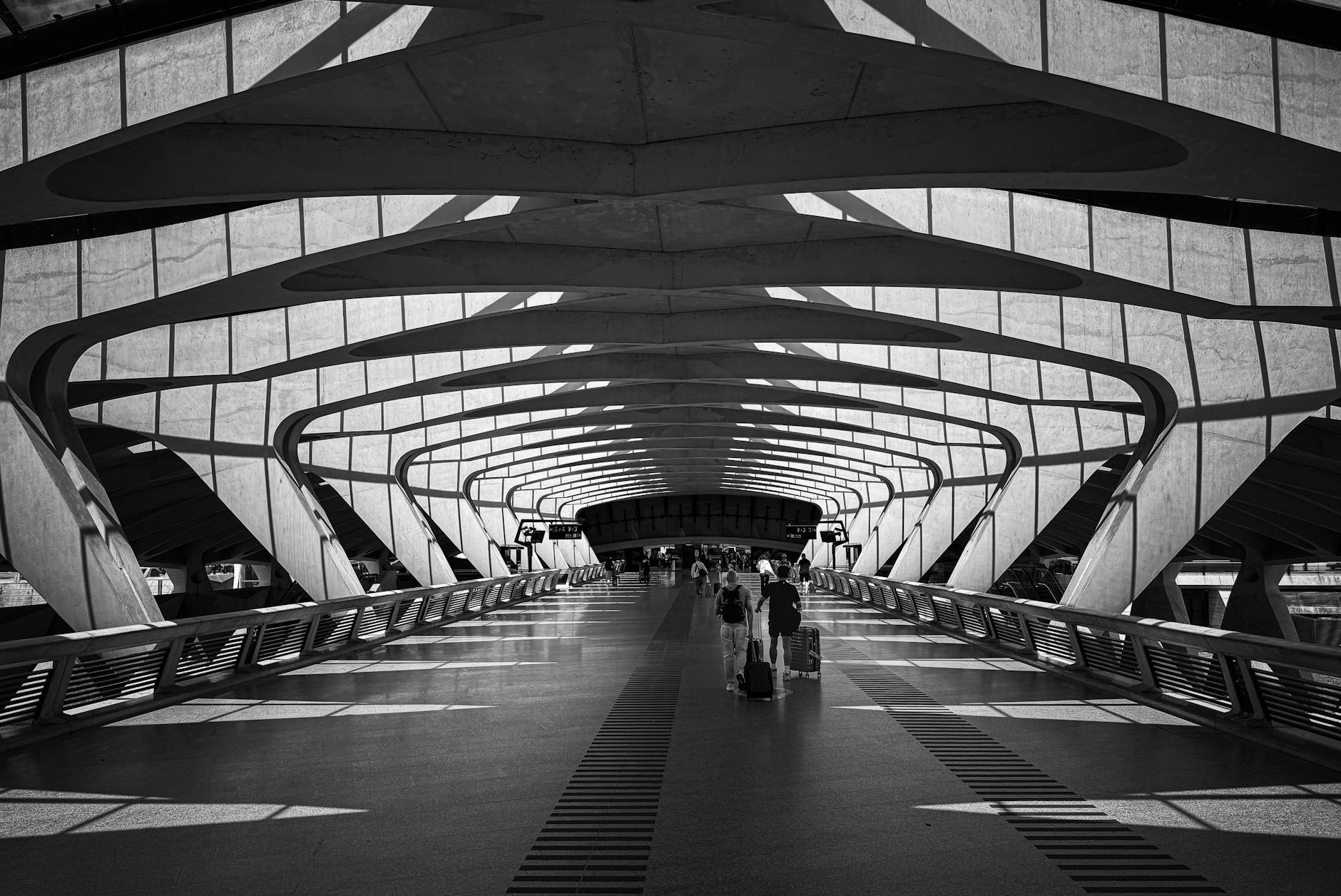
Older travelers should treat arrival in Lyon as a real event, not a simple transfer. Part-Dieu station is useful but busy, and the traveler may still need to manage platforms, station halls, taxis, tram or metro links, hotel check-in, and luggage. Perrache can be convenient for some central stays but also needs orientation. Saint-Exupery Airport adds a longer transfer decision: Rhonexpress toward Part-Dieu, taxi, or a pre-arranged car depending on hour, baggage, fatigue, and final hotel location.
The first afternoon or evening should be modest unless the traveler arrives rested and early. A late flight, long train day, or cross-time-zone arrival should usually lead to a nearby meal, medication reset, phone charging, and sleep rather than a hill climb or old-town dinner far from the hotel. Lyon will still be there the next morning. The trip becomes better when the first day protects the second day.
- Choose airport or station transfer by fatigue, luggage, hotel location, and time of day.
- Keep the first evening close to the hotel after long travel, late arrival, or heavy baggage.
- Plan medication timing, hydration, food, and sleep as part of arrival, not afterthoughts.
Choose a hotel for access before charm
A charming Lyon hotel can still be the wrong hotel for an older traveler if it creates stairs, uneven access, noise, long taxi walks, weak elevators, small bathrooms, poor lighting, or a difficult late return. Presqu'ile can be a strong base because it keeps many restaurants, river walks, shops, and transit options close. Vieux Lyon is atmospheric but can involve older buildings, cobbles, crowds, and access quirks. Part-Dieu can be practical for rail but may feel less pleasant for a slower leisure rhythm.
The traveler should verify elevator access, shower setup, room quiet, bed height, air conditioning or heating, breakfast hours, taxi drop-off, luggage handling, and the actual walk from transit or car to the front door. Location should be judged by the whole day: morning start, mid-day rest, dinner, and return. A base that allows a real rest between sightseeing and dinner can make Lyon feel generous rather than tiring.
- Check elevator, shower, room quiet, lighting, temperature control, breakfast, and taxi access before booking.
- Use Presqu'ile as a practical default when walkable meals and river access matter.
- Treat Vieux Lyon charm carefully if stairs, cobbles, taxi access, or crowding are concerns.
Respect hills, cobblestones, bridges, and weather
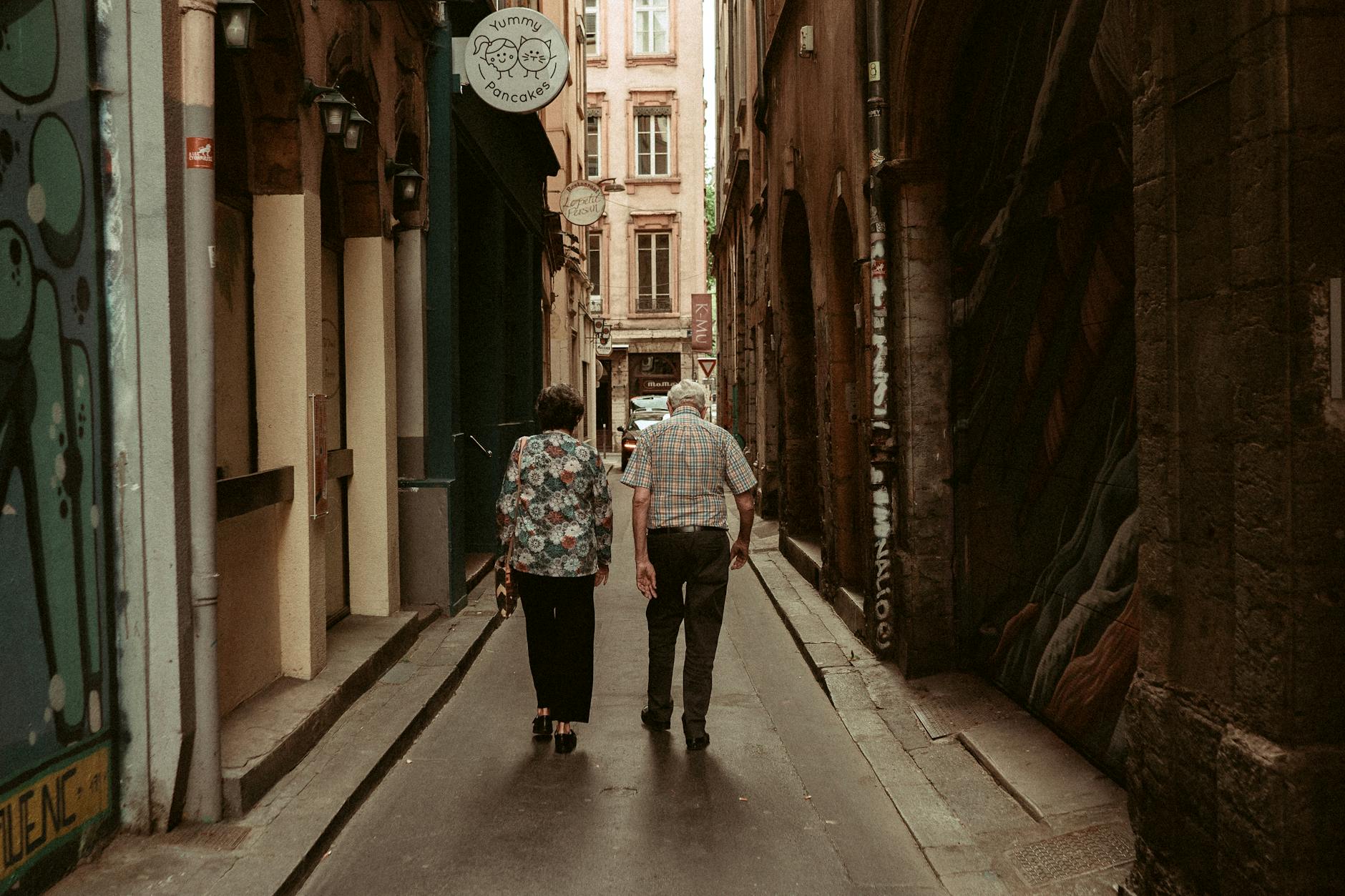
Lyon is not a flat city in the way a casual map can suggest. Presqu'ile and many river routes are manageable, but Vieux Lyon, Fourviere, and Croix-Rousse introduce climbs, steps, uneven surfaces, and longer recovery needs. Bridges and riverbanks can be pleasant but exposed to wind, heat, rain, and winter cold. The traveler should decide in advance when to walk, when to use the funicular, and when a taxi is the better tool.
This is not about avoiding the best parts of Lyon. It is about seeing them in a way that preserves the traveler. Fourviere can be reached without turning the day into an endurance exercise. Vieux Lyon can be visited in a focused block rather than as a full day of wandering. River walks can be shortened and paired with a cafe, museum, or hotel rest. A paced itinerary will see more because it loses less time to exhaustion.
- Group Vieux Lyon and Fourviere with realistic use of the funicular, taxis, or rest stops.
- Use flatter river and Presqu'ile routes when stamina, heat, rain, or joint pain matters.
- Avoid building multiple hill districts into one day unless the traveler is confident with climbs and uneven surfaces.
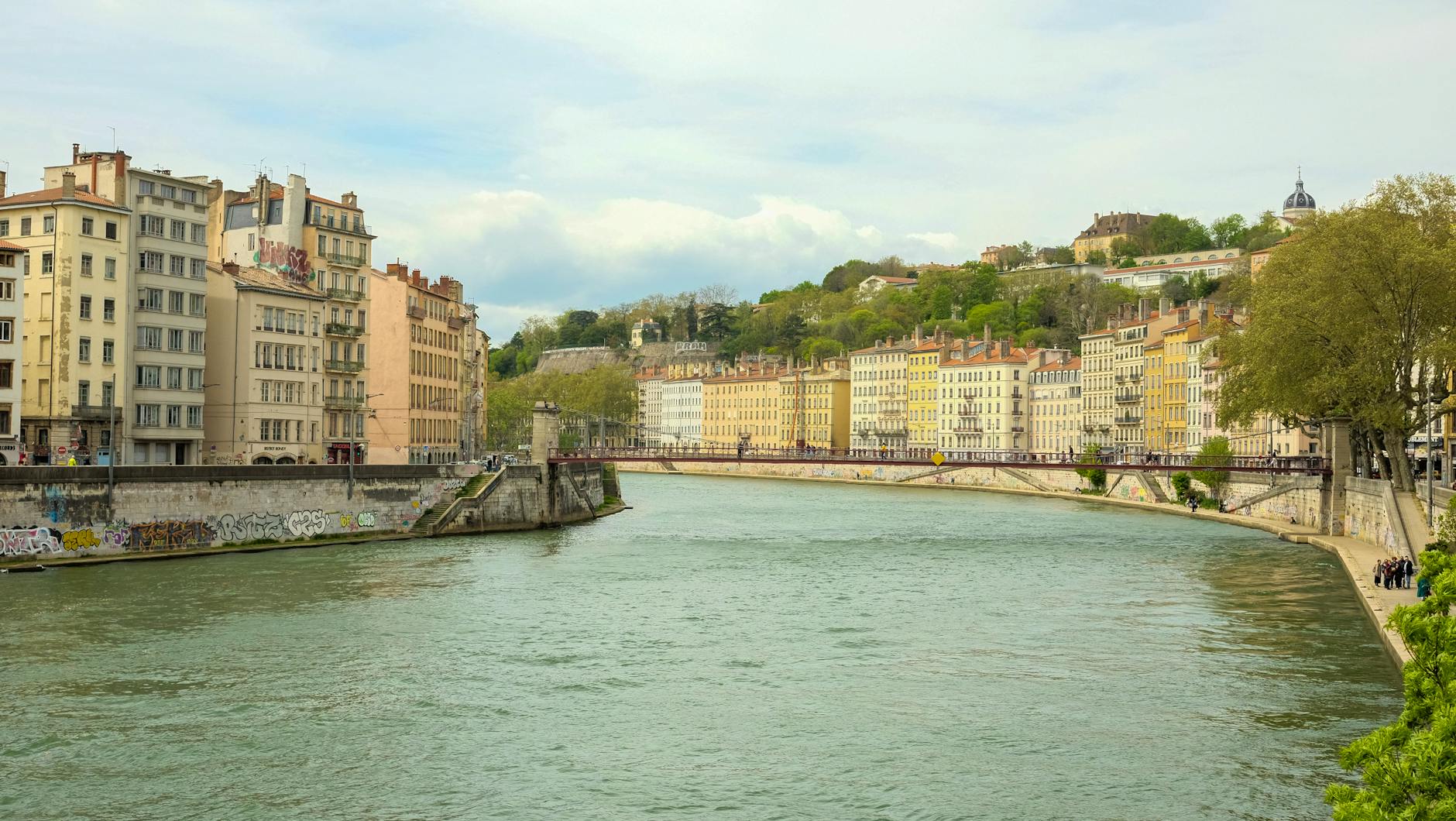
Build each day around one demanding block
A strong older-traveler itinerary usually has one demanding block per day: Vieux Lyon and Fourviere, a museum and river walk, Croix-Rousse, a food-focused day, or a park and central dinner. The rest of the day should support that block with an easy start, a mid-day break, a close meal, or transport that avoids unnecessary walking. Lyon's museums, old streets, restaurants, and river views are better when the traveler is not rushing between them.
The visitor should also plan seating, toilets, water, shade, and weather shelter. This matters in summer heat, wet weather, and winter evenings, but it also matters on ordinary days because travel fatigue accumulates. A slower pace is not a concession. For many older travelers, it is what makes a short Lyon stay feel rich rather than abbreviated.
- Use one demanding sightseeing block per day and make the rest of the day supportive.
- Plan toilets, seating, water, shade, and shelter before the traveler needs them.
- Schedule a real rest before dinner if the day includes old-town walking or hill movement.

Protect medication, medical fallback, and food timing
Older travelers should not wait until a problem appears to think about medical continuity. Prescription medication, copies of prescriptions, travel insurance, emergency contacts, mobility aids, glasses, hearing devices, chargers, and a small medical summary should be organized before arrival. The hotel should be chosen with nearby pharmacy access and a credible route to urgent medical care in mind, especially for travelers with cardiac, respiratory, diabetic, mobility, or medication-sensitive conditions.
Food timing matters too. Lyon is a food city, but restaurant hours, reservations, rich meals, alcohol, salt, and late dinners may not suit every traveler. A plan should include simple meals near the hotel, lighter options, breakfast reliability, and an answer for the night when the traveler is too tired for the reserved dinner. The best Lyon food plan is enjoyable and medically realistic.
- Carry medication, prescriptions, medical summary, insurance details, and emergency contacts in accessible form.
- Know the hotel-area pharmacy and medical fallback route before arrival.
- Plan food timing and lighter backup meals when medication, digestion, diabetes, or fatigue matters.
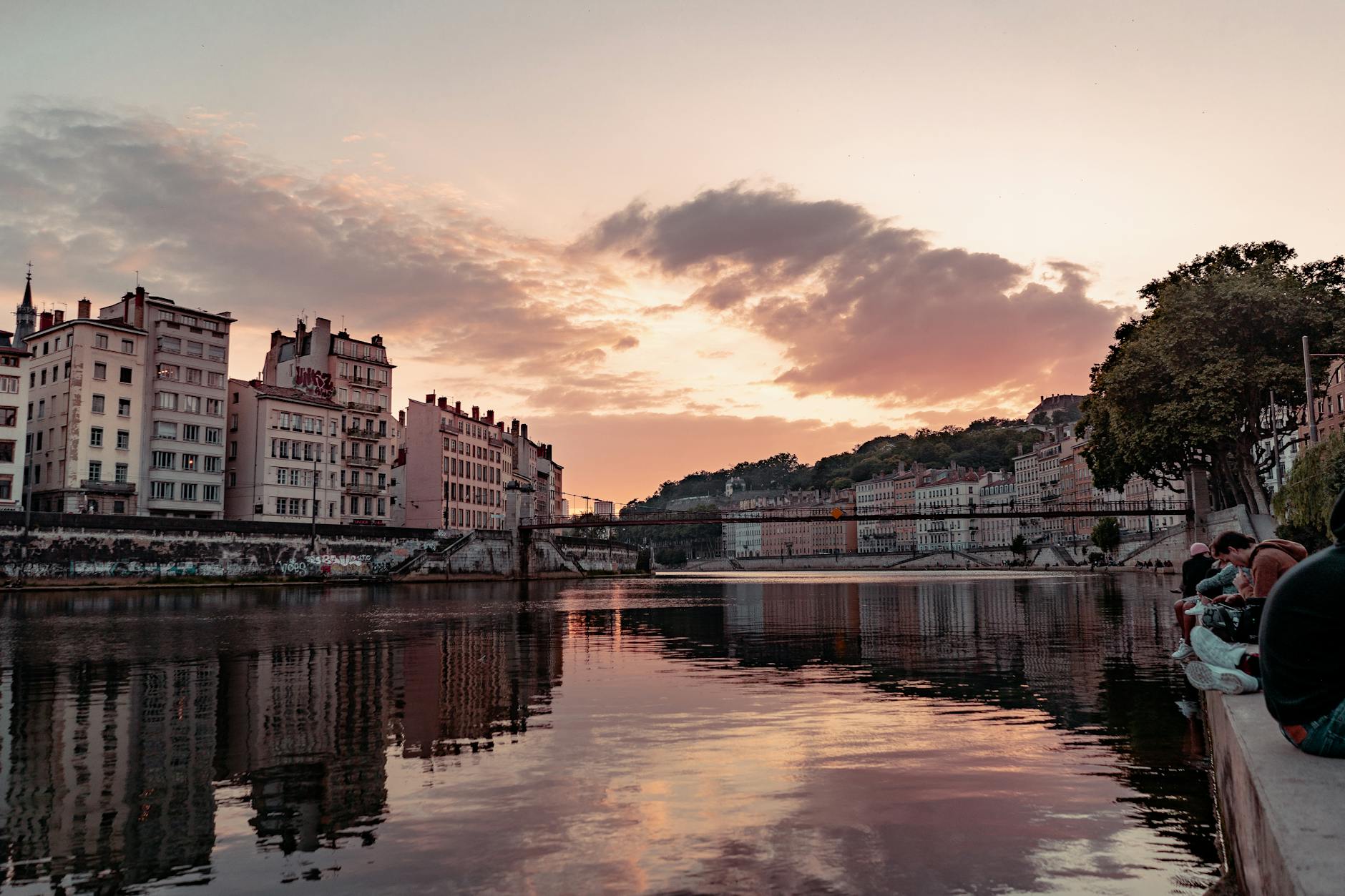
Make evening return routes boring on purpose
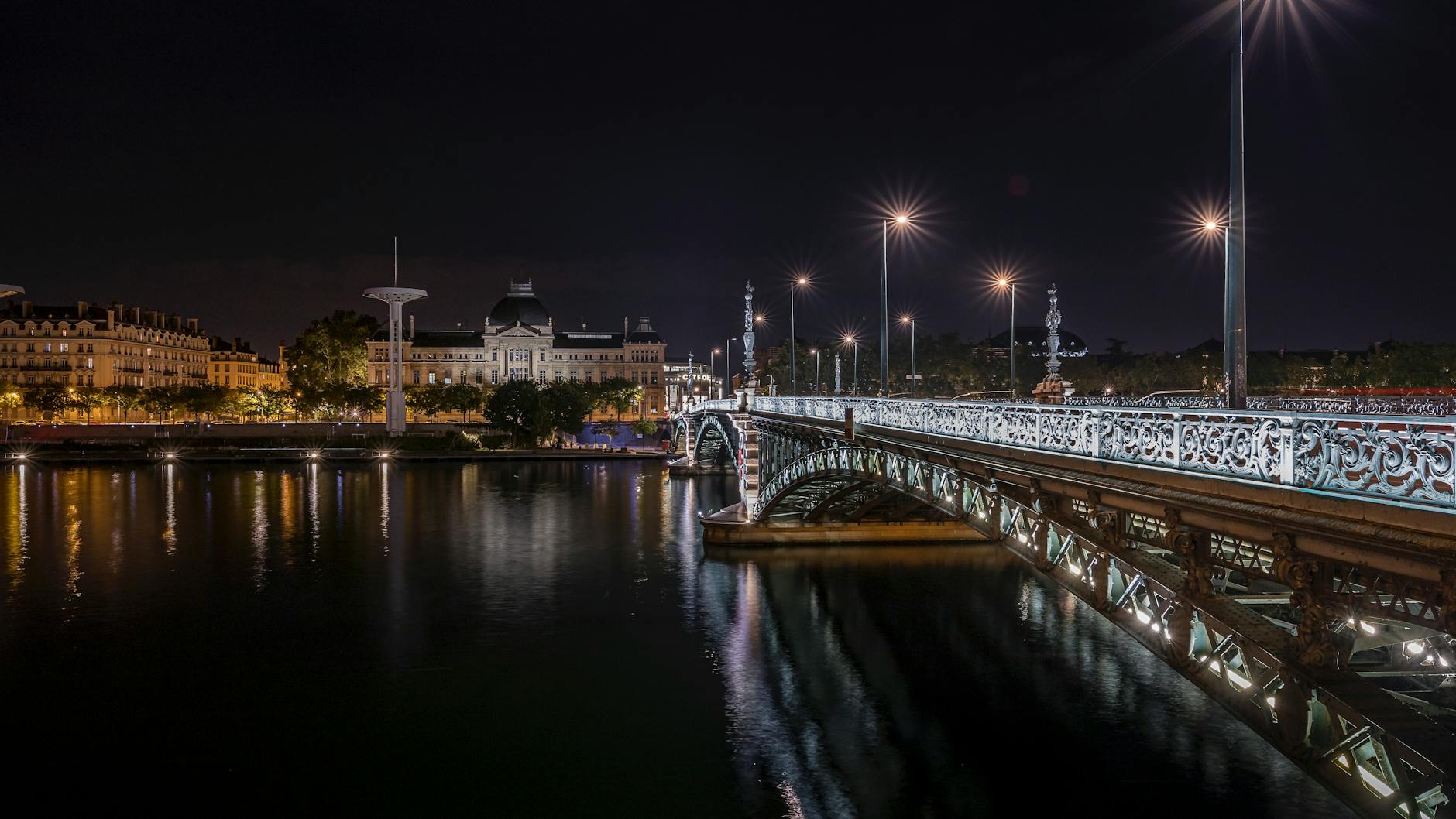
Evening in Lyon can be one of the trip's pleasures: river reflections, restaurants, lit bridges, central squares, and a slower pace after the daytime crowds. For an older traveler, the evening plan should still be simple. A dinner across town may look easy before the day begins, then feel much harder after museums, hills, weather, wine, and fatigue. The return route should be known before dinner starts.
A good evening plan keeps the restaurant near the hotel or near a reliable taxi/transit point, avoids unnecessary riverside or side-street wandering when tired, and keeps phone battery, payment backup, and hotel address available. This is not alarmism. It is practical travel design. The safer, calmer route home makes the dinner itself easier to enjoy.
- Choose dinner locations with the return route in mind, not only restaurant reputation.
- Keep phone battery, payment backup, hotel address, and taxi or transit option ready before dinner.
- Avoid long after-dark walks when fatigue, rain, hills, or unfamiliar streets make the return fragile.
When to order a short-term travel report
An older traveler who is mobile, familiar with France, staying centrally, and keeping a flexible itinerary may not need a custom report. A report becomes more useful when the traveler has medication requirements, mobility concerns, a late arrival, heavy luggage, uncertain hotel access, dietary constraints, a family group moving at different speeds, or a strong desire to see Fourviere, Vieux Lyon, museums, and restaurants without overloading the trip.
The report should test the exact hotel, arrival point, transfer mode, elevator and taxi assumptions, day-by-day walking load, rest breaks, meal geography, medical fallback, pharmacy access, evening return route, weather exposure, and triggers for changing the plan. For an older traveler in Lyon, the value is not a generic city guide. It is a trip design that lets the traveler see the city with enough margin to enjoy it.
- Order when medication, mobility, arrival timing, hotel access, diet, family pace, or walking load could change the trip.
- Provide hotel candidates, arrival details, walking tolerance, medication needs, food constraints, and must-see priorities.
- Use the report to set transfers, rest breaks, route shape, medical fallback, dinner geography, and change triggers.