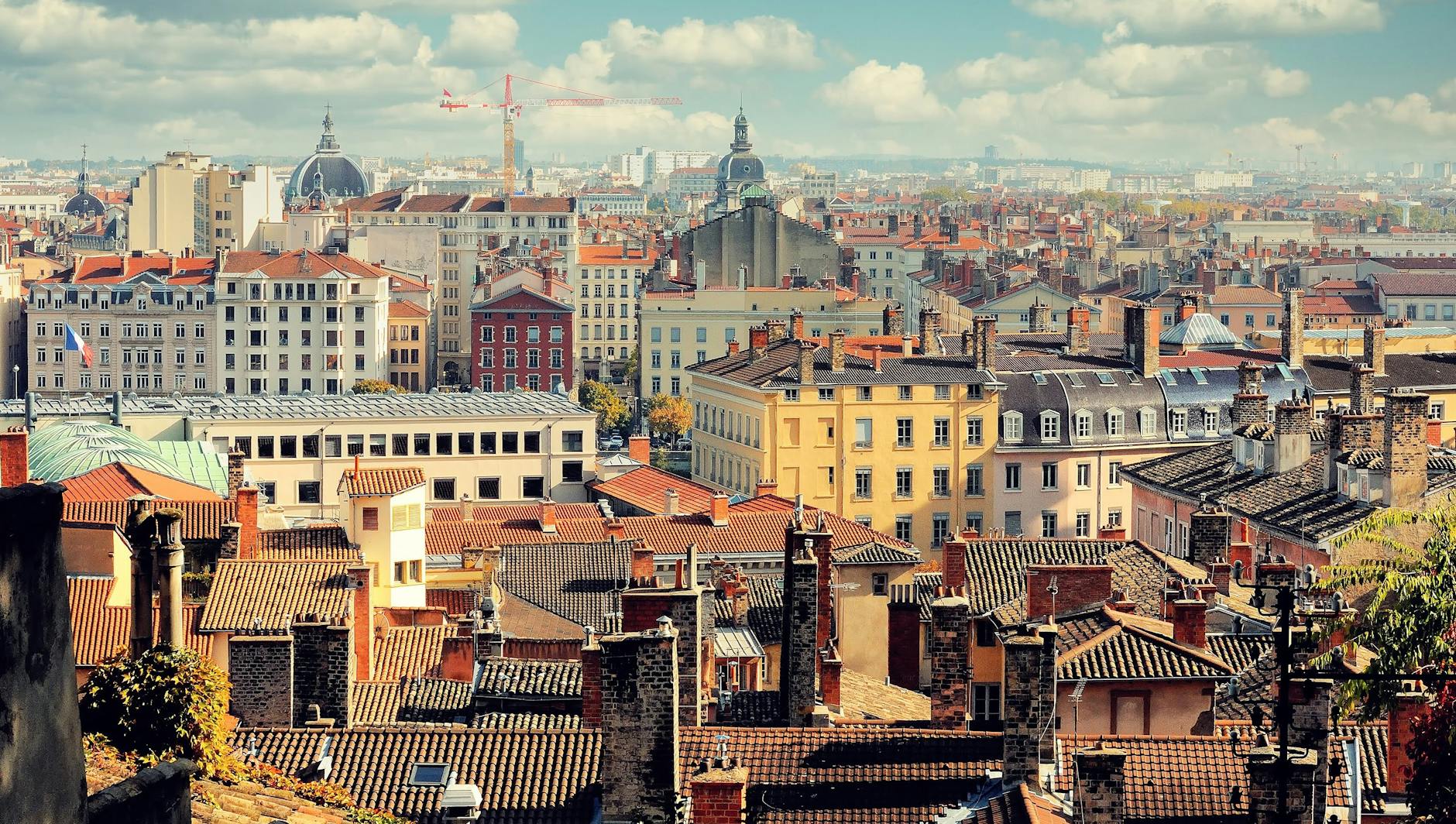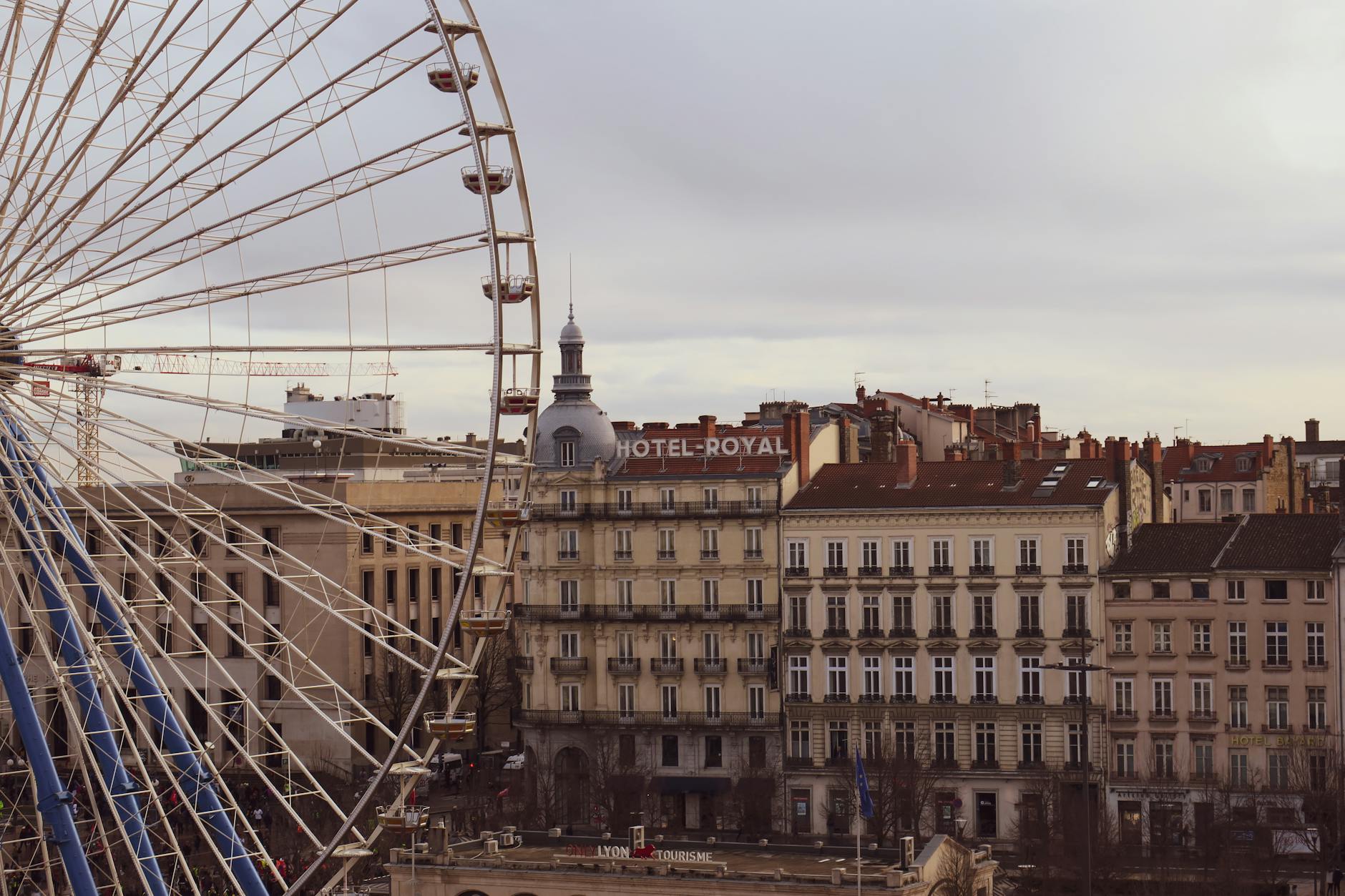
Lyon is a strong luxury destination for travelers who value food, architecture, privacy, and a less obvious version of French urban elegance. It does not operate like Paris, the Riviera, or a pure resort city. Its best luxury experience is built from the right hotel base, thoughtful restaurant planning, controlled transfers, river and hill geography, private cultural pacing, and enough local knowledge to avoid turning comfort into complication. The city can give a traveler Presqu'ile polish, Vieux Lyon atmosphere, Fourviere views, contemporary Confluence, Les Halles and fine dining, museums, opera, and quiet river moments. It can also punish vague plans with awkward station arrivals, hill climbs, late restaurant improvisation, and beautiful but inconvenient hotel choices. The luxury question in Lyon is not simply how much to spend. It is where money actually reduces friction. A private transfer may be worth more than a more famous room if the arrival is late. A central hotel may be more valuable than a dramatic view if the traveler cares about dinners, shopping, and easy returns. A reserved meal plan may matter more than another activity. The paid short-term report applies that thinking to the traveler's exact hotel, arrival point, dinner priorities, mobility needs, privacy expectations, and preferred pace.
Choose the hotel by rhythm, not only prestige
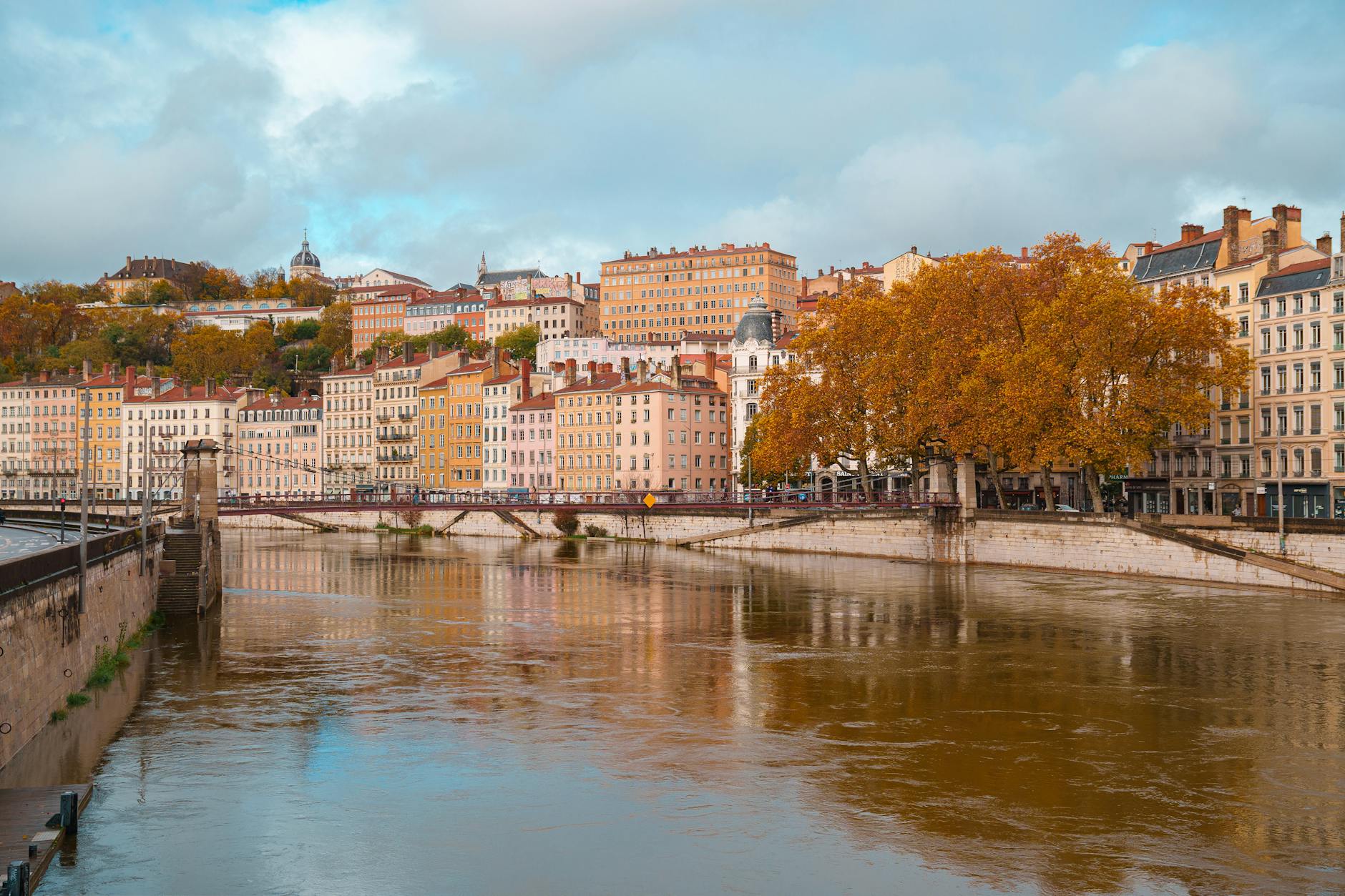
A luxury stay in Lyon should begin with the traveler's preferred rhythm. Presqu'ile can work well for restaurants, shopping, river walks, museums, and easy returns after dinner. The Hotel-Dieu and central riverfront areas can offer a polished urban base with strong access to both banks. Vieux Lyon and Fourviere can be atmospheric or view-driven, but the traveler should check car access, stairs, old-building quirks, and whether the location supports the evening plan. Part-Dieu may be practical for rail, but it is rarely the emotional center of a luxury leisure visit.
The right hotel is the one that reduces friction across the whole stay: arrival, morning start, afternoon rest, dinner, after-dark return, and departure. A more dramatic property can be the wrong choice if it adds repeated transfers or makes spontaneous central movement harder. A quieter central base can feel more luxurious because it lets the traveler use the city without constantly solving logistics.
- Use Presqu'ile or central riverfront areas when dinners, shopping, museums, and easy returns matter.
- Choose Vieux Lyon or Fourviere only after checking car access, stairs, late returns, and the daily route.
- Judge the hotel by arrival, rest breaks, dinner movement, and departure, not only by the room itself.
Make arrival feel managed from the first minute
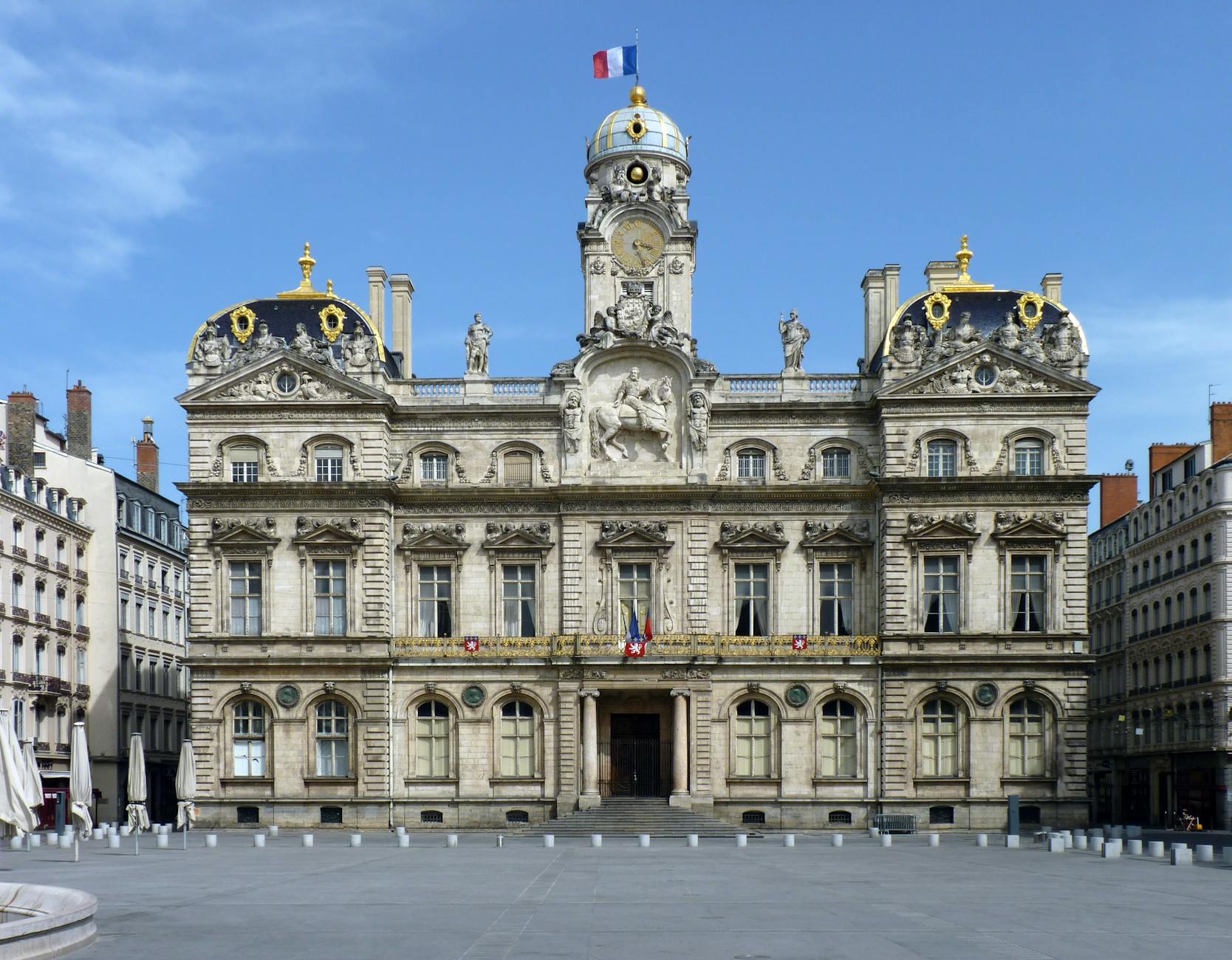
Luxury travelers often notice the first weak link more than the average traveler does. Saint-Exupery Airport is not in the city center, and Part-Dieu station can feel busy and functional rather than graceful. A traveler arriving with luggage, family, an older companion, expensive devices, or a tight dinner plan should decide in advance whether Rhonexpress, taxi, hotel car, or private driver is the right opening move.
A managed arrival is not about show. It is about removing avoidable decisions after travel. The driver or transfer plan should know the hotel entrance, luggage expectations, timing, and backup route. If the traveler arrives by TGV, the last mile from Part-Dieu or Perrache should be treated with the same care as an airport transfer. The first hour sets the tone for the stay.
- Pre-plan airport or rail arrival when luggage, fatigue, privacy, or dinner timing matters.
- Use a hotel car or private driver when the first transfer should be controlled and low-effort.
- Confirm the exact hotel entrance and luggage handling before arrival.
Treat dining as the spine of the trip
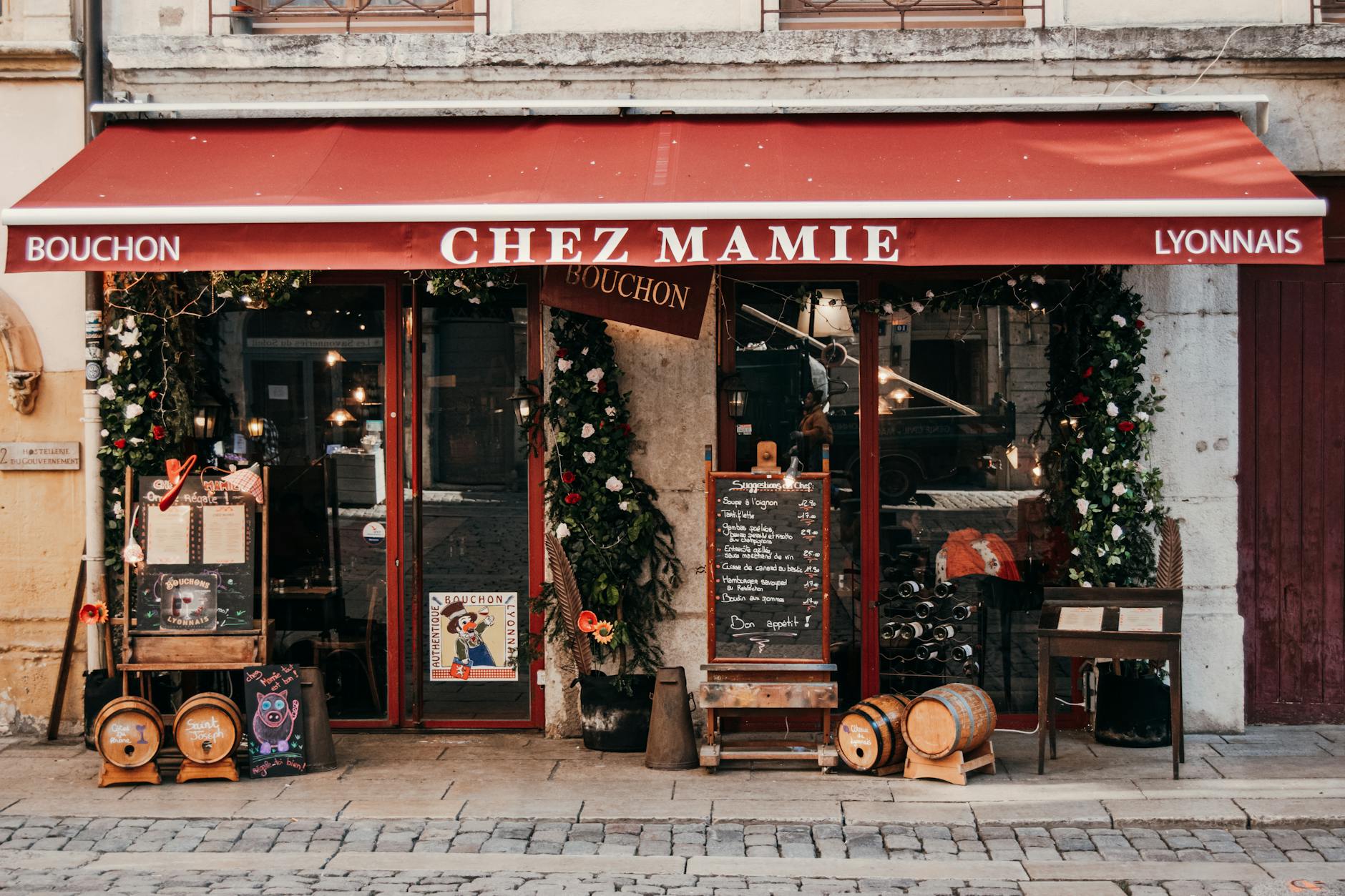
For many luxury travelers, Lyon's food culture is the main reason to come. That means meals should not be left to chance. The traveler may want a classic bouchon, a contemporary fine-dining meal, a market visit, a private guide, a chef-led experience, or a quieter dinner after a long travel day. The question is not just which restaurant is best. It is which restaurant fits the night, the hotel, the transfer, the party, and the traveler's tolerance for long meals, rich food, alcohol, and late returns.
A good dining plan balances ambition and recovery. Reserve high-priority meals early, keep one flexible evening, and know where to eat simply near the hotel if fatigue wins. Travelers with dietary restrictions, medication timing, children, older companions, or privacy needs should plan more deliberately. Lyon can be indulgent without being excessive if the meal geography is treated as part of the itinerary.
- Reserve high-priority restaurants and keep at least one lower-pressure meal near the hotel.
- Match dinner location to the day's walking load, transfer plan, and next morning schedule.
- Plan carefully for dietary restrictions, medication timing, privacy, children, or older companions.
Use private movement where it improves the day
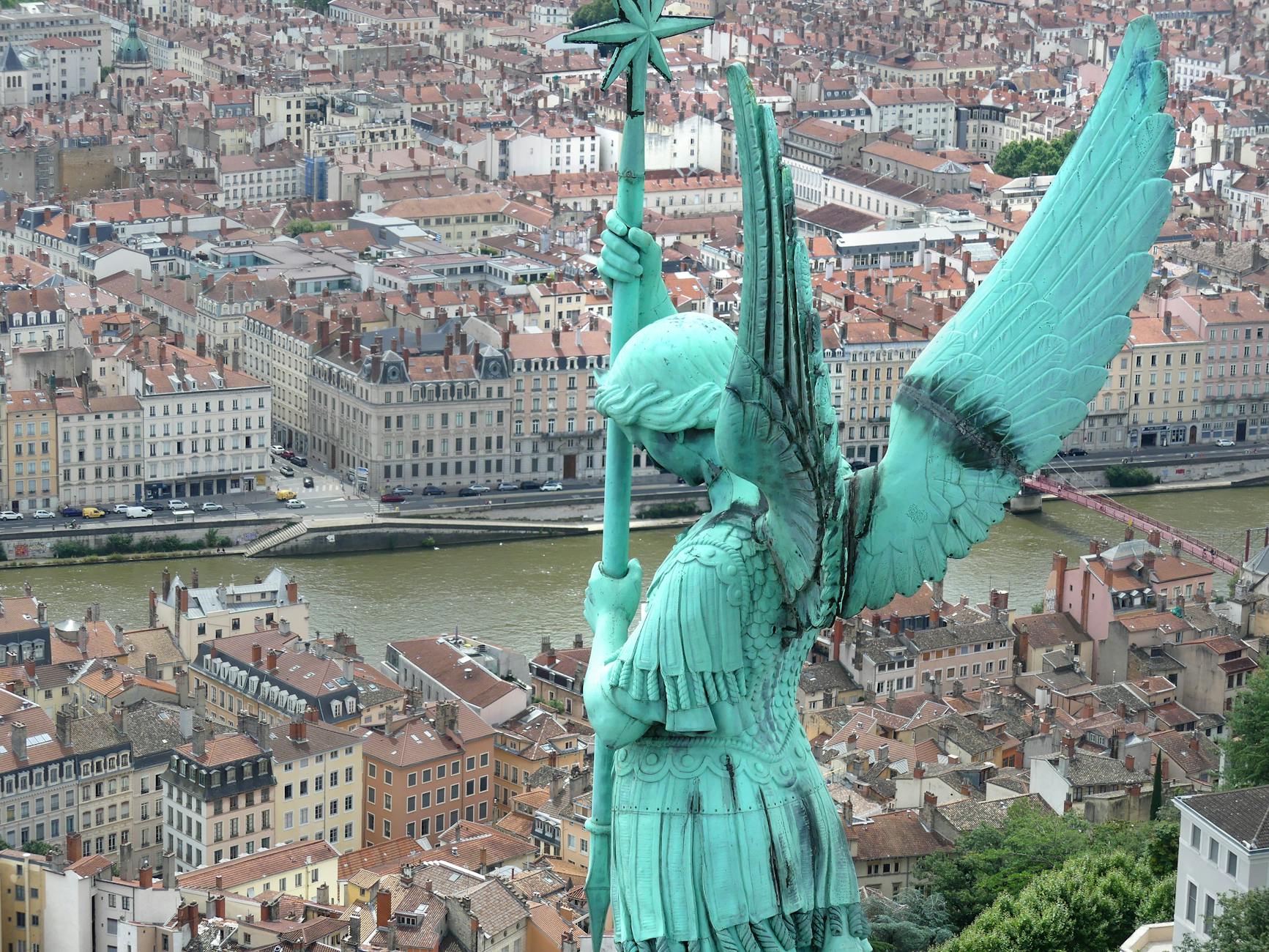
Lyon is walkable and has useful public transport, but a luxury traveler should not use transit as a default if it undermines comfort, timing, footwear, privacy, or energy. Private car movement can be useful for airport transfers, late dinners, hilltop Fourviere access, multi-stop days, shopping, older travelers, family groups, bad weather, or any itinerary that crosses several districts. It is less useful when central traffic and parking make walking or metro faster.
The best approach is selective. Walk the riverfront and central streets when that is the experience. Use a car when the movement is merely logistics. Use the funicular when it makes Fourviere easier. Avoid treating luxury as a refusal to walk; Lyon's best moments often come on foot. The goal is to spend energy on the city, not on avoidable friction.
- Use private car movement for airport transfers, late dinners, hill access, bad weather, and multi-stop days.
- Walk when the route itself is the experience, especially central riverfront and Presqu'ile areas.
- Choose movement mode by comfort, timing, privacy, footwear, and energy, not habit.
Build a cultural plan with fewer, better appointments
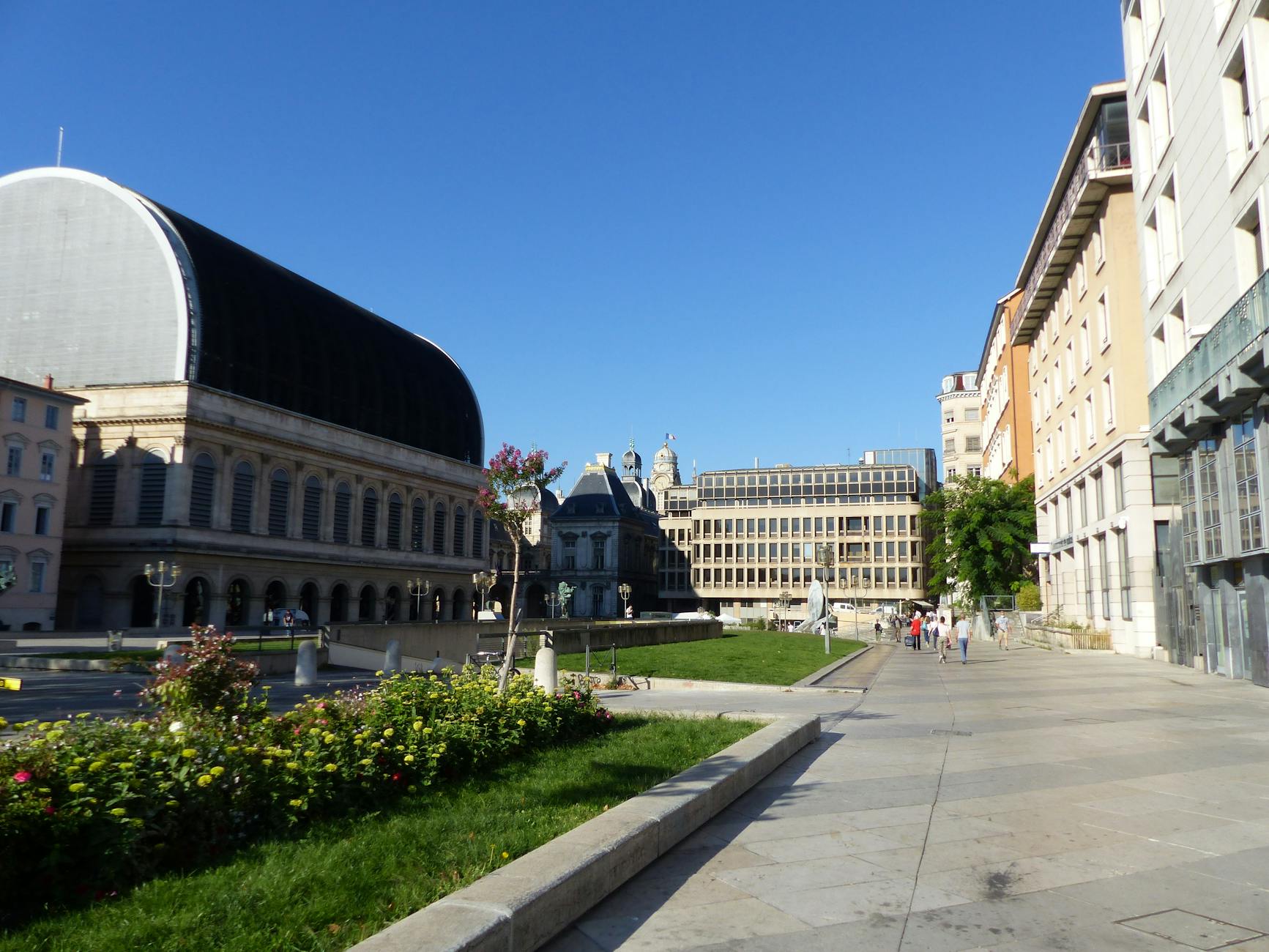
Lyon can support a rich cultural stay: opera, museums, Vieux Lyon, Fourviere, Croix-Rousse, Confluence, Roman history, silk heritage, galleries, and private guide options. A luxury itinerary should not overload these simply because the traveler can afford access. The better plan gives each major experience enough room to breathe and pairs it with a meal, river walk, or rest that makes sense geographically.
For a short stay, one major cultural anchor per half-day is usually enough. A private guide can make Vieux Lyon or Croix-Rousse more meaningful, but only if the start point, walking grade, and finish point fit the traveler. A museum or opera evening should be paired with dinner and return planning. The most polished Lyon trips feel curated, not packed.
- Use one major cultural anchor per half-day instead of packing every district into one schedule.
- Pair guides, museums, opera, and old-town walks with nearby meals and easy returns.
- Check walking grade, start point, finish point, and weather before booking private experiences.
Plan privacy, security, and medical fallback quietly
Luxury travelers may carry visible value: jewelry, watches, cameras, designer luggage, high-end phones, or shopping bags. Lyon does not require a fearful posture, but the traveler should avoid avoidable exposure around stations, crowded old-town streets, restaurant terraces, taxis, hotel entrances, and late-night returns. The most useful security choices are usually quiet ones: controlled transfer, discreet bags, secure hotel storage, backup payment, charged phone, and a return route chosen before dinner.
Medical fallback also belongs in the luxury plan. Travelers who expect comfort should know where the hotel-area pharmacy is, how to reach urgent care, and how medication, insurance, language, and concierge support would work if something goes wrong. This does not make the trip clinical. It makes the comfort credible.
- Control visibility around stations, terraces, hotel entrances, crowded streets, and late returns.
- Use secure storage, backup payment, charged phone, and discreet bags as quiet risk controls.
- Know pharmacy, urgent-care route, insurance access, and hotel support before a medical issue appears.
When to order a short-term travel report
A luxury traveler with a flexible itinerary, trusted hotel, and simple central stay may not need a custom report. A report becomes more useful when the traveler wants to compare hotel districts, arrange a managed arrival, protect a high-value restaurant plan, travel with older companions or children, maintain privacy, handle medical or dietary constraints, use private guides, or combine Lyon with onward rail, wine-region movement, business meetings, or a multi-city French itinerary.
The report should test hotel location, transfer options, restaurant geography, private movement, cultural appointments, medical fallback, visible-value exposure, current transport signals, and the point at which the plan should change. For a luxury Lyon traveler, the value is not a list of expensive options. It is a trip design where comfort, timing, food, privacy, and city texture support each other.
- Order when hotel district, arrival control, dining, privacy, medical needs, family pace, or onward movement affects the trip.
- Provide hotel candidates, arrival details, restaurant goals, mobility needs, privacy concerns, and must-do experiences.
- Use the report to align hotel, transfers, meals, guides, fallback plans, and evening returns.