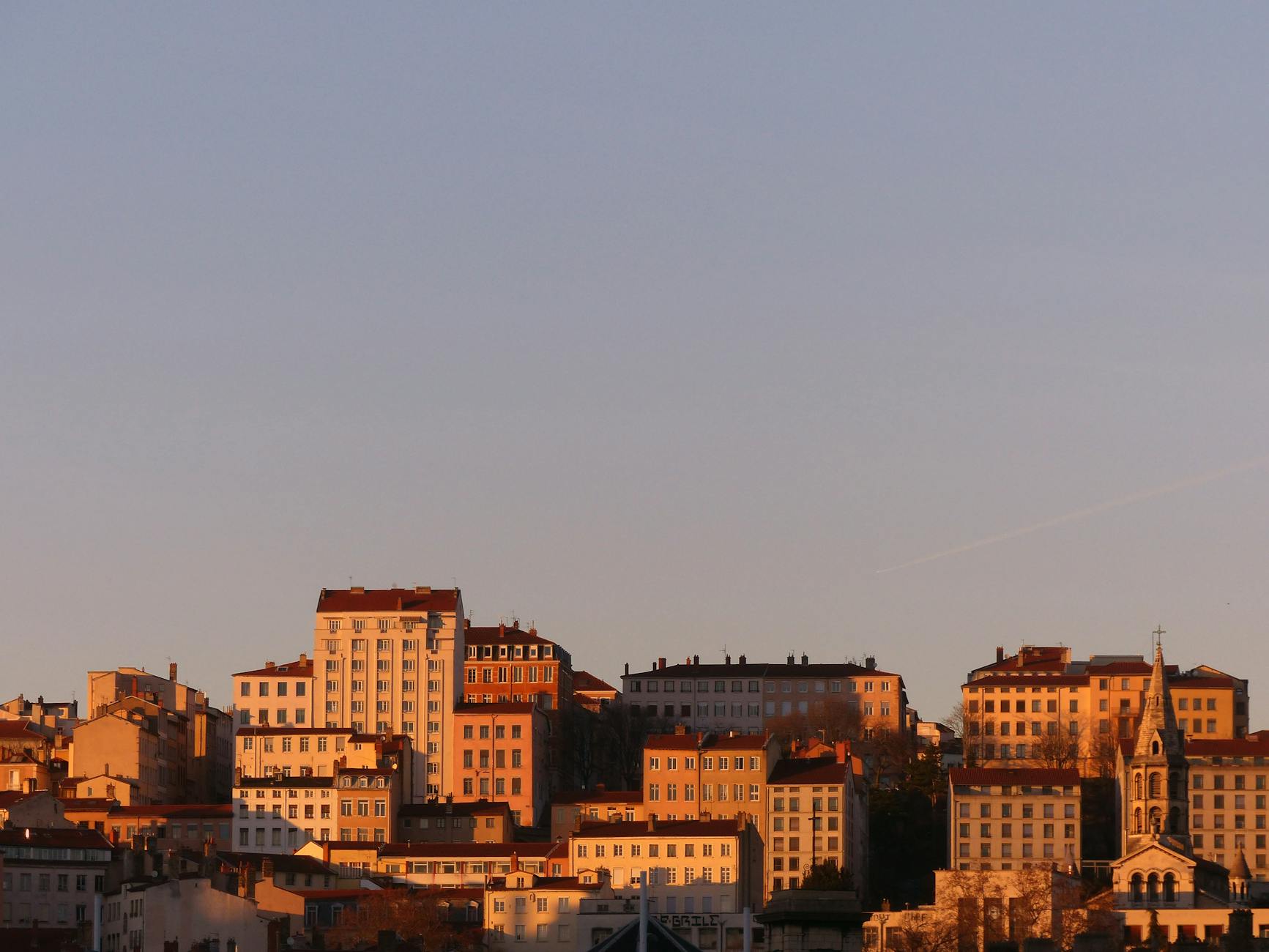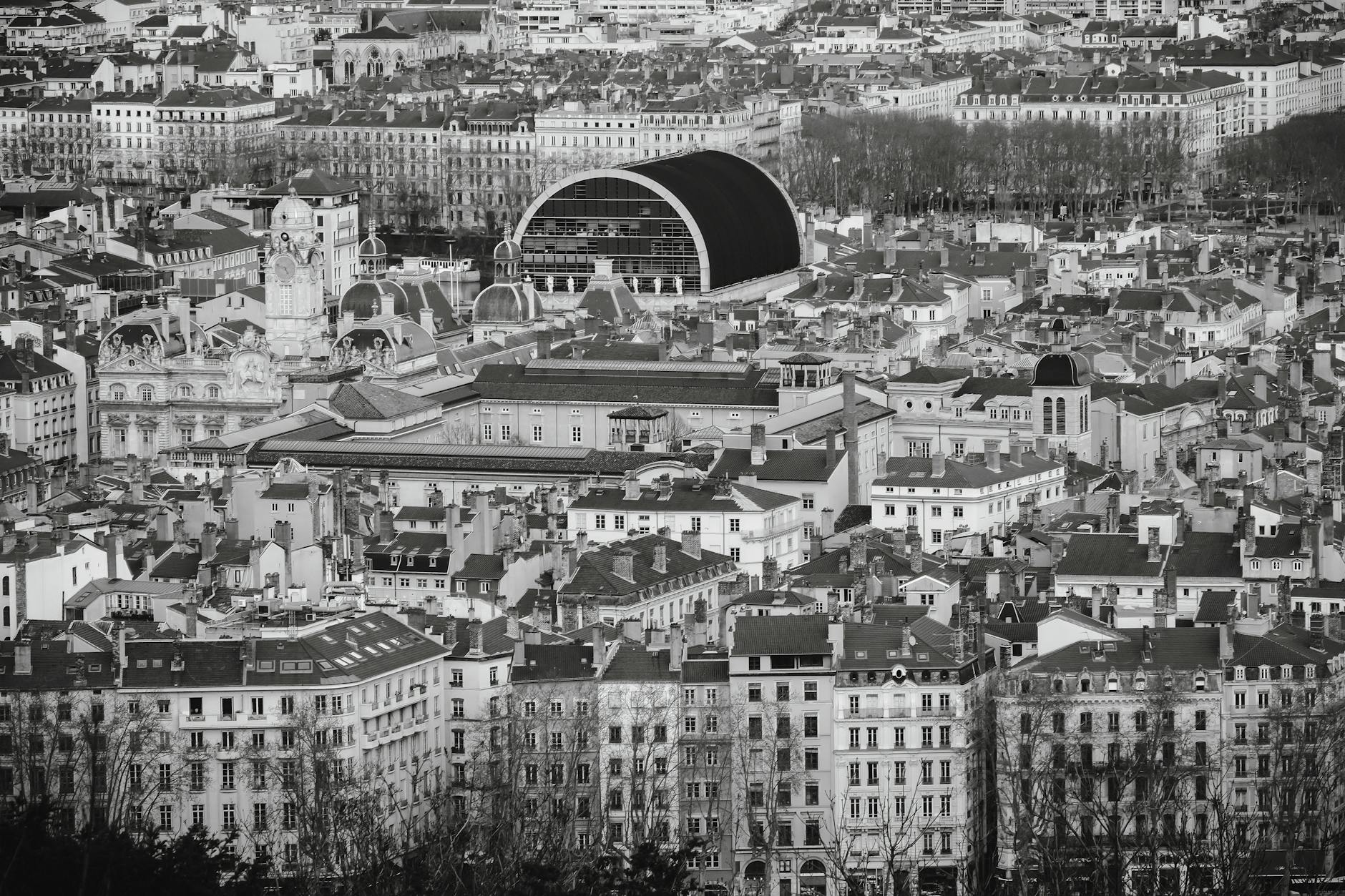
A short reporting trip to Lyon can cover very different stories: business and technology around Part-Dieu or Confluence, courts and civic institutions near the old center, migrant and community issues in ordinary neighborhoods, food and culture across the Presqu'ile and Vieux Lyon, university and research stories, football, transport strikes, or demonstrations that move through the city with little patience for a journalist who has not planned the basics. Lyon is not as large as Paris, but it is not a single compact beat. The useful planning question is what kind of journalist is arriving. A writer doing interviews, a photojournalist covering a protest, a broadcast team needing stand-up locations, a business reporter visiting sources, and a documentary producer working across neighborhoods have different needs. The travel plan should protect source access, legal and institutional awareness, equipment security, filing time, and the ability to leave a tense location without losing the day's work.
Start with the assignment map
The first decision is not where to stay. It is where the story is. A journalist may need to move between Part-Dieu offices, Presqu'ile institutions, Vieux Lyon visuals, a court or city-hall setting, a university site, a suburban interview, a factory or logistics location, and a demonstration route that changes during the day. Lyon's geography is manageable, but a story day can break if the reporter treats every address as if it were equally central.
The assignment map should include confirmed interviews, likely stand-up or photo positions, backup interview locations, transport links, and places to file or upload. A hotel that is excellent for tourism may be weak if the reporter needs quick access to Part-Dieu rail, late filing, or a secure place for gear. The best base is the one that protects the story sequence and keeps the journalist from carrying expensive equipment across unnecessary transfers.
- Map sources, institutions, stand-up locations, protest routes, filing spots, and transport links before choosing the hotel.
- Treat Part-Dieu, Presqu'ile, Vieux Lyon, Confluence, Gerland, Villeurbanne, and outer sites as different reporting zones.
- Choose a base that protects the assignment sequence rather than the most attractive visitor neighborhood.
Understand institutions before arrival
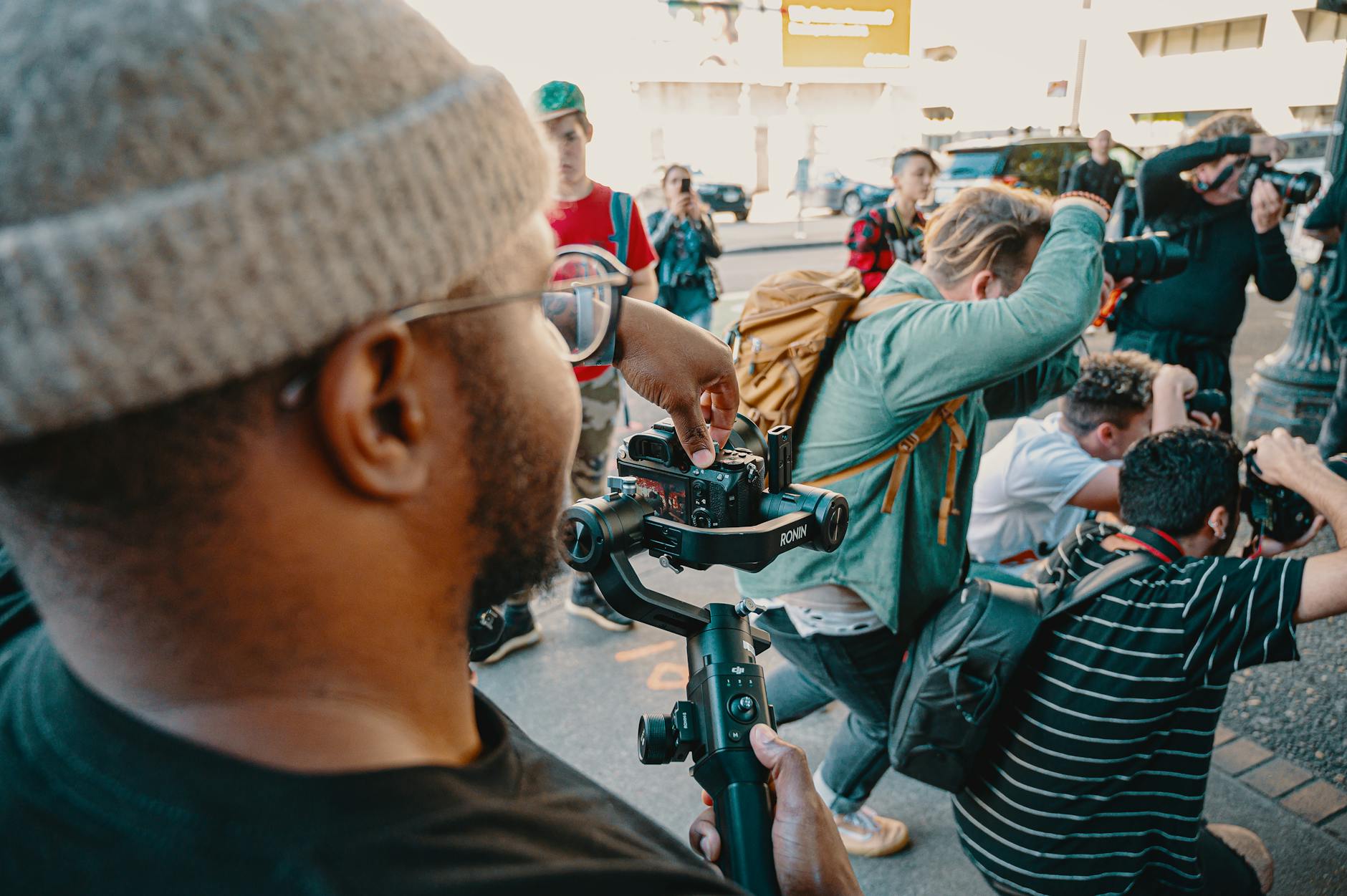
Lyon stories often touch public institutions: the municipality, regional bodies, courts, police, transport operators, universities, hospitals, cultural institutions, and business-development agencies. A journalist should not assume that access, filming, or interview rules will be improvised at the door. For court, city-hall, police, health, school, or transport stories, the reporter should confirm appointment times, press contacts, building entry, identification requirements, and whether cameras or recording devices are permitted in the relevant space.
This is also where language matters. Even when a senior source speaks English, reception desks, security staff, press offices, or people encountered near a scene may not. Save names, phone numbers, addresses, and short French explanations of the assignment offline. A reporter does not need perfect French to work in Lyon, but unclear purpose at an official entrance can waste the small windows that make short reporting trips viable.
- Confirm press contacts, appointment times, identification needs, building entry, and camera rules for institutions.
- Prepare short French explanations of who you are, whom you are meeting, and what access has been approved.
- Do not rely on informal access for courts, hospitals, schools, police settings, or restricted public buildings.
Treat demonstrations as working environments
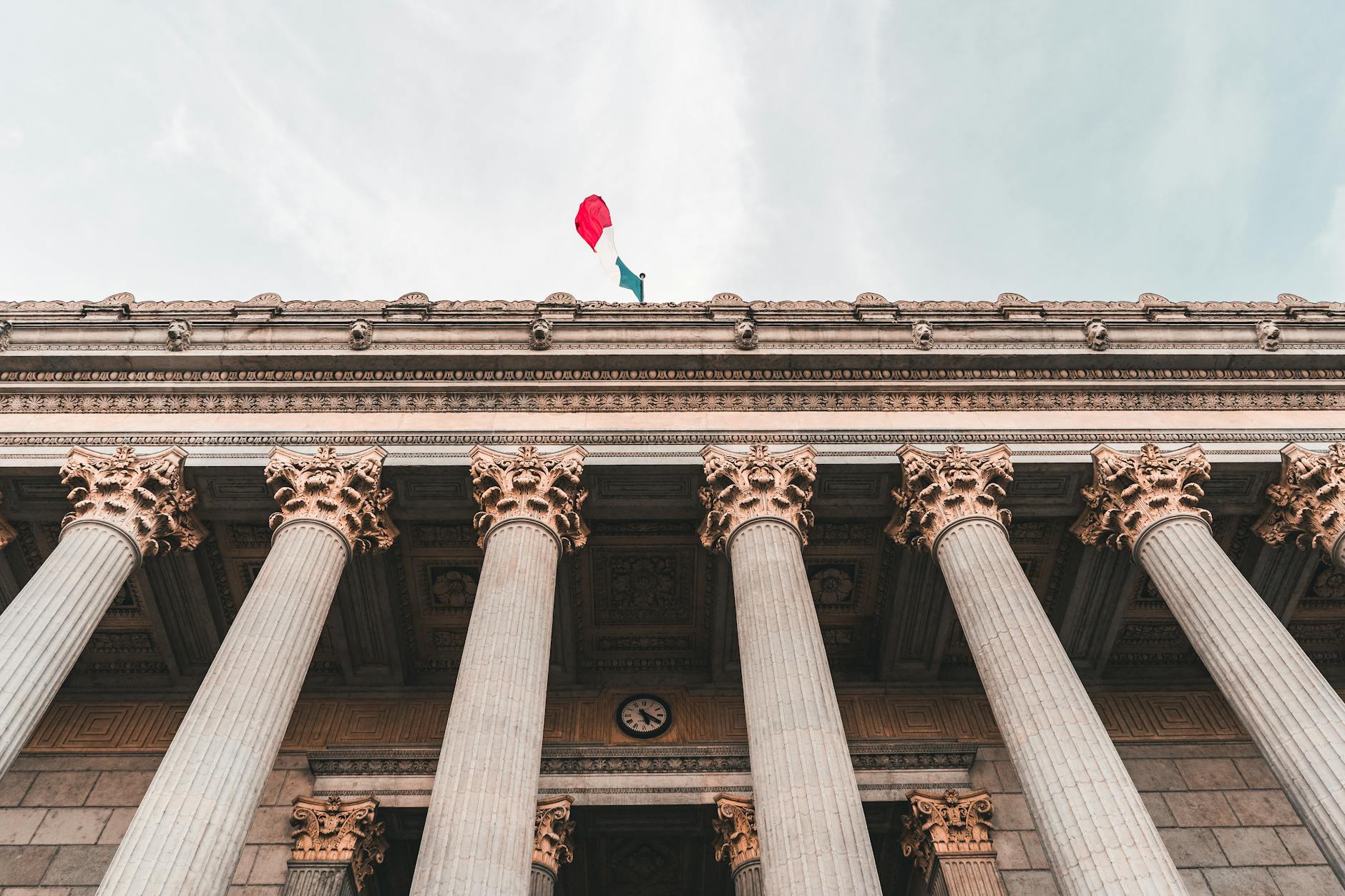
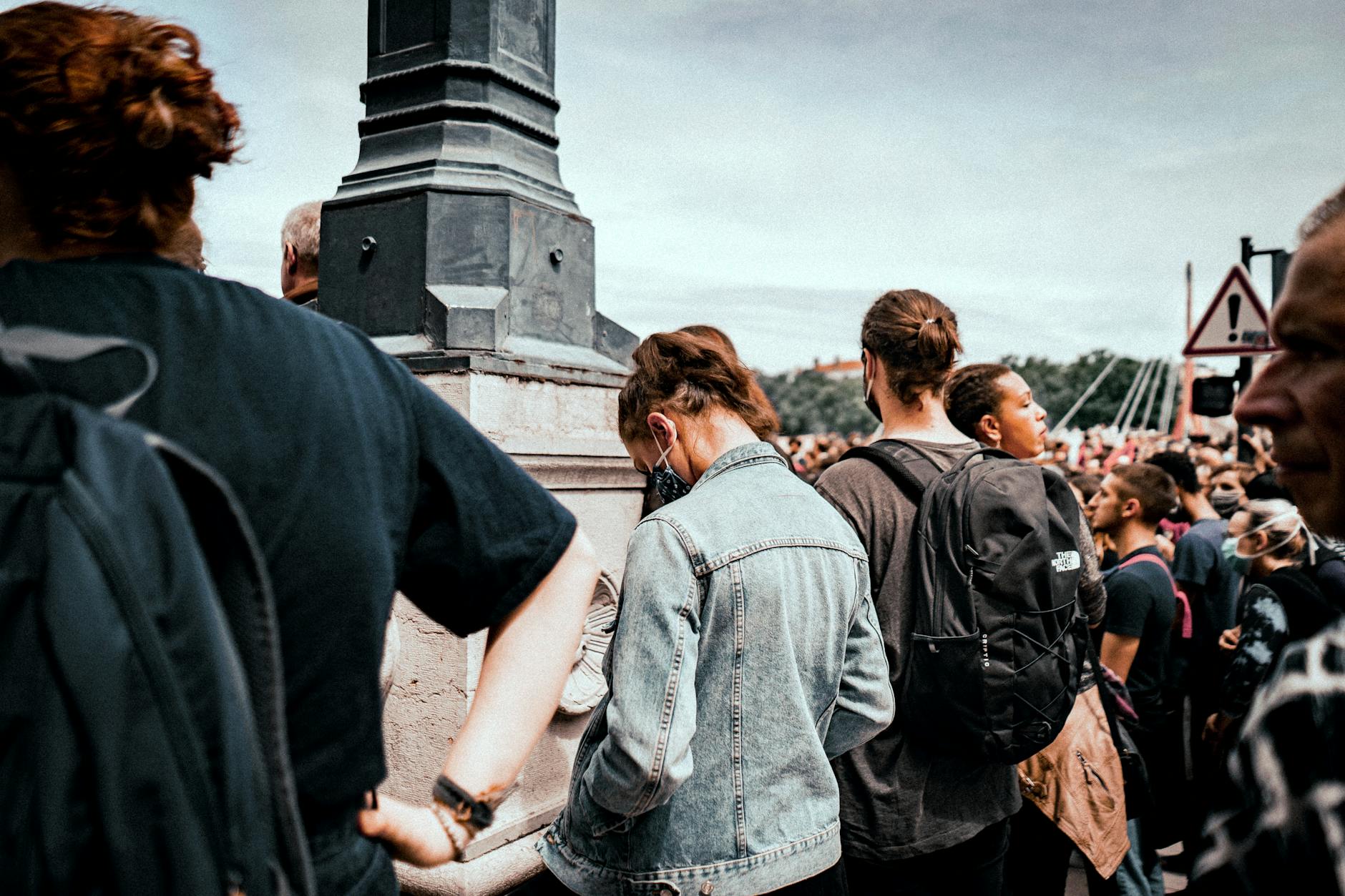
Lyon has an active civic life, and demonstrations can be central to some assignments or simply a disruption near a planned route. For journalists, the issue is not only physical safety. It is role clarity. A reporter may be read by protesters as hostile, by police as part of the crowd, by onlookers as a participant, or by editors as the person responsible for capturing the scene without becoming the story. That requires preparation before the journalist is standing in a moving crowd.
A protest plan should identify likely routes, police lines, exit streets, meeting points, gear load, weather, footwear, battery capacity, and how material will be backed up. Freelancers should know who is monitoring them and when they will check in. Anyone covering tense scenes should avoid overcommitting to a position with only one exit. The goal is to document accurately while preserving the ability to leave, file, and verify the work.
- Check demonstration route, police posture, exit streets, meeting points, weather, footwear, battery, and backup plan.
- Keep role clarity: journalist, observer, and documenter, not participant or unmanaged bystander.
- Use check-ins and material backups before entering a crowd or a potentially tense location.
Plan the police and public-order boundary
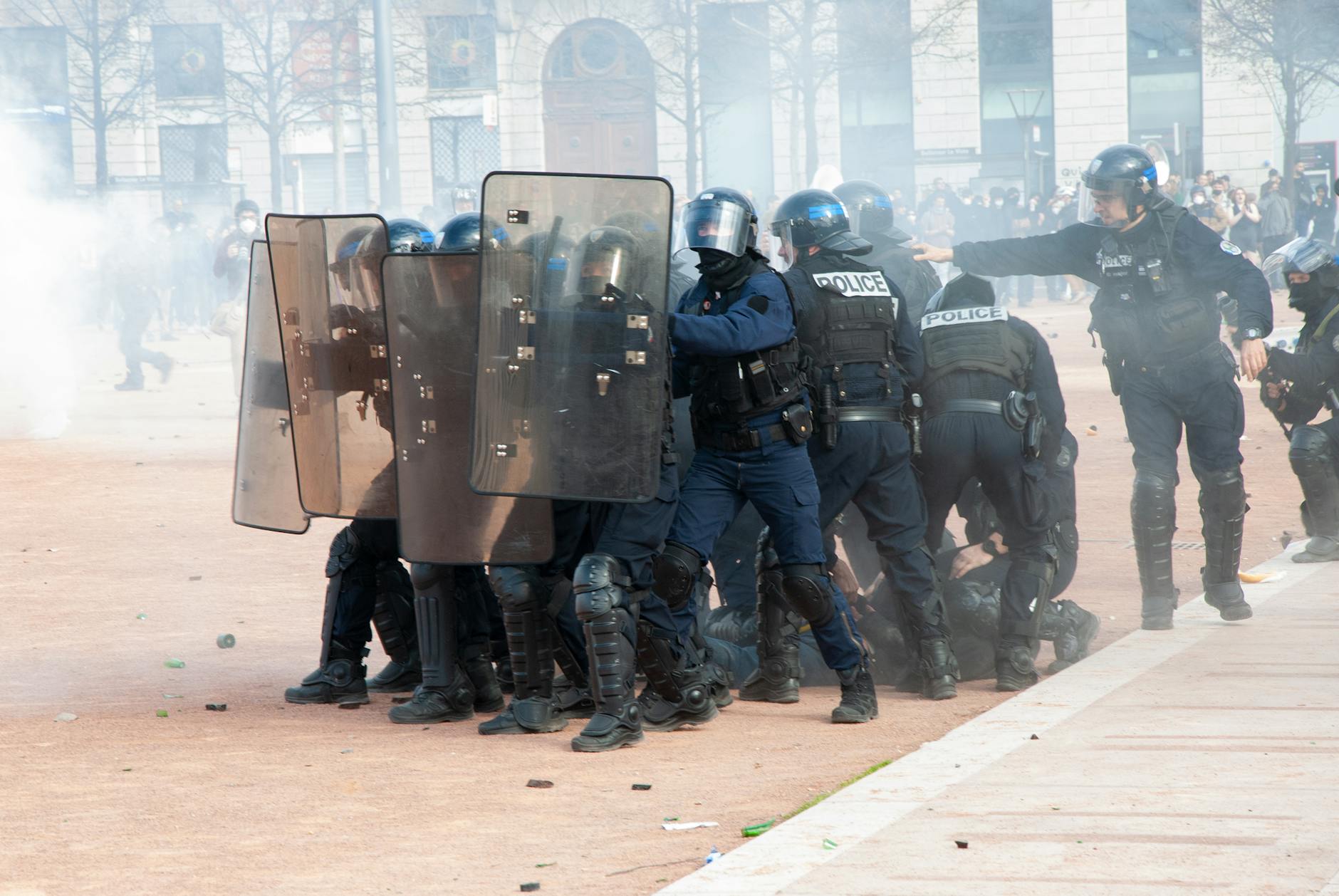
Public-order coverage deserves its own planning. A journalist should carry identification, know the editor or assignment contact who can confirm the work, and understand that police lines, dispersal orders, and fast-moving crowd control can change a familiar street in minutes. The right response is not bravado. It is distance, route awareness, and a plan for what to do if the reporter is separated from a colleague or has to leave gear behind.
Equipment choices should reflect the scene. A large camera, tripod, light, or broadcast setup can make the journalist more visible and less mobile. A phone-only setup may be easier to move with but weaker for image quality and backup. The traveler should choose gear based on the assignment and the environment, not on the full kit they would prefer in ideal conditions. After the scene, allow time for verification. Fast images from a tense moment can be compelling and still require careful captioning.
- Carry ID and editor contact details, and know how assignment status can be confirmed if questioned.
- Balance image quality against mobility, visibility, and the ability to leave a changing scene.
- Protect time after public-order coverage for captioning, verification, and source checks.
Make interviews easier for sources
The strongest Lyon interview plan respects the source's day. A senior business source near Part-Dieu, a restaurant owner in Presqu'ile, a researcher in Villeurbanne, a community organizer in Guillotiere, and a public official near a civic building will not all accept the same meeting location. The journalist should think about language, privacy, noise, photography consent, and whether the source can speak freely in the proposed setting.
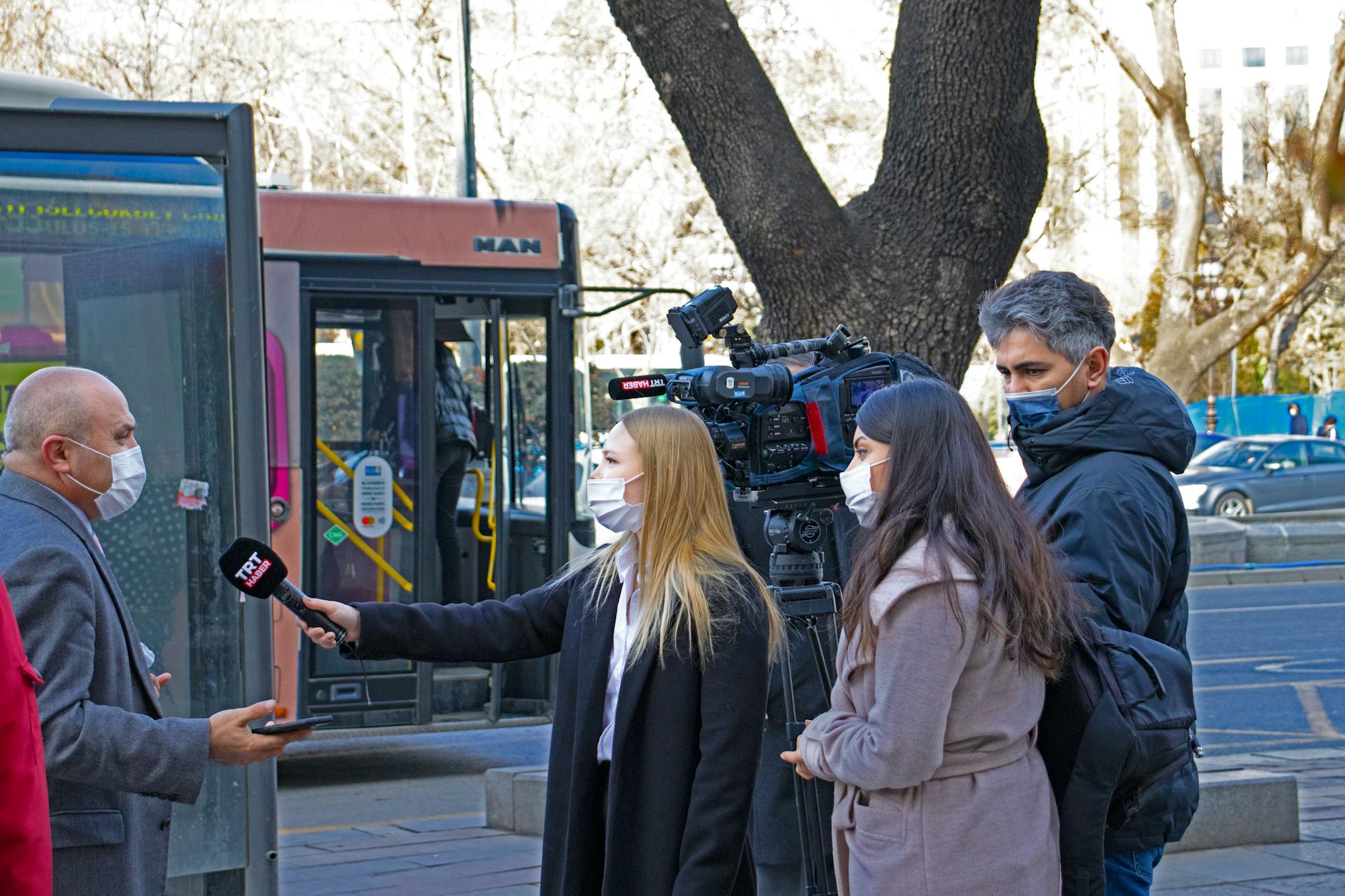
For street interviews, prepare for background noise, wind, traffic, and people who are willing to talk but not willing to be filmed or named. For sensitive subjects, avoid turning a convenient cafe into a disclosure risk. The best interview site may be boring: quiet, easy to find, close to the source, and simple to leave. That is usually better than a visually attractive location that makes the source uncomfortable or produces unusable audio.
- Choose interview locations by source comfort, noise, privacy, language, and consent, not only visual appeal.
- Carry a plan for named, unnamed, filmed, audio-only, and background conversations.
- Do not make a vulnerable or reluctant source travel across the city just because the reporter's hotel is convenient.
Protect filing, devices, and source material
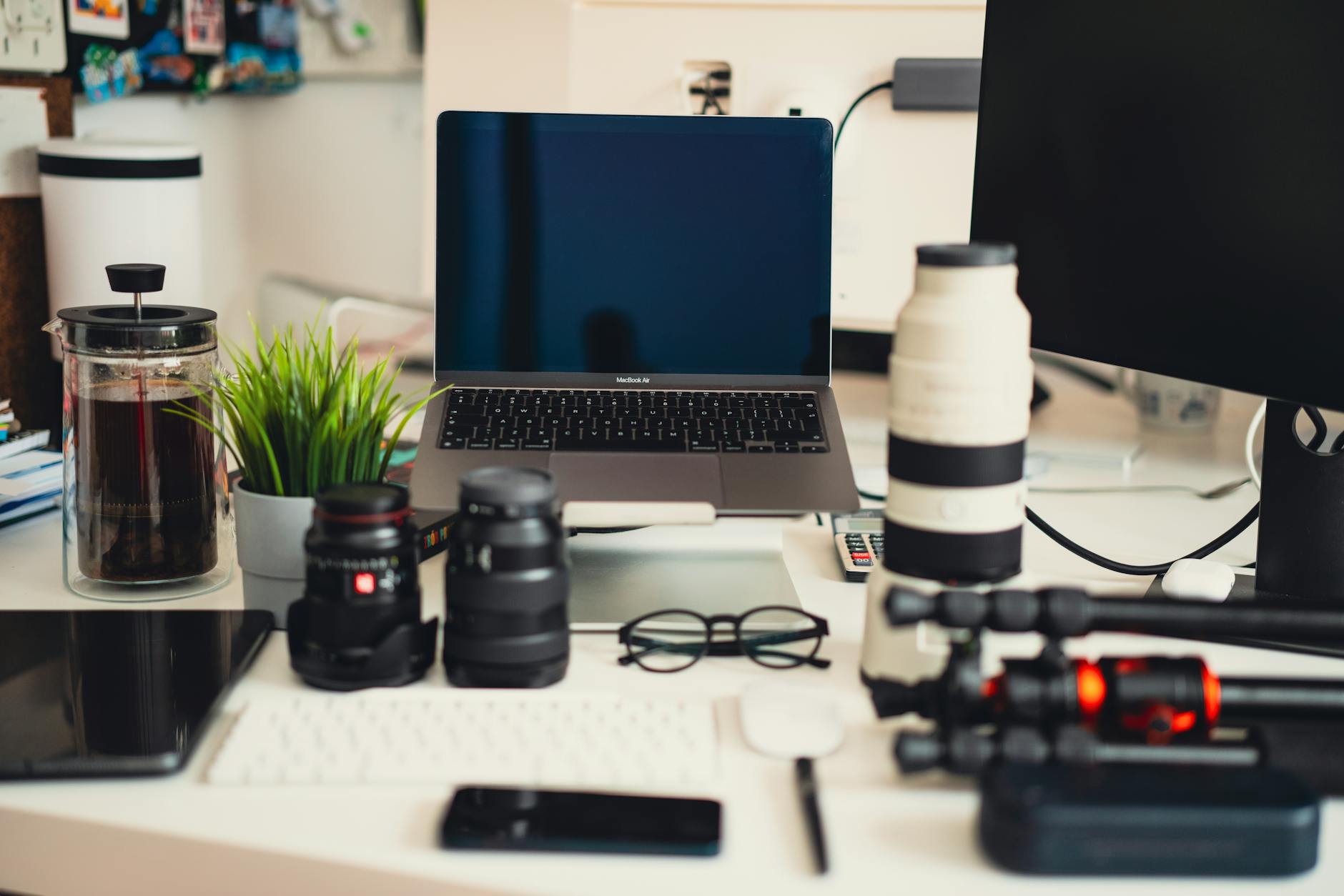
A journalist's hotel and daily bag should be planned around filing, charging, storage, and backup. Lyon is well connected, but a reporter still needs reliable Wi-Fi, a working mobile data plan, enough adapters and batteries, secure cloud or editor transfer, and a fallback if a laptop, phone, or camera fails. Sensitive notes, unpublished images, source lists, and recordings deserve more care than ordinary travel photos.
Device discipline is especially important when the story involves protests, courts, vulnerable sources, labor conflict, or business information. The traveler should use lock screens, encrypted storage where appropriate, account recovery plans, and separation between personal and assignment material. Filing time should be scheduled, not imagined. A full day of interviews followed by a late dinner leaves little room for accurate transcription, captions, editor questions, or corrections.
- Confirm Wi-Fi, mobile data, adapters, batteries, cloud transfer, and backup workflow before the first reporting day.
- Protect notes, recordings, source lists, unpublished images, and account access with basic device discipline.
- Schedule filing and verification time rather than assuming it will happen after the city has worn you down.
When to order a short-term travel report
A journalist with one simple cultural interview and a flexible schedule may not need a custom Lyon report. A report becomes more useful when the assignment includes several neighborhoods, demonstrations, courts or public institutions, vulnerable sources, broadcast equipment, late filing, tight train or flight timing, or limited French. Those are the trips where generic city advice does not answer the working questions.
The report should test the assignment map, hotel base, arrival route, institutional access, interview locations, protest and public-order context, transport options, filing environment, gear movement, current disruption risks, and language needs. The value is a journalist-aware operating brief for Lyon: where to work, where to wait, where to file, how to move, and which local friction points could weaken the reporting before the story is finished.
- Order when the assignment involves several sites, protests, institutions, vulnerable sources, gear, or limited French.
- Provide source locations, expected scenes, equipment, hotel candidates, arrival details, deadlines, and editor check-in needs.
- Use the report to protect source access, safe movement, filing time, and the quality of the final story.