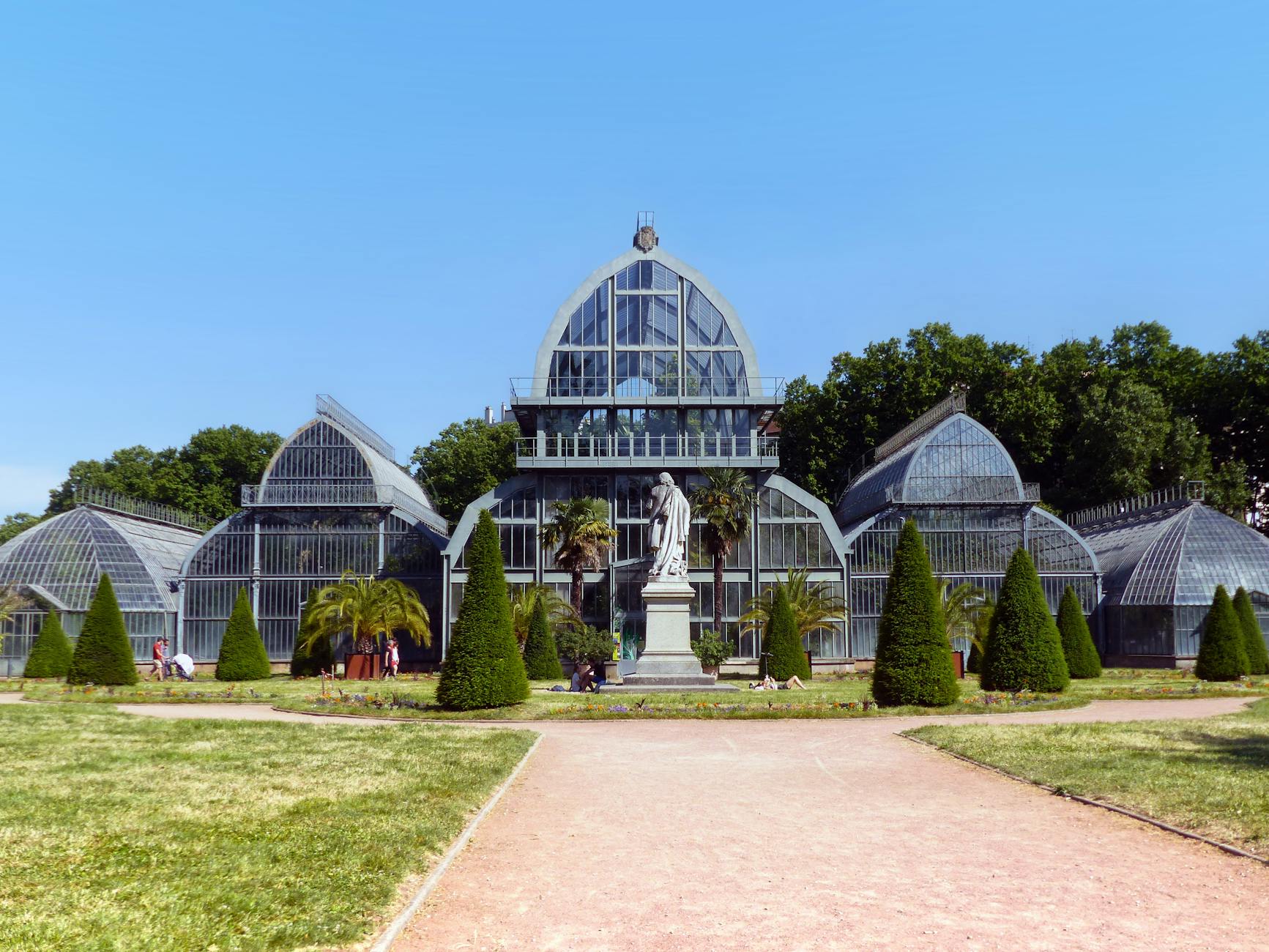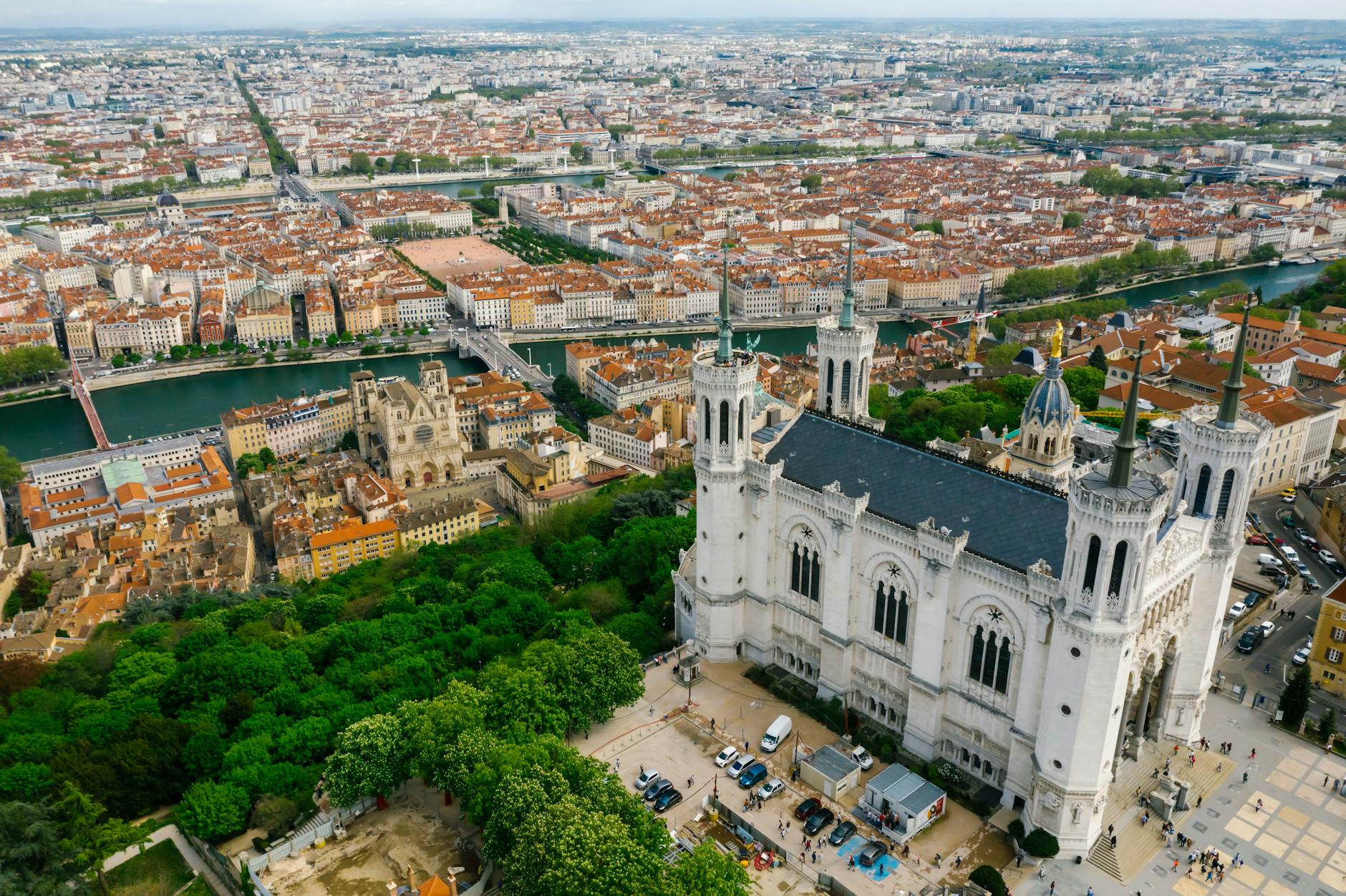
Lyon is one of the best French cities for a first-time visitor who wants substance without the scale and pressure of Paris. The city has Roman history, Vieux Lyon, Fourviere, Presqu'ile, the Rhone and Saone river corridors, strong museums, serious food culture, good rail links, and neighborhoods that reward walking. It also has enough hills, river crossings, station logistics, restaurant demand, and district-to-district differences that a first visit can become inefficient if the traveler treats Lyon as a small, simple stopover. The first-time visitor's task is to choose a base and rhythm that make Lyon feel layered rather than scattered. A traveler arriving through Part-Dieu, Saint-Exupery Airport, or Perrache should not plan the first day the same way. A traveler staying near Bellecour or Cordeliers will experience the city differently from someone based near Part-Dieu, Confluence, Vieux Lyon, or the slopes of Croix-Rousse. The paid short-term report applies this logic to the traveler's exact arrival time, hotel, walking tolerance, food priorities, mobility needs, and day-by-day plan.
Understand Lyon as rivers, hills, and districts
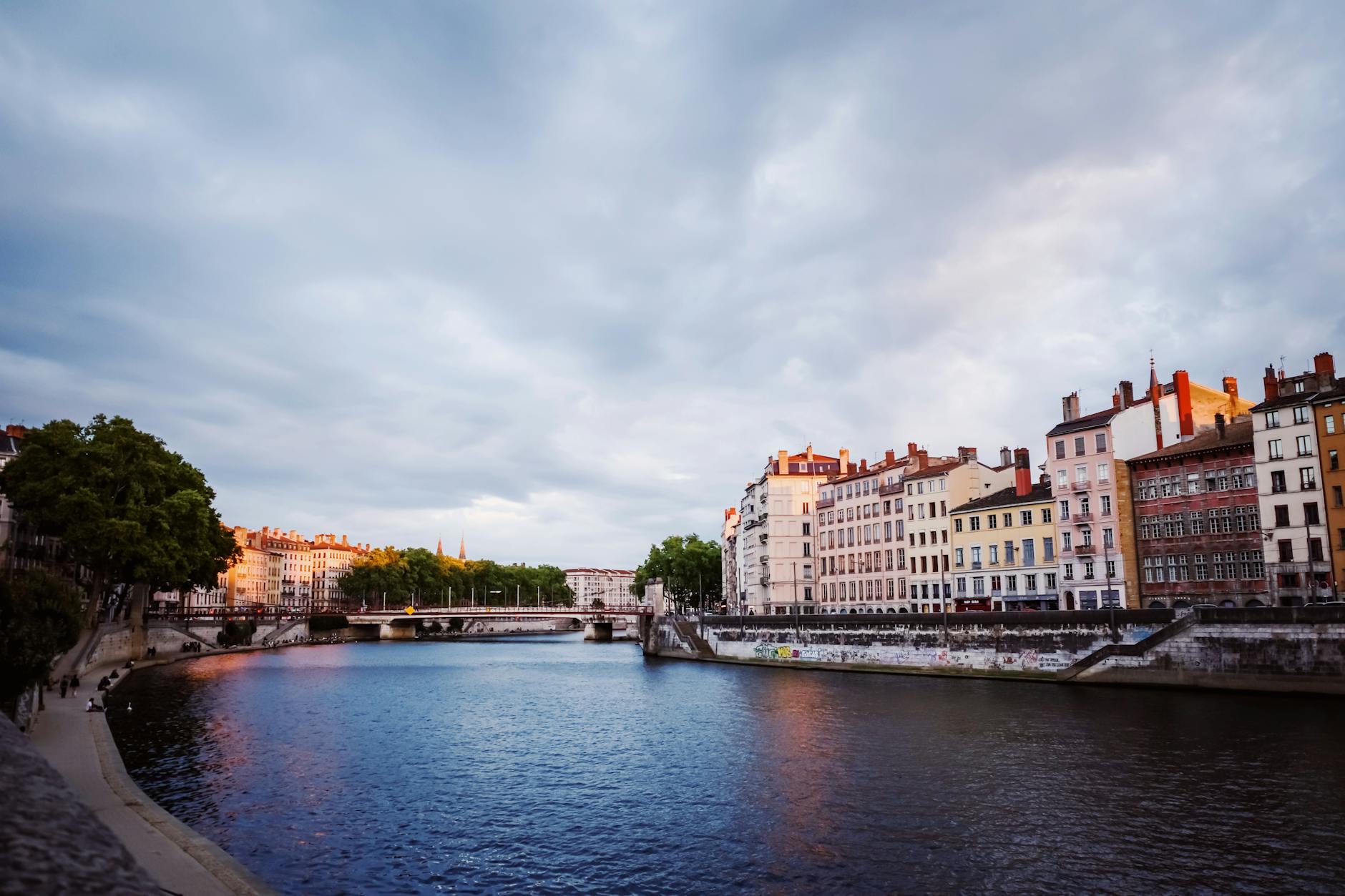
A first-time visitor should start by understanding Lyon's physical shape. The Presqu'ile sits between the Rhone and Saone and works as a central orientation zone. Vieux Lyon lies west of the Saone under Fourviere. Croix-Rousse rises north of the center. Part-Dieu sits east of the Rhone with the main rail station and business district. Confluence stretches south where the rivers meet. These pieces are close enough to combine, but not so close that every plan should be walked from end to end.
This layout matters because a first visit often tries to include Vieux Lyon, Fourviere, Presqu'ile, a museum, river walks, a restaurant, and perhaps Croix-Rousse or Confluence. That can be excellent if the day is sequenced by terrain and transport. It can feel punishing if the traveler keeps crossing rivers, climbing hills, and backtracking. Lyon rewards a visitor who groups the city into sensible half-days rather than chasing landmarks in random order.
- Treat Presqu'ile, Vieux Lyon, Fourviere, Croix-Rousse, Part-Dieu, and Confluence as distinct planning zones.
- Sequence days by river crossings and hills, not only by attraction lists.
- Avoid backtracking between east-bank, old-town, hilltop, and southern districts unless there is a reason.
Choose a base that matches the first visit
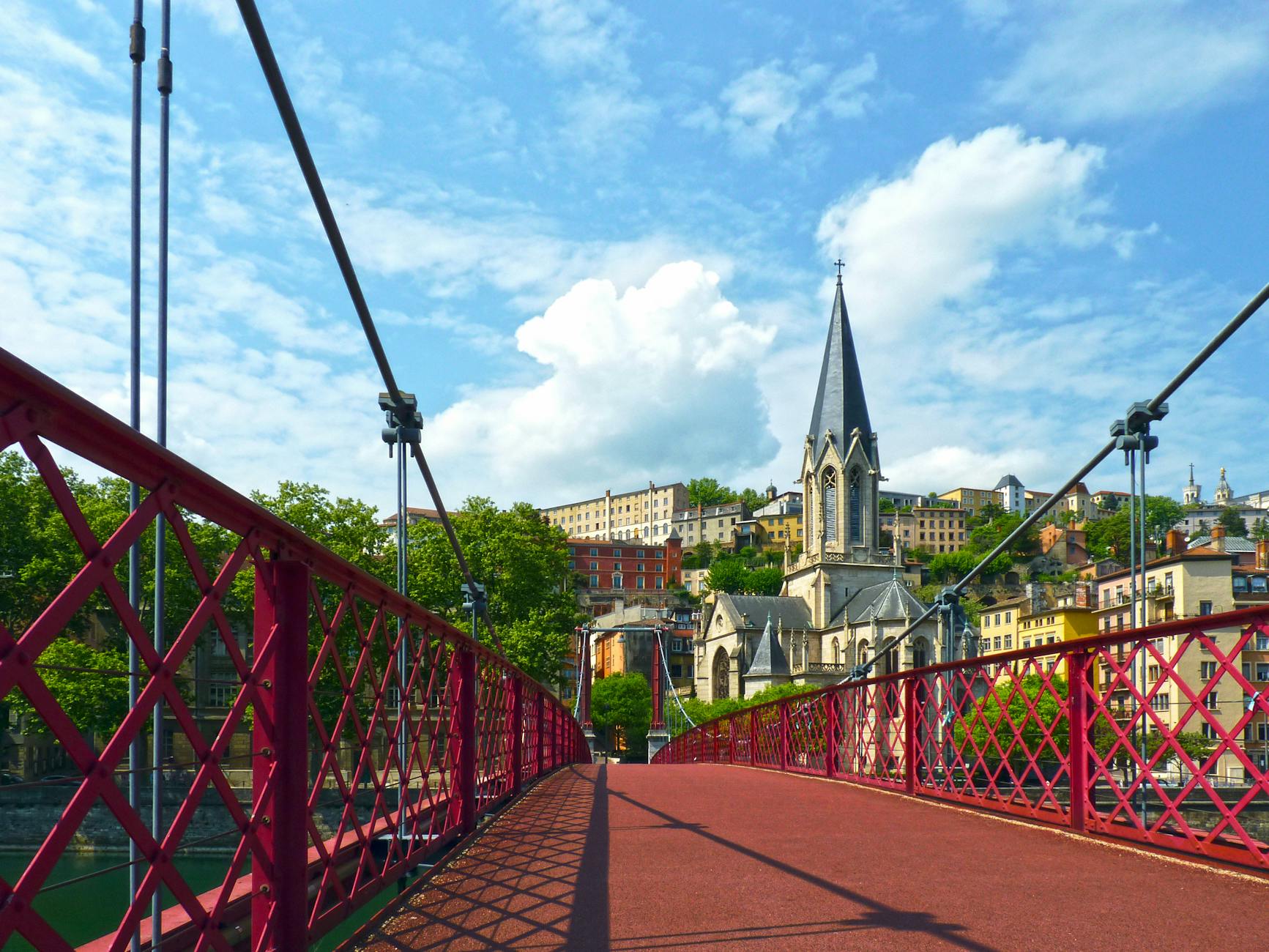
For many first-time visitors, the strongest base is central: Bellecour, Cordeliers, Jacobins, or the edges of Presqu'ile can make Vieux Lyon, riverside walks, restaurants, shops, and transit feel accessible. Vieux Lyon can be atmospheric but may involve older buildings, uneven streets, tourist crowds, and less straightforward taxi access. Part-Dieu is practical for trains and airport transfer but can feel less charming if the trip is primarily leisure. Confluence can be modern and interesting, but it is not usually the easiest first base unless the traveler has a specific reason.
The hotel decision should include arrival point, luggage, walking tolerance, noise sensitivity, elevator needs, late return, breakfast timing, and the final morning departure. A beautiful room in the wrong district can cost more time than it saves. A slightly plain but well-placed hotel can make the first Lyon trip feel calm and connected.
- Use Presqu'ile as the default first-time base unless arrival, budget, or mobility points elsewhere.
- Choose Vieux Lyon for atmosphere only after checking access, stairs, luggage, and noise.
- Choose Part-Dieu for rail practicality, not because it is the most rewarding first-time neighborhood.
Plan arrival before planning sightseeing
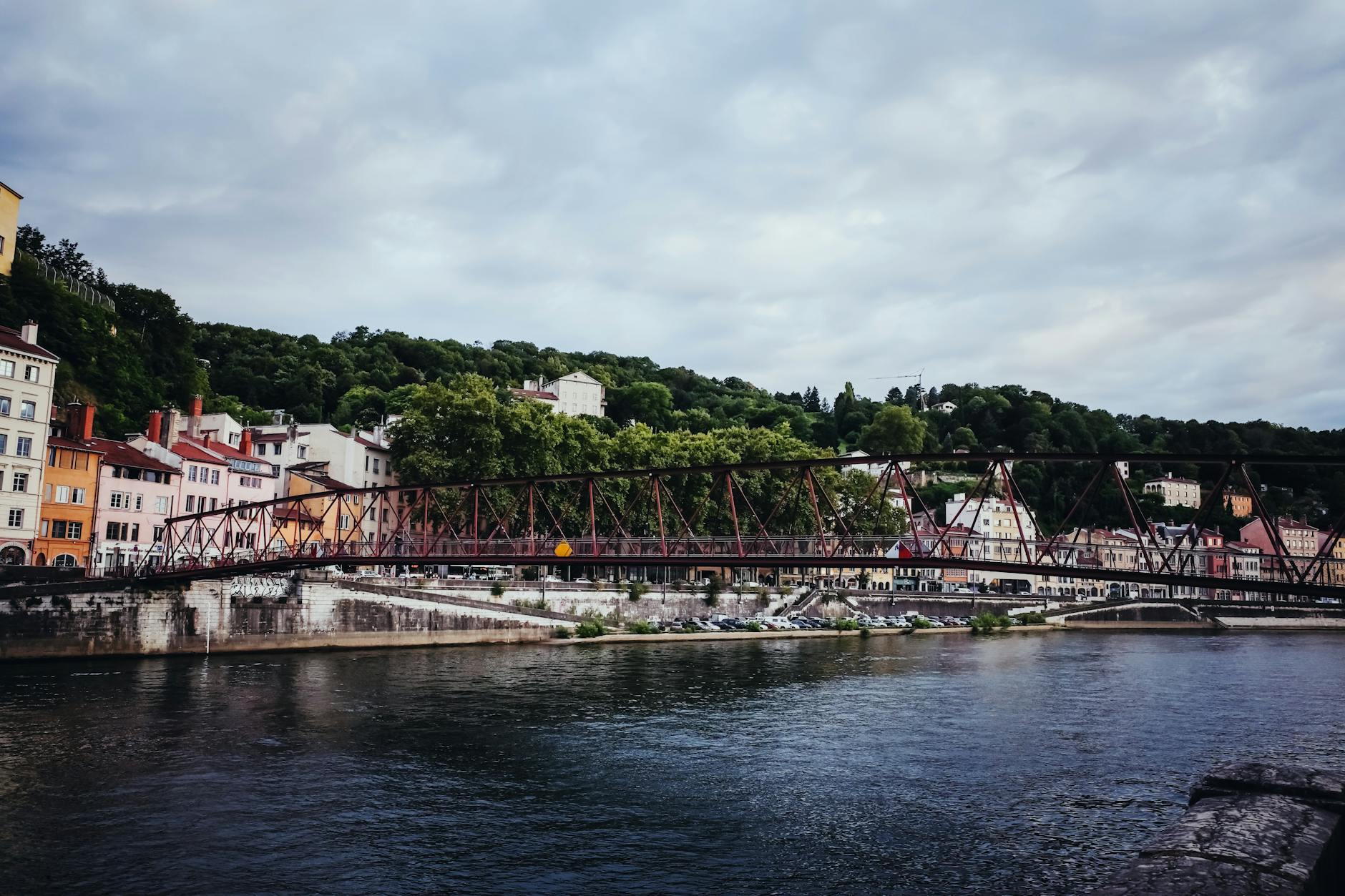
A first-time visitor may arrive by TGV at Part-Dieu or Perrache, by air at Saint-Exupery, or by regional rail from another French city. Each arrival changes the first day. Part-Dieu is efficient but busy, and the traveler still has to cross town or reach the hotel. Perrache can be convenient for Presqu'ile and Confluence but needs orientation. Saint-Exupery requires a real transfer choice: Rhonexpress toward Part-Dieu, taxi, or a pre-arranged car depending on luggage, hour, group size, and hotel location.
The first day should not depend on everything going perfectly. A traveler landing after a long-haul flight should keep the first evening close to the hotel. A train traveler arriving before check-in should know whether luggage storage is reliable. A family or older traveler should not build the arrival day around stairs, hills, and a dinner far from the base. Arrival day is part of the trip, not a blank space before the real visit starts.
- Match the first day to Part-Dieu, Perrache, or Saint-Exupery arrival realities.
- Confirm luggage storage, hotel access, and transfer mode before arrival.
- Keep the first evening close to the base after long flights, late trains, or heavy luggage.
Use Vieux Lyon and Fourviere without exhausting the day
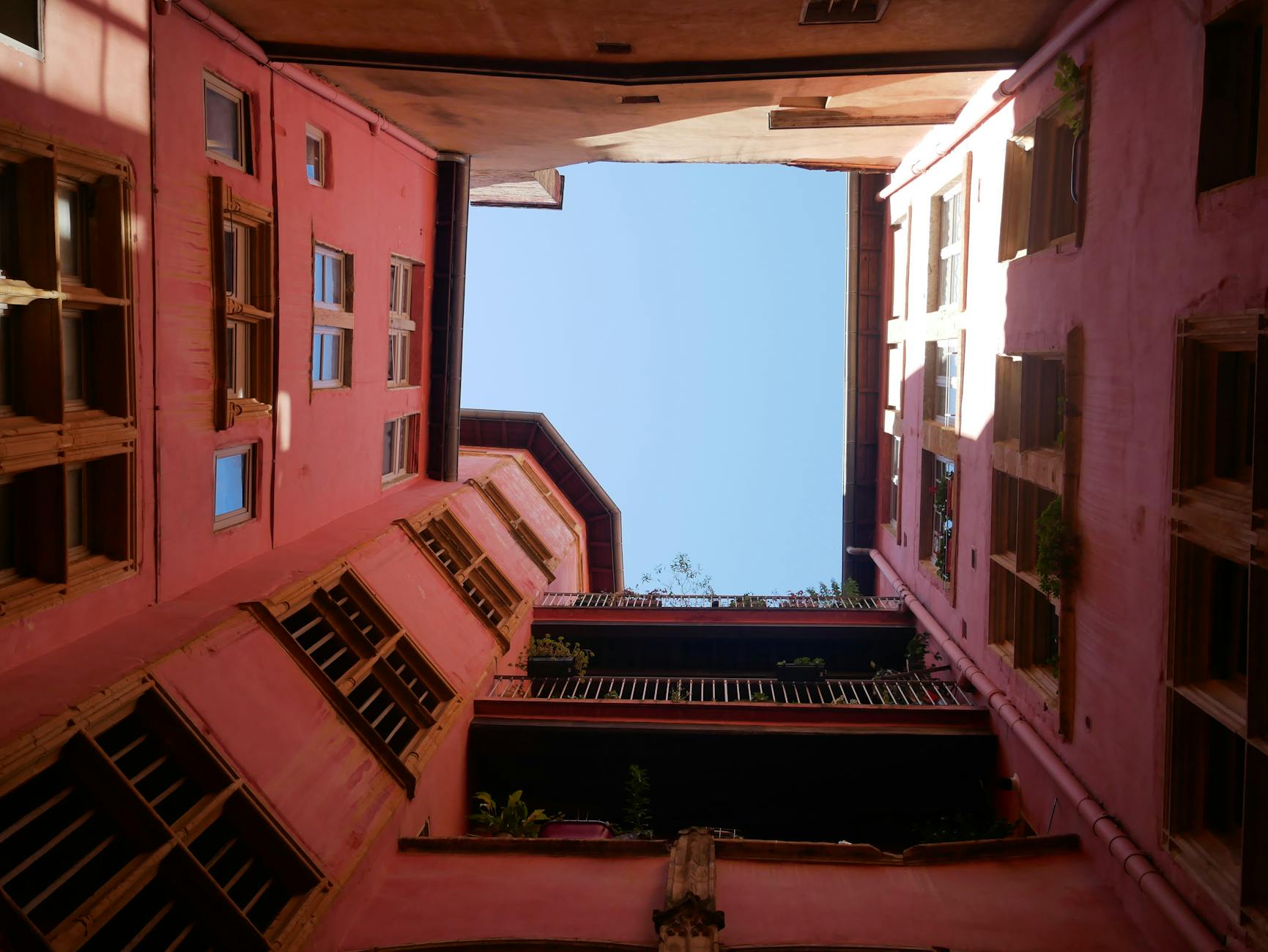
Vieux Lyon and Fourviere are central to many first visits, but they should be handled with terrain in mind. The old town is beautiful and busy, with narrow streets, courtyards, traboule atmosphere, cafes, shops, and routes toward the Saone. Fourviere gives the city its hilltop view and basilica setting, but the climb or funicular choice should be planned, especially in heat, rain, or after a long travel day.
A sensible first-time approach is to group old town, the Saone, and Fourviere into one coherent block, then descend toward a meal or a central walk. The visitor should avoid trying to combine a full museum morning, Vieux Lyon, Fourviere, Croix-Rousse, and a late dinner without breaks. Lyon's charm is cumulative. It is better absorbed through a paced route than through a forced checklist.
- Group Vieux Lyon, the Saone, and Fourviere instead of crossing back and forth all day.
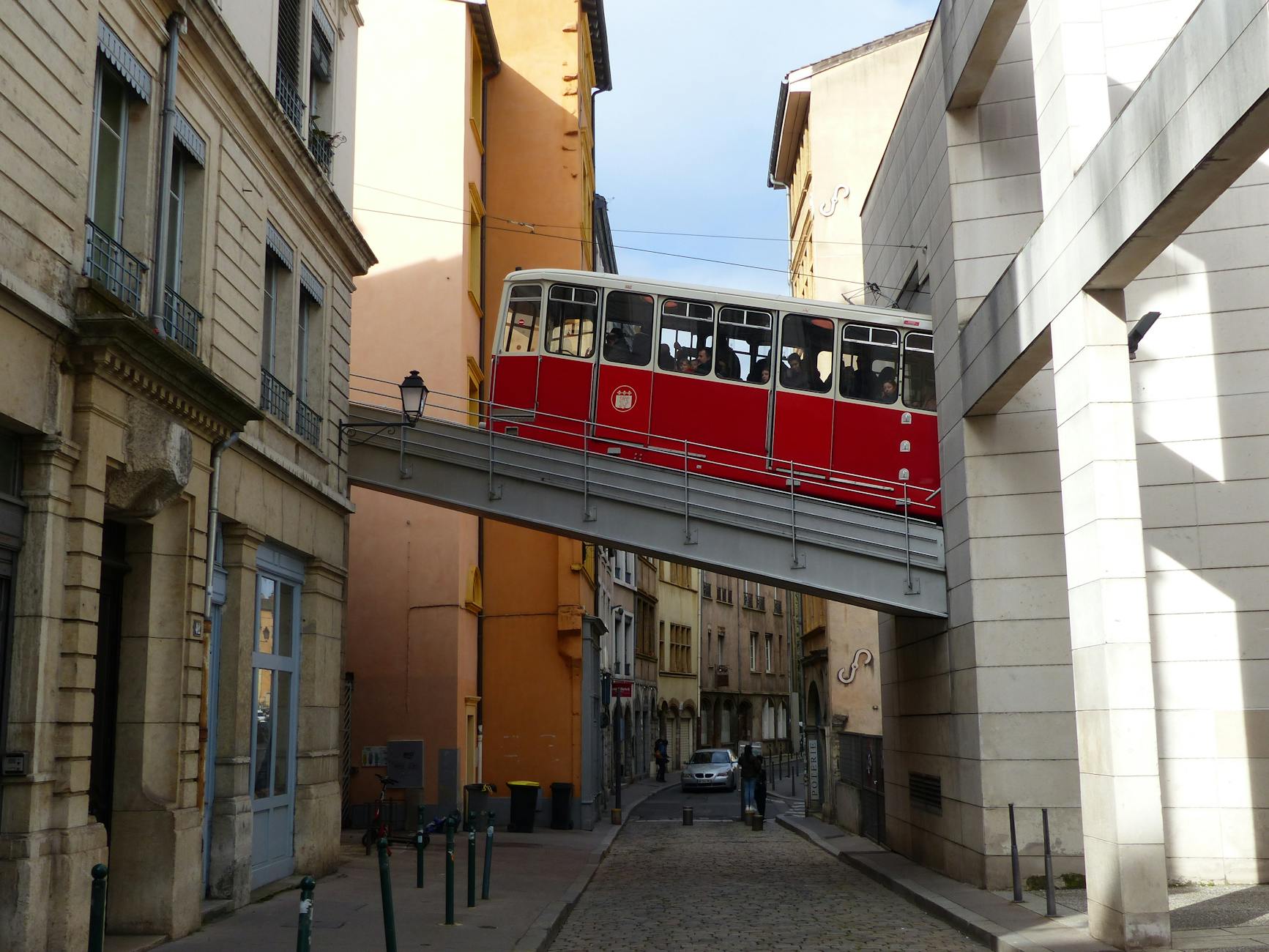
- Use the funicular or a paced walking route based on heat, rain, footwear, and mobility.
- Leave recovery time before dinner if the day includes hills, museums, and old-town crowds.
Treat food as a planning anchor
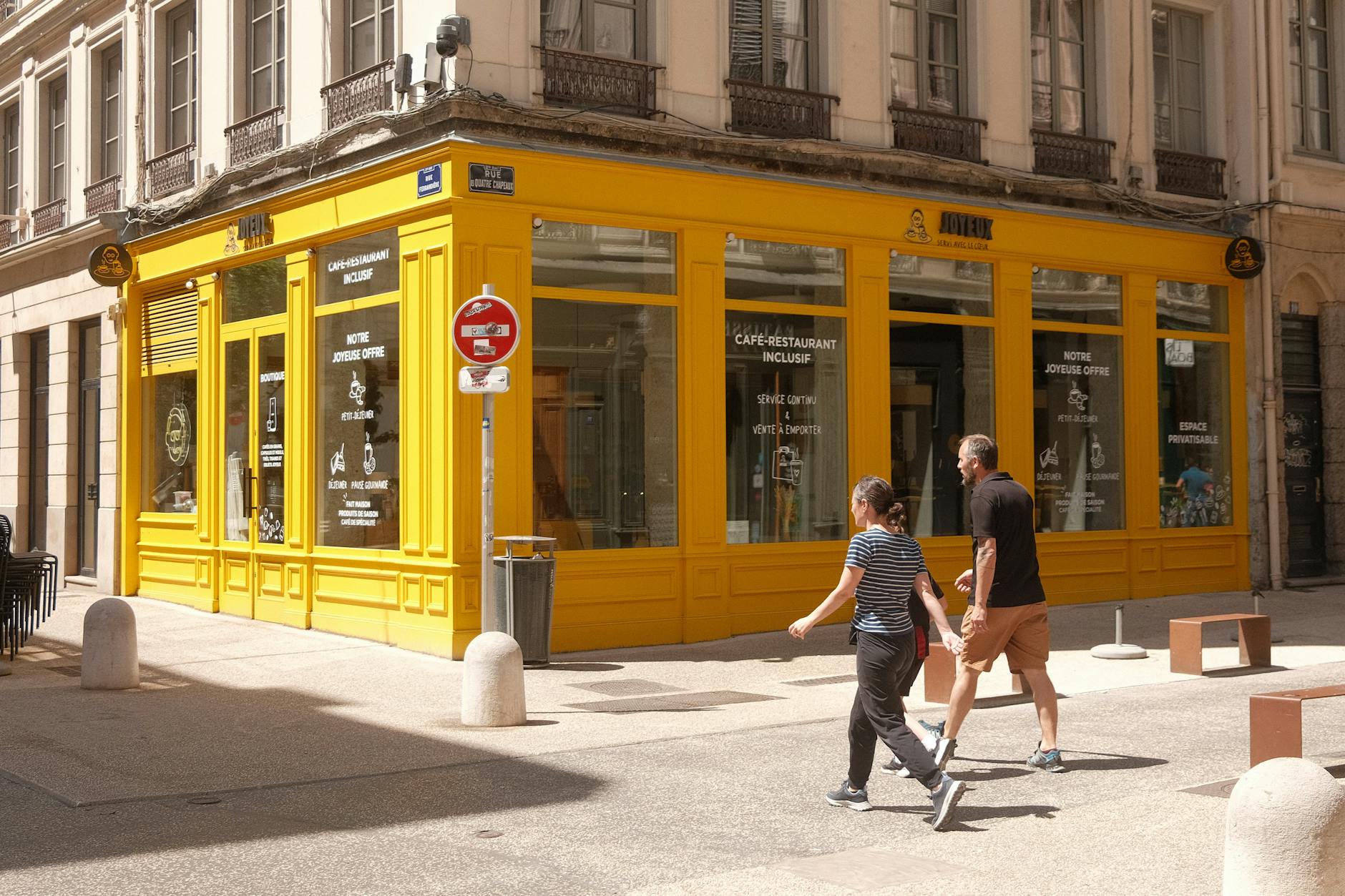
Lyon's reputation for food is part of the reason many first-time visitors choose it. That reputation is useful only if the traveler plans around it. Popular bouchons, central restaurants, market visits, and special meals can require reservations or at least timing awareness. A visitor who assumes every good meal can be improvised may end up eating wherever is available after the best walking energy has already been spent.
Food should shape the day's geography. A lunch or dinner in Vieux Lyon, Presqu'ile, Croix-Rousse, or near the hotel should fit the rest of the route. Travelers with dietary restrictions, allergies, medication timing, children, older companions, or tight budgets need a more deliberate plan. Lyon can be generous to first-time visitors, but it is still a city where meal timing, language, booking, and neighborhood choice matter.
- Reserve high-priority meals and keep backup options near the hotel or route.
- Match restaurant geography to the day's walking pattern instead of adding a distant dinner at the end.
- Plan more carefully when diet, allergies, children, medication timing, or budget constraints matter.
Use public transport, but keep walking realistic
Lyon's metro, tram, bus, funicular, and walking network can make a first visit easy. The mistake is assuming that because the city is walkable, every movement should be walked. Riverbanks, bridges, old streets, shopping areas, and parks can all invite slow exploration, but hills, weather, cobbles, crowds, and museum fatigue accumulate. A traveler who walks too much on day one may make day two smaller than intended.
The visitor should identify a few transport anchors: how to reach the hotel from the arrival point, how to get to Vieux Lyon or Fourviere, how to return after dinner, and how to reach the departure station or airport. Walking is best used as the experience, not as the default solution for every logistics problem. That distinction matters for families, older travelers, summer heat, rain, and anyone with limited mobility.
- Use metro, tram, and funicular to protect energy for the parts of Lyon worth walking slowly.
- Check return routes after dinner, especially from Vieux Lyon, riverbanks, and hill areas.
- Plan differently for children, older travelers, heat, rain, luggage, and mobility limits.
When to order a short-term travel report
A confident first-time visitor with a central hotel, light luggage, and a flexible two- or three-day itinerary may not need a custom report. A report becomes more useful when the visit is short, the arrival is late, the traveler has children or older companions, mobility or medical needs matter, the hotel location is uncertain, restaurants are important, or the traveler wants to combine Lyon with a side trip, business meeting, cruise movement, or onward rail connection.
The report should test the exact hotel, arrival point, transfer mode, day-by-day route, walking load, restaurant geography, current transport signals, medical fallback, weather exposure, and change triggers. For a first-time Lyon visitor, the value is not a list of sights. It is a plan that makes the city feel understandable from the first transfer through the final departure.
- Order when timing, hotel choice, mobility, medical needs, children, restaurants, or onward travel make the first visit fragile.
- Provide hotel candidates, arrival details, walking tolerance, food priorities, party composition, and must-see items.
- Use the report to set the base, arrival transfer, daily route, meal plan, backup options, and departure timing.