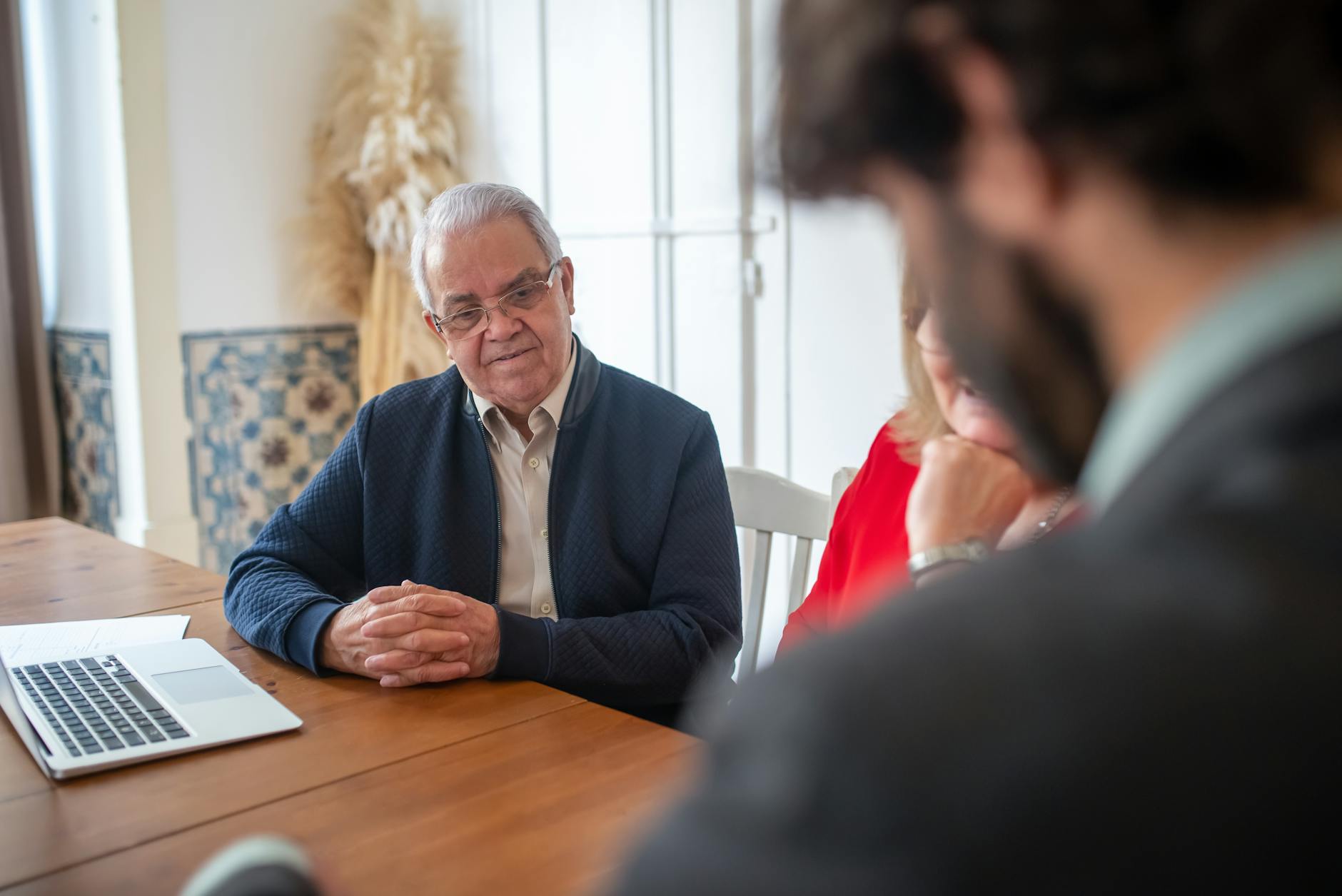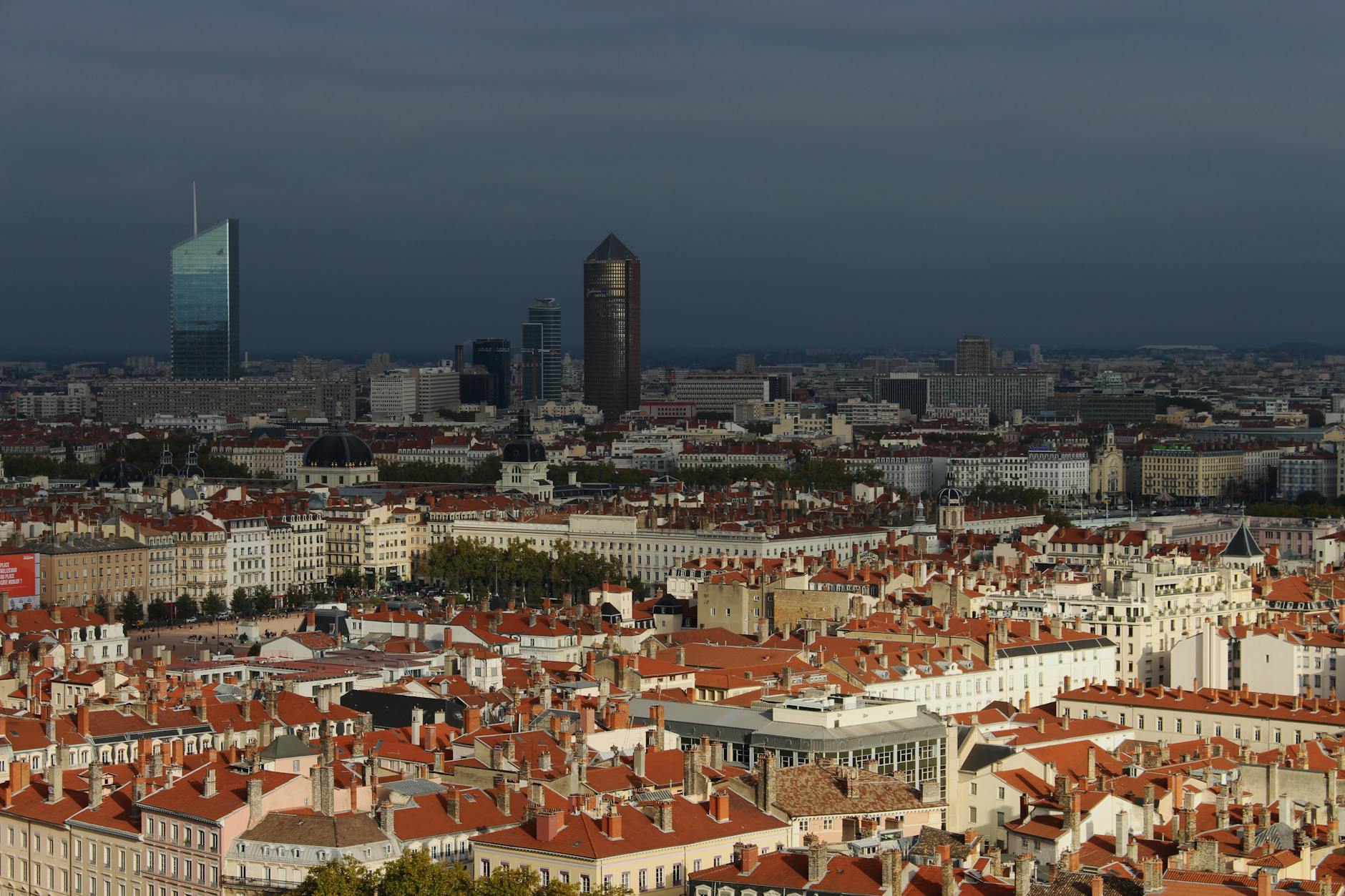
A consulting trip to Lyon is usually judged by the work, not by the city. The traveler may be in Lyon for stakeholder interviews, a process review, a technology rollout, a strategy workshop, a factory or lab visit, a commercial diligence sprint, or a few days of client-site problem solving. The city is pleasant enough to make the trip feel straightforward, but the work can fall apart if the consultant chooses a hotel that does not fit the client geography, underestimates cross-city movement, assumes every evening is free, or ends up doing sensitive work in the wrong place. Lyon's consulting geography is not one simple center. Part-Dieu works differently from Presqu'ile, Confluence, Gerland, Cite Internationale, Villeurbanne, Vaise, Saint-Priest, Ecully, or a client campus beyond the core. A good plan identifies the client's real entrance, the repeat route, the time needed for visitor processing, the best place to work after hours, and the evenings that must be protected for analysis or deliverables. The paid short-term report is useful when those pieces need to be tested against exact addresses, hotel candidates, meeting times, device needs, client confidentiality, and current local disruptions.
Map the client site before choosing the hotel
Consultants should begin with the exact client address, not a vague preference for central Lyon. A project near Part-Dieu can be well served by rail, office towers, and practical business hotels. A client near Presqu'ile may make meals and after-hours work simpler. A site in Confluence, Gerland, Vaise, Villeurbanne, Ecully, Saint-Priest, or another outer business zone can change the whole rhythm of the trip. Lyon is compact in parts, but consulting days punish small location mistakes because the same route may be repeated every morning and evening.
The correct hotel is the one that protects the working day. That means checking the client entrance, visitor-badge process, likely start time, taxi and transit approach, and whether the consultant will carry laptops, printed material, workshop supplies, or an overnight bag between locations. A charming address in Vieux Lyon may be wrong for a client campus east of the city. A practical Part-Dieu base may be wrong for a relationship-heavy week built around dinners in the center.
- Start with the exact client address, entrance, and visitor-processing requirements.
- Treat Part-Dieu, Presqu'ile, Confluence, Gerland, Villeurbanne, Vaise, Ecully, and Saint-Priest as different work geographies.
- Choose the hotel by the repeated working route, not by a generic central-location label.
Build the repeat commute with backups
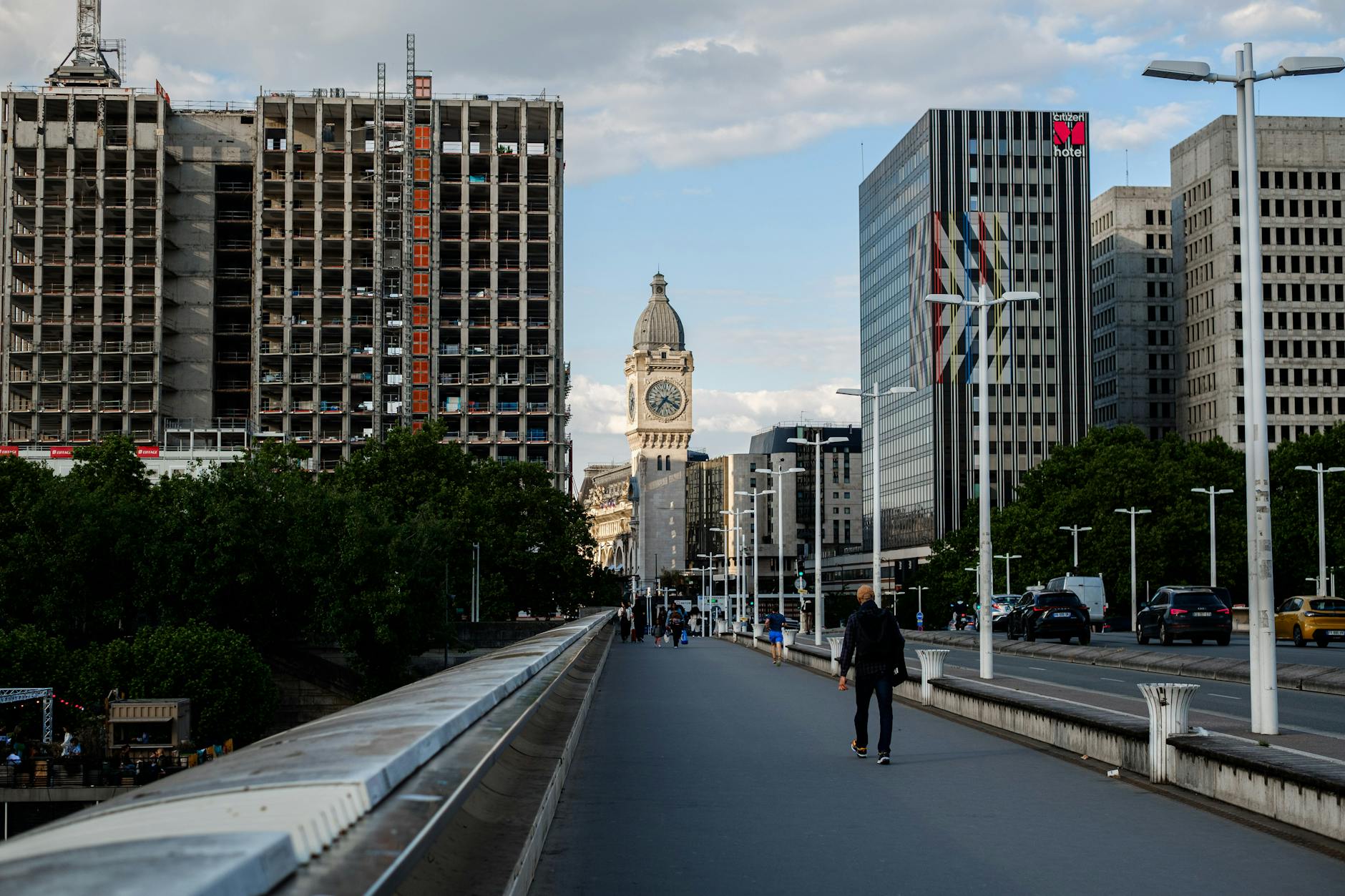
A consultant may make the same trip several times, so the commute needs more attention than a one-off meeting route. Metro, tram, bus, taxi, private car, rail, walking, and Rhonexpress all have a place, but the right answer depends on the client site, weather, luggage, strike risk, late finishes, and whether the traveler must arrive looking composed. A route that works once on a dry afternoon can be a poor fit at 7:30 a.m. with a laptop bag, documents, and a workshop start time.
Part-Dieu is useful because it connects rail, business hotels, transit, and taxis, but it is also busy and can absorb time when the traveler is tired. Airport arrivals through Saint-Exupery need a clean transfer plan before the first client day. For outer sites, the traveler should know when a car is worth paying for and when transit is reliable enough. The goal is to avoid spending cognitive energy on logistics that should have been solved before arrival.
- Plan a primary commute, a realistic fallback, and a taxi threshold before the first client day.
- Check airport, rail, and local transit timing against the actual meeting start and end times.
- Use cars selectively when late finishes, materials, weather, or outer business zones make reliability more valuable than savings.
Choose a hotel that can support real work
Consultants often turn a hotel room or lounge into the second workplace. That makes desk height, chair comfort, Wi-Fi, outlets, quiet, lighting, breakfast timing, laundry, room-service hours, nearby food, and call privacy more important than they appear on a booking page. A stylish room with no usable desk can damage a trip that includes evening analysis, slide production, file review, or calls with colleagues in another time zone.
The hotel should also help with the small practicalities of consulting travel. Can the traveler print or scan if the client needs paper? Is there a quiet place for an early call? Are meals available after a late client day? Can a colleague meet briefly without turning the lobby into an exposed workspace? Lyon has many good hotels, but the consultant's hotel needs to be project-ready, not just comfortable.
- Check desk, chair, Wi-Fi, outlet, lighting, quiet, laundry, breakfast, and late-food options before booking.
- Do not rely on public lobby space for confidential calls or concentration-heavy work.
- Favor hotels that reduce evening friction when deliverables continue after the client day ends.
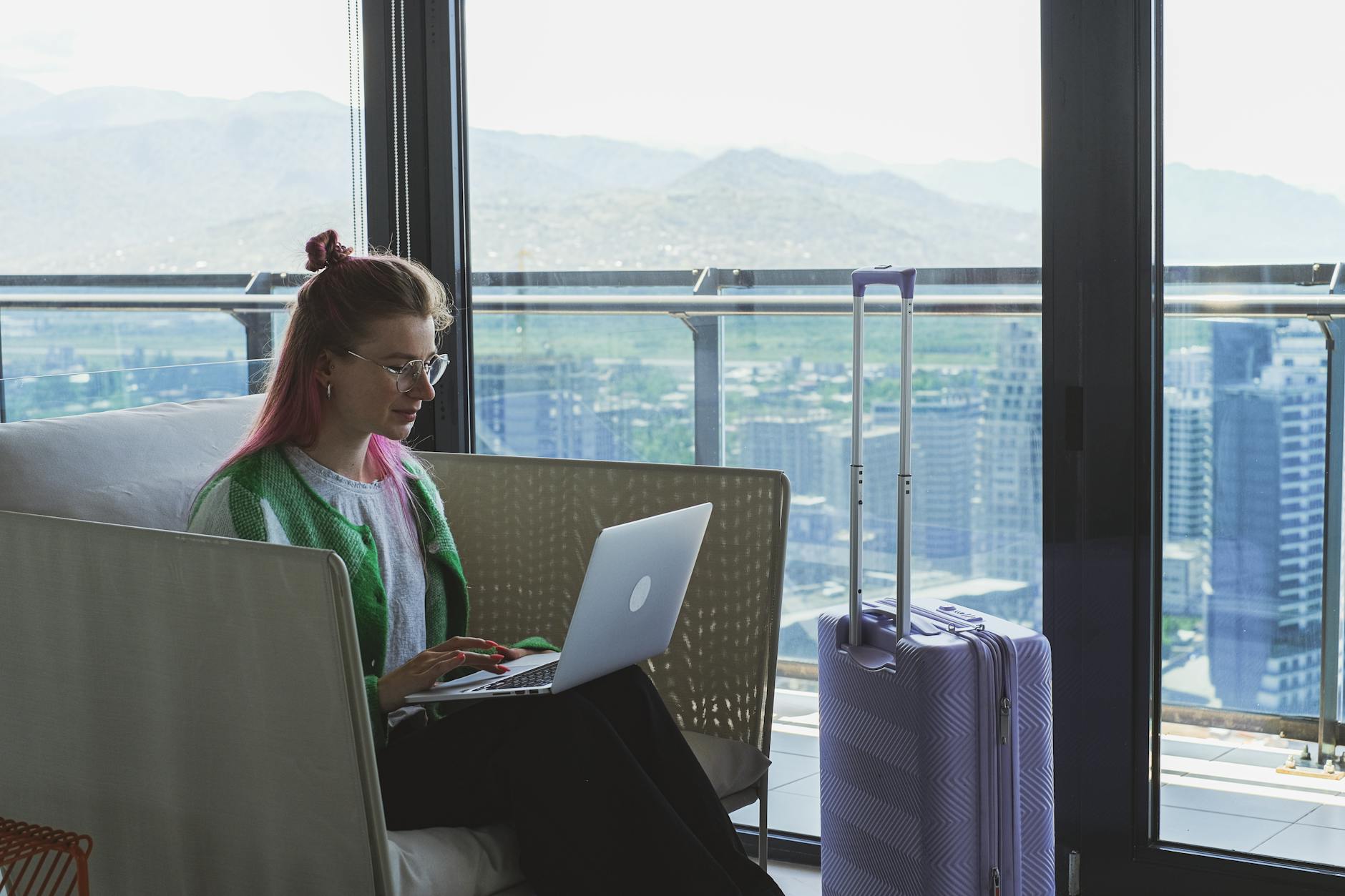
Make workshops and interviews reliable
Many consulting trips hinge on a few high-value moments: a discovery interview, a process walk-through, a steering meeting, a workshop, or a data-review session where the real project shape becomes clear. Lyon client sites may have visitor rules, room booking limits, security procedures, screen-connection quirks, limited guest Wi-Fi, and printing constraints that are invisible until the consultant arrives. Those details should not be discovered ten minutes before the workshop begins.
The traveler should confirm room ownership, access times, screen sharing, guest Wi-Fi, whiteboard or wall space, translation needs, printing, food breaks, and whether the client expects onsite synthesis afterward. A two-hour workshop may require another two hours of quiet work to make notes usable. The schedule should leave space for that conversion, because raw notes are not the same as project output.
- Confirm access, visitor badges, screens, guest Wi-Fi, printing, whiteboard space, and room timing before arrival.
- Leave protected time after workshops and interviews to synthesize notes while they are still fresh.
- Plan hybrid meetings and translation needs before the day depends on them.
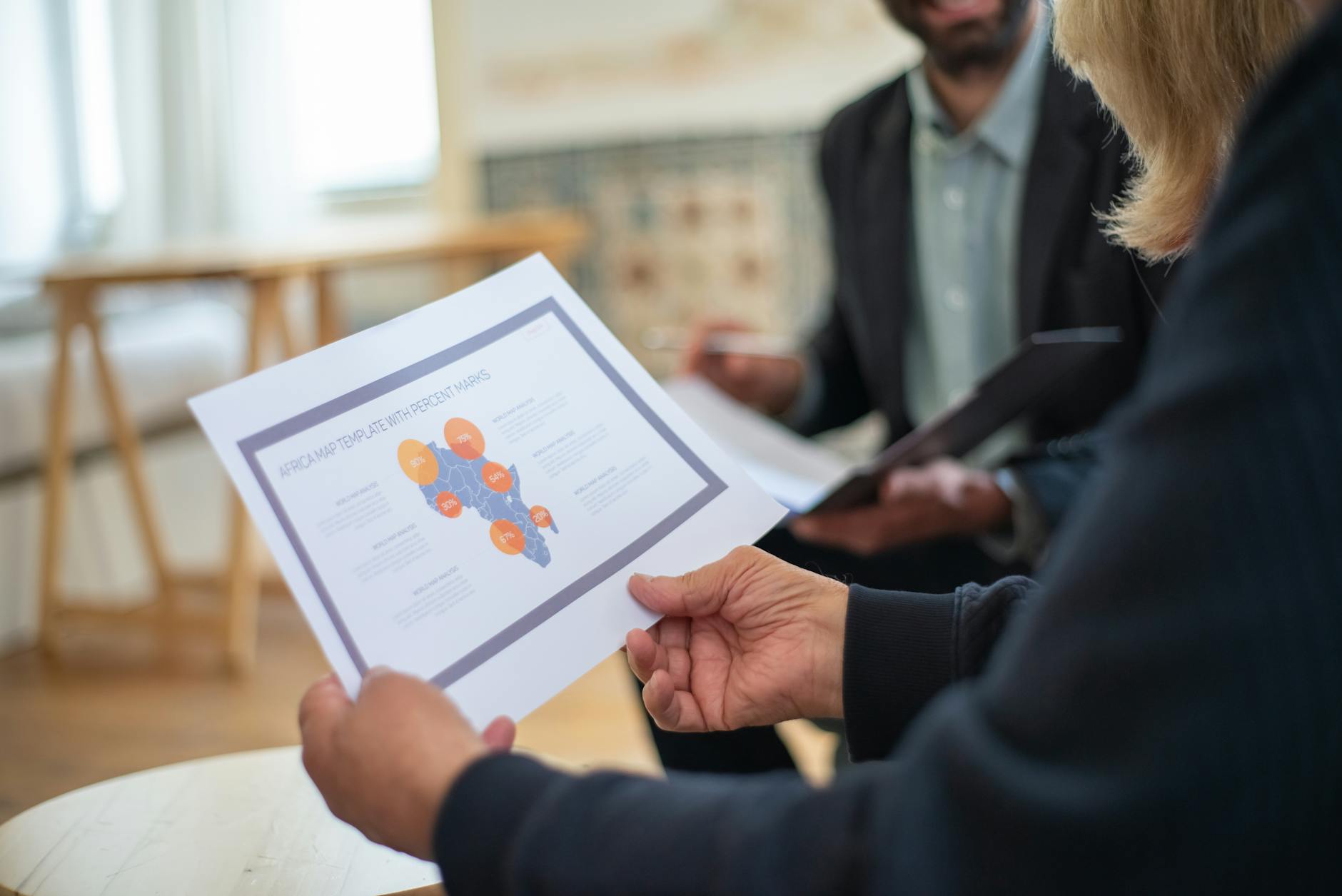
Protect confidentiality without theatrics
Consultants carry sensitive material through airports, train stations, hotel lounges, cafes, taxis, and client reception areas. The risk is usually ordinary rather than dramatic: a visible deck on a train, a confidential call in a lobby, a laptop left open during breakfast, printed notes in a bag, or a conversation that assumes no one nearby understands the industry. Lyon does not need to be treated as unusually hazardous for this to matter. The consulting format itself creates exposure.
The traveler should decide what can be discussed in public, where calls can happen, whether a privacy screen is needed, how files will be stored, and what devices are permitted at the client site. VPN, roaming, multi-factor authentication, client guest-network rules, and device charging all belong in the travel plan. Confidentiality works best when it is built into ordinary movement, not bolted on after the consultant is already tired.
- Define what work can happen in public spaces and what requires a private room.
- Check VPN, roaming, MFA, charging, client-device rules, and guest-network access before the first meeting.
- Treat printed notes, visible screens, calls, and casual restaurant conversations as part of the security surface.
Plan meals and evenings by project purpose
Lyon's restaurant culture can be an asset for consultants, especially when client relationships matter. But meals need intention. A formal client dinner, a working lunch near Part-Dieu, a quiet solo meal near the hotel, and a late room-service dinner after a workshop all serve different purposes. The wrong meal can drain the evening the project needed for analysis. The right meal can build trust or help the consultant recover enough to think clearly the next day.
Consultants should decide which evenings are for relationship-building, which are for deliverables, and which are for recovery. Presqu'ile, Brotteaux, Vieux Lyon, Confluence, and hotel-adjacent dining can all work in different situations, but crossing the city after a long client day should be a deliberate choice. A short Lyon trip can absorb only so many late nights before the quality of the work drops.
- Separate client dinners, working meals, recovery meals, and late deliverable nights before the calendar fills up.
- Choose dining geography by the next obligation, not only by restaurant reputation.
- Avoid cross-city dinners after intensive workshop days unless the commercial value justifies the fatigue.
When to order a short-term travel report
A consultant visiting a familiar Lyon client for one simple meeting may not need a custom report. A report becomes more useful when the assignment involves a new client site, several work locations, workshop-heavy days, confidential material, late deliverables, client dinners, outer business zones, or a tight arrival-to-meeting schedule. The report should test the real client geography, hotel options, commute, fallback routes, workspace quality, device needs, meals, evening output, and current transport or disruption risk.
The value is not a generic Lyon overview. It is an engagement-specific operating plan that protects the consultant's working quality. For consulting travel, a successful trip is not merely reaching Lyon and attending meetings. It is arriving with enough control over location, energy, information, and time to do serious client work without unnecessary friction.
- Order when geography, workshops, confidentiality, hotel workability, or late deliverables could affect the engagement.
- Provide the client address, hotel candidates, meeting schedule, airport or rail details, device needs, and evening obligations.
- Use the report to protect consulting performance, not just to find things near the hotel.