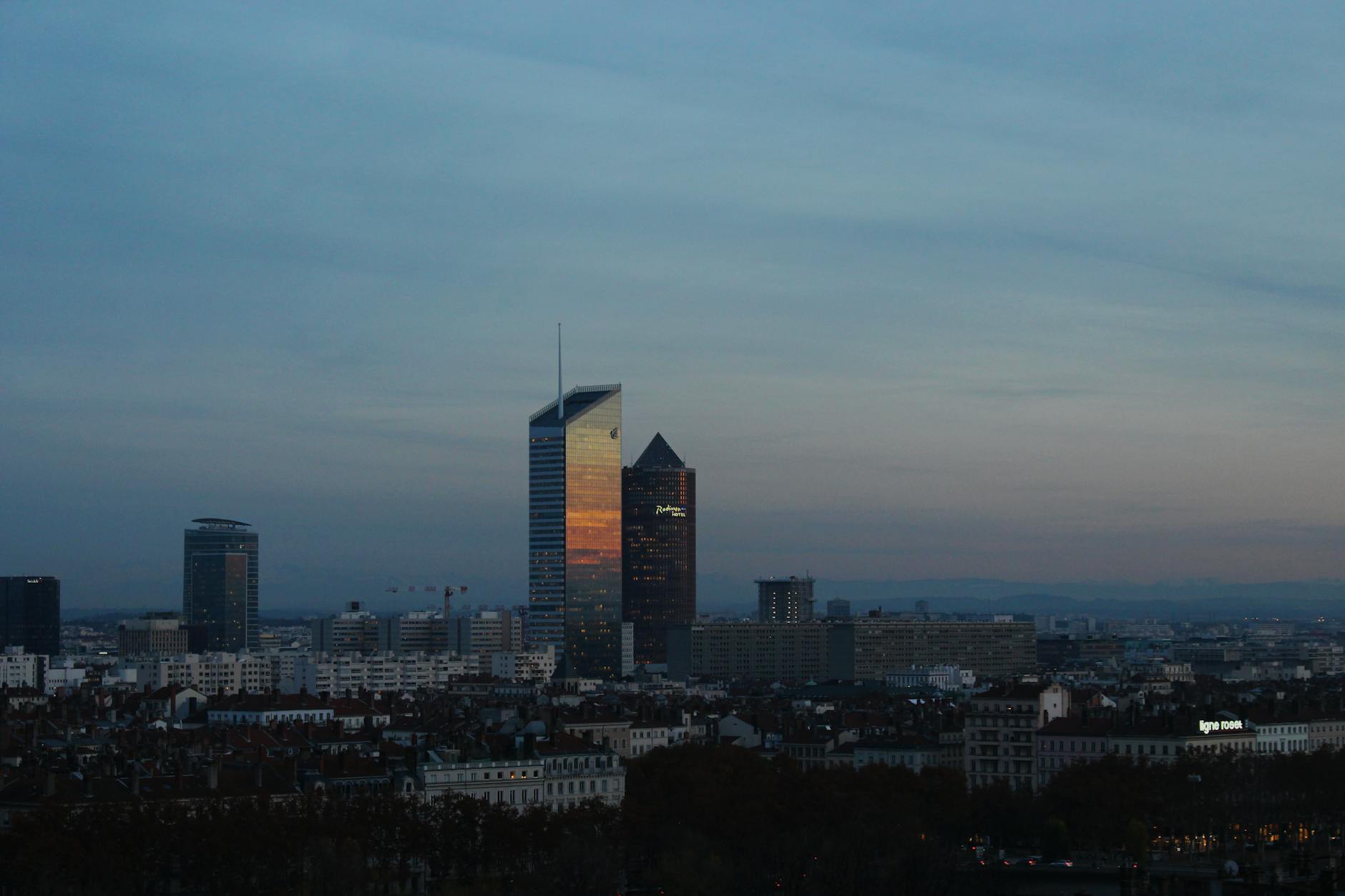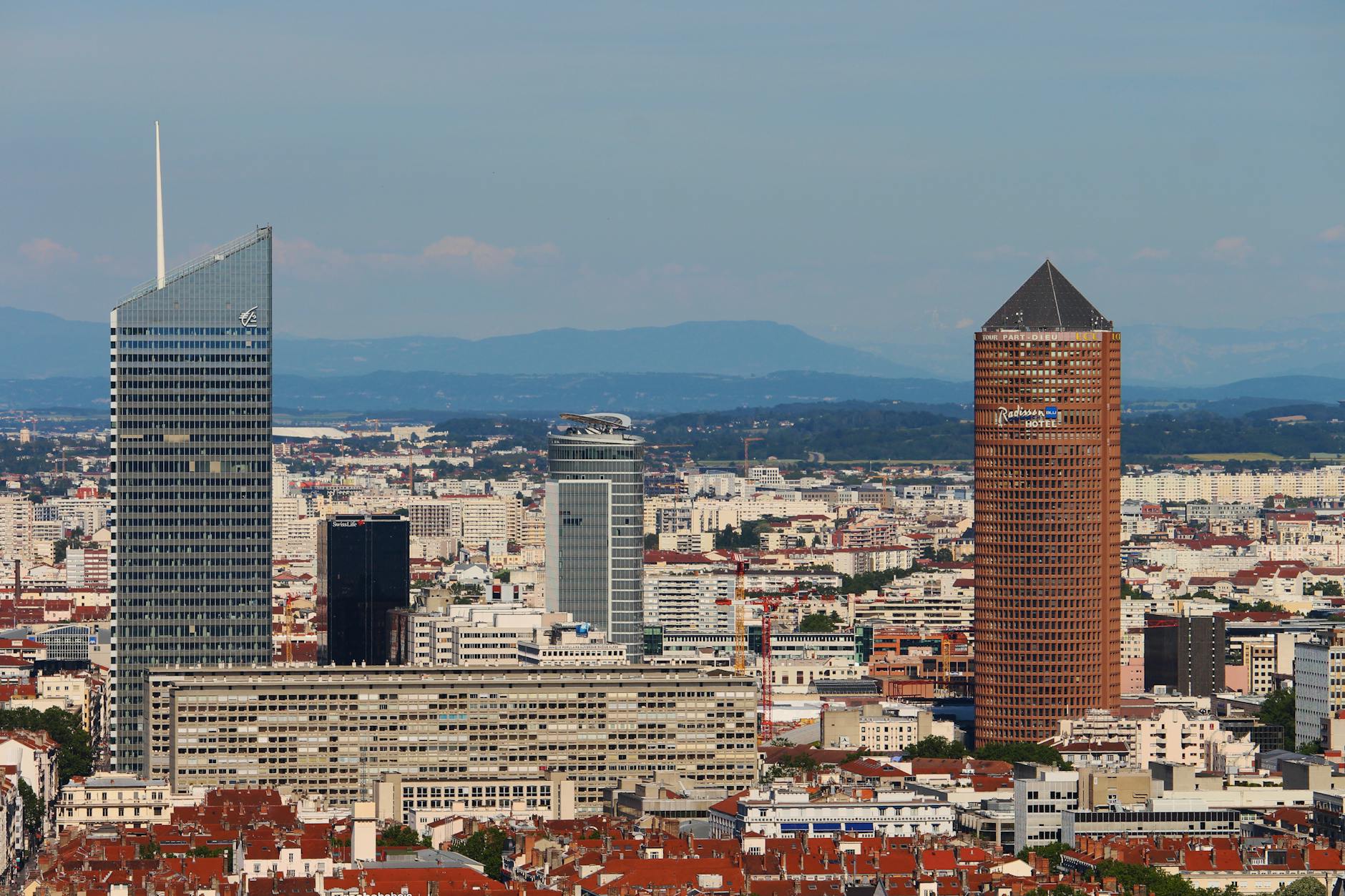
A conference trip to Lyon is not simply a short city break with a badge attached. The traveler may be working from the Centre de Congres at Cite Internationale, Eurexpo, a Part-Dieu business venue, a Presqu'ile hotel, a Confluence meeting site, a university setting, or a private corporate location. Each one changes the trip. Lyon is compact enough to feel manageable, but conference days create fixed obligations: registration windows, early sessions, panels, booth shifts, sponsor events, client dinners, side meetings, and departures that cannot simply drift. The best conference plan treats Lyon as an operating environment. The hotel should support the agenda, the arrival route should protect the first program day, the attendee should know what belongs in the venue bag, and evening plans should be judged by how they affect the next morning. The paid short-term report applies that approach to the exact venue, hotel candidates, arrival point, agenda, networking priorities, equipment needs, and current local conditions.
Start with the venue, not the city
A Lyon conference attendee should begin with the exact venue address and the rhythm of the program. Cite Internationale and the Centre de Congres place the traveler near Parc de la Tete d'Or and the Rhone-side business corridor, not in the middle of Vieux Lyon. Eurexpo is a different trip again, with a stronger need to test shuttle, taxi, tram, or car timing. Part-Dieu, Confluence, Presqu'ile hotel venues, and university settings each create a different hotel and dinner map. A generally central address can still be the wrong answer if it creates a weak commute before an early keynote or late reception.
The attendee should identify the main entrance, registration desk, nearest reliable transit, taxi drop-off, lunch options, and official evening sites before booking. Lyon rewards good geography. It punishes vague geography when the traveler has a badge, laptop, coat, rain gear, and only fifteen minutes between obligations.
- Treat Cite Internationale, Eurexpo, Part-Dieu, Confluence, Presqu'ile, and university venues as different trips.
- Map the entrance, registration desk, nearest transit, taxi drop-off, and official evening sites before choosing a hotel.
- Do not assume that a central Lyon address is automatically useful for the conference agenda.
Choose a hotel that supports the program rhythm
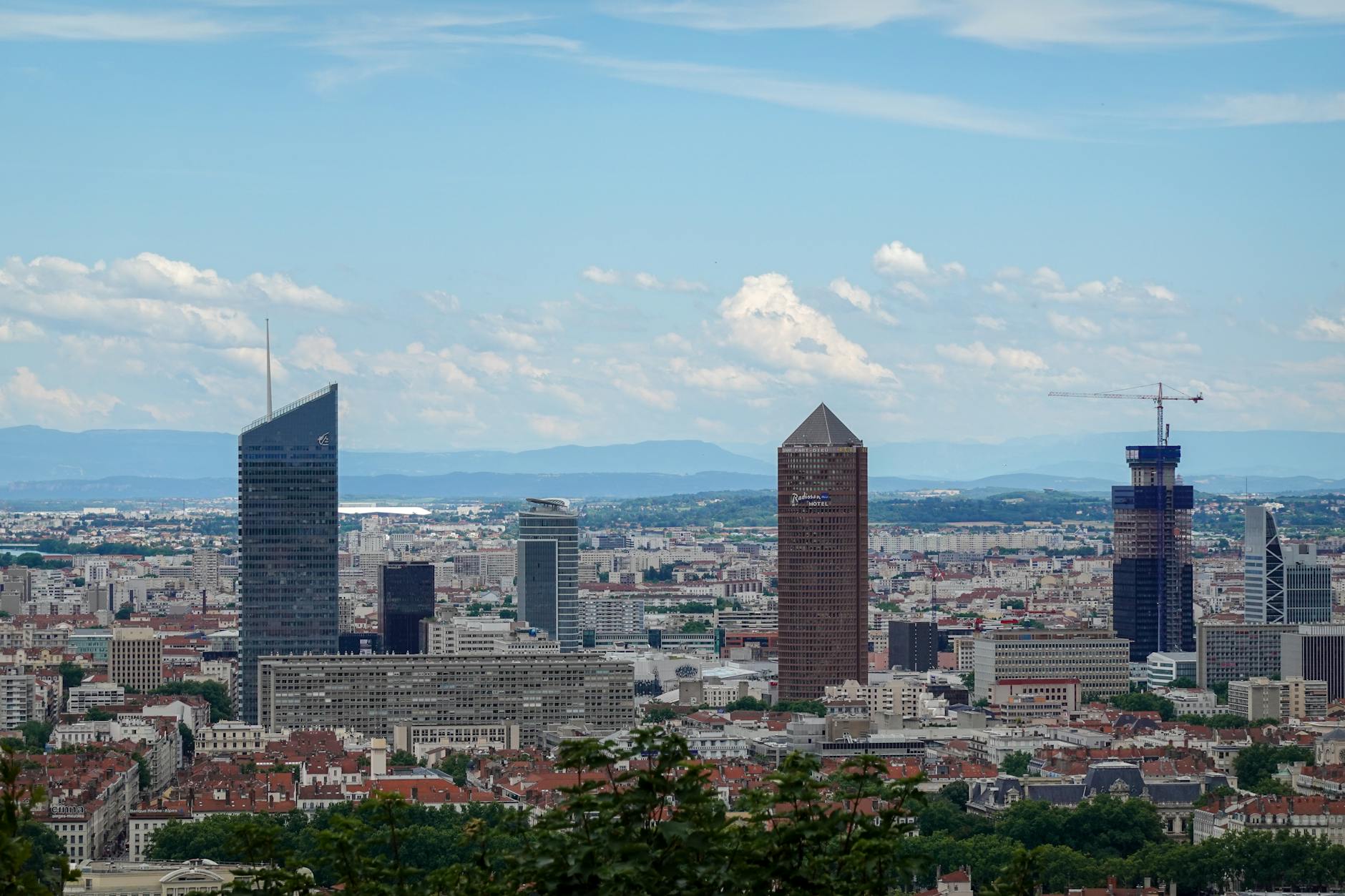
The right hotel for a Lyon conference is partly a workroom, partly a wardrobe base, partly a storage point, and partly a recovery space. The traveler may need to drop a laptop bag, change before a reception, take a call, print or retrieve material, rest between sessions, or return after a dinner without turning the final hour into another commute. A hotel beside the venue may be worth more than a charming old-city stay if the program is dense. A Presqu'ile or Brotteaux base may be better if dinners and side meetings matter more than morning proximity.
The choice should be tested against the whole trip: arrival route, first registration window, morning sessions, evening events, client meals, weather, sleep quality, room desk, breakfast timing, and how often the attendee expects to return to the room. A conference attendee who can reset easily usually gets more value from the event than one who chose the most attractive hotel but spends the visit managing friction.
- Choose the hotel by agenda rhythm, not only by neighborhood appeal or brand.
- Value easy returns for bag drops, calls, wardrobe changes, rest, and evening recovery.
- Balance venue proximity against the geography of dinners, receptions, and side meetings.

Protect arrival and registration
The first conference day starts before the first session. Saint-Exupery Airport, Rhonexpress, Part-Dieu station, Perrache, taxis, hotel check-in, luggage storage, and registration timing can all affect whether the attendee arrives composed or already behind. A traveler landing the morning of a presentation, panel, booth shift, or client meeting should choose the transfer and buffer around that obligation, not around the cheapest theoretical route.
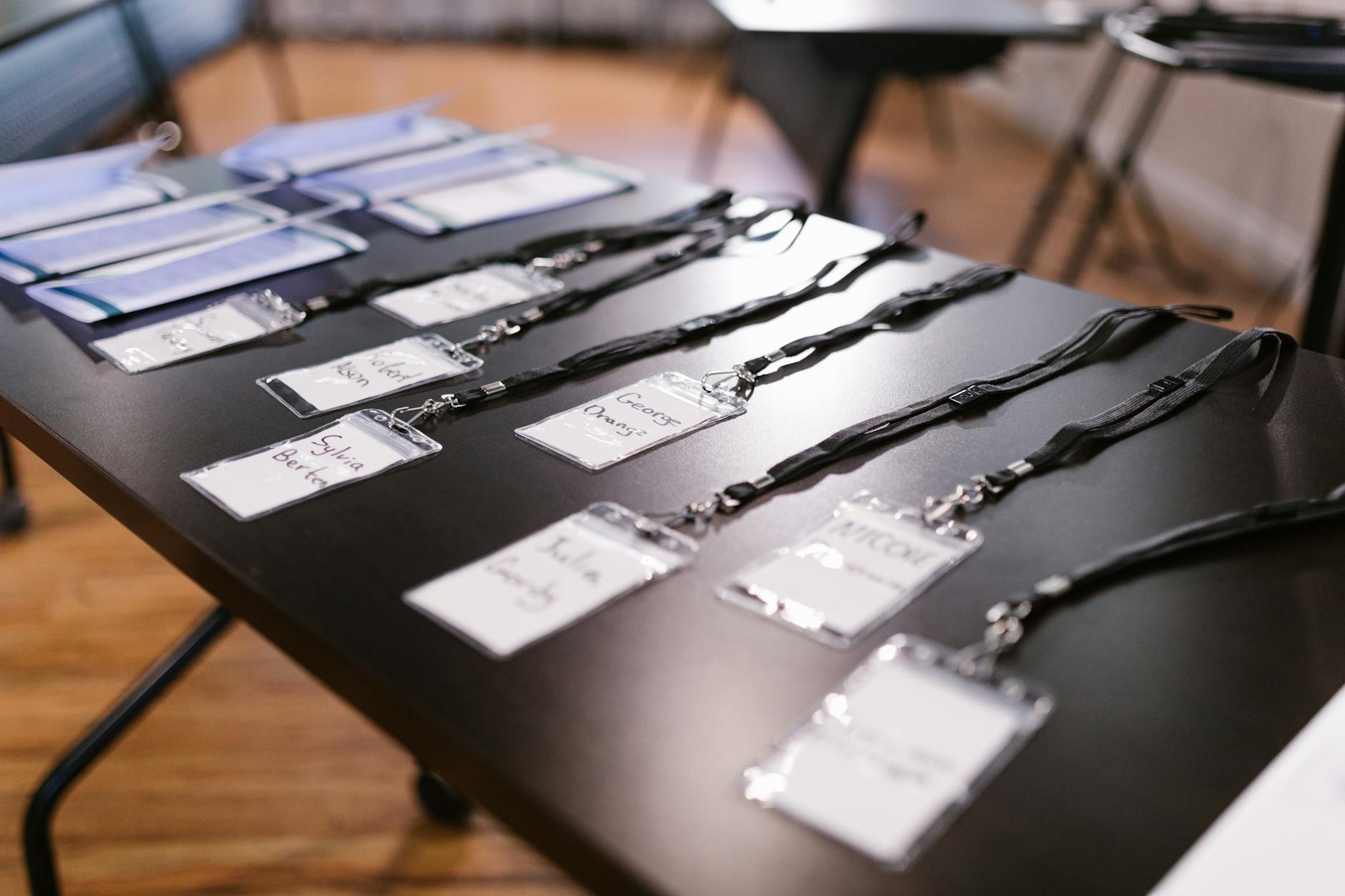
Registration should be treated as a movement problem. Where is the badge pickup? Is there a queue at peak arrival? Does the traveler need ID, QR code, proof of affiliation, printed material, or a cloakroom plan? Is there time to reach the hotel before the first session, or must everything needed for the day be carried from arrival? Lyon is easier when these questions are answered before the traveler is standing outside a venue with luggage and a dying phone.
- Plan the airport or rail transfer around the first real obligation, not just hotel check-in.
- Build a buffer before registration, presentations, panels, booth shifts, and client meetings.
- Know badge pickup, ID needs, QR codes, luggage storage, and cloakroom assumptions before arrival.
Control what enters the venue bag
Conference attendees often make the day harder by carrying too much or too little. Laptop, charger, badge, passport or ID, business cards, printed notes, samples, coat, umbrella, water, medication, adapters, power bank, and sponsor material all compete for attention. Lyon weather can add rain or heat; old streets and transit transfers can make a heavy bag feel worse by late afternoon. The attendee should separate what belongs in the venue from what can stay at the hotel.
The practical details should be boring and redundant. Presentation files should not live on one device. A charger should not be buried under giveaways. Medication and ID should have a fixed place. If the venue uses security checks, badge scans, cloakrooms, or restricted session rooms, the attendee should know that before arrival. The more important the session, the less the traveler should depend on improvisation.
- Carry only what supports the program day, and know whether cloakroom or storage exists.
- Keep badge, ID, charger, power bank, medication, and payment card consistently placed.
- Back up slides, notes, and QR codes beyond a single device or cloud connection.

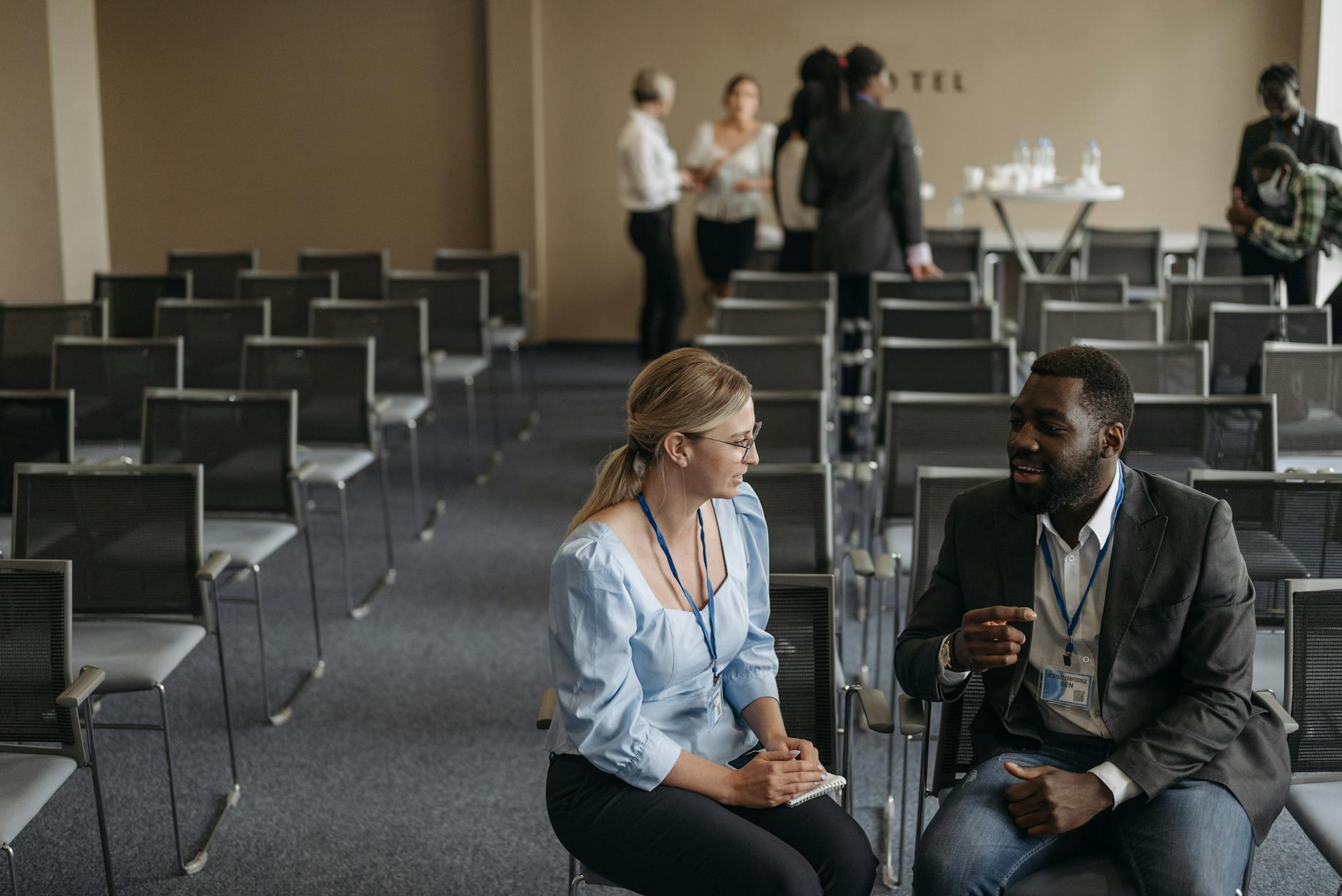
Networking needs geography and stamina
The value of a conference often happens outside the formal session: coffee breaks, hallway introductions, sponsor dinners, private breakfasts, client meetings, and late invitations. Lyon can support that well, but the geography still matters. A dinner in Presqu'ile, a reception near the venue, a meeting by Part-Dieu, and a drink in Vieux Lyon may all look close on a city map and still create a tiring pattern when placed after eight hours indoors.
The attendee should decide which networking moments deserve protected time and which ones are optional. One high-value dinner may be better than three scattered events. A cafe meeting near the venue may beat a cross-city dash. If the next morning includes a keynote, presentation, or client meeting, the evening plan should preserve it. Conference stamina is a professional asset, and Lyon's food and social scene is most useful when it is sequenced rather than chased.
- Prioritize the few networking moments that justify real travel time and evening energy.
- Cluster side meetings around the venue, hotel, Part-Dieu, Presqu'ile, or dinner district where possible.
- Do not let a marginal reception weaken the next morning's highest-value obligation.
Plan meals and transport as part of the agenda
Lyon's restaurant culture is a strength, but conference attendees should not let dining geography wreck the schedule. A bouchon or ambitious dinner may be worth planning around, but not if it requires a rushed cross-city move after the final session or a late return before an early panel. The attendee should identify simple near-venue lunches, coffee options, a reliable dinner near the hotel, and one or two business-meal districts that match the actual program.
Transport should be checked like an agenda item. Metro, tram, bus, taxi, walking, Rhonexpress, and venue shuttles can all be reasonable, but the right answer changes with rain, strikes, event surges, luggage, formal clothes, and late hours. The traveler should know the primary route and the fallback for every critical movement: hotel to venue, venue to dinner, dinner to hotel, and hotel to departure point.
- Identify near-venue lunches, coffee stops, hotel-area dinners, and business-meal districts before the program starts.
- Check transport status before registration windows, evening events, and airport or rail departures.
- Have a taxi, shuttle, or alternate transit fallback for every movement that would damage the agenda if delayed.

When to order a short-term travel report
A repeat attendee going to a familiar one-day event may need little more than current transport checks. A traveler coming from overseas, presenting, staffing a booth, carrying materials, entertaining clients, attending a multi-day conference, or moving between the venue and several dinner or reception sites should plan more carefully. Lyon is manageable, but the wrong hotel, wrong transfer, or wrong evening sequence can reduce the value of the trip quickly.
The report should test the exact venue, hotel candidates, airport or rail arrival, registration timing, venue entrance, transport fallbacks, side-meeting geography, dinner districts, luggage and materials plan, current local disruptions, and departure timing. The value is not a generic conference checklist. It is a Lyon-specific operating plan so the attendee knows where to stay, when to leave, what to carry, where to meet people, when not to cross town, and how to preserve enough energy for the conversations that justify the trip.
- Order when the trip includes an unfamiliar venue, presentation duties, booth materials, client meetings, or multiple evening events.
- Provide venue, agenda, arrival point, hotel candidates, dinner plans, materials, mobility constraints, and departure timing.
- Use the report to protect conference value, not to fill every free hour.