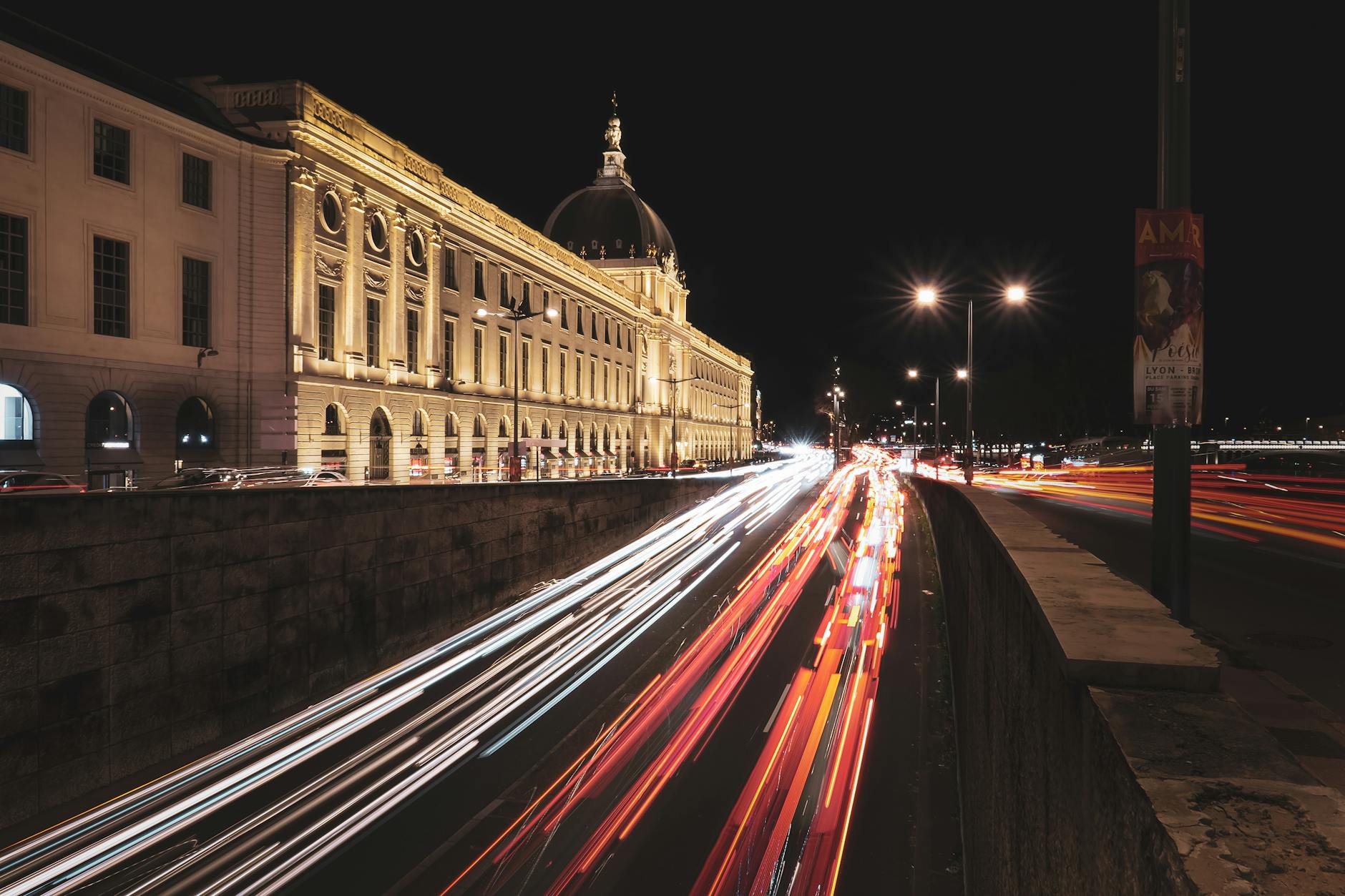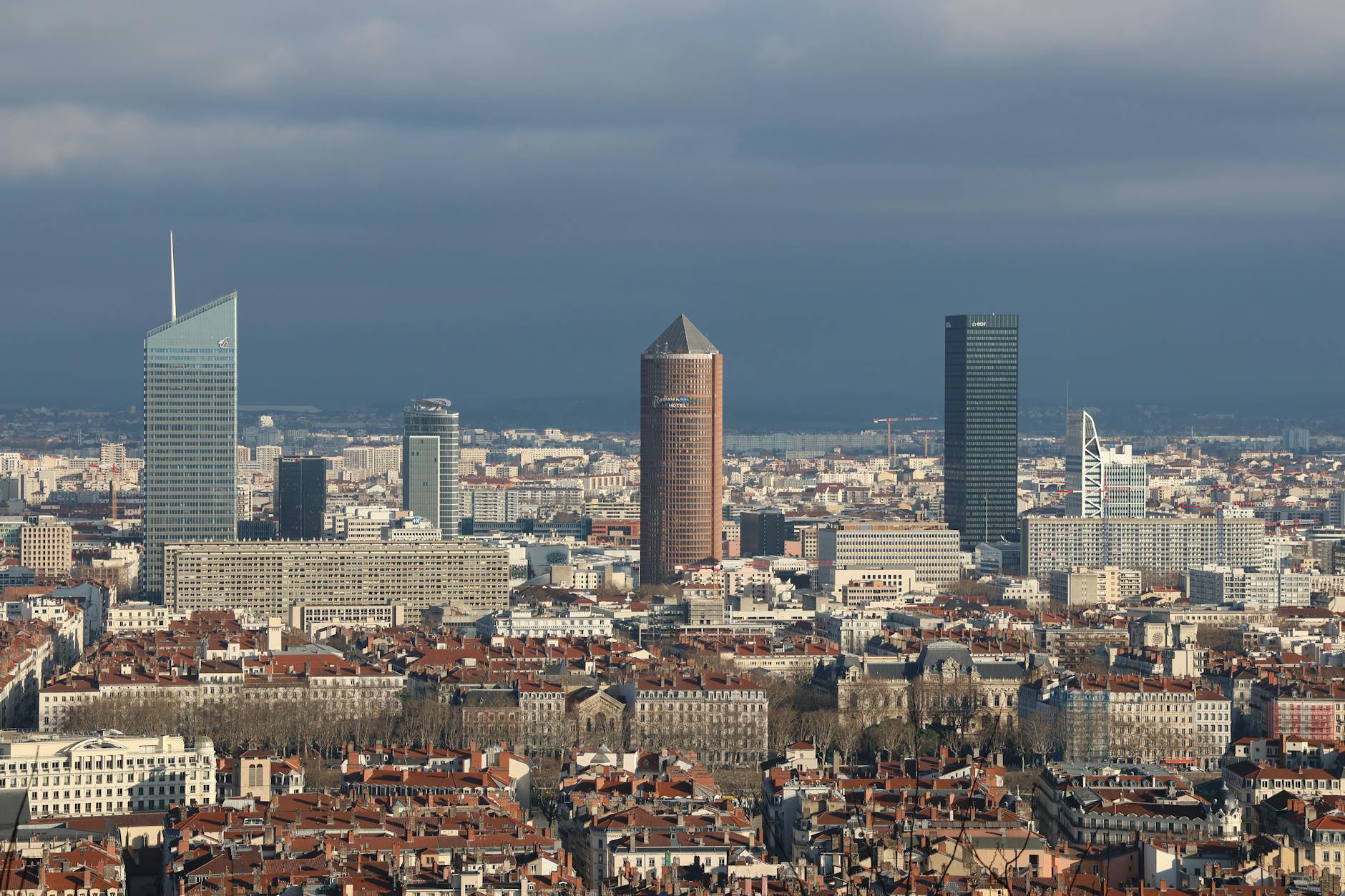
Lyon can look deceptively simple to a business visitor. It is smaller and calmer than Paris, the public transport system is useful, the food culture is strong, and the city center feels legible once the traveler is on the ground. That does not mean the business trip can be planned casually. Meetings may sit in Part-Dieu, Presqu'ile, Confluence, Gerland, Vaise, Cite Internationale, Eurexpo, a university campus, or a peripheral industrial site. Saint-Exupery Airport is not downtown. TGV arrival at Part-Dieu is convenient but can place the traveler in a crowded station district rather than near the evening relationship work that often happens closer to the rivers and central restaurants. The strongest Lyon business plan starts with the actual appointment map. A traveler coming for one boardroom meeting, one supplier visit, and one dinner needs a different hotel, transfer, and evening plan than a traveler staying beside a conference venue or using Lyon as a rail hub into the wider Auvergne-Rhone-Alpes region. The paid short-term report applies that logic to exact addresses, arrival time, luggage, traveler profile, and current transport conditions.
Start with the meeting map, not the city name
A business visitor should not treat Lyon as one compact downtown. The practical city is a set of business pockets: Part-Dieu for rail, offices, and transfers; Presqu'ile for central hotels, dinners, and government or professional meetings; Confluence for newer offices and mixed-use development; Gerland for life sciences, sports, education, and southern sites; Cite Internationale for conferences; and peripheral locations for logistics, manufacturing, hospitals, and research. A hotel that looks central can still be poorly placed if the main appointment is across the rivers, near a tram corridor, or outside the core.
The first planning step is to mark every meeting, dinner, hotel candidate, station, airport link, and backup medical point on the same map. That usually reveals whether the trip is a Part-Dieu rail trip, a Presqu'ile relationship trip, a Confluence/Gerland site trip, or a wider regional movement problem. Without that exercise, Lyon's manageable scale can encourage a traveler to underestimate cross-city timing and late-day fatigue.
- Separate Part-Dieu, Presqu'ile, Confluence, Gerland, Cite Internationale, and peripheral sites before choosing a hotel.
- Plot meetings, dinners, arrival points, and medical fallback on one map.
- Treat a suburban supplier, lab, office park, or trade venue as a different trip from central Lyon meetings.
Use Part-Dieu deliberately
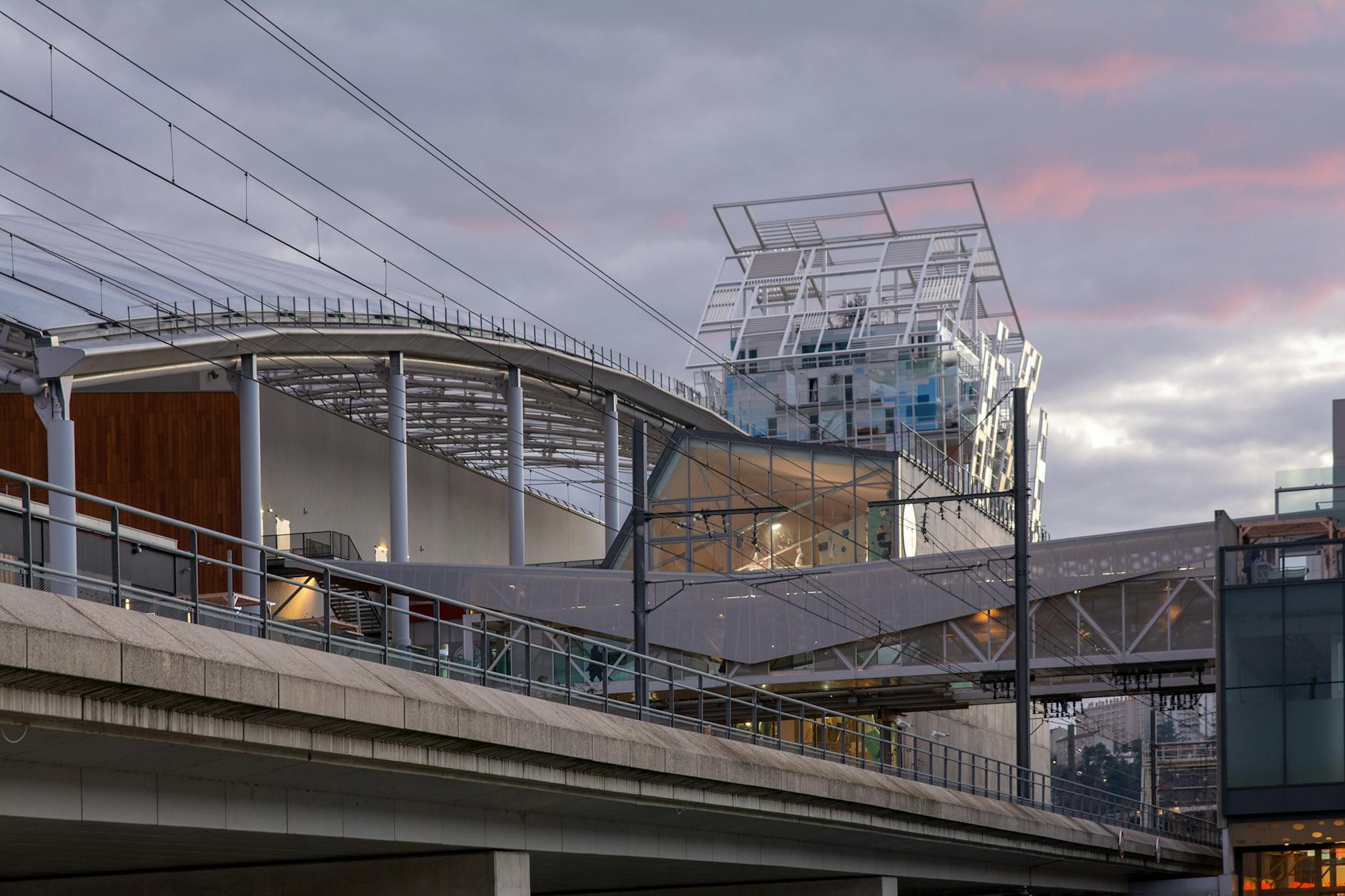
Part-Dieu is one of the most important business anchors in Lyon because it combines the main TGV station, offices, hotels, shopping, metro, tram, and airport connection logic. For a traveler arriving by rail from Paris, Geneva, Marseille, or another French city, it can be the easiest place to land. For an early train departure or a dense day of east-side meetings, sleeping near Part-Dieu can be the rational answer.
It is not automatically the best answer. The station area can be busy, construction-affected, and less graceful than the central river districts. A traveler whose meetings are relationship-heavy, dinner-centered, or mostly in Presqu'ile may find Part-Dieu too transactional as a base. A traveler carrying confidential material or expensive devices should also plan station movement with more care than a normal tourist would. Part-Dieu is useful when chosen for a reason; it is weak when chosen only because it appears first in search results.
- Choose Part-Dieu for rail, airport connection, east-side offices, and early departures.
- Choose central Lyon instead when dinners, client relationship time, or river-district meetings dominate the trip.
- Keep tighter bag and device control around the station district than in quieter meeting areas.
Plan airport and TGV arrival as working time
Saint-Exupery Airport is far enough from central Lyon that the first transfer deserves real planning. Rhonexpress can be useful for a traveler going toward Part-Dieu, while a taxi or pre-arranged car may make more sense for late arrivals, heavy luggage, senior travelers, multi-person teams, or direct movement to a hotel or site outside the center. The right choice depends on arrival hour, luggage, fatigue, strike or disruption signals, and whether the first meeting happens the same day.
TGV arrival is easier but still not frictionless. A traveler stepping off a train at Part-Dieu with luggage, a laptop bag, and a tight first meeting needs a route that survives station crowds and delays. If the traveler is arriving through Paris CDG, Geneva, or another rail-air combination, the trip should be checked end to end. Lyon often rewards rail, but only when the whole chain has been tested rather than assumed.
- Compare Rhonexpress, taxi, and pre-arranged car against the first appointment, not just against price.
- Build extra margin for same-day meetings after airport arrival or long TGV movement.
- Check rail-air combinations as one journey when arriving through Paris, Geneva, or another gateway.
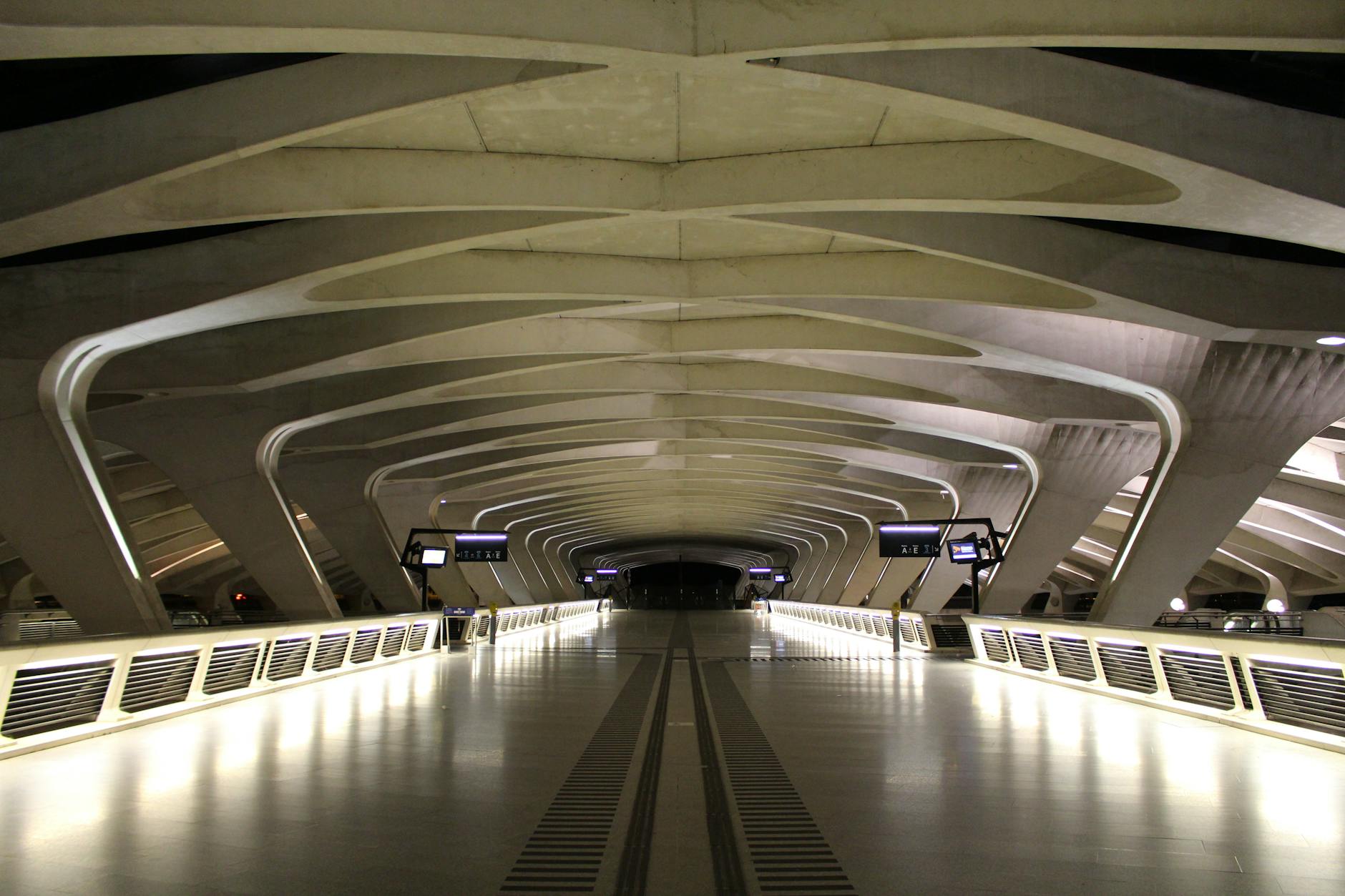
Make the hotel fit the business rhythm
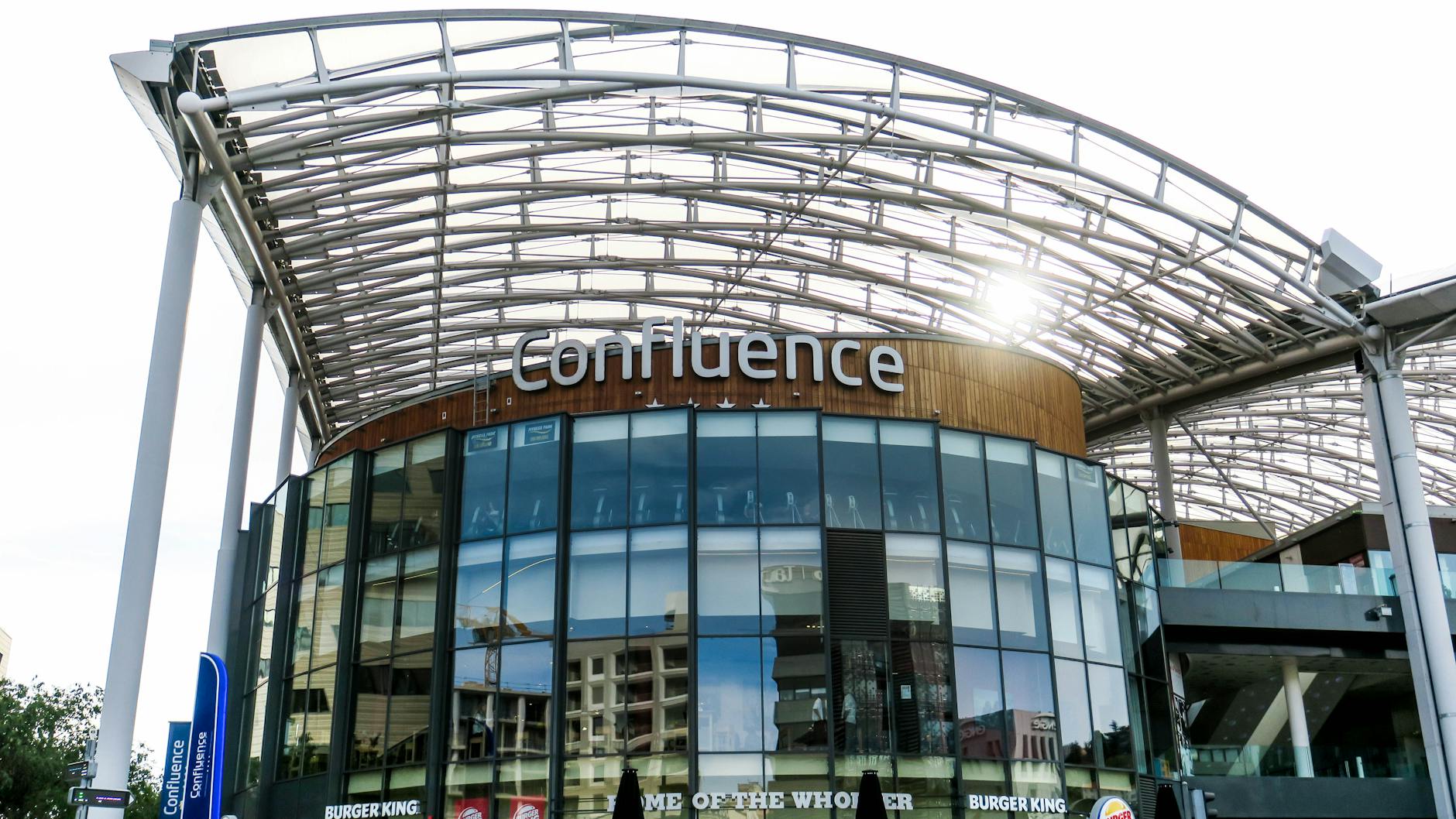
The best hotel base depends on how the traveler will spend the day and evening. Part-Dieu works for rail, offices, and quick turnaround logistics. Presqu'ile, especially around Bellecour, Cordeliers, and Jacobins, can work better for central meetings, dinners, walkable evening movement, and a more polished visitor experience. Confluence can fit newer offices and southern site logic. Gerland or Vaise may be sensible for specific institutions but weaker for a general first visit.
A business visitor should also inspect the practical hotel features that matter more than brochure language: quiet room, reliable desk, breakfast timing, lobby suitable for a short call, taxi access, luggage storage, late arrival handling, and the ability to return after dinner without a complicated transfer. Lyon's hotel choice is less about luxury signaling and more about reducing the number of weak links in a short trip.
- Use Presqu'ile for central meetings, client dinners, and walkable evening routines.
- Use Part-Dieu, Confluence, Gerland, or Vaise only when the meeting geography justifies it.
- Check desk space, quiet, breakfast, taxi access, luggage storage, and late-return logistics before booking.
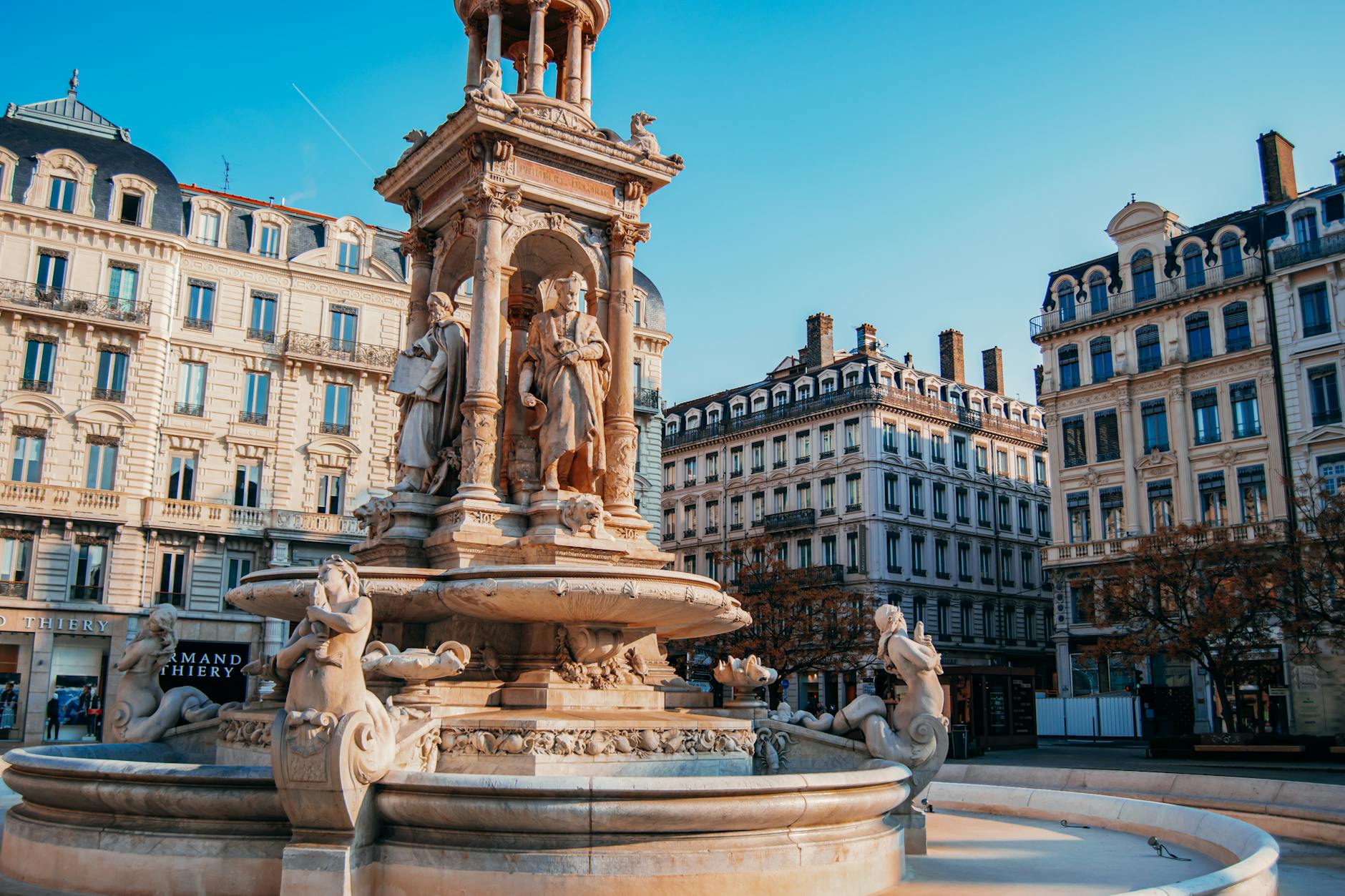
Treat local movement as simple only after testing it
Lyon's metro, tram, bus, funicular, walking routes, taxis, and ride-hail options can make the city very workable. The problem is not that movement is unusually hard. The problem is that a business visitor often moves at the worst possible moments: morning commute, post-conference exits, dinner return, bad weather, or a compressed transfer between meetings. Hills, rivers, bridges, large station spaces, and event congestion can add small frictions that matter when the schedule is tight.
For central meetings, walking and metro may be efficient. For multi-site movement, heavy materials, client-facing dress, or suburban appointments, taxis or cars may be more realistic. A traveler should identify the first-choice route and the fallback route for every important movement. That is especially important when arriving at one station, meeting in another district, and ending with dinner somewhere else.
- Test routes by day, hour, luggage, weather, and the exact district pair.
- Use metro and tram when direct; use taxi or car when materials, dress, timing, or peripheral sites make transit fragile.
- Name the fallback route before the day begins.
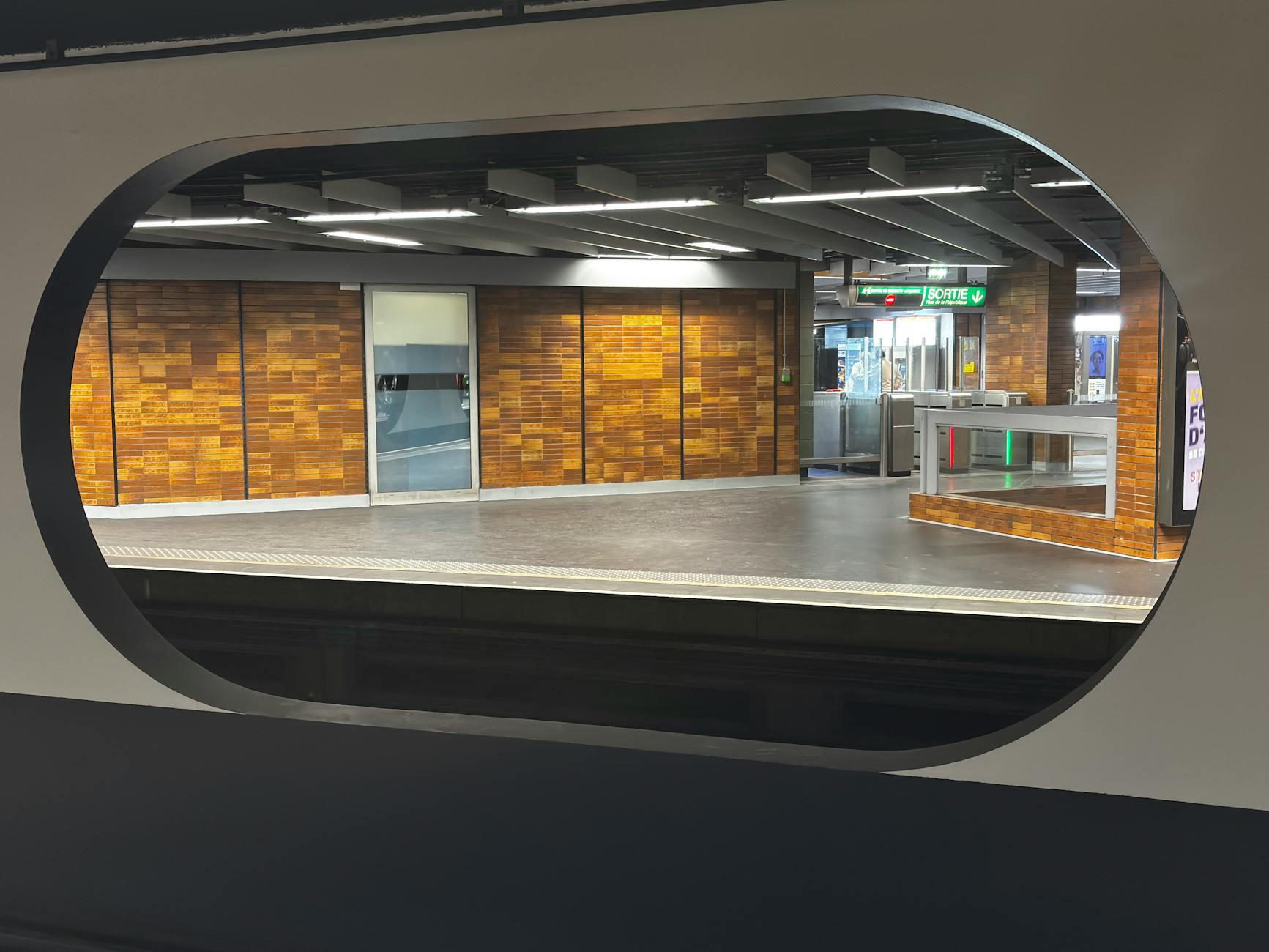
Use Lyon's dinner culture without losing control of the evening
Lyon's food culture is a genuine business asset. A well-chosen dinner can do relationship work that a meeting room cannot, especially when the host wants to show local seriousness rather than generic corporate hospitality. But dinner planning still needs control. Bouchons, central restaurants, river districts, and hotel-area dining can all work; the wrong choice is a dinner that strands the traveler far from the hotel, requires a fragile late transfer, or leaves confidential devices exposed in a crowded setting.
The visitor should reserve rather than improvise, keep the dinner district aligned with the hotel or next morning's departure, and set a return method before alcohol, fatigue, or weather changes the calculation. A solo business traveler should be especially careful with after-dark walking routes from station areas, riverside paths, and quiet side streets. Lyon is not a city to fear, but business travelers are often distracted and carrying more value than they realize.
- Use dinner as part of the business plan, not as an afterthought.
- Keep the restaurant district compatible with the hotel, next morning departure, and late-evening return route.
- Maintain device, bag, and document control in restaurants, terraces, stations, and after-dark transfers.
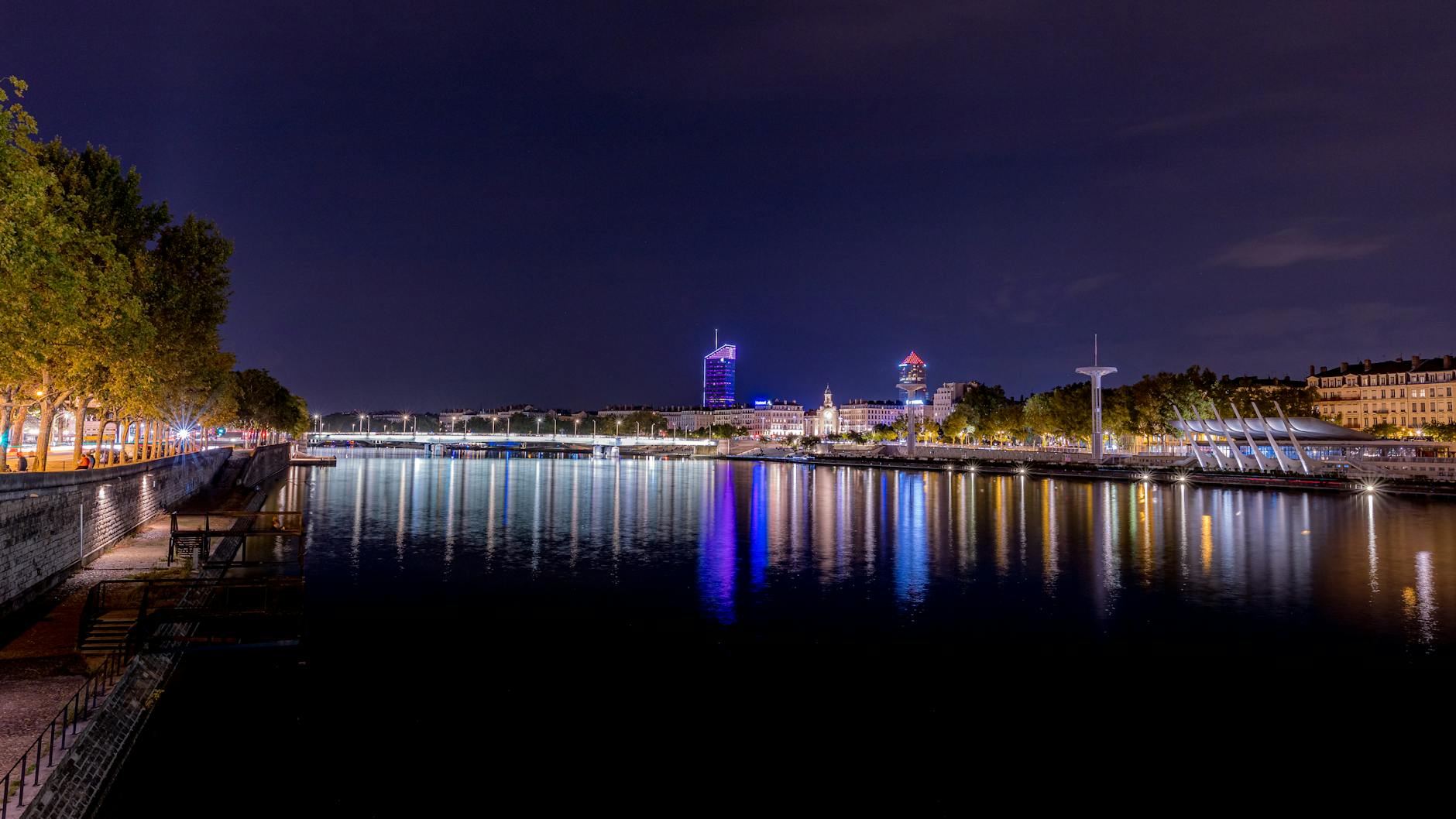
When to order a short-term travel report
A business visitor with one relaxed central meeting, a familiar hotel, and a simple train arrival may not need a custom report. A report becomes more valuable when the traveler has multiple sites, a same-day arrival and meeting, an airport-to-meeting transfer, a client dinner after a full day, confidential material, medical or mobility constraints, a peripheral office or industrial site, or an itinerary that depends on rail, taxi, hotel, and restaurant choices all fitting together.
The report should test exact addresses, arrival point, luggage, traveler profile, meeting sequence, meal plan, local transport options, current disruption signals, medical fallback, and practical thresholds for changing the plan. For Lyon, the value is not a generic city overview. It is knowing whether the trip should be built around Part-Dieu, Presqu'ile, Confluence, a peripheral site, or a mixed route that needs more structure than the city first appears to require.
- Order when multiple sites, same-day movement, confidential materials, dinners, or peripheral locations make the trip fragile.
- Provide exact meeting addresses, hotel candidates, arrival time, luggage, party size, and any medical or mobility needs.
- Use the report to choose the base, transfer mode, daily route, dinner plan, and change triggers.