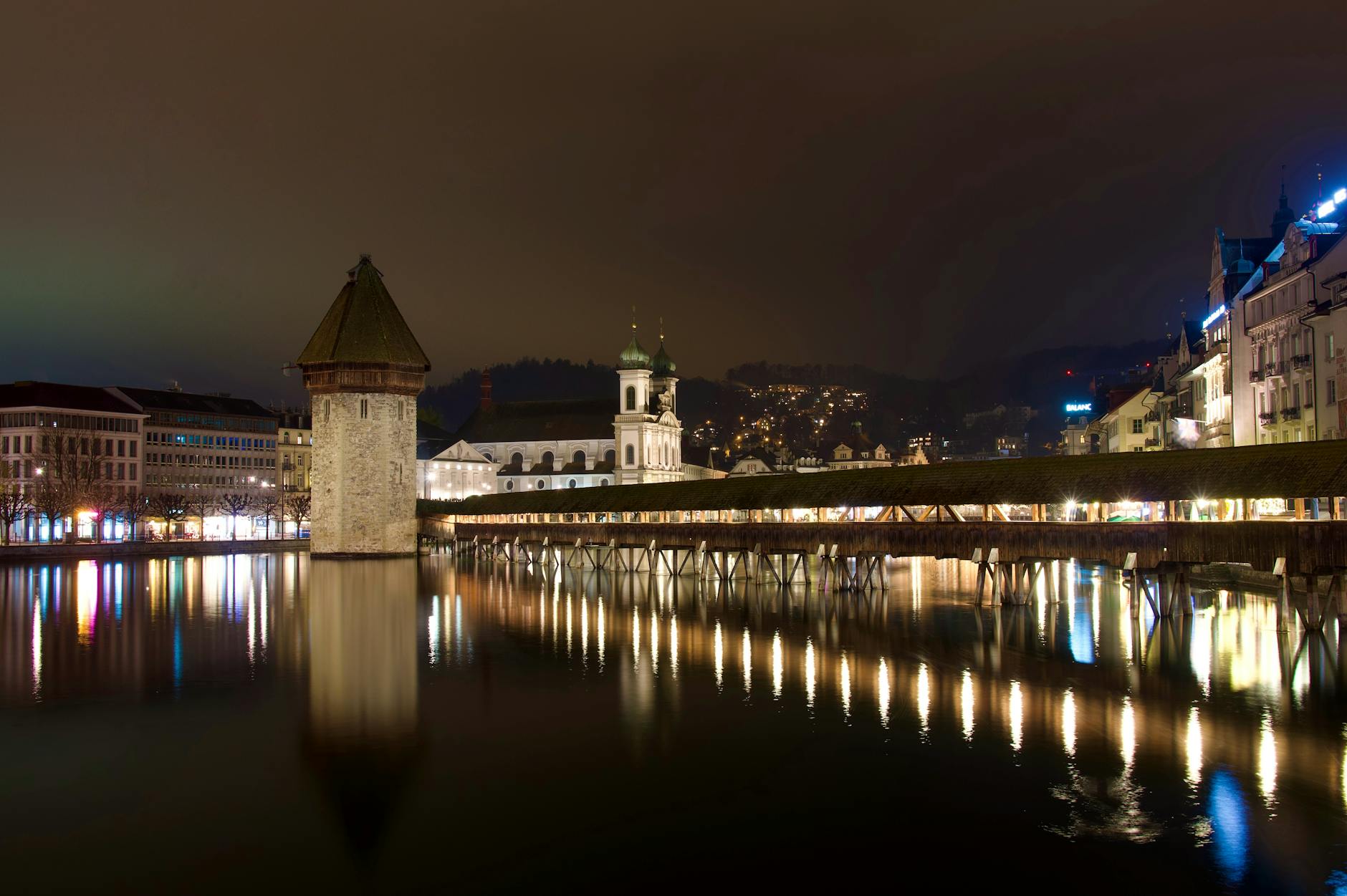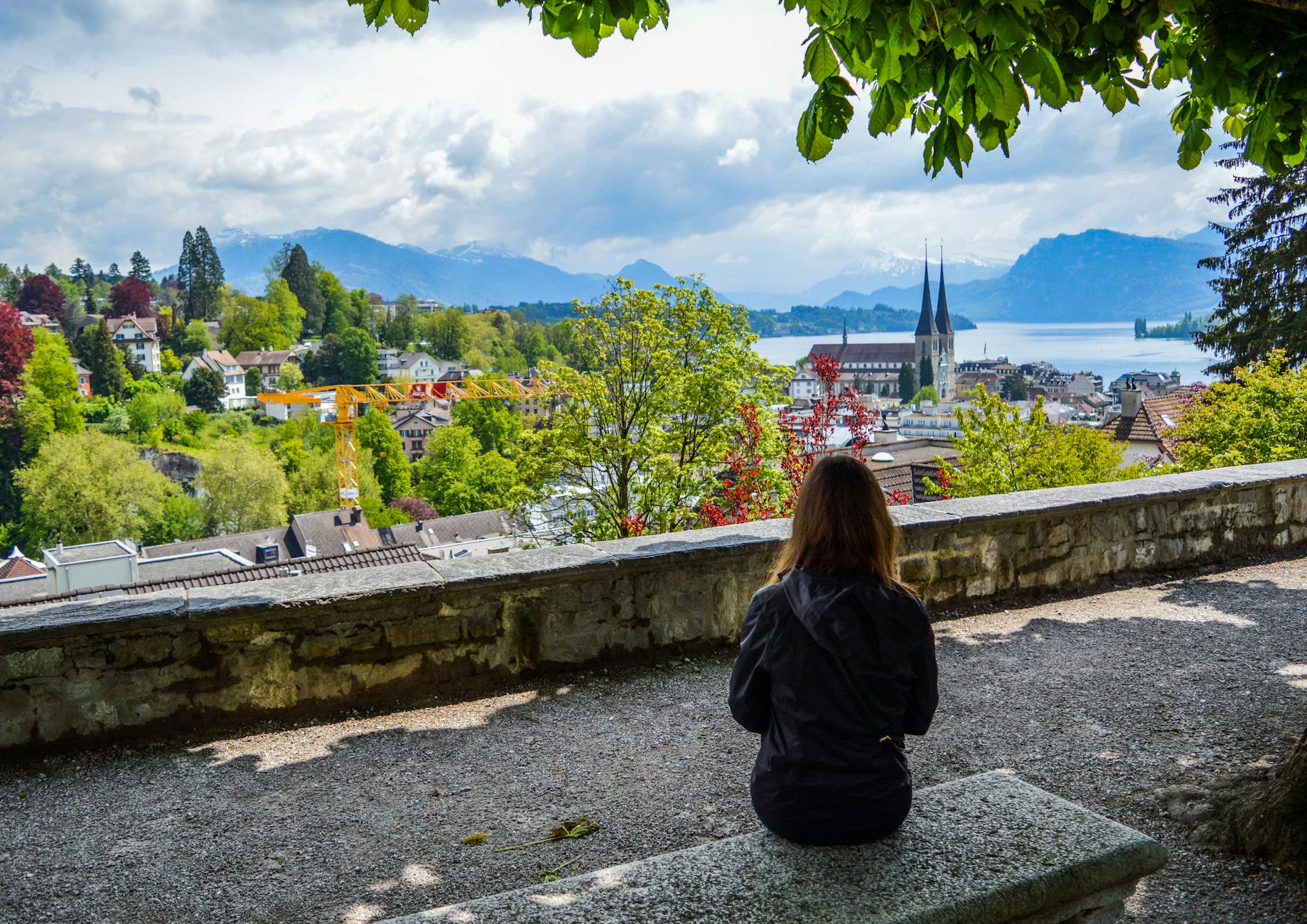
Lucerne can be a very comfortable short-stay city for a woman traveler because the station, lakefront, Old Town, Chapel Bridge, and major sights sit close together. That does not remove the need for planning. A good visit should account for arrival timing, luggage, hotel access, evening routes, crowded scenic spots, lake or mountain excursions, weather, dining choices, and the small routines that make solo, friend, or professional travel feel controlled.
Choose a base that makes arrival calm
A woman traveler should treat the hotel as part of the safety and comfort plan, not only as a place to sleep. Lucerne's central geography helps, but luggage, rain, late trains, bridges, and quiet side streets can still make arrival feel more exposed than expected. A station-area, lakefront, or well-reviewed central hotel can simplify the whole stay.
The first arrival should feel easy to repeat after dark.
- Map the route from Lucerne station to the hotel, including lighting, bridges, taxi access, and luggage friction.
- Check reception hours, elevator access, room location, door security, and late-arrival support before booking.
- Keep hotel address, rail tickets, offline maps, charger, and emergency contacts available before leaving the station.
Use compact daylight routes first
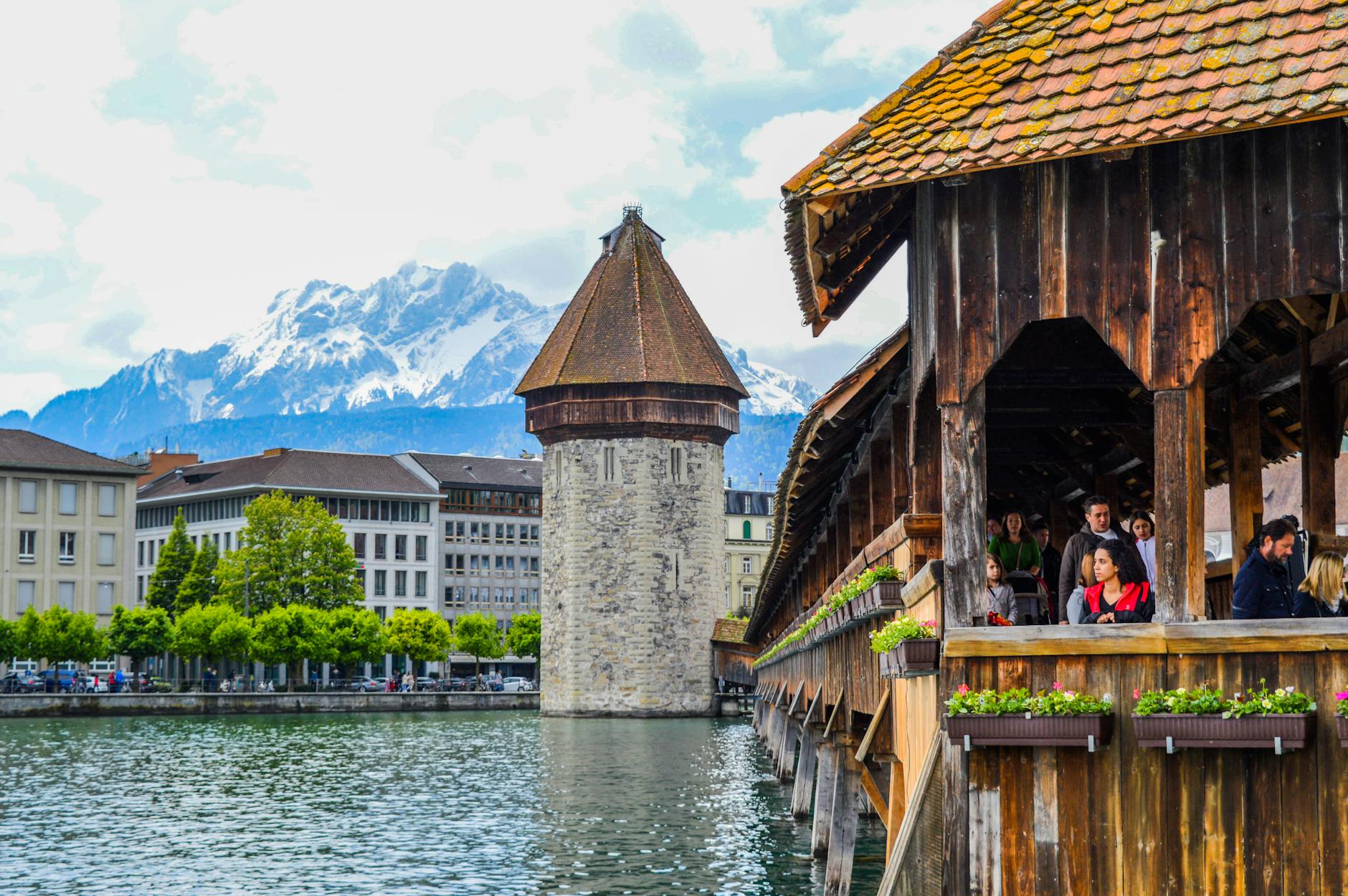
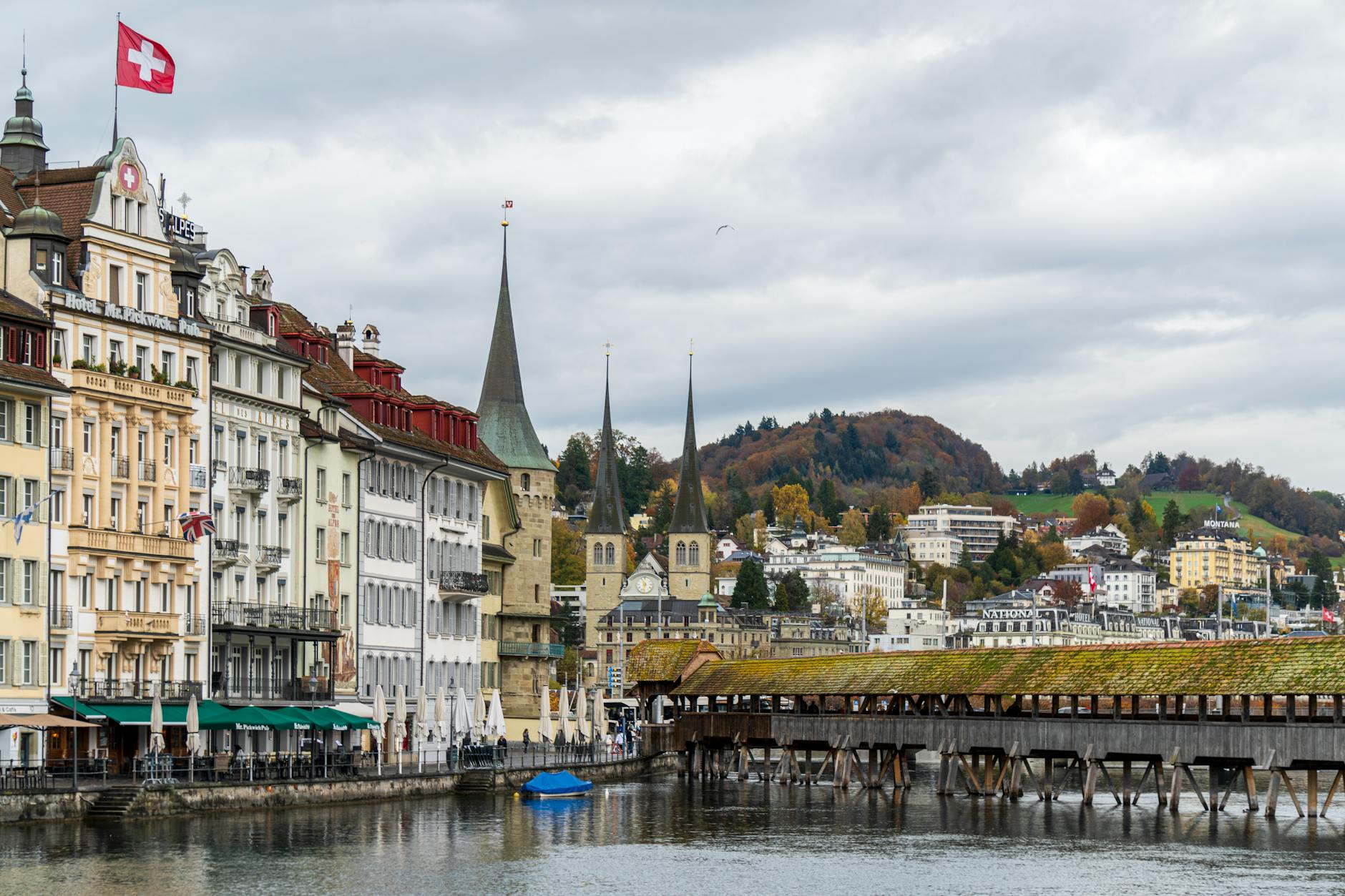
Lucerne's main sights make excellent short loops for a woman traveler: station, lakefront, Chapel Bridge, Old Town, the Reuss, and a meal or coffee stop. Doing this route in daylight first makes later movement easier. The traveler can then decide which evening routes, restaurants, and views feel comfortable enough to repeat.
Familiarity is one of the best short-trip tools.
- Walk the station, lakefront, Chapel Bridge, Old Town, and hotel route in daylight before relying on it at night.
- Identify cafes, hotel lobbies, museums, churches, shops, and transport stops that can serve as pause points.
- Avoid spreading the first day across too many disconnected areas before the city's layout feels familiar.
Plan evenings deliberately
Lucerne can be pleasant in the evening, especially around the lakefront, hotel terraces, and central restaurants. A woman traveler should still decide how dinner, drinks, photography, and the return route will work before the evening starts. Alcohol, phone battery, weather, and distance from the hotel all matter more after dark.
A good evening plan keeps the night enjoyable without improvising the return.
- Choose dinner and drink options near the hotel, station, lakefront, or a route already walked in daylight.
- Keep phone battery, room key, cards, and a return transport option protected before staying out late.
- Use taxis or hotel help when rain, formal clothing, fatigue, or unfamiliar streets make walking less appealing.
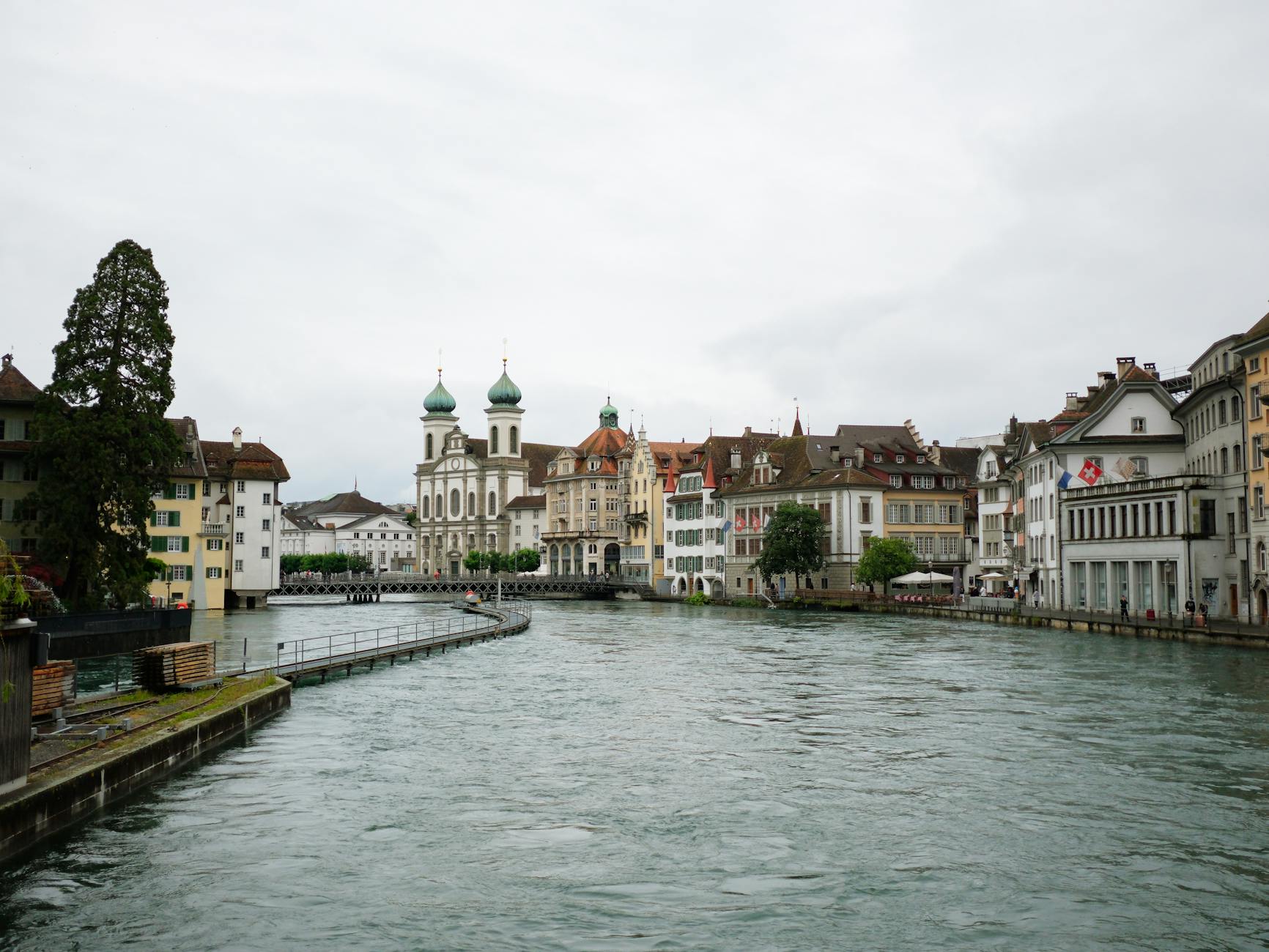
Handle crowds and photos with judgment
Chapel Bridge, the lakefront, boat docks, and mountain viewpoints can be crowded with visitors and cameras. A woman traveler should think about where she pauses for photos, how visible bags and phones are, and whether a location feels comfortable for a longer stop. The goal is not to avoid popular places, but to use them intelligently.
Scenic places still require ordinary situational awareness.
- Keep bags, phone, passport, and cards controlled around crowded bridges, station areas, boats, and viewpoints.
- Use busy central places for photos, but avoid lingering where the return route or personal space feels poor.
- Be cautious with strangers offering unsolicited photo help, directions, rides, or nightlife suggestions.
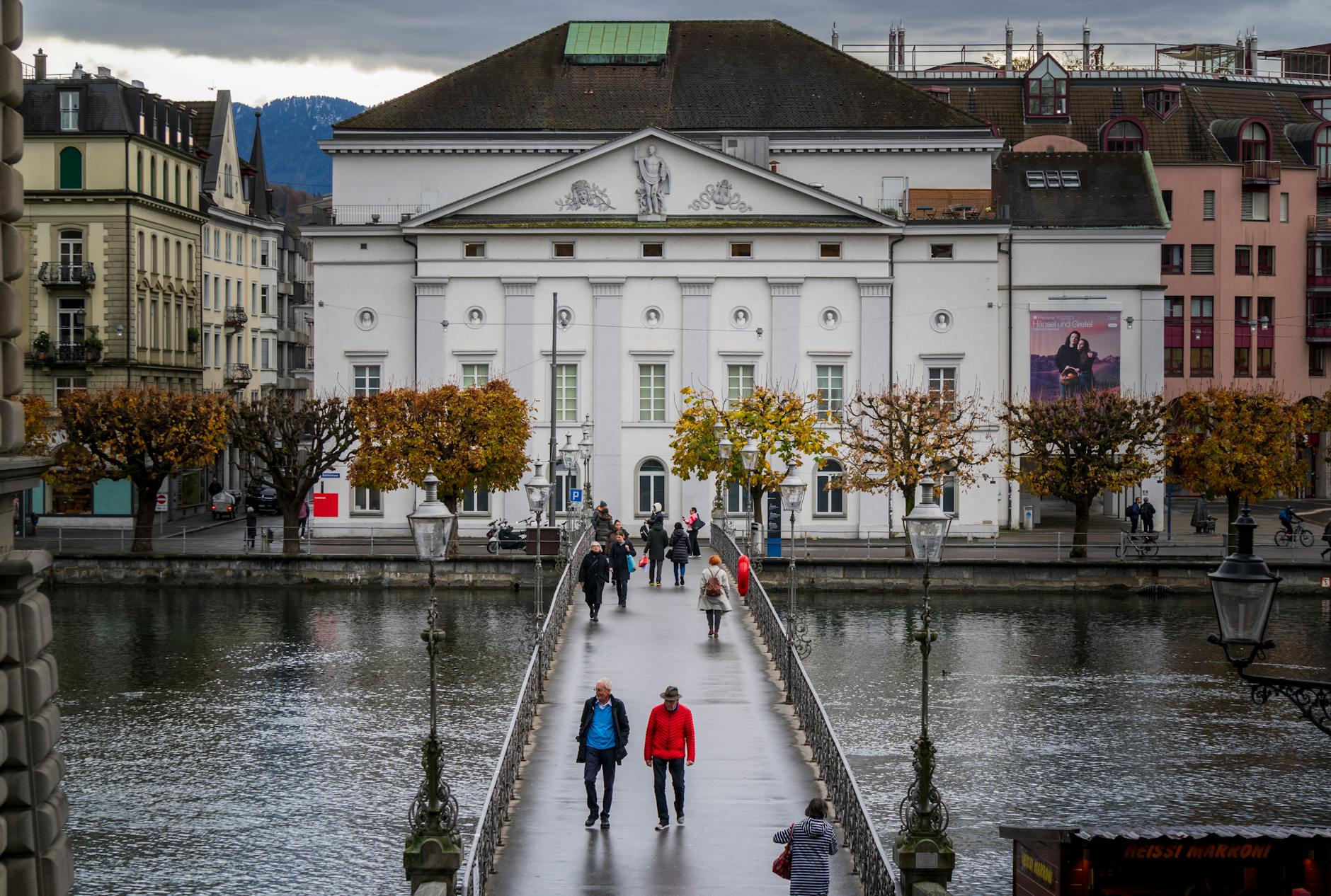
Choose lake and mountain days by confidence
Lake Lucerne boats, Mount Rigi, Mount Pilatus, and nearby villages can be excellent for a woman traveler, but they should be matched to weather, visibility, return timing, and personal comfort. Solo excursions are often straightforward when ticketing and return routes are clear. They become less comfortable when the traveler is tired, underdressed, or uncertain about the last connection.
The best scenic day has a clear way back.
- Check boat, railway, cable car, and return times before leaving central Lucerne.
- Use weather and visibility reports before committing to mountain tickets or long outdoor routes.
- Share the broad plan with someone trusted if traveling alone into a longer lake or mountain day.
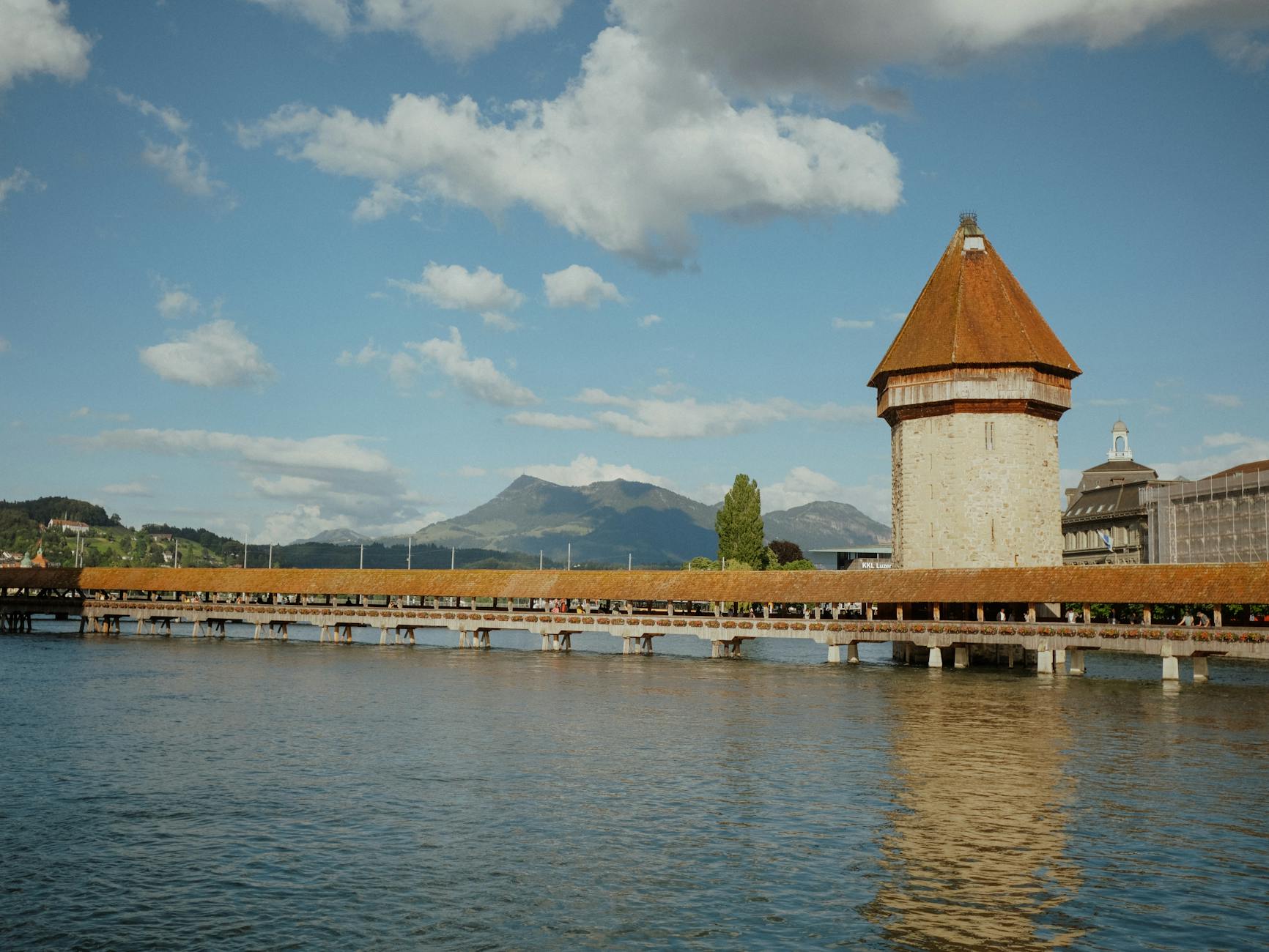
Make dining and costs easier
Lucerne can be expensive, and a woman traveler may not want every meal to become a formal restaurant decision. A short list of solo-friendly cafes, hotel dining, bakeries, casual restaurants, grocery options, and lakefront places helps avoid settling for the wrong meal when hungry or tired. The budget should include comfort choices, not only attractions.
Good meal planning lowers both cost and friction.
- Mark several meal options near the hotel, station, Old Town, and lakefront before arrival.
- Budget for a taxi, hotel meal, closer lodging, or easier transfer when comfort makes the day work better.
- Check restaurant hours and reservation needs around weekends, holidays, and peak visitor periods.
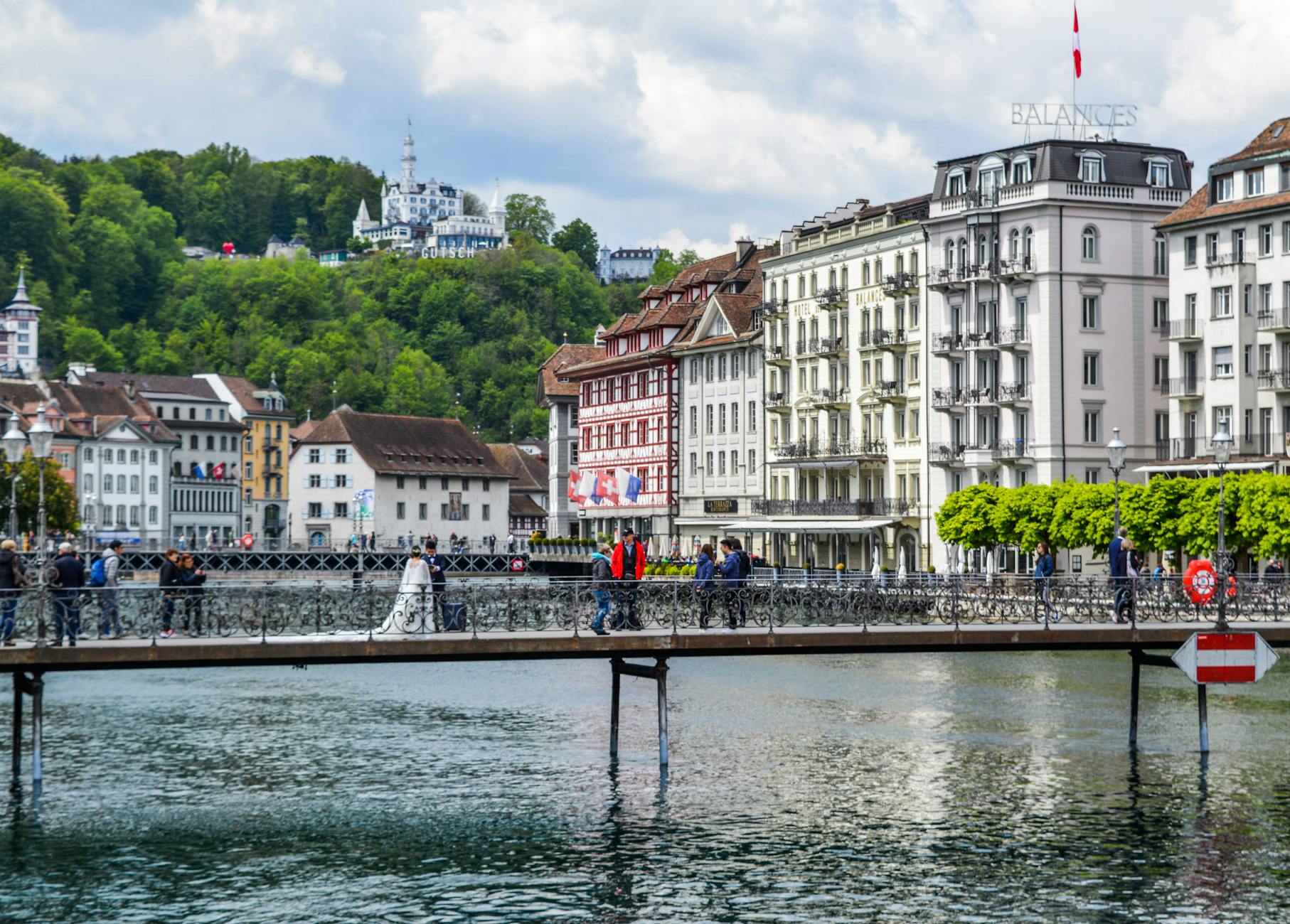
When to order a short-term travel report
A woman traveler with a central hotel and flexible Lucerne plan may not need a custom report. A report becomes useful when arrival is late, the traveler is alone, the hotel choice is uncertain, evening plans matter, lake or mountain excursions need timing, or personal comfort concerns should be worked through before arrival.
The report should test hotel base, arrival route, daylight walking loops, evening returns, dining, weather, lake and mountain options, costs, and departure logistics. The value is a Lucerne stay that feels independent, scenic, and prepared without making the trip feel defensive.
- Order when hotel location, late arrival, evening routes, dining, boats, mountain plans, or comfort tradeoffs need careful planning.
- Provide dates, arrival time, hotel candidates, solo or group context, walking tolerance, budget, and must-see priorities.
- Use the report to make the Lucerne trip calm, clear, and enjoyable on the traveler's own terms.