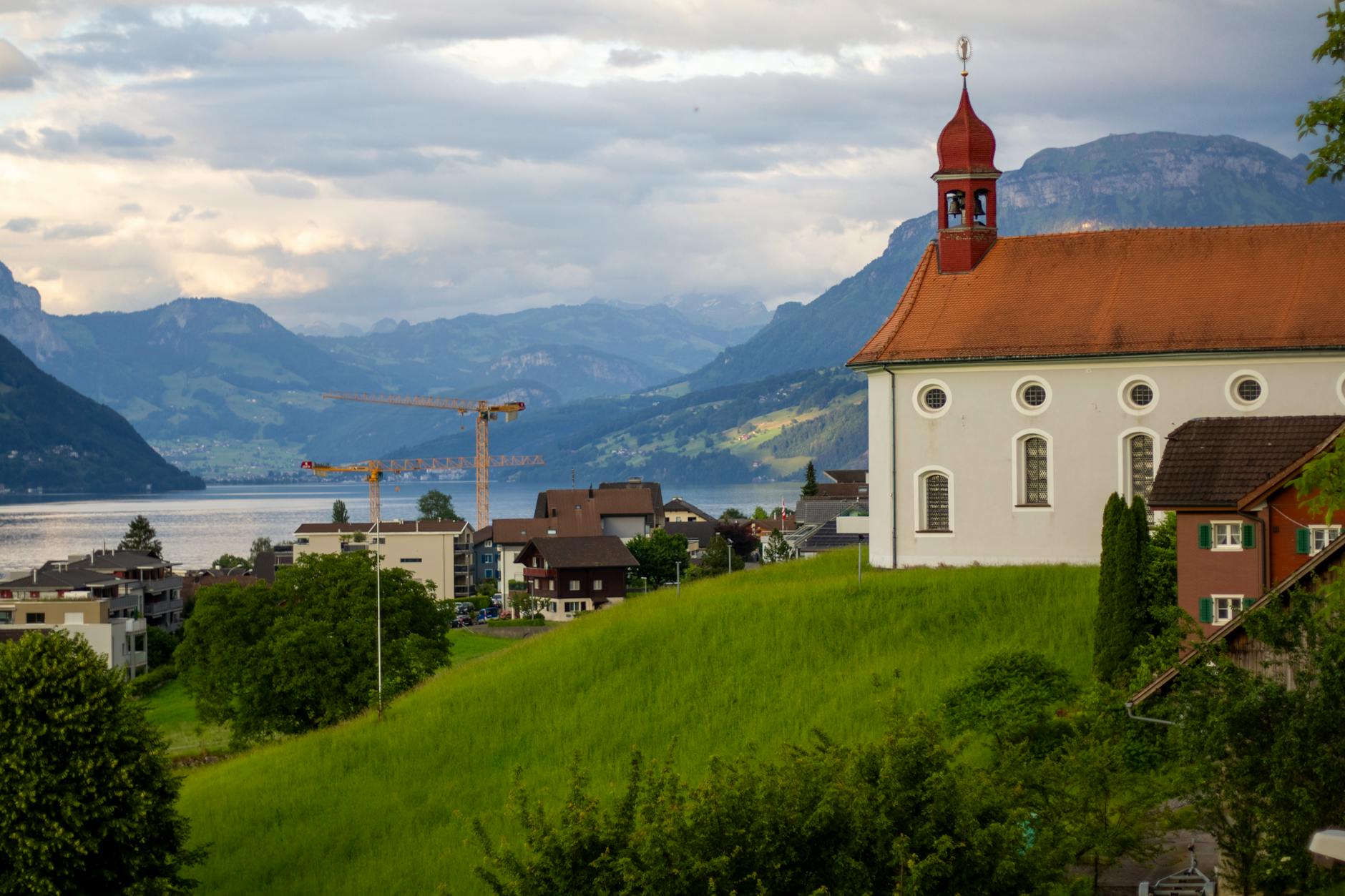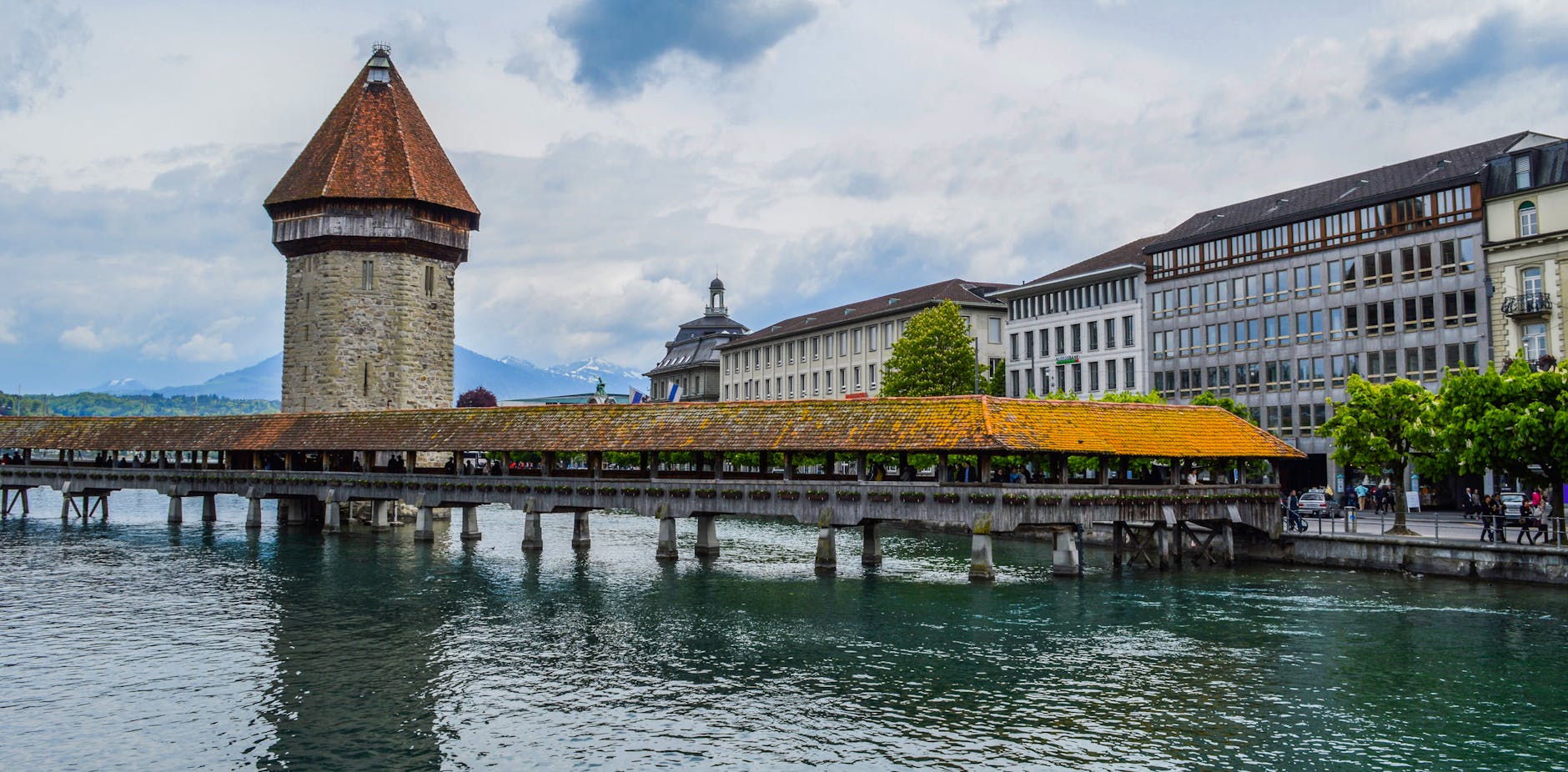
Lucerne can work well for a short volunteer, nonprofit, faith-adjacent, or civil-society visit because the city is compact, orderly, and well connected by Swiss rail. The trip still needs more than good intentions. A short stay can become awkward if the traveler arrives without clear host expectations, role boundaries, local movement, privacy rules, insurance, or enough rest to serve usefully.
Confirm the purpose before booking
A volunteer or NGO traveler should know exactly why the Lucerne trip is happening before choosing flights or hotels. The visit may involve meetings with a Swiss partner, a short service activity, donor stewardship, project observation, training, advocacy, or faith-based support. Each purpose creates different needs for schedule, dress, language, privacy, and reporting.
Good intentions are not a travel plan.
- Confirm the host organization, address, named contact, role, daily schedule, dress expectations, and reporting duties.
- Ask what work is genuinely useful during a short stay and what should be left to local staff.
- Avoid building a tourist itinerary that competes with the host organization's actual needs.
Choose a base that supports the host
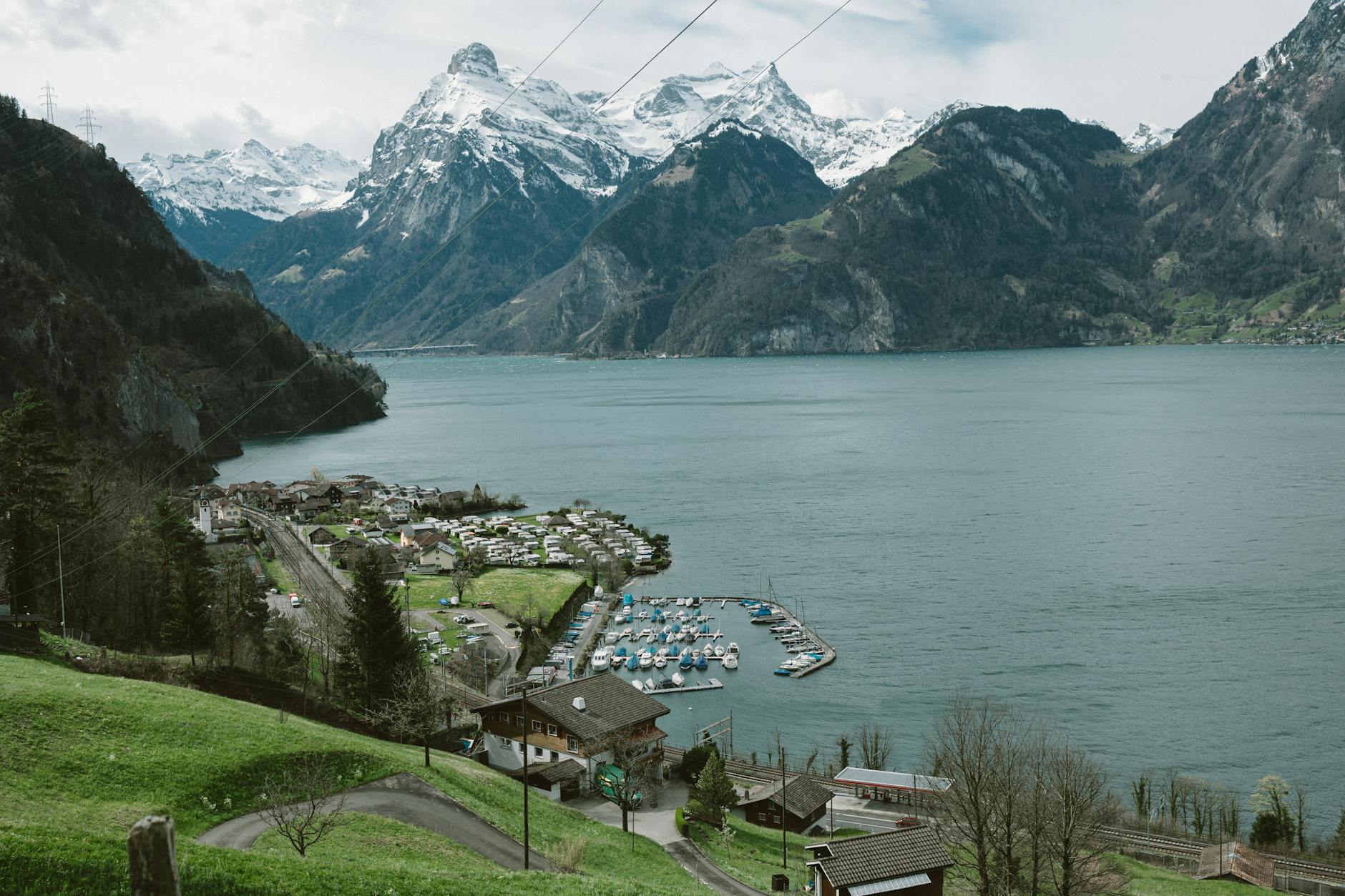
Lucerne's most scenic hotel may not be the right base for a volunteer or NGO visit. The better choice depends on the host site, meeting rooms, station access, evening safety, luggage storage, breakfast timing, and whether the traveler needs quiet space for calls or notes. A central base can reduce friction when the visit is short.
The host geography should lead the lodging decision.
- Map the host site, station, hotel, meeting venues, meals, and any regional movement before booking.
- Check walking routes, bus or rail options, taxi access, and bad-weather alternatives.
- Choose lodging that keeps the traveler punctual, rested, and easy for the host to coordinate with.
Make arrival easy on everyone
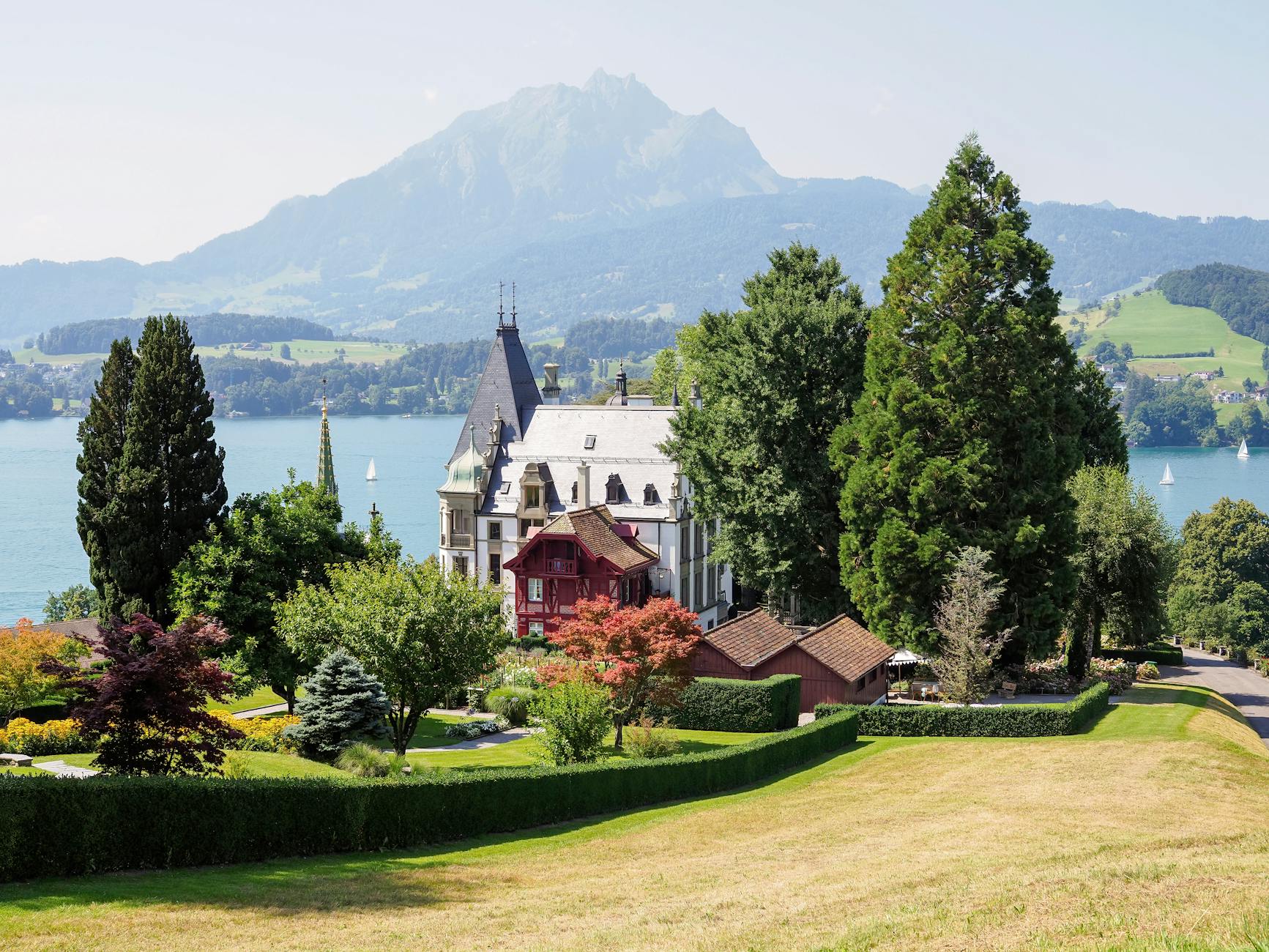
A short Lucerne trip often starts at Zurich Airport and continues by rail. A volunteer traveler may also be carrying donations, documents, training material, or personal supplies. The arrival plan should reduce the burden on the host instead of requiring urgent pickup, repeated messages, or schedule changes on the first day.
A self-sufficient arrival is a courtesy.
- Plan the rail route, ticket type, meeting point, phone access, luggage handling, and backup contact before departure.
- Avoid asking the host to solve routine airport, train, or hotel logistics unless that support was offered.
- Build time for immigration, baggage, platform changes, food, check-in, and orientation before the first commitment.
Respect boundaries and consent
Volunteer and NGO travel can involve people, stories, facilities, and local challenges that should not become casual content. The traveler should know what can be photographed, posted, quoted, named, or shared with donors. Consent standards, safeguarding rules, and data privacy matter even when the visit feels informal.
The people served are not scenery.
- Ask the host about photo consent, names, sensitive locations, children, vulnerable adults, and social posting rules.
- Do not collect stories, images, or personal details unless the host has approved the process.
- Keep notes, files, contacts, and project information private when using trains, cafes, hotels, and messaging apps.
Prepare documents, insurance, and budget
Lucerne is expensive, and nonprofit travel can blur the line between personal, reimbursable, and donor-supported costs. The traveler should clarify insurance, emergency contacts, payment cards, receipts, local transport, meals, supplies, donations, and whether any materials can legally and practically be carried into Switzerland.
Administrative clarity prevents avoidable stress.
- Confirm travel insurance, health coverage, emergency contacts, ID documents, and any organization paperwork before leaving.
- Clarify reimbursement for hotels, trains, taxis, meals, supplies, phone data, baggage, and changed plans.
- Do not carry donations, equipment, medicine, or restricted items without checking customs and host guidance.
Leave room for recovery
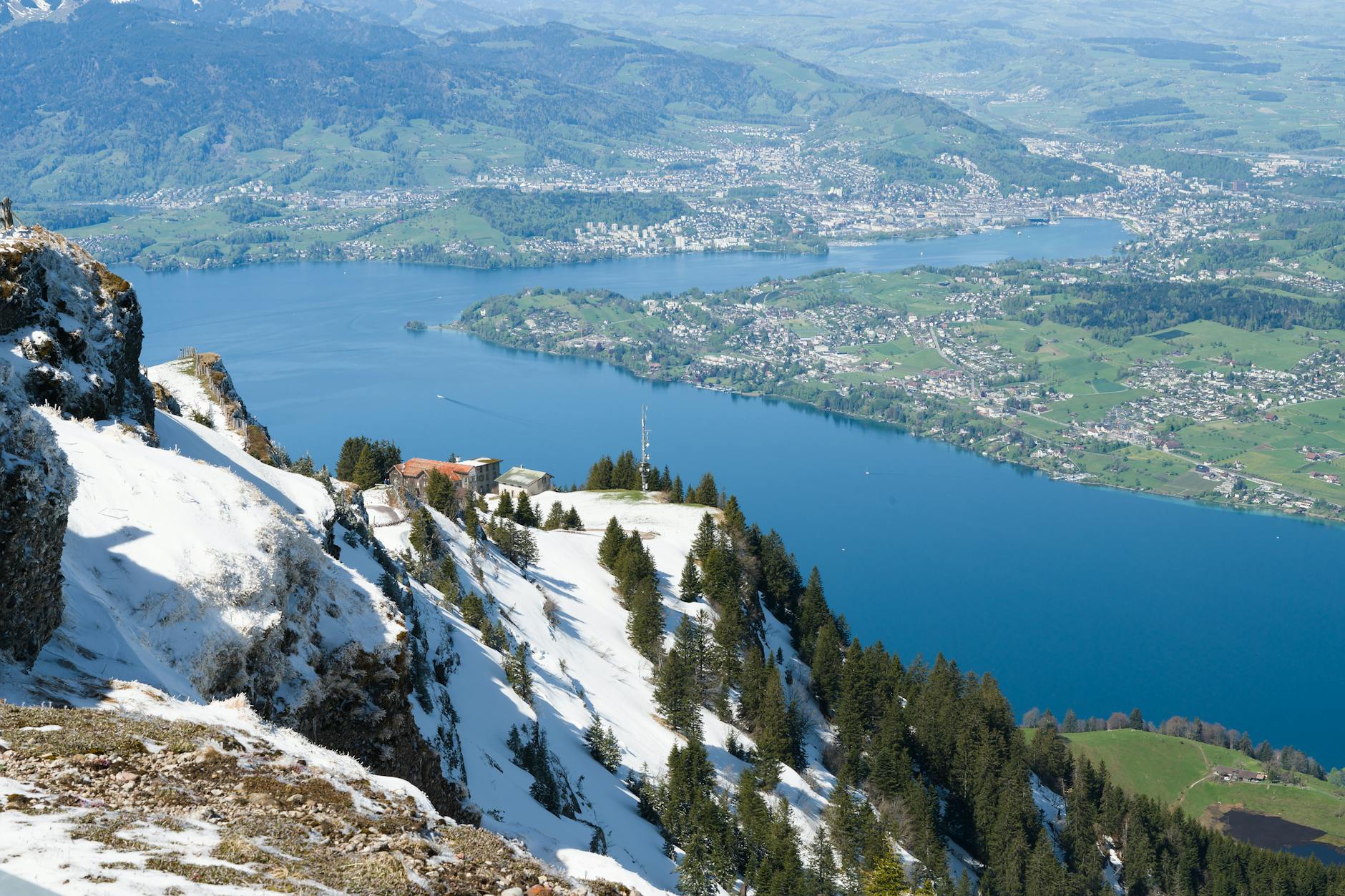
Short service or NGO trips can be emotionally full even when the schedule looks light. Lucerne's lakefront, old town, and mountain access can help with recovery, but they should not crowd out sleep, debriefing, or host obligations. A modest walk may be more useful than a rushed excursion.
Rest is part of responsible participation.
- Reserve time for meals, decompression, notes, host debriefs, and simple rest after demanding activities.
- Use lakefront walks or central Lucerne routes when weather, energy, or budget makes larger plans unwise.
- Check visibility, ticket cost, and return timing before adding any mountain or lake excursion.
When to order a short-term travel report
A volunteer or NGO traveler with a fully hosted schedule may not need a custom report. A report becomes useful when the traveler must arrange arrival independently, choose lodging, carry materials, protect sensitive information, coordinate with a host, manage reimbursement, or add a brief personal stay before or after the assignment.
The report should test airport and rail timing, hotel base, host geography, schedule buffers, privacy rules, insurance, budget, recovery time, and departure logistics. The value is a Lucerne visit that respects the host while making the traveler useful and prepared.
- Order when host coordination, lodging, arrival timing, privacy, expenses, insurance, or added personal time need structure.
- Provide dates, flight times, host address, schedule, lodging options, materials carried, budget rules, and mobility or medical needs.
- Use the report to keep the short nonprofit trip practical, respectful, and easy for the host to support.