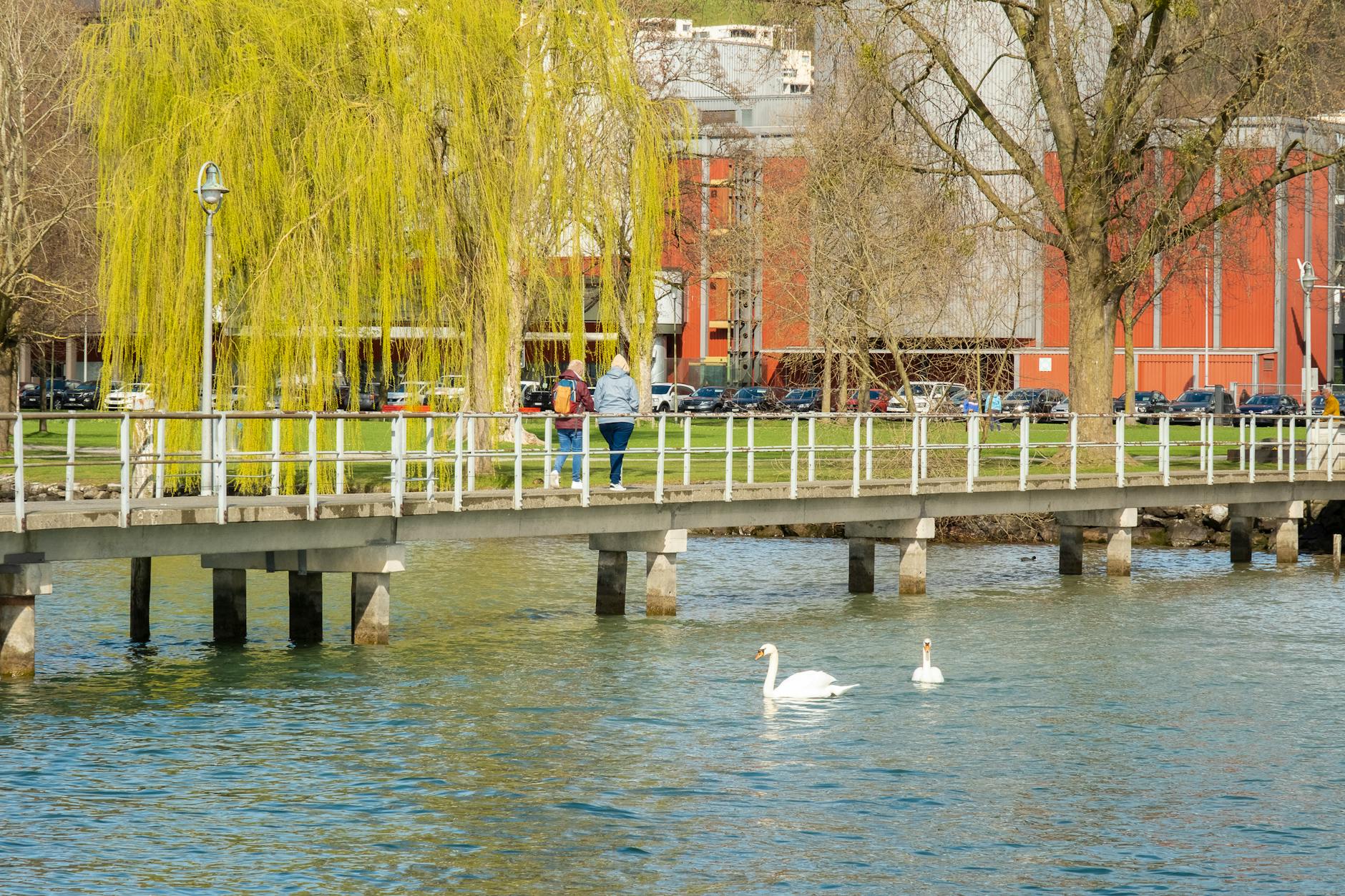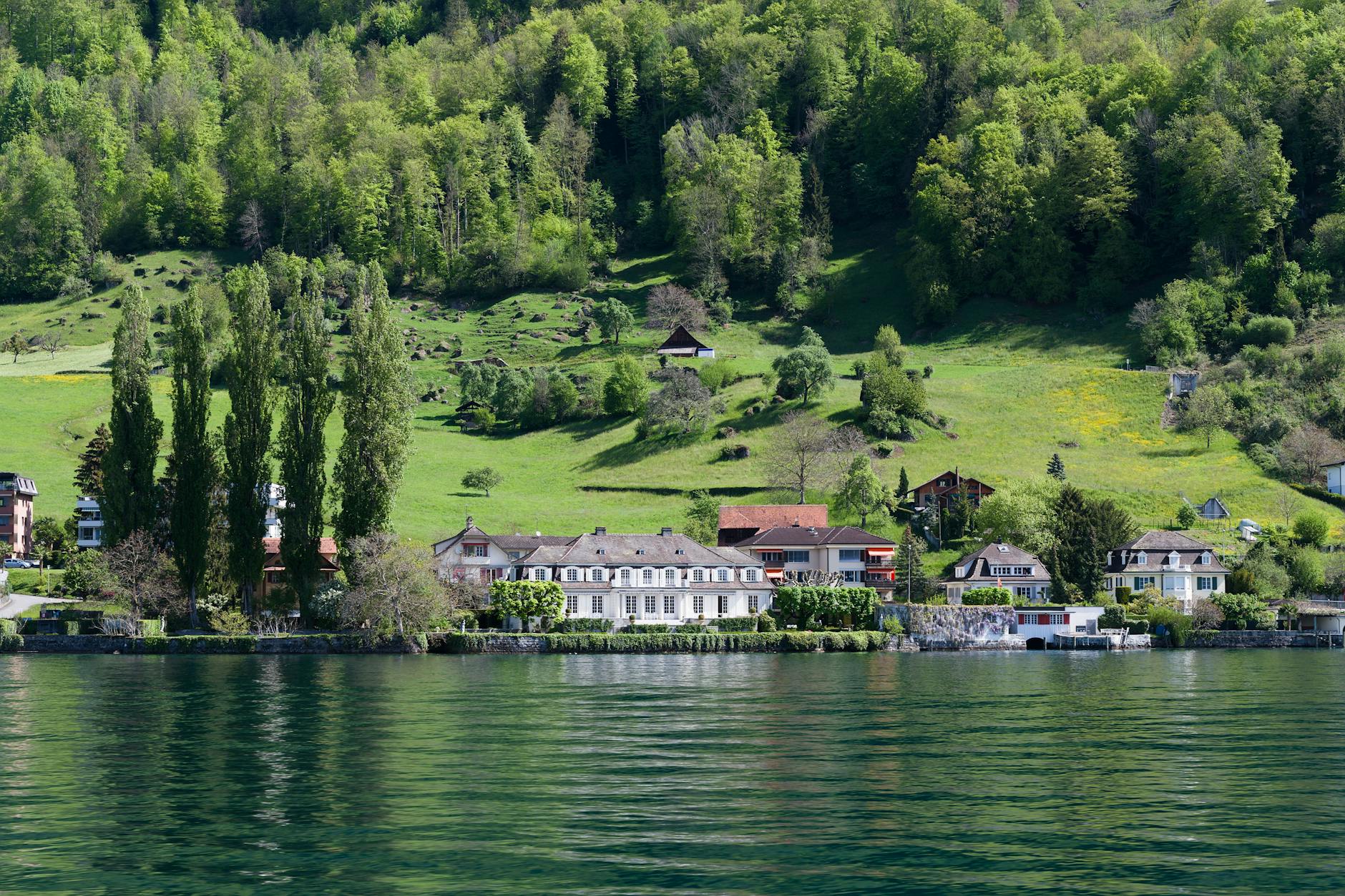
Lucerne can work well for a traveler with mobility limitations because the rail station, lakefront, riverfront, Chapel Bridge, and many central sights sit close together. The important question is not whether Lucerne is compact. It is whether the exact hotel, route, bridge crossing, weather, surface, boat boarding point, and return timing fit the traveler's equipment, stamina, balance, and support needs. A short stay should be planned around the specific movement chain rather than a general impression that the city is easy.
Map the actual movement chain
A traveler with mobility limitations should plan Lucerne as a sequence of movements, not as a small dot on a map. Rail arrival, platform changes, station exits, luggage, hotel entrance, bridges, slopes, curb cuts, cobblestones, boat docks, restrooms, and return routes all matter. A route that looks short may still be demanding if it includes uneven surfaces or repeated transitions.
The useful plan is door to door, not neighborhood to neighborhood.
- Map station platform, exit, hotel entrance, elevator access, route surface, bridges, and first rest stop before arrival.
- Check whether the traveler uses a wheelchair, scooter, cane, walker, companion support, or pacing strategy.
- Avoid relying on distance alone; surface, slope, crowds, weather, and luggage can change the difficulty of a short route.
Choose the hotel for access first
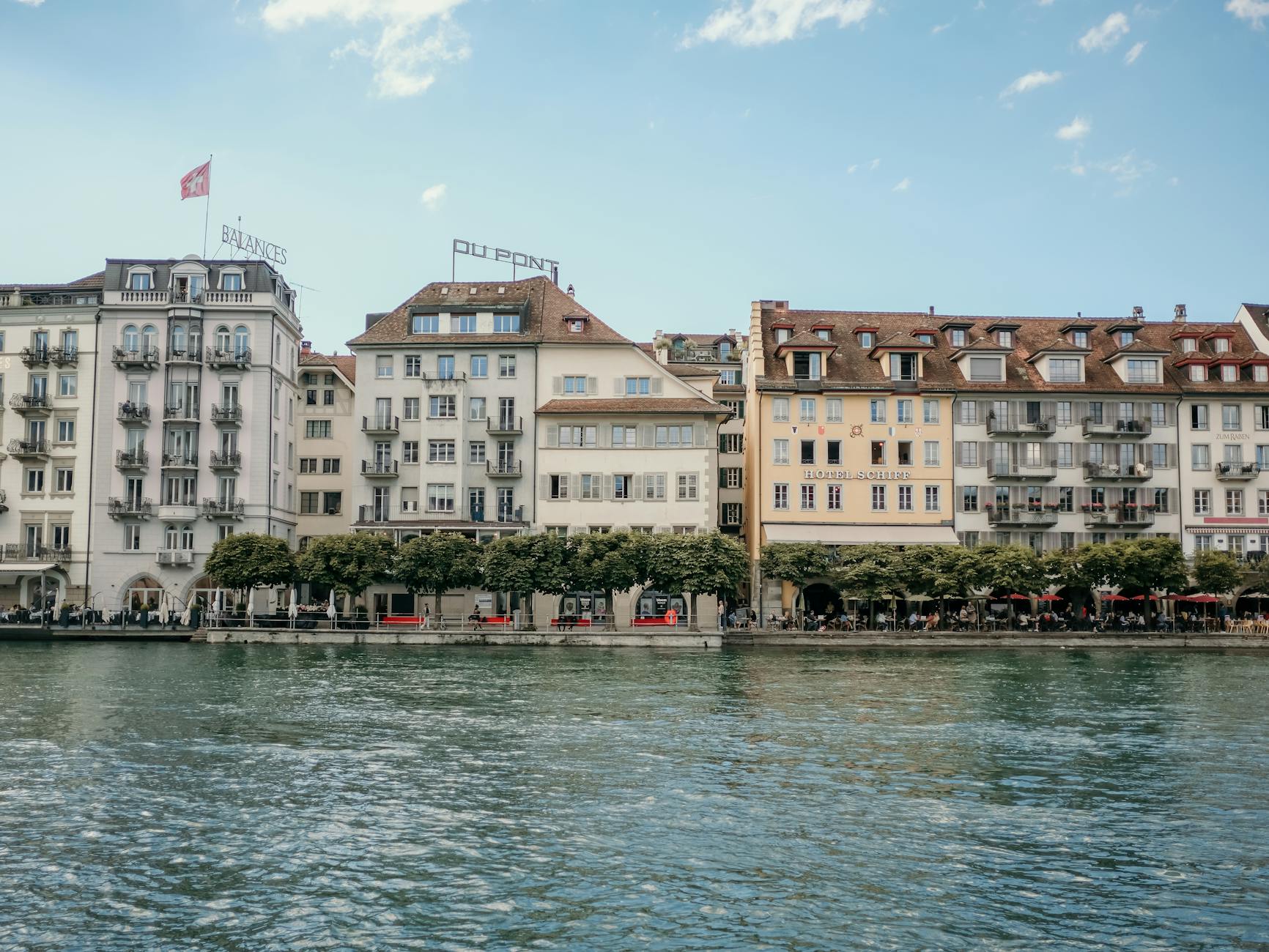
A central hotel is only useful if the traveler can enter, move through it, sleep well, and return comfortably after dinner or weather changes. The booking should confirm step-free entrance, elevator size, room layout, bathroom details, bed height, taxi access, luggage handling, breakfast location, and how the hotel responds when a requested accessible room is not available.
Hotel access is part of the itinerary, not a footnote.
- Confirm entrance steps, elevator access, room and bathroom layout, shower setup, bed height, and internal distances directly with the hotel.
- Check taxi drop-off, luggage support, breakfast access, air conditioning or heating, and proximity to simple meals.
- Prefer a slightly less scenic base when it protects repeated movement between the station, lakefront, and hotel.
Test the central loop before expanding
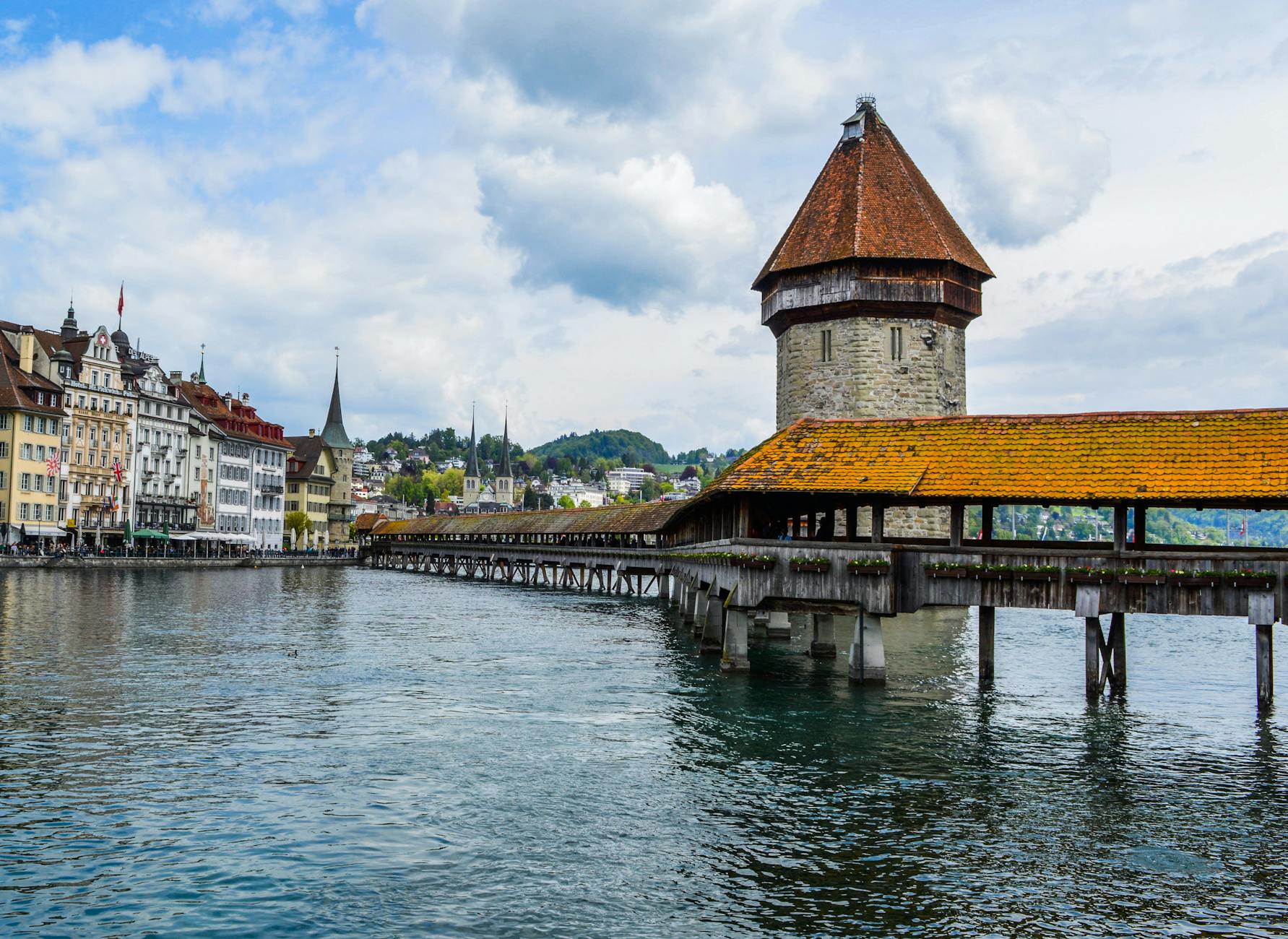
Lucerne's classic central route can be adapted, but it should be tested in manageable pieces. The traveler can start with the station, lakefront, riverfront, Chapel Bridge area, and a nearby cafe or hotel return. If that works well, the plan can add Old Town lanes, churches, the Lion Monument area, a boat ride, or a museum.
A good first loop proves what the rest of the trip can support.
- Begin with short station, lakefront, riverfront, and hotel loops before committing to longer Old Town or excursion plans.
- Identify benches, cafes, hotel lobbies, restrooms, taxi stands, museums, and sheltered pauses along the route.
- Use daylight for the first route test so surfaces, crowds, and crossings are easier to judge.
Check bridges, surfaces, and crowds
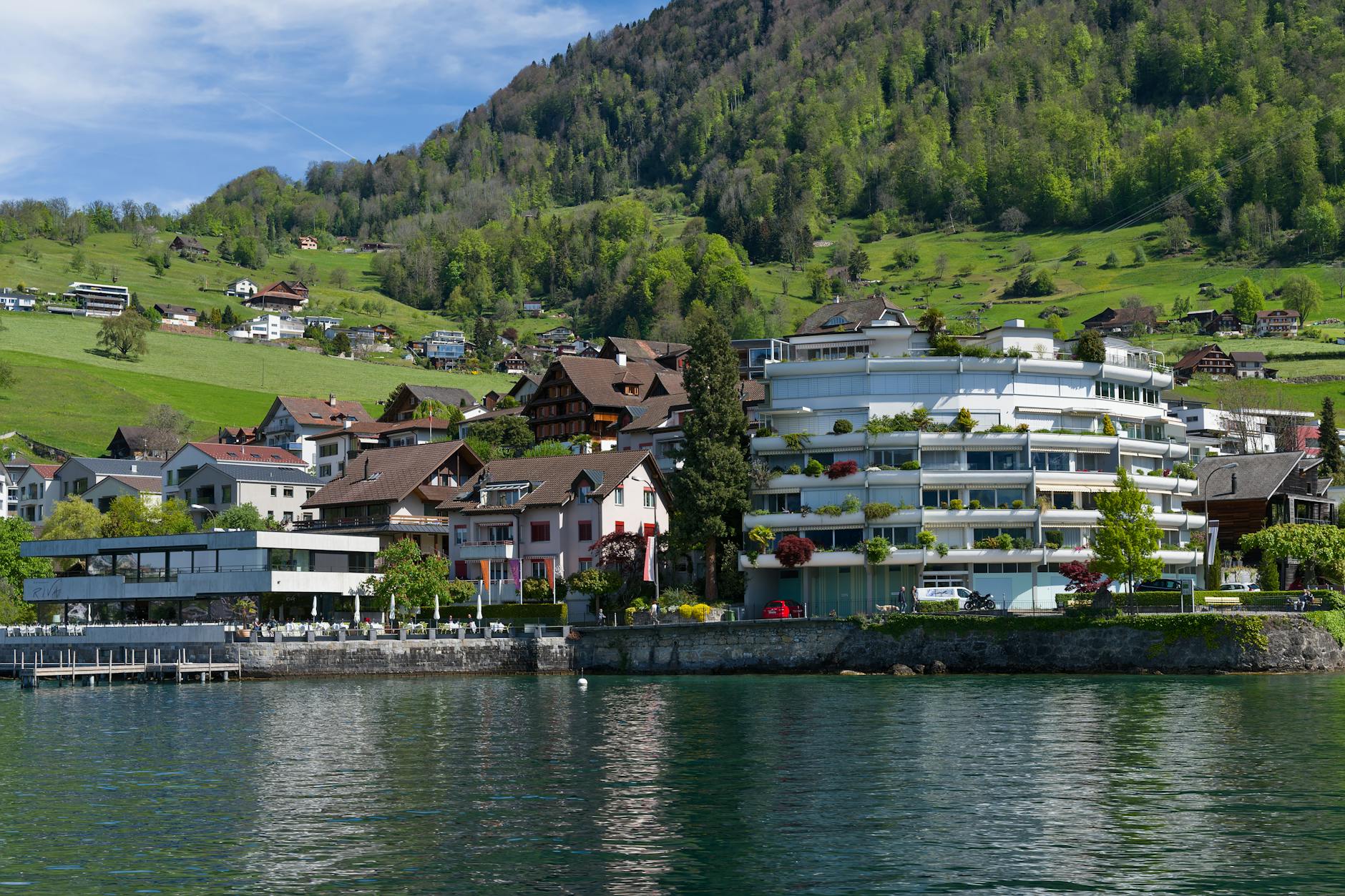
Chapel Bridge, riverside paths, Old Town lanes, and lakefront promenades each create different mobility questions. Wood surfaces, cobbles, narrow passages, tour groups, wet weather, slopes, and photo crowds can affect balance and equipment. The traveler should decide which famous sights are worth entering and which can be enjoyed from nearby viewpoints.
Access sometimes means choosing the best angle, not forcing the hardest one.
- Check bridge surfaces, Old Town cobblestones, narrow lanes, curb cuts, slopes, and crowd pinch points before relying on them.
- Use quieter times for major sights when equipment, balance, or companion support requires more space.
- Have a nearby alternative viewpoint for any landmark that is too crowded, wet, uneven, or tiring.
Be selective with boats and mountains
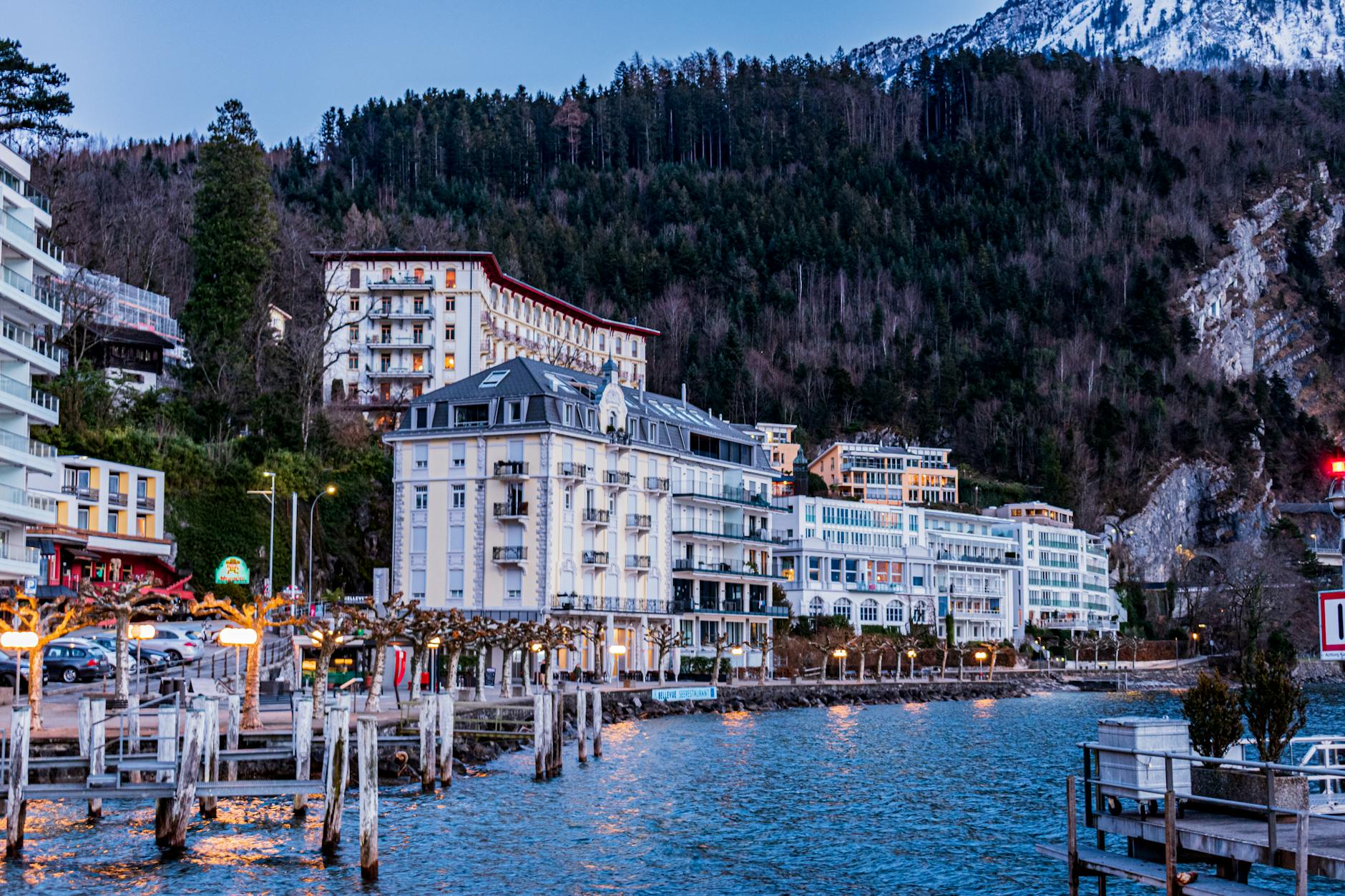
Boats, lake villages, Mount Rigi, Mount Pilatus, and viewpoints may be possible, but they need exact access checks. Boarding gaps, ramps, staff assistance, toilets, seating, transfers, cable cars, rail changes, altitude, cold, and last return times should be understood before the traveler commits. A shorter lake ride may be better than a long excursion with too many unknowns.
The scenic plan should reduce uncertainty, not add it.
- Check boat boarding, ramps, staff assistance, toilets, seating, transfers, and return times before buying tickets.
- Review mountain route accessibility, cable car access, rail changes, weather, altitude, and temperature before committing.
- Choose the shortest scenic option that delivers the experience without exhausting the traveler before the return.
Use weather and rest as access tools
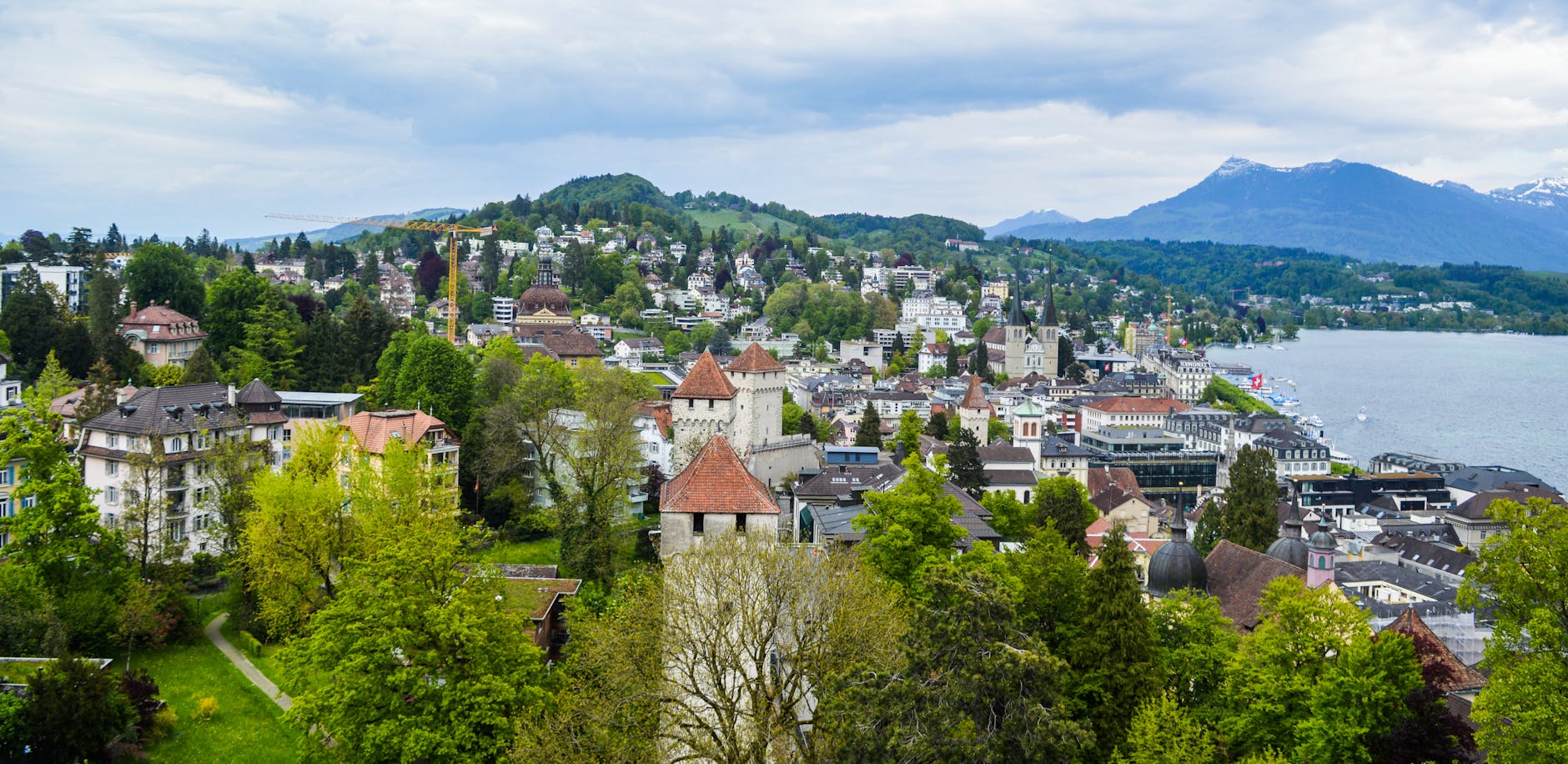
Rain, heat, cold, wind, snow, fog, and wet surfaces can quickly change what is realistic. A traveler with mobility limitations should use the forecast to choose route length, equipment, clothing, transport, and indoor pauses. The plan should include food, water, restroom timing, medication, device charging, and a quiet return option before fatigue becomes the main decision-maker.
Rest points are infrastructure for the trip.
- Check weather before each movement and adjust route length, clothing, equipment, and transport accordingly.
- Plan meals, hydration, restrooms, medication, charging, and indoor pauses along the actual route.
- Keep taxi or hotel support available for rain, fatigue, pain, equipment issues, or late returns.
When to order a short-term travel report
A traveler with mild limitations, a known central hotel, and flexible plans may not need a custom report. A report becomes useful when step-free routes, accessible room details, boat boarding, mountain access, taxi planning, companion support, weather, or fatigue management need to be checked before arrival.
The report should test the station arrival, hotel access, central loops, bridge and surface choices, rest points, dining, lake and mountain options, weather backup, and departure timing. The value is a Lucerne stay that keeps the scenery available without pretending mobility details are minor.
- Order when hotel access, surfaces, bridges, boats, mountain routes, taxis, rest breaks, or weather need exact planning.
- Provide dates, arrival time, hotel candidates, equipment details, walking range, support needs, and must-see priorities.
- Use the report to make Lucerne scenic, realistic, and respectful of the traveler's mobility from the first movement.