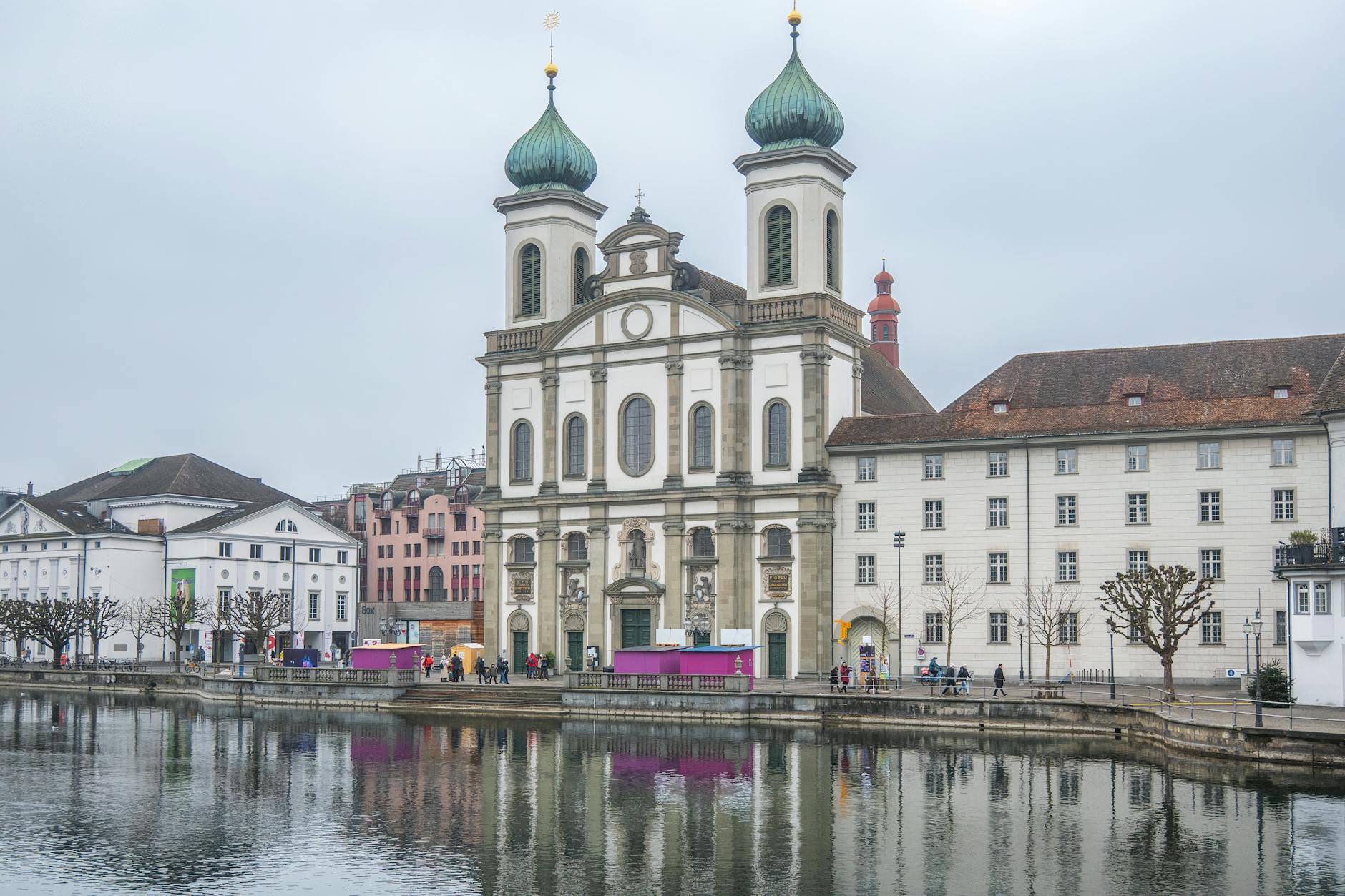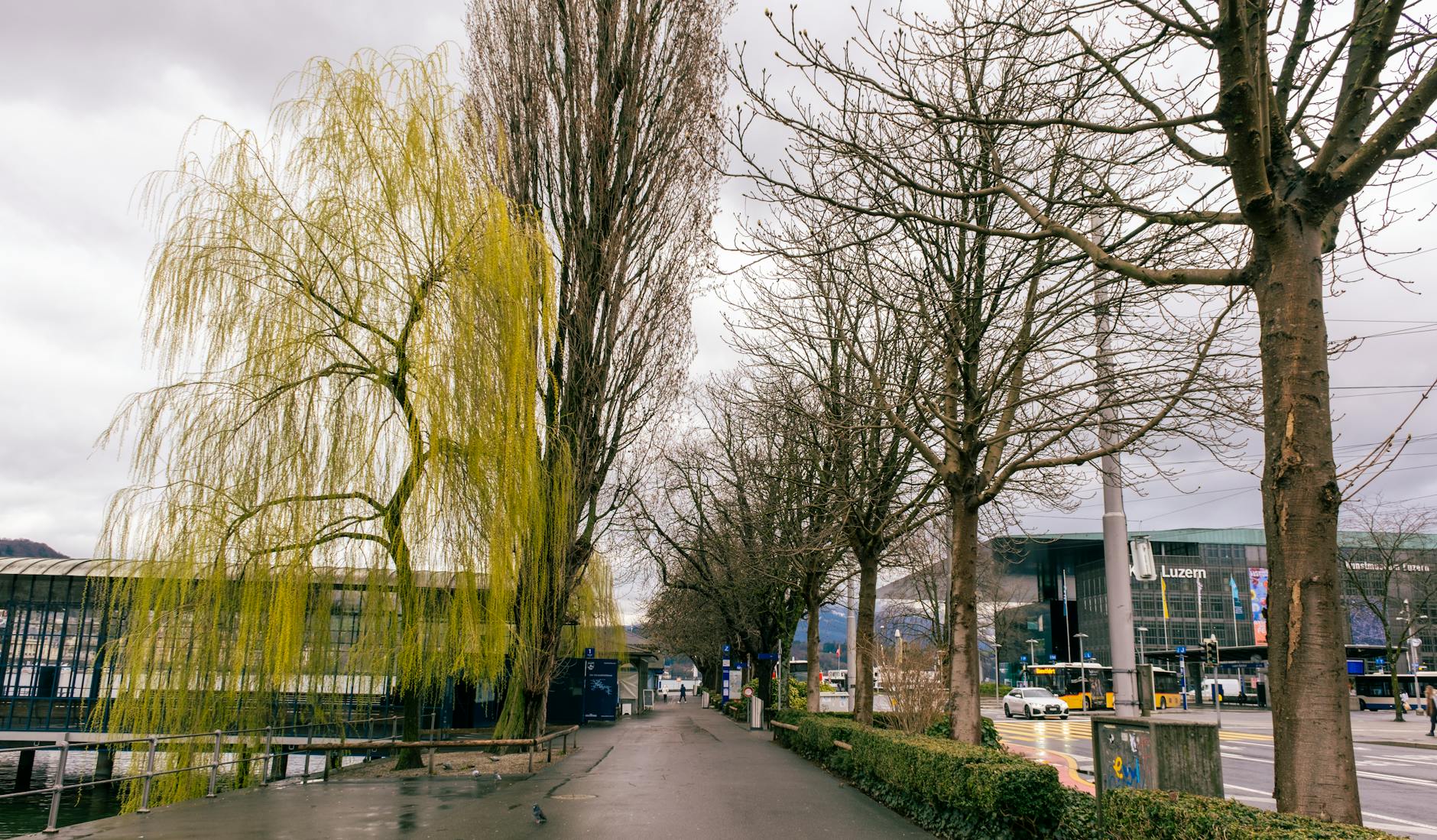
Lucerne can be manageable for a traveler with medical constraints because many core sights sit close to the station, lakefront, and Old Town. The compact map should not hide the practical work. A short stay needs careful attention to arrival timing, medication storage, hotel access, fatigue, food timing, pharmacy options, insurance details, weather, boat or mountain choices, and a plan for when the body needs a quieter day.
Start with the medical travel basics
A traveler with medical constraints should bring the trip back to basics before adding sightseeing. Medication, prescriptions, insurance, emergency contacts, food timing, sleep needs, device charging, and written health information should be organized before arrival. Swiss systems are strong, but a short stay can still become hard if the essentials are buried in luggage or scattered across apps.
The medical plan should be boring because it is ready.
- Carry medication, prescriptions, insurance details, doctor contacts, and essential devices in hand luggage.
- Keep a concise written summary of important conditions, allergies, medications, and emergency contacts.
- Check storage needs for medicine, device charging, refrigeration, and time-zone dosing before departure.
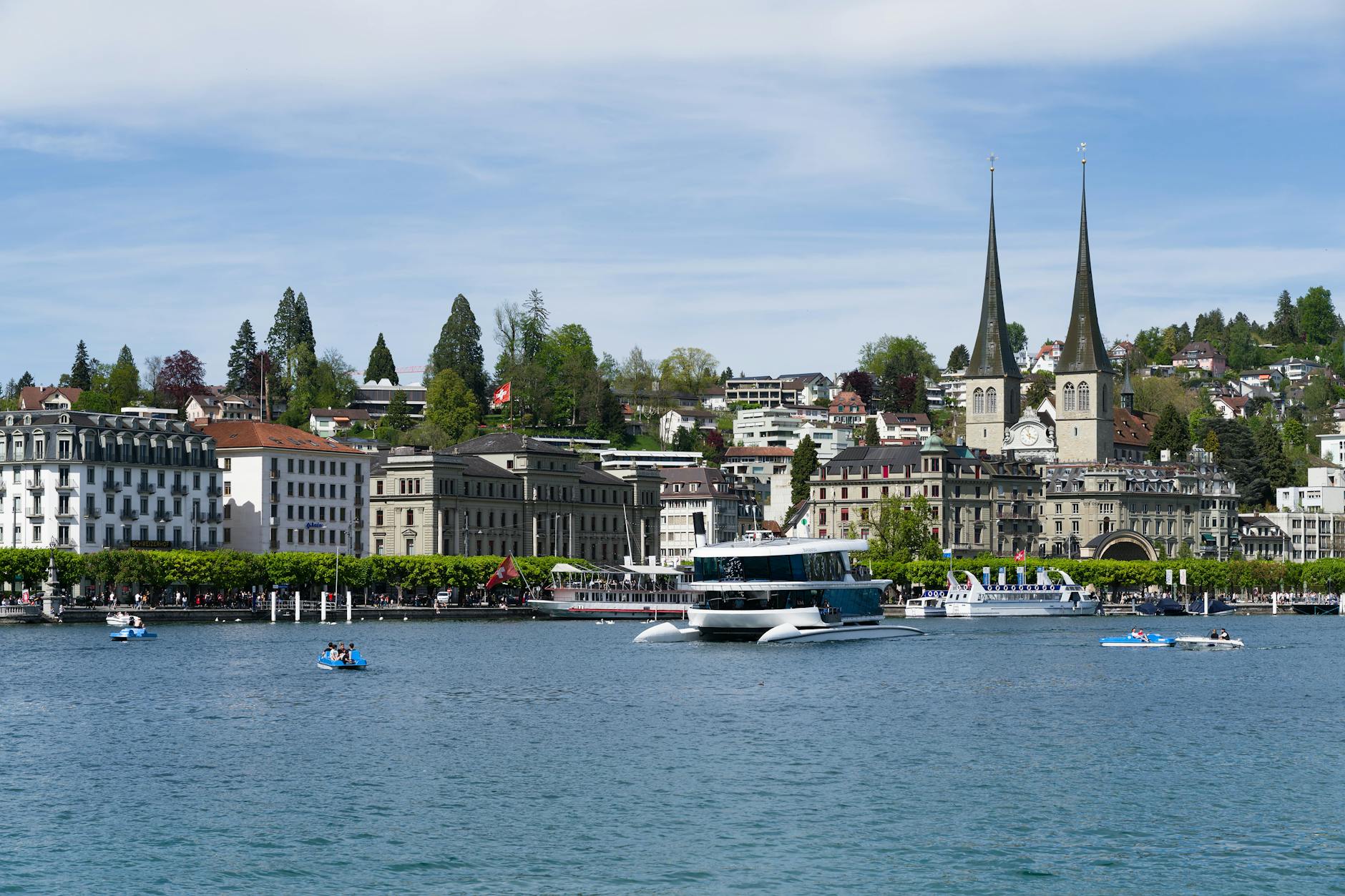
Choose the hotel for access and recovery
Hotel choice matters more when medical needs shape the day. The traveler should confirm elevators, room access, shower setup, climate control, quiet rooms, pharmacy proximity, breakfast timing, and whether the hotel can support early check-in or luggage storage. A scenic hotel that is awkward with stairs, heat, or long walks may not be a good medical fit.
Recovery time is part of the itinerary.
- Confirm elevator access, room distance, shower type, heating or cooling, quietness, and late-arrival support.
- Check nearby pharmacies, supermarkets, casual meals, taxis, and routes back from the lakefront or Old Town.
- Choose a closer hotel when fatigue, pain, breathing, balance, or medication timing makes extra walking costly.

Build short routes with fallback points
Lucerne is compact, but medical constraints can make cobblestones, bridge surfaces, slopes, crowds, cold, heat, and standing time more consequential. The traveler should build routes around short segments and known pauses. A bench, cafe, museum, church, hotel lobby, or taxi stand can make the difference between a good day and a forced return.
The route should have planned exits.
- Break Chapel Bridge, Old Town, Reuss, and lakefront walks into short loops with rest points.
- Identify cafes, restrooms, hotel lobbies, pharmacies, taxi access, and indoor pauses before symptoms escalate.
- Avoid committing to long walks across wet surfaces, steep streets, or crowded areas without a return option.
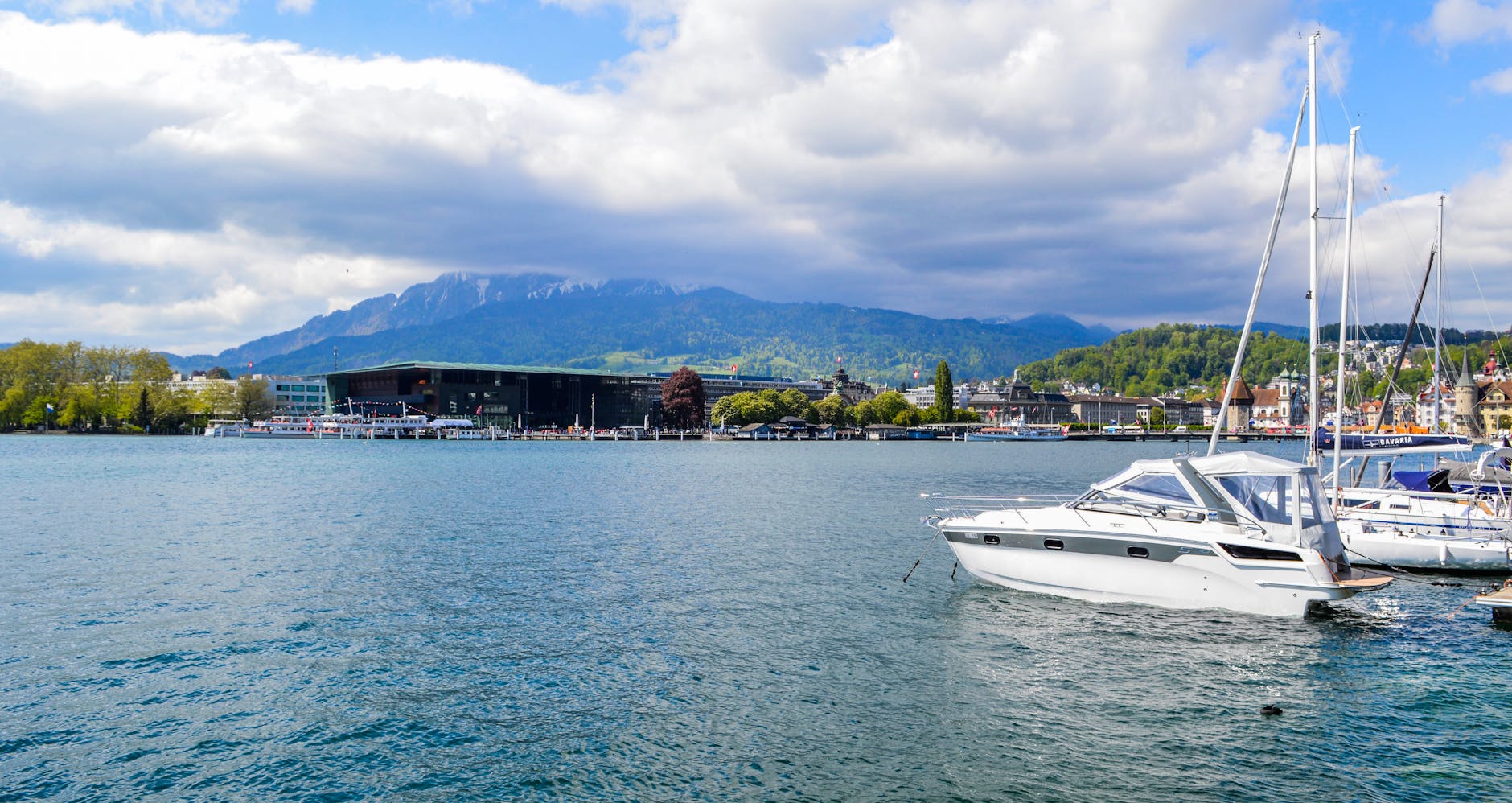
Use weather as a medical factor
Lucerne's weather can affect pain, breathing, fatigue, balance, hydration, medication timing, and temperature regulation. Rain can make surfaces slick. Heat can make a short walk harder. Fog can weaken mountain plans and make the effort less worthwhile. The traveler should use weather as a health input, not only as a sightseeing detail.
Weather can decide the safe size of the day.
- Check rain, snow, heat, cold, wind, fog, and mountain visibility before committing to outdoor plans.
- Carry layers, water, snacks, sun protection, and any symptom-management items needed during the day.
- Keep indoor alternatives ready for days when symptoms or weather make the original plan too demanding.
Choose lake and mountain plans carefully
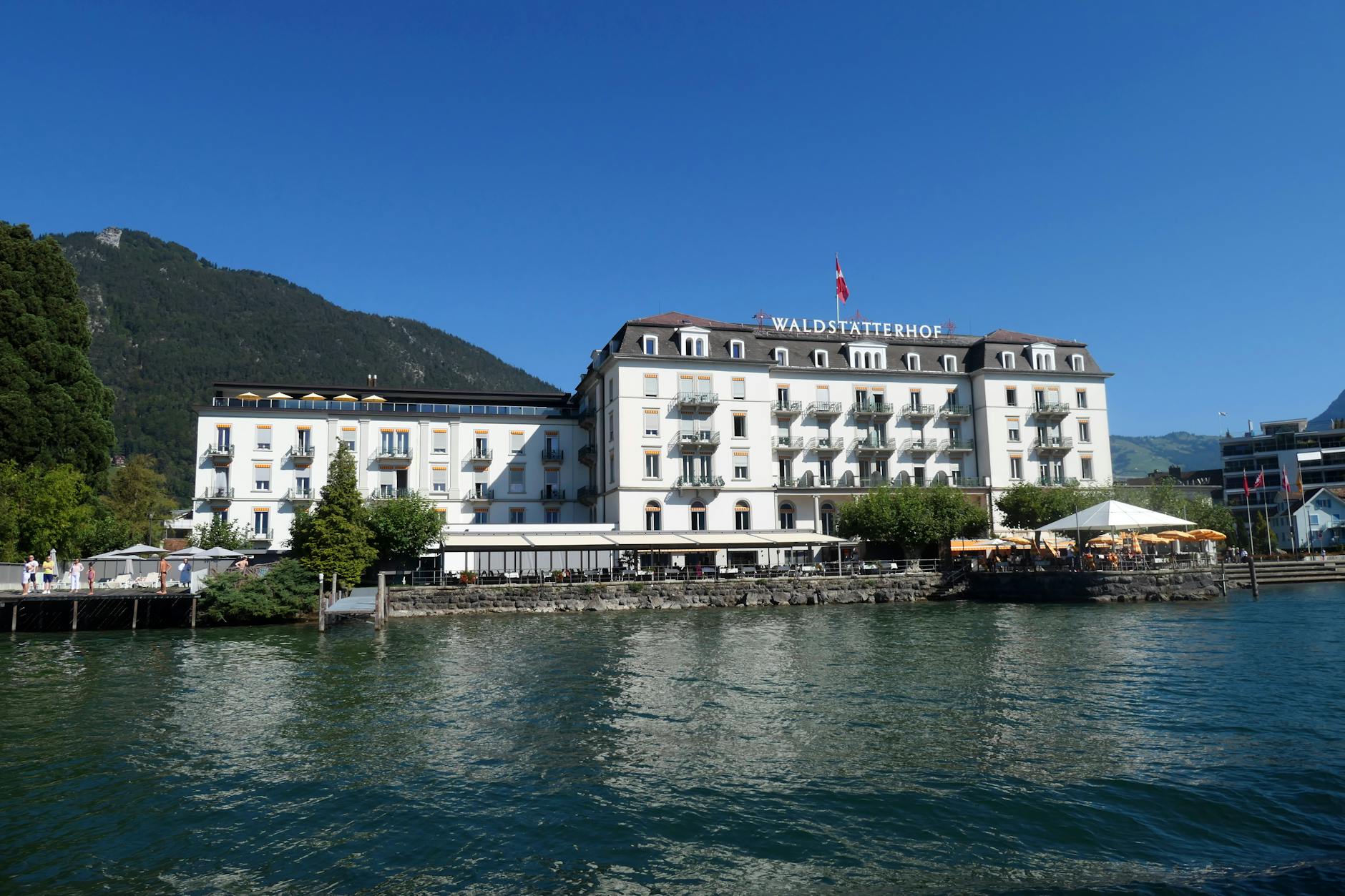
Boats, Mount Rigi, Mount Pilatus, and nearby villages can be possible with medical constraints, but the details matter. Boarding steps, rail changes, cable cars, altitude, cold, bathrooms, seating, return timing, and medical supplies should be checked before the excursion becomes difficult. A shorter lake ride may be smarter than a full mountain day.
Scenic value should never depend on pushing past symptoms.
- Review boarding, transfers, seating, restrooms, walking distance, temperature, and return timing before booking excursions.
- Avoid long mountain plans if altitude, cold, visibility, fatigue, or medication timing makes the day uncertain.
- Use private transport or shorter routes when they protect health and still deliver the main Lucerne experience.
Plan meals, hydration, and pharmacy access
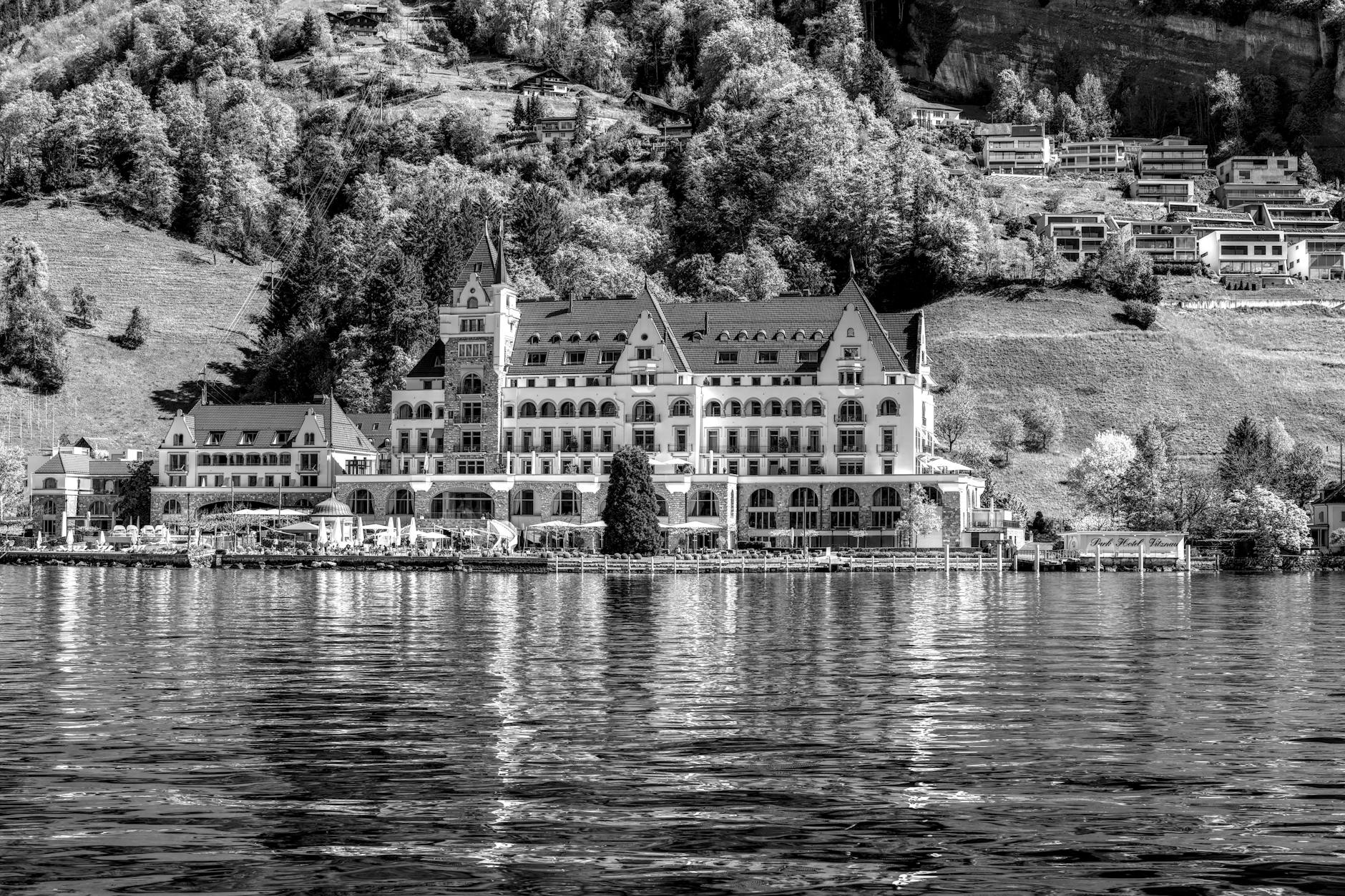
Medical constraints often make meal timing and hydration part of the travel plan. Lucerne's restaurants and cafes can work well, but the traveler should know where simple meals, groceries, pharmacies, and hotel dining are before hunger or symptoms become urgent. Food access is especially important around boats, mountain transport, and late arrivals.
The easiest meal is sometimes the safest one.
- Mark pharmacies, grocery options, casual restaurants, hotel dining, and reliable cafes near the hotel and planned route.
- Carry snacks, water, and any required medical supplies when using boats, trains, or mountain transport.
- Check restaurant hours and dietary fit before relying on a scenic or remote meal plan.
When to order a short-term travel report
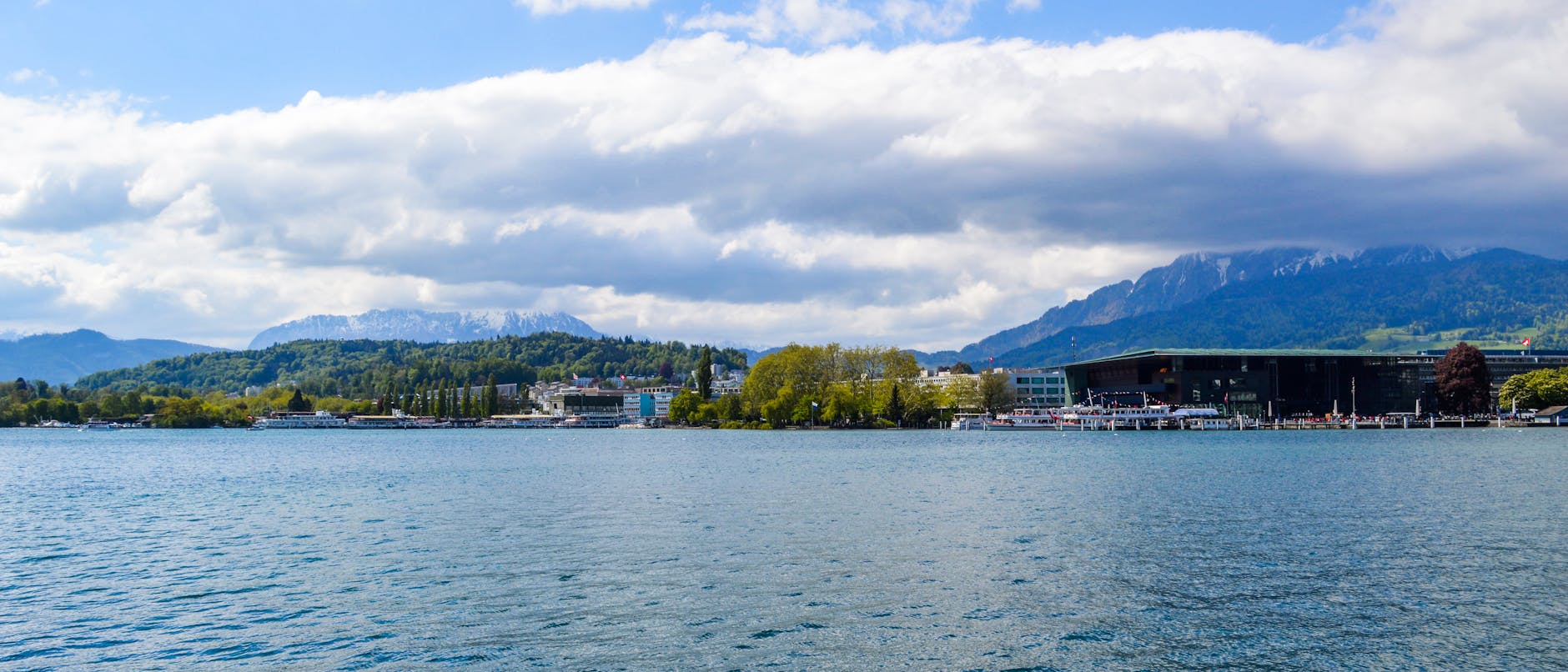
A traveler with stable routines and a central Lucerne hotel may not need a custom report. A report becomes useful when the trip includes late arrival, important medication timing, mobility limits, dietary constraints, winter weather, lake or mountain excursions, senior companions, or uncertainty about how much walking is realistic.
The report should test arrival route, hotel access, pharmacies, meal timing, walking loops, rest points, weather, lake and mountain options, costs, and departure logistics. The value is a Lucerne stay that stays scenic while respecting medical limits from the start.
- Order when medication, hotel access, walking limits, food timing, pharmacies, weather, or excursions need careful sequencing.
- Provide dates, arrival times, hotel candidates, mobility notes, medical routines, dietary needs, and must-see priorities.
- Use the report to make Lucerne comfortable, flexible, and realistic for the traveler's health context.