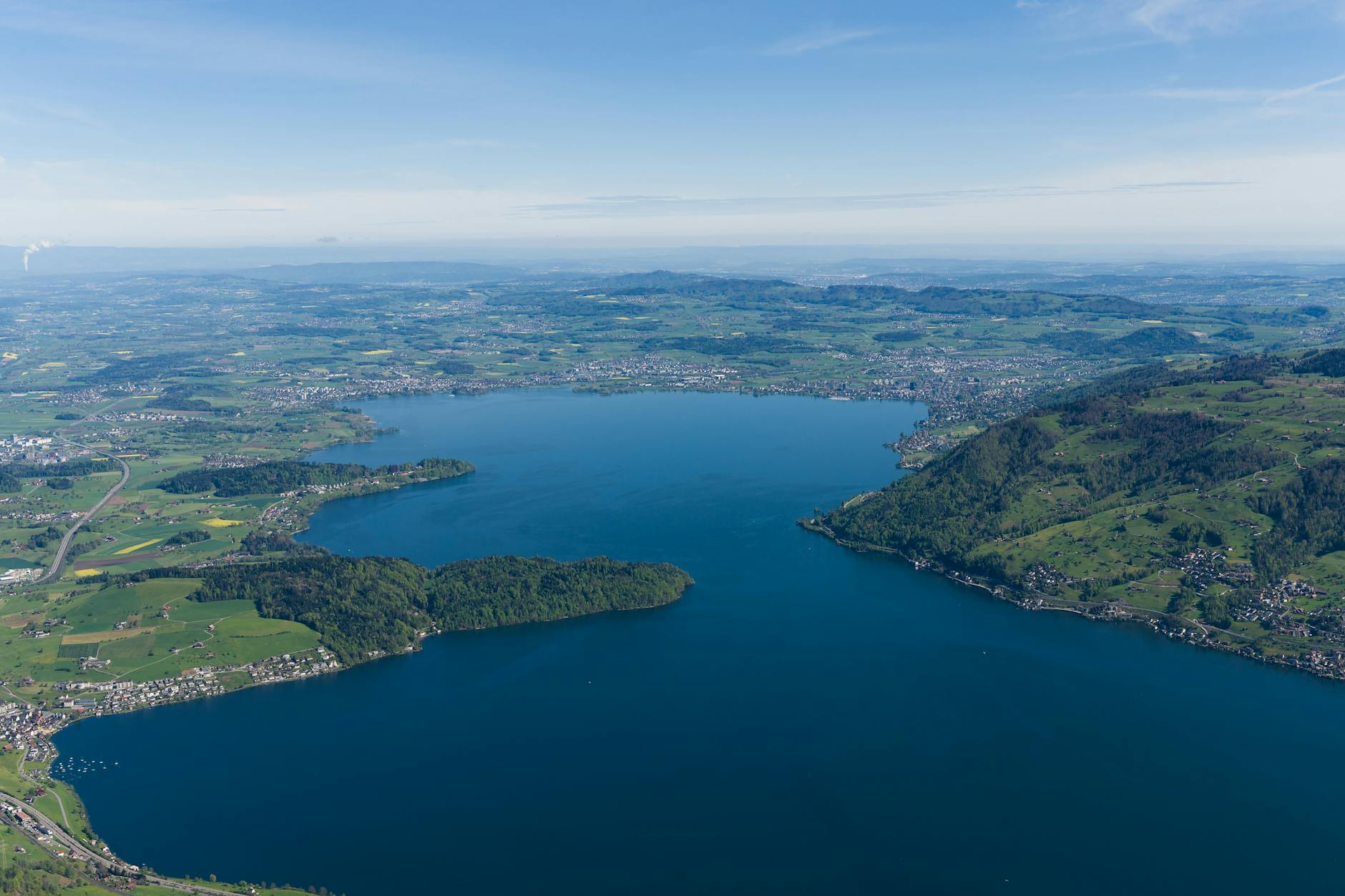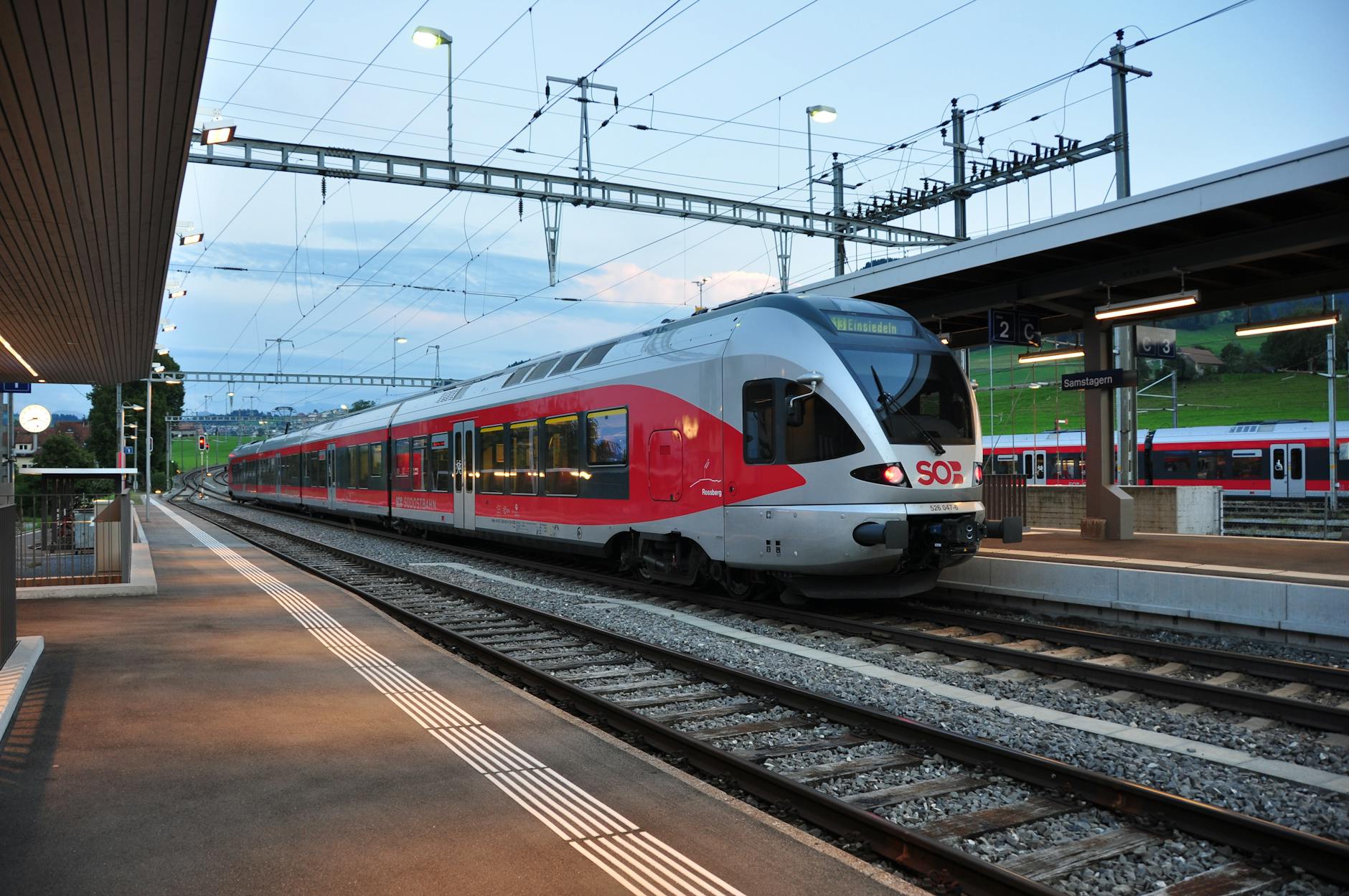
Lucerne can be an excellent short stopover because the rail station, lakefront, Chapel Bridge, old town, and boat piers sit close together. That convenience can be misleading. A transit traveler still needs exact arrival and departure timing, luggage storage, route discipline, meal planning, weather judgment, and a clear decision about what to skip if the inbound train or flight is late.
Start with the onward departure
A Lucerne stopover should be built backward from the onward train, airport connection, tour pickup, or hotel check-in that cannot be missed. The city center is compact, but a traveler with a short window should not start walking before knowing the latest safe time to return to the station or pickup point.
The exit controls the stopover.
- Confirm the onward departure time, platform or pickup point, ticket flexibility, and last safe return time.
- Keep a written fallback if the inbound flight, train, or baggage claim runs late.
- Avoid committing to lake boats or mountain routes unless the total round trip fits the onward departure margin.
Handle luggage before sightseeing
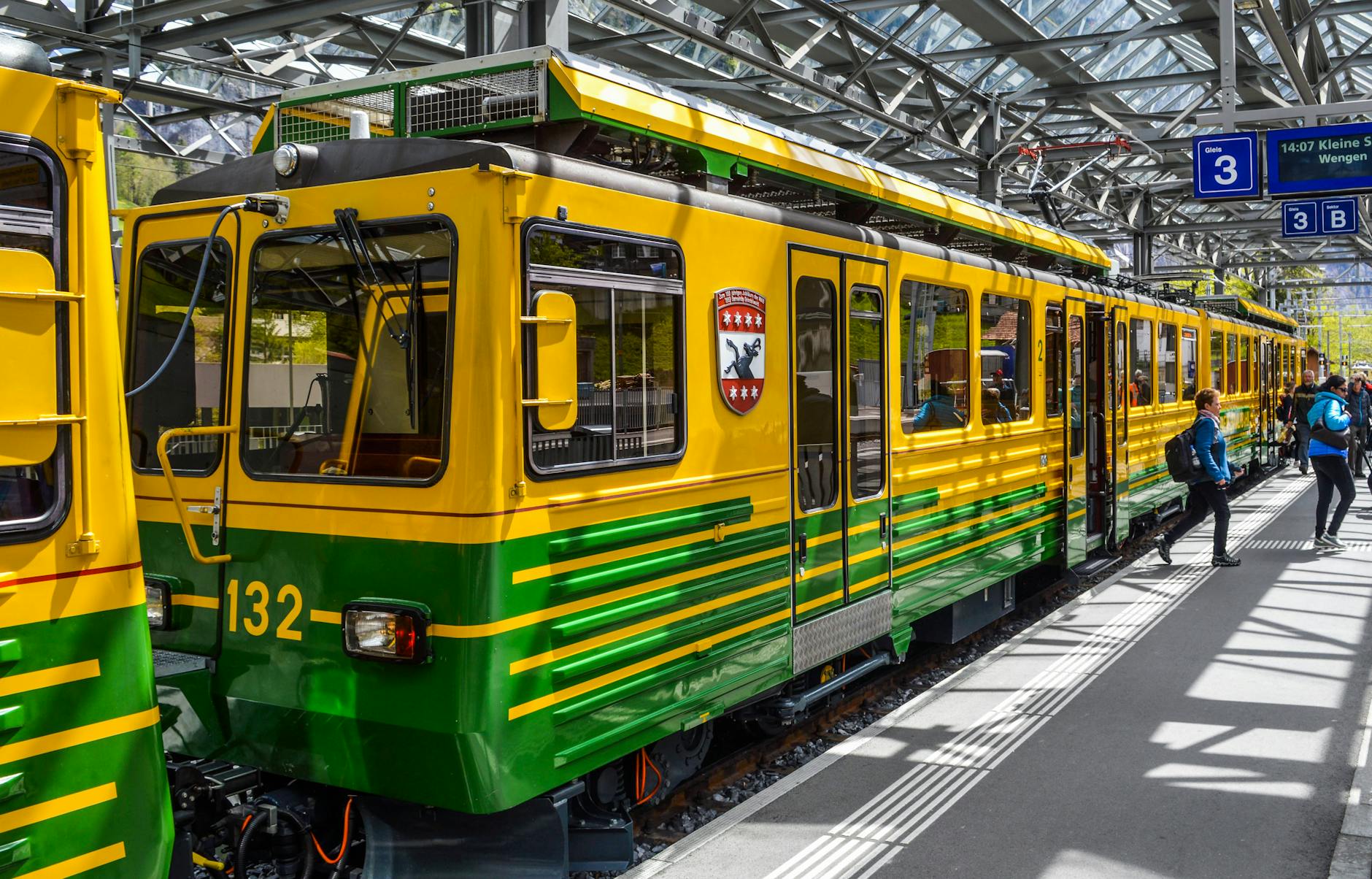
Luggage can decide whether a Lucerne stopover is pleasant or exhausting. A traveler should confirm lockers, hotel storage, bag transfer, or coach storage before building a walking loop. Rolling bags over old-town paving, bridges, and crowded lakefront paths can quickly waste the advantage of a short central visit.
The stopover begins after the bags are solved.
- Check station lockers, hotel bag drop, transfer service, coach storage, or whether luggage must stay with the traveler.
- Keep passport, medicine, charger, valuables, and onward tickets in a small personal bag.
- Shorten the route if bags, weather, or crowds make walking slower than expected.
Use a compact old-town loop
For many stopover travelers, the strongest Lucerne plan is simple: station, lakefront, Chapel Bridge, old town, Reuss River, a short meal or coffee, and back. That loop gives a clear sense of place without depending on complex transport or perfect weather. The traveler should choose depth over distance.
A good stopover is not a race across the city.
- Build a walk that returns naturally to the station or pickup point without crossing the city twice.
- Allow time for photos, crowds, restrooms, coffee, and buying food for the next leg.
- Keep the loop central when the stopover is under four hours or the traveler is carrying bags.
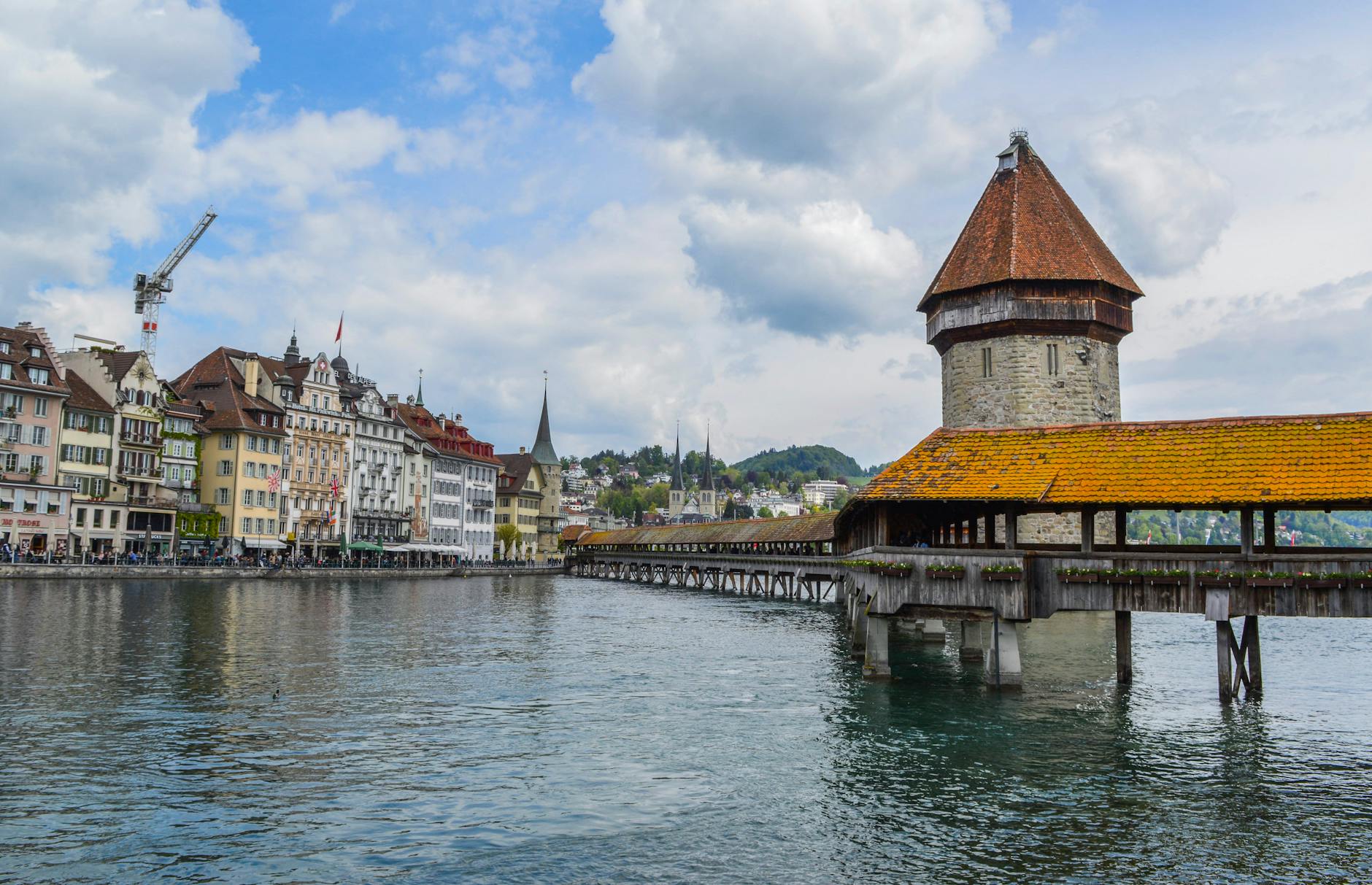
Be cautious with lake and mountain add-ons
A lake boat or mountain viewpoint may look possible during a long stopover, but the real test is total time from station to activity and back. Ticket queues, weather, transfer waits, boat schedules, and fatigue can shrink the window quickly. A missed onward connection is rarely worth one extra viewpoint.
Optional transport should stay optional.
- Check full round-trip timing, first and last departures, weather, visibility, and ticket rules before leaving the center.
- Use a short lakefront section rather than a boat ride when the onward margin is thin.
- Cancel the add-on early if inbound delay, luggage, or weather makes the plan too tight.
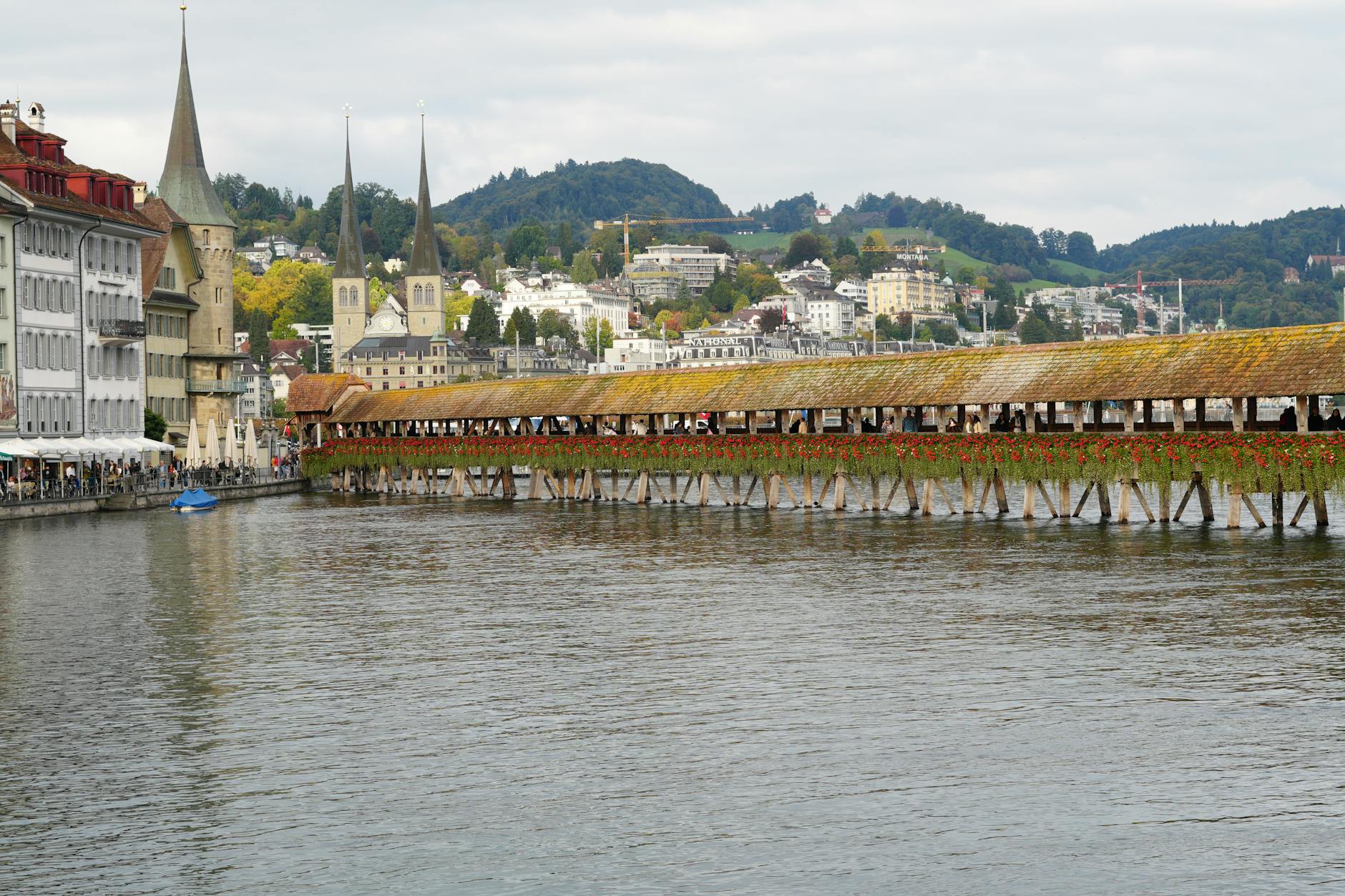
Use food as part of the timing plan
A stopover traveler may need a proper meal, quick coffee, bakery stop, groceries, or food for the next train. Lucerne can support all of those, but searching at random can burn time. Meal planning should fit the departure margin, luggage plan, and whether the traveler needs to sit down or simply refuel.
Food is logistics during a short stop.
- Choose between sit-down meal, cafe, bakery, supermarket, or station food before leaving the arrival area.
- Reserve or avoid full-service meals if the onward departure is close.
- Buy water and snacks for the next leg before returning to the platform or pickup point.
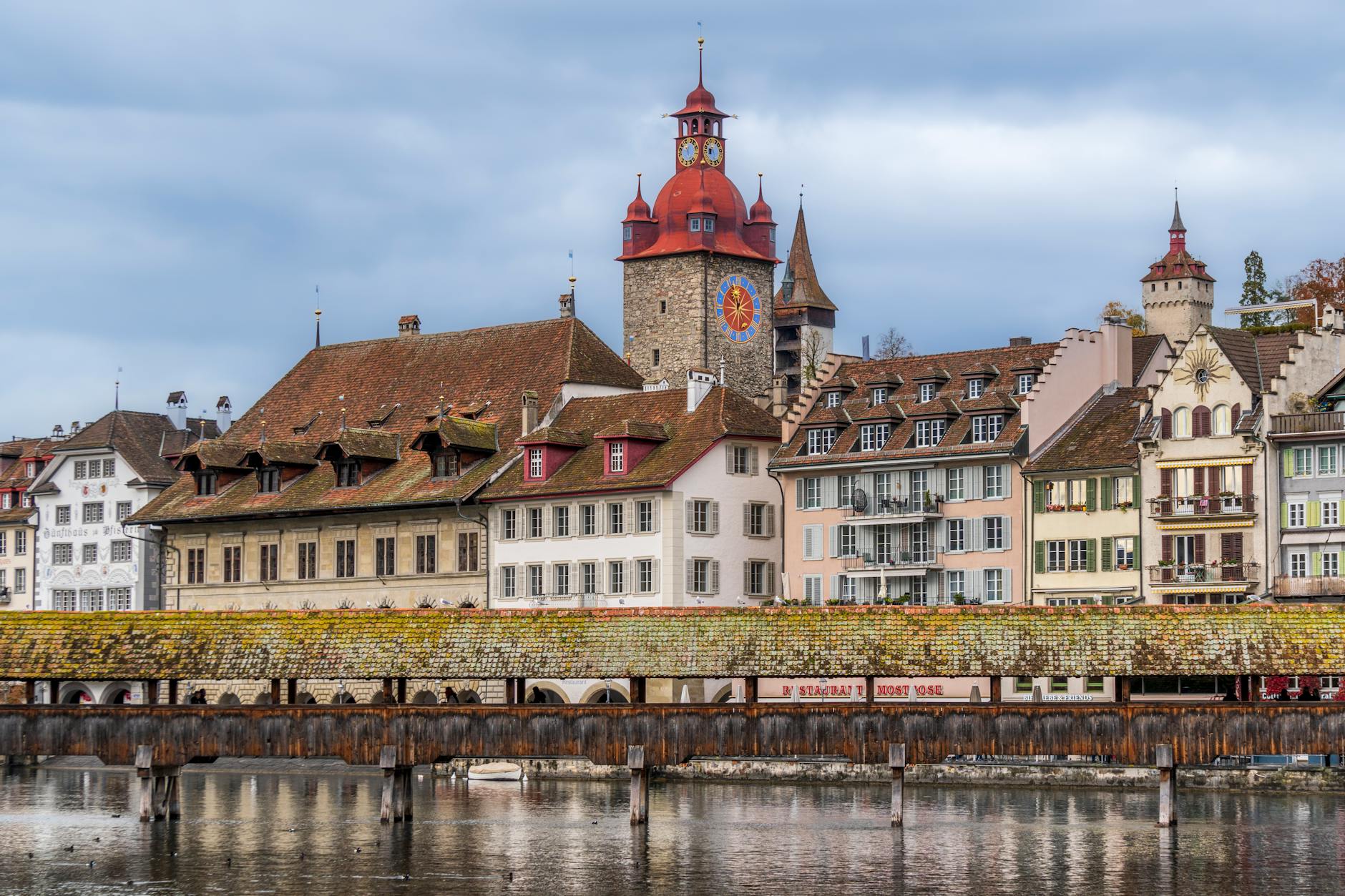
Plan for weather and fatigue
A Lucerne stopover can happen after a long flight, an early train, or several days of travel. Rain, cold, heat, low visibility, or simple fatigue can make the planned walk less appealing. A traveler should keep an indoor or low-effort option ready rather than forcing a route that no longer fits.
The best stopover is the one the traveler can actually enjoy.
- Check weather before leaving the station and carry a layer or rain shell in the day bag.
- Use a cafe, museum, short lakefront view, or station-adjacent plan when energy is low.
- Do not let a stopover compromise the next flight, meeting, hotel check-in, or longer rail leg.
When to order a short-term travel report
A traveler with a long layover, no bags, and flexible onward timing may not need a custom report. A report becomes useful when the stopover involves Zurich Airport timing, luggage uncertainty, older companions, children, mobility limits, a tight train, a desired lake add-on, or a need to decide whether Lucerne is worth leaving the rail route for.
The report should test inbound timing, luggage options, station loop, food, weather, lake add-ons, costs, rest needs, and onward departure buffers. The value is a Lucerne stopover that feels intentional without endangering the next leg.
- Order when airport rail timing, luggage, mobility, lake options, meals, or onward departure buffers need exact planning.
- Provide arrival time, departure time, ticket type, luggage situation, party profile, must-see priorities, and backup tolerance.
- Use the report to decide what to do, what to skip, and when to return to the station.