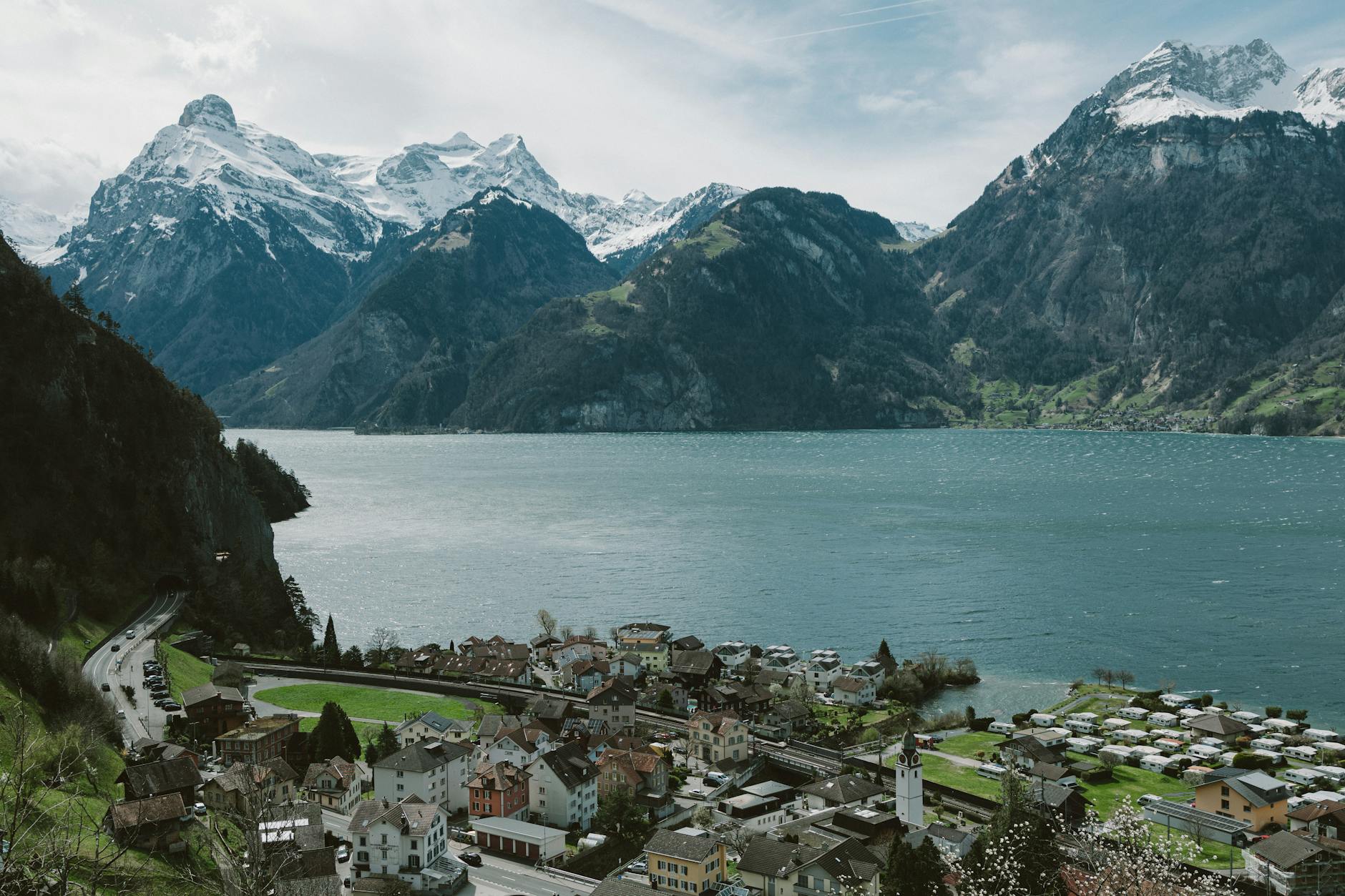
Lucerne can be an excellent setting for a short academic, language, cultural, or professional program because the city is compact, scenic, and easy to connect by Swiss rail. A student still needs a practical plan. The stay should respect program rules, arrival timing, lodging access, meal costs, local transport, class hours, group expectations, phone access, and the temptation to turn every free afternoon into an expensive excursion.
Start with the program rules
A student on a short program should understand the program structure before building a personal Lucerne plan. Class location, attendance rules, curfew, group activities, insurance, emergency contacts, housing rules, transport support, and weekend expectations may all limit what the student can do independently.
The program is the frame for the trip.
- Confirm class location, housing address, schedule, attendance rules, curfew, group activities, and emergency contacts.
- Understand what the program provides for insurance, transport, meals, local orientation, and after-hours support.
- Do not book side trips before checking program obligations and return-time requirements.
Make arrival boring and reliable
Lucerne is usually reached by train, often after a flight into Zurich Airport. A student should know the exact rail route, ticket type, phone plan, meeting point, luggage plan, and backup contact before leaving the airport or previous city. The first day is not the time to improvise with a low battery and unclear directions.
A simple arrival lowers stress for everyone.
- Save rail tickets, housing address, program contact, offline maps, and emergency numbers before departure.
- Build time for baggage, immigration, rail platforms, ticket questions, food, and a missed connection.
- Keep passport, payment card, charger, medication, and one change of clothing in carry-on luggage.

Choose lodging by routine, not just price
Student housing, hostels, budget hotels, homestays, and shared apartments each create different routines. The student should check distance to class, breakfast access, kitchen rules, laundry, quiet hours, lockers, late entry, roommate expectations, and the route back after evening group activities. The cheapest bed can become difficult if it weakens class attendance or sleep.
Housing should make the program easier to complete.
- Compare lodging by class route, meal access, quiet hours, storage, laundry, late entry, and supervision needs.
- Check whether the student can walk the route safely in daylight and after evening activities.
- Use central lodging when a short program leaves little room for long commutes or repeated transfers.

Build a realistic Swiss student budget
Lucerne can surprise students with the cost of meals, coffee, transport, laundry, snacks, activities, and weekend plans. A short program budget should separate required expenses, daily food, emergency money, and one or two experiences that are worth paying for. Budgeting should happen before classmates start making plans in the moment.
A clear budget protects both independence and enjoyment.
- Estimate daily meals, transport, snacks, laundry, phone data, supplies, activities, and emergency funds before arrival.
- Use groceries, bakeries, student discounts, included meals, and simple picnics when they fit the schedule.
- Decide in advance which boat, museum, mountain, or group activity is worth the cost.

Use free time without weakening class days
Short programs often leave students with evenings, one free afternoon, or a weekend. Lucerne makes it tempting to add boats, mountains, nightlife, shopping, and nearby towns. The student should balance free time with homework, sleep, meals, group expectations, and return timing. A late scenic plan can make the next class worse.
Free time still needs a return plan.
- Match free-time plans to class schedule, homework, weather, daylight, budget, and group rules.
- Keep evening routes central and familiar before staying out late or splitting from the group.
- Share plans and return times with program staff, roommates, or trusted classmates when appropriate.
Treat lake and mountain trips as real logistics
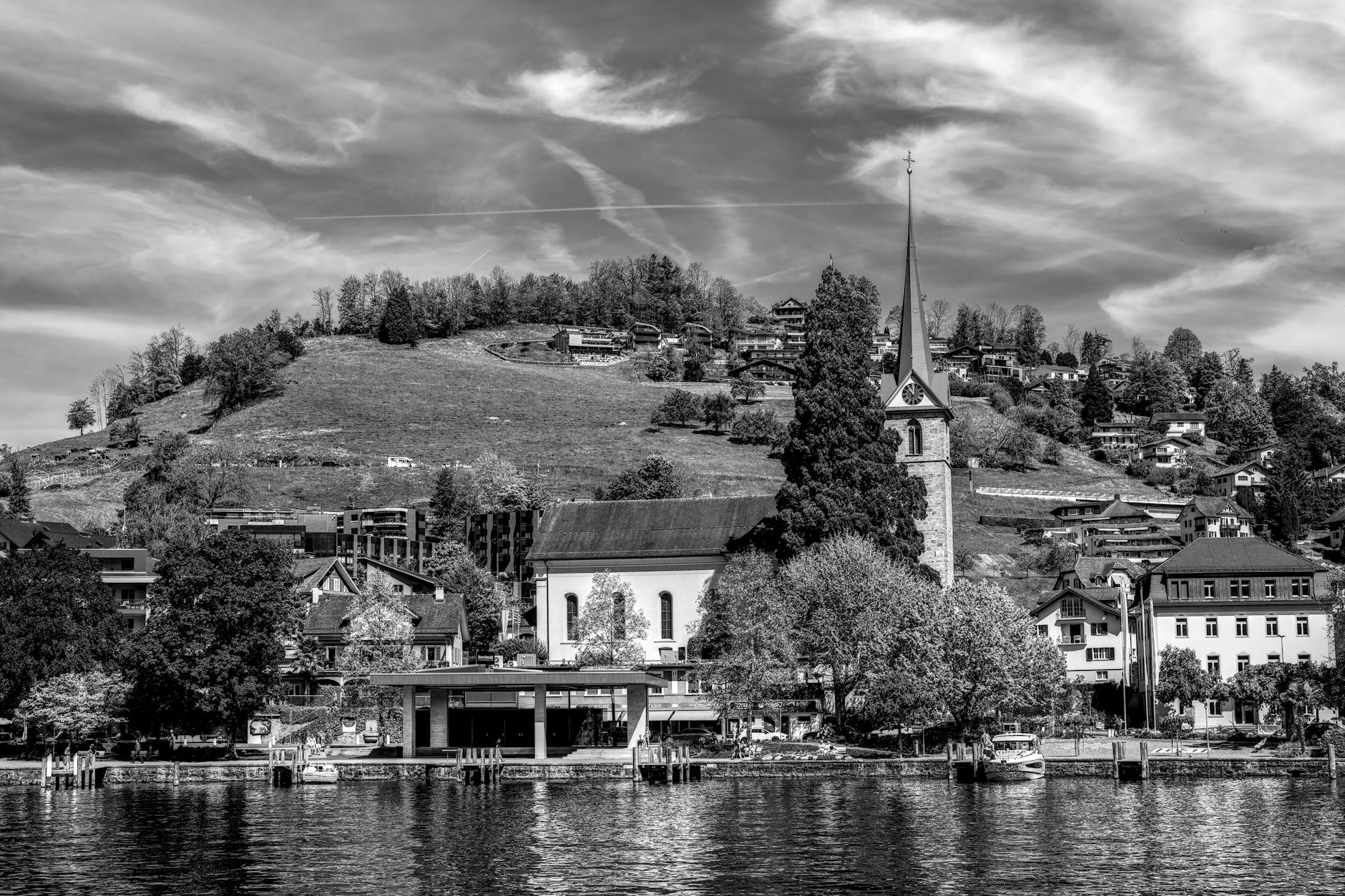
A student may want to use Lucerne as a base for a boat ride, Mount Rigi, Mount Pilatus, a village visit, or a weekend route. These can be excellent, but they require ticket checks, weather judgment, food planning, group coordination, and a clear return. A program trip is not the place to gamble with the last connection.
The best excursion is the one that returns cleanly.
- Check ticket cost, pass discounts, weather, visibility, food, walking demands, and last return time before leaving.
- Travel with classmates when the route is unfamiliar, long, expensive, or weather-sensitive.
- Keep a lower-cost central Lucerne plan ready if mountain visibility or timing does not work.
When to order a short-term travel report
A student whose program handles housing, arrival, meals, and activities may not need a custom report. A report becomes useful when the student is arriving independently, choosing housing, managing a tight budget, adding weekend travel, handling medical or mobility needs, or coordinating with parents, guardians, or program staff.
The report should test arrival route, housing location, class commute, meal plan, budget, phone access, free-time options, lake and mountain trips, safety routines, and departure timing. The value is a Lucerne student stay that feels independent without becoming improvised.
- Order when arrival, housing, budget, class routes, meals, excursions, phone access, or supervision questions need planning.
- Provide dates, program location, housing options, arrival details, budget, age or supervision context, and must-do activities.
- Use the report to make the short program workable, affordable, and easy to explain to everyone responsible.