Lucerne is a strong solo destination because it is compact, scenic, rail-connected, and easy to read on foot. It still deserves planning. A solo traveler has to manage luggage, hotel access, evening routes, meal choices, lake or mountain excursions, weather, costs, and the balance between independence and overexposure to fatigue. The goal is a trip that feels free because the basic logistics are already settled.
Make arrival simple and reversible
A solo traveler usually has more freedom, but also fewer backup hands when luggage, fatigue, weather, or a missed train creates friction. Lucerne station is central, so the hotel should be chosen to keep arrival manageable. The first route should be easy to reverse if rain, darkness, or tiredness changes the plan.
Solo ease begins with a low-friction base.
- Choose a hotel that is easy from Lucerne station with luggage, late arrival, and poor weather.
- Keep arrival-day sightseeing close to the station, lakefront, Chapel Bridge, and hotel.
- Carry offline maps, hotel details, rail tickets, charger, medication, and a simple return route.
Use compact routes to stay confident
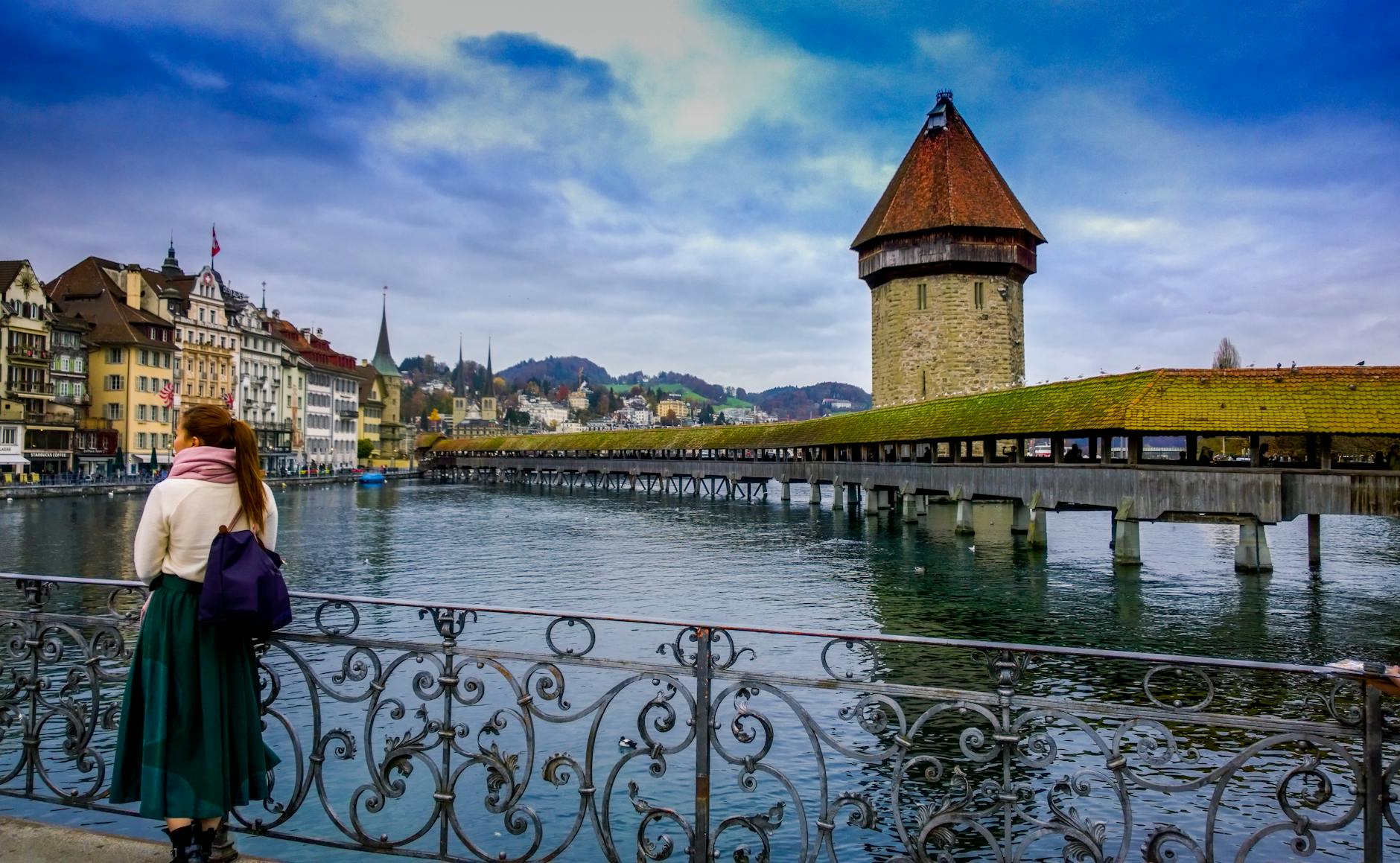
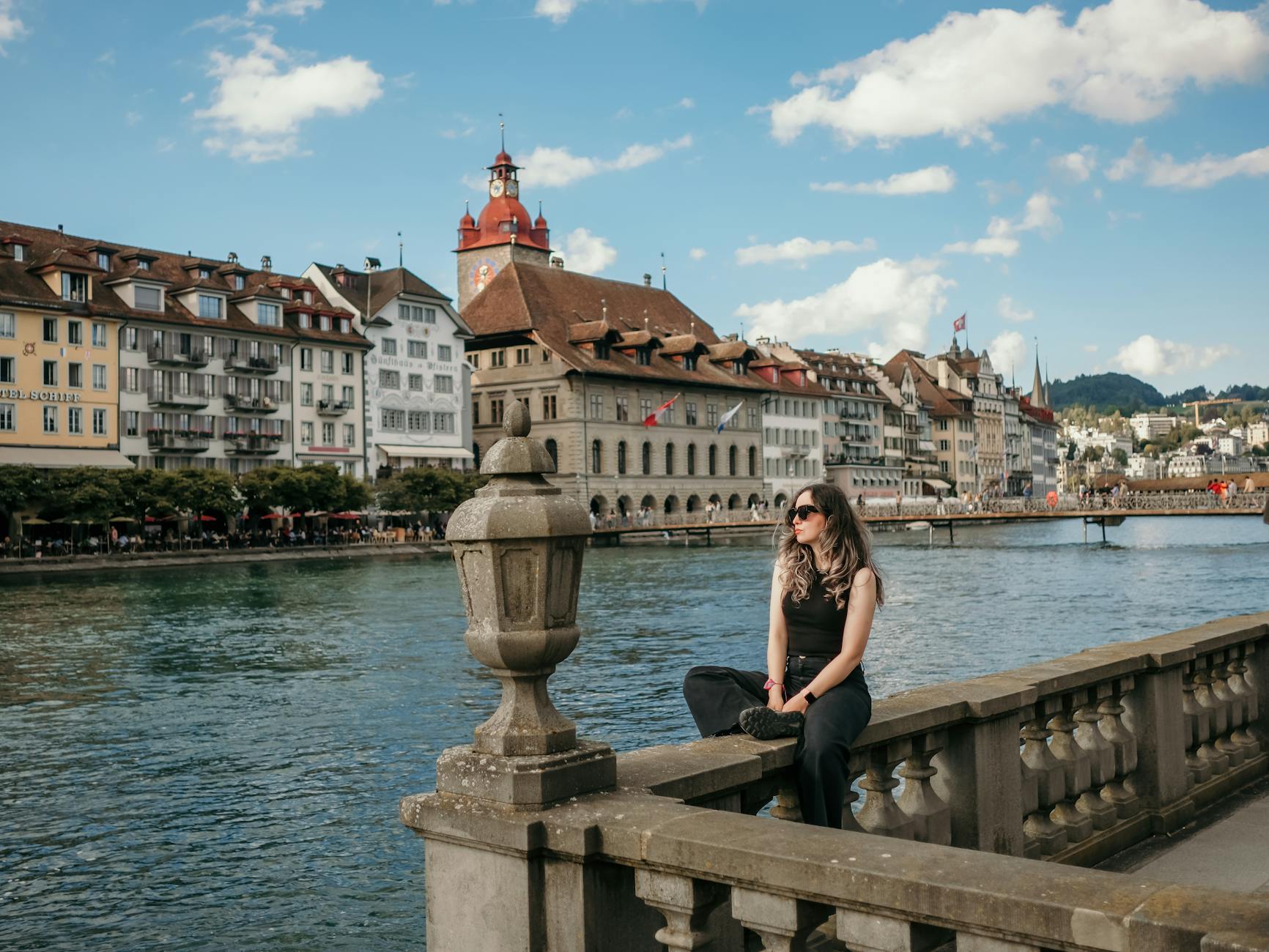
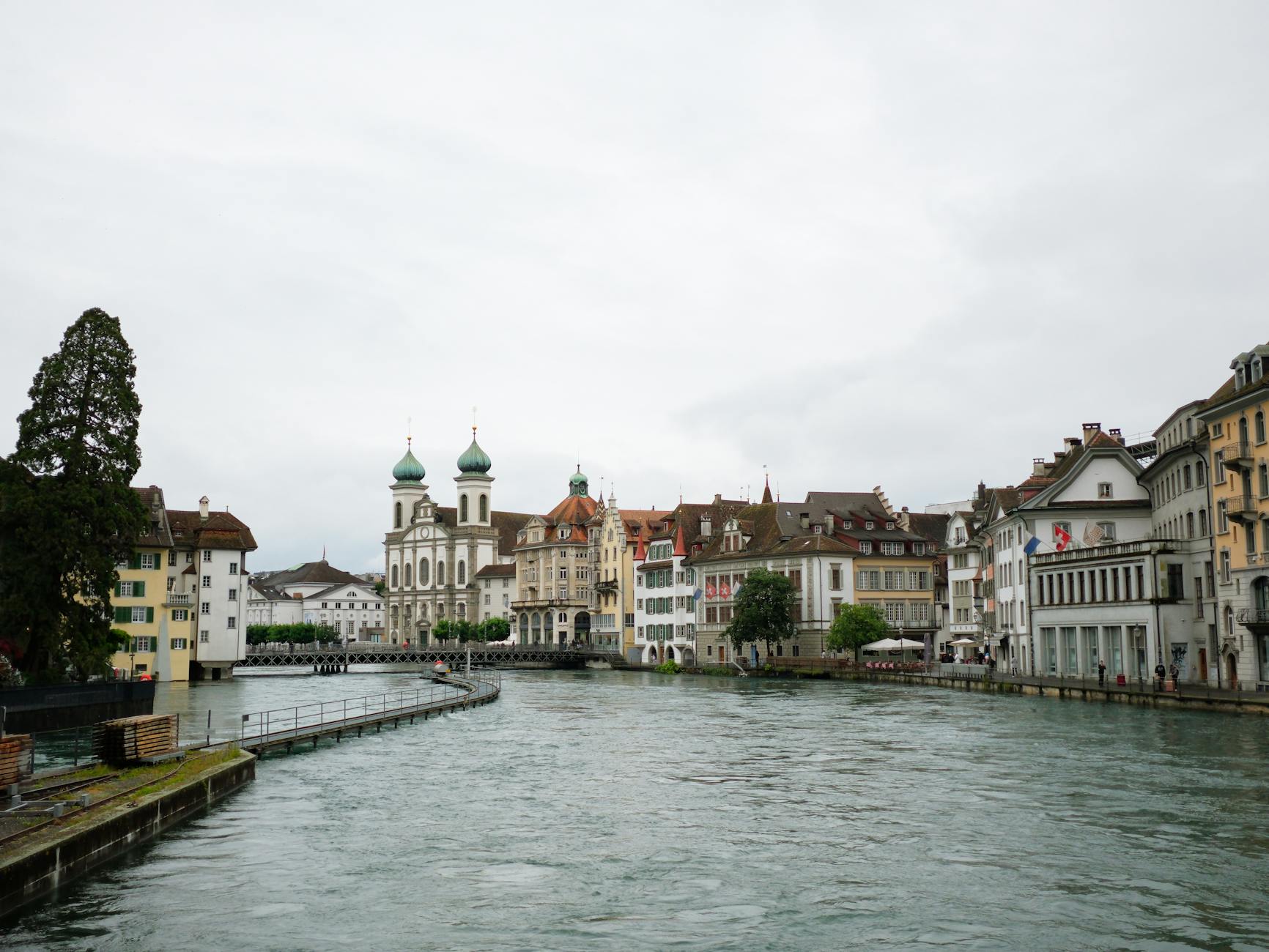
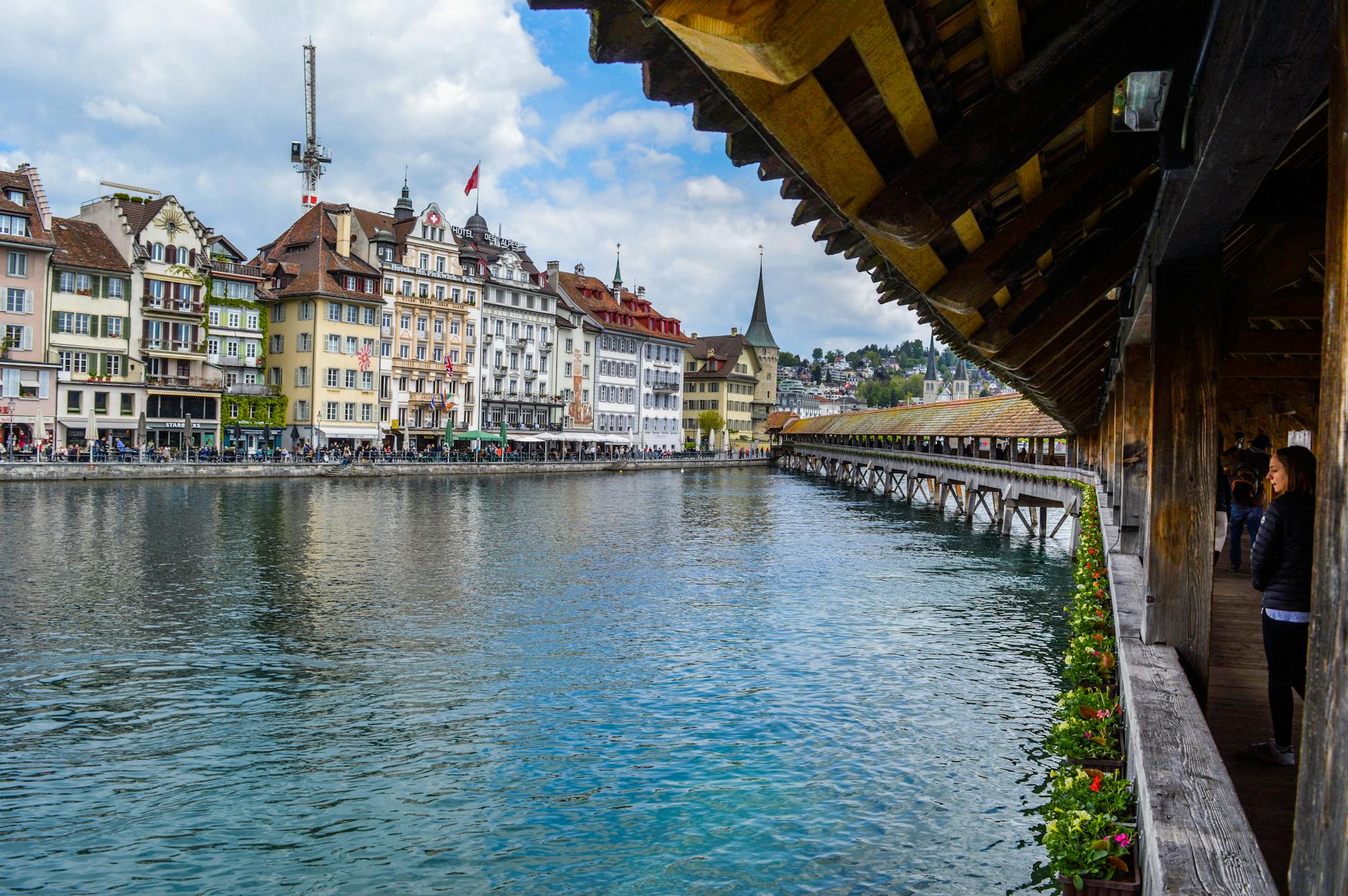
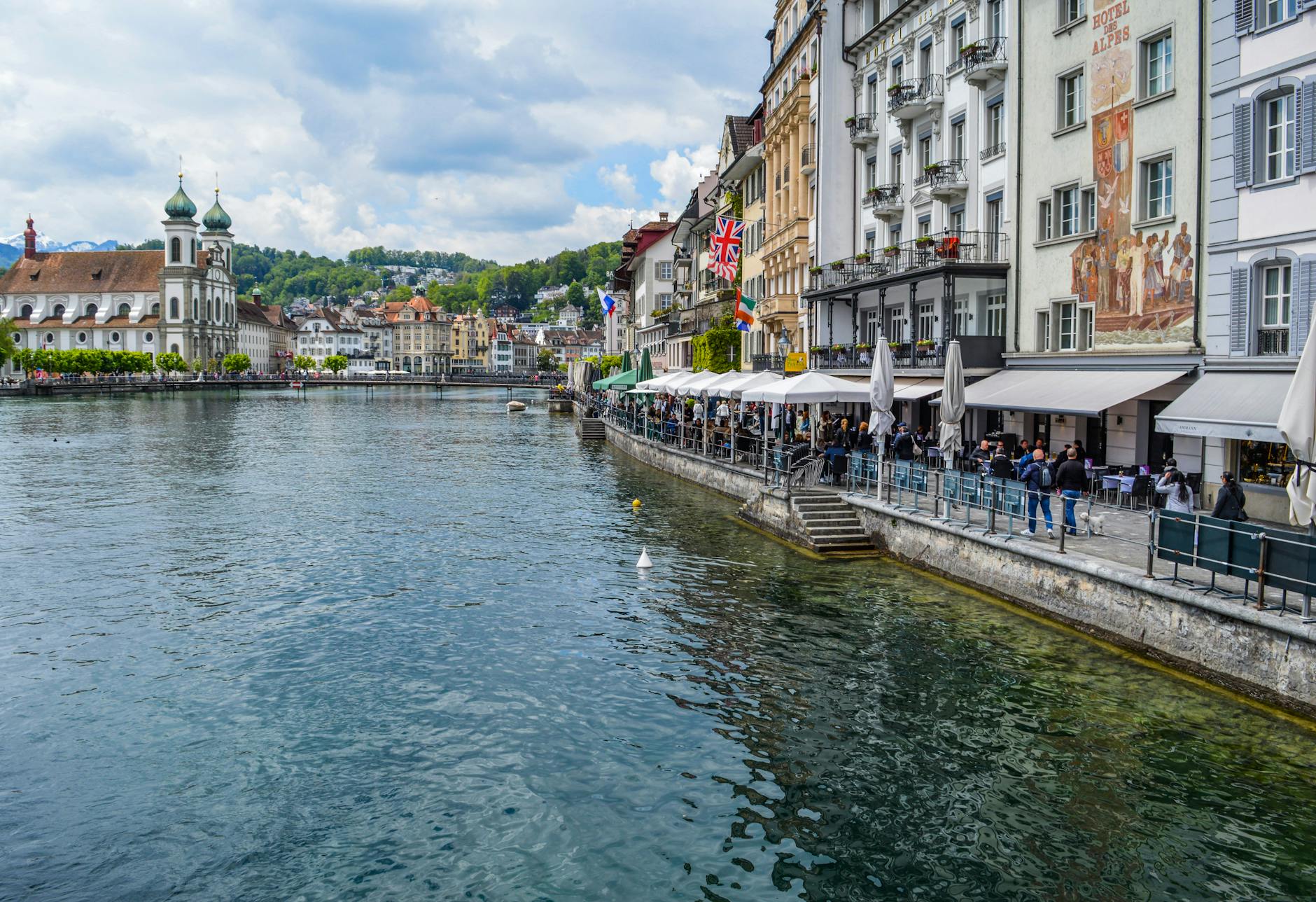
Lucerne's Old Town, Chapel Bridge, Reuss riverfront, lakefront, and station area can form excellent solo loops. The traveler should avoid turning the first day into a scattered series of crossings and backtracks. A compact route makes it easier to pause, eat, take photographs, and return to the hotel without stress.
Confidence comes from knowing where the exit points are.
- Build one short loop around the station, lakefront, Chapel Bridge, Old Town, and Reuss.
- Identify easy pause points such as cafes, museums, churches, benches, and the hotel.
- Avoid isolated or awkward late-evening routes when a central return is available.
Choose lake and mountain plans by energy
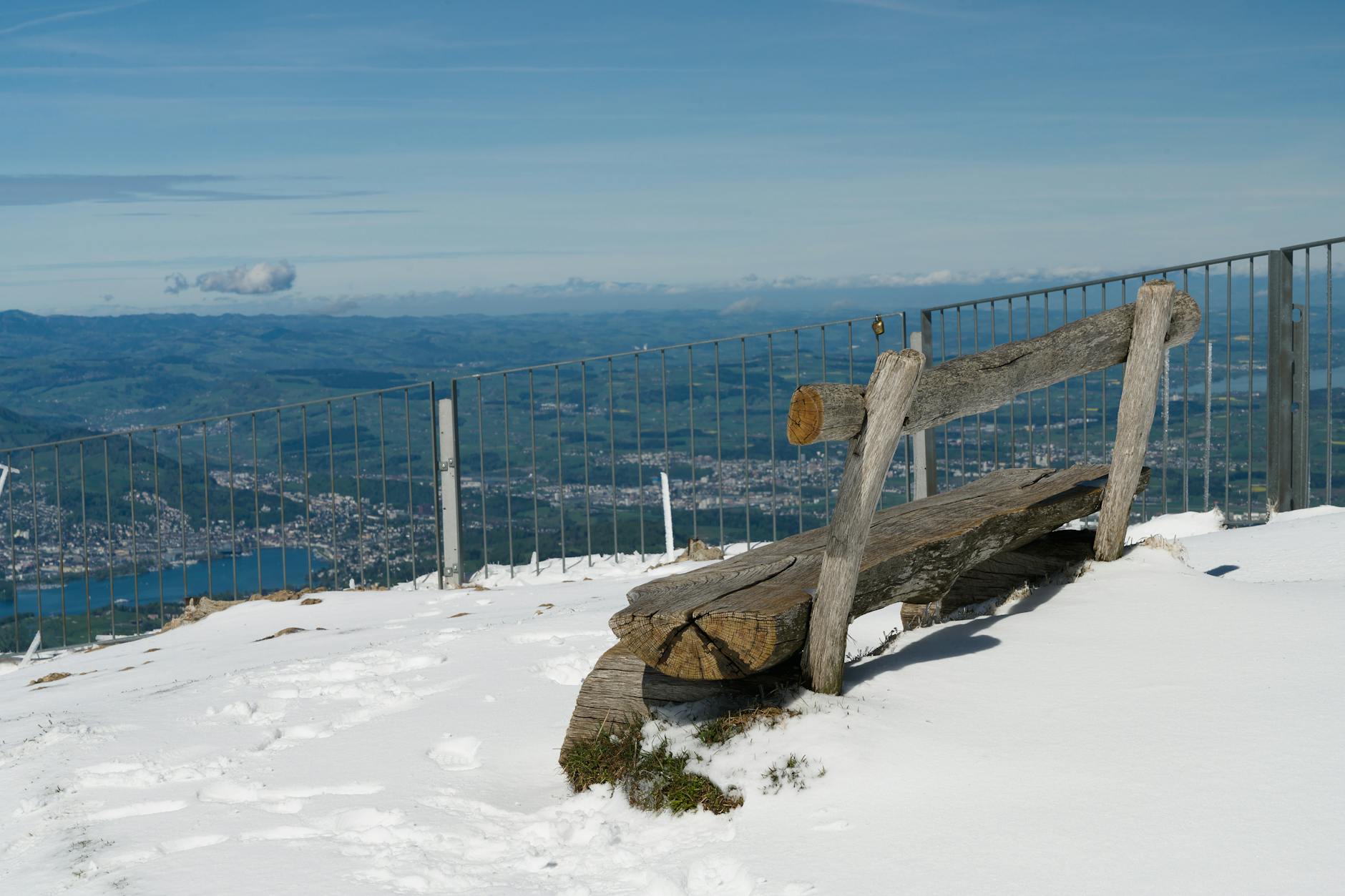
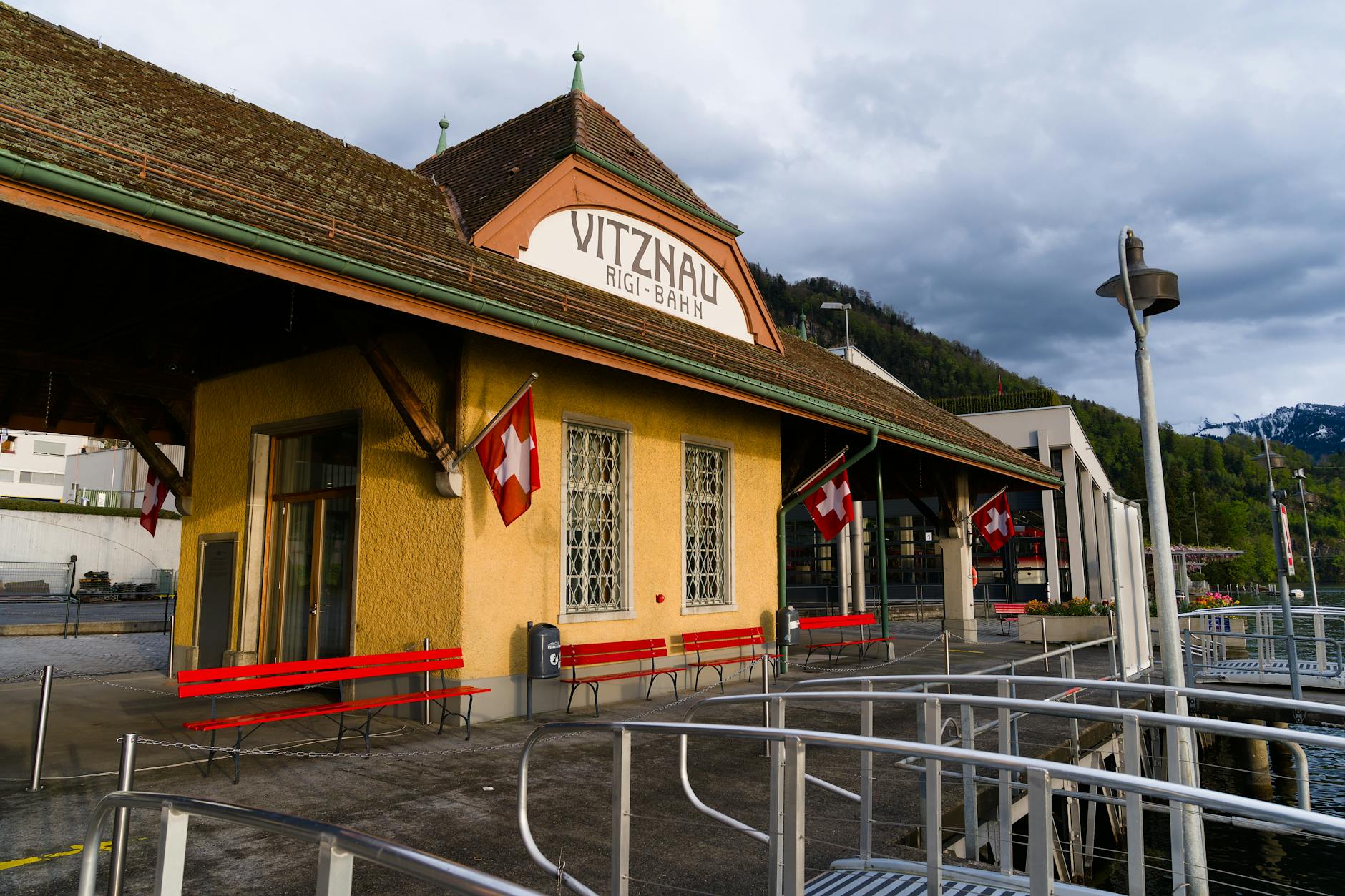
A solo traveler can make fast decisions, but scenic excursions still need honest timing. Lake boats, Rigi, Pilatus, and nearby villages can be rewarding, yet they add schedules, weather exposure, and return logistics. The traveler should choose the plan that fits sleep, daylight, visibility, and personal comfort that day.
Solo flexibility is useful only if it is used honestly.
- Check boat, mountain railway, cable car, and return times before leaving the city center.
- Use weather and visibility reports before buying mountain tickets.
- Tell someone the broad route if heading into a longer mountain or lake day alone.
Plan meals before the awkward hour
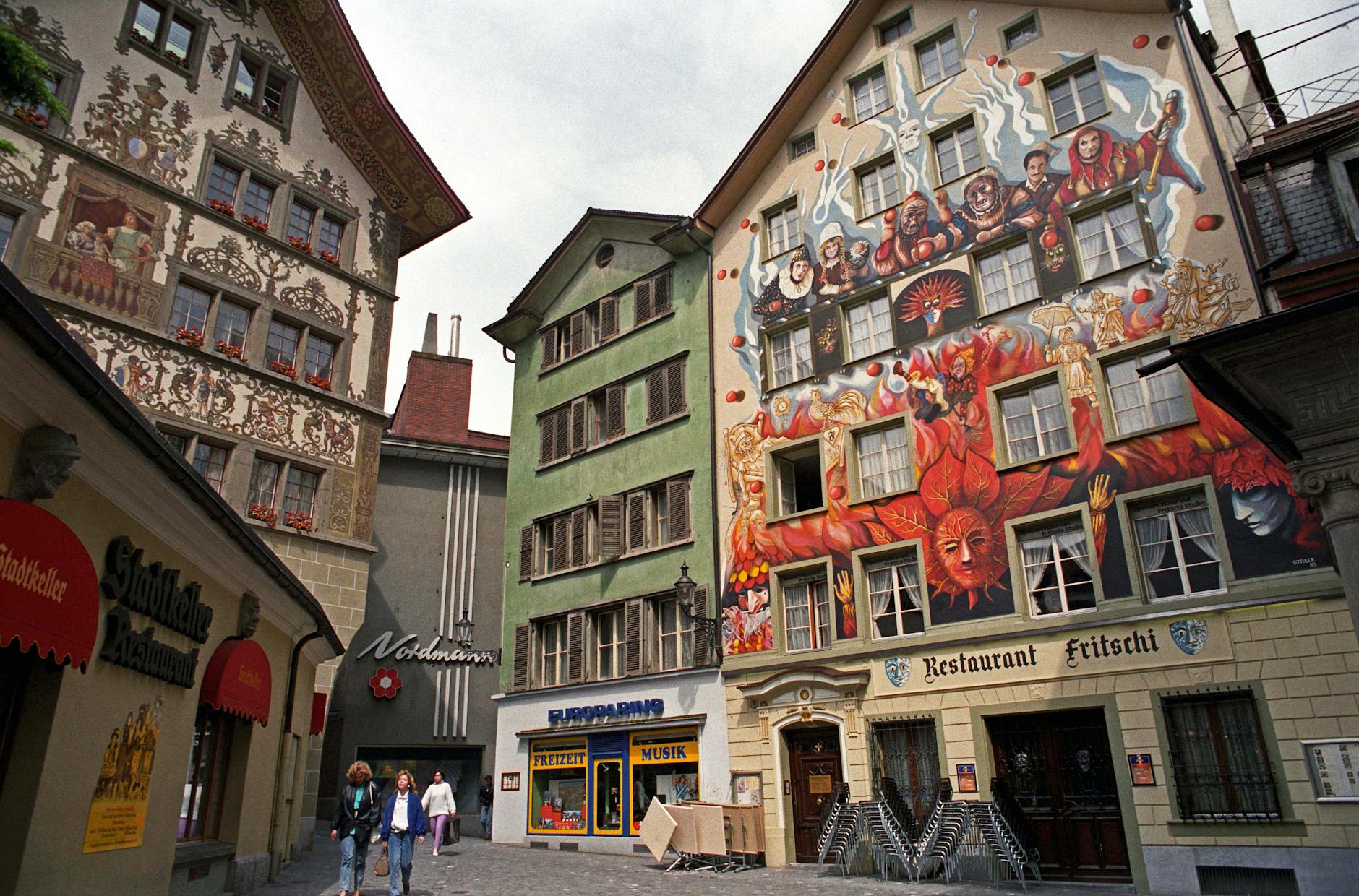
Solo dining in Lucerne can be easy when the traveler has a short list of restaurants, cafes, hotel dining options, and casual meals near the planned route. It becomes less pleasant when hunger arrives after a long walk, poor weather, or a late return from the lake. A few known options prevent the traveler from settling for the wrong meal at the wrong price.
Food planning is a small solo travel kindness.
- Mark solo-friendly cafes, casual restaurants, hotel dining, and quick grocery options near the hotel.
- Check restaurant hours and reservation needs for weekends, holidays, and peak travel periods.
- Keep an easy dinner plan near the hotel for arrival day or bad weather.
Stay aware without making the trip anxious
Lucerne is generally comfortable for solo travelers, but basic awareness still matters. Crowded bridges, station areas, dark walks, late transport, hotel access, phone battery, and alcohol all deserve normal caution. The traveler should keep valuables controlled and choose evening routes that feel clear rather than dramatic.
A calm solo trip is built from ordinary habits.
- Keep passport, cards, phone, and medication secure during crowded bridge, station, and boat movements.
- Use central routes and reliable transport for late returns from dinner or lakeside walks.
- Avoid draining phone battery on photos before tickets, maps, and hotel access are handled.
Keep the budget realistic
Solo travelers do not always split hotel rooms, taxis, guides, or restaurant costs, which makes Swiss pricing more visible. Lucerne can still be excellent value if the traveler spends on the right things: a convenient hotel, good weather choices, one strong excursion, and meals that fit the day. The budget should support independence rather than create needless strain.
The smartest solo spend is usually the one that preserves energy.
- Budget separately for lodging, rail, boats, mountain transport, meals, lockers, and weather-related taxis.
- Use Swiss rail passes or city transport options only when the planned movement actually justifies them.
- Avoid remote lodging that saves money but adds awkward solo transfers.
When to order a short-term travel report
A solo traveler with a simple Lucerne hotel and flexible dates may not need a custom report. A report becomes useful when the traveler is arriving late, handling luggage alone, choosing between lake and mountain excursions, managing mobility or medical needs, traveling in winter, or trying to keep costs controlled without sacrificing comfort.
The report should test arrival routing, hotel base, walking loops, solo dining, evening comfort, lake and mountain choices, weather, costs, and departure timing. The value is a Lucerne solo trip that feels independent without leaving every decision to the moment.
- Order when arrival timing, hotel choice, evening routes, lake boats, mountain plans, or budget tradeoffs need precise planning.
- Provide dates, arrival mode, hotel options, walking tolerance, interests, comfort concerns, and budget.
- Use the report to make solo time in Lucerne clear, scenic, and comfortably paced.