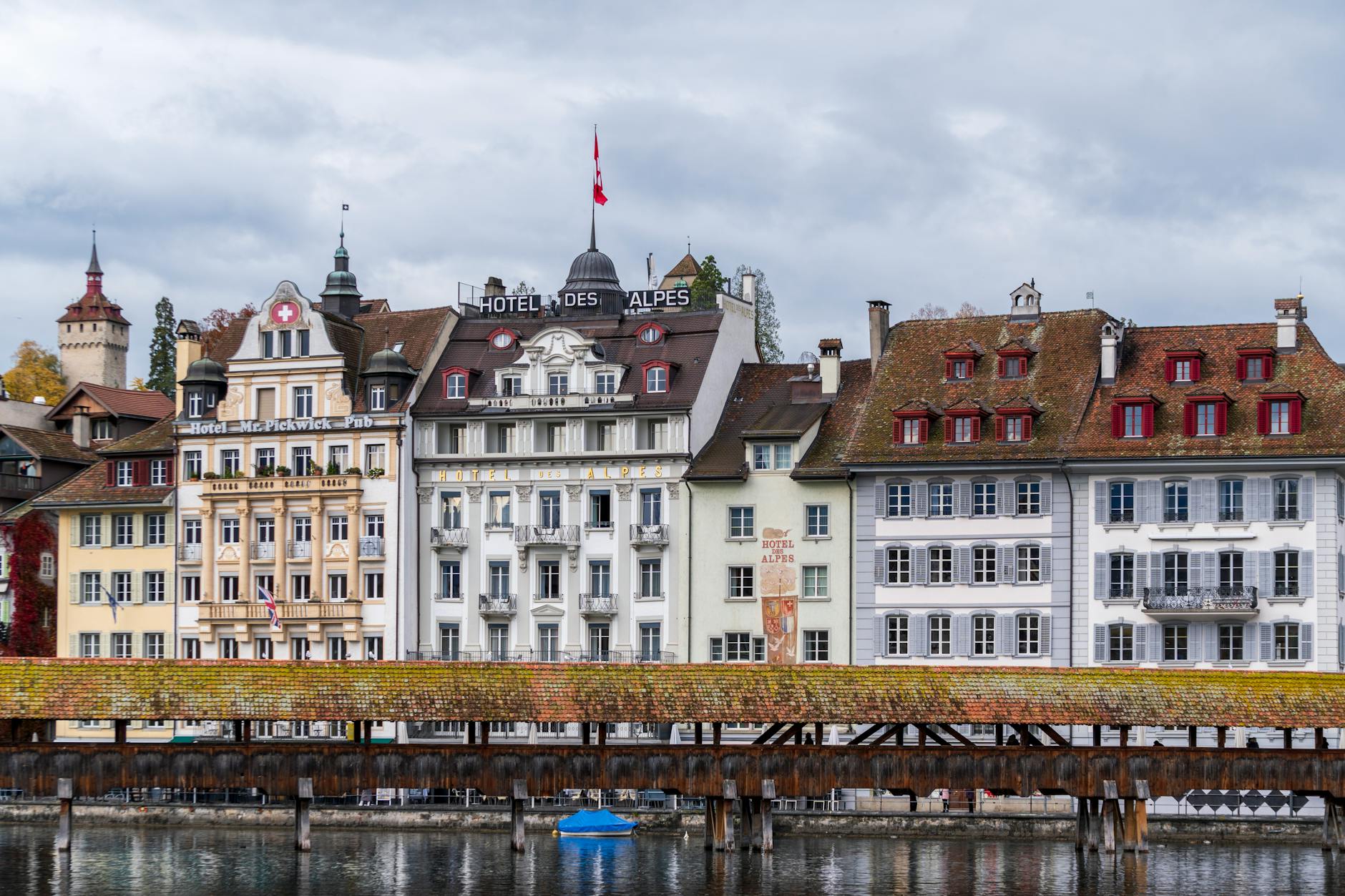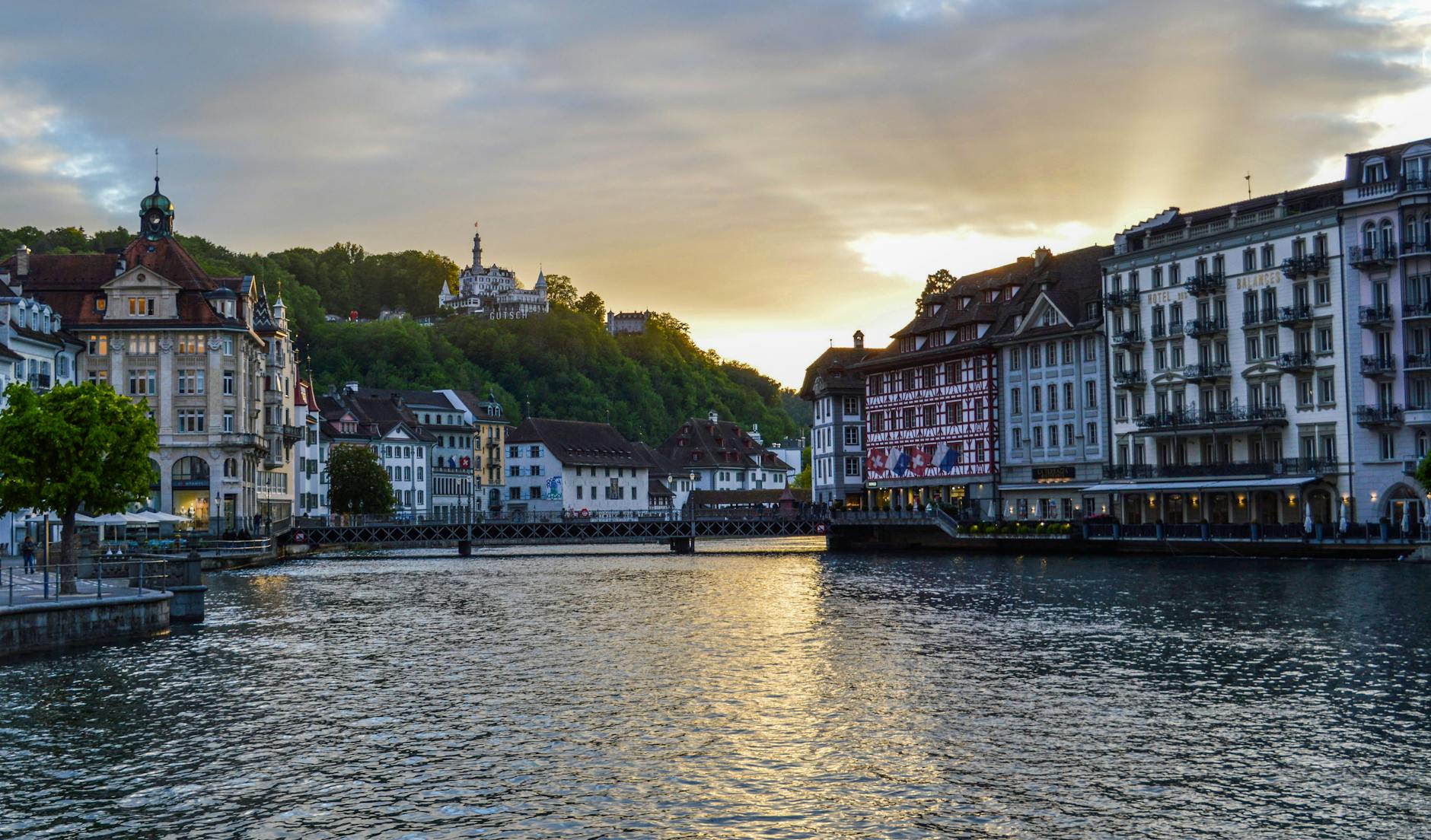
Lucerne can be a strong short-stay city for sales travel when the trip is built around the actual customer sequence. The city is compact and polished, but a sales itinerary can still fail through weak arrival buffers, scattered client addresses, poor sample handling, unclear dinner plans, or a hotel that looks scenic but does not support calls and follow-up. The best Lucerne sales visit uses the lake setting without letting it distract from the commercial purpose.
Map customers before choosing the base
A sales traveler should not choose a Lucerne hotel only by view or brand. The useful question is where the traveler needs to be persuasive, punctual, and prepared. Prospects, distributors, hotel meeting rooms, dinner venues, rail connections, and any regional customer visits should be mapped before the base is chosen.
Sales geography is the first operating decision.
- Map every prospect, client site, meeting room, hotel, dinner venue, and rail movement before booking lodging.
- Choose a base that protects the most important appointment rather than the most scenic part of the city.
- Cluster meetings where possible so travel time does not consume preparation and follow-up time.
Protect the arrival buffer
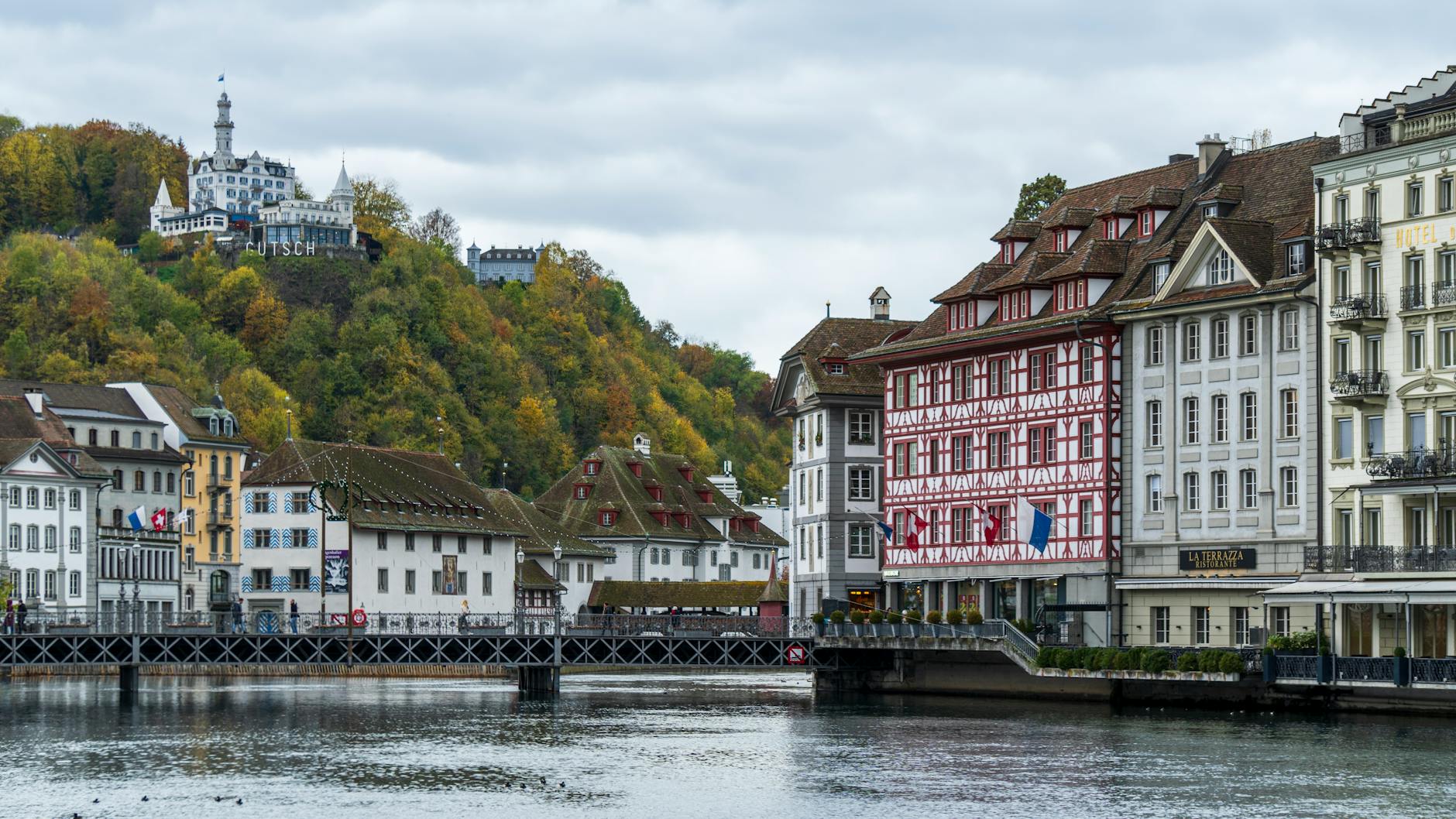
Many Lucerne sales trips begin with a flight into Zurich Airport and a rail transfer to Lucerne. That journey can work well, but same-day meetings, checked samples, delayed baggage, customs questions, and a need to refresh before a pitch can make the margin thin. Arrival should be treated as part of the sales process, not empty travel time.
The first impression can be damaged before the first handshake.
- Build buffers for immigration, baggage, rail tickets, platform changes, hotel check-in, and first client movement.
- Arrive the night before when the meeting is high value, senior, technical, or hard to reschedule.
- Keep laptop, charger, adapters, samples, presentation files, and meeting clothes in hand luggage where possible.
Use the hotel as a sales office
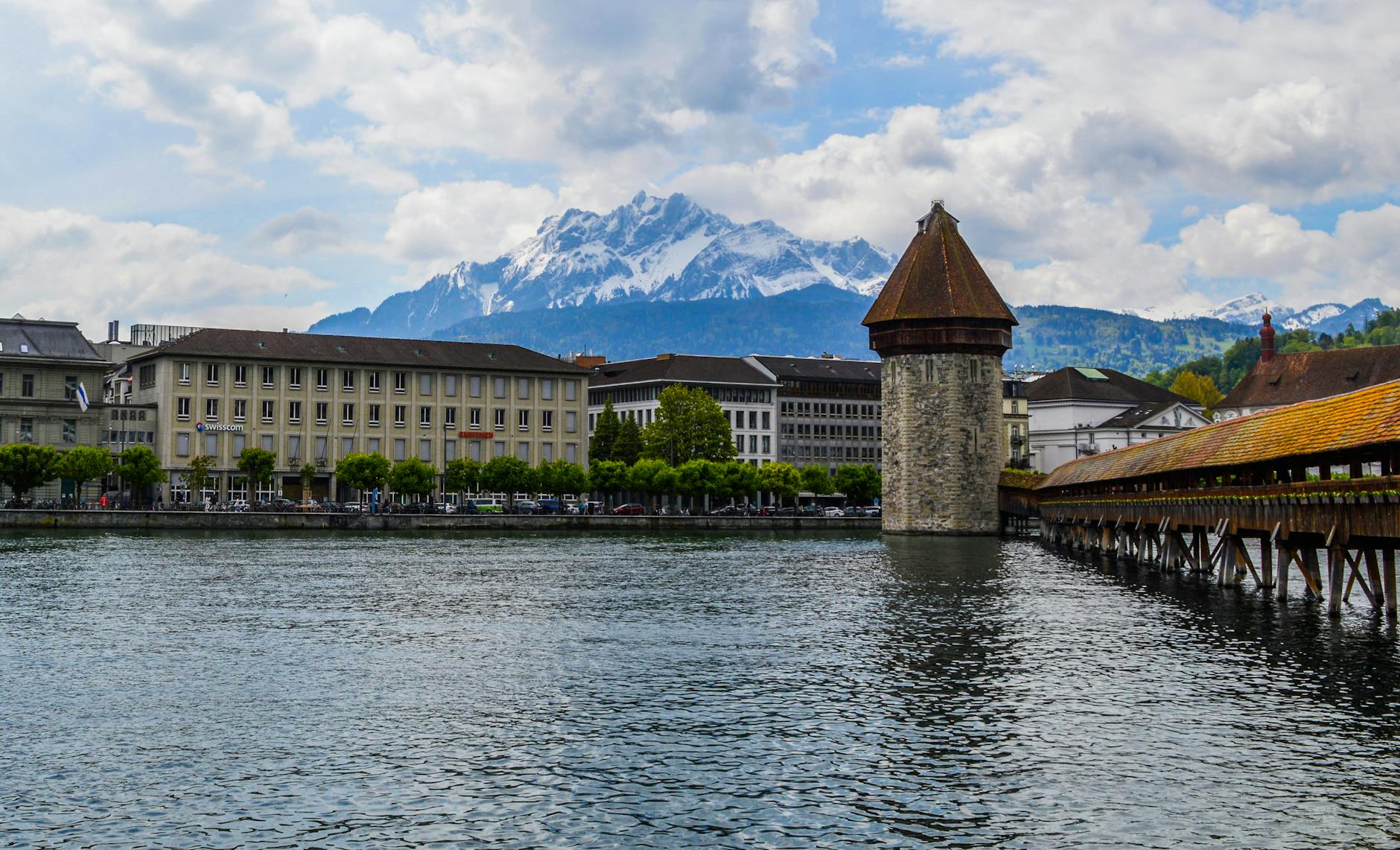
A sales traveler's hotel may need to support calls, slide revisions, internal standups, proposal work, printing, and waiting time between meetings. The hotel should provide reliable Wi-Fi, quiet work space, early breakfast, luggage storage, taxi access, and a route that still works in rain or after dinner.
A scenic room is useful only if the work can still happen.
- Check desk quality, Wi-Fi, quietness, printing support, breakfast timing, luggage storage, and pickup access.
- Confirm the route from the hotel to each meeting in bad weather and with sample or laptop bags.
- Keep one quiet fallback space for calls if the room is not ready or the lobby is too exposed.
Handle samples and demos deliberately
Sales trips often depend on small practical details: a working demo, a charged device, a sample in good condition, a backup deck, or printed material that arrives on time. Lucerne's strong infrastructure does not remove the need to verify what can be delivered, carried, stored, printed, or borrowed locally.
The pitch should not depend on a fragile logistics chain.
- Confirm how samples, brochures, devices, prototypes, or demo equipment will be carried, stored, and presented.
- Keep backup files, offline copies, chargers, adapters, payment cards, and basic repair items ready.
- Know where to print, buy supplies, or find courier support if the meeting plan changes.
Use meals without losing control of the day
Client meals can be useful in Lucerne because the setting helps conversation. They can also consume time, stretch budgets, and blur the line between relationship building and an overfull evening. The sales traveler should choose meal locations that fit the customer, the agenda, the return route, and the next morning's work.
Hospitality should support the sale, not take over the trip.
- Choose client meals near the hotel, station, meeting site, or lakefront route that is easy to return from.
- Clarify budget, alcohol judgment, receipt rules, dietary needs, and dress expectations before the evening starts.
- Reserve post-dinner time for notes, CRM updates, proposal changes, and internal follow-up.
Budget for Swiss sales friction
Lucerne sales travel can include rail, taxis, hotels, client meals, coffee meetings, shipping, printing, luggage storage, and schedule changes. These costs are easier to defend when the traveler knows which expenses serve the sales goal and which are convenience choices. Clear rules prevent the trip from becoming expensive in ways that are hard to explain later.
Cost discipline protects both the budget and the account plan.
- Clarify reimbursement for rail, taxis, meals, samples, printing, shipping, baggage storage, and changed plans.
- Book early when the trip overlaps with conferences, leisure peaks, or limited central hotel inventory.
- Track receipts and account-specific costs before the short trip becomes hard to reconstruct.
When to order a short-term travel report
A sales traveler with one flexible meeting and a familiar hotel may not need a custom report. A report becomes useful when the trip includes same-day arrival, multiple prospects, samples, senior buyers, regional movement, client meals, tight departure timing, or a need to preserve follow-up time between appointments.
The report should test arrival route, hotel base, customer geography, sample logistics, meeting buffers, dining, costs, weather, and departure timing. The value is a Lucerne sales trip that keeps the commercial purpose clear from first arrival to final follow-up.
- Order when prospect geography, arrival timing, samples, demos, dinners, costs, or departure timing need exact sequencing.
- Provide dates, flight times, customer addresses, hotel options, meeting schedule, sample needs, and budget rules.
- Use the report to keep the sales trip punctual, prepared, and commercially focused.