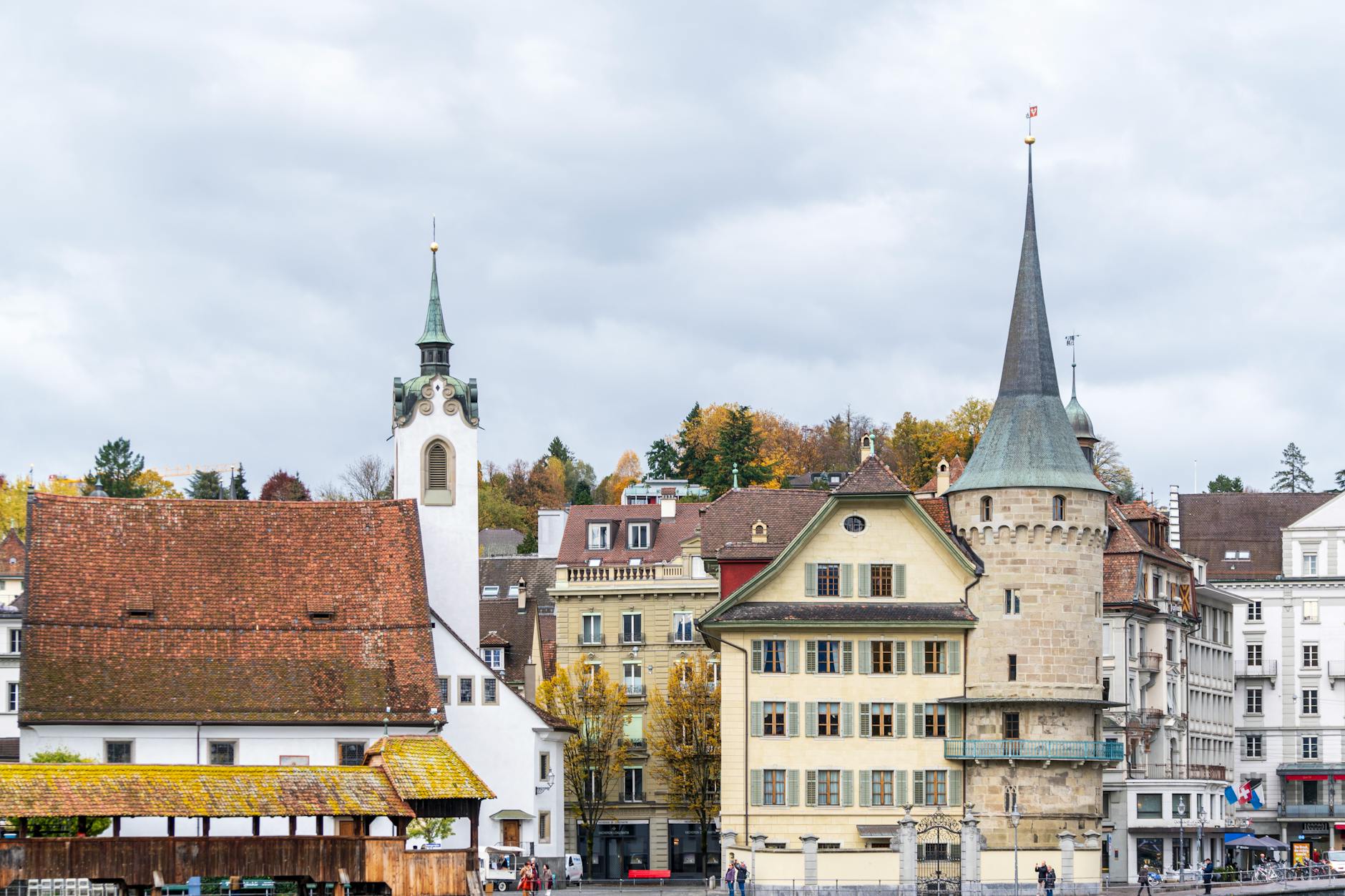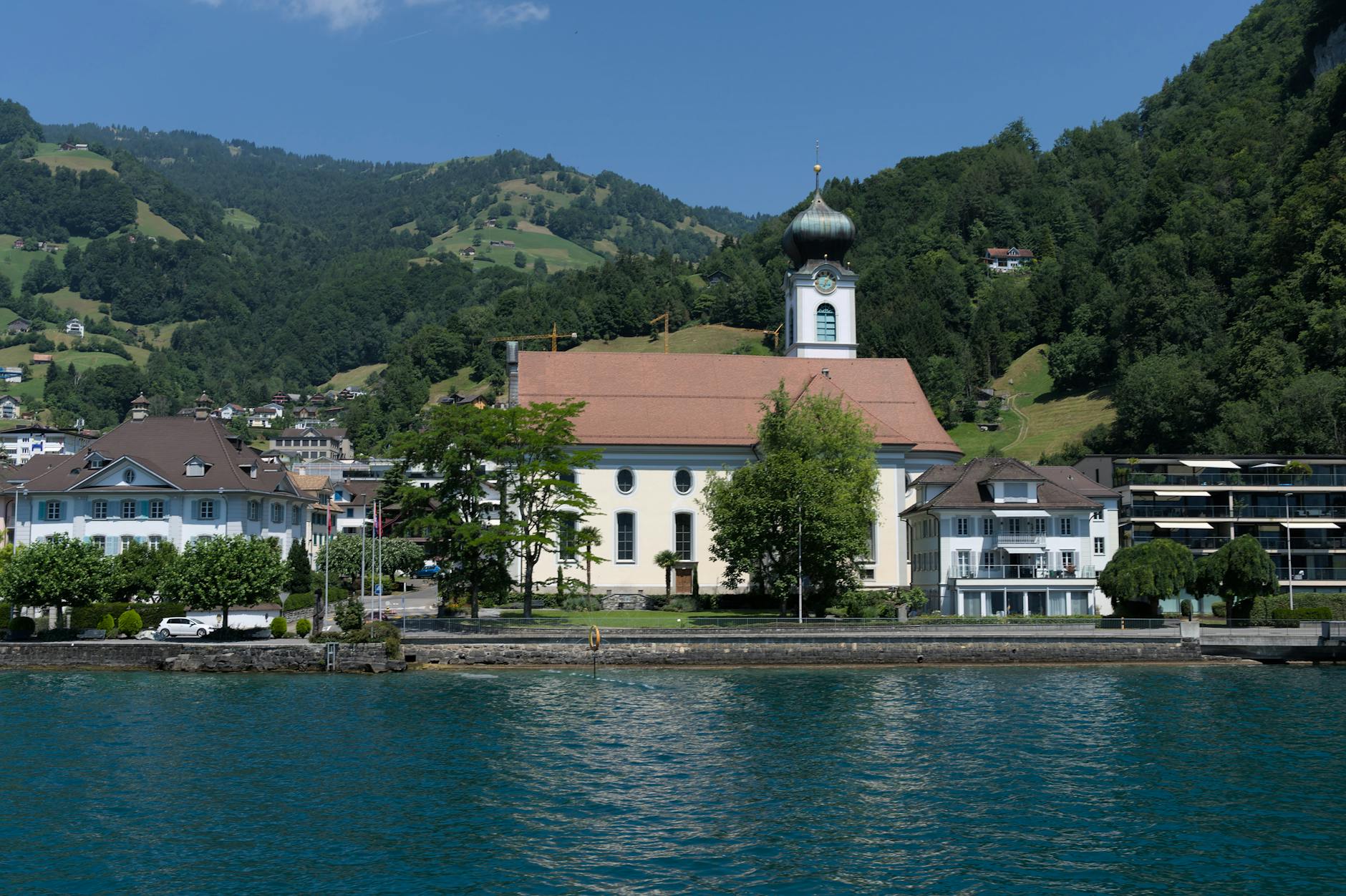
Lucerne can suit a short religious or pilgrimage trip because sacred architecture, lake villages, mountain chapels, quiet walks, and strong rail links sit close together. The same compactness can make the visit feel too casual if the traveler does not check service times, access rules, dress expectations, language, mobility, weather, and the difference between reflective travel and ordinary sightseeing.
Clarify the spiritual purpose
A religious or pilgrimage traveler should decide whether the Lucerne visit is for worship, private prayer, church architecture, family remembrance, a faith group itinerary, retreat time, or a broader Swiss route with sacred stops. Those purposes create different needs for timing, silence, clothing, transport, and group movement.
The trip should make room for the reason it exists.
- Name the core purpose before adding churches, chapels, lake villages, mountains, or cultural sights.
- Check whether the visit needs worship time, private reflection, clergy contact, group leadership, or accessible seating.
- Avoid stacking too many sacred stops into a short schedule if quiet time is the real priority.
Check church access before arrival
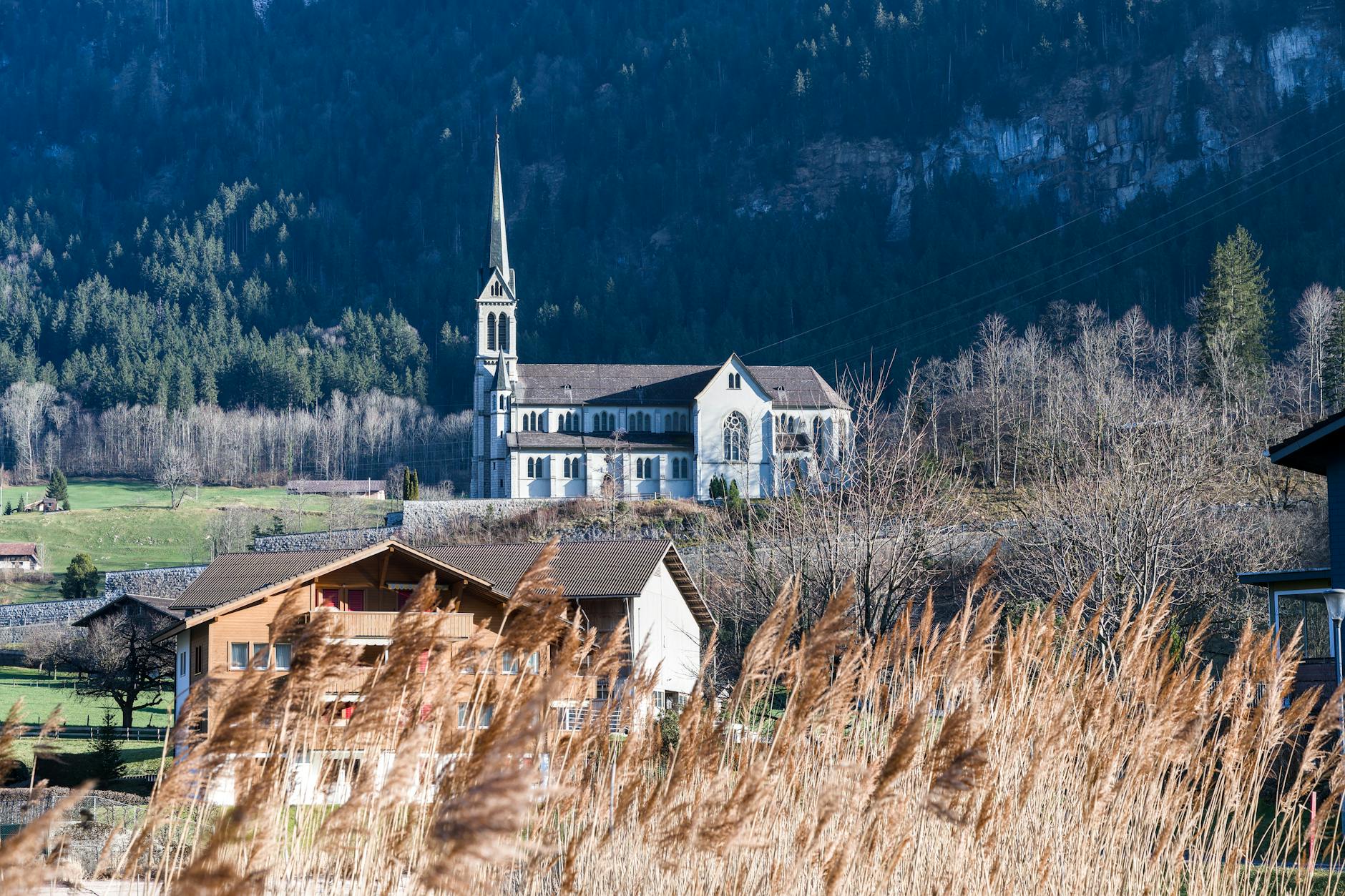
Lucerne's churches and nearby chapels may have service times, tourist hours, concerts, weddings, restoration work, private events, or quiet periods. A traveler should confirm what is open, what is appropriate during worship, whether photos are allowed, and which language will be used in services.
Access is not the same as spiritual readiness.
- Confirm opening hours, service schedules, language, photography rules, special events, and restoration closures.
- Plan separate time for worship or prayer rather than treating it as a stop between photos.
- Respect signage, staff guidance, seating areas, music rehearsals, and private ceremonies.
Make the rail arrival calm
Most visitors reach Lucerne by rail, often from Zurich Airport. That works well for a reflective trip if the traveler keeps the arrival simple: tickets saved, phone charged, luggage manageable, hotel route known, and first church or meeting placed after a realistic buffer. A hurried arrival can weaken the tone of the whole visit.
A calm first hour matters.
- Build time for airport arrival, rail transfer, platform changes, hotel check-in, luggage storage, and a meal.
- Carry medicine, prayer items, service clothing, chargers, and essential documents in hand luggage.
- Avoid scheduling the most meaningful visit immediately after a long flight or tight connection.
Respect conduct and photography boundaries
Sacred spaces can be beautiful, but they are not only visual material. A traveler should understand when to be quiet, where to stand, how to dress, whether to photograph, and how to move around worshippers or private visitors. The same judgment applies to cemeteries, memorials, pilgrimage groups, and small chapels.
Respect should be visible in behavior.
- Dress and behave for active religious space even when other visitors are casual.
- Do not photograph worshippers, clergy, private prayers, memorials, or restricted interiors without clear permission.
- Keep phones silent and avoid loud group commentary in small chapels or prayer areas.
Plan mobility with humility
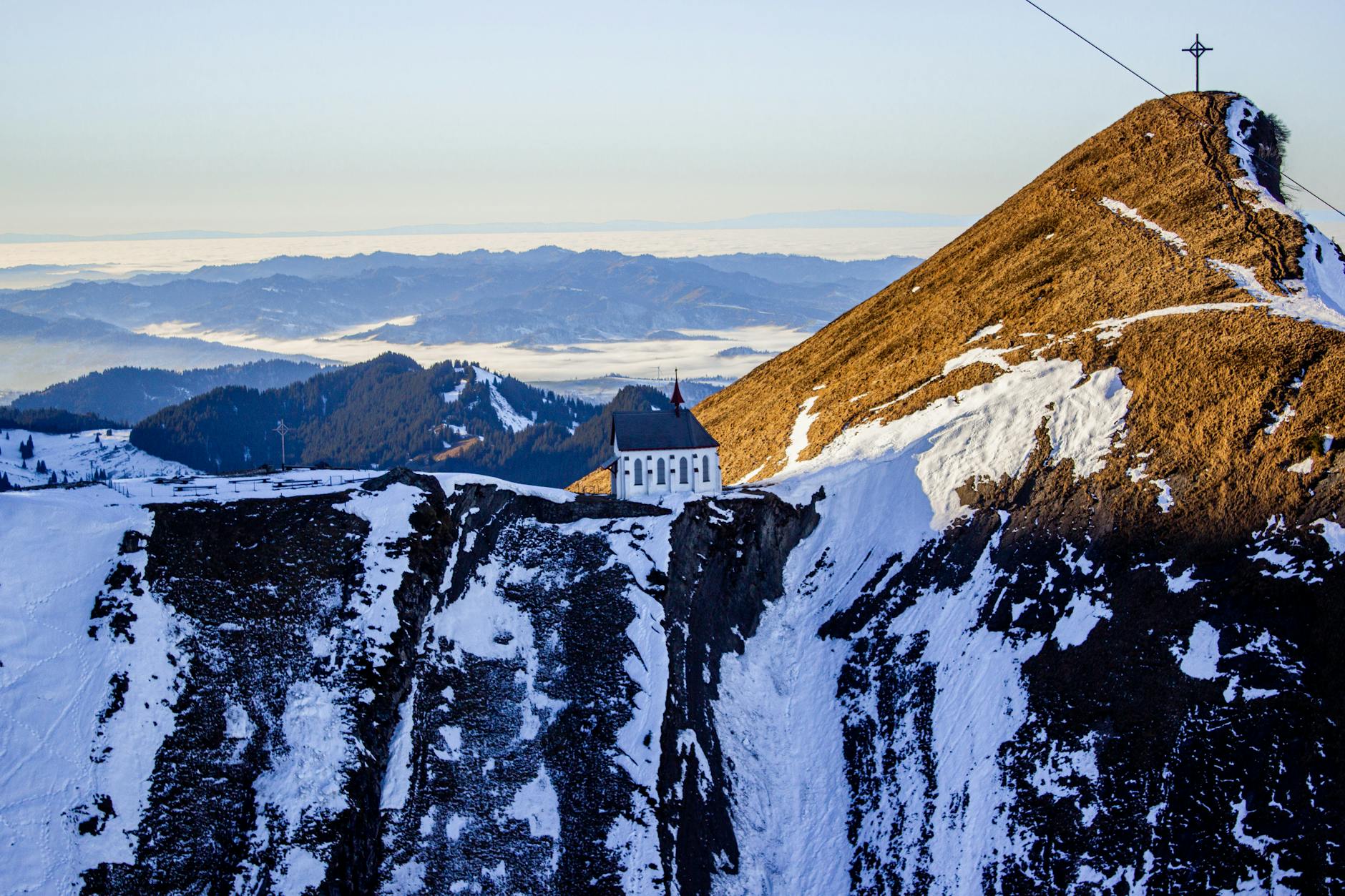
A short pilgrimage route can include old town paving, bridges, church steps, lakeside paths, boat docks, mountain railways, and uneven village approaches. Travelers with older companions, children, medical needs, or limited mobility should test each movement before assuming it is easy because Lucerne is compact.
The meaningful route should also be workable.
- Check walking distance, steps, slopes, seating, restroom access, bad-weather surfaces, and return transport.
- Use central Lucerne churches and lakefront routes when a full mountain or village plan would be too demanding.
- Keep a taxi, bus, boat, or rail fallback for travelers who cannot complete the planned walk.
Use lake and mountain stops carefully
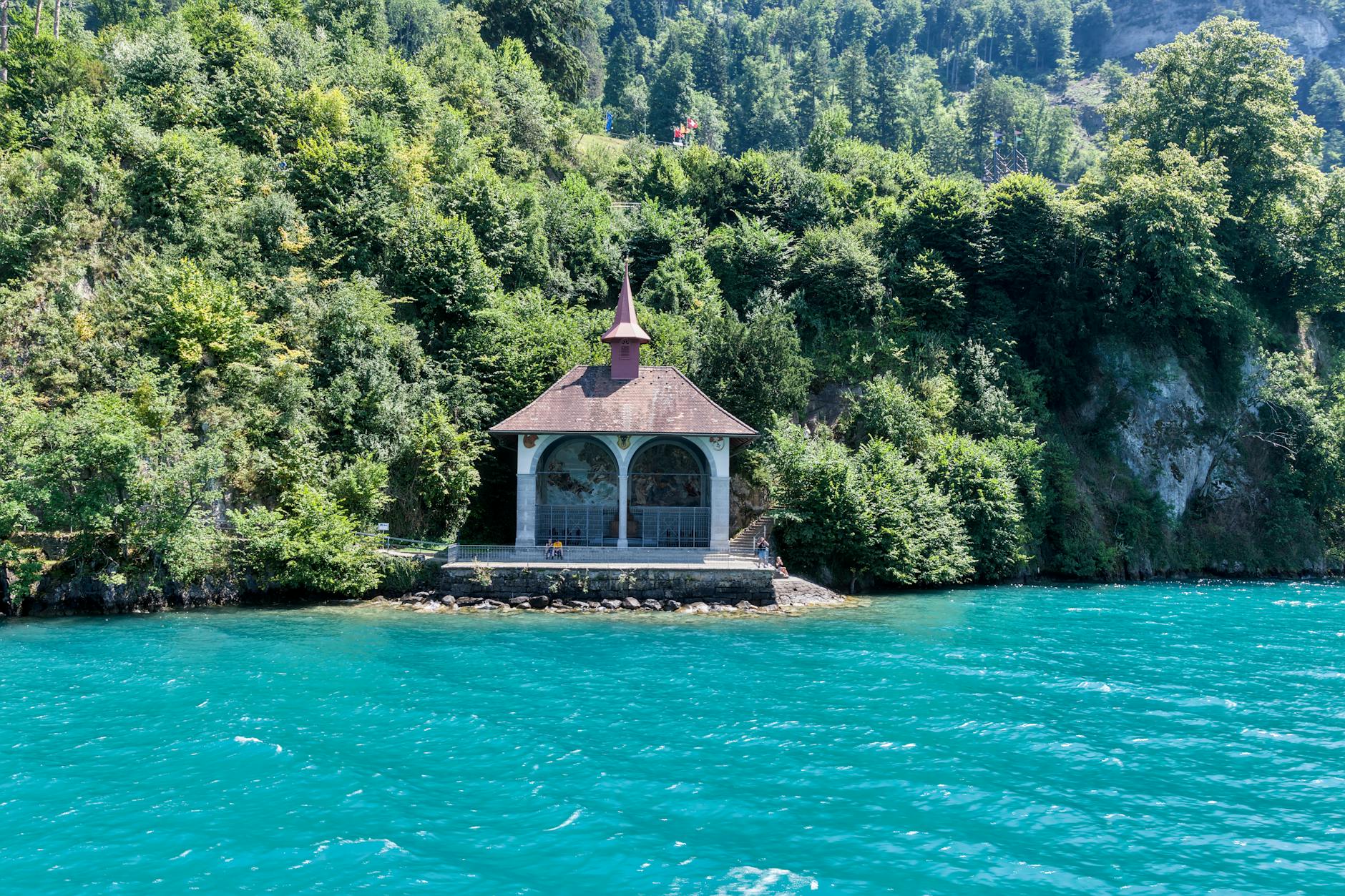
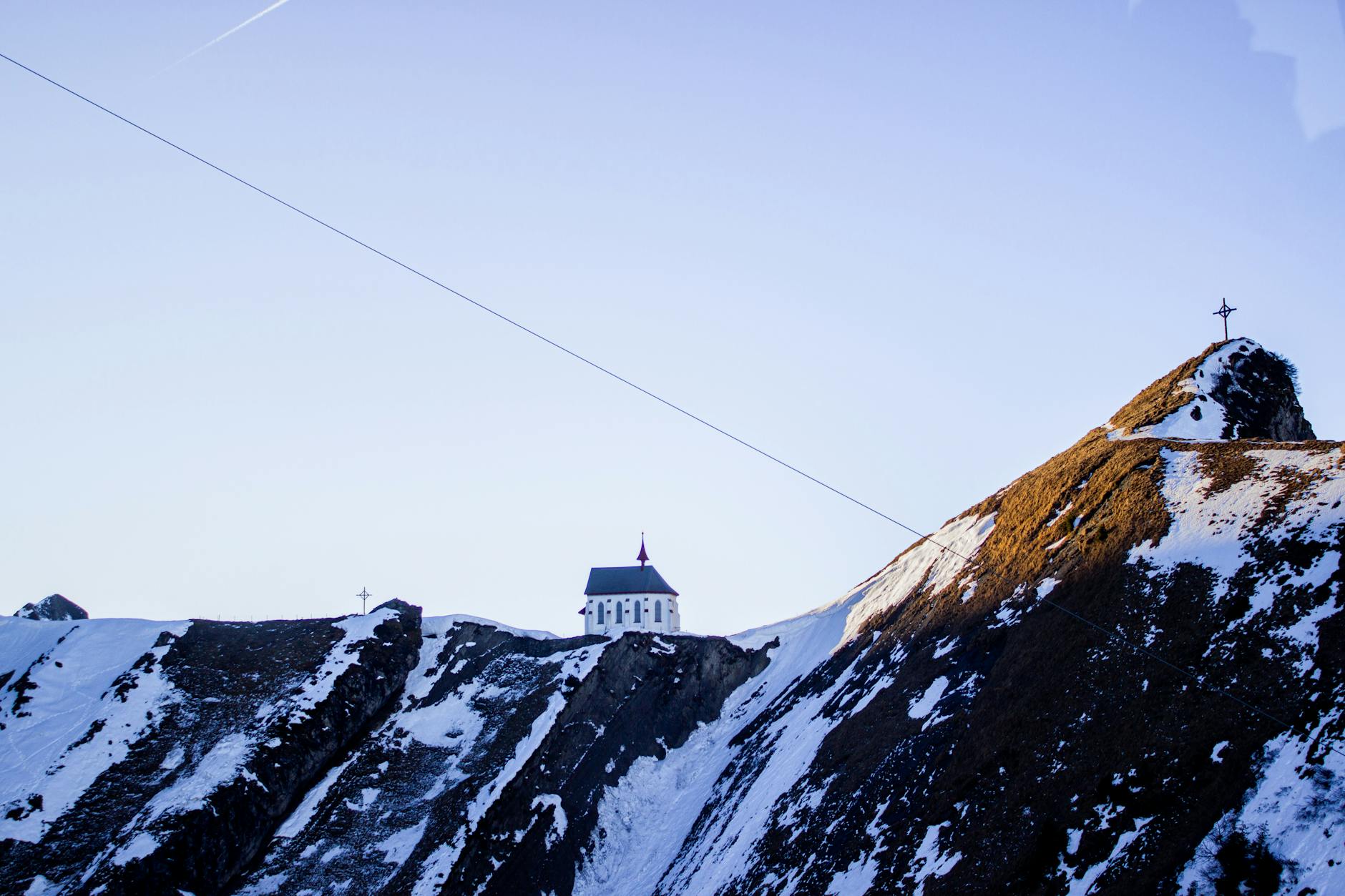
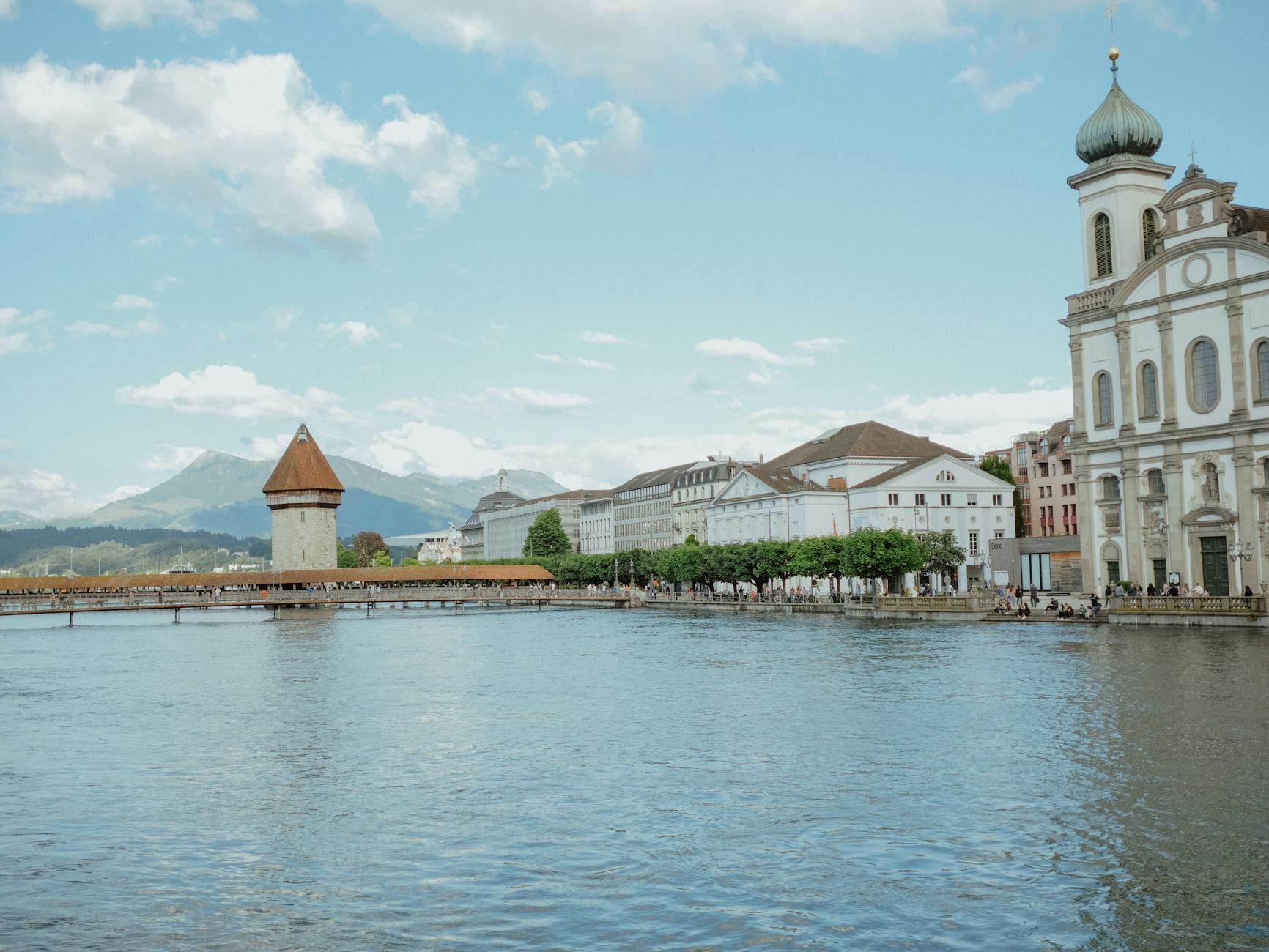
Lake Lucerne villages, Mount Rigi, Pilatus, and nearby chapels can add depth to a faith-centered trip, but they require weather judgment, ticket planning, meal timing, and realistic return routes. A misty mountain day may be better spent in central Lucerne if the point is reflection rather than completing a checklist.
Scenic movement should support the pilgrimage mood.
- Check weather, visibility, boat schedules, mountain rail times, walking demands, and last return options.
- Choose one lake or mountain extension rather than rushing through several sacred and scenic stops.
- Keep a quiet central alternative ready for rain, fog, fatigue, or a changed service schedule.
When to order a short-term travel report
A traveler visiting one familiar church with a loose schedule may not need a custom report. A report becomes useful when the trip includes service timing, multiple churches, older companions, private prayer needs, lake or mountain chapels, language concerns, mobility limits, a faith group, or a tight Zurich Airport connection.
The report should test arrival route, lodging base, church access, worship times, conduct rules, mobility, weather, quiet intervals, budget, and departure timing. The value is a Lucerne religious trip that protects reflection instead of turning it into a rushed city visit.
- Order when worship timing, church access, mobility, group movement, weather, or departure timing need exact planning.
- Provide dates, faith or denomination needs, service preferences, companion profile, mobility notes, lodging options, and must-visit sites.
- Use the report to keep the trip reverent, practical, and realistic for everyone traveling.