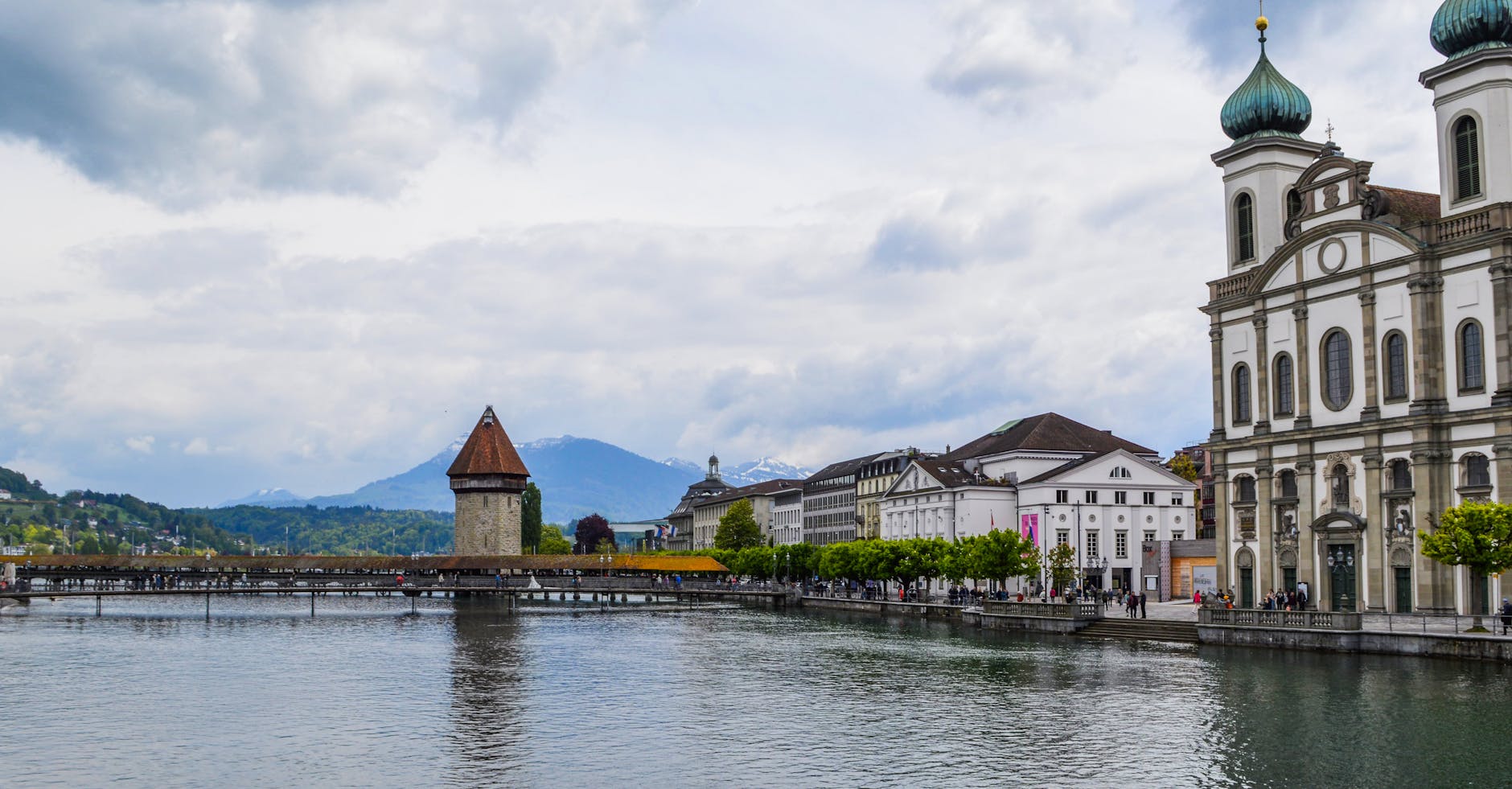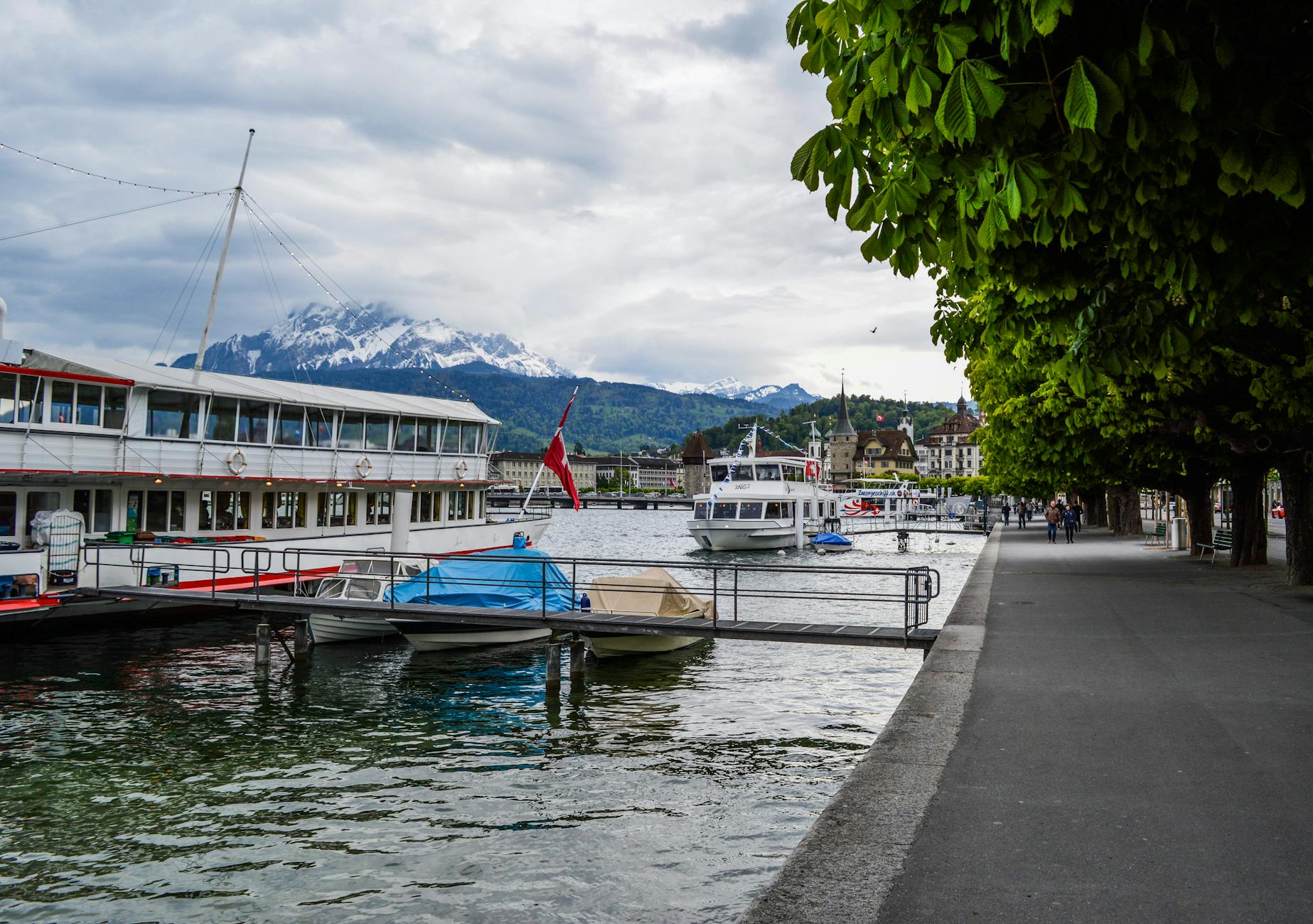
Lucerne can be an excellent short-stay destination for older travelers because the station, lakefront, Old Town, Chapel Bridge, boats, and major sights sit close together. That compactness does not remove practical concerns. A good visit needs attention to rail arrival, luggage, hotel elevators, cobblestones, bridge crossings, weather, restrooms, medication timing, meal planning, and whether lake or mountain excursions are comfortable for the traveler.
Make arrival easy with luggage
Lucerne station is central, but arrival can still be tiring after Zurich Airport, a long rail day, or a multi-country itinerary. Older travelers should plan how they will move from platform to hotel with luggage, weather, and possible fatigue. A taxi, porter-like assistance from the hotel, or a closer base may be worth more than a slightly better view.
The first hour should not spend the traveler's energy budget.
- Map the route from Lucerne station to the hotel, including bridges, slopes, stairs, and taxi access.
- Check elevator access, luggage storage, early check-in, late arrival procedures, and room distance from reception.
- Use a taxi or station-area hotel when luggage, rain, fatigue, or balance concerns make walking inefficient.
Choose hotels for access and rest
A Lucerne hotel should be judged by more than scenery. Older travelers may need elevators, step-free access, quiet rooms, walk-in showers, climate control, nearby meals, and a short return from the lakefront or Old Town. A beautiful but awkward hotel can make the whole trip smaller.
Comfort is not a luxury detail when the stay is short.
- Confirm elevators, room access, shower type, air conditioning or heating, bedding, breakfast, and nearby restaurants.
- Choose a base near the station, lakefront, or planned sights rather than chasing the most scenic property.
- Ask the hotel directly about stairs, slopes, taxi drop-off, and room placement if mobility is limited.
Plan walking surfaces and rest points
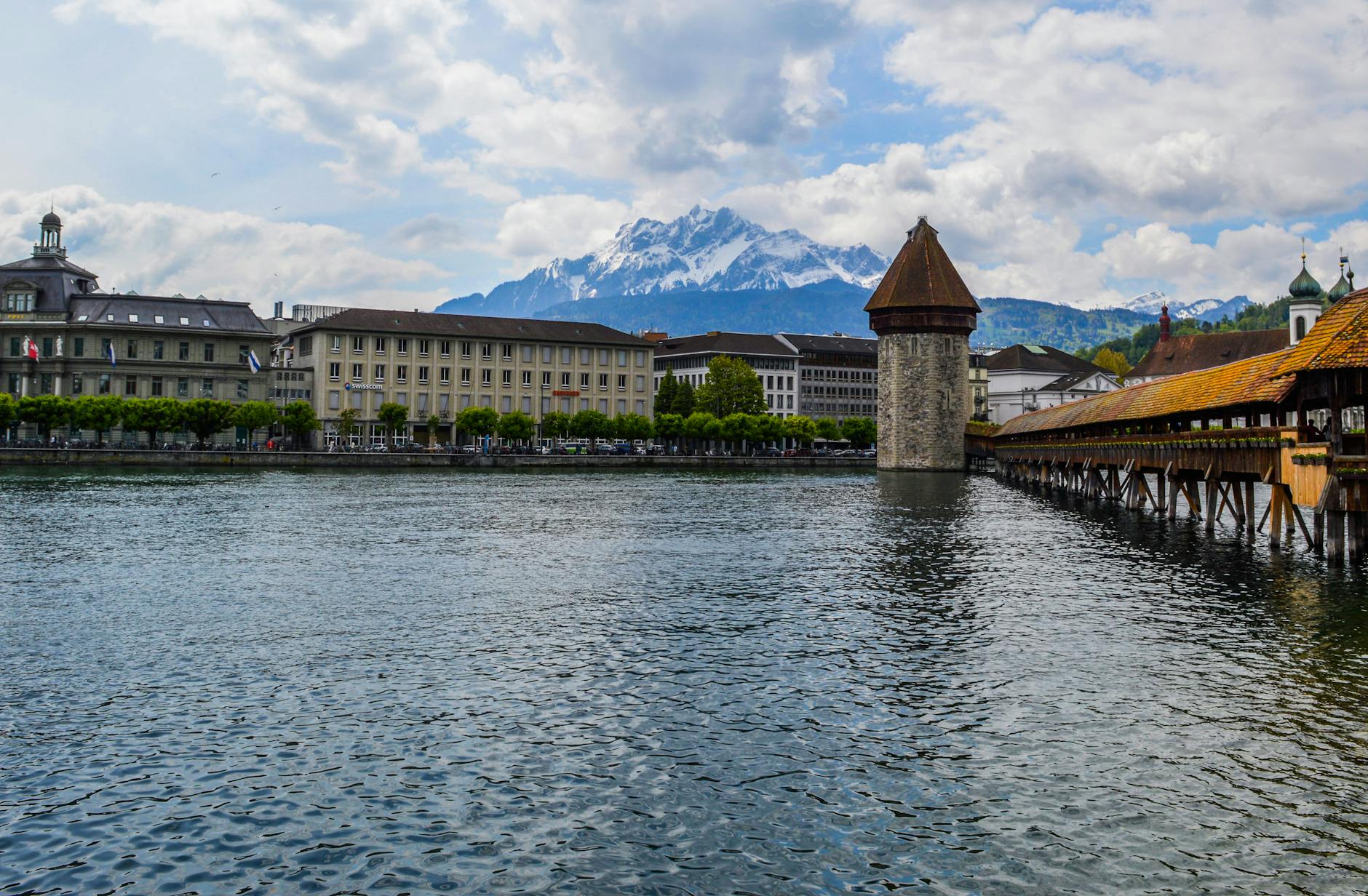
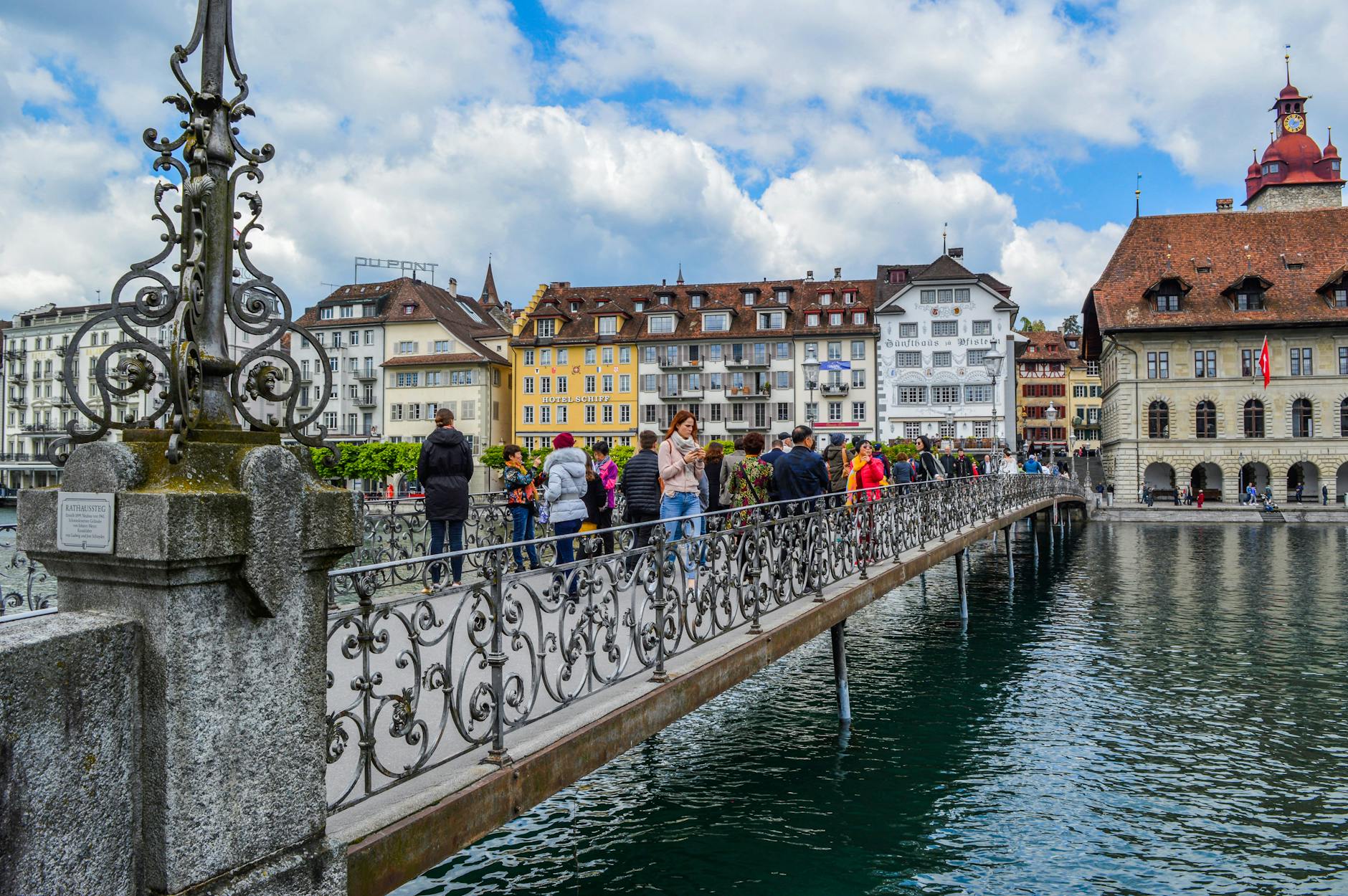
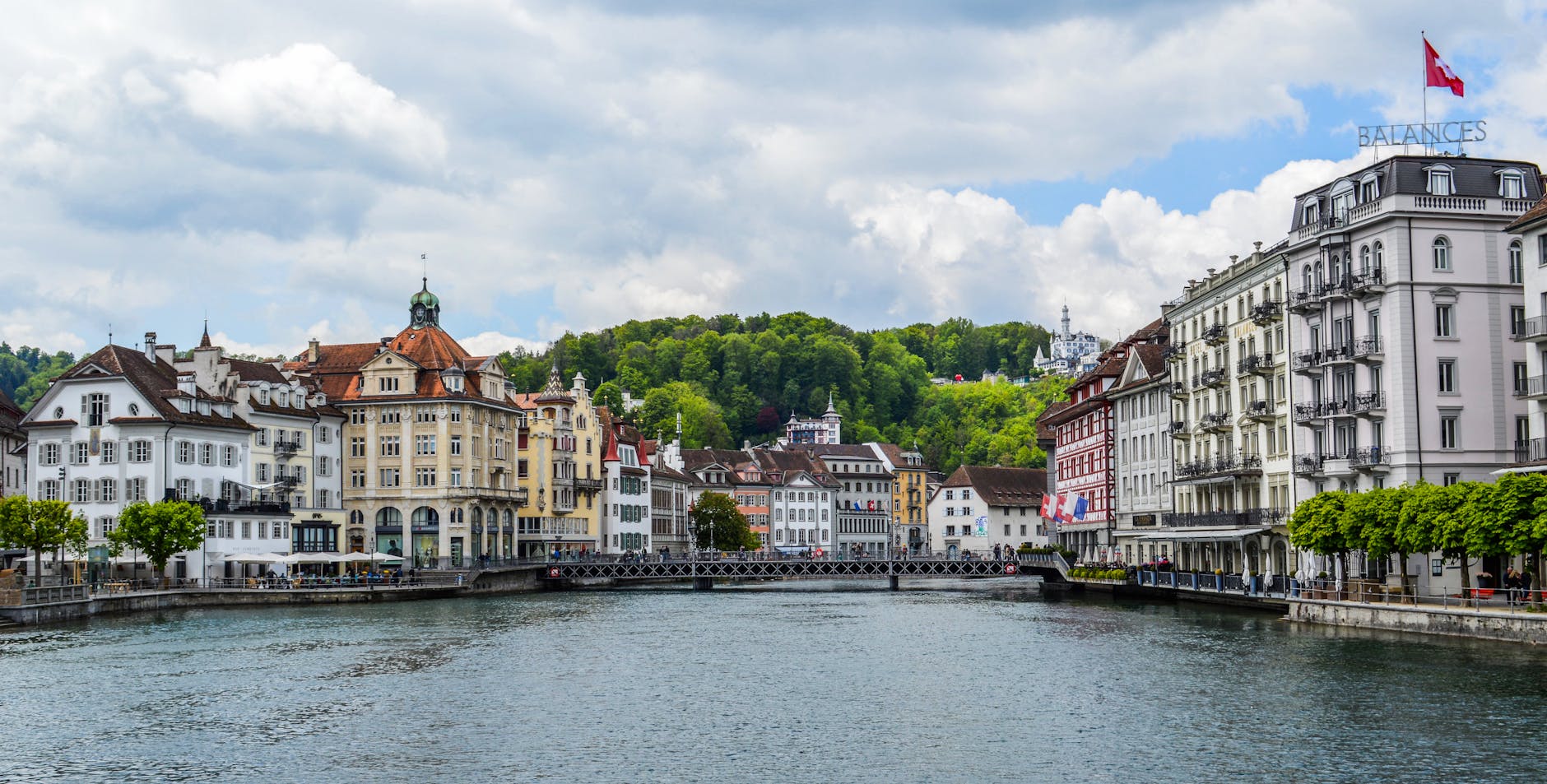
Lucerne's central sights are close, but older travelers still need to consider cobblestones, wooden bridge surfaces, wet pavement, crowds, steps, and restroom access. The best route uses short segments with benches, cafes, churches, hotels, or museums as planned pauses. This keeps the day from turning into one long standing obligation.
Short rests make a compact city more generous.
- Break the Old Town, Reuss, Chapel Bridge, and lakefront into short loops rather than one long circuit.
- Identify cafes, hotel lobbies, museums, churches, benches, and restrooms before fatigue appears.
- Use supportive footwear and avoid overcommitting to uneven streets in rain, snow, or summer heat.
Handle lake and mountain plans conservatively
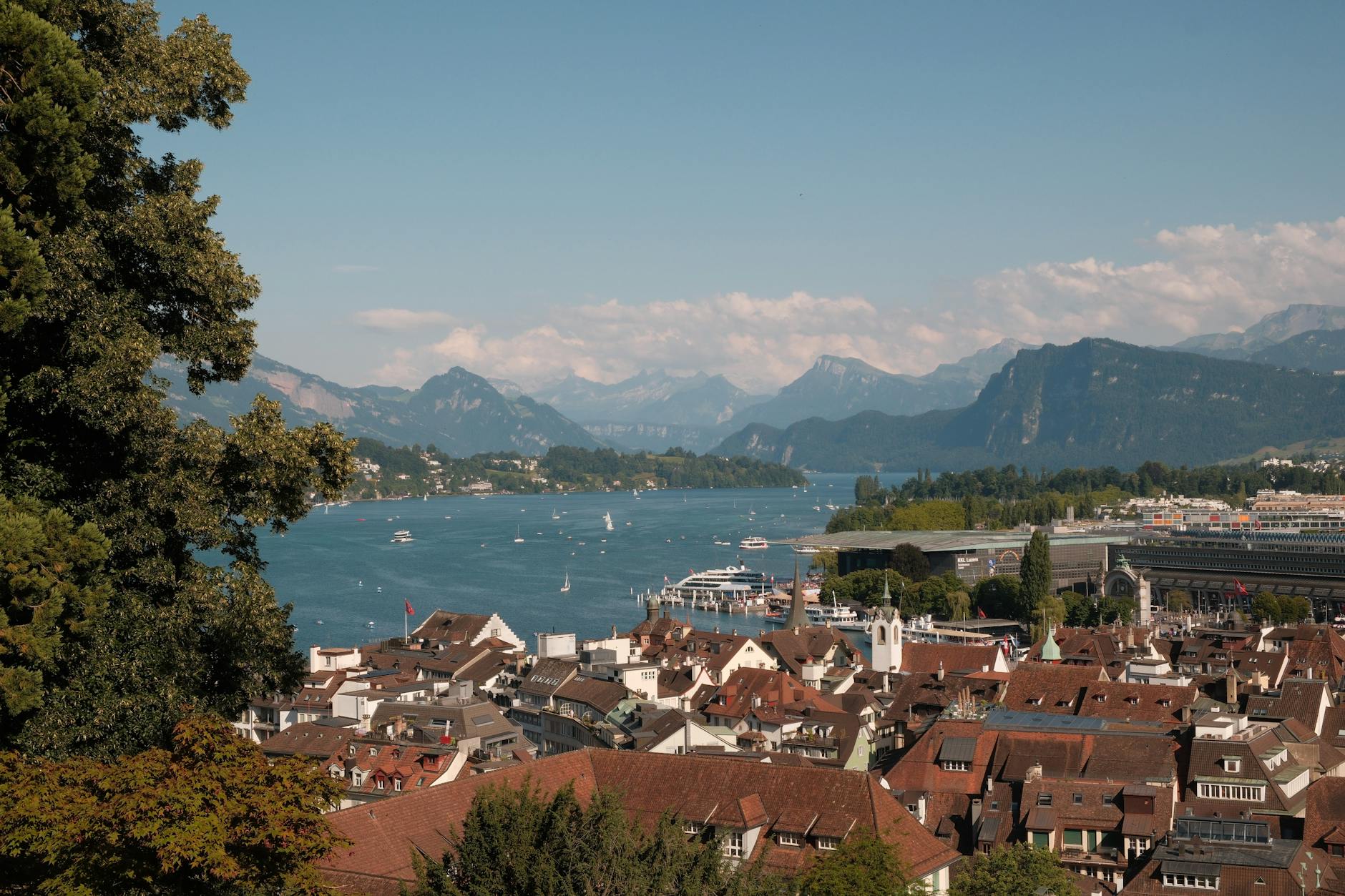
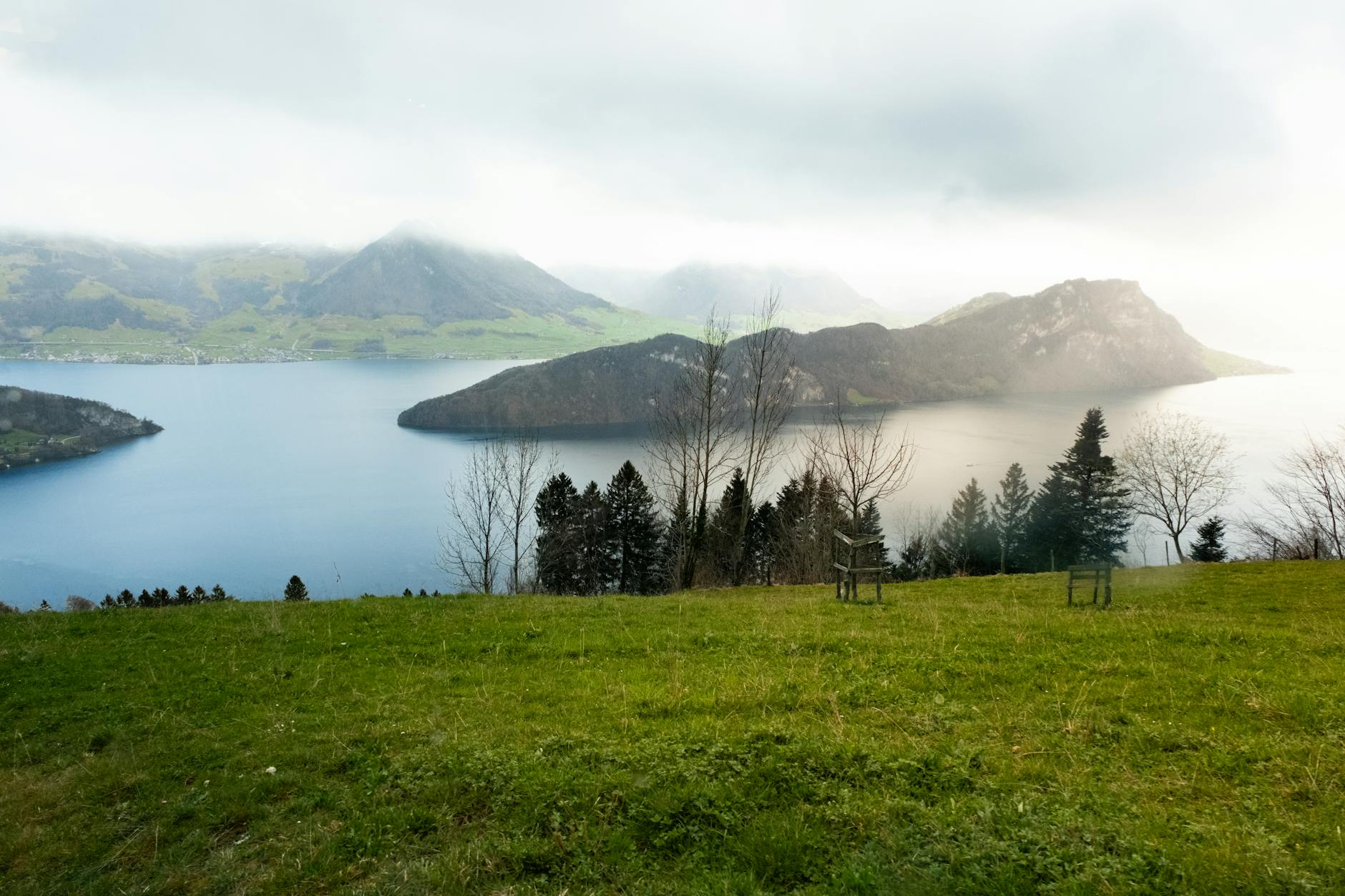
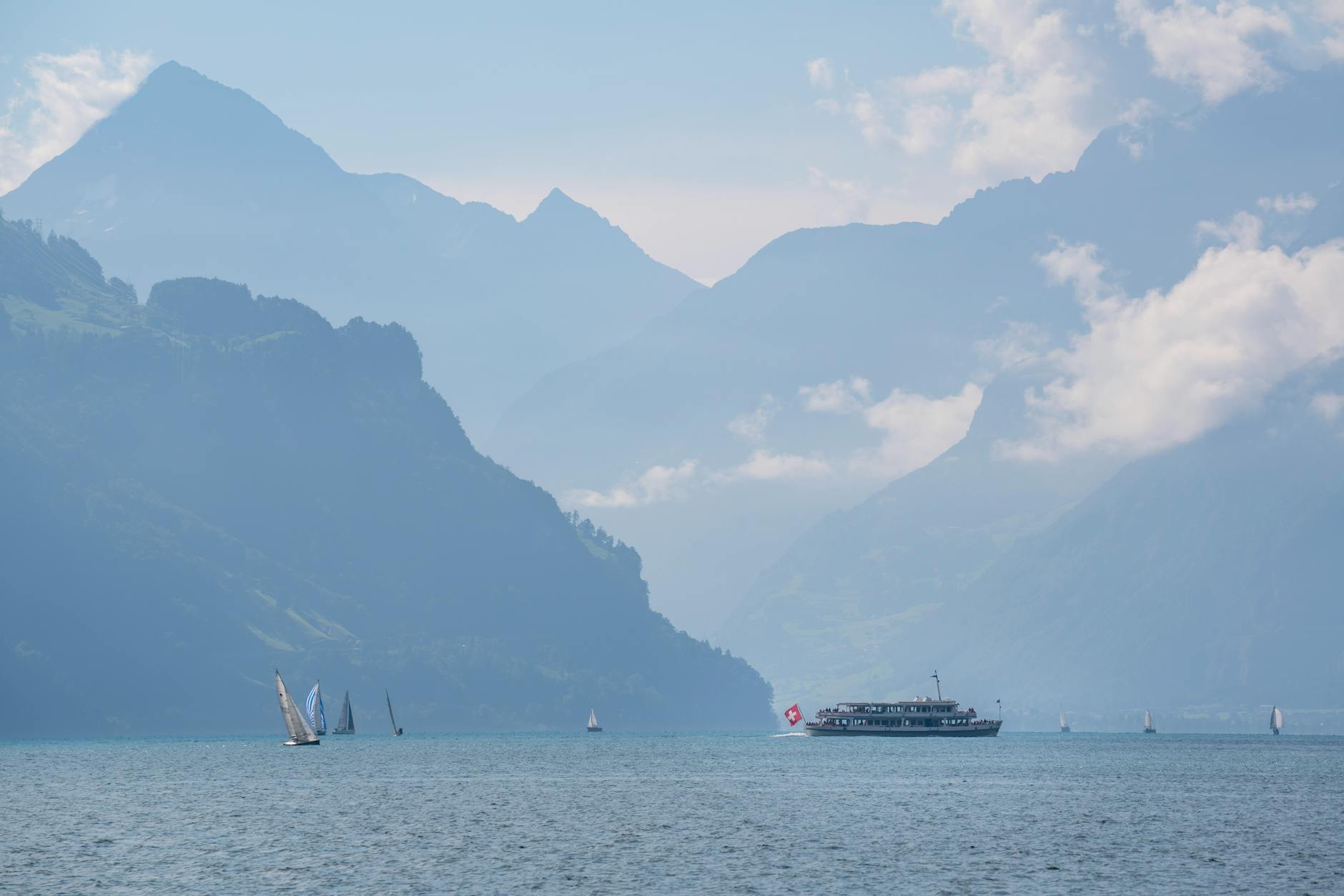
Lake Lucerne boats, Mount Rigi, Mount Pilatus, and other scenic excursions can be wonderful for older travelers, but they add schedules, boarding steps, weather exposure, and return timing. A shorter lake ride may be better than a full mountain day if energy is limited. The traveler should choose the excursion that fits the body they have that day.
The best scenic plan is the one that remains pleasant on the return.
- Check boat boarding, rail or cogwheel changes, walking distances, restrooms, seating, and return times.
- Use visibility and weather forecasts before buying mountain tickets or committing to a long outdoor day.
- Prefer shorter scenic options when sleep, balance, knees, breathing, or medication timing require margin.
Keep medical routines simple
Older travelers should make Lucerne easy for medication, hydration, food timing, sleep, and insurance needs. Swiss infrastructure is strong, but a short stay can still become stressful if prescriptions, pharmacy access, mobility aids, or dietary needs are left vague. Medical planning should sit quietly in the background before the trip begins.
The goal is not anxiety; it is fewer avoidable interruptions.
- Carry medication, prescriptions, insurance details, doctor contacts, and essential devices in hand luggage.
- Check pharmacy locations, meal timing, hydration, and any dietary needs near the hotel.
- Leave enough schedule space for rest if jet lag, altitude changes, or weather affects energy.
Use Swiss costs to support comfort
Lucerne can be expensive, but older travelers should be careful about saving money in ways that add strain. A closer hotel, taxi in rain, reserved seat, simple restaurant, or slower schedule can be the difference between enjoying the city and merely enduring it. The budget should protect comfort where comfort protects the trip.
Good spending choices reduce friction rather than add indulgence for its own sake.
- Budget for taxis, closer lodging, hotel breakfast, rest-day meals, weather changes, and easier transport.
- Book early for accessible rooms, lakefront hotels, and busy seasonal dates.
- Avoid cheap choices that create long walks, inconvenient stairs, or poor sleep.
When to order a short-term travel report
An older traveler with a hosted hotel and an easy Lucerne route may not need a custom report. A report becomes useful when the trip involves Zurich Airport arrival, luggage, mobility concerns, medication routines, a lake or mountain excursion, multiple hotels, winter weather, senior companions, or a short stop between longer travel legs.
The report should test rail timing, hotel access, walking routes, rest points, restaurants, medical routines, weather, scenic excursions, costs, and departure logistics. The value is a Lucerne stay that feels scenic without demanding more energy than the traveler wants to spend.
- Order when arrival, hotel access, walking comfort, medical routines, lake boats, mountains, or weather need careful planning.
- Provide dates, flight or rail timing, hotel options, mobility notes, medication timing, dietary needs, and must-see priorities.
- Use the report to keep Lucerne comfortable, well paced, and still richly worthwhile.