Lucerne can be a compact and visually strong base for a short journalism trip, whether the assignment concerns tourism, culture, business, climate, transport, events, or regional Swiss life. The city still needs operational planning. A journalist should arrive with a source map, access plan, gear workflow, privacy judgment, file backup routine, and weather-aware schedule rather than trusting the setting to make the reporting easy.
Define the story before the scenery
Lucerne gives a journalist easy visuals, but the reporting plan should start with the actual story. A tourism feature, conference dispatch, local profile, transport story, climate angle, or culture piece will require different sources, permissions, timings, and locations. Without a clear brief, the trip can become a collection of pretty scenes instead of reported work.
The assignment should decide the route.
- Clarify the story angle, editor expectations, source list, publication needs, deadlines, and required media formats.
- Map interview sites, public institutions, hotels, event venues, rail links, and visual locations before travel.
- Separate must-report elements from optional color so the schedule survives delays or weather.
Build arrival around interviews
Many journalists will reach Lucerne through Zurich Airport and rail. That transfer is straightforward, but it still competes with first interviews, equipment setup, hotel check-in, and time-zone fatigue. A same-day interview should have a generous buffer or a backup plan if a flight, bag, or train slips.
The first source should not pay for the travel margin.
- Build time for airport arrival, baggage, rail transfer, hotel check-in, gear setup, and first interview movement.
- Carry recorder, camera, laptop, chargers, adapters, notebooks, credentials, and essential clothing in hand luggage.
- Schedule the most important interview after the traveler has had time to arrive and test equipment.
Use the hotel as a small newsroom
A journalist's Lucerne hotel may need to support calls, transcription, uploads, editing, charging, backup storage, and quiet writing. The best base is not always the most atmospheric room. Reliable Wi-Fi, desk space, power access, breakfast timing, luggage storage, and a practical route to interviews can matter more than a lake view.
The room has to support the deadline.
- Check Wi-Fi, desk quality, quietness, power outlets, luggage storage, breakfast hours, and late return access.
- Keep one fallback place for writing or calls if the hotel room is unavailable or too noisy.
- Choose a location that keeps interviews, station access, and visual work within a manageable route.
Confirm access and permissions
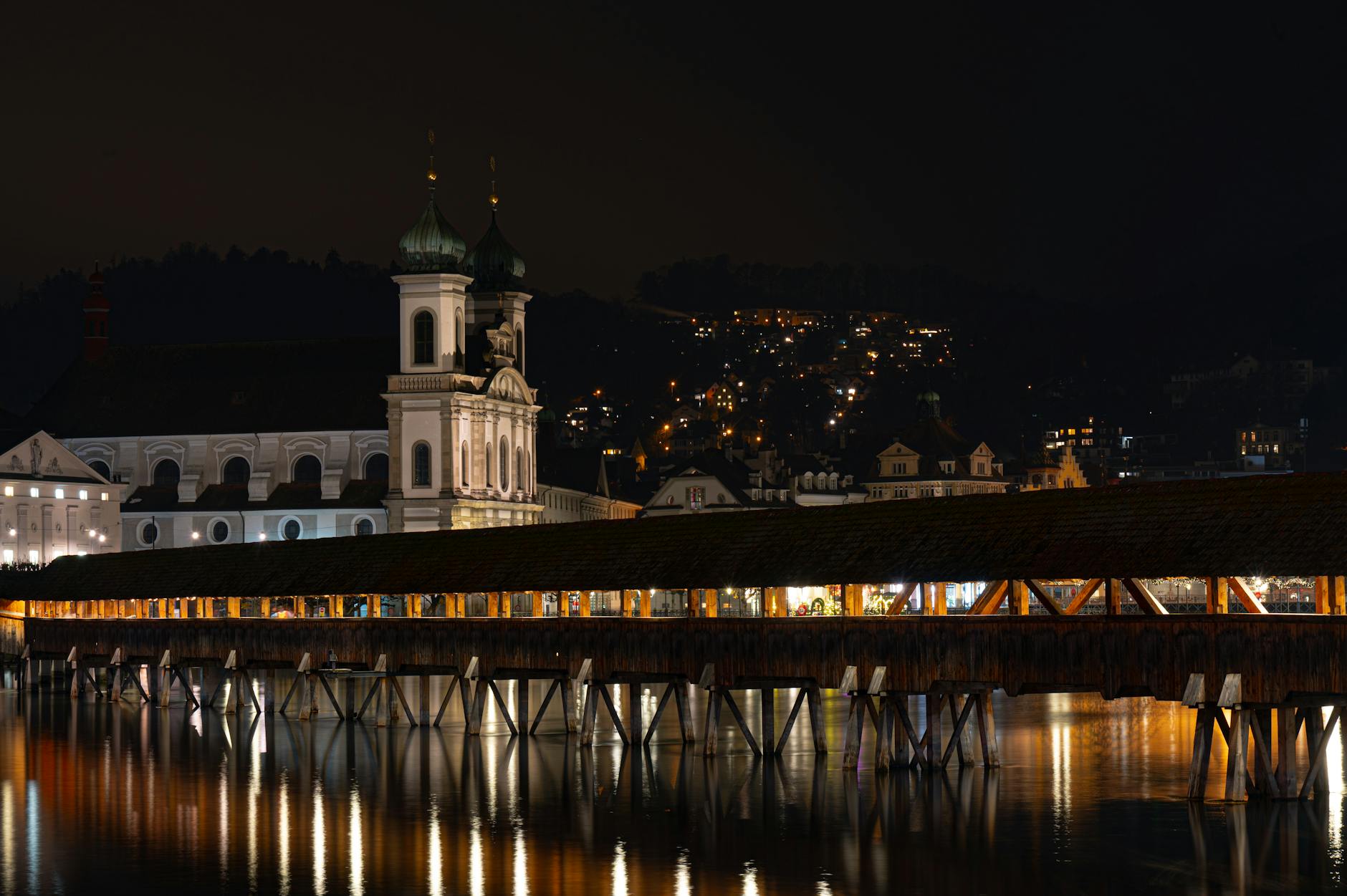
Lucerne is easy to walk, but not every interview, interior, museum, event, private building, religious site, or commercial venue can be recorded or photographed freely. A journalist should confirm access, press registration, recording consent, photo rules, and translation needs before assuming the schedule will work.
Access should be arranged, not hoped for.
- Confirm interview permissions, recording consent, photo rules, press registration, entry times, and location contacts.
- Ask whether indoor photography, tripod use, filming, or interviews require separate approval.
- Respect privacy and Swiss norms when working around private people, children, medical settings, and sensitive locations.
Control gear and files
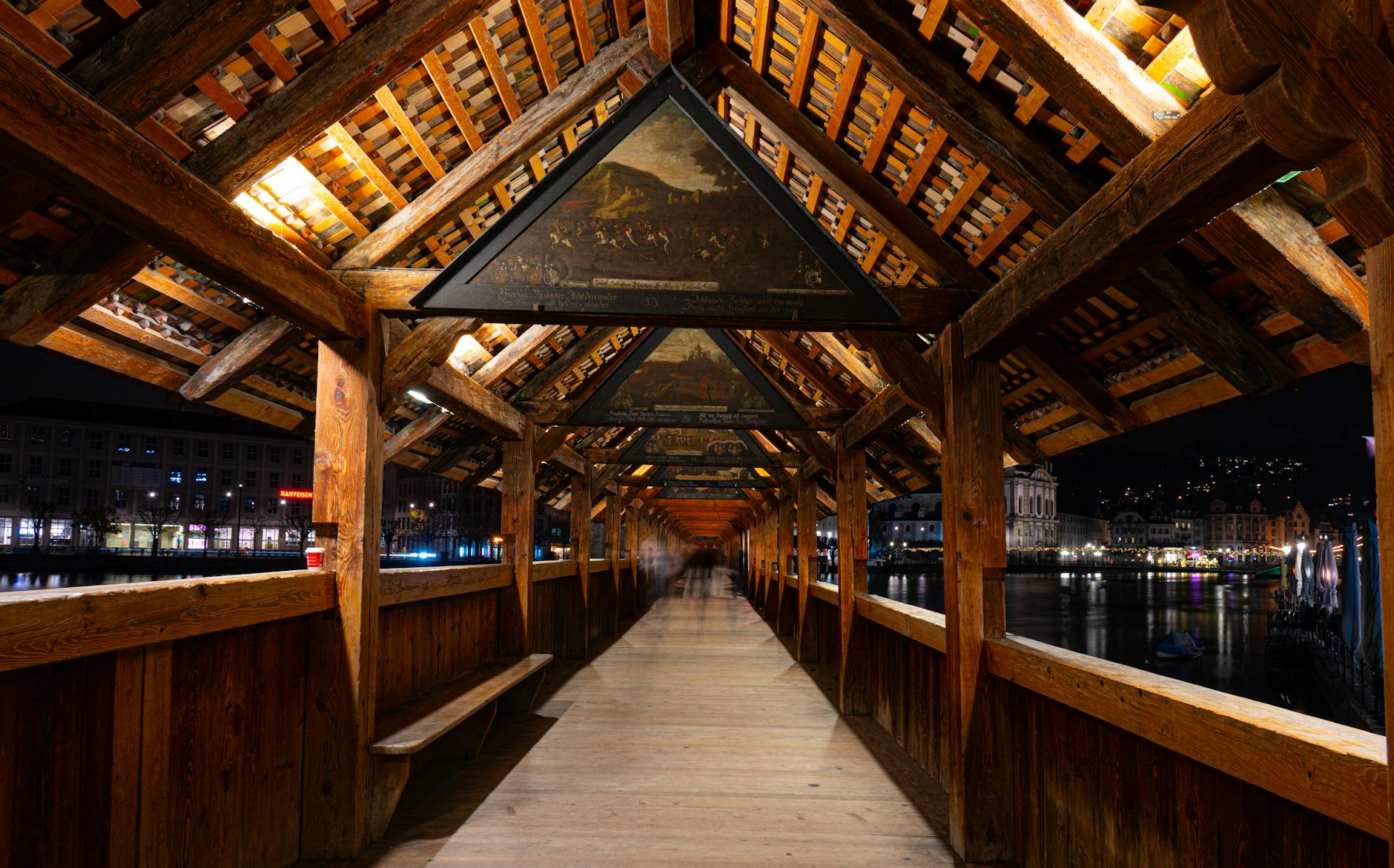
Short reporting trips are vulnerable to small failures: a dead recorder, full card, weak upload speed, missing adapter, lost notes, or unprotected source material. The journalist should have a lightweight gear list, charging plan, file naming routine, cloud or drive backup, and a privacy approach for notes and contacts.
A good story can still be lost in the workflow.
- Test recorders, cameras, microphones, batteries, memory cards, chargers, adapters, and laptop storage before travel.
- Back up files daily and keep source notes, contact details, unpublished material, and passwords protected.
- Carry a simple analog backup for names, times, quotes, and directions if devices fail.
Plan visual work without chasing everything
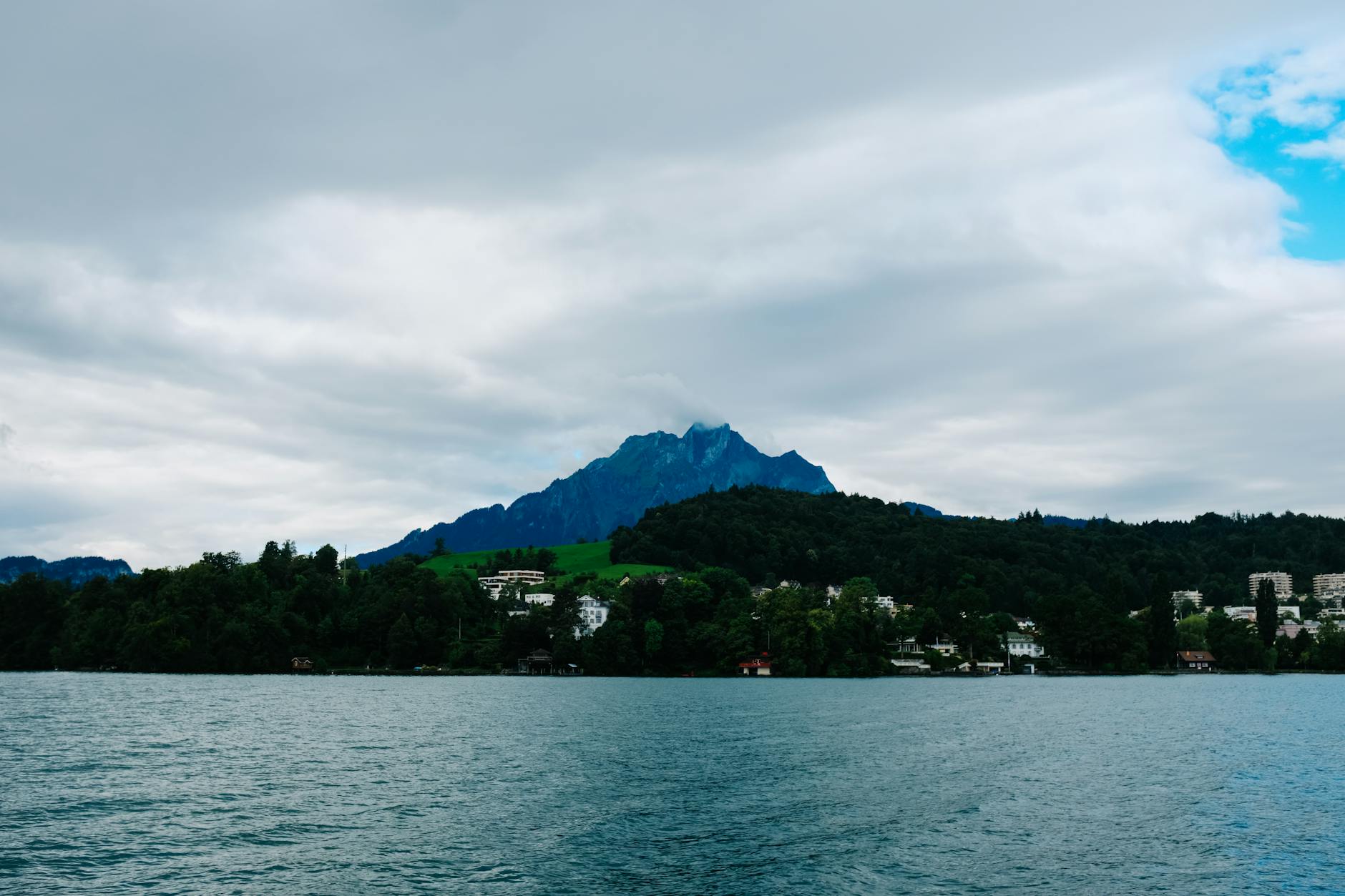
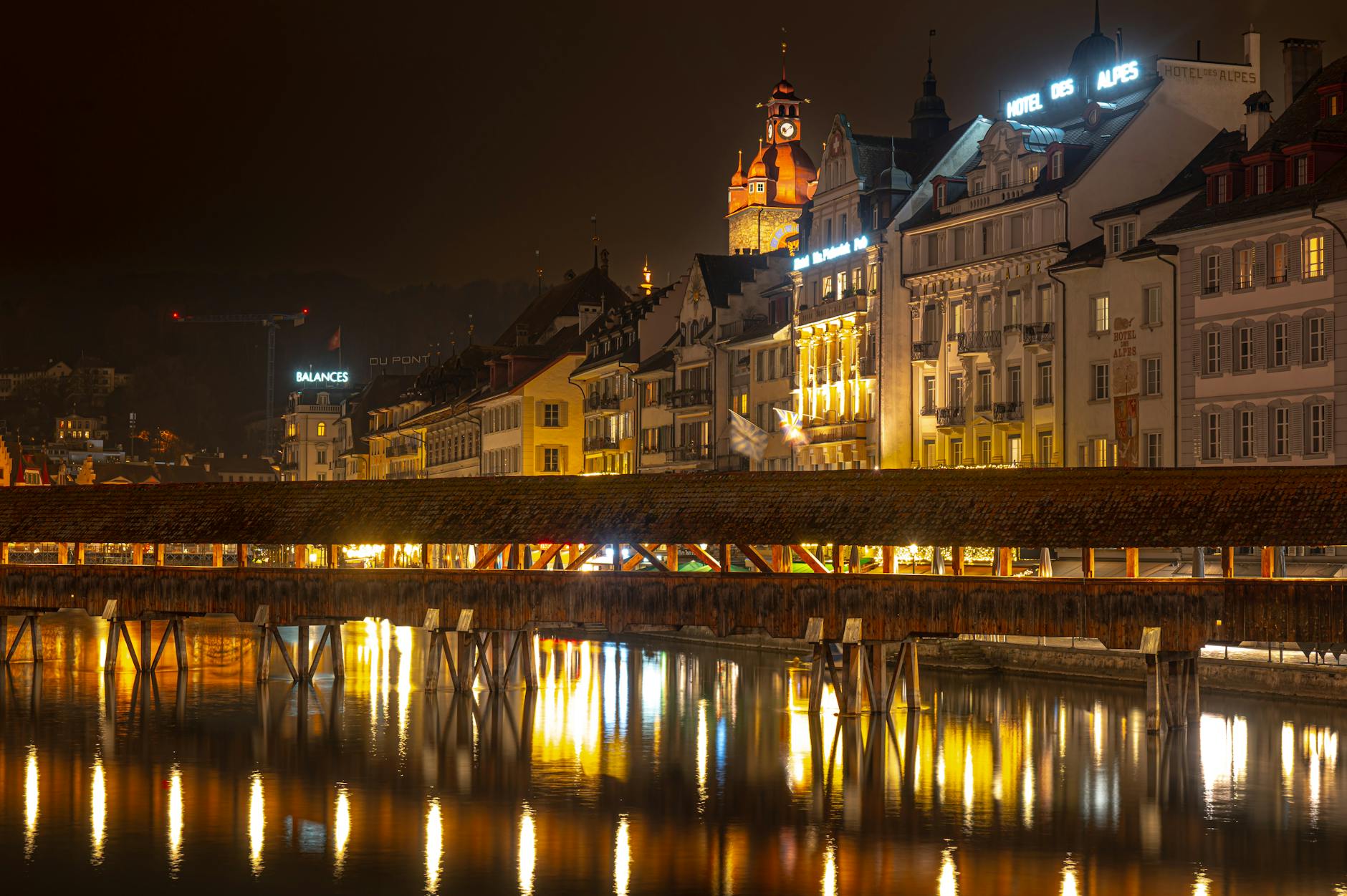
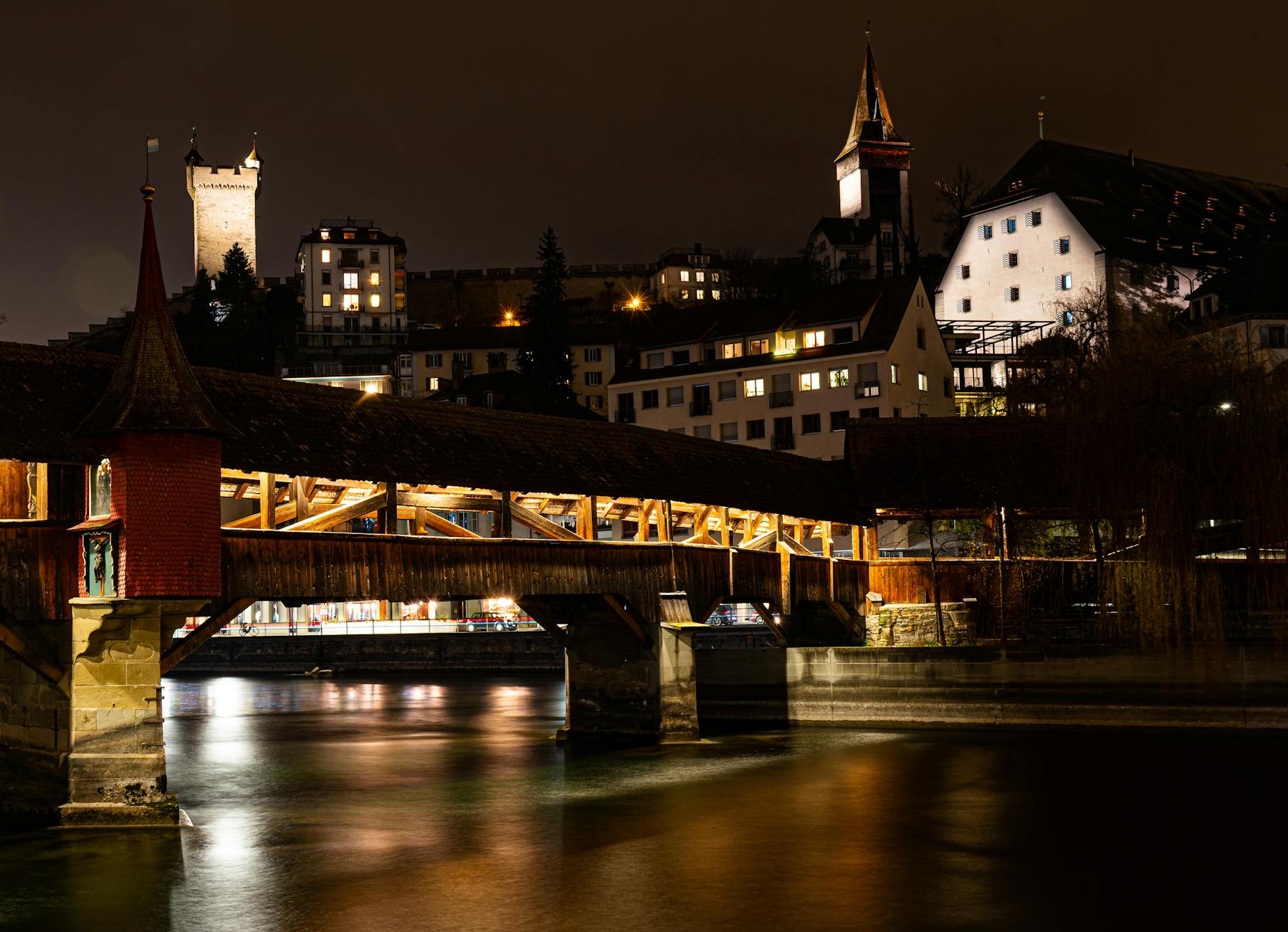
Lucerne offers lake, bridge, towers, mountains, boats, alleys, and evening reflections, but a journalist needs visuals that serve the story. Weather and light can change quickly, and mountain visibility can collapse. The schedule should include one strong visual window and one backup rather than scattering reporting time across every possible scene.
Visual discipline protects the reporting.
- Choose visuals that support the story rather than collecting generic city views.
- Check weather, daylight, event timing, public transport, and lake or mountain visibility before committing to shots.
- Keep captions, locations, names, and permissions clear while the details are still fresh.
When to order a short-term travel report
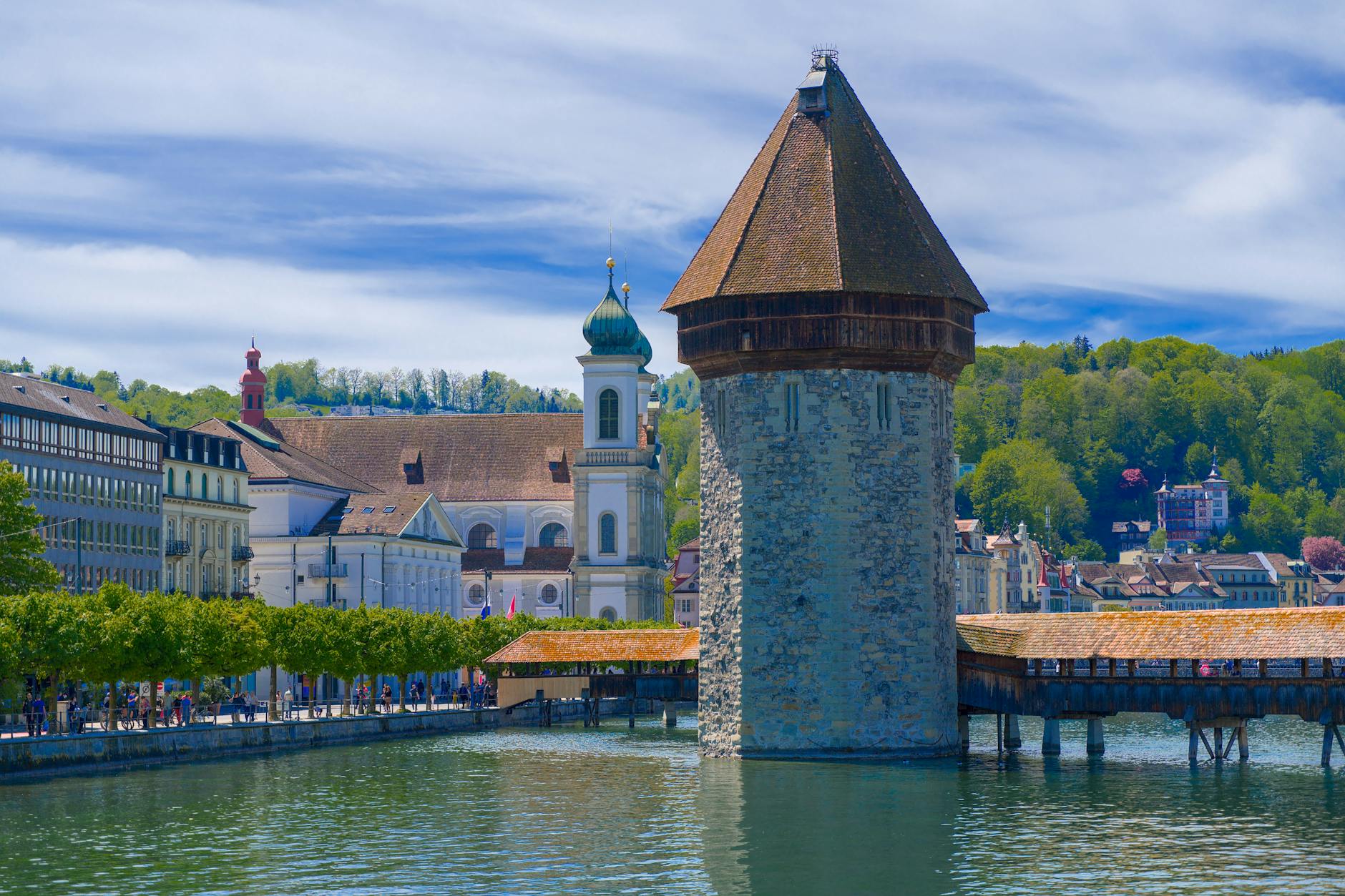
A journalist with a single hosted event and a known hotel may not need a custom report. A report becomes useful when the assignment includes multiple interviews, same-day arrival, tight filing deadlines, access permissions, weather-sensitive visuals, regional movement, private sources, or a need to keep costs and logistics explainable to an editor.
The report should test arrival timing, source geography, hotel workspace, permissions, visual windows, gear needs, backup locations, costs, and departure timing. The value is a Lucerne reporting trip that turns limited time into usable, well-supported work.
- Order when interviews, access, filing deadlines, visuals, gear, regional movement, or departure timing need exact sequencing.
- Provide dates, flight times, assignment brief, source list, locations, hotel options, deadlines, and media requirements.
- Use the report to keep the journalism trip focused, workable, and defensible to an editor.