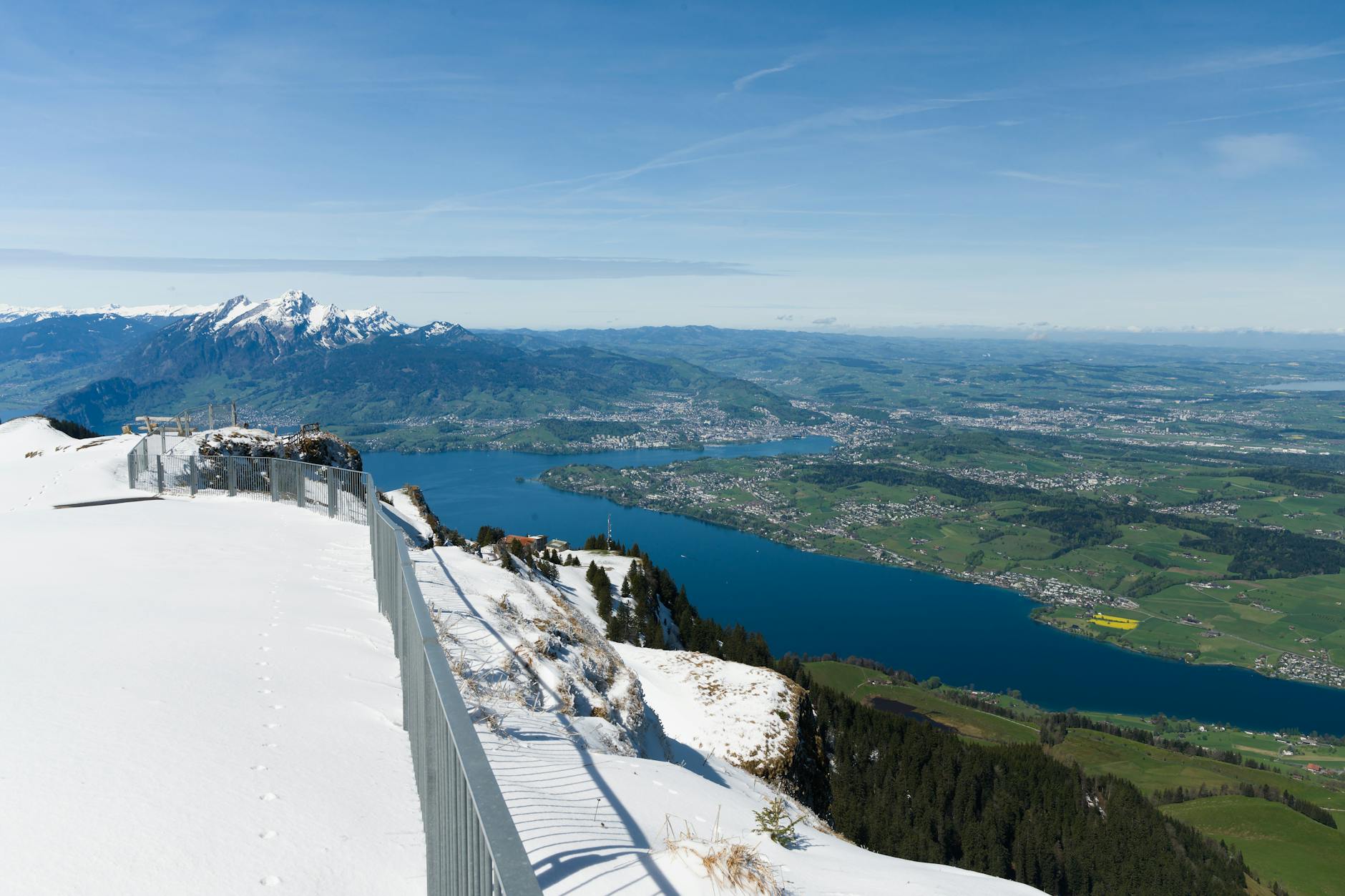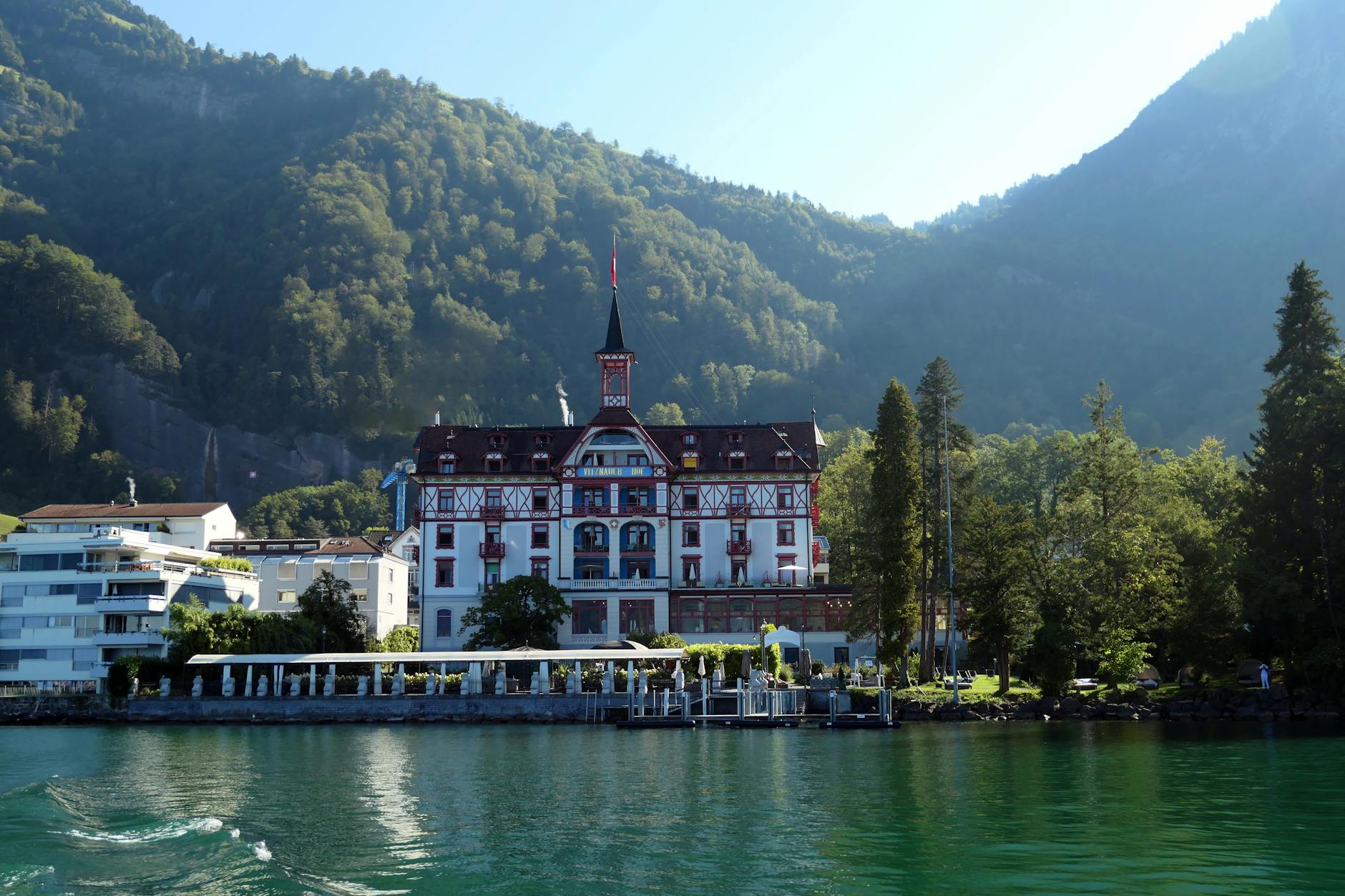
Lucerne can be a discreet and comfortable setting for investor meetings, diligence sessions, board-adjacent work, or deal discussions. The city still requires careful planning. A deal-focused traveler needs reliable arrival timing, private work space, controlled document handling, exact meeting routes, secure calls, disciplined dinners, and clear departure buffers. The lake setting is useful only if it supports confidentiality and decision quality.
Separate deal purpose from scenery
An investor or deal team member should define the trip's decision purpose before building the Lucerne itinerary. The visit may involve management meetings, asset tours, family office conversations, board discussions, diligence reviews, or quiet negotiation. Each version creates different needs for privacy, timing, transport, and follow-up.
The deal agenda should control the travel design.
- Clarify whether the trip is for diligence, relationship building, negotiation, monitoring, board work, or transaction closing.
- Map meeting sites, hotel, station, dinner venues, private work spaces, and any regional movements before booking.
- Keep scenic plans subordinate to the meetings and decisions that justify the trip.
Protect confidential arrival and work time
Arrival through Zurich Airport and rail to Lucerne can be smooth, but a deal traveler may be carrying sensitive papers, devices, access tokens, or live negotiation context. The schedule should include time to arrive, secure luggage, refresh, review materials, and make private calls before meeting counterparts.
Confidential work should not begin in a crowded station corner.
- Build buffers for airport arrival, baggage, rail transfer, hotel check-in, private calls, and document review.
- Carry sensitive devices, documents, chargers, adapters, and critical clothing in hand luggage.
- Avoid same-day arrival for high-stakes meetings unless the margin is generous and alternatives are clear.
Choose a hotel for privacy and control
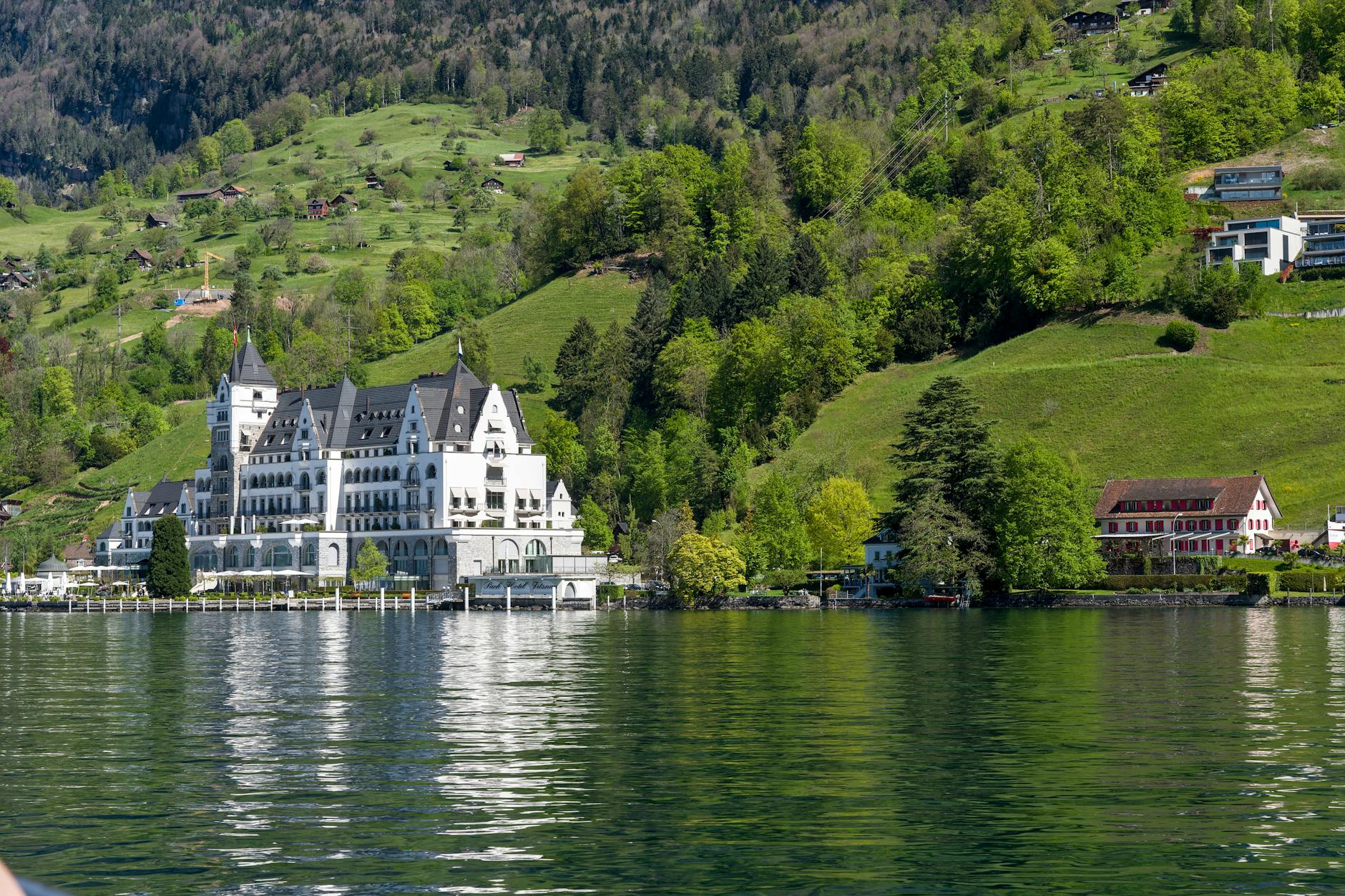
Hotel choice matters because deal work often continues outside formal meetings. The traveler may need private calls, secure Wi-Fi, a quiet desk, printing support, a discreet lobby, reliable transport, and enough separation from counterparties. A famous lakefront address can be useful, but only if it supports the work and does not create unwanted visibility.
Privacy is a hotel feature, not an assumption.
- Check room workspace, Wi-Fi, call privacy, printing support, lobby exposure, breakfast timing, and secure luggage handling.
- Decide whether being near counterparties is helpful, awkward, or a confidentiality problem.
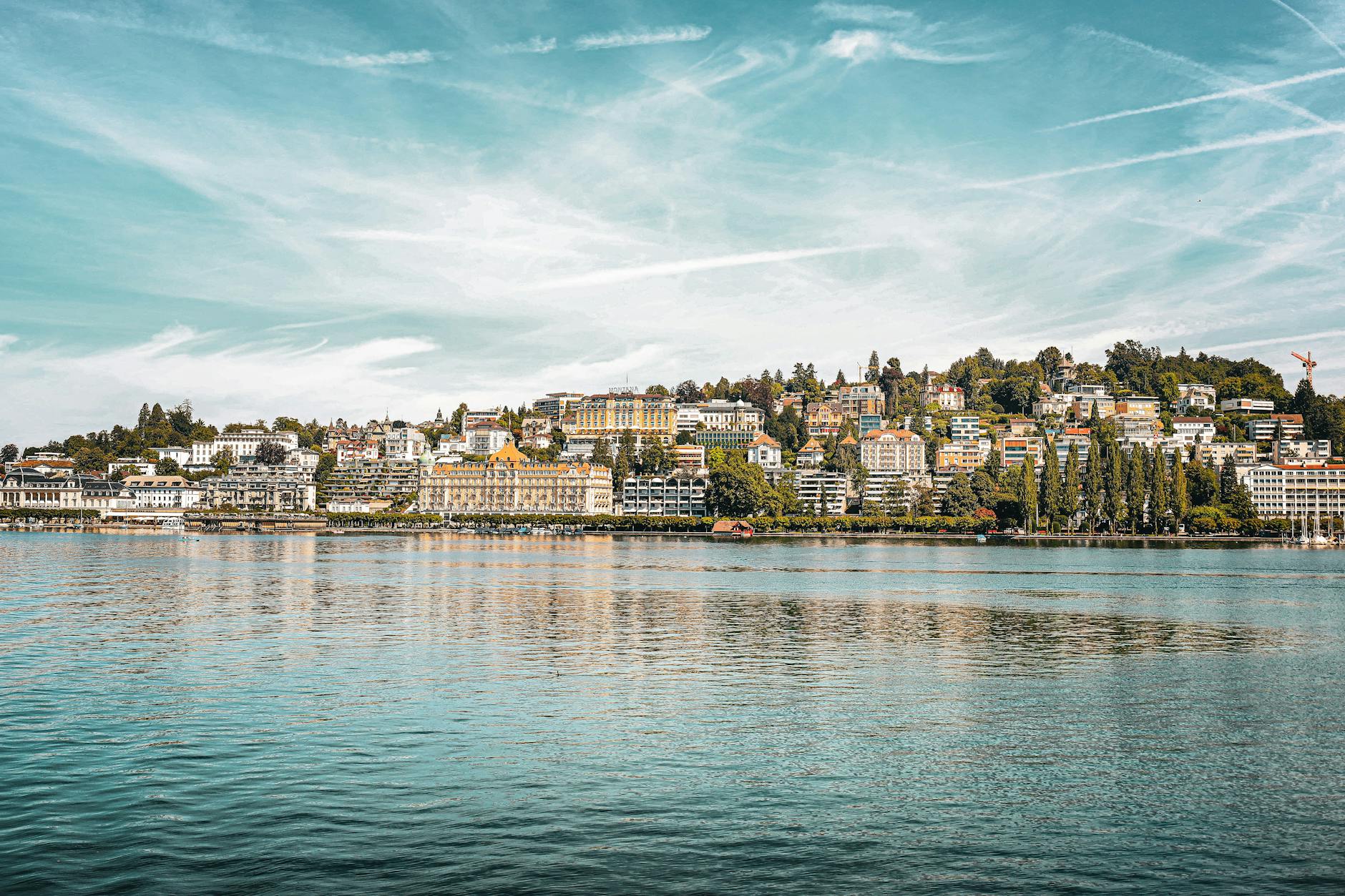
- Use a practical central base when the trip requires repeated station, meeting, and dinner movements.
Control documents, devices, and conversations
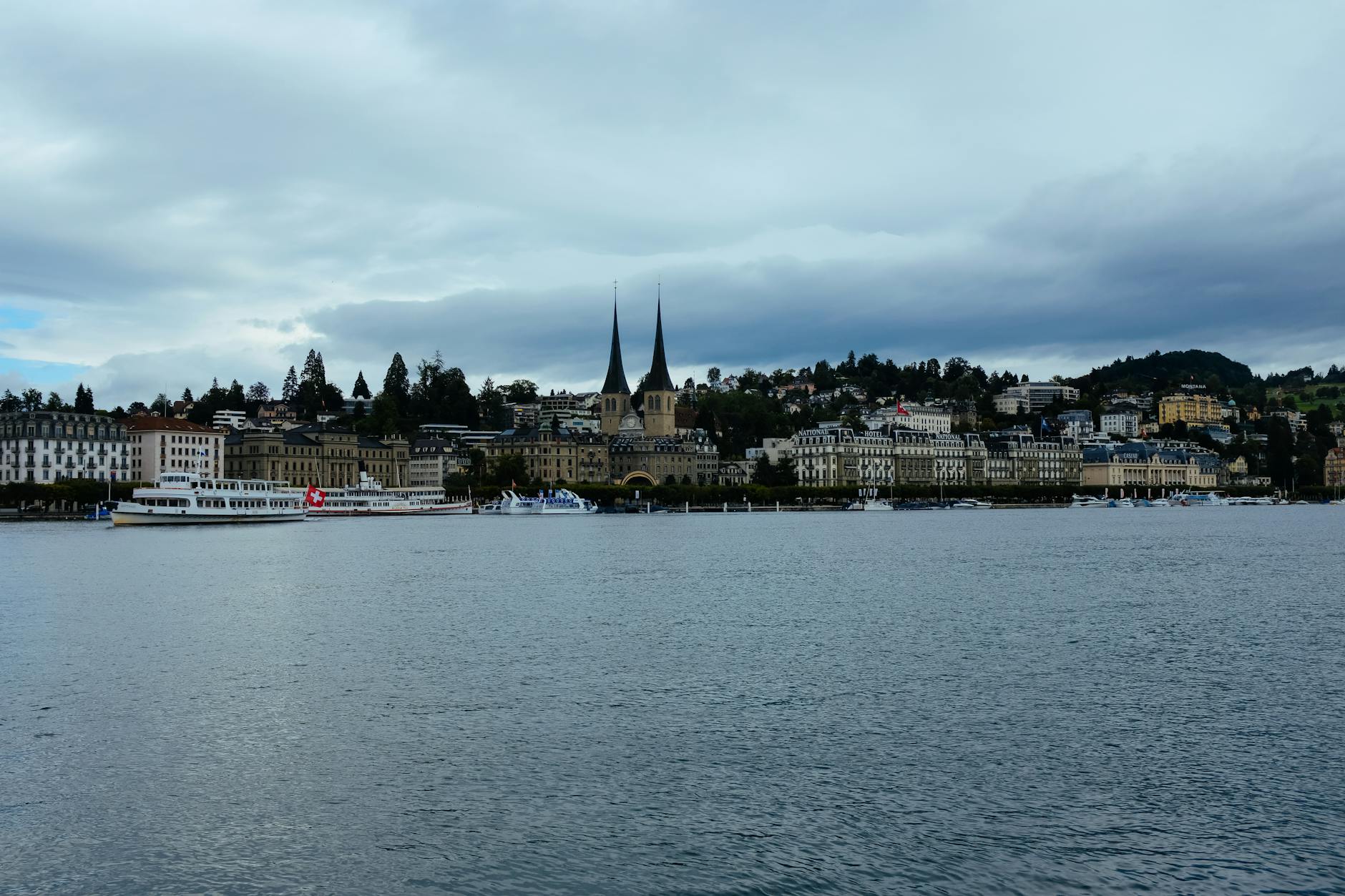
Deal teams should treat trains, cafes, hotel lobbies, lakefront benches, and restaurants as public environments. Screen visibility, file names, speakerphone use, printed pages, deal code names, and casual corridor conversations all matter. The calmness of Lucerne does not make public work private.
Information control is part of travel discipline.
- Use private rooms, client offices, or booked meeting spaces for sensitive calls and document review.
- Control screen visibility, printed pages, meeting notes, file names, and spoken references in public areas.
- Confirm VPN access, device charging, two-factor authentication, secure storage, and backup contact methods before travel.
Plan dinners as part of diligence
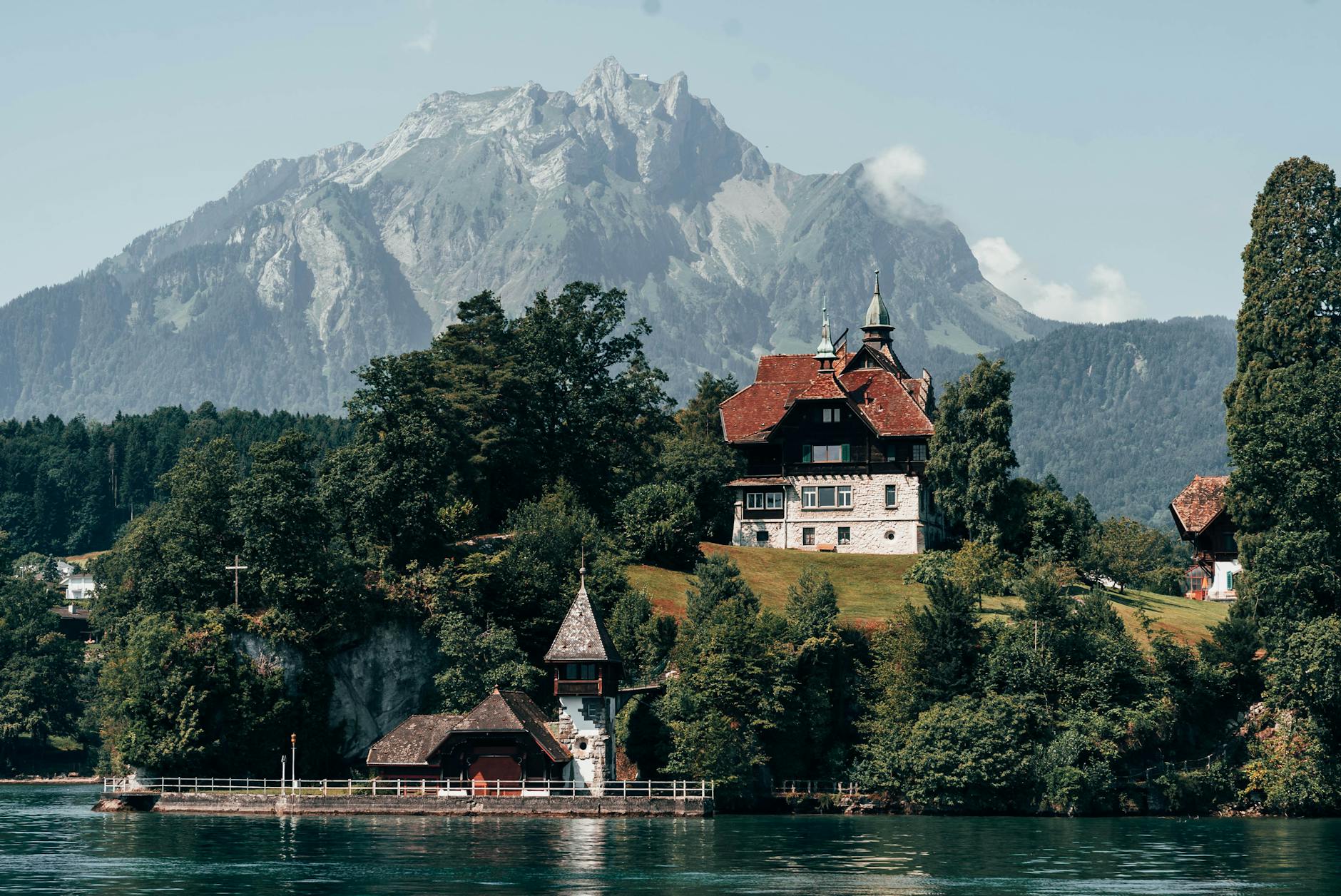
Investor dinners and informal lakefront conversations can reveal useful information, but they also create risk if the agenda is unclear. The traveler should decide who should attend, what should be discussed, how alcohol will be handled, how notes will be captured, and how the team will return to private follow-up afterward.
A pleasant dinner can still be a work setting.
- Choose dinner venues by privacy, acoustics, access, dress expectations, return route, and participant fit.
- Decide which topics are appropriate for informal settings and which should wait for a controlled room.
- Reserve time after dinners for internal notes, decision logs, open questions, and next-day preparation.
Keep optional scenery genuinely optional
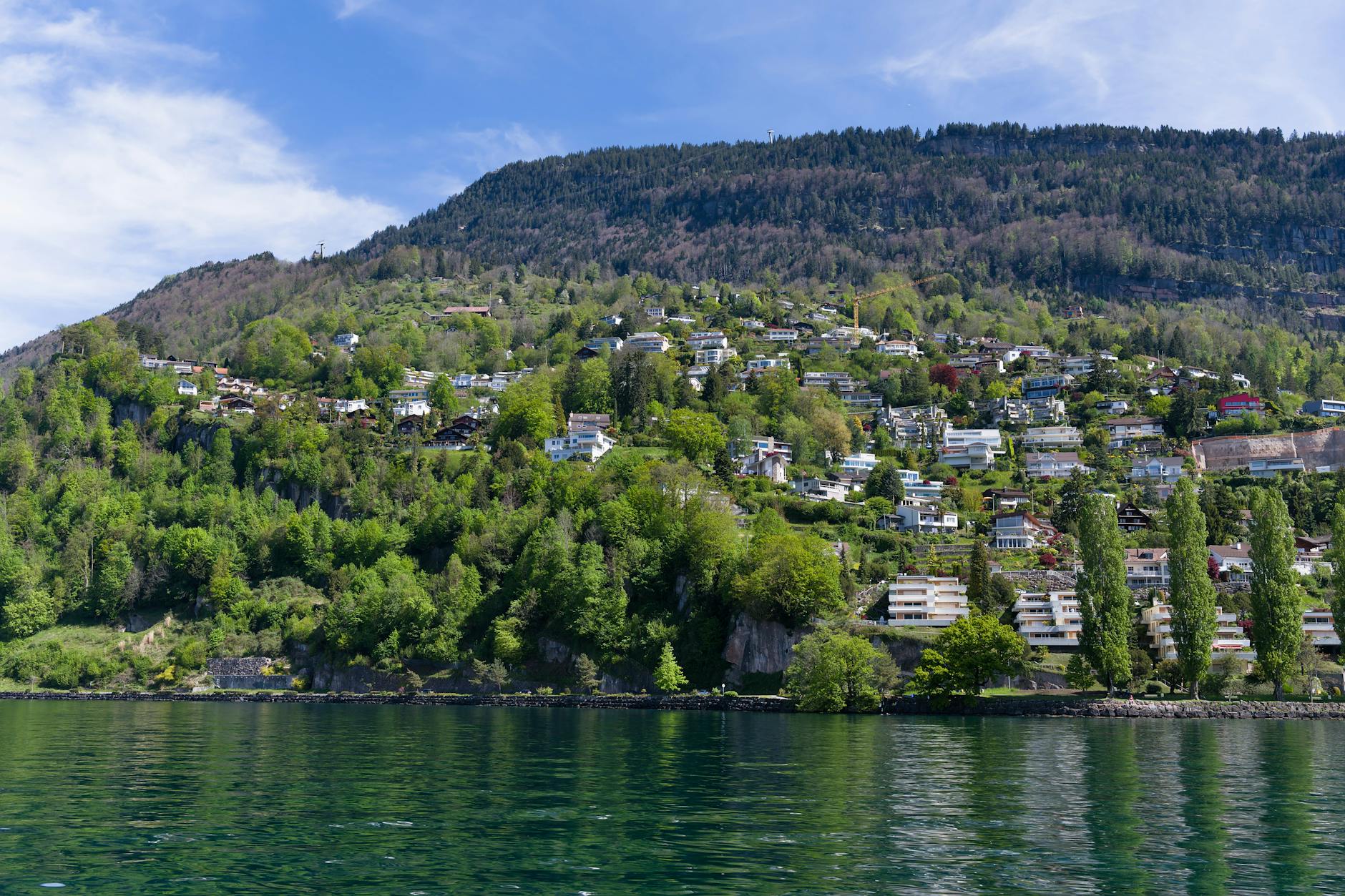
Lake and mountain time can be useful for recovery, relationship building, or a clearer sense of place. It should not sit too close to a live negotiation, flight, or decision meeting. Weather, visibility, ticket timing, and return logistics should decide whether a scenic add-on is worth it.
The deal should not depend on rushing back from a viewpoint.
- Use short lakefront walks or central pauses when the schedule is heavy or confidentiality is sensitive.
- Check weather, visibility, ticket timing, and return routes before adding lake or mountain excursions.
- Keep final-day activities close to the station or hotel when airport timing or deal follow-up matters.
When to order a short-term travel report
An investor or deal team member with a hosted agenda and loose timing may not need a custom report. A report becomes useful when the trip includes same-day arrival, confidential work, multiple meeting sites, management dinners, private rooms, regional asset visits, uncertain hotel choice, or a tight Zurich Airport exit.
The report should test arrival timing, hotel privacy, meeting geography, document control, dinner logistics, weather, costs, side-trip risk, and departure timing. The value is a Lucerne deal trip that protects discretion, pace, and decision quality.
- Order when confidentiality, arrival timing, meeting geography, private work space, dinners, or departure timing need exact planning.
- Provide dates, flight times, meeting addresses, hotel candidates, participant profile, confidentiality needs, and budget rules.
- Use the report to keep the deal visit controlled, discreet, and aligned with the decision at hand.