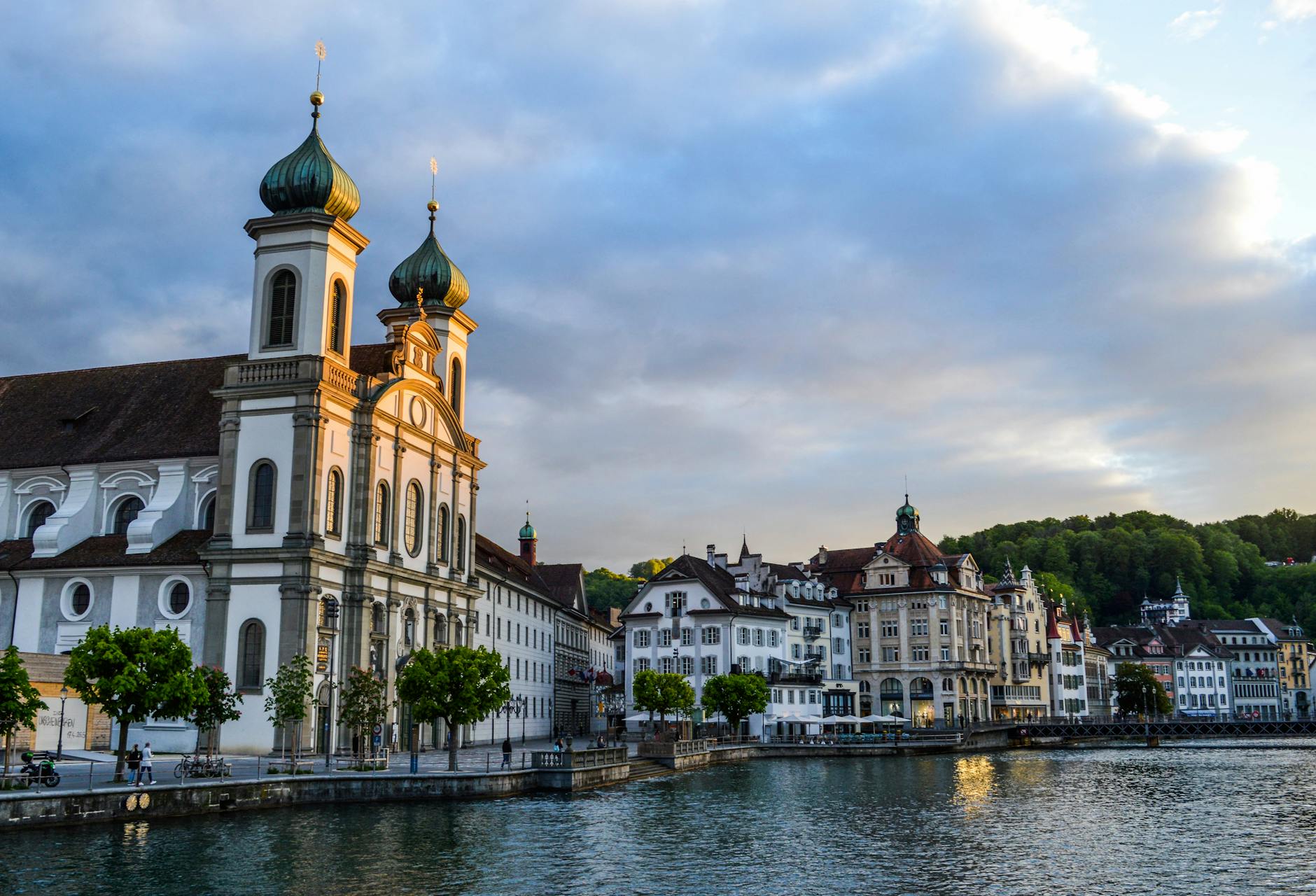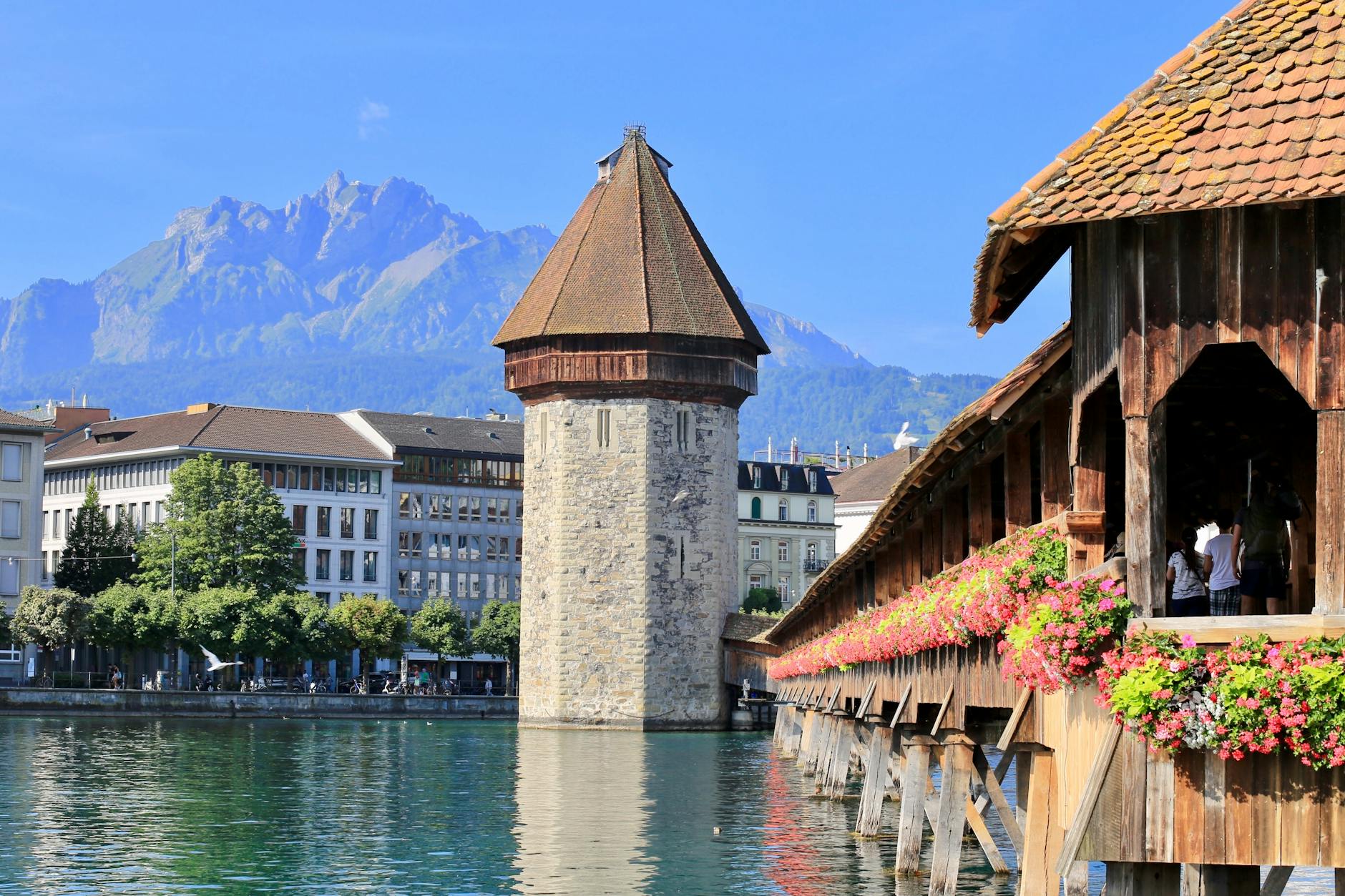
Lucerne is a highly readable first Swiss stop: a station beside the lake, Chapel Bridge, the Reuss, the Old Town, mountain views, boats, and easy rail access from Zurich Airport. The danger is assuming that easy geography means everything should be added. A first-time visitor needs a short plan that respects weather, walking comfort, lake and mountain timing, hotel choice, cost, and the difference between seeing Lucerne well and racing through it.
Start with arrival and hotel geography
Lucerne is simple to reach by Swiss rail, but a first-time visitor should still choose lodging carefully. Station-area, lakefront, Old Town, and hillside hotels create different daily rhythms. Luggage, bridges, cobblestones, weather, breakfast timing, and late arrivals matter more than they appear on a map.
A good Lucerne base makes the first day calmer immediately.
- Map the station, hotel, lakefront, Chapel Bridge, Old Town, and any boat or mountain departure before booking.
- Check whether the hotel is easy with luggage, stairs, rain, late check-in, and early breakfast.
- Avoid a scenic hotel that adds awkward transfers to a short first visit.
Keep the first walk compact
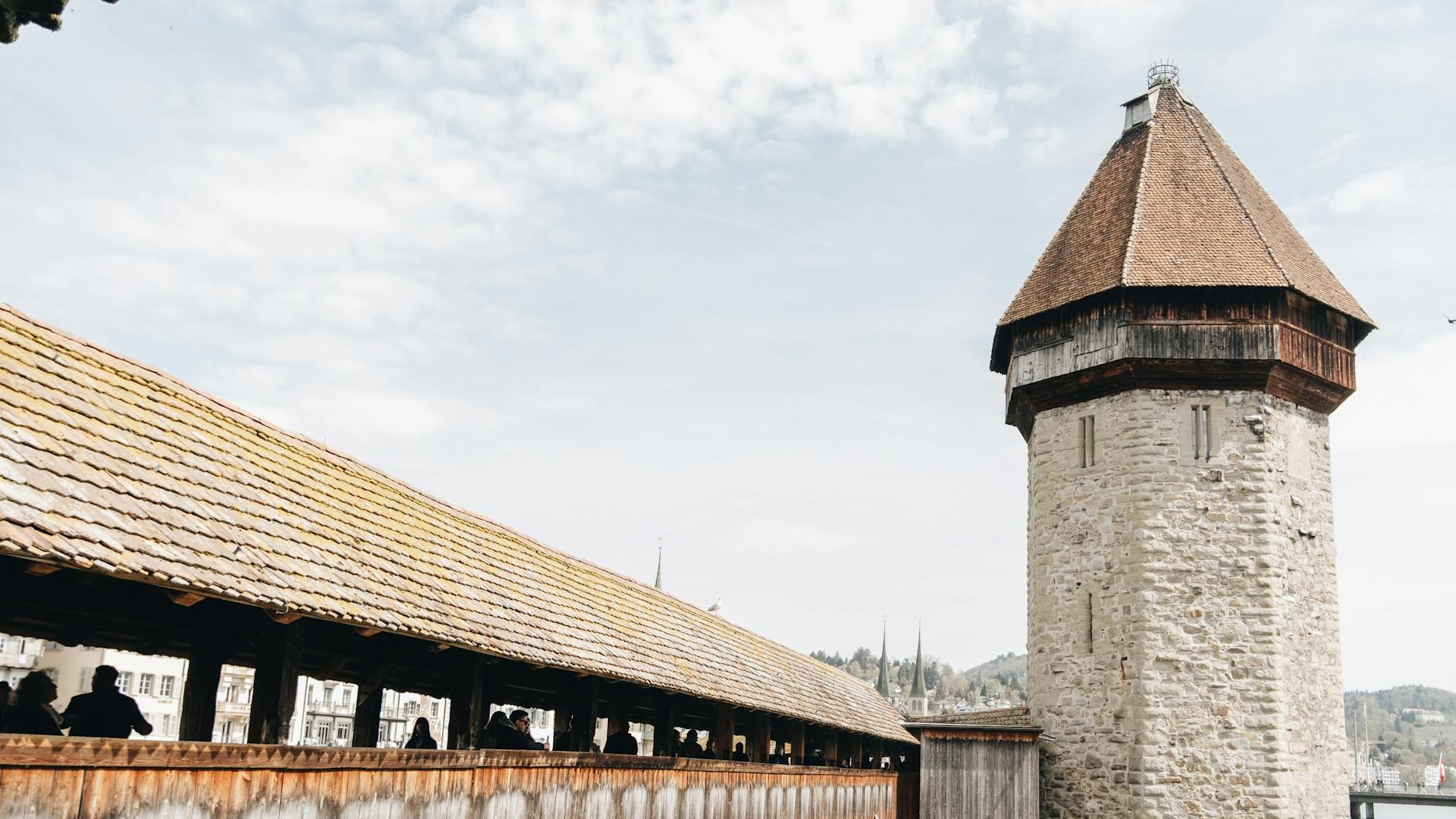
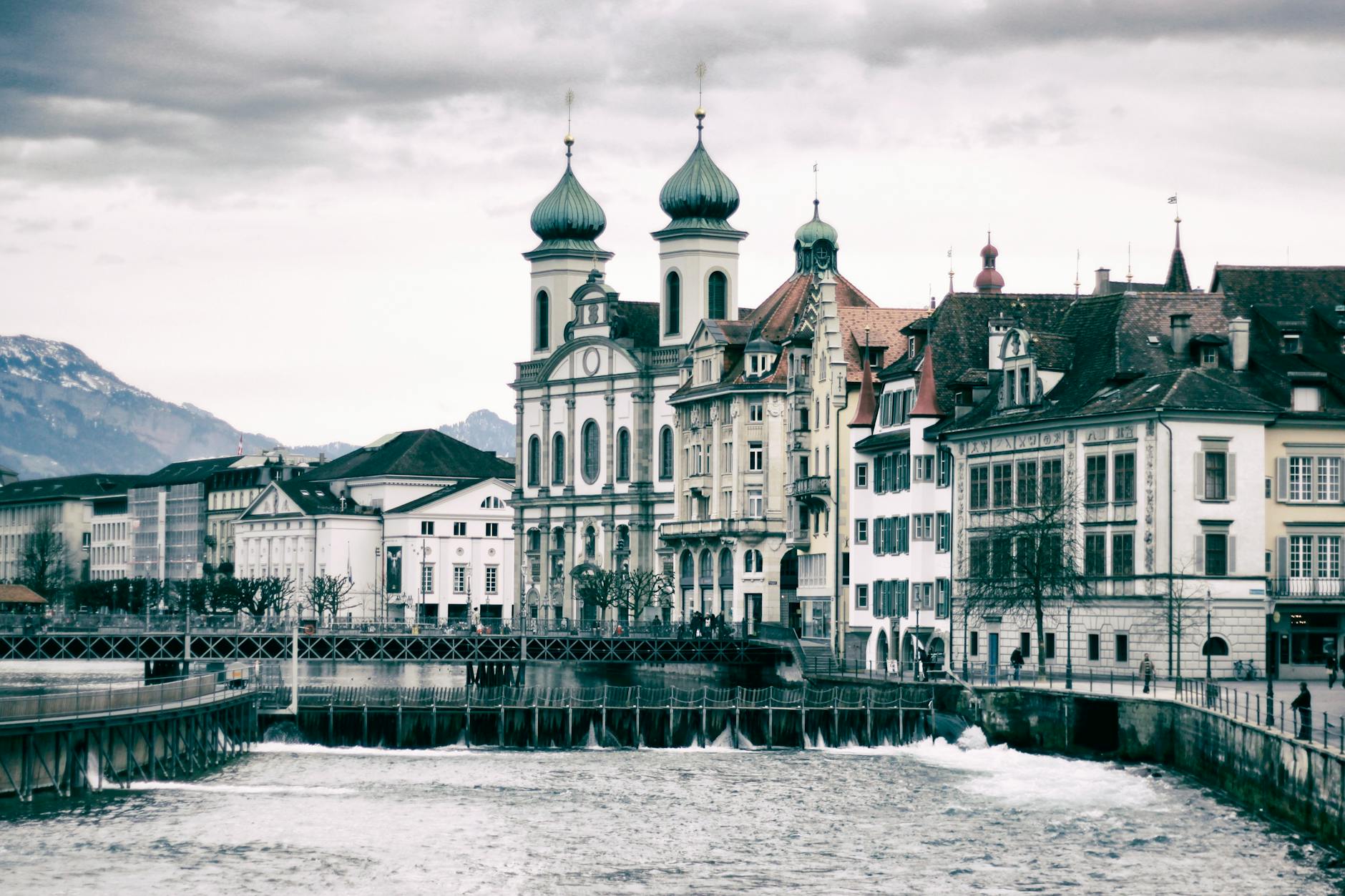
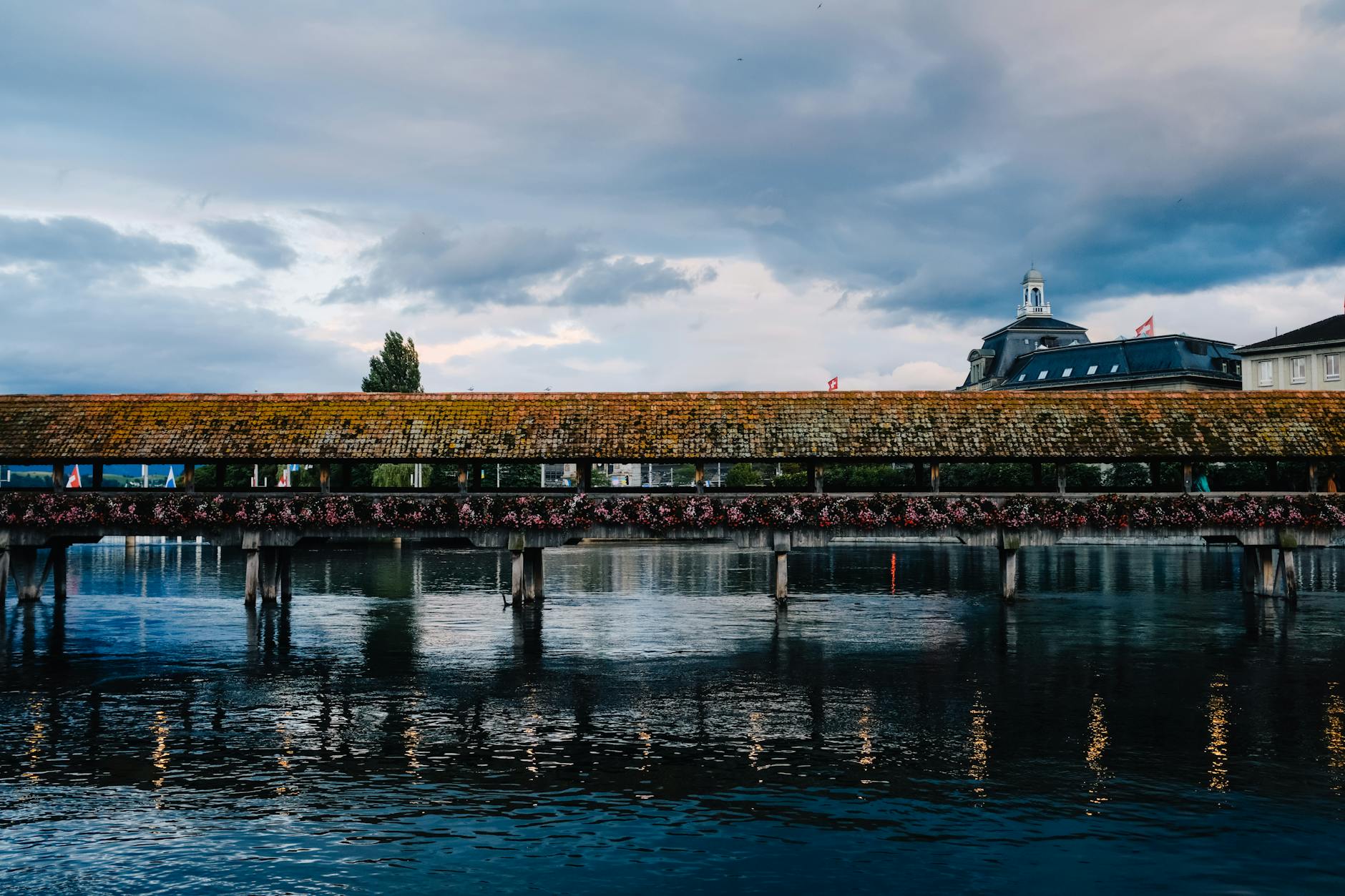
Lucerne rewards a simple first route: station, lakefront, Chapel Bridge, Old Town lanes, the Reuss, and a meal or cafe stop. This can feel complete without adding every museum or viewpoint. The visitor should leave room for photographs, weather delays, and the natural slowdown that happens in a scenic city.
The first day should make Lucerne legible, not exhaustive.
- Use a station-to-lake-to-Chapel-Bridge route as the first orientation walk.
- Add the Old Town and Reuss only as far as energy, weather, and daylight support.
- Save mountain plans, museums, and longer boats for a separate decision after arrival.
Decide whether the trip is city, lake, or mountain led
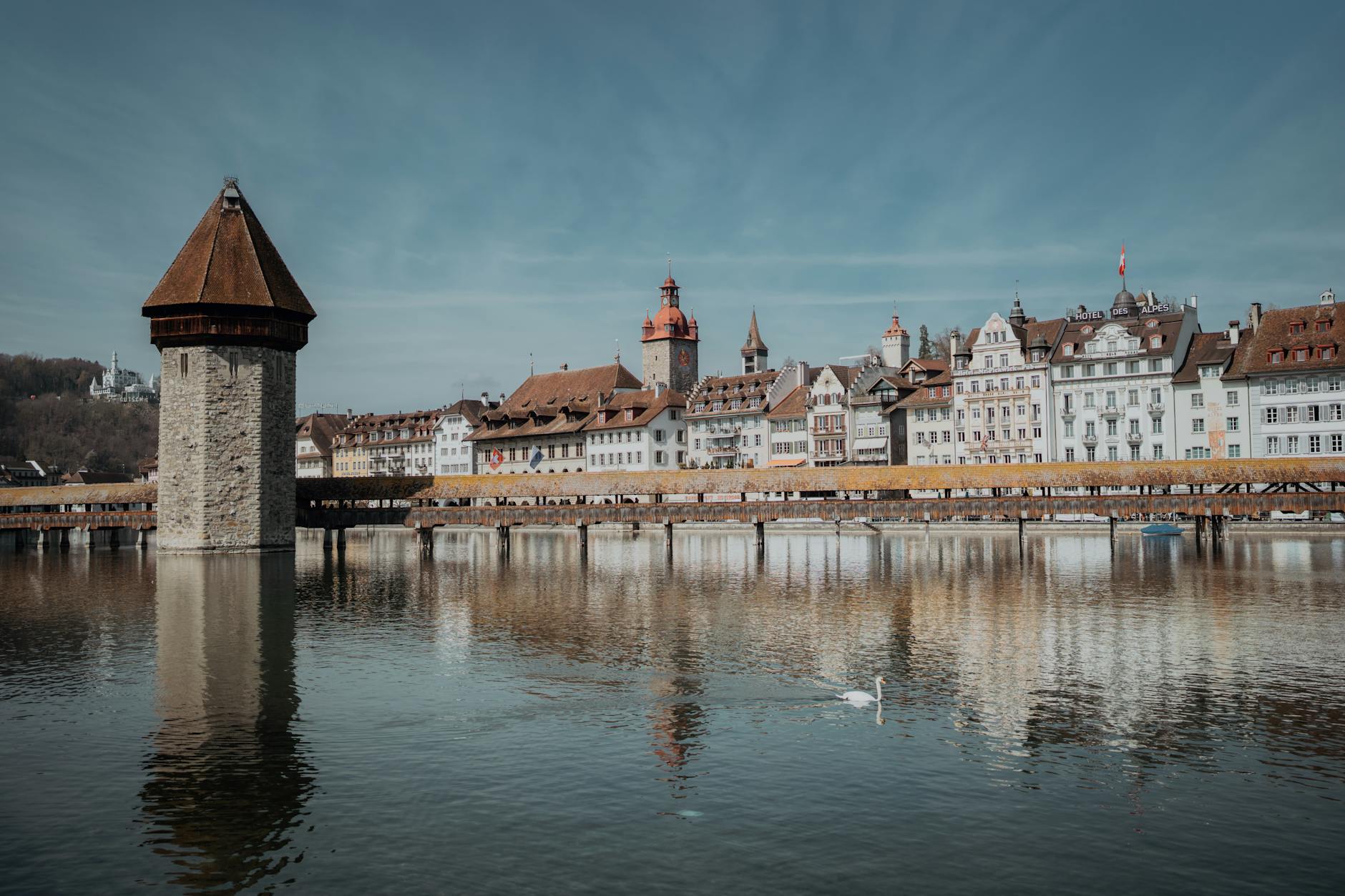
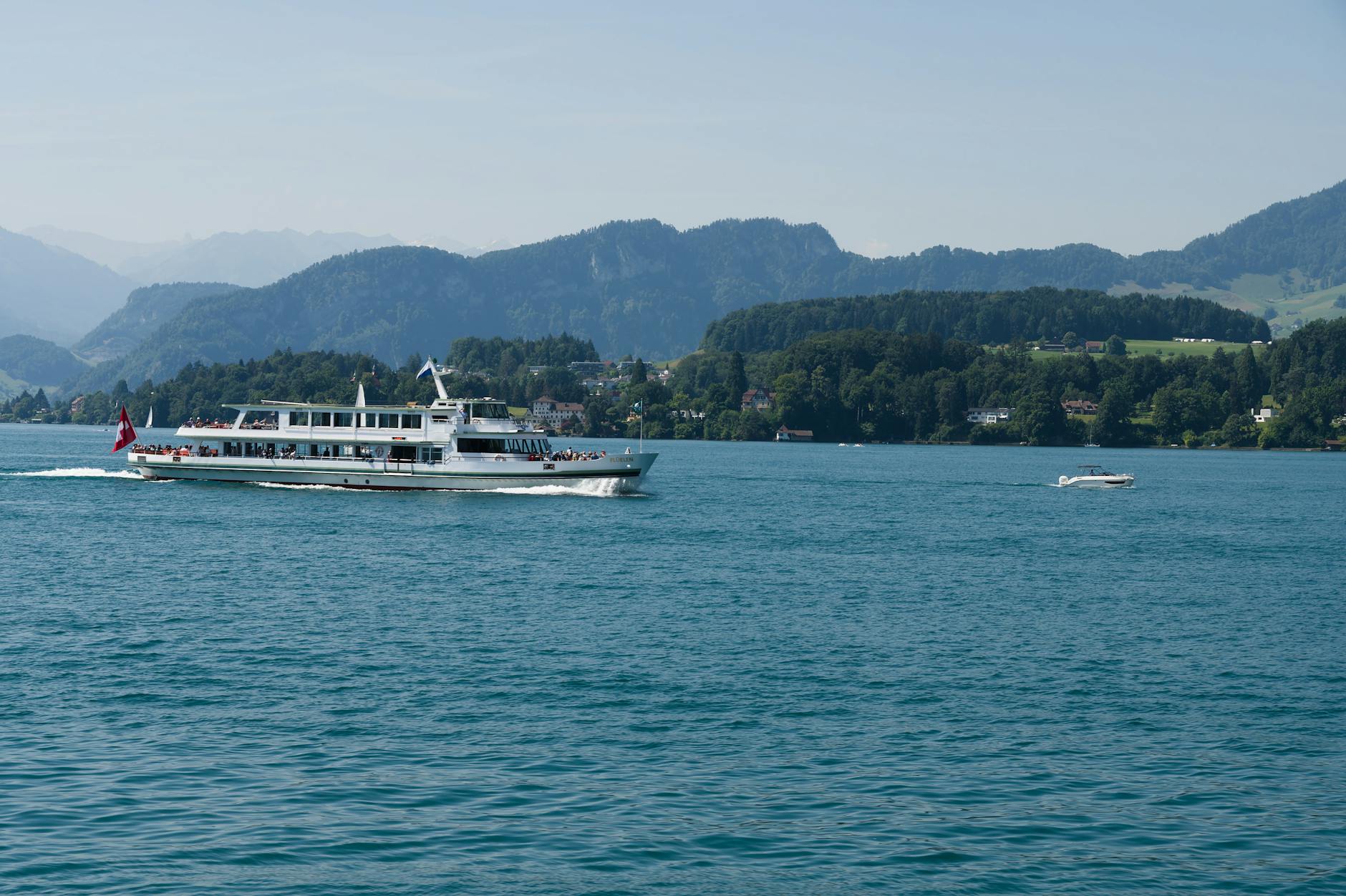
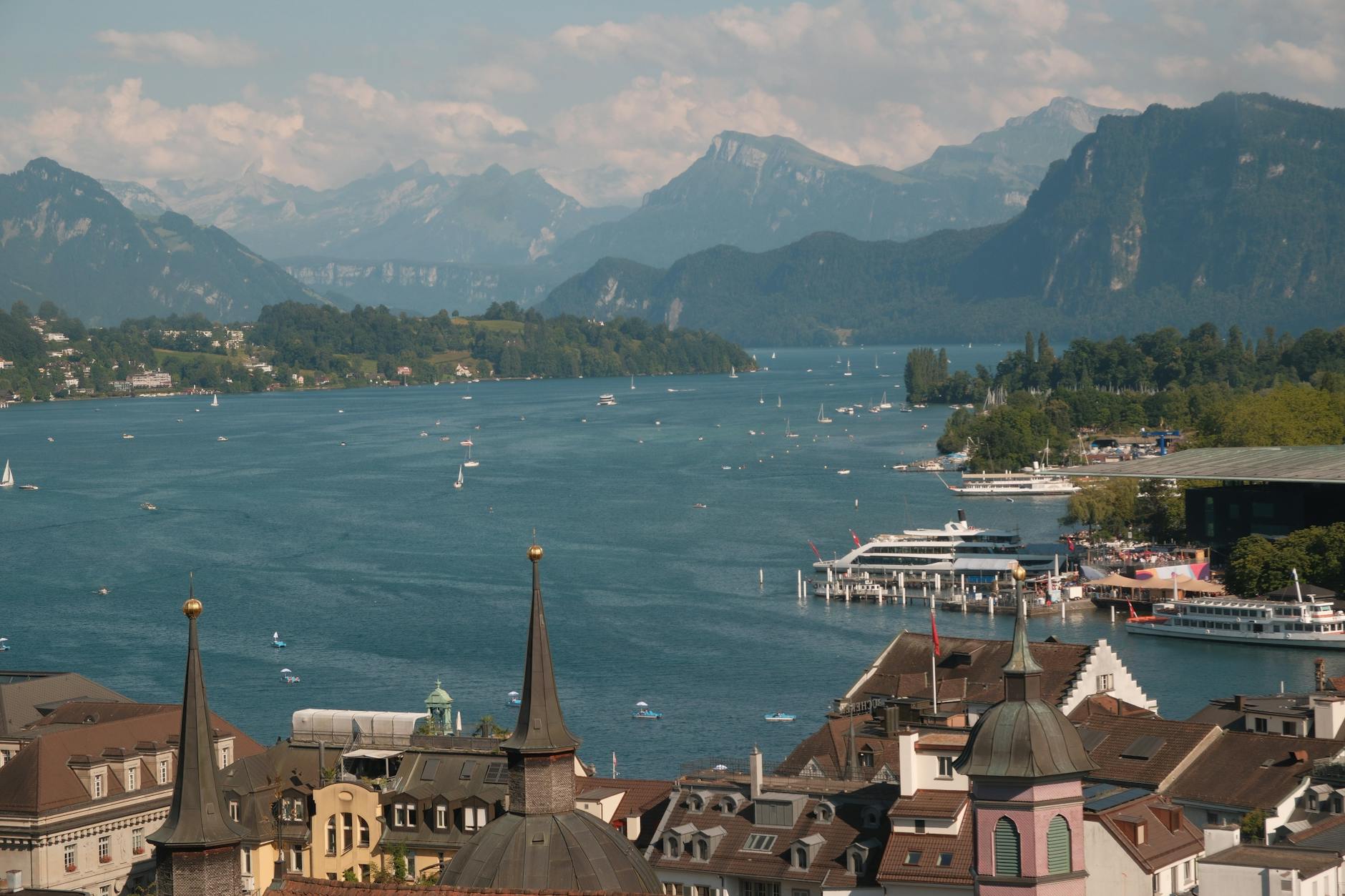
A short Lucerne visit can be city led, lake led, mountain led, or a balanced mix. Trying to make it all equally important can produce a rushed itinerary. The visitor should decide whether the priority is the Old Town and bridge, Lake Lucerne by boat, a mountain such as Rigi or Pilatus, or a quieter scenic stay.
Lucerne works best when the main experience is chosen early.
- Choose one anchor for a short stay: Old Town, lake boat, mountain excursion, museum, or relaxed scenic base.
- Check boat timetables, mountain railway timing, visibility, and return logistics before buying tickets.
- Do not force a mountain day when weather or arrival fatigue makes the city a better answer.
Respect weather and visibility
Lucerne's weather can change the value of each plan. Rain may make the Old Town and museums stronger than a mountain trip. Fog can weaken a summit day. Summer heat, winter cold, and wet walking surfaces affect how enjoyable a compact route feels. A first-time visitor should keep flexible options rather than treating every scenic idea as fixed.
The best Lucerne itinerary listens to the sky.
- Check rain, snow, fog, heat, wind, and mountain visibility before committing to outdoor plans.
- Keep indoor options such as museums, churches, cafes, and hotel rest time ready for poor weather.
- Use clear weather for lake and mountain time, but do not let bad weather ruin the city visit.
Plan meals and costs before hunger decides
Lucerne can be expensive for hotels, restaurants, lakefront drinks, rail, boats, mountain tickets, and taxis. First-time visitors often spend more when they wait until hungry or tired to decide. A simple meal plan helps the city feel polished rather than punishing.
Swiss costs are easier when they are expected.
- Check restaurant hours, reservation needs, lakefront pricing, casual meal options, and hotel breakfast value.
- Budget separately for rail, boats, mountain transport, museums, restaurants, and weather-driven taxis.
- Keep one easy meal near the hotel or station for the arrival day.
Avoid turning Lucerne into a checklist
The strongest first Lucerne visit often has fewer major items than expected. A bridge walk, lakefront pause, Old Town meal, museum or church, and one scenic excursion can be enough for a short stay. The visitor should leave space for slow views, weather changes, and the kind of unplanned moments that make Lucerne memorable.
A smaller plan usually feels more Swiss than a frantic one.
- Limit each day to one main scenic objective plus nearby supporting stops.
- Leave time for photos, benches, cafes, shopping, and unhurried bridge or lakefront movement.
- Skip distant add-ons when they would turn Lucerne into only a transfer point.
When to order a short-term travel report
A first-time Lucerne visitor with a simple hotel and two flexible days may not need a custom report. A report becomes useful when the traveler is choosing between lake boats, mountain railways, museums, Zurich Airport timing, expensive hotels, limited mobility, winter weather, or a very short stay.
The report should test arrival routing, hotel location, first walk, lake and mountain options, weather backups, restaurant choices, costs, mobility, and departure timing. The value is a first Lucerne visit that feels clear without becoming overpacked.
- Order when hotel choice, rail timing, lake boats, mountain plans, weather, costs, or mobility need careful comparison.
- Provide dates, flight or rail arrival, hotel candidates, walking tolerance, interests, budget, and must-see priorities.
- Use the report to make the first Lucerne trip focused, scenic, and realistic.