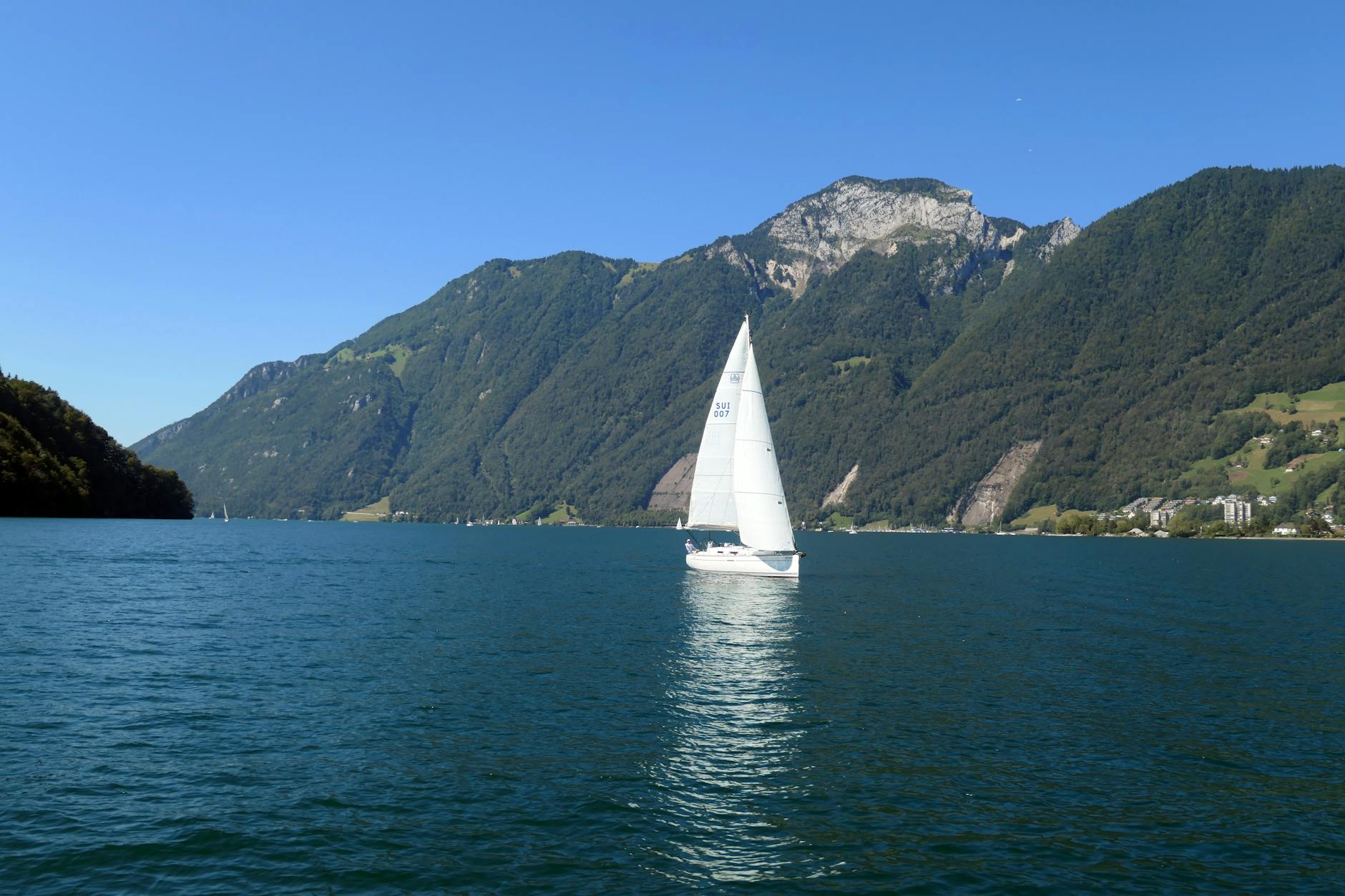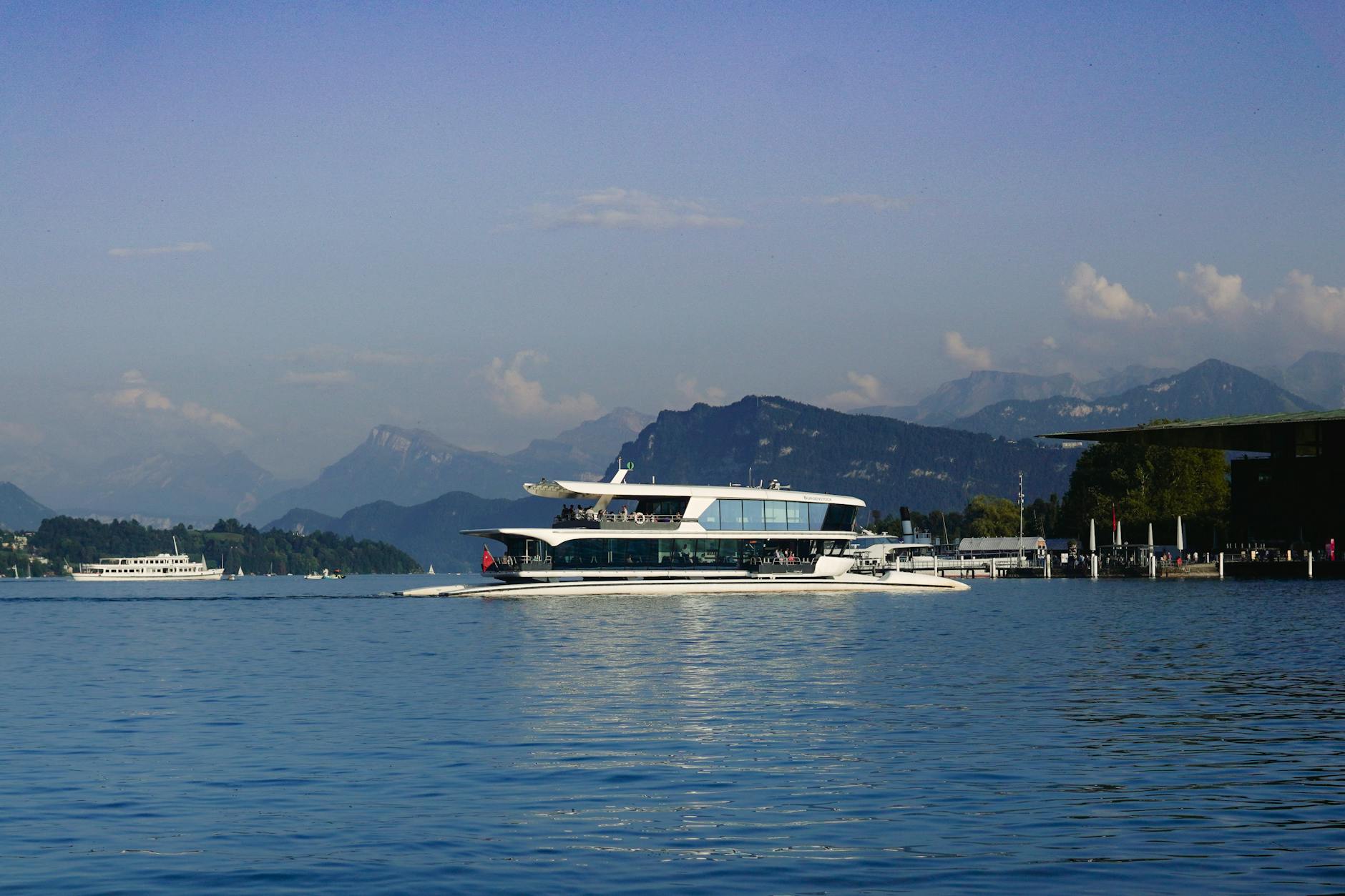
Lucerne is not a seaport, but it often functions like a short-call destination for travelers arriving by lake boat, coach tour, rail itinerary, river-cruise extension, or a tightly timed Swiss route. The visit can be excellent if the traveler treats the lake piers, old town, station, bridges, and mountain add-ons as one timed operating area. It becomes fragile when the traveler assumes Lucerne is small enough to improvise without return margins.
Treat Lucerne as a timed call
A cruise or port-call traveler in Lucerne may be moving from a lake boat, coach, rail itinerary, or packaged Swiss extension. The useful frame is not a long city stay. It is a timed call where every movement must fit the arrival point, meeting place, luggage situation, and return deadline.
The stop should be planned around the clock first.
- Confirm the exact pier, station, coach drop-off, hotel pickup, and final meeting point before arrival.
- Separate must-see old-town time from optional lake, shopping, cafe, or mountain add-ons.
- Build the return deadline into the route before deciding how far from the pier or station to go.
Understand the pier and old town relationship
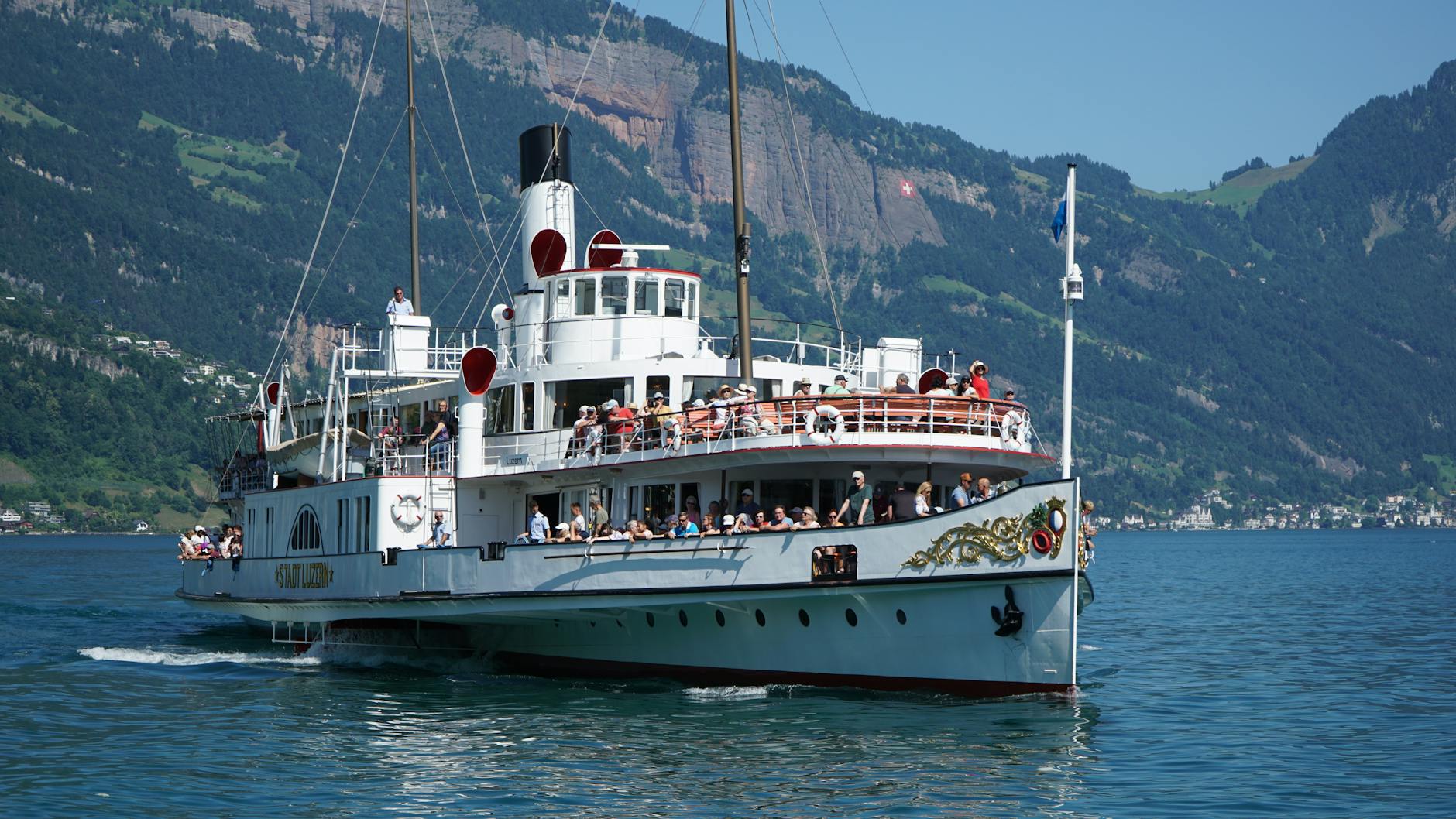
Lucerne's lake piers, station, Chapel Bridge, old town, and riverfront sit close together, which makes a short visit attractive. Close does not mean effortless. Crowds, photo stops, restroom needs, mobility limits, shopping, and bridge congestion can all slow a group that technically has enough map distance.
The compact center still needs a route.
- Walk the route mentally from pier or station to Chapel Bridge, old town, restaurants, restrooms, and return point.
- Allow extra time for groups, older travelers, mobility aids, children, photos, and rainy paving.
- Keep a short loop ready if the boat arrives late or the weather is worse than expected.
Do not overbuild the mountain plan
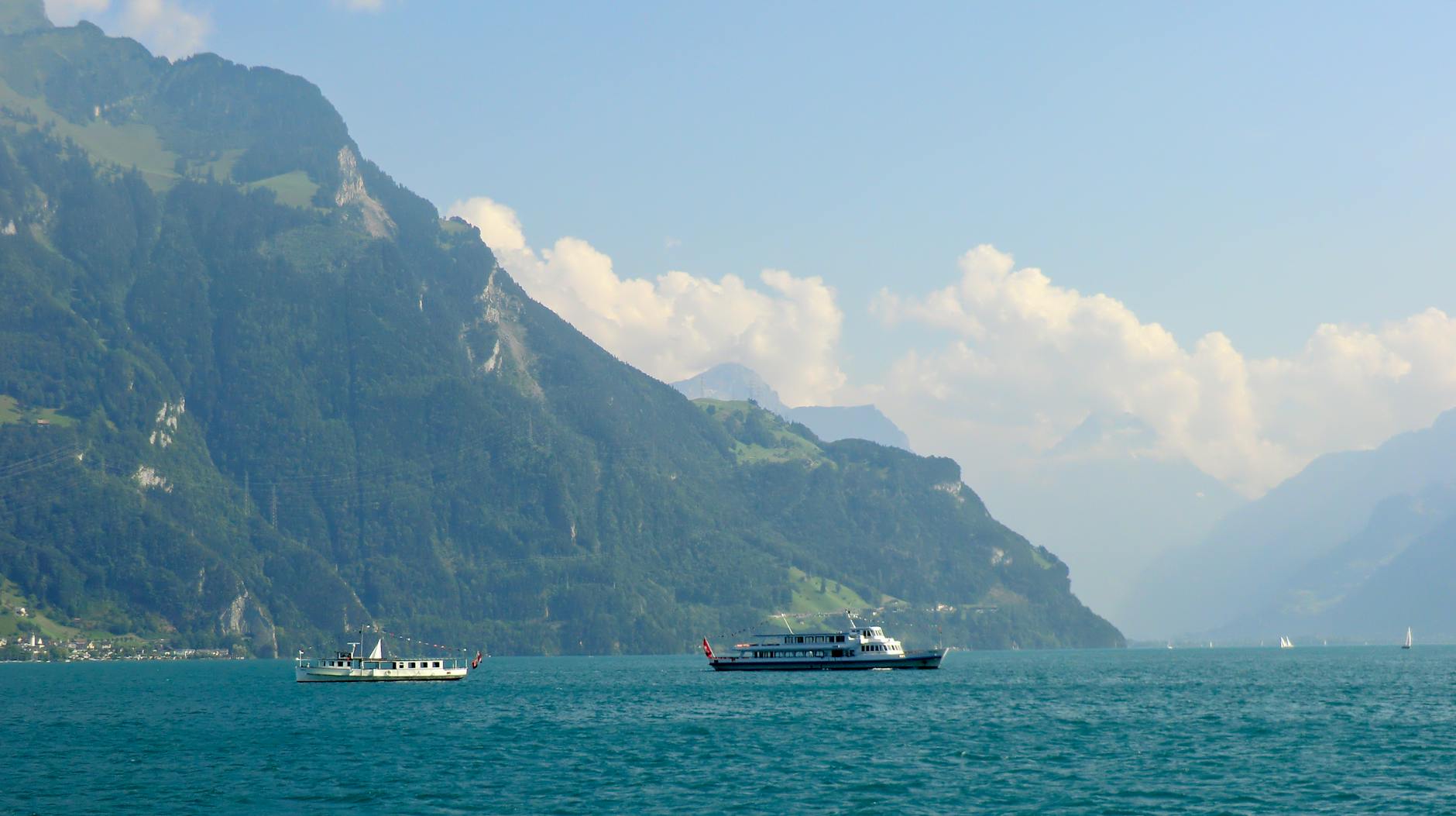
Mount Rigi, Pilatus, and lake-village routes can be tempting from Lucerne, but a port-call-style visit may not have enough margin for a full mountain outing. Weather, ticket queues, boat schedules, cable cars, rail transfers, and group pace can turn a confident plan into a missed return.
A short call should not depend on perfect mountain timing.
- Check weather, visibility, ticket timing, transfers, and last returns before adding a mountain or village excursion.
- Choose one major add-on only when the call length and transport sequence genuinely support it.
- Use central Lucerne as the fallback when visibility, delay, or group movement makes the scenic plan too thin.
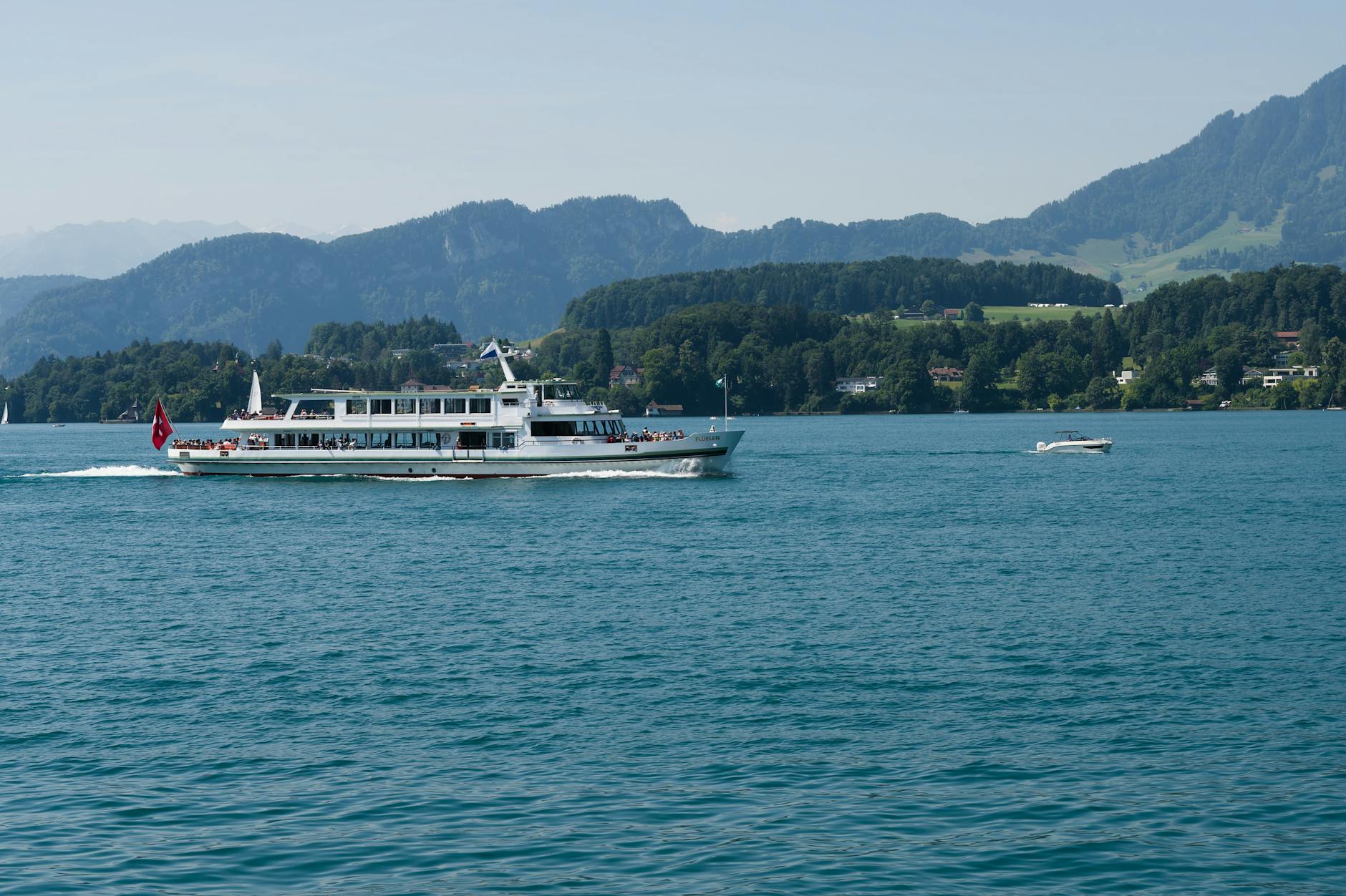
Plan luggage and comfort breaks
A traveler passing through Lucerne may have day bags, shopping, camera equipment, mobility devices, or luggage transferred separately by a tour operator. The plan should account for lockers, storage, restrooms, seating, food, medication, weather layers, and the simple need to pause without losing the group.
Small comfort details decide whether the call feels smooth.
- Confirm whether bags stay on a coach, boat, hotel transfer, station locker, or with the traveler.
- Mark restroom, seating, pharmacy, cafe, and shelter options near the pier, station, and old town loop.
- Carry medication, water, rain layer, charger, and return documents even during a short shore-style visit.
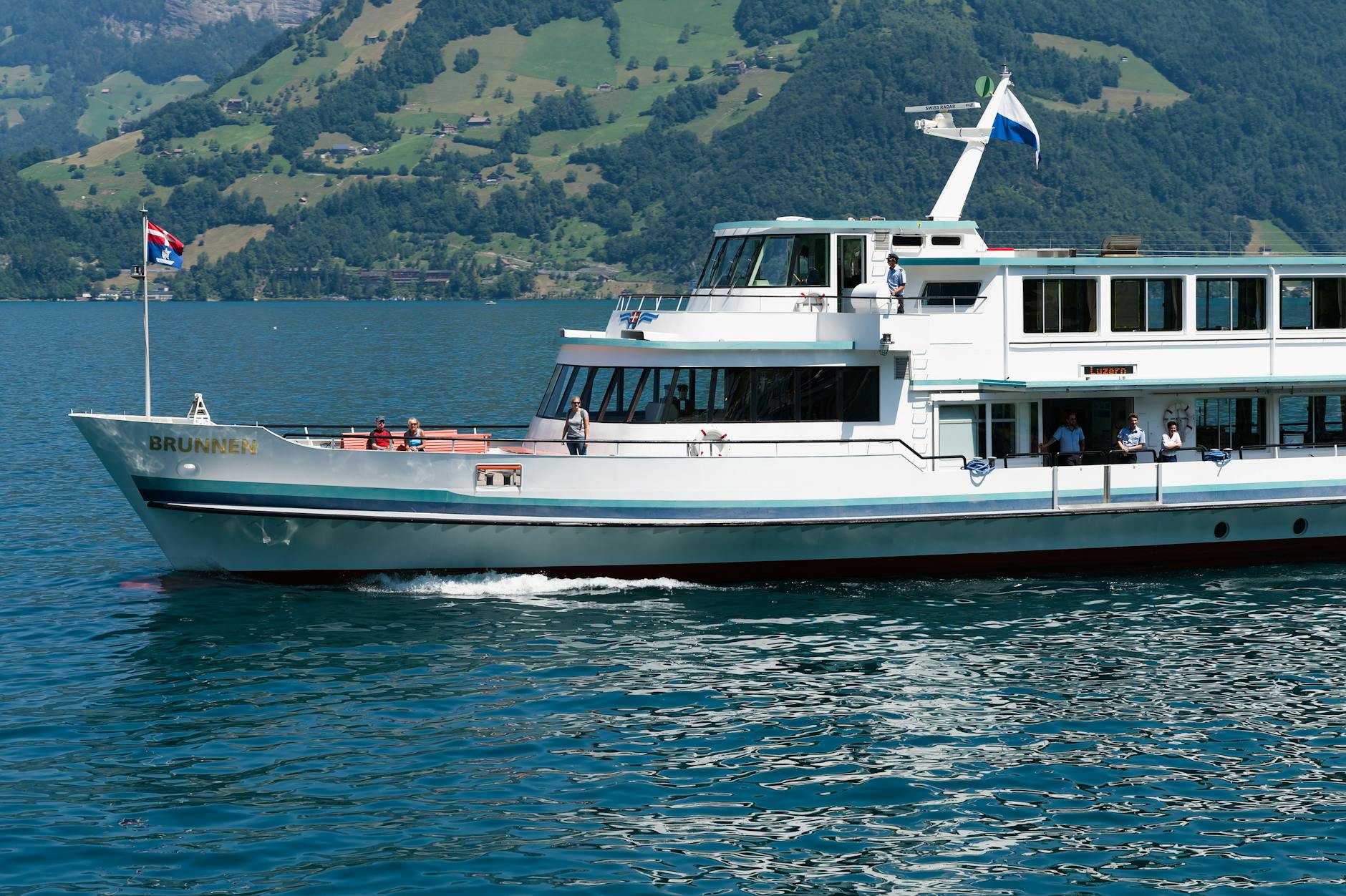
Use reservations when time is tight
A short Lucerne call can lose too much time to restaurant waits, ticket questions, group confusion, or unclear pickup points. If a meal, guided walk, boat segment, museum, or private transfer matters, it should be reserved or confirmed before arrival. Flexibility is useful, but only after the fixed pieces are protected.
The shorter the call, the less room there is for casual searching.
- Reserve meals, guides, boat legs, transfers, or timed activities when the schedule depends on them.
- Share the meeting point and departure time with every traveler, not only the group leader.
- Keep one easy self-guided route ready if the arranged activity slips or cancels.
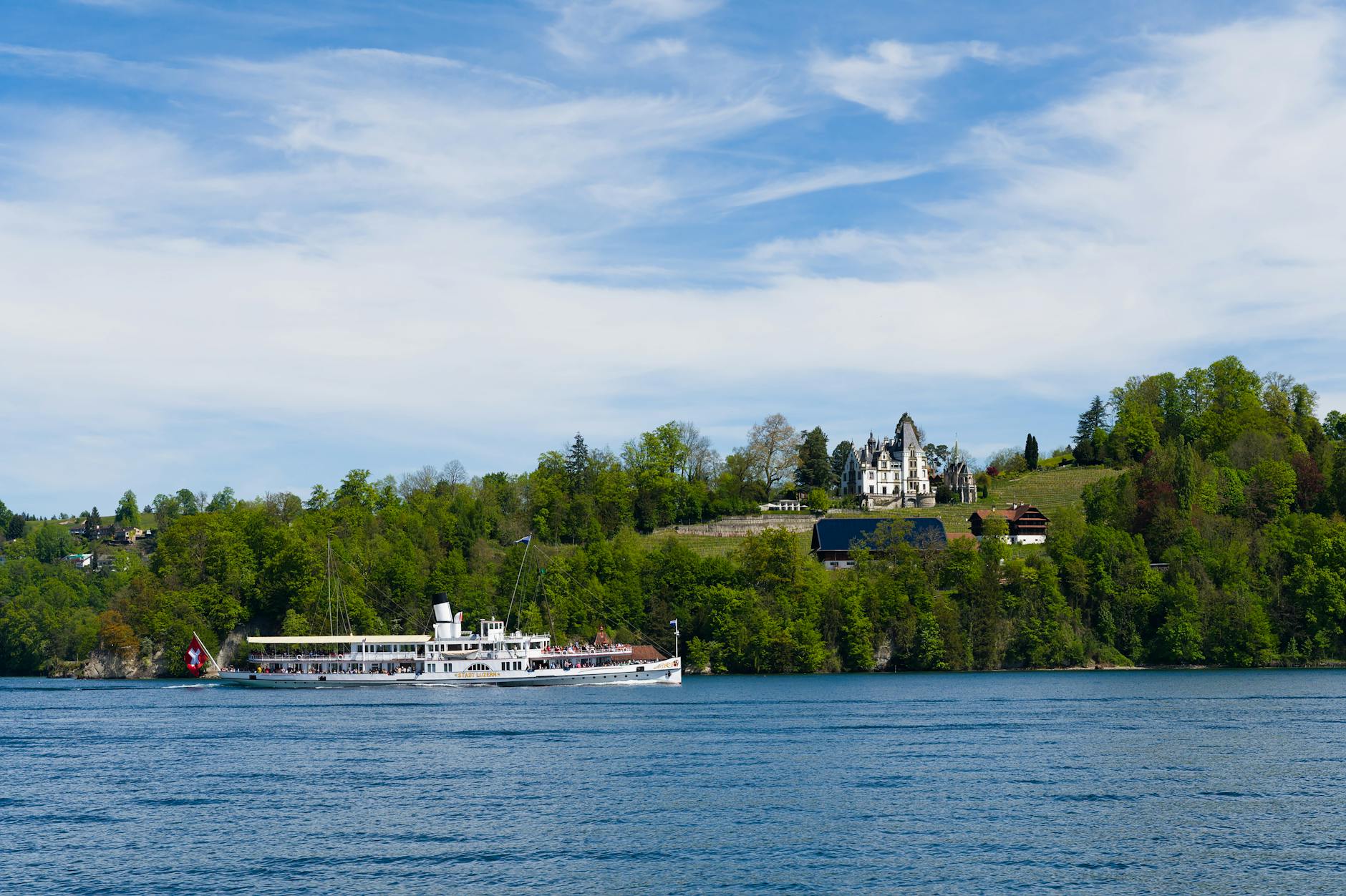
Budget for lake and tour extras
Lucerne can be expensive during a short stop because there is little time to comparison shop. Boat upgrades, mountain tickets, cafes, restaurants, souvenirs, taxis, lockers, public toilets, and changed plans can add up quickly. A port-call traveler should know which costs are included and which are personal choices.
Clarity prevents a rushed stop from becoming unexpectedly expensive.
- Clarify what the cruise, tour, rail pass, hotel package, or guide fee actually includes.
- Carry a payment card and small cash margin for lockers, restrooms, snacks, taxis, and weather changes.
- Decide in advance whether lake or mountain upgrades are worth the time and cost.
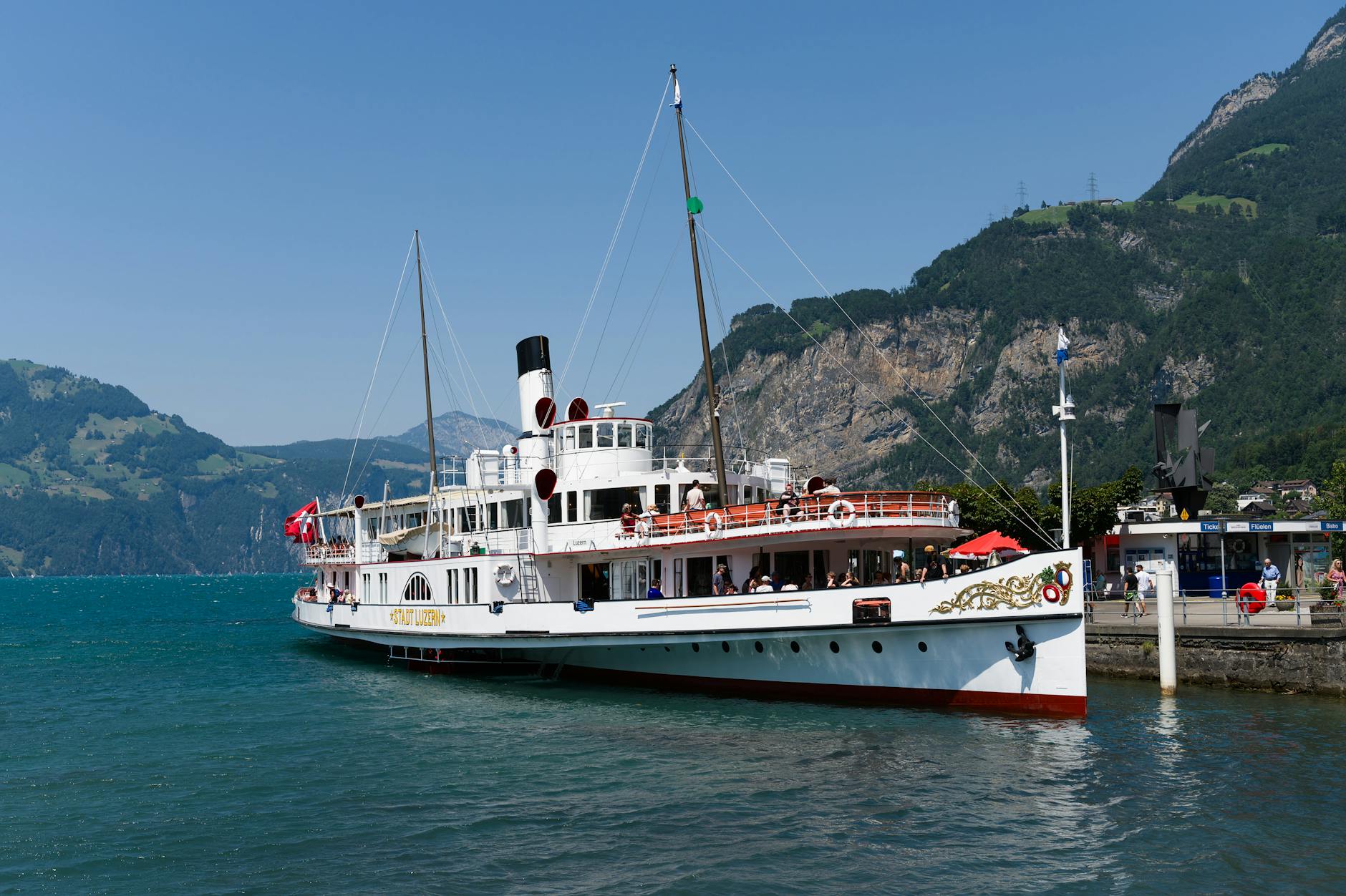
When to order a short-term travel report
A traveler with a fully escorted Lucerne call may not need a custom report. A report becomes useful when the traveler has independent time, mobility needs, a private guide, a lake or mountain add-on, luggage uncertainty, a tight coach or rail departure, or a group that needs a clear old-town loop.
The report should test pier or station arrival, meeting points, walkability, boat and mountain timing, luggage, comfort breaks, reservations, weather, costs, and return margins. The value is a Lucerne call that feels complete without risking the departure.
- Order when pier timing, group movement, luggage, mobility, lake add-ons, or return deadlines need exact planning.
- Provide arrival point, departure time, group profile, mobility notes, must-see priorities, meal needs, and included tour details.
- Use the report to keep the short Lucerne call focused, realistic, and easy to rejoin on time.