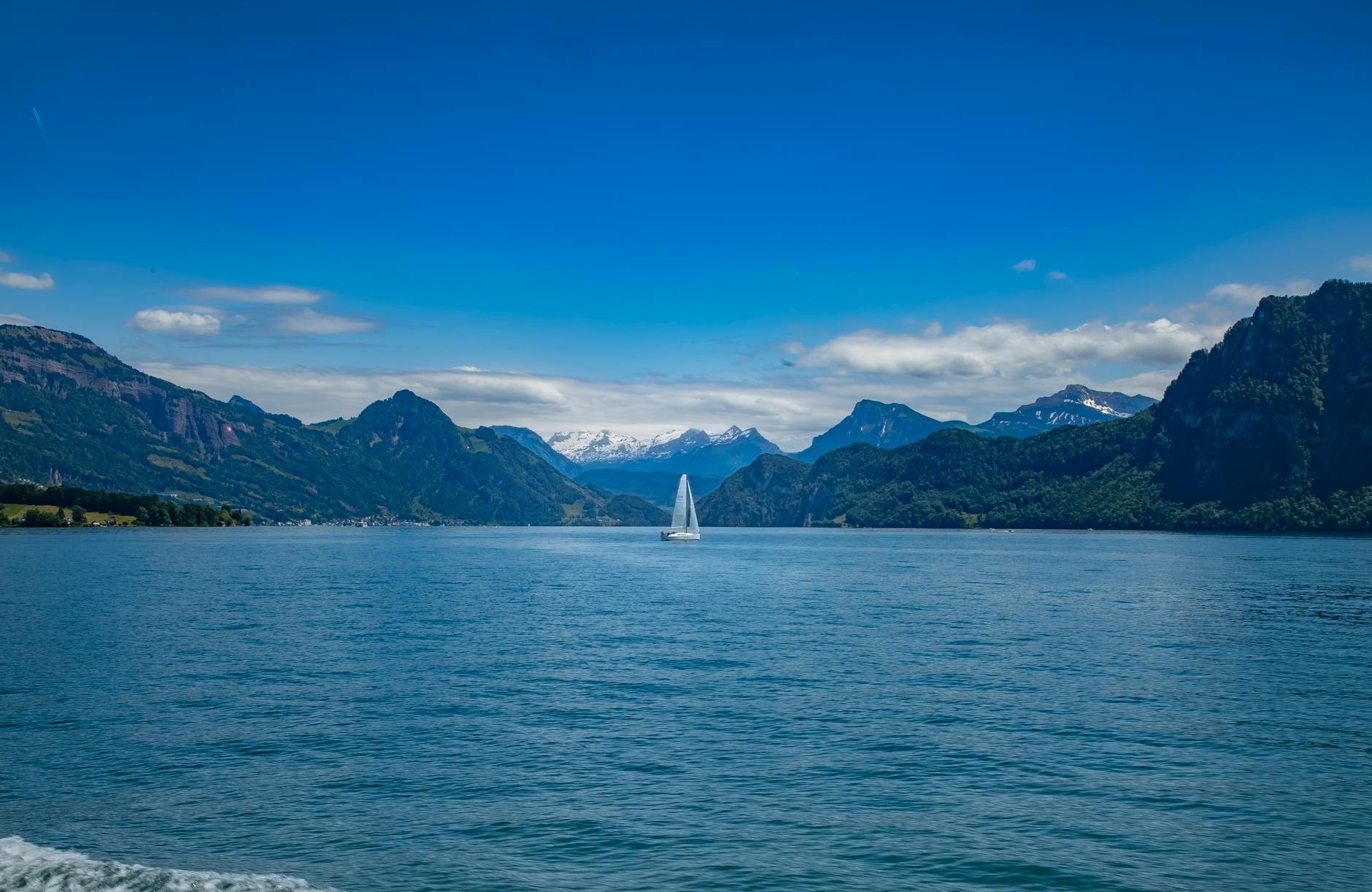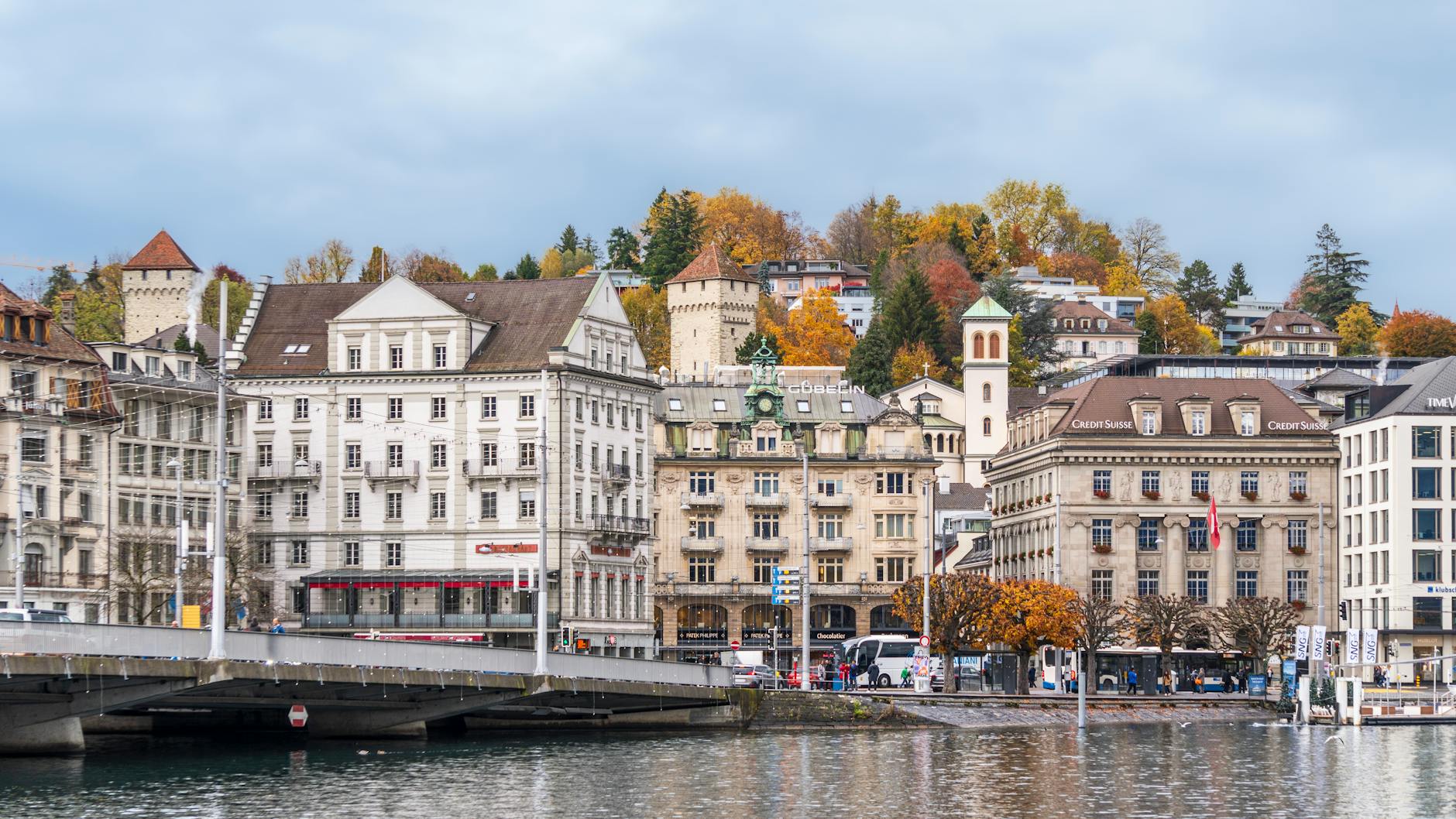
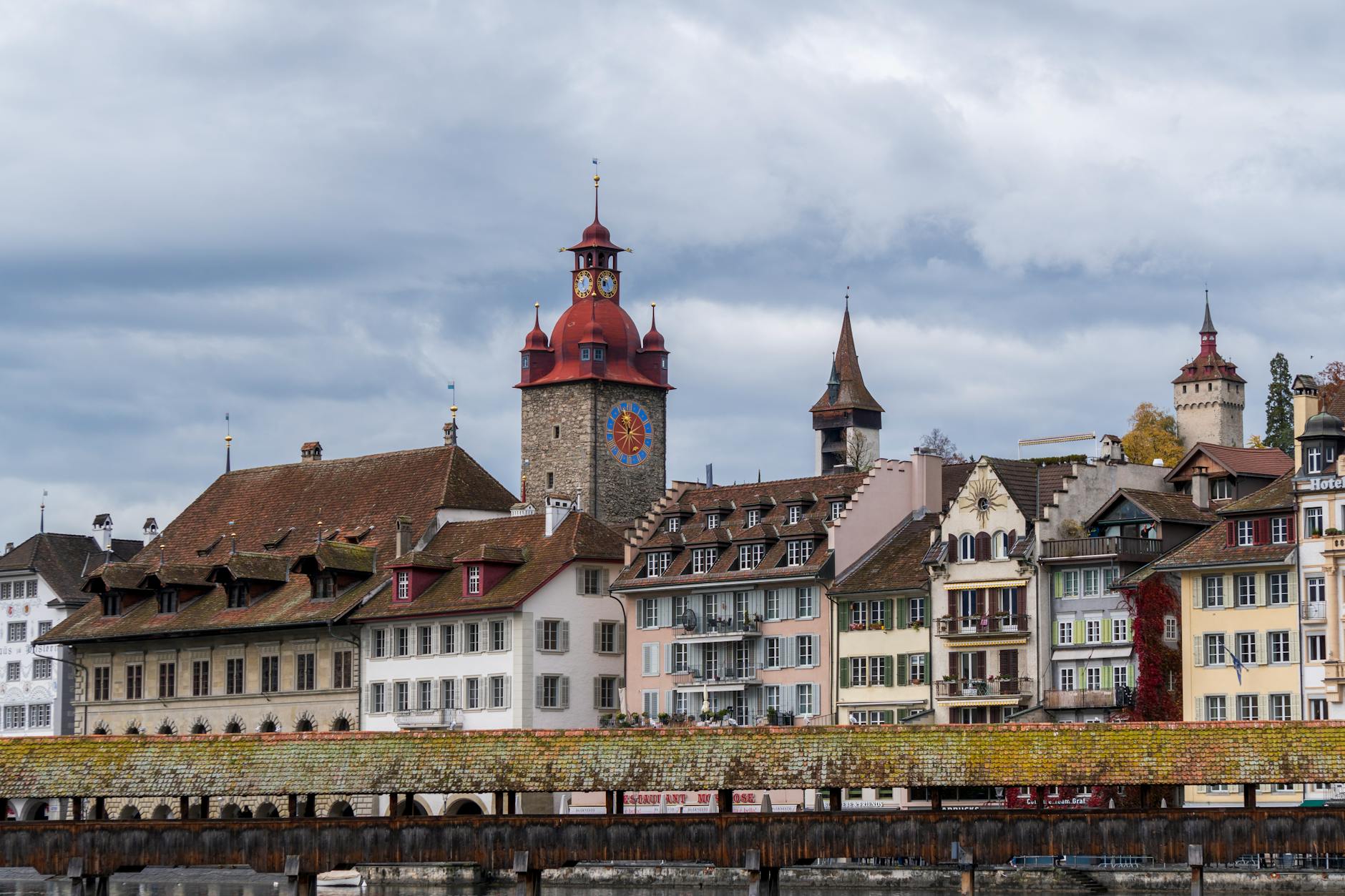
Lucerne can be highly productive for a short creator trip because the city combines lakefront views, a walkable old town, bridges, boats, and mountain access in a compact area. It can also waste time if the creator arrives with only a vague mood board. The trip needs a concept, shot priorities, permission checks, lightweight gear, weather backups, file protection, and a clear line between work and sightseeing.
Turn the concept into a shot list
A creator should decide what the Lucerne trip is meant to produce before chasing views. A hotel partnership, travel guide, food reel, walking route, family itinerary, luxury angle, budget story, or lake-and-mountain series will need different scenes and timing. A precise shot list prevents the city from becoming too broad to cover well.
The concept should narrow the trip.
- Define the audience, platform, deliverables, orientation, captions, partner requirements, and must-have scenes.
- Separate essential shots from nice extras so weather or crowds do not wreck the whole plan.
- Build the first route around Chapel Bridge, the old town, lakefront, station, and any booked partner locations.
Plan around light and crowds
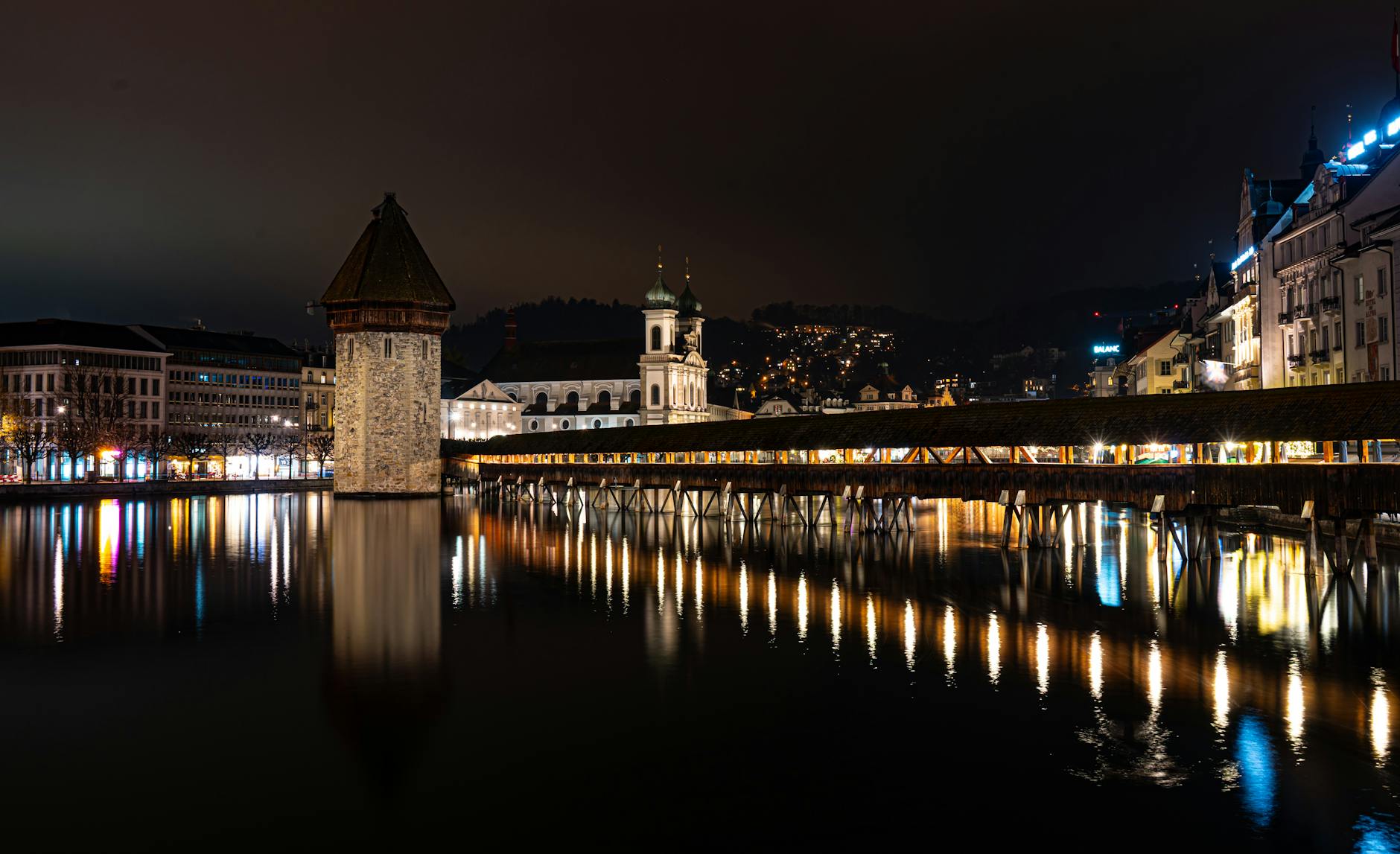
Lucerne's most recognizable places can be busy, especially around the bridge, waterfront, station, and boat areas. Early morning, late evening, rain breaks, and shoulder-season timing can produce cleaner work. The creator should also decide when people add life to the frame and when they make the deliverable unusable.
Timing is part of production quality.
- Plan key exterior shots around light, crowd patterns, weather, boat timing, and the route back to lodging.
- Keep short backup scenes ready for rain, fog, harsh midday light, or blocked viewpoints.
- Avoid blocking paths, bridges, shopfronts, hotel areas, or private entrances while filming or posing.
Check permissions before filming
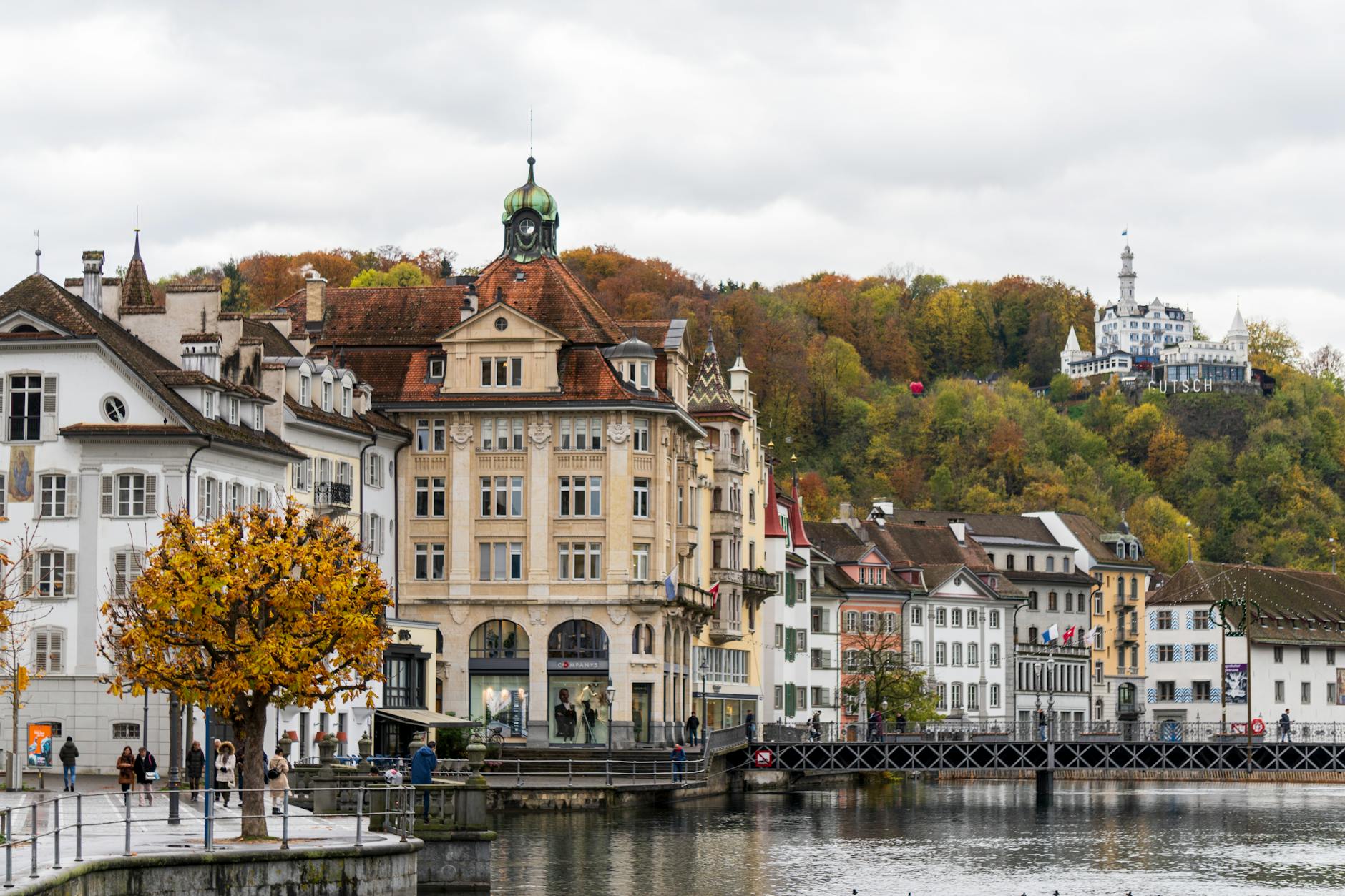
A short creator trip can involve hotels, restaurants, museums, churches, boats, rail stations, private interiors, sponsored products, and people who did not agree to be part of a campaign. Commercial work may need extra permission, and drone use is not something to assume in a dense Swiss city or near sensitive areas.
Permission problems are production problems.
- Confirm hotel, restaurant, museum, church, event, and transport filming rules before building deliverables around them.
- Ask clear consent before featuring identifiable people, staff, guests, children, or private conversations.
- Check current Swiss drone, privacy, and commercial-use rules before packing aerial gear or promising those shots.
Keep gear light enough to move
Lucerne rewards walking, trains, boats, bridges, and compact movement. Heavy equipment can slow the creator down, make hotel check-in harder, and complicate side trips toward the lake or mountains. The kit should match the deliverables, not every possible production idea.
Mobility is a creative advantage.
- Pack only the camera, phone, microphone, stabilizer, batteries, chargers, adapters, cards, and clothing the work requires.
- Check luggage storage, hotel check-in timing, rail transfer comfort, and weather protection before arrival.
- Carry a small kit for quick central scenes and leave heavier items secured when they are not needed.
Treat weather as a production variable
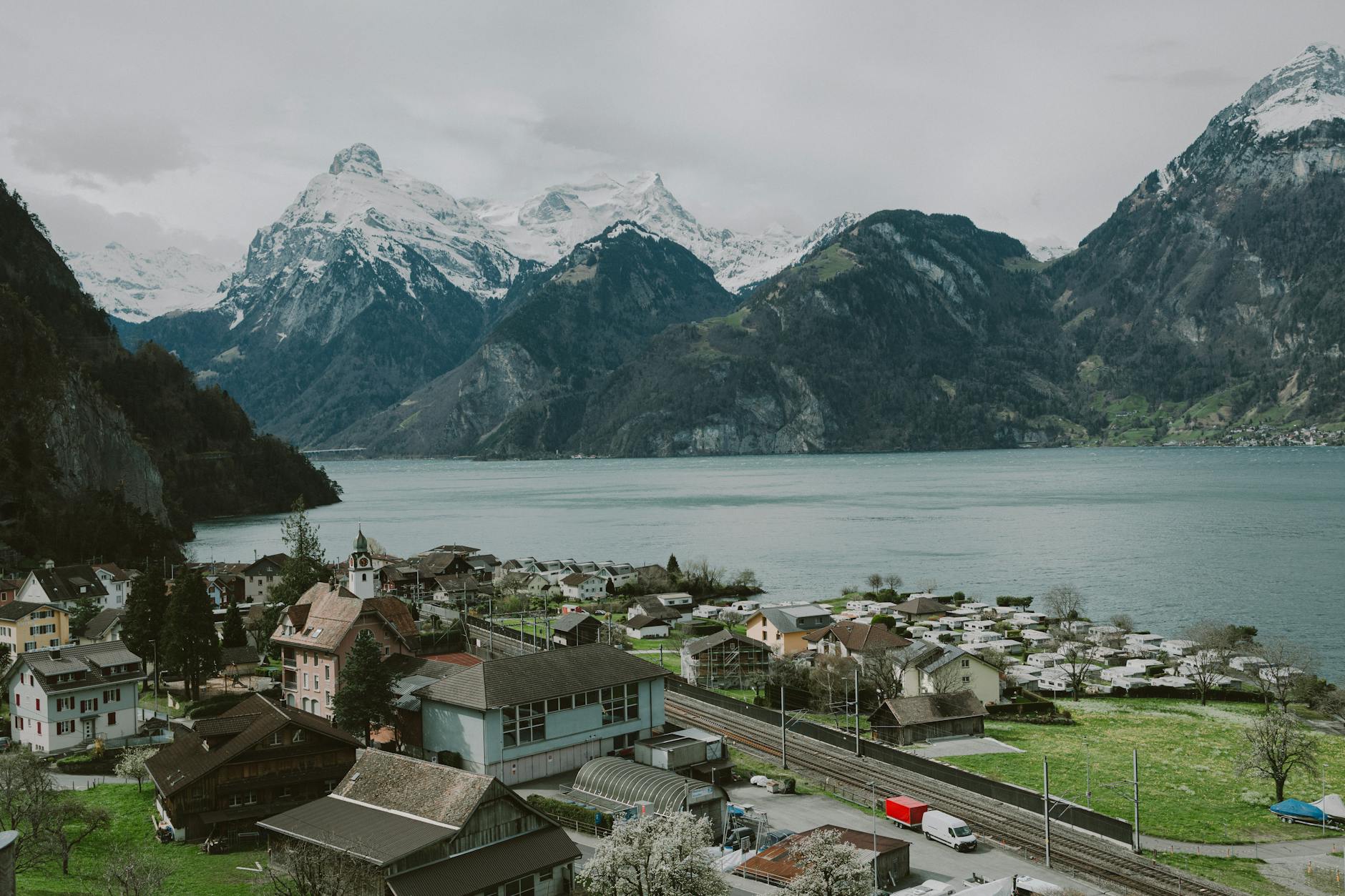
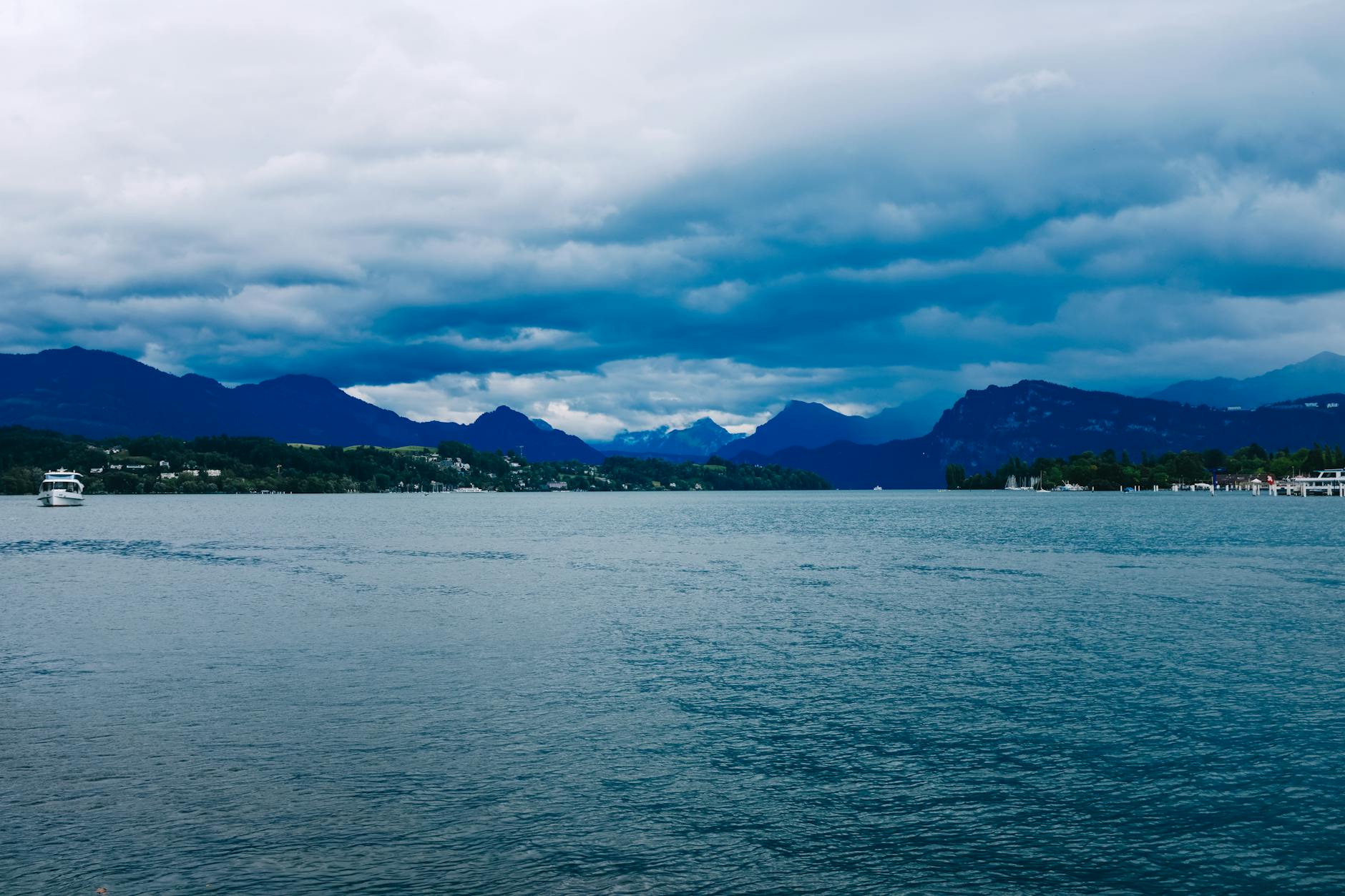
Lucerne's lake and mountain material depends heavily on visibility, cloud cover, wind, and rain. A creator should not promise clear alpine views without a backup plan. Indoor scenes, old-town details, food, hotel interiors, lakefront atmosphere, and evening reflections can still work when mountain visibility fails.
Weather should shape the shot order.
- Check forecasts, webcams, visibility, boat timing, and mountain conditions before paying for scenic transport.
- Keep a central Lucerne plan ready for low clouds, rain, high wind, or poor visibility.
- Use bad weather deliberately when it supports the story instead of forcing a sunny itinerary.
Protect files, budget, and obligations
A creator trip can fail after the shooting is done if files are lost, captions are incomplete, usage rights are vague, or partner requirements are missed. Swiss costs also make overproduction expensive. The traveler should know how content will be backed up, labeled, delivered, expensed, and separated from personal travel.
The workflow is part of the trip.
- Back up files daily and label locations, partners, release notes, expenses, and caption details while fresh.
- Clarify partner approvals, deadlines, usage rights, required tags, exclusivity, and reimbursement before filming.
- Budget for rail, boats, meals, lodging, props, luggage storage, data, extra batteries, and schedule changes.
When to order a short-term travel report
A creator making casual personal posts may not need a custom report. A report becomes useful when the trip includes paid deliverables, hotel or tourism partners, tight light windows, specific reels, permission-sensitive locations, mountain or boat shots, multiple outfits, heavy gear, or a departure that leaves little room for reshoots.
The report should test shot sequence, light, crowds, permissions, lodging, rail movement, scenic alternatives, file workflow, costs, and departure timing. The value is a Lucerne creator trip that turns a compact stay into usable assets without letting the city overwhelm the plan.
- Order when deliverables, permissions, light windows, gear, partners, weather, costs, or reshoot risk need exact planning.
- Provide dates, platforms, deliverables, partner obligations, hotel options, must-shoot locations, gear list, and budget.
- Use the report to keep the creator trip focused, compliant, and productive from first shot to final backup.