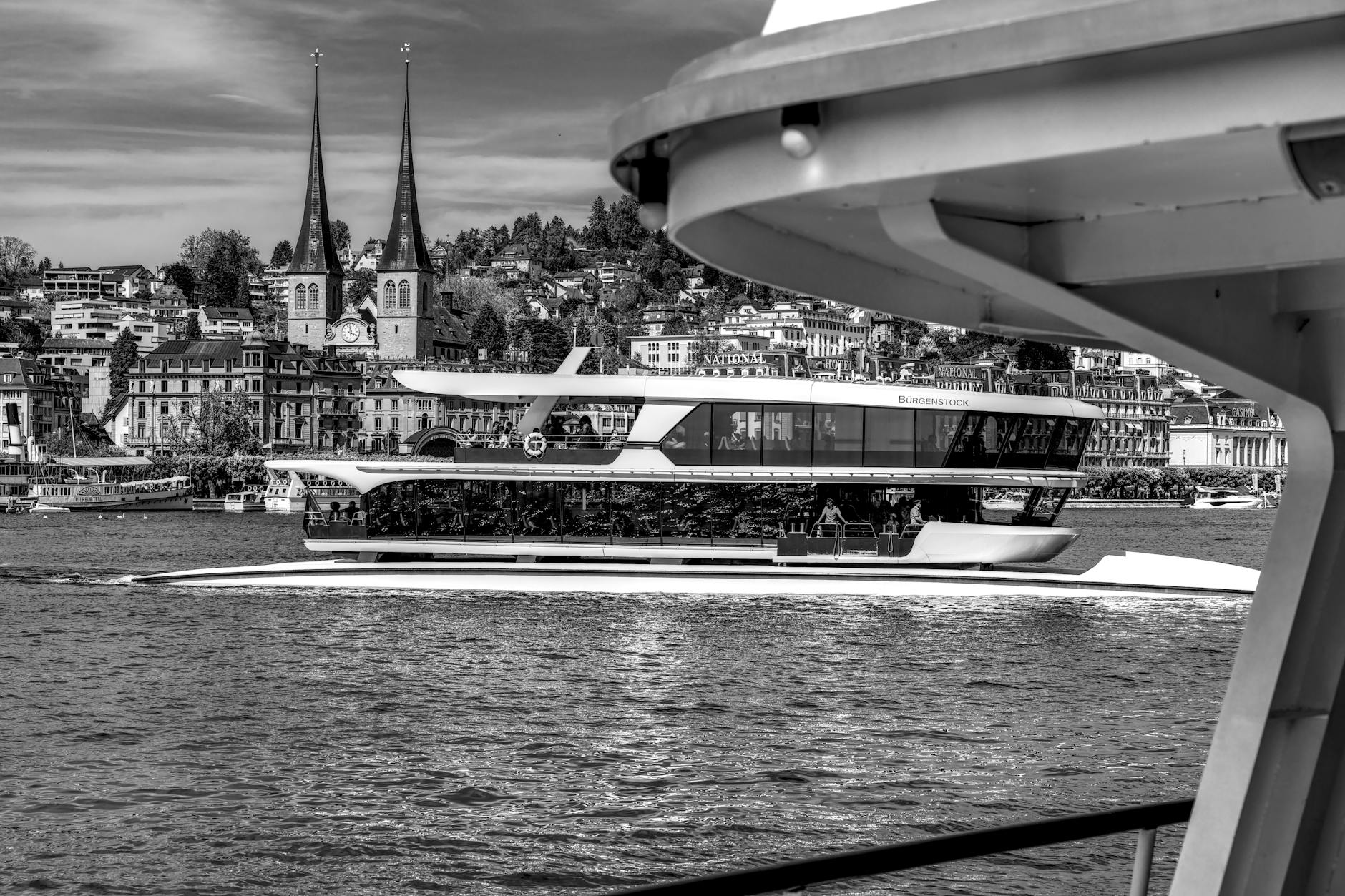
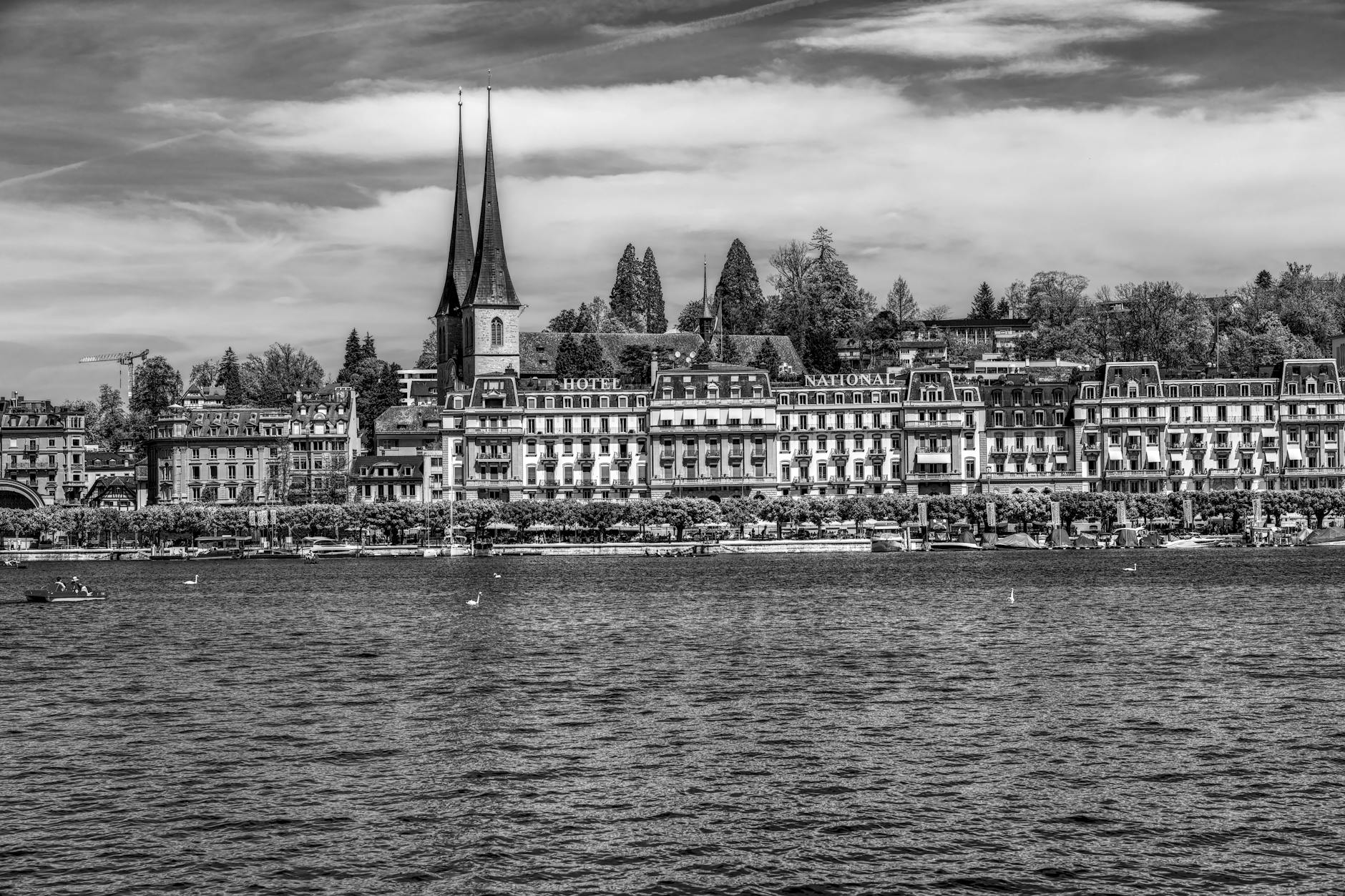
Lucerne can be a productive short-stay base for a consultant when the itinerary is built around the actual client agenda rather than the postcard setting. The traveler may need to manage Zurich Airport arrival, rail timing, hotel workspace, confidential calls, client-site access, dinners, document handling, weather, and recovery between meetings. The city is compact and scenic, but consulting trips are rarely improved by treating movement and work blocks casually.
Map the client agenda before booking
A consultant should identify the real work geography before choosing flights or hotels. Client office, workshop venue, hotel, station, dinner location, and any side meetings may not align as neatly as the city map suggests. If the trip includes confidential preparation or post-meeting synthesis, the hotel and schedule need to support that work.
The client agenda should shape every movement choice.
- Map client site, workshop rooms, hotel, station, dinner venues, and any off-site meetings before booking lodging.
- Protect time for preparation, calls, document review, and post-meeting synthesis instead of filling every gap.
- Choose the base that supports punctuality, recovery, and quiet work rather than the most scenic address alone.
Treat rail arrival as a work dependency
Lucerne is commonly reached through Zurich Airport and Swiss rail. That transfer can be dependable, but a consultant with a same-day workshop, heavy laptop bag, client documents, or delayed luggage should not leave timing to chance. Arrival should include buffers for immigration, baggage, platform changes, check-in, and a short reset before the first serious obligation.
A late arrival can weaken the whole engagement.
- Build buffers for immigration, baggage, rail tickets, platform changes, hotel check-in, and the first client movement.
- Arrive the night before when the first meeting requires senior presence, facilitation, or immediate analysis.
- Keep laptop, charger, adapters, client material, ID, and essential clothing in hand luggage.
Choose a hotel that can function as an office
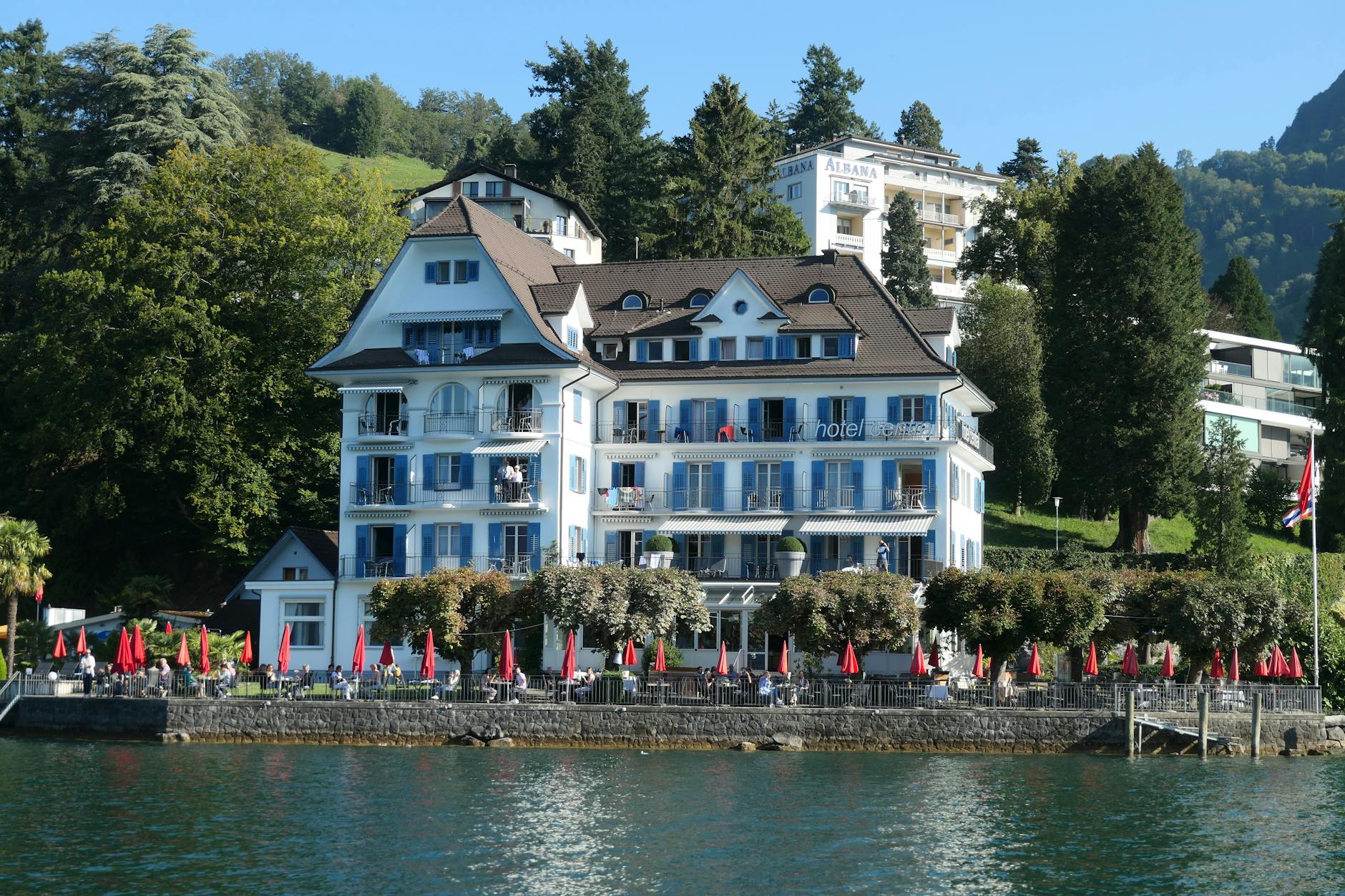
A consultant's hotel may need to support calls, slides, confidential documents, quiet work, printing, late returns, and early starts. Room desk quality, Wi-Fi, lobby privacy, breakfast hours, power access, ironing, luggage storage, and taxi pickup can matter more than a decorative view. The wrong hotel can make every work block harder.
The hotel is part of the delivery environment.
- Check desk quality, Wi-Fi, quietness, power access, lobby suitability, printing help, breakfast timing, and late-arrival support.
- Confirm the route from hotel to client site in bad weather and with laptop or document bags.
- Use a closer or more practical hotel when the schedule includes early workshops or late client dinners.
Protect confidential work
Consultants often travel with sensitive client material, draft recommendations, transaction details, personnel issues, or strategy documents. Lucerne's calm setting does not make cafes, trains, hotel lobbies, or lakefront benches private. Device screens, calls, printed pages, and casual conversations should be handled with professional discipline.
Public spaces are still public workspaces.
- Use hotel rooms, booked meeting rooms, or client offices for sensitive calls and document review where possible.
- Control laptop screens, printed notes, client names, and conversations in trains, cafes, lobbies, and restaurants.
- Keep device backups, chargers, VPN access, two-factor authentication, and document storage ready before travel.
Plan dinners and follow-up windows
Client dinners, informal walks, hotel drinks, and lakefront meals can be useful parts of a consulting trip, but they should not erase recovery or follow-up time. A consultant may need to debrief, revise slides, send notes, or prepare for the next morning after dinner. The evening plan should include return timing, dress, weather, alcohol judgment, and a clear work window if needed.
The day is not finished when the meeting ends.
- Check dinner location, dress expectations, weather, transport, return route, and next-morning start time before accepting plans.
- Reserve time after important meetings for synthesis, notes, client follow-up, and internal team coordination.
- Use hotel dining or nearby restaurants when late work or an early workshop matters more than a scenic dinner.
Keep scenery secondary to delivery
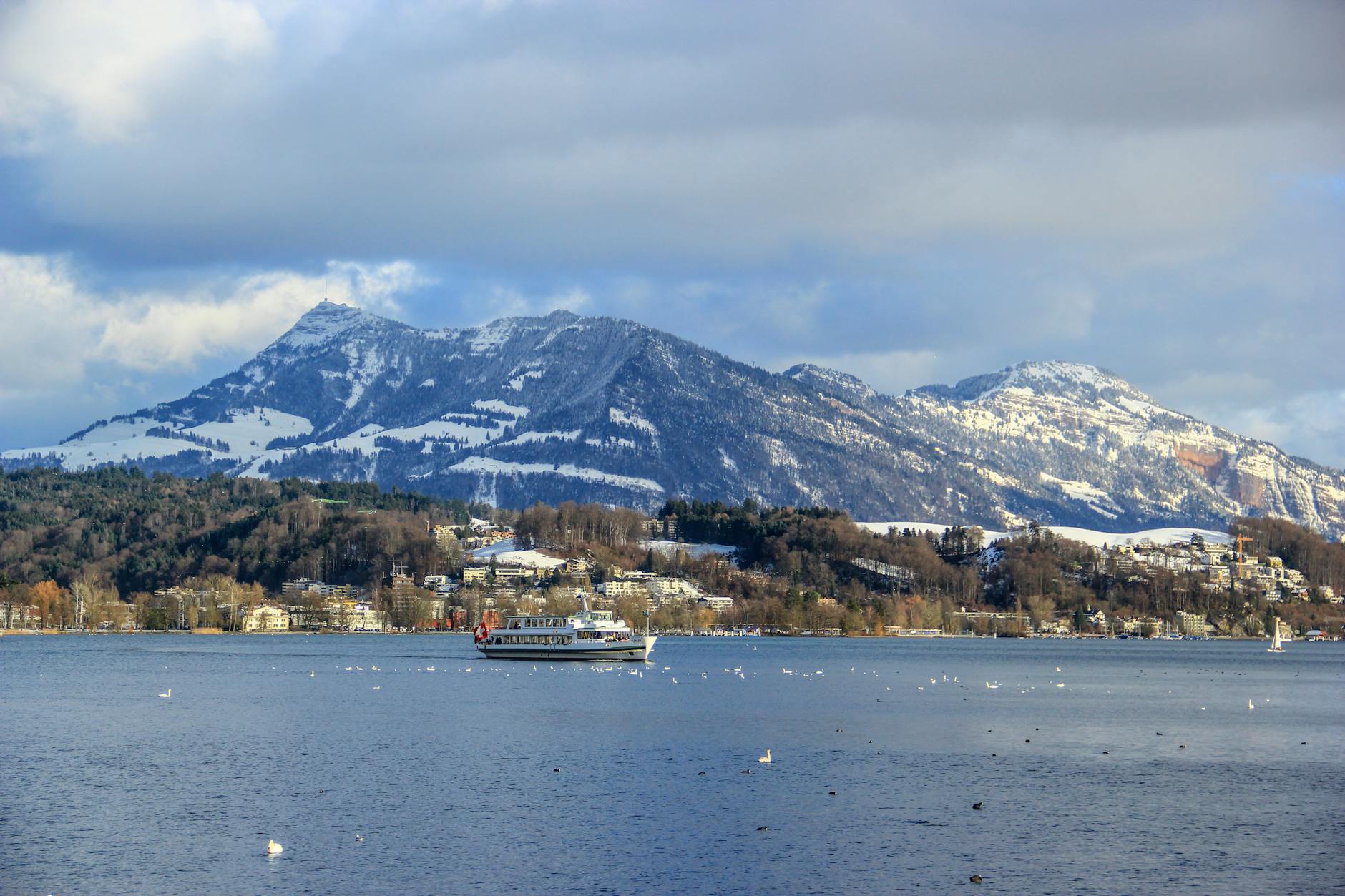
Lucerne's lake and mountain options can tempt a consultant into adding too much around the edges. A short scenic walk may help reset the day, but a full lake or mountain plan should not weaken the client work, travel recovery, or departure timing. Weather and visibility should also decide whether a scenic add-on is worth the time.
The trip should succeed even if sightseeing stays modest.
- Use short lakefront walks or central routes as recovery breaks instead of forcing large excursions into workdays.
- Check weather and visibility before spending money or time on scenic transport.
- Keep final-day plans close to the station or hotel when an airport connection or client deadline follows.
When to order a short-term travel report
A consultant with one flexible meeting and a familiar hotel may not need a custom report. A report becomes useful when the trip includes senior client delivery, same-day arrival, multiple locations, confidential work, late dinners, uncertain hotel workspace, weather-sensitive movement, or a tight Zurich Airport departure.
The report should test arrival transfer, hotel base, client-site route, work blocks, confidentiality needs, dinners, weather, costs, and departure timing. The value is a Lucerne consulting trip that keeps the city manageable while protecting the work that justified the trip.
- Order when client movement, hotel workspace, arrival timing, dinners, confidentiality, weather, or departure timing need exact planning.
- Provide dates, flight times, client addresses, hotel options, meeting schedule, work requirements, and budget rules.
- Use the report to keep the consulting engagement focused, punctual, and professionally controlled.