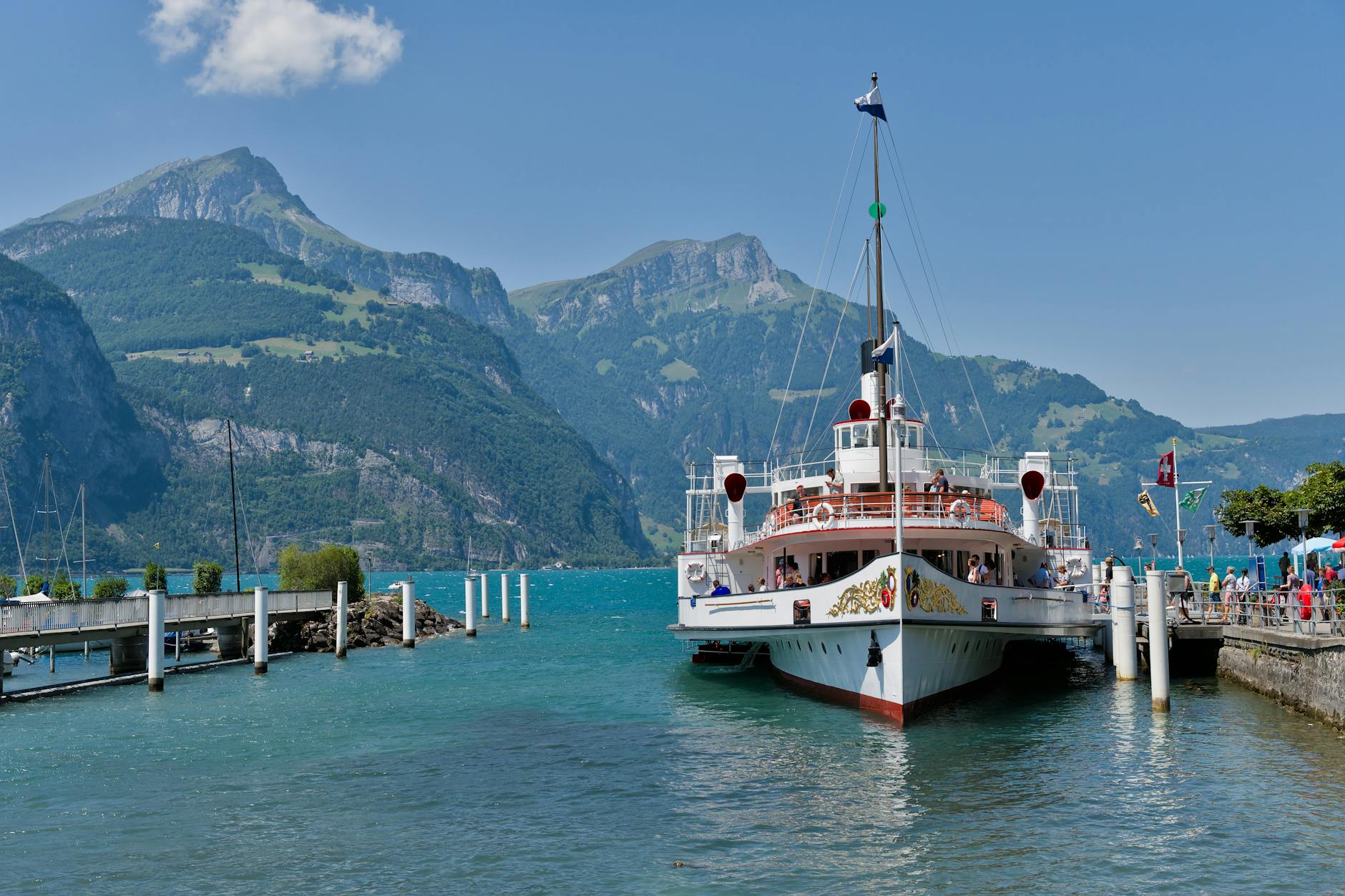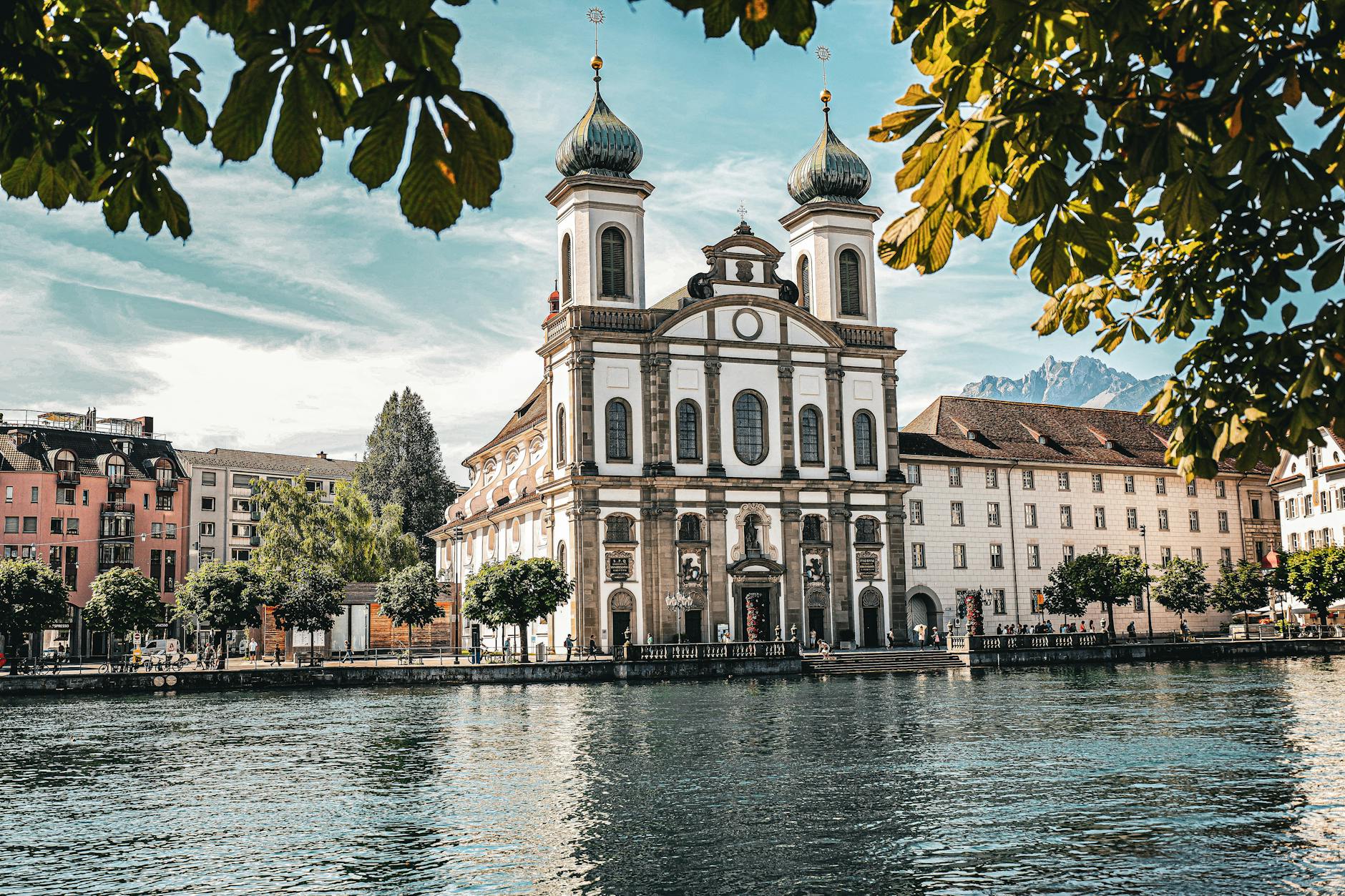
Lucerne is a strong conference city because it is compact, scenic, and easy to reach by Swiss rail. A short conference visit still needs practical planning. The attendee has to manage Zurich Airport arrival, Lucerne station, hotel placement, venue entrances, badge pickup, session transitions, evening events, networking meals, weather, and the temptation to treat the lakefront setting as if it removes normal event logistics.
Protect the arrival window
Many Lucerne conferences begin with attendees arriving through Zurich Airport and continuing by rail. That transfer can be smooth, but it should not be treated as empty time. Baggage, immigration, ticketing, platform changes, hotel check-in, and badge pickup can consume enough margin to weaken the first session or reception.
The conference starts with the arrival plan.
- Map Zurich Airport, Lucerne station, hotel, venue, registration desk, and first scheduled event before booking arrival time.
- Build buffers for baggage, immigration, rail tickets, platform changes, luggage storage, and walking from the station.
- Arrive the night before when a keynote, panel, client meeting, or important networking event opens the trip.
Choose the hotel by venue movement
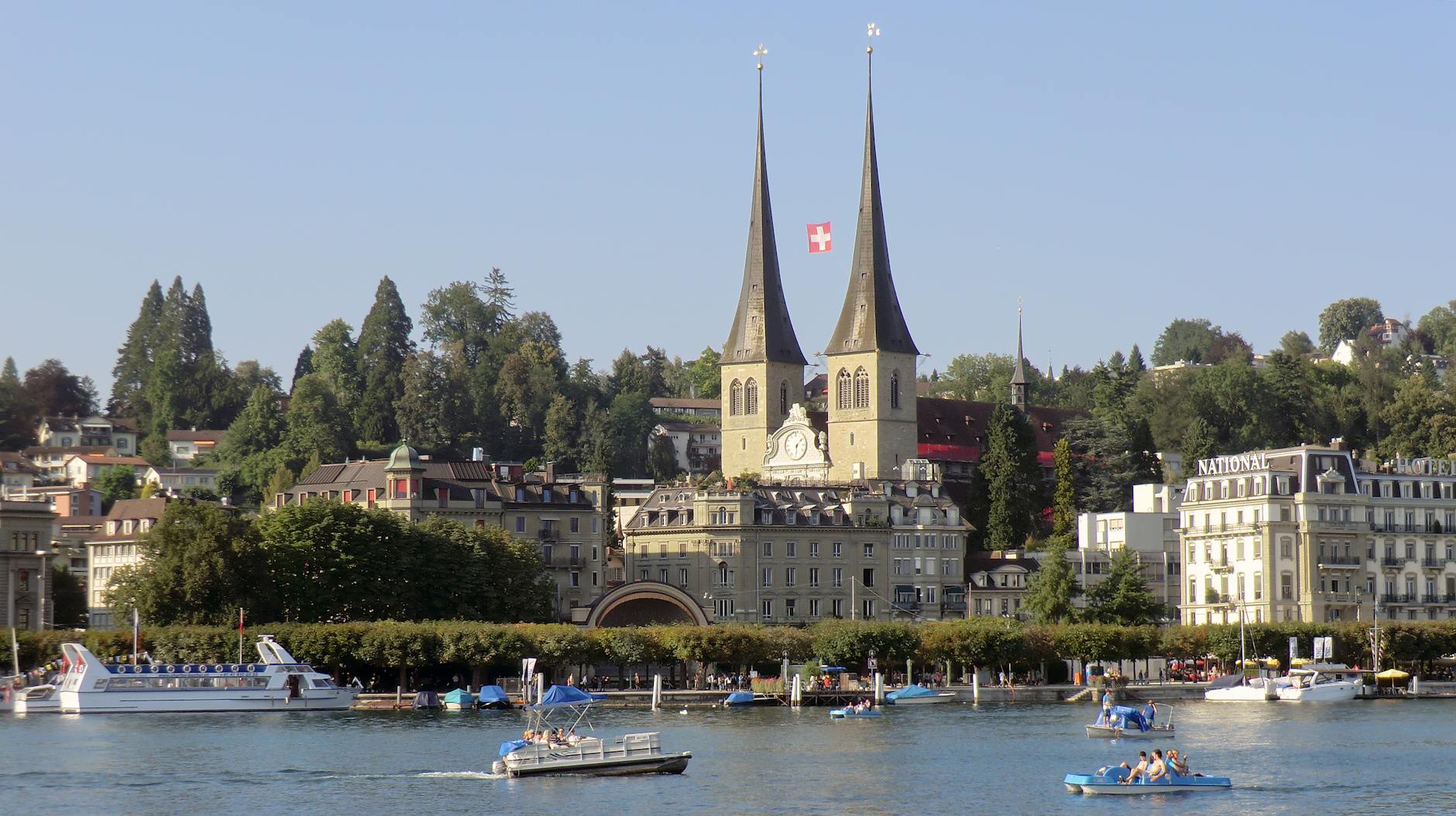
Lucerne hotels can look close together on a map, but conference days are shaped by exact venue entrances, breakfast timing, bad weather, evening returns, and whether attendees need to change clothes or drop materials. A station-area, lakefront, Old Town, or conference-hotel base each creates a different day.
The best hotel is the one that supports the event schedule.
- Compare hotel location against the venue, station, receptions, dinners, and any off-site meetings.
- Check breakfast hours, luggage storage, elevators, quiet workspace, late arrival, and taxi access.
- Avoid a beautiful base that forces repeated awkward walks with conference materials or formal clothing.
Confirm venue details before arrival
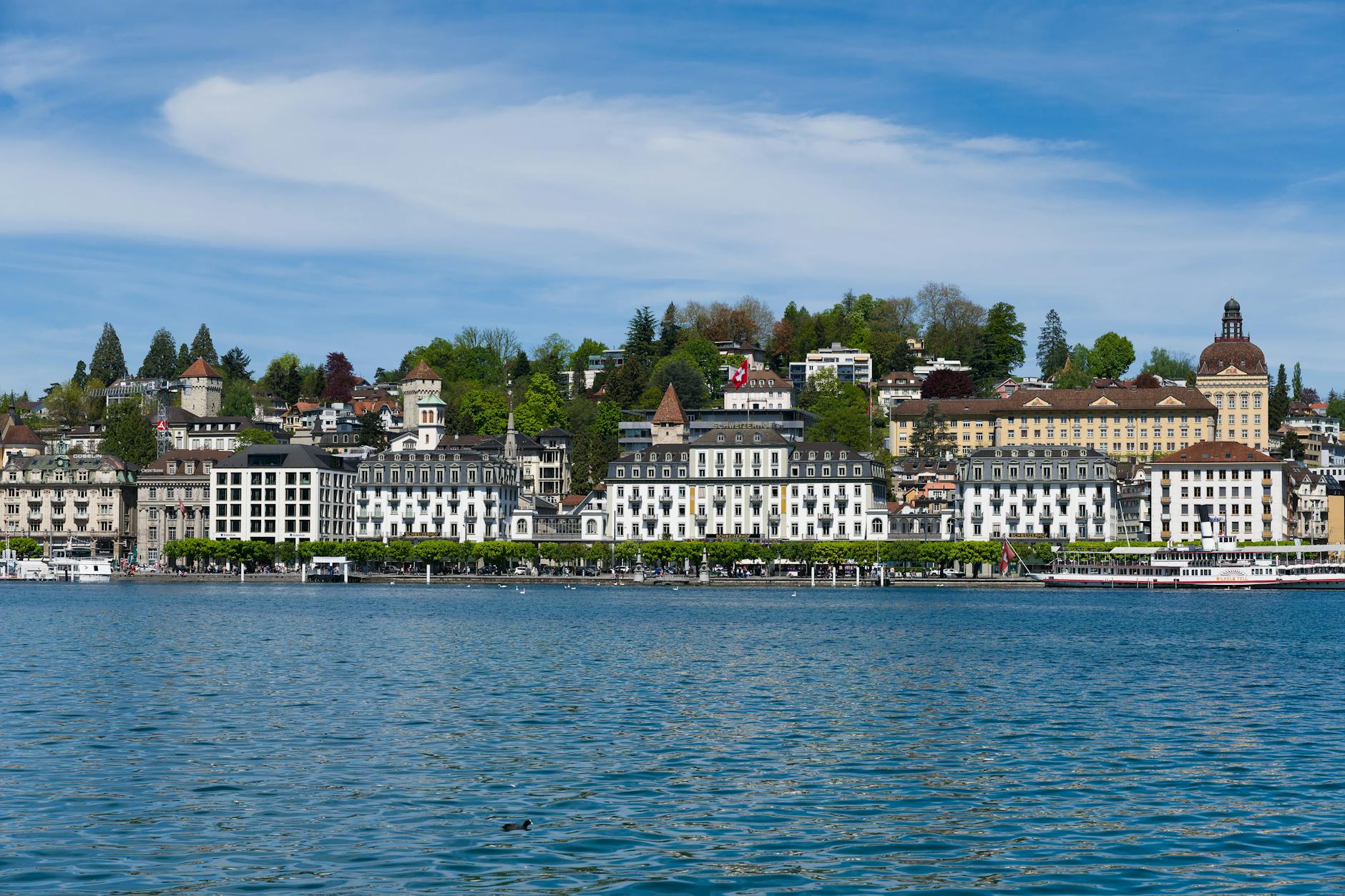
A conference attendee should know more than the building name. Room names, registration location, cloakroom rules, badge access, Wi-Fi, sponsor areas, lunch venues, and evening reception sites can all change how the day moves. Lucerne is compact enough to make transitions easy only when the details are known.
A precise venue plan prevents small delays from compounding.
- Confirm registration hours, room names, badge rules, entrances, cloakroom options, Wi-Fi, and event contacts.
- Check whether sessions, meals, sponsor meetings, and evening events are in one venue or spread across Lucerne.
- Carry ID, badge confirmation, chargers, adapters, business cards or QR details, and offline schedule notes.
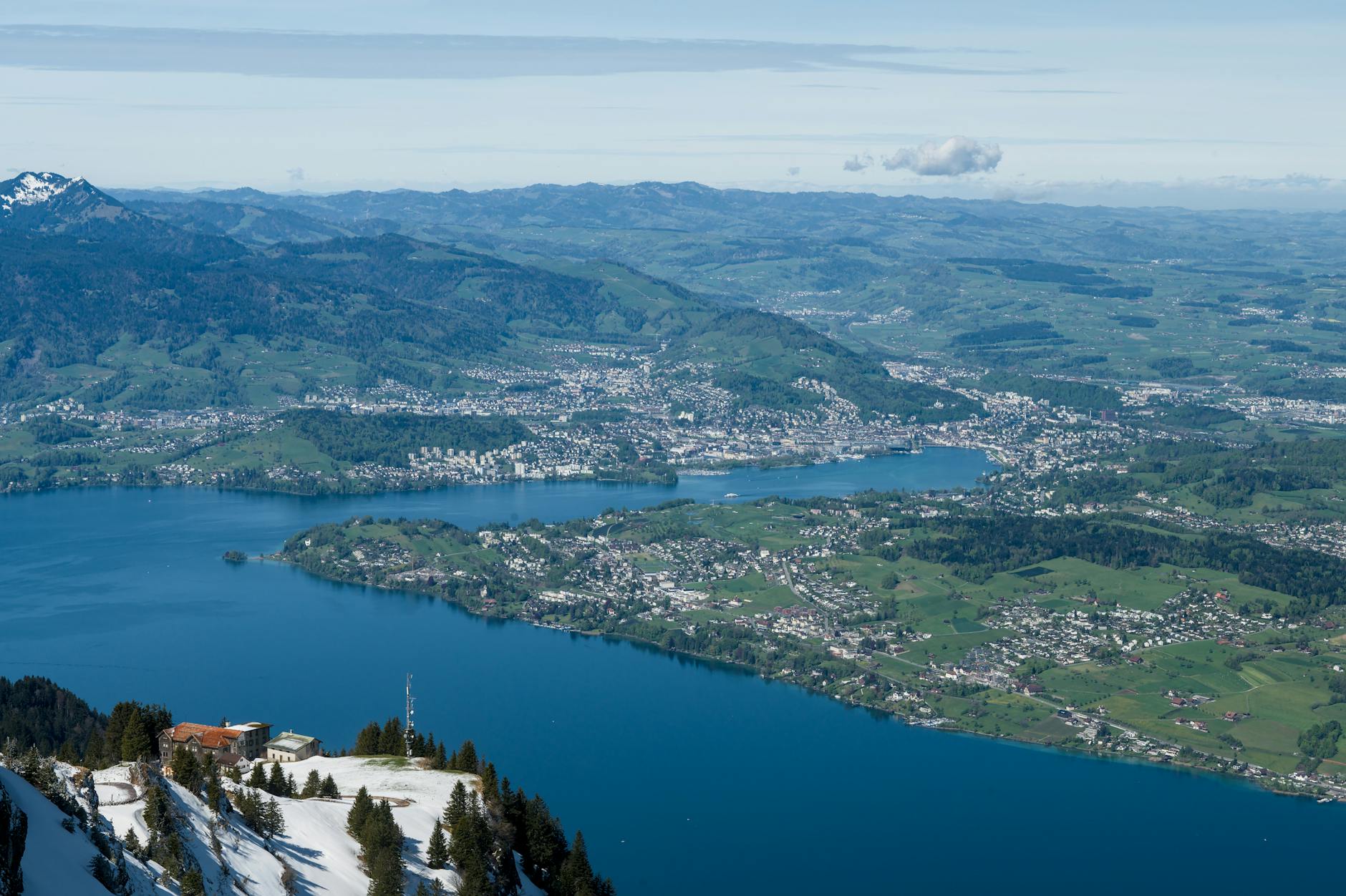
Use networking time with discipline
Lucerne's lakefront setting can make networking feel relaxed, but short conferences still reward deliberate choices. Coffee breaks, sponsor meetings, receptions, dinners, and informal walks should be matched to the people the attendee actually needs to meet. A scenic city can distract from the professional purpose if every gap becomes casual sightseeing.
The strongest networking plan is selective.
- Identify priority people, sessions, meetings, exhibitors, clients, or partners before arrival.
- Choose meeting points near the venue, hotel, station, or lakefront so conversations do not consume the schedule.
- Leave open space after important sessions for follow-up conversations rather than filling every break in advance.
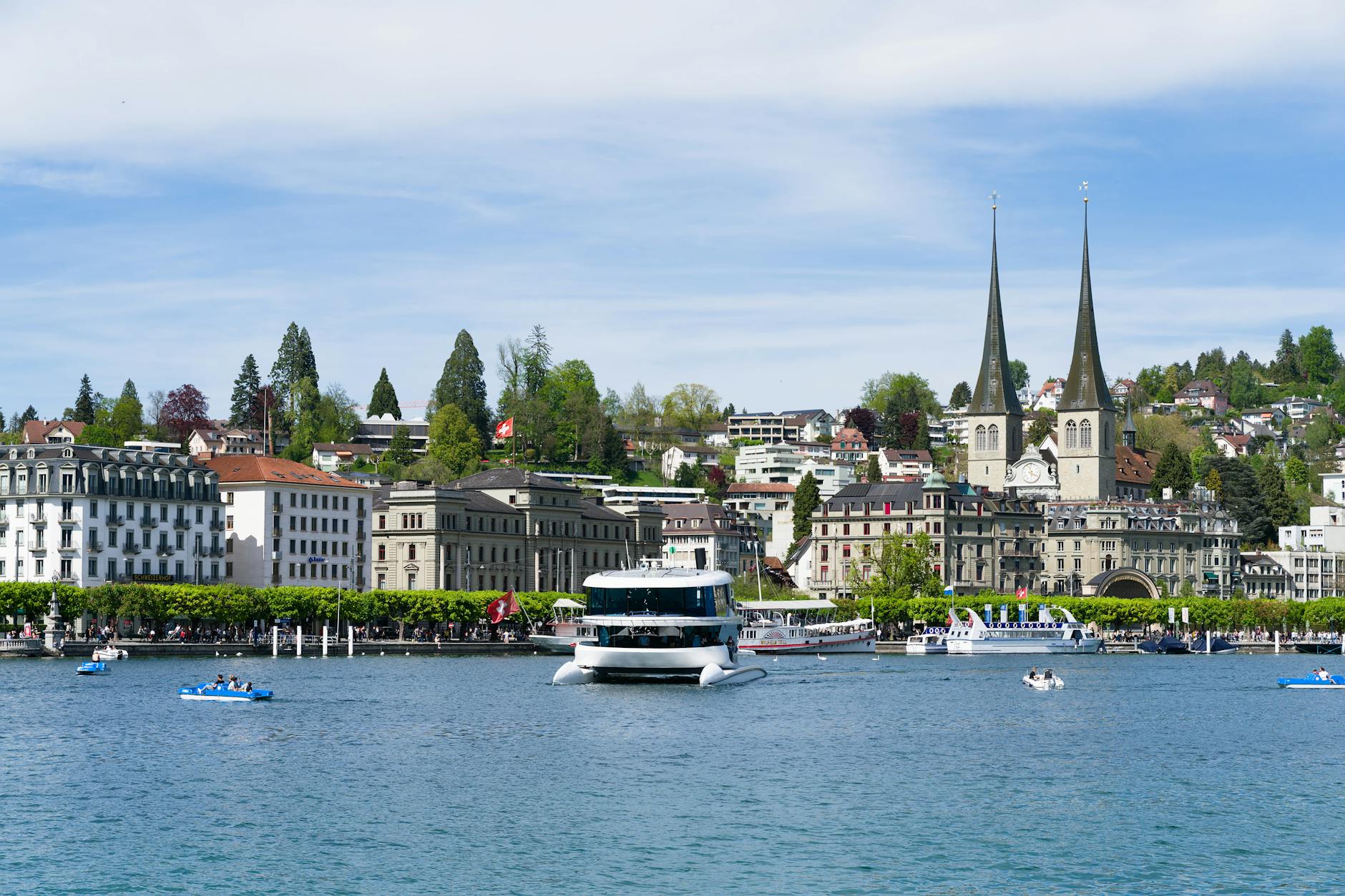
Plan evenings and event dinners
Conference evenings in Lucerne can include receptions, client dinners, sponsor events, lakefront walks, or hotel gatherings. The attendee should decide how formal clothing, weather, transport, alcohol, and the return route will work. A beautiful evening can still be weakened by a late walk in rain or an unclear route back to the hotel.
Evening logistics deserve daytime attention.
- Check dinner locations, reception timing, dress expectations, transport, weather, and the return route before the event begins.
- Keep phone battery, hotel address, room key, and a taxi option available after evening programming.
- Use hotel dining or central restaurants when the next morning starts early.
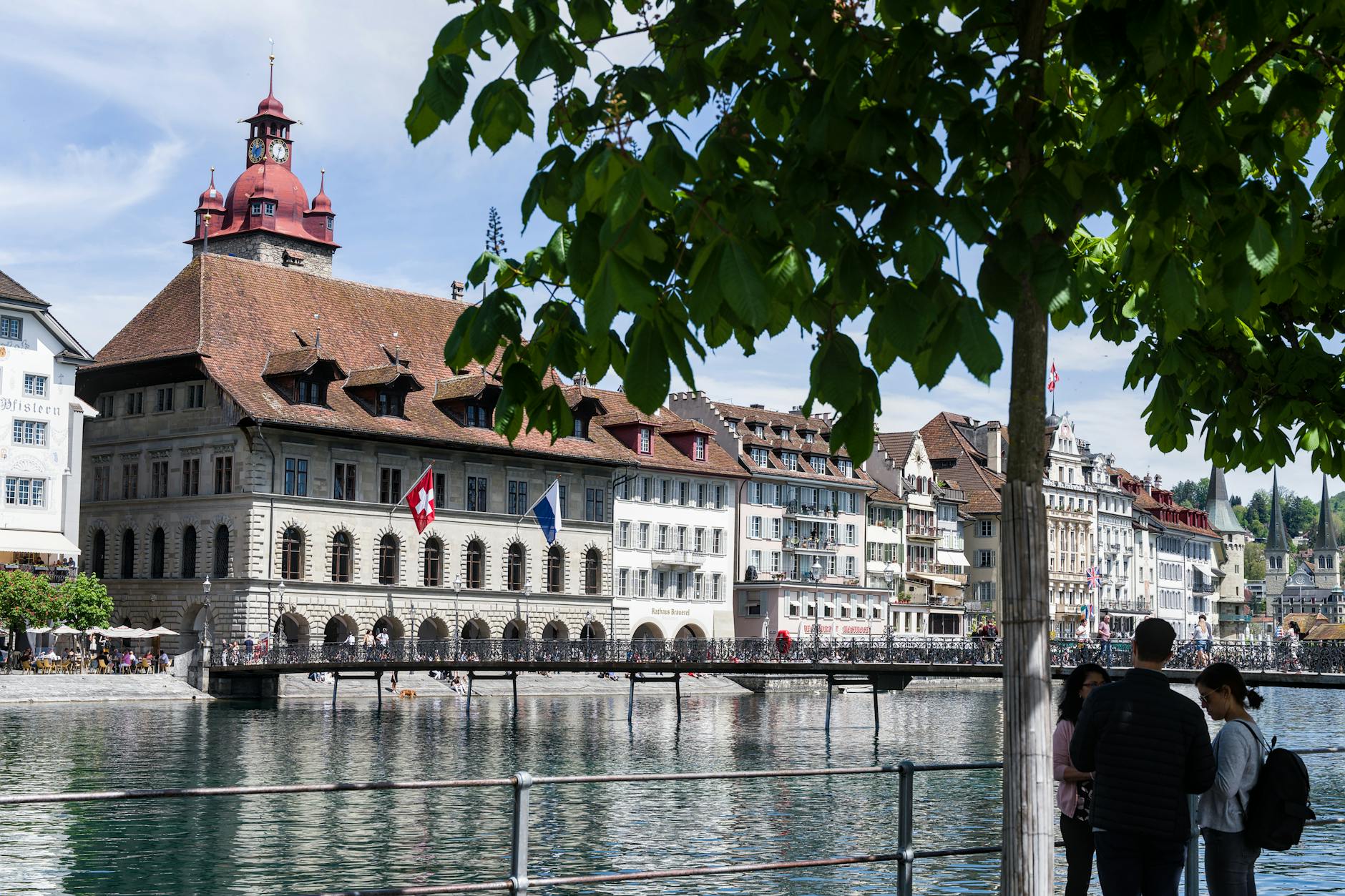
Budget for Swiss conference friction
Lucerne conference costs can include hotels, rail, taxis, meals, coffee meetings, printing, baggage storage, client dinners, and changed plans. Reimbursement rules should be clear before the attendee makes scenic or convenience-driven choices. Event periods can tighten rooms and push prices up quickly.
Swiss conference spending is easier when categories are clear.
- Clarify reimbursement for rail, taxis, hotels, meals, client hospitality, printing, baggage storage, and schedule changes.
- Book early when the event overlaps with leisure peaks, festivals, large groups, or limited hotel inventory.
- Keep receipts organized before the short trip becomes hard to reconstruct.
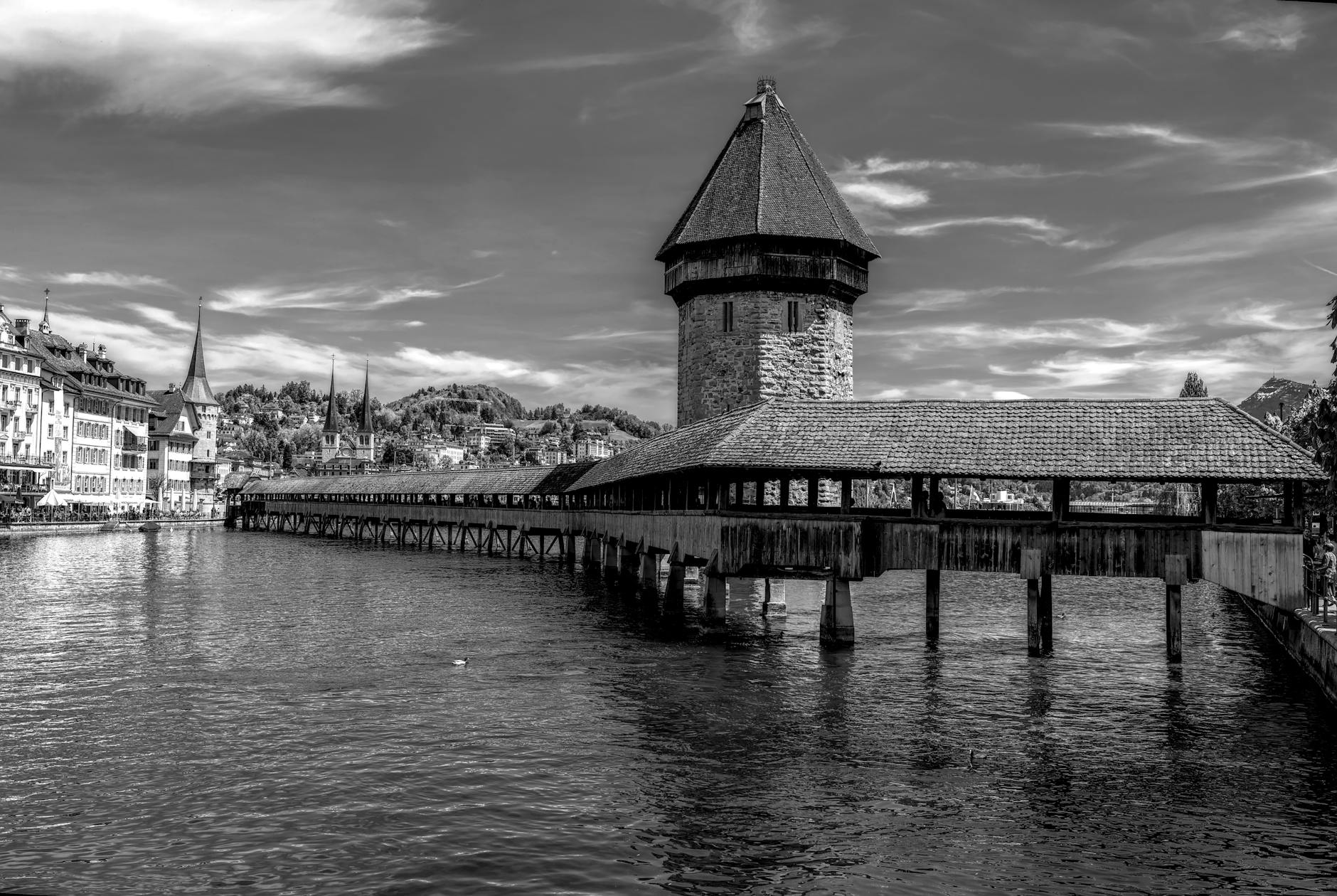
When to order a short-term travel report
A conference attendee with a single venue, hosted hotel, and flexible arrival may not need a custom report. A report becomes useful when the trip includes Zurich Airport timing, multiple venues, off-site receptions, client meetings, senior attendees, uncertain hotel choice, tight departure timing, or an attempt to add lake or mountain time.
The report should test arrival route, hotel base, venue geography, registration, session priorities, networking, dinner logistics, weather, costs, and departure timing. The value is a Lucerne conference trip that uses the setting without letting the setting distract from the event.
- Order when rail arrival, hotel choice, venue movement, networking, evening events, or departure timing need exact sequencing.
- Provide dates, flight times, venue addresses, conference schedule, hotel options, meeting needs, and budget rules.
- Use the report to keep the conference efficient, polished, and realistic within Lucerne's scenic setting.