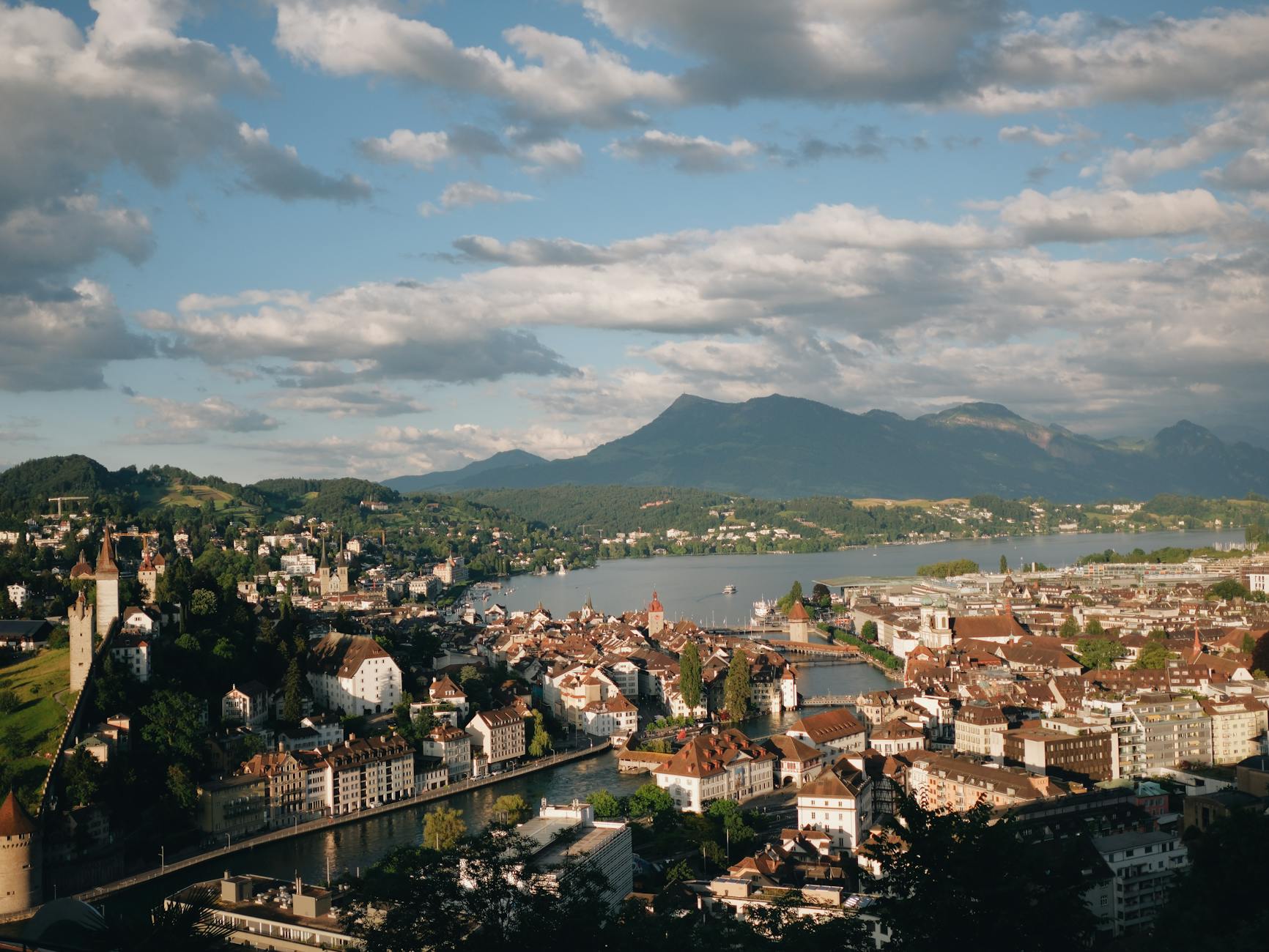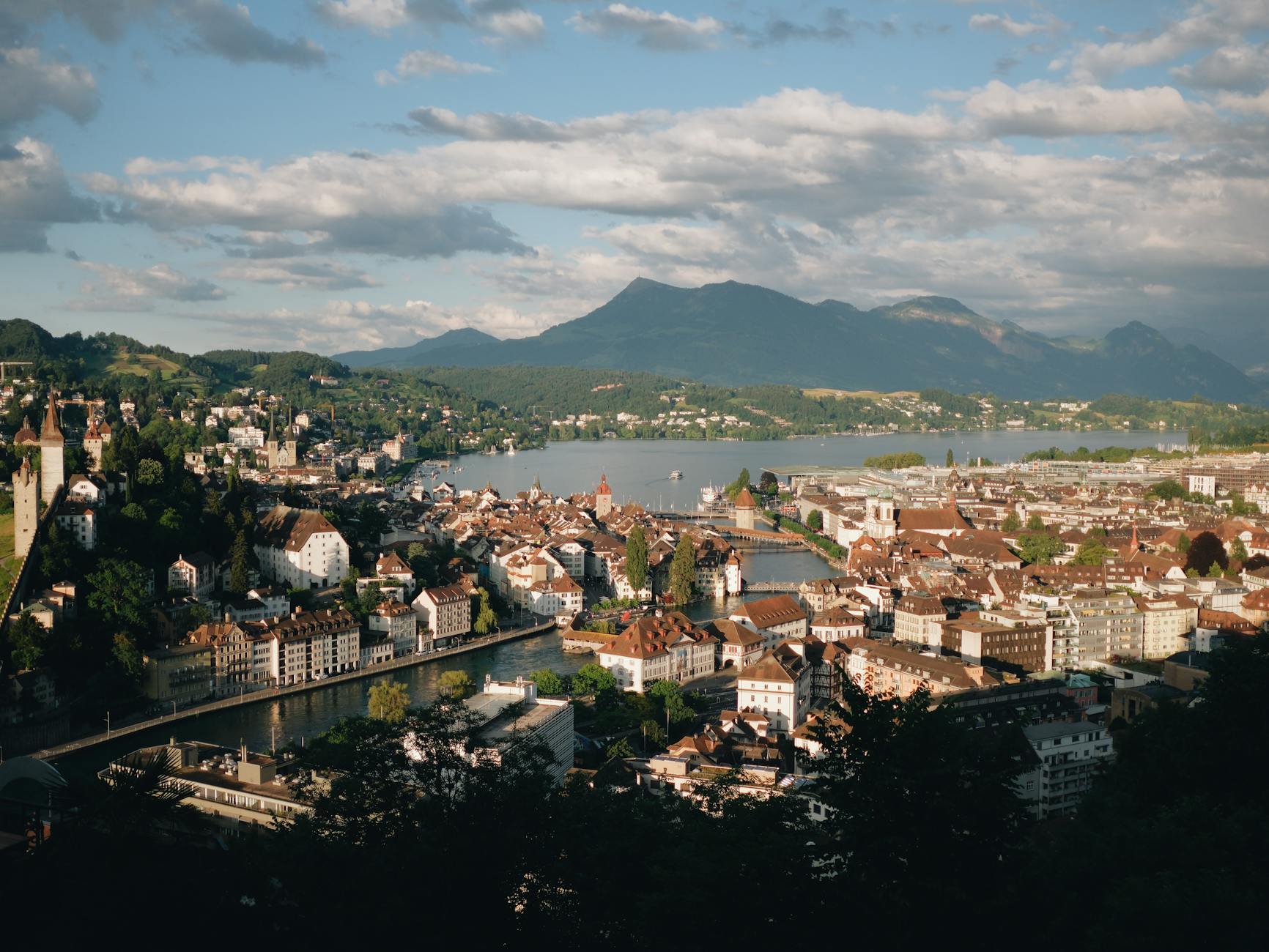
Lucerne can be an efficient and impressive business destination, especially for meetings, retreats, conferences, incentive travel, education, hospitality, culture, and Swiss market visits. It is smaller than Zurich, but that does not make planning automatic. A short business visit depends on rail timing from Zurich Airport, hotel placement, lakefront movement, meeting-room access, weather, event-season pressure, and the line between business hospitality and sightseeing.
Treat Zurich Airport as part of the Lucerne trip
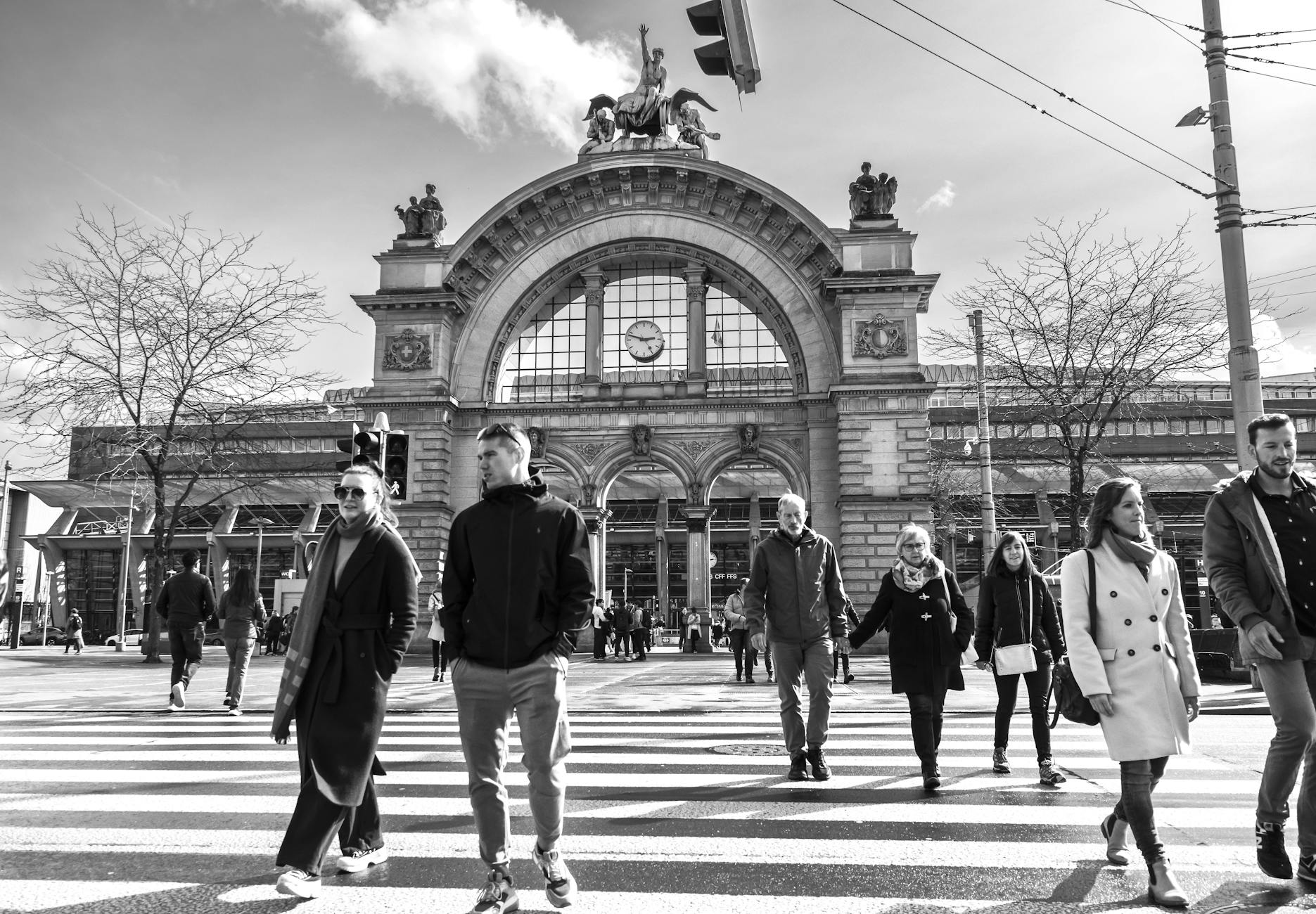
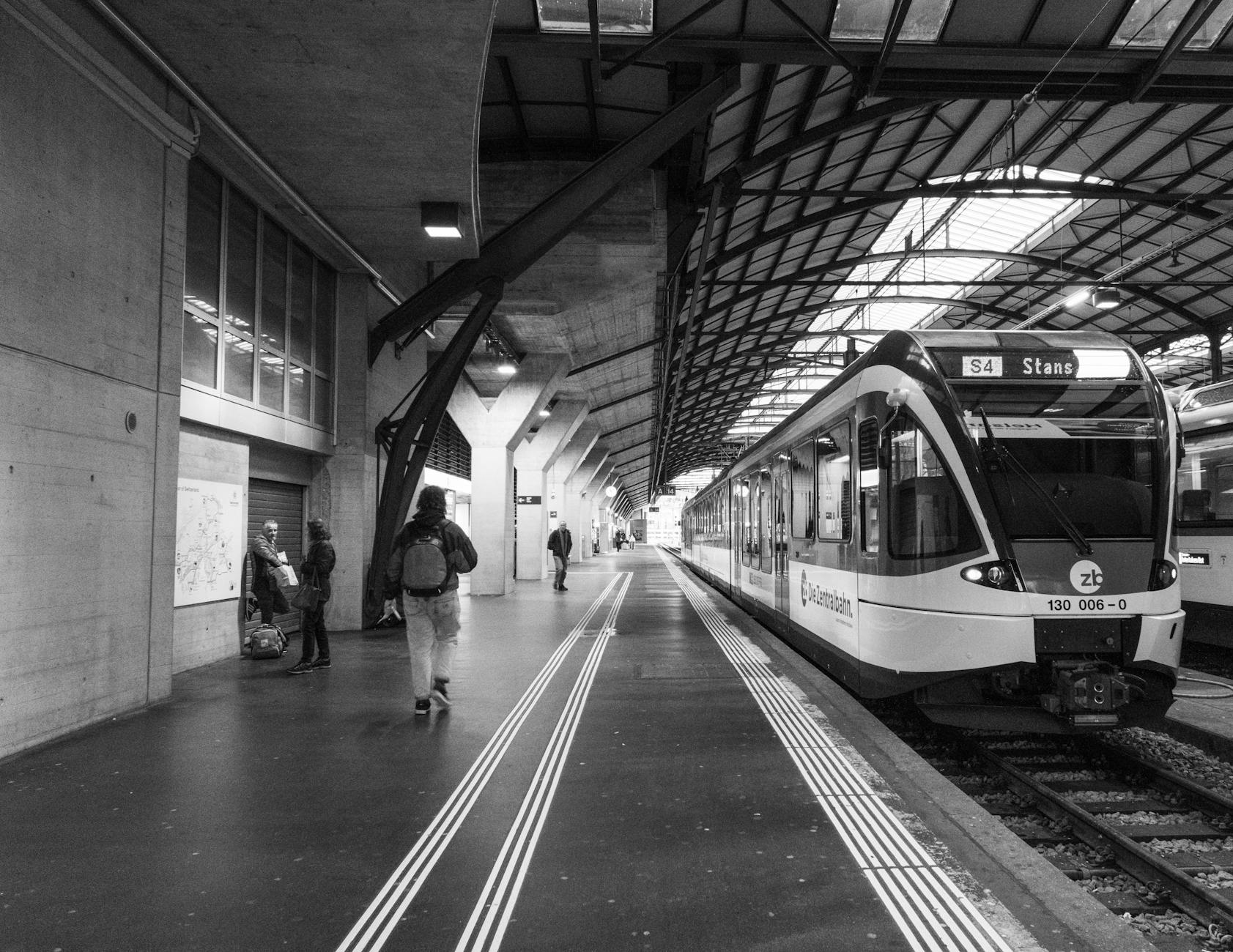
Many Lucerne business visits begin at Zurich Airport, not in Lucerne itself. The rail transfer can be straightforward, but it still needs planning around arrival time, luggage, platform changes, weather, and meeting start times. A traveler landing after a long flight should avoid pretending the airport-to-Lucerne leg is a minor detail.
The business day starts when the plane lands.
- Map Zurich Airport, Lucerne station, hotel, meeting venue, and return route before booking the first appointment.
- Build buffers for baggage, immigration, rail tickets, platform changes, and walking from Lucerne station.
- Consider arriving the night before if the first meeting is important or the flight connection is exposed.
Choose the hotel by meeting geography
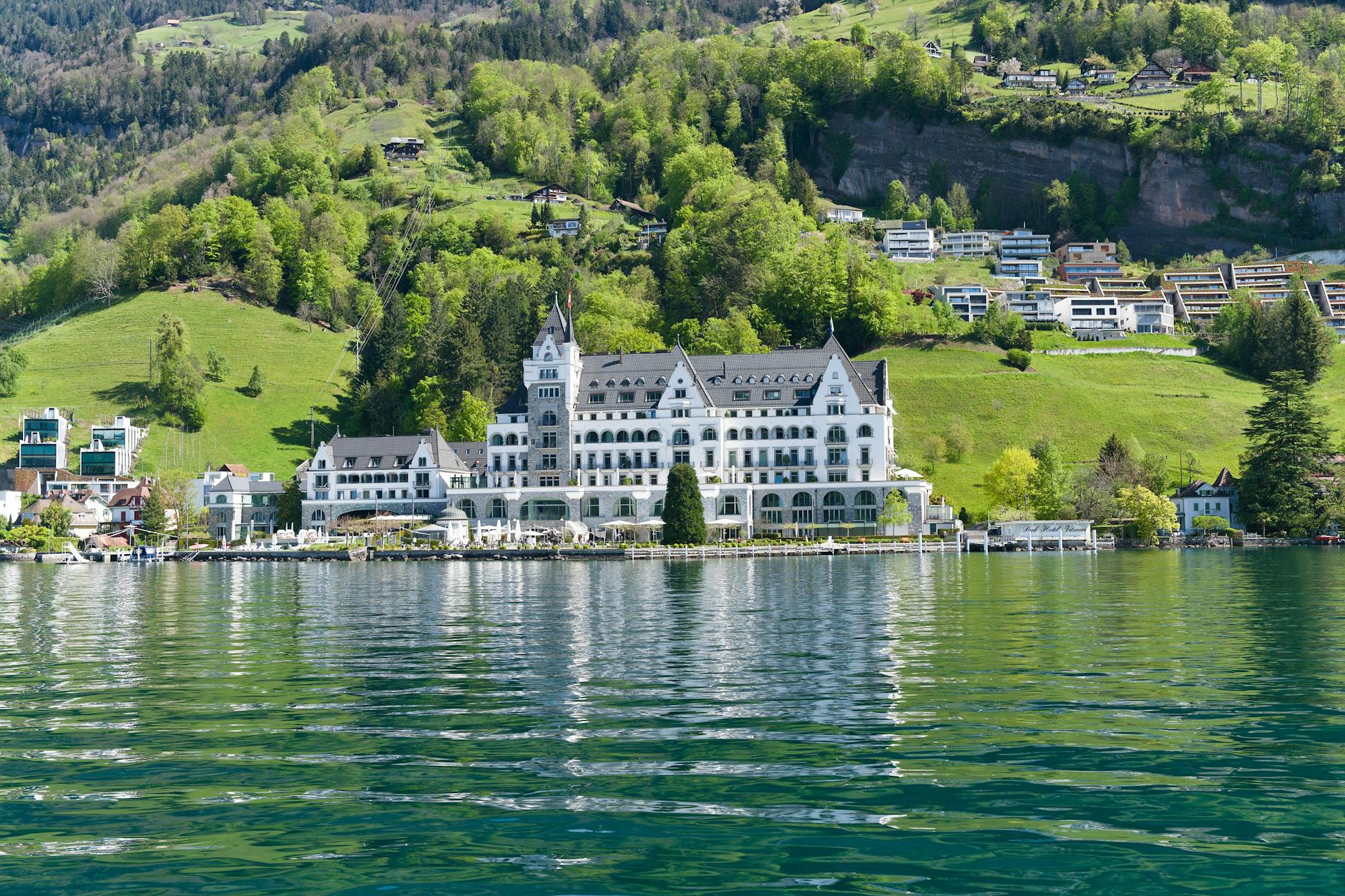
Lucerne hotels can feel close on a map while still creating friction with bags, weather, bridges, slopes, crowds, or event traffic. A lakeside property, station-area hotel, Old Town base, or retreat hotel outside the center each serves a different business purpose. The hotel should support the meeting day before it supports the view.
A scenic base is only useful if it keeps the business schedule stable.
- Compare station-area, lakefront, Old Town, and retreat hotels against the actual meeting venues.
- Check taxi access, elevators, early breakfast, meeting rooms, quiet workspace, and late arrival support.
- Do not assume a beautiful lakeside hotel is the best base for a short, tightly scheduled visit.
Confirm meeting-room and venue details
Lucerne is used for meetings and events, but venue details still matter. A conference center, hotel salon, lakeside retreat, university room, client office, or cultural venue will have different arrival procedures and technical support. The traveler should confirm room names, entrances, audiovisual needs, guest lists, and meal timing before arrival.
Small-city ease does not replace meeting logistics.
- Confirm venue address, room name, entrance, host contact, guest list, Wi-Fi, presentation setup, and timing.
- Ask whether the meeting overlaps with a conference, festival, tour group, or hotel event.
- Carry adapters, backup files, printed essentials, ID, and a phone number for venue support.
Plan around visitors, weather, and lakefront flow
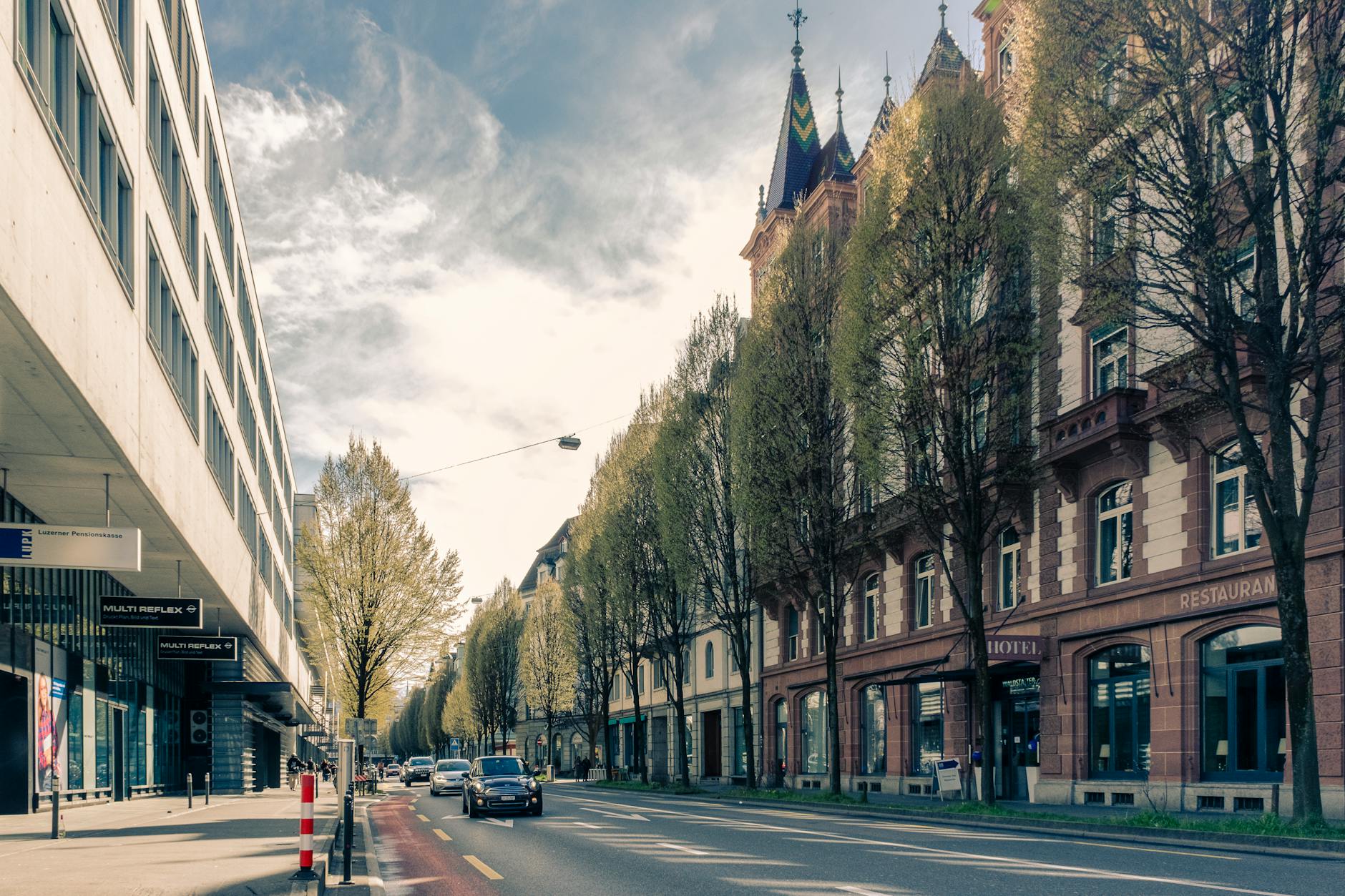
Lucerne's beauty is part of its business appeal, but it also means the center can be busy with leisure travelers, day trips, boats, and seasonal events. Rain, snow, fog, and summer crowds can affect walking times and dinner movement. A business visitor should leave enough margin for the city to be popular and weather-exposed.
Lucerne is compact, not frictionless.
- Check event calendars, cruise groups, weather, lakefront crowds, and bridge crossings before setting tight transitions.
- Use taxis selectively when luggage, rain, senior participants, or formal clothing make walking inefficient.
- Build indoor fallback options for coffee meetings, prep time, and client conversations.
Use the setting without letting it take over
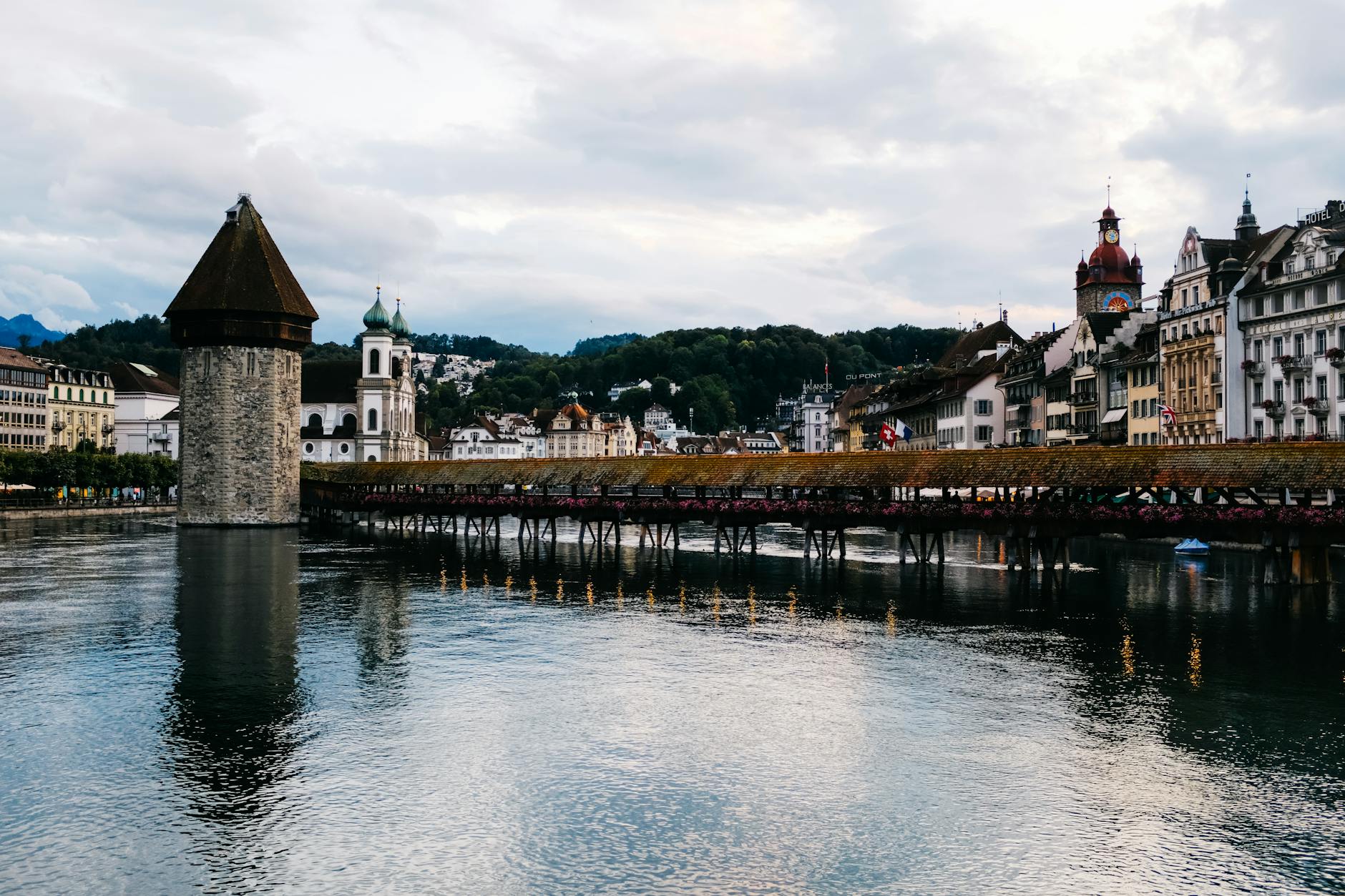
Lucerne can strengthen a business trip through a lake walk, Chapel Bridge view, mountain backdrop, client dinner, or short boat element. The risk is letting scenic extras crowd out preparation, rest, or the reason for the trip. Hospitality should be deliberate, especially when schedules are short and costs are high.
The setting should support the business purpose rather than compete with it.
- Choose one scenic hospitality element that fits the meeting agenda and participant energy.
- Keep business meals close to the hotel or venue when the next appointment is early.
- Avoid adding mountain or lake excursions unless timing, weather, and client expectations clearly justify them.
Budget for Swiss costs and event pressure
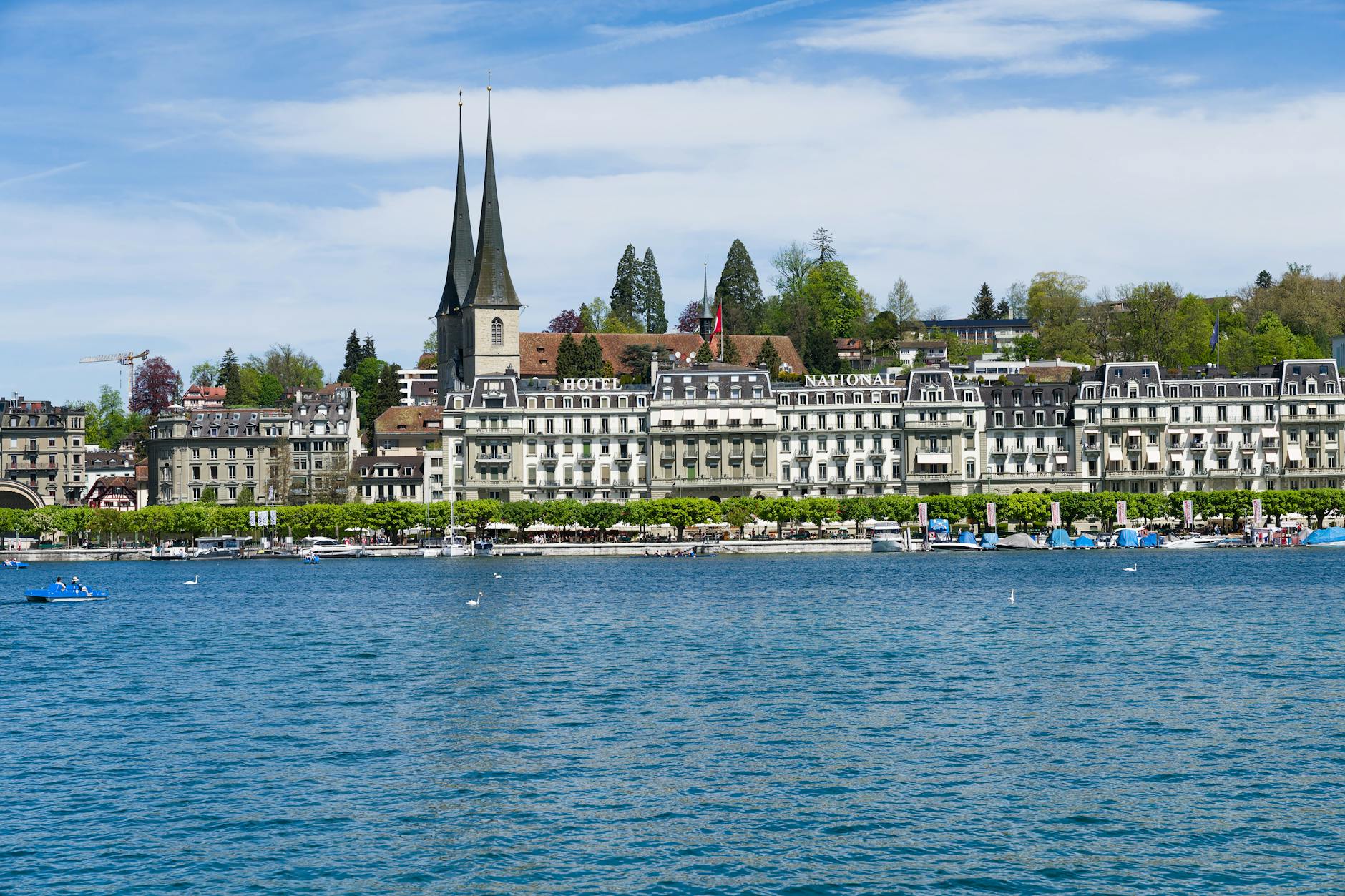
Lucerne can become expensive through hotels, rail, taxis, restaurants, venue charges, client meals, and peak travel dates. A business visitor should clarify expense rules before choosing a scenic hotel or ambitious dinner. Event periods can tighten availability and raise prices quickly.
The budget should reflect both Swiss prices and business expectations.
- Clarify reimbursement for rail, taxis, meals, hotels, client hospitality, workspace, and schedule changes.
- Book early when the visit overlaps with conferences, festivals, peak leisure periods, or group travel.
- Keep receipts organized by category before the short trip becomes hard to reconstruct.
When to order a short-term travel report
A Lucerne business visitor with one hosted meeting and a booked hotel may not need a custom report. A report becomes useful when the trip involves Zurich Airport timing, multiple venues, client hospitality, senior participants, event-period pressure, lake or mountain add-ons, or tight rail connections.
The report should test airport-to-Lucerne timing, hotel base, meeting geography, venue details, client dinner options, weather, costs, event pressure, and departure logistics. The value is a Lucerne business trip that uses the city's setting without letting logistics weaken the work.
- Order when rail transfers, hotel choice, venue movement, client hospitality, or event timing needs careful planning.
- Provide dates, flight times, meeting addresses, participant seniority, hotel options, budget rules, and work needs.
- Use the report to make Lucerne efficient, polished, and realistic for a short business visit.