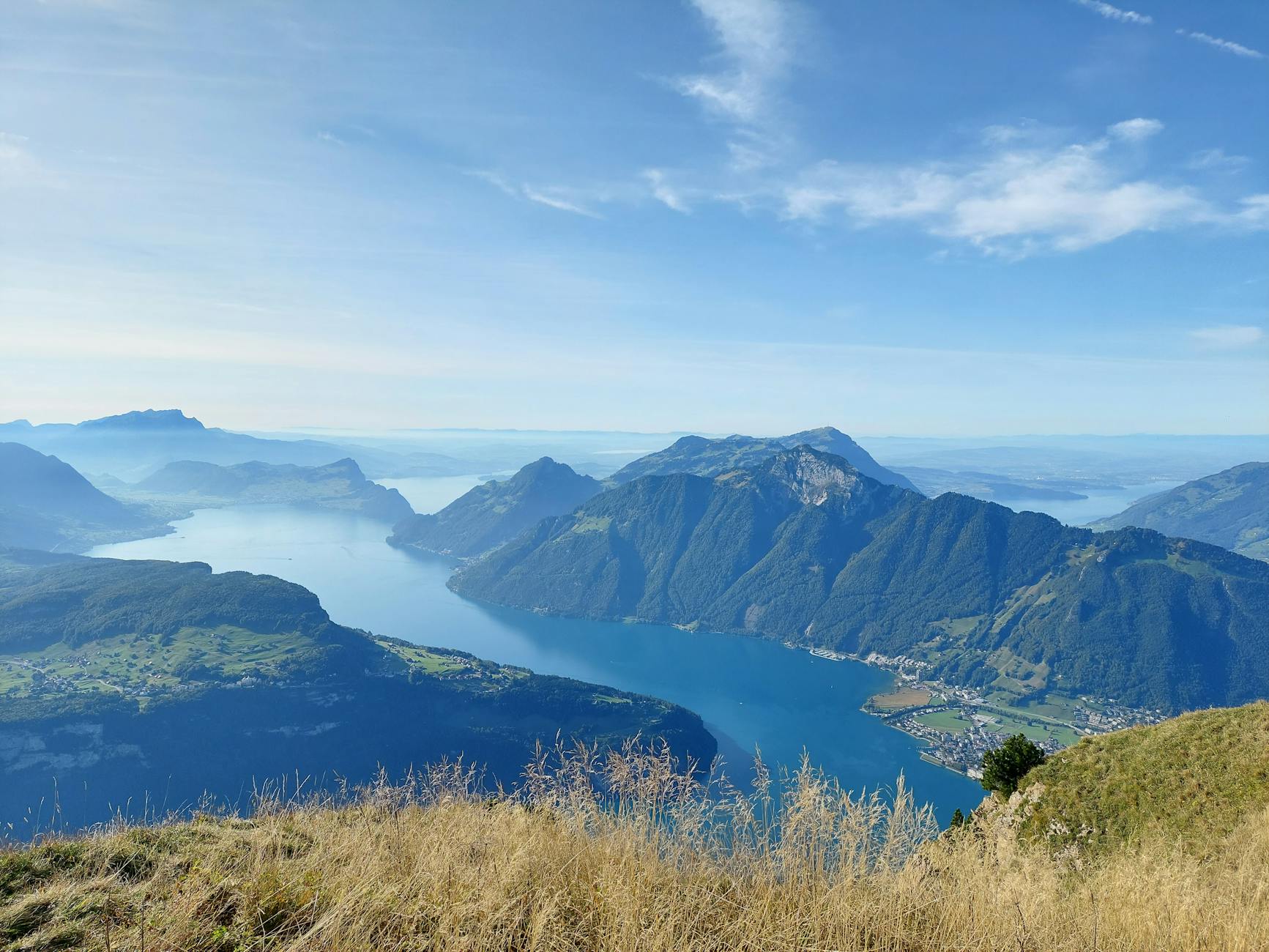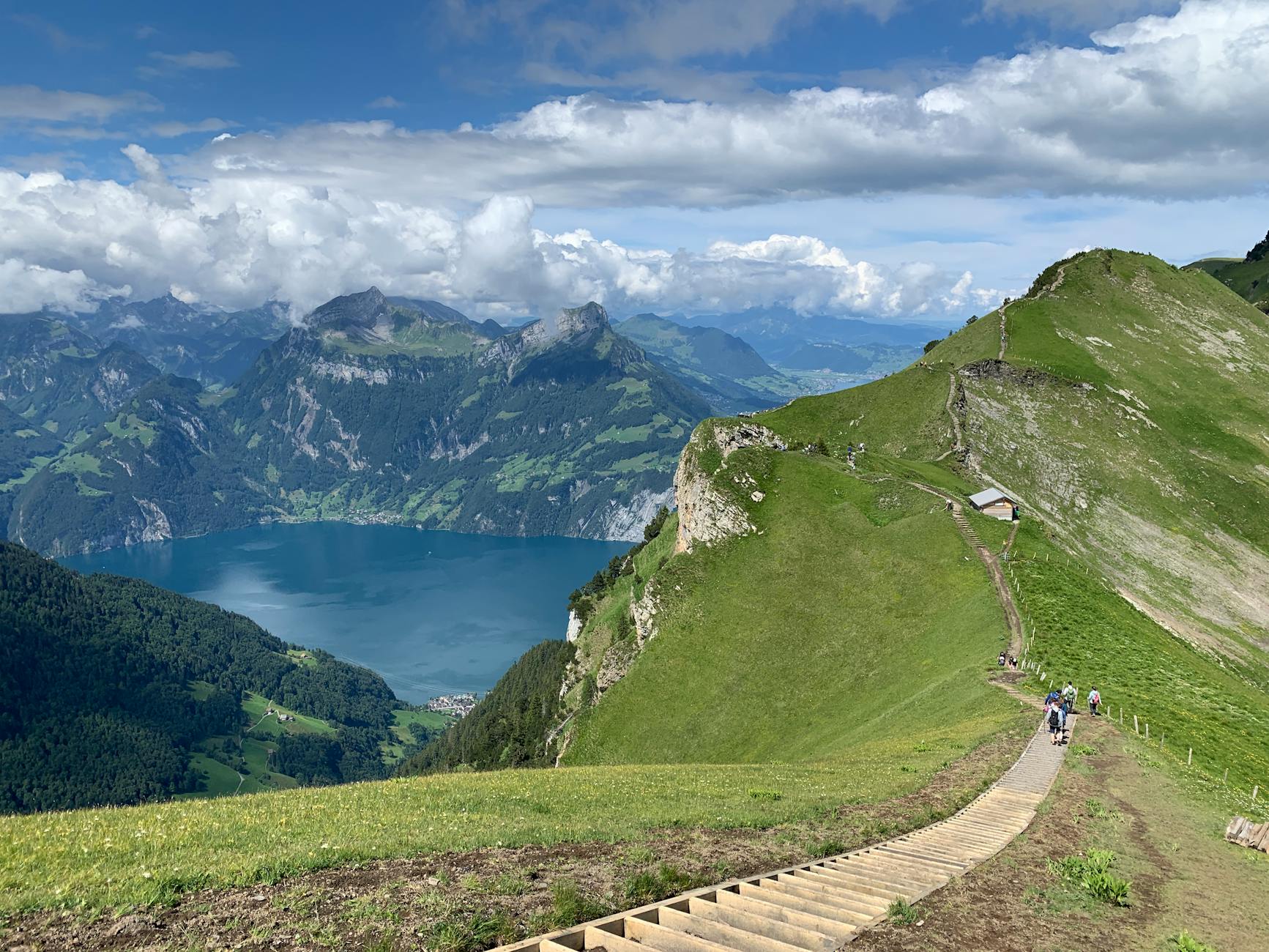
Lucerne can be a rewarding short outdoor base because lake routes, boat connections, Mount Rigi, Pilatus, nearby trails, viewpoints, and alpine railways are easy to combine. That convenience can invite overconfidence. A traveler with only a few days should plan around season, daylight, weather, visibility, gear, fitness, transport cutoffs, lake conditions, and the cost of changing plans.
Choose the outdoor goal first
A short Lucerne outdoor trip can mean hiking, lake cruising, swimming, paddling, mountain railways, photography walks, winter scenery, or a light city-and-nature mix. Each version has different gear, risk, cost, and time requirements. The traveler should choose the main outdoor goal before adding side plans.
Lucerne should not be treated as one interchangeable adventure package.
- Decide whether the trip is mainly for hiking, lake time, mountain views, winter scenery, or light outdoor recovery.
- Match the base, transport, clothing, and budget to that main goal before adding extras.
- Keep one central Lucerne day available if weather removes the primary outdoor plan.
Respect weather and visibility
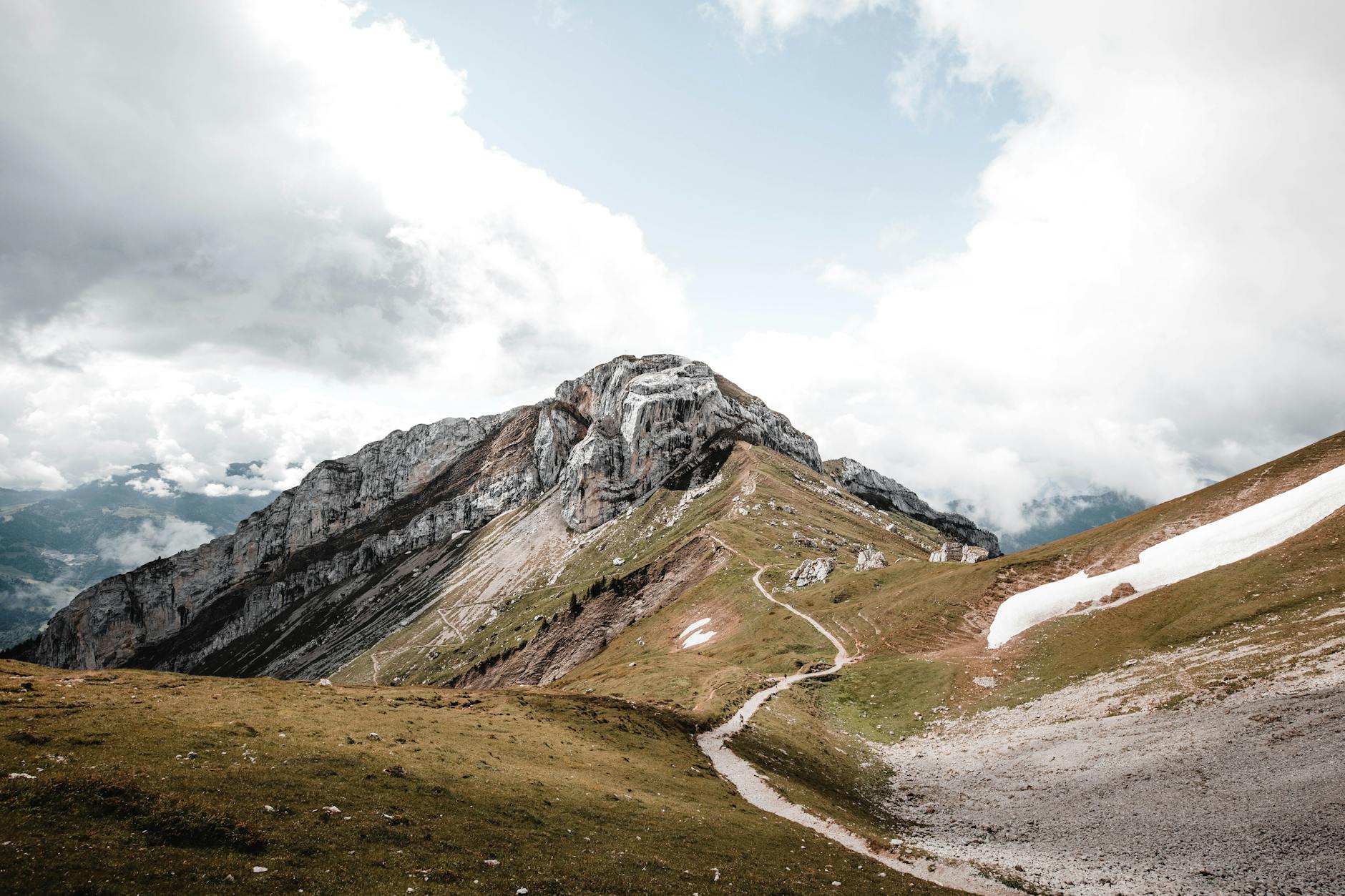
Lake Lucerne and the surrounding mountains are highly weather-sensitive. Clouds can hide views, rain can make paths slippery, wind can affect lake comfort, and snow can change simple walks into winter routes. A traveler should check forecasts, webcams, trail conditions, and transport status close to the outing.
The best plan is the one that changes early.
- Check weather, visibility, webcams, trail status, lake wind, avalanche context where relevant, and transport updates.
- Do not pay for a high-view outing before confirming that visibility and return timing make sense.
- Use low-level lakefront, old town, or museum time when the mountains are not worth chasing.
Plan transport as part of the activity
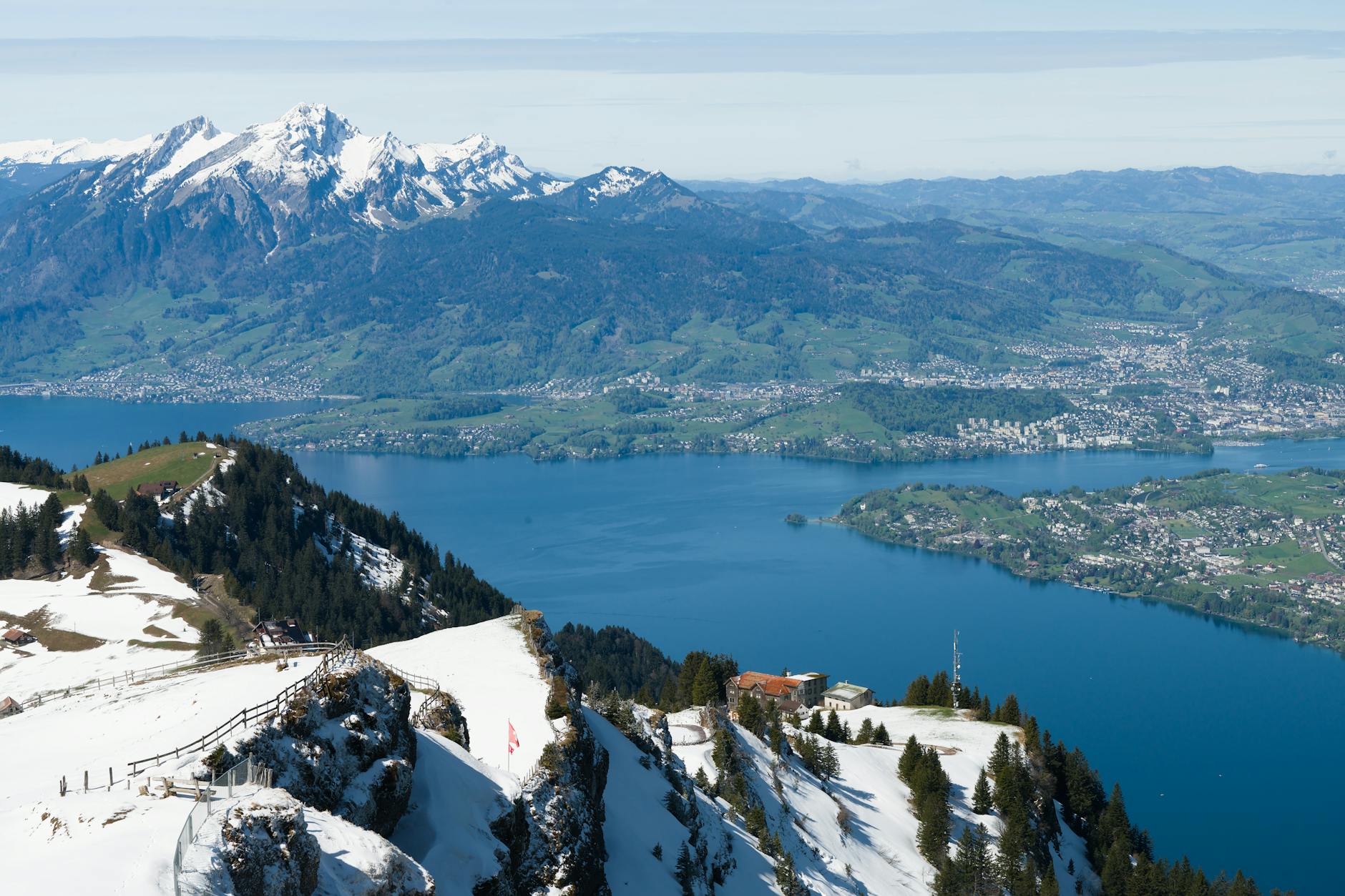
Lucerne outdoor days often depend on rail, boat, cogwheel railway, cable car, bus, or a combination of several. The activity is not only the trail or viewpoint; it includes reaching the start, managing tickets, understanding last returns, and getting back tired. A beautiful route can become stressful if the last connection is too tight.
Transport timing is safety information.
- Map the full route from hotel to trailhead, boat dock, mountain railway, or viewpoint and back.
- Check first and last departures, ticket rules, pass discounts, transfer margins, and seasonal operating dates.
- Keep a shorter version ready if arrival, weather, or fatigue makes the full outing too thin.
Be honest about fitness and exposure
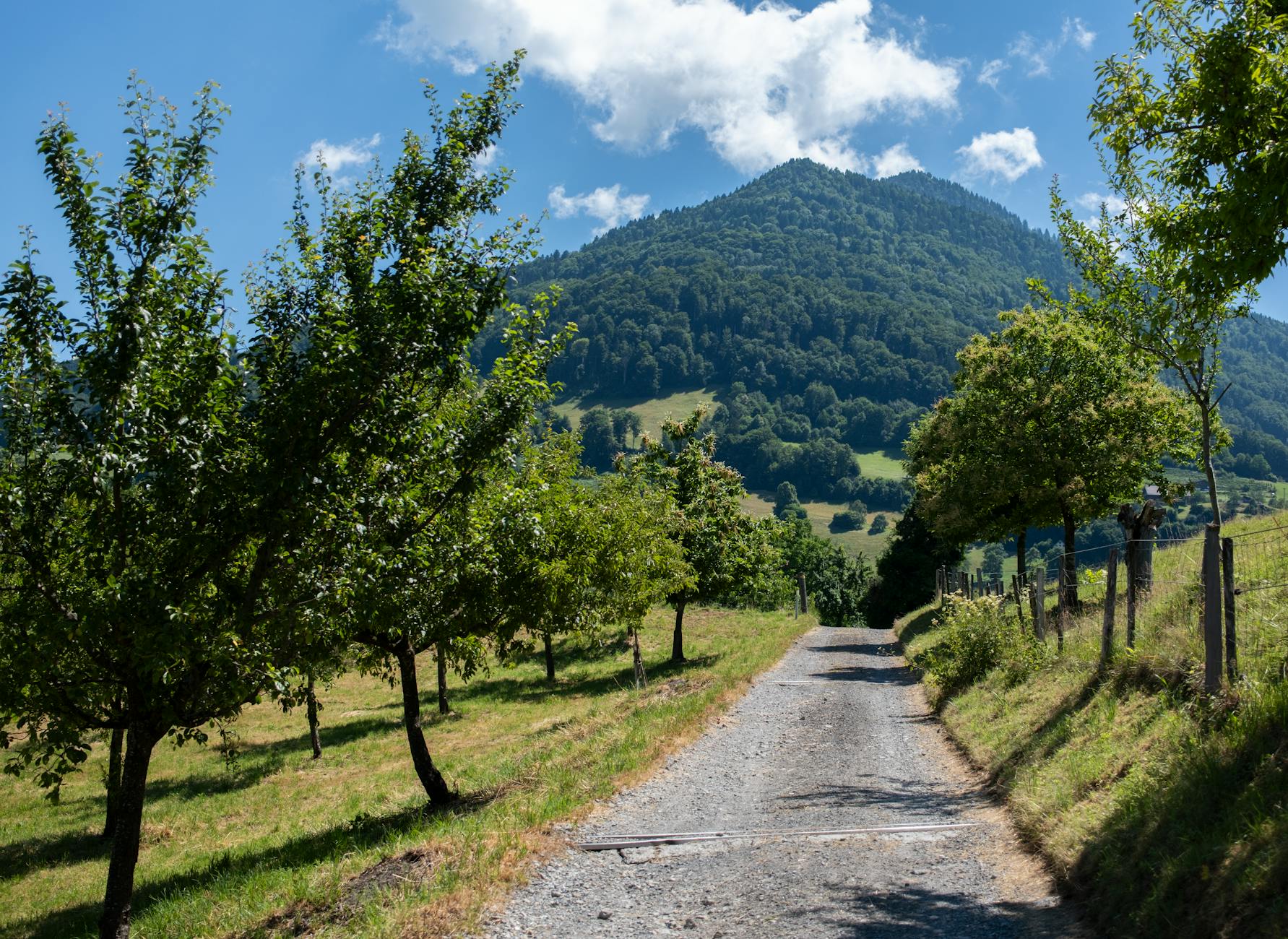
A route near Lucerne can sound easy because it is close to the city, but altitude, snow, uneven ground, heat, rain, descent strain, or cliff exposure can still matter. Travelers should assess fitness, footwear, health conditions, group pace, and comfort with heights before picking a mountain route.
Proximity does not remove physical demand.
- Check distance, elevation gain, surface, descent, exposure, rest points, toilets, and bailout options.
- Choose routes for the least experienced person when traveling as a group.
- Avoid turning a travel day or departure day into a demanding hike with no recovery margin.
Pack for changing conditions
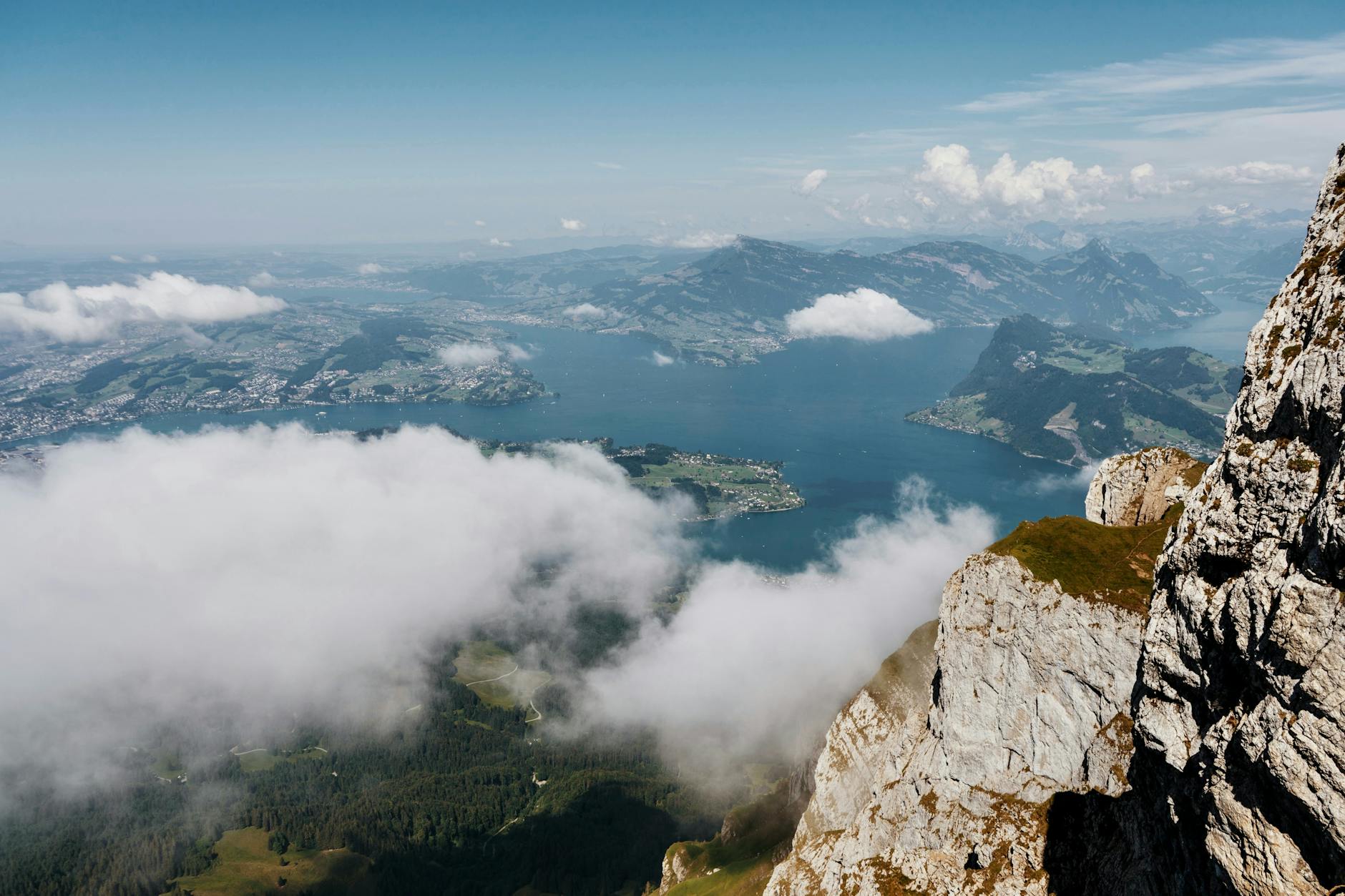
A Lucerne outdoor traveler needs gear that can move from city streets to lake wind to mountain chill. Footwear, layers, rain shell, water, snacks, sun protection, phone battery, offline maps, and medicine matter more than looking polished. Short trips are especially vulnerable because there may be little time to replace forgotten items.
The lightest kit still needs to be competent.
- Pack broken-in shoes, layers, rain protection, water, snacks, sun protection, charger, offline maps, and basic first aid.
- Bring swim or lake gear only when conditions, facilities, and schedule justify it.
- Keep dry clothes and simple city footwear available after wet or muddy outings.
Budget for Swiss outdoor friction
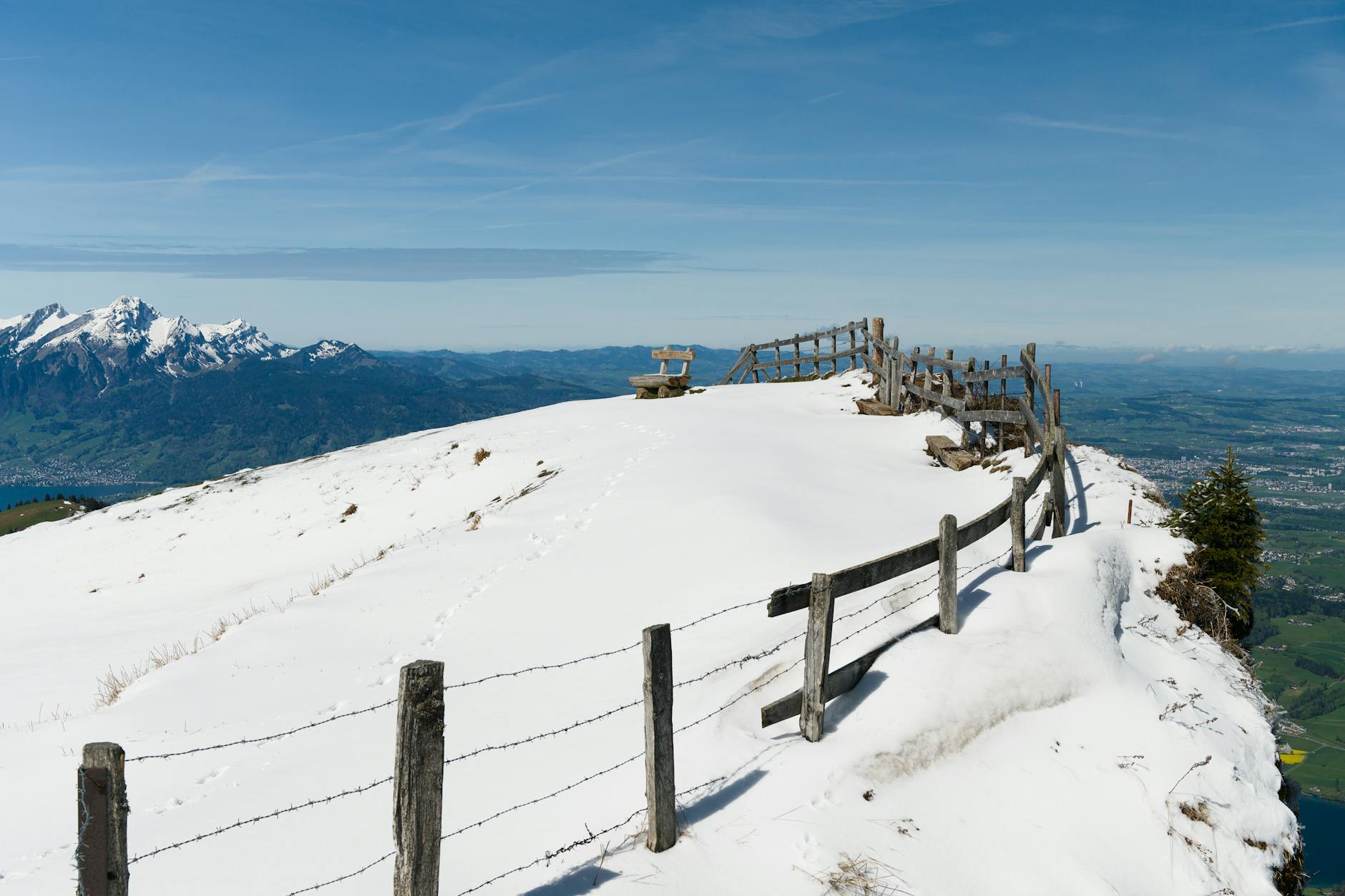
Lucerne outdoor travel can become expensive through mountain railways, boats, cable cars, gear rental, meals, luggage storage, taxis, changed tickets, and weather-driven pivots. A traveler should know what the best outdoor day costs and what a lower-cost alternative looks like.
Budget discipline makes backup plans easier to accept.
- Price rail, boat, mountain transport, rental gear, meals, storage, taxis, and cancellation rules before arrival.
- Use passes or advance tickets only when the route and weather are reliable enough.
- Keep a lower-cost lakefront walk, city trail, or central viewpoint ready for poor conditions.
When to order a short-term travel report
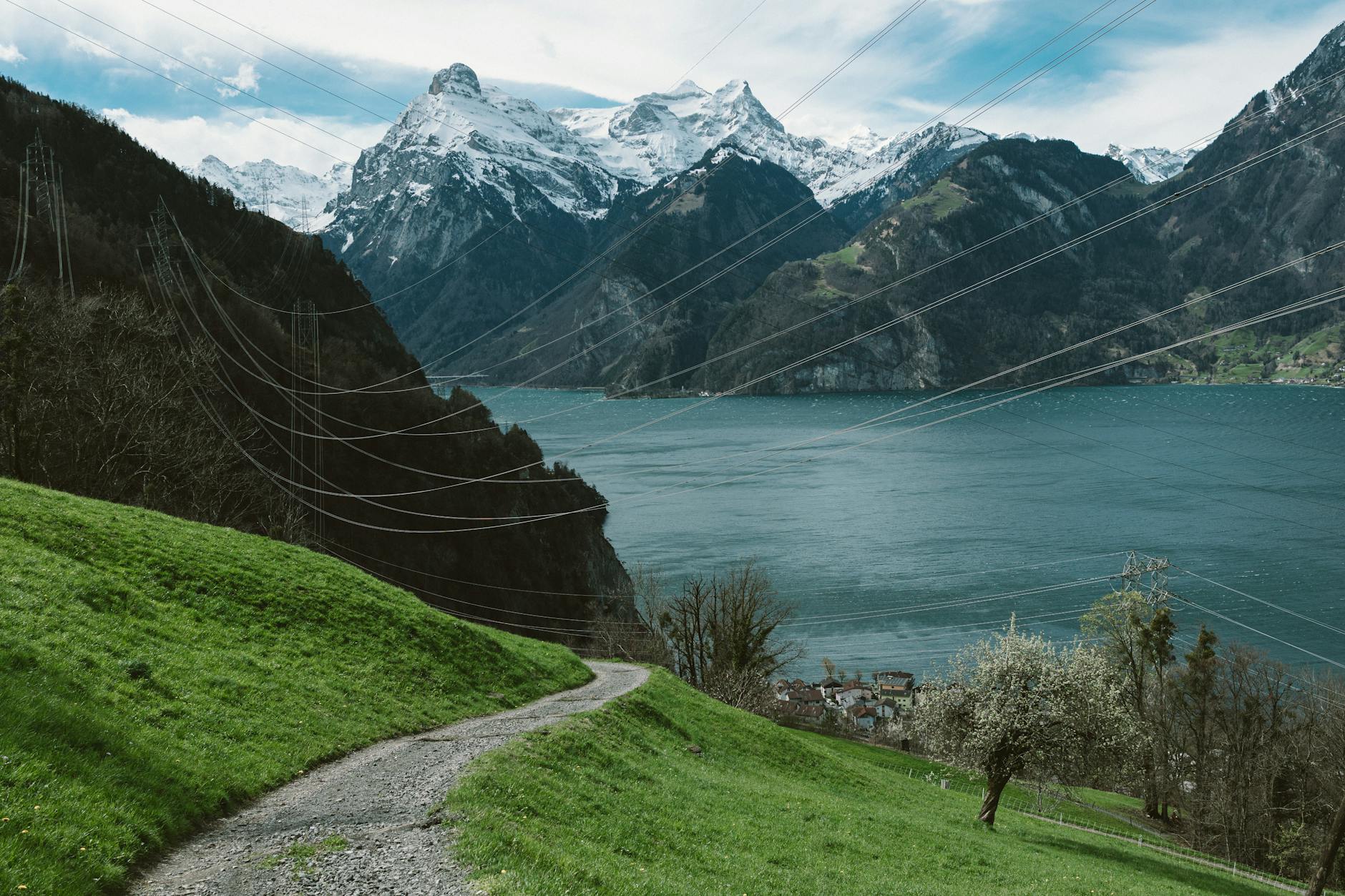
An outdoor traveler who only wants a casual lake walk may not need a custom report. A report becomes useful when the trip includes mountain transport, winter conditions, older companions, tight arrival or departure timing, a specific hike, expensive tickets, weather-dependent views, or a need to balance outdoor time with city obligations.
The report should test season, route, transport, weather, fitness, gear, costs, backup options, meal timing, and Zurich Airport departure margins. The value is a Lucerne outdoor stay that stays flexible without losing the reason for the trip.
- Order when trails, mountain railways, lake plans, weather, fitness, cost, or departure timing need exact planning.
- Provide dates, fitness level, preferred activities, hotel options, gear limits, must-do views, and budget rules.
- Use the report to choose outdoor plans that are ambitious enough and still realistic.