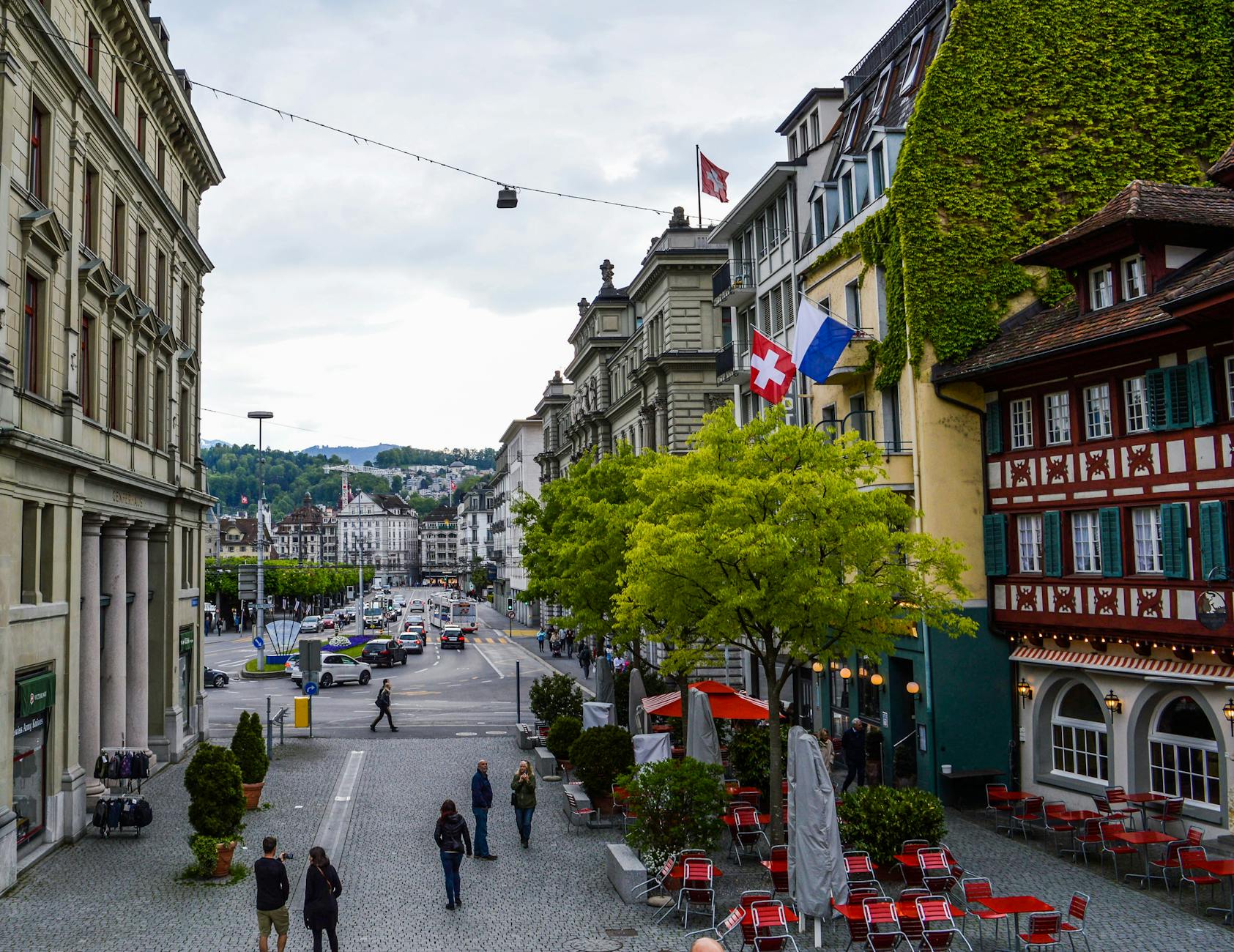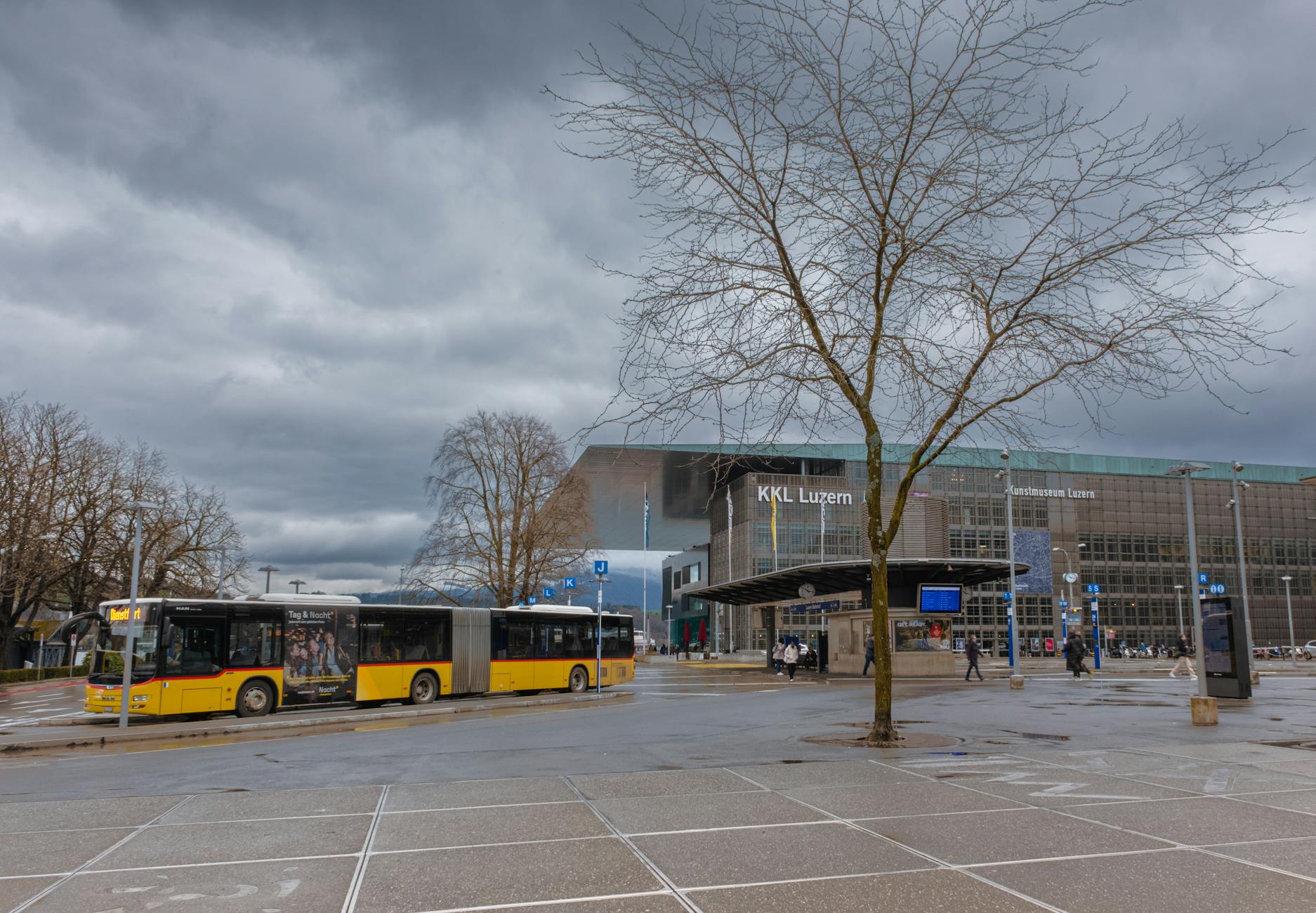
Lucerne can be a strong academic conference base because it is compact, scenic, and well connected by Swiss rail. That does not make a short conference trip automatic. The attendee still has to manage Zurich Airport arrival, Lucerne station, KKL or university venues, hotel placement, poster or presentation materials, session timing, networking meals, weather, and the temptation to treat the city as a holiday before the academic work is secure.
Treat the rail transfer as part of the conference day
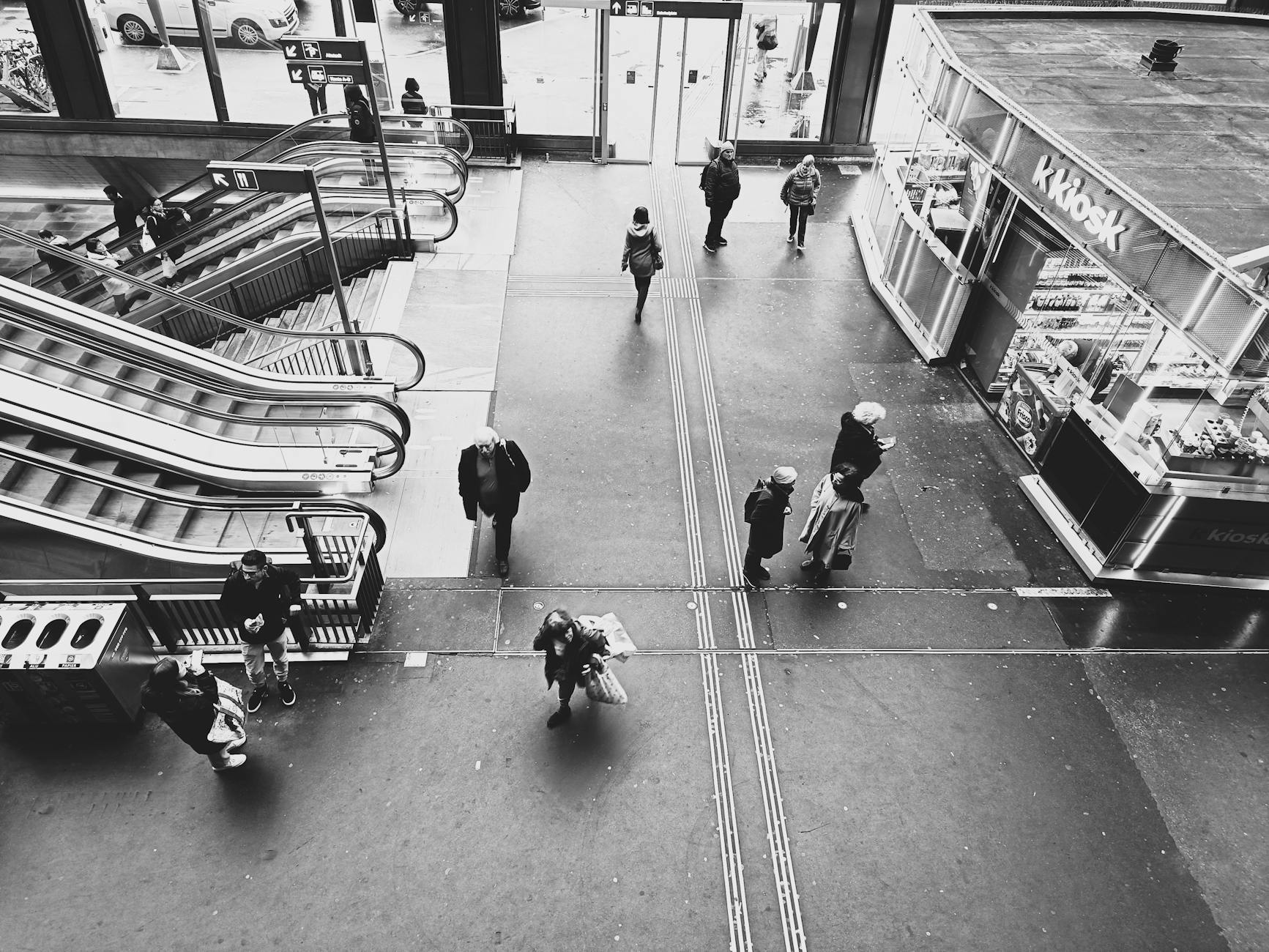
Many Lucerne conference attendees land at Zurich Airport and continue by train. The transfer can be efficient, but it still consumes attention after a flight, especially with posters, formal clothing, devices, or checked bags. The attendee should plan the airport-to-Lucerne leg before deciding whether to attend an opening reception, evening panel, or first-morning session.
The conference schedule starts before the badge desk.
- Map Zurich Airport, Lucerne station, the hotel, badge pickup, and the conference venue before booking arrival appointments.
- Allow time for baggage, immigration, ticket purchase, platform changes, and walking from Lucerne station.
- Protect the first presentation or chaired session with an overnight arrival when the flight timing is exposed.

Understand the venue geography
Lucerne conference venues can feel close to one another, but a short academic trip is shaped by exact entrances, session rooms, hotel walk times, meal locations, and evening events. KKL Lucerne, university spaces, hotels, museums, and off-site reception venues do not create the same movement pattern. The attendee should know where each obligation actually happens.
A compact city still rewards precise addresses.
- Confirm the venue entrance, registration desk, session rooms, poster area, cloakroom, and evening reception location.
- Check whether panels, workshops, meals, and networking events are all in one building or spread across the city.
- Build a walking or taxi plan for rain, formal clothing, mobility needs, and late-evening returns.
Choose lodging for academic pace, not only the view
Lucerne makes lake and Old Town hotels attractive, but an academic attendee needs a base that supports sleep, note review, video calls, early sessions, and quick returns between panels. A beautiful view does not help if the hotel is awkward with luggage or too far from the venue. The best base is often the one that keeps the attendee rested and punctual.
Conference hotels should work like infrastructure.
- Compare station-area, lakeside, Old Town, and venue-adjacent hotels against the real conference schedule.
- Check desk space, quiet rooms, breakfast timing, luggage storage, laundry, adapters, Wi-Fi, and late arrival support.
- Avoid splitting lodging and conference geography unless the savings or scenery clearly justify the extra movement.
Prepare presentation materials for Swiss logistics
A short academic trip can be undermined by small presentation problems: a poster tube, a missing adapter, the wrong file format, weak Wi-Fi, or a printer that is closed when needed. Lucerne is orderly, but conference support still depends on the specific venue and schedule. Attendees should arrive with backups rather than assuming local efficiency will solve everything.
The best academic travel reduces the number of technical surprises.
- Carry presentation files in multiple formats and keep them available offline.
- Bring adapters, chargers, poster materials, backup notes, and any required consent or ethics documents.
- Confirm poster dimensions, upload deadlines, speaking time, room equipment, and chair contact details before arrival.
Use networking time deliberately
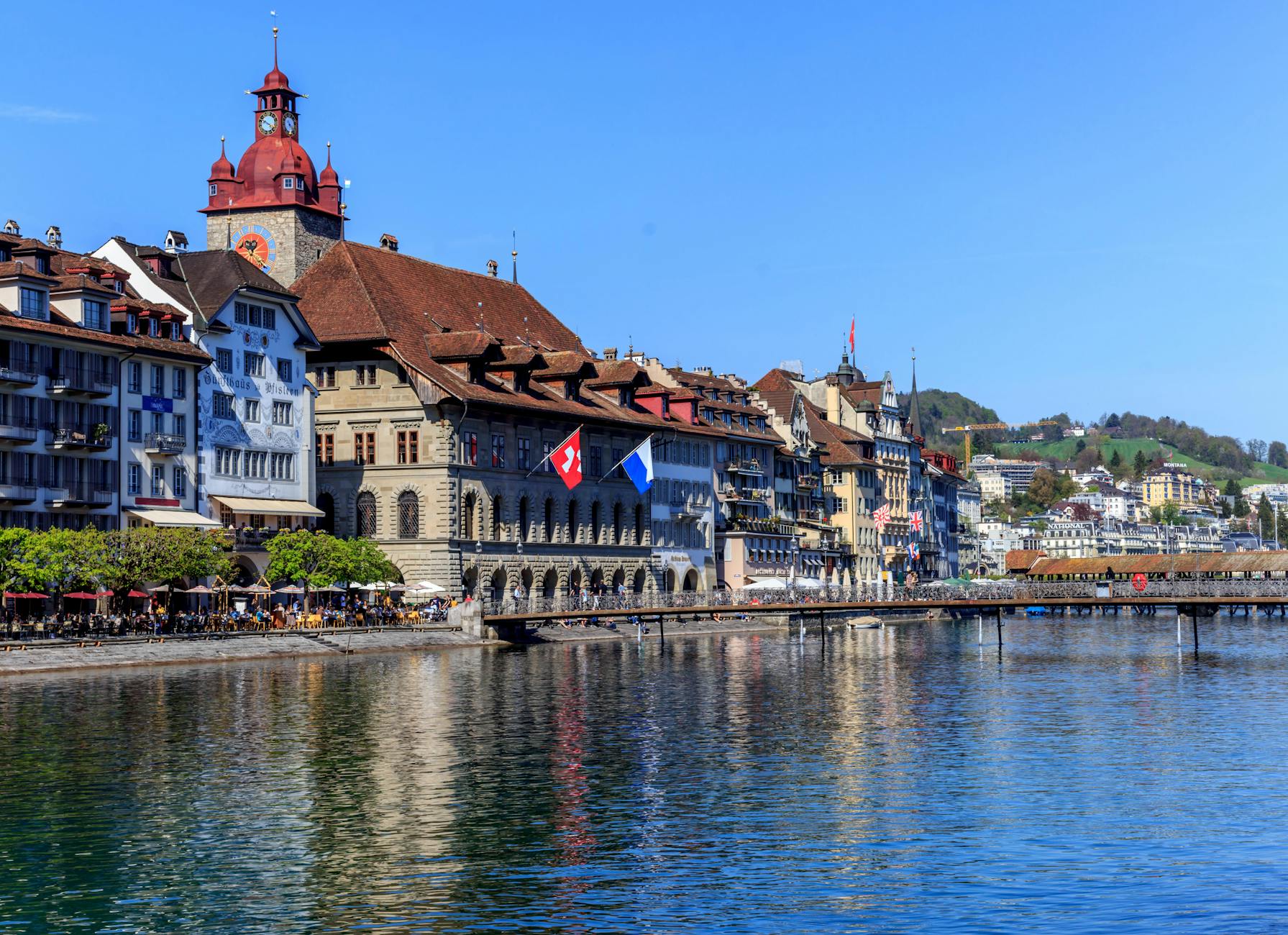
Lucerne's setting can make conference networking feel easy, but short academic trips still need structure. Coffee breaks, receptions, dinners, lake walks, and informal meetings should be matched to the people the attendee most needs to see. The city is small enough for strong conversations, but not if every gap becomes casual sightseeing.
Networking works better when the attendee has a short list.
- Identify priority panels, scholars, editors, funders, supervisors, or collaborators before arrival.
- Choose meeting spots near the venue, hotel, or station so conversations do not consume the day.
- Leave some unbooked time for follow-up conversations after presentations or poster sessions.
Fit Lucerne into the margins honestly
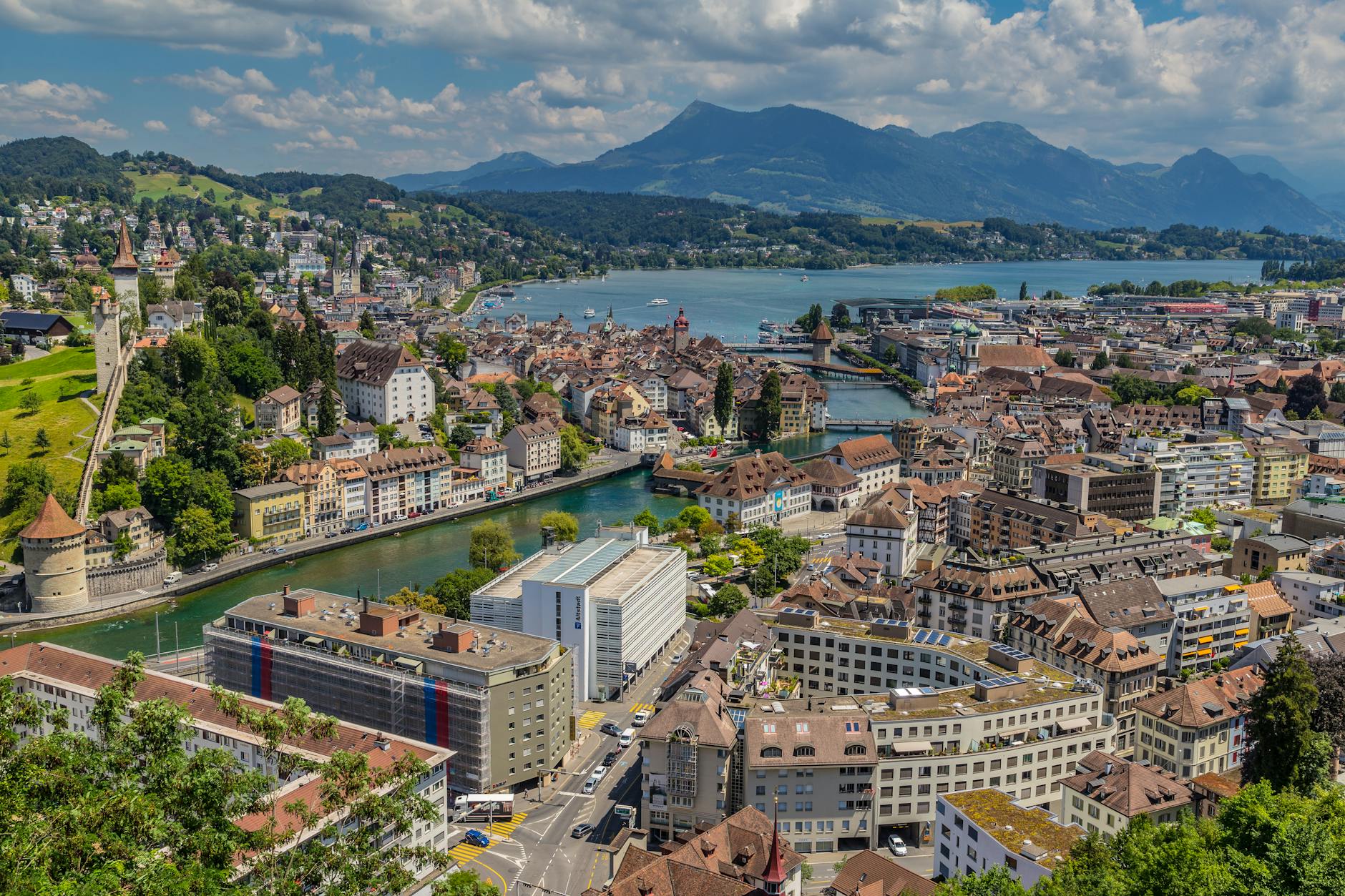
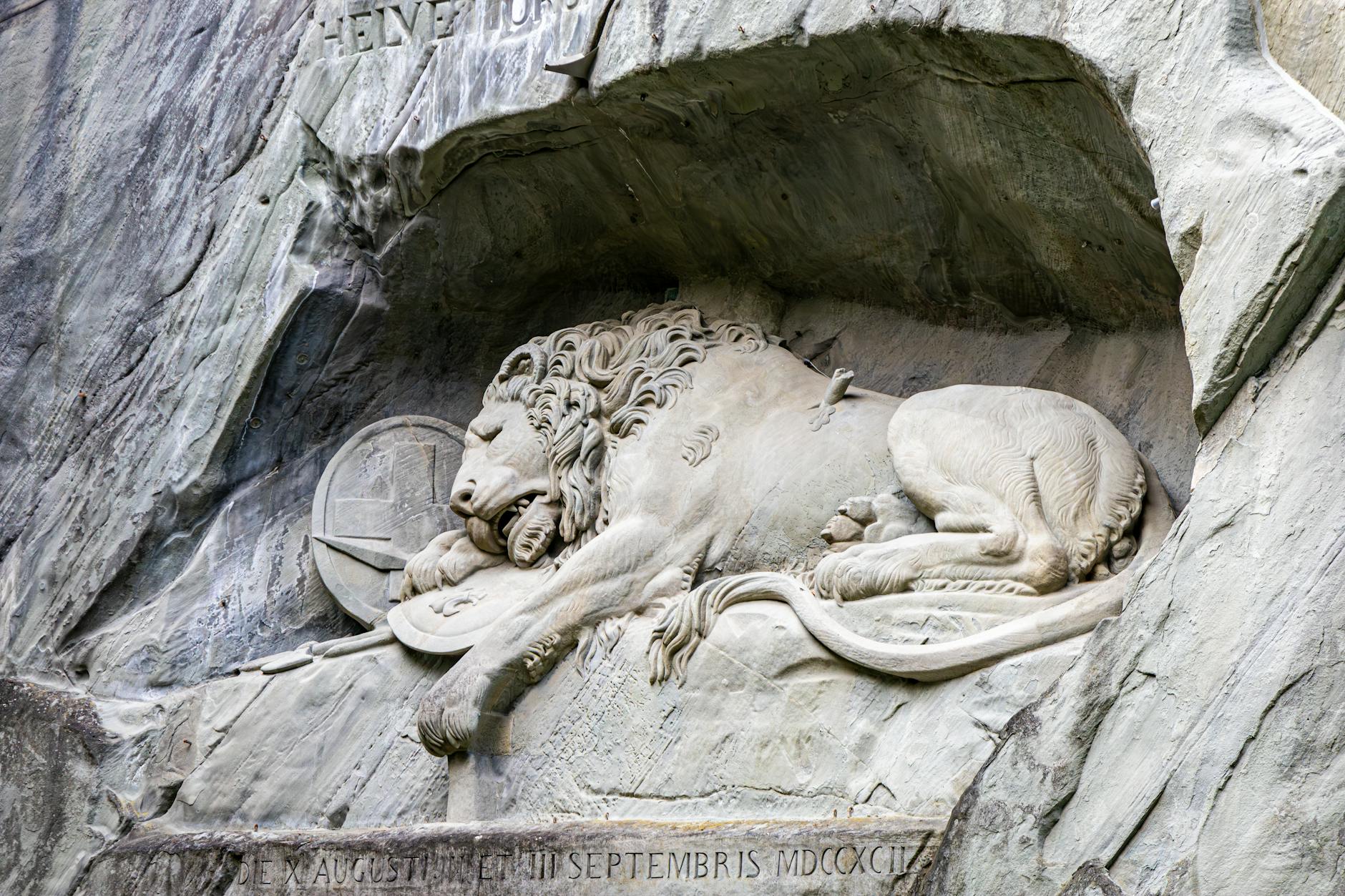
Chapel Bridge, the Lion Monument, the Old Town, the lakefront, and short boat routes are all close enough to tempt an overfull conference schedule. The attendee should use them as margin activities, not as competition for sessions, rest, or presentation preparation. Weather, daylight, and visitor pressure can change how much sightseeing actually fits.
A conference trip is more satisfying when the city plan is modest and real.
- Choose one or two nearby Lucerne experiences instead of trying to add a full leisure itinerary.
- Use early mornings, a post-session walk, or a final half-day rather than stealing time from core obligations.
- Keep rain, snow, heat, and fatigue in the decision before adding lake or mountain excursions.
When to order a short-term travel report
A Lucerne attendee with a hosted conference hotel and a simple presentation may not need a custom report. A report becomes useful when the trip includes a tight Zurich Airport arrival, multiple venues, a poster or keynote, senior colleagues, off-site meetings, family tagging along, or a desire to add lake or mountain time without weakening the academic purpose.
The report should test arrival timing, hotel base, venue geography, session priorities, technical needs, networking targets, food options, weather, costs, and departure logistics. The value is a Lucerne conference trip that feels prepared rather than improvised.
- Order when flights, rail transfer, venue movement, presentation materials, networking, or side trips need exact sequencing.
- Provide conference dates, session schedule, flight times, hotel options, presentation format, meetings, and mobility needs.
- Use the report to protect the academic work while still giving Lucerne a realistic place in the trip.