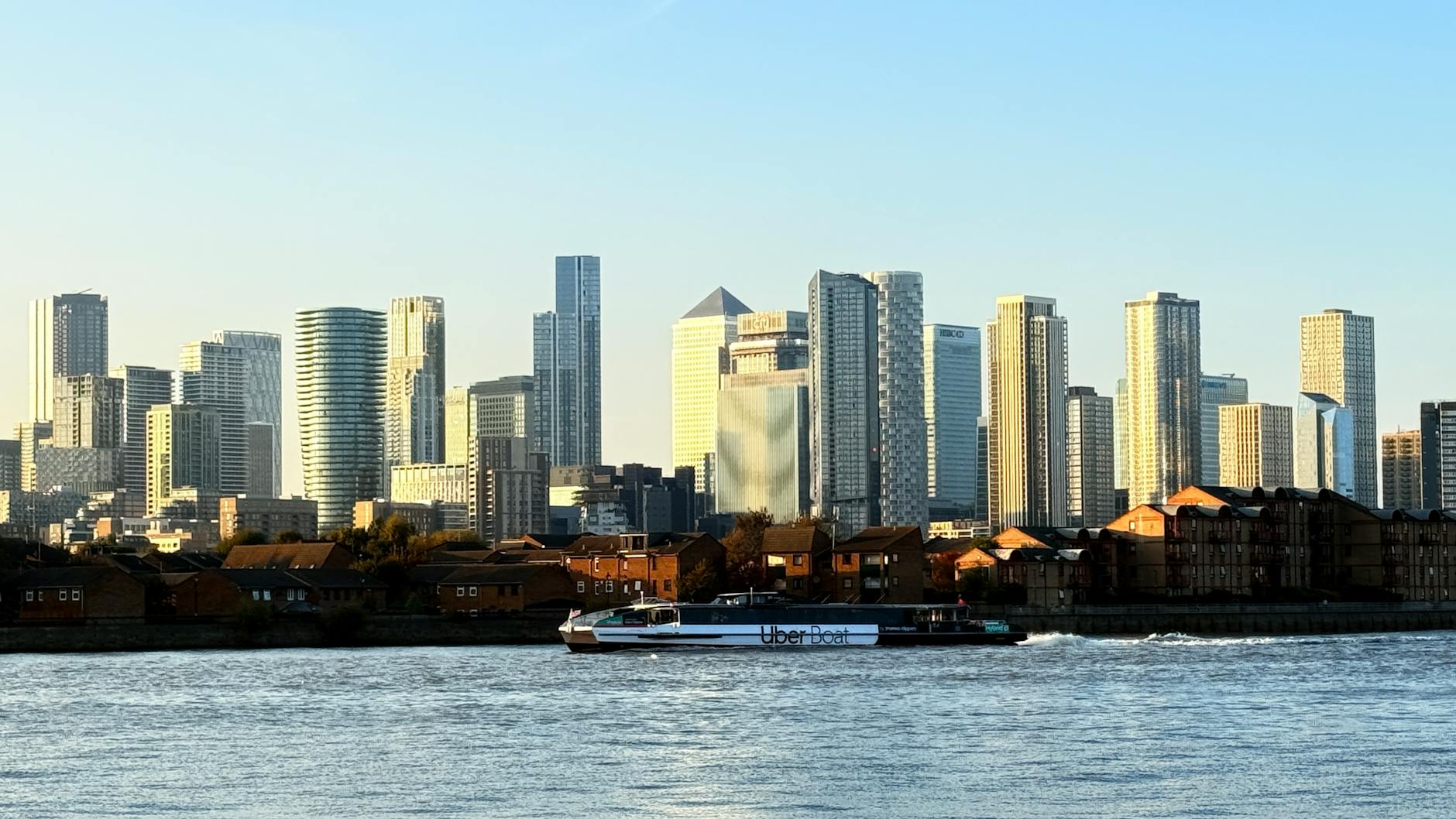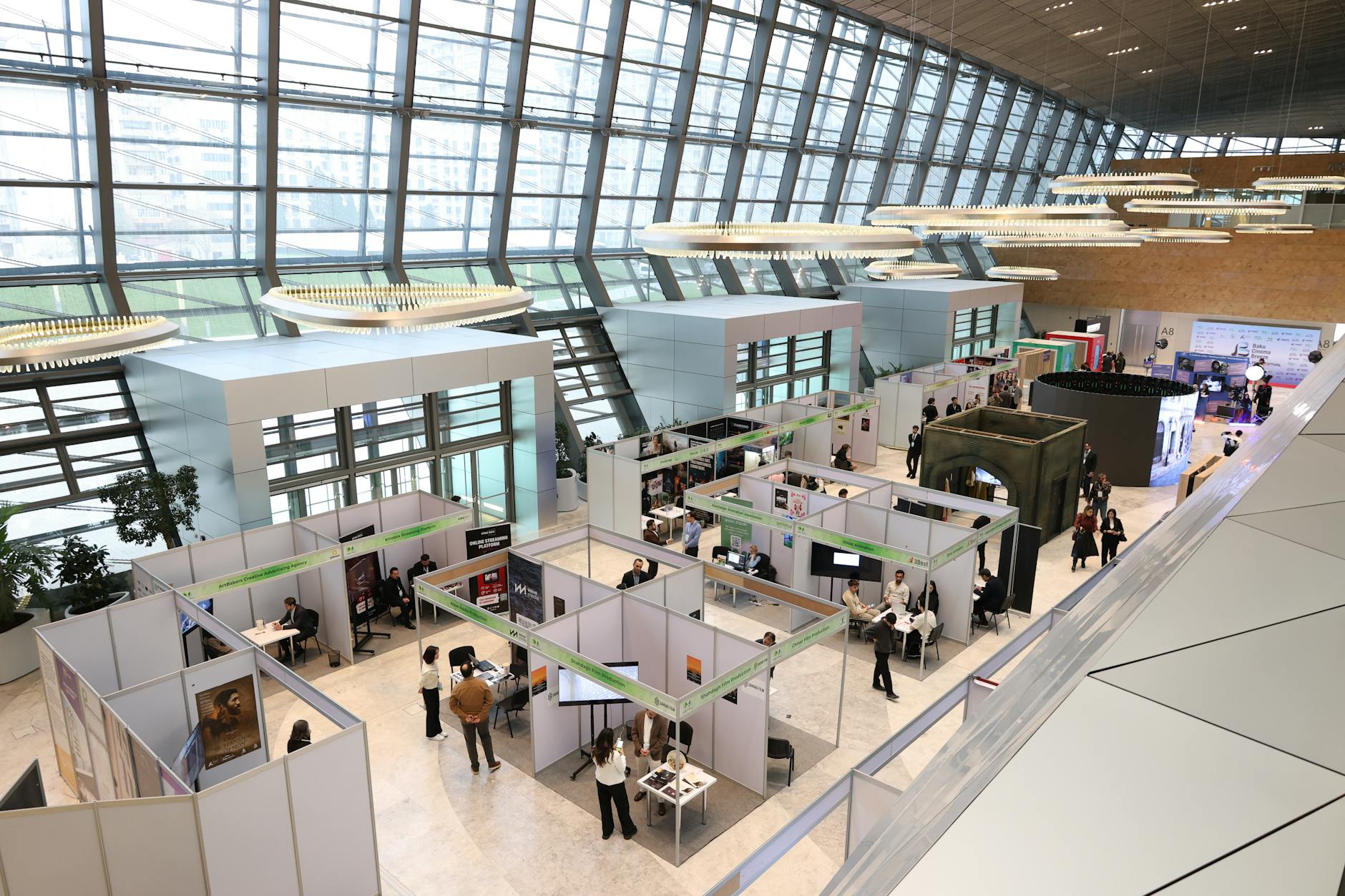
A trade-show trip to London is more operational than a standard conference visit. The traveler may be attending, exhibiting, staffing a booth, meeting buyers, carrying samples, handling printed material, managing demos, or moving between the show floor and client dinners. London can support that well, but venue geography matters. ExCeL, Olympia, Business Design Centre, hotel ballrooms, Canary Wharf, the City, and West End event spaces create different transport, lodging, freight, and evening problems. The strongest plan treats the trade show as a working environment, not just an event on the calendar, and protects the moments when missed timing or missing materials would damage the trip.
Treat the venue as the center of the trip
A London trade-show visitor should begin with the venue, not the hotel brand or the idea of being central. ExCeL London is a Docklands trip. Olympia is a west London trip. The Business Design Centre is an Islington trip. A Canary Wharf or City hotel event creates a different rhythm again. The venue determines the morning route, setup timing, bag policy, evening return, and whether side meetings are sensible or scattered.
For ExCeL, the Elizabeth line, DLR, London City Airport, Canary Wharf, and nearby Docklands hotels may matter more than the West End. For Olympia, west London rail and road conditions matter more. For an Islington venue, King's Cross, Angel, Clerkenwell, and the City become relevant. A trade-show day usually has less tolerance for late arrival than an ordinary sightseeing day, so the venue geography should drive every other decision.
- Plan ExCeL, Olympia, Business Design Centre, Canary Wharf, and hotel-based shows as different trips.
- Map the exact entrance, registration area, exhibitor access, and nearest reliable transport before booking.
- Avoid hotels that look central but force a weak morning route to the show floor.
Choose lodging around materials and recovery
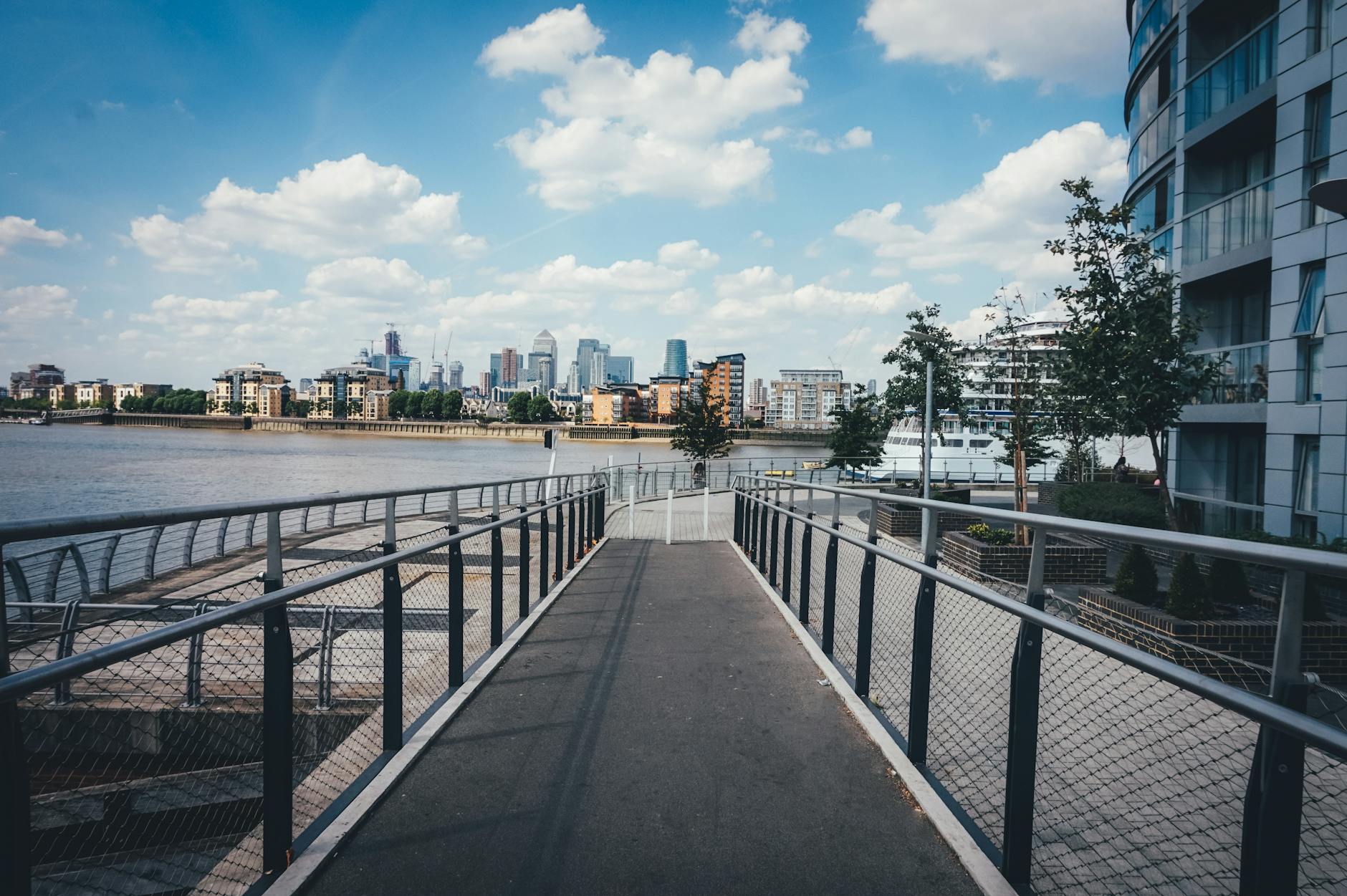
A trade-show hotel is not only a place to sleep. It may need to receive packages, store samples, support early departures, provide a lobby for meetings, allow easy wardrobe changes, and keep the traveler close enough to return if something is forgotten. If the traveler is staffing a booth, the hotel should reduce daily friction, not add glamour. If the traveler is attending only, the hotel can be more flexible but still needs a reliable route to the venue and evening events.
The traveler should ask practical questions before booking: Can the hotel receive shipped items? Is there room for sample cases? Is vehicle pickup easy? Are there food options nearby after a long floor day? Is the route to the venue direct enough with bags? A cheaper or more stylish hotel can be the wrong answer if it weakens setup, close-down, or recovery.
- Confirm package receipt, storage, vehicle access, and early departure support before booking.
- Favor a hotel that protects booth setup, material handling, and evening recovery.
- Check nearby food for nights when the traveler is too tired for another cross-city transfer.
Control samples, shipping, and booth materials
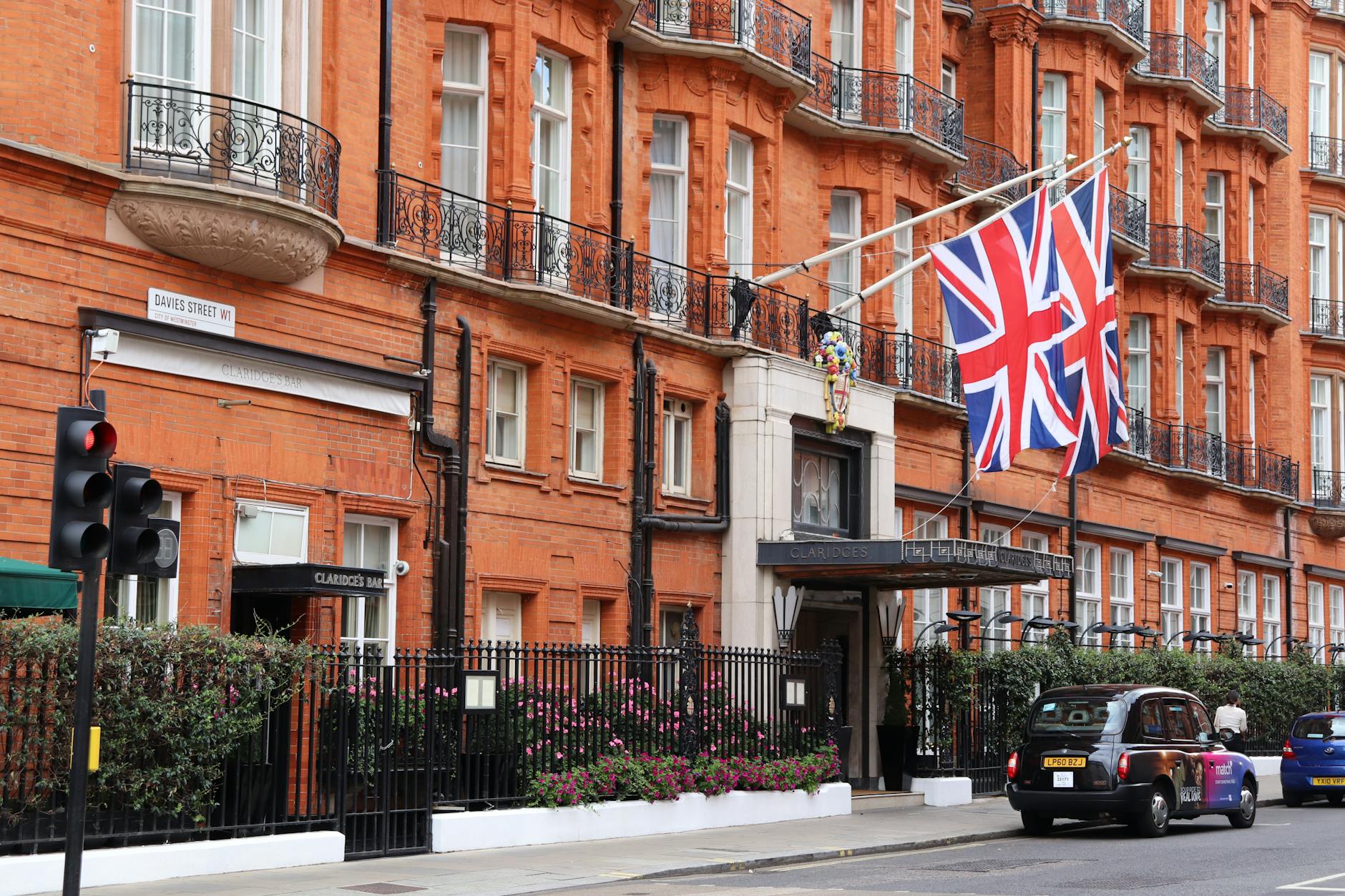
Trade-show trips fail when materials are treated as luggage afterthoughts. Samples, brochures, demo units, badges, chargers, adaptors, business cards, QR codes, signage, giveaways, uniforms, and spare shoes all need a plan. If the traveler is exhibiting, shipping deadlines, customs handling, venue delivery windows, and onsite storage should be checked early. If the traveler is attending, the same logic applies at smaller scale: what must be carried all day, what can stay at the hotel, and what cannot be replaced in London on short notice?
The traveler should separate mission-critical items from nice-to-have items. A presentation, demo device, sample set, or badge should not depend on one bag or one cloud connection. London can replace many common things quickly, but the replacement takes time and attention away from the floor. The show-day bag should be deliberate, not simply everything that might be useful.
- Create separate plans for shipped freight, checked luggage, hand luggage, and show-day carry.
- Keep critical demo, badge, charger, and contact materials backed up or duplicated.
- Do not carry full sample inventory around London unless the day requires it.
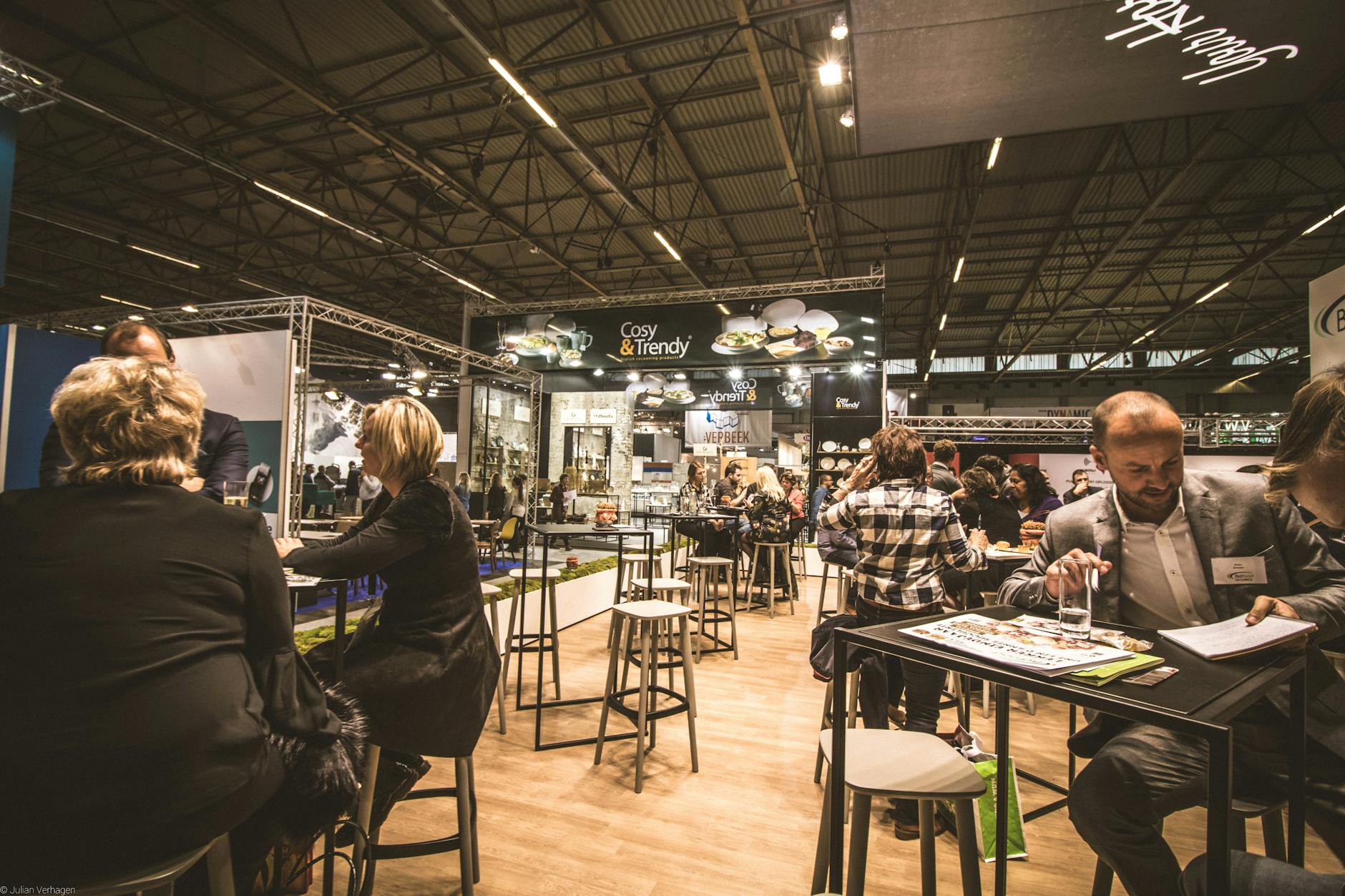
Make arrival protect setup and registration
A trade-show arrival should be planned backward from the first obligation: exhibitor setup, badge pickup, booth walkthrough, buyer meeting, or opening session. London airports create different trade-show logic. London City Airport can be very useful for ExCeL, Canary Wharf, and Docklands. Heathrow may work well by Elizabeth line for some routes. Gatwick, Stansted, and Luton can be workable, but rail timing and luggage handling need more care.
If the traveler is carrying samples, checked bags, or booth equipment, the cheapest transfer may not be the right transfer. A pre-booked car can protect arrival when there is heavy luggage, late timing, or a same-day setup. Rail can be excellent when the route is direct and baggage is manageable. The mistake is deciding while tired at the airport with a box, a suitcase, and an event deadline.
- Plan airport transfer backward from setup, registration, or first buyer meeting.
- Use London City Airport strategically for ExCeL and Docklands when flights fit.
- Choose a car over rail when materials, fatigue, or timing make simplicity more valuable than savings.
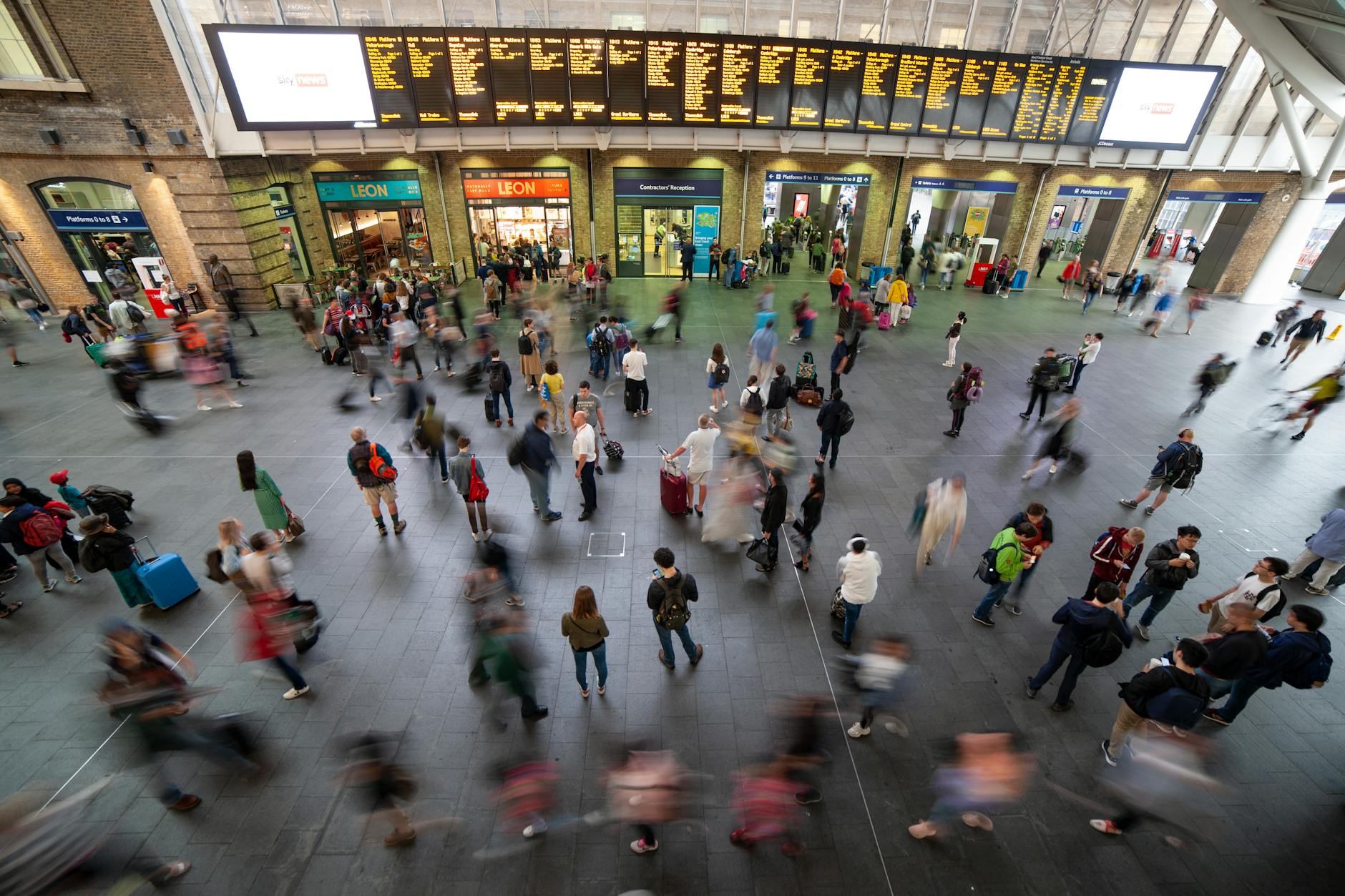
Plan the floor day around fatigue and follow-up
Trade-show floor days are physically and mentally expensive. Standing, walking, talking, scanning badges, eating poorly, watching a booth, and moving through crowds can drain a traveler faster than a normal meeting day. The best floor plan protects the high-value periods: first buyer meetings, scheduled demos, competitor review, partner conversations, and follow-up capture. It should also protect water, meals, shoes, quiet breaks, and the point when the traveler stops being useful.
A trade-show attendee should decide what must be done on the floor and what can be done later at the hotel. Notes should be captured before names and context blur. Leads should be tagged while memory is fresh. If the traveler has evening events, the afternoon should not be run to exhaustion. London gives enough friction outside the venue; the show floor should not consume all remaining capacity.
- Schedule high-value meetings and booth duties around realistic standing and attention limits.
- Protect food, water, shoes, charging, and quiet breaks as operational needs.
- Capture follow-up notes before leaving the venue, not later after the context is gone.
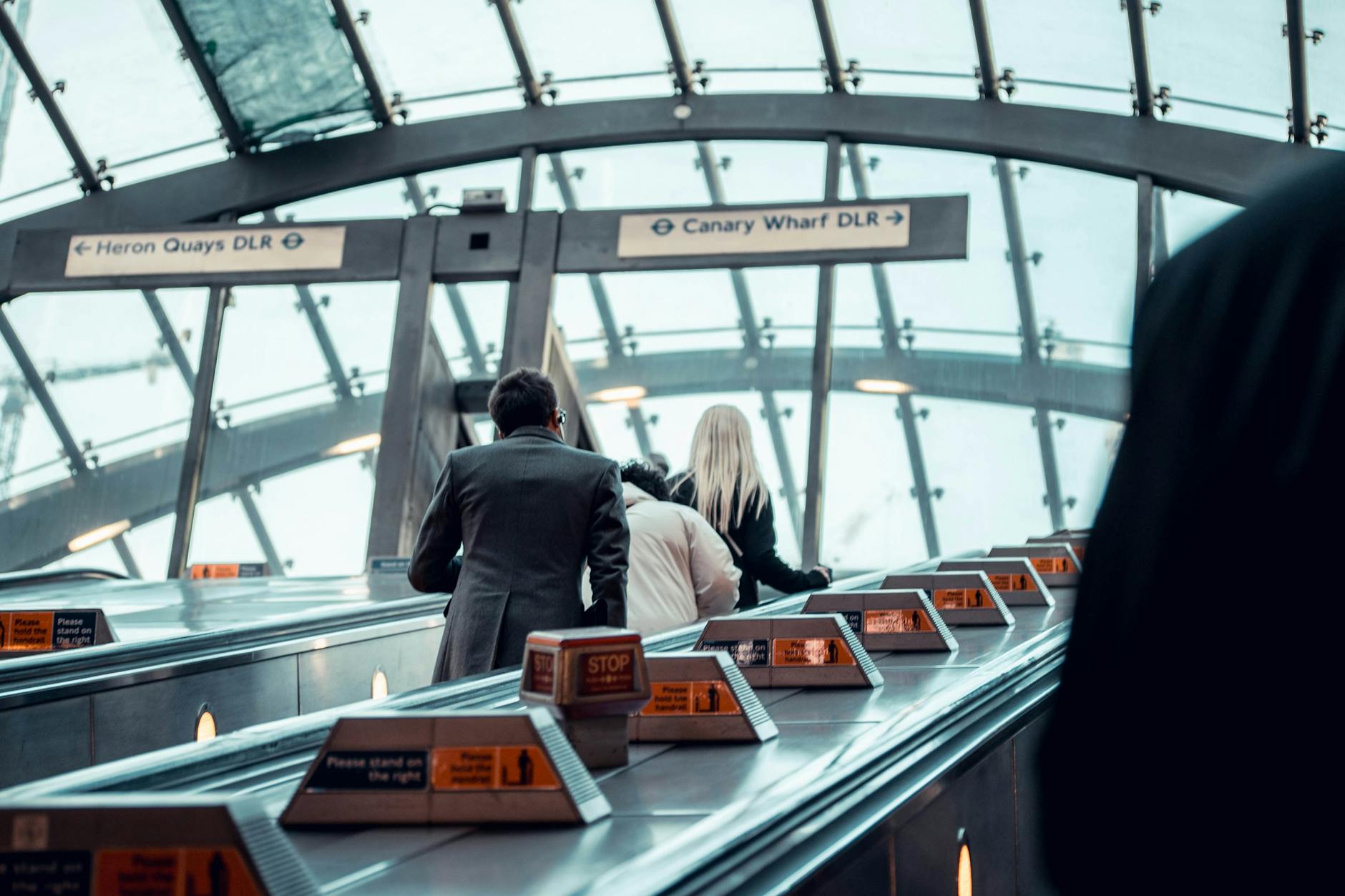
Treat networking as a routing problem
Trade-show value often continues after the hall closes, but London can make after-hours plans too scattered. A reception near ExCeL, a dinner in Soho, a buyer meeting in Mayfair, and a hotel in Canary Wharf may be possible on one evening and still be a poor use of energy. The attendee should decide which evening commitments matter commercially and which ones only add movement.
The right networking plan clusters people and places. For Docklands shows, Canary Wharf, Greenwich, or a venue-adjacent event may beat a famous central dinner. For Olympia, west and central-west London may make more sense. For the Business Design Centre, King's Cross, Clerkenwell, Angel, or the City can work well. A high-value dinner across town can still be worth it, but it should be chosen deliberately and paired with a clean return.
- Cluster receptions, dinners, and side meetings around the venue or hotel when possible.
- Spend cross-city travel only on networking that justifies the time and fatigue.
- Confirm the return route before accepting late or distant invitations.
When to order a short-term travel report
A local attendee visiting a familiar one-day show may not need a custom report. A traveler exhibiting, staffing a booth, carrying samples, scheduling buyer meetings, choosing among venue-area hotels, or arriving from overseas with tight setup timing should plan more carefully. The report should test venue geography, airport route, hotel logistics, material handling, transport fallbacks, side-meeting geography, current local disruptions, and the sequence of floor days and evening obligations.
The value is not a generic event checklist. It is an operating plan for the London version of the show. A useful report helps the attendee decide where to stay, how to move materials, when to arrive, where not to schedule dinner, which transfers are too fragile, and how to keep enough energy for the meetings that justify the trip. In trade-show travel, small logistical mistakes can erase the value of expensive floor time.
- Order when booth materials, buyer meetings, venue geography, or setup timing make mistakes costly.
- Include venue, exhibitor role, materials, hotel candidates, airport, side meetings, and evening events.
- Use the report to protect commercial value, not merely to fill the schedule.