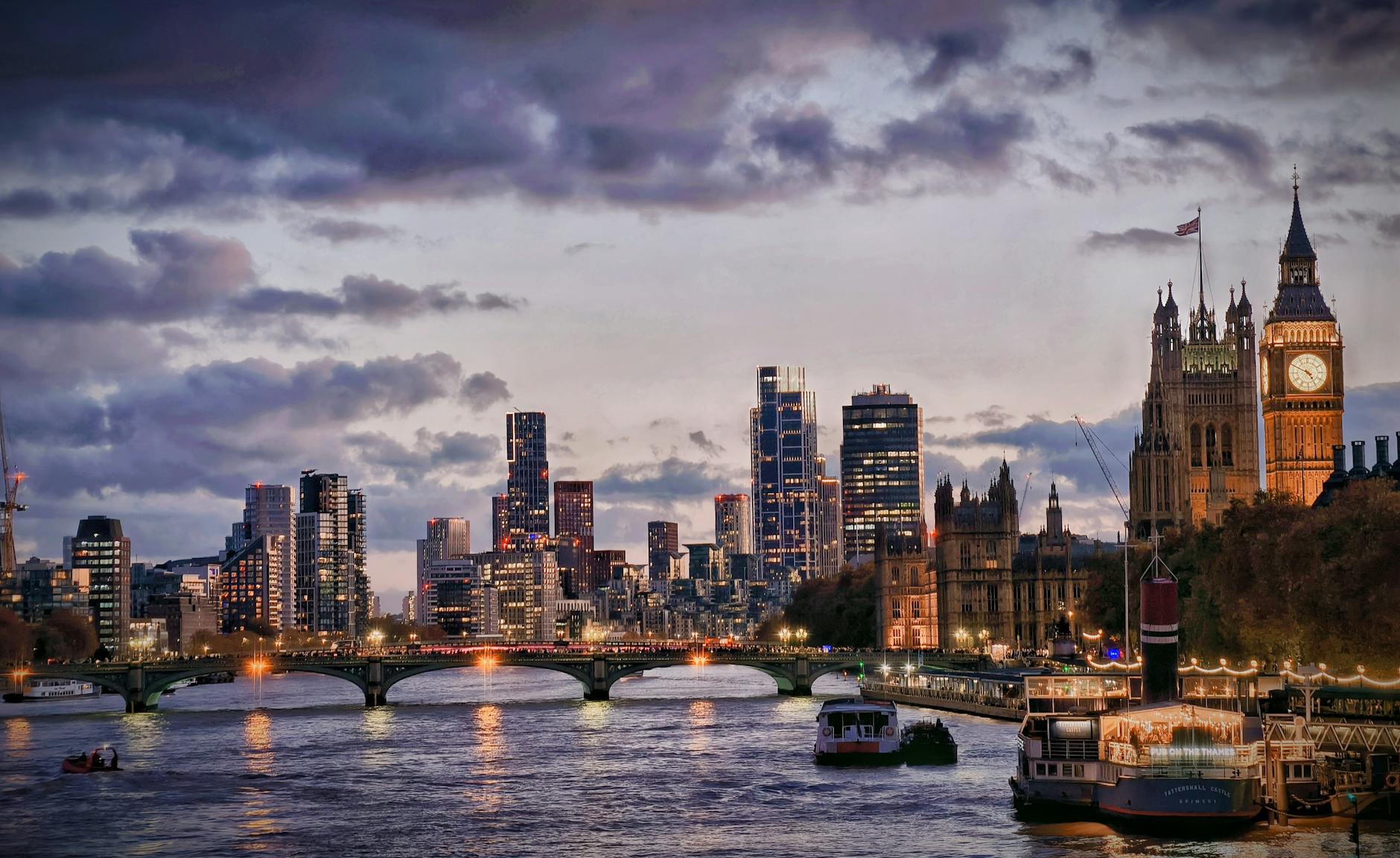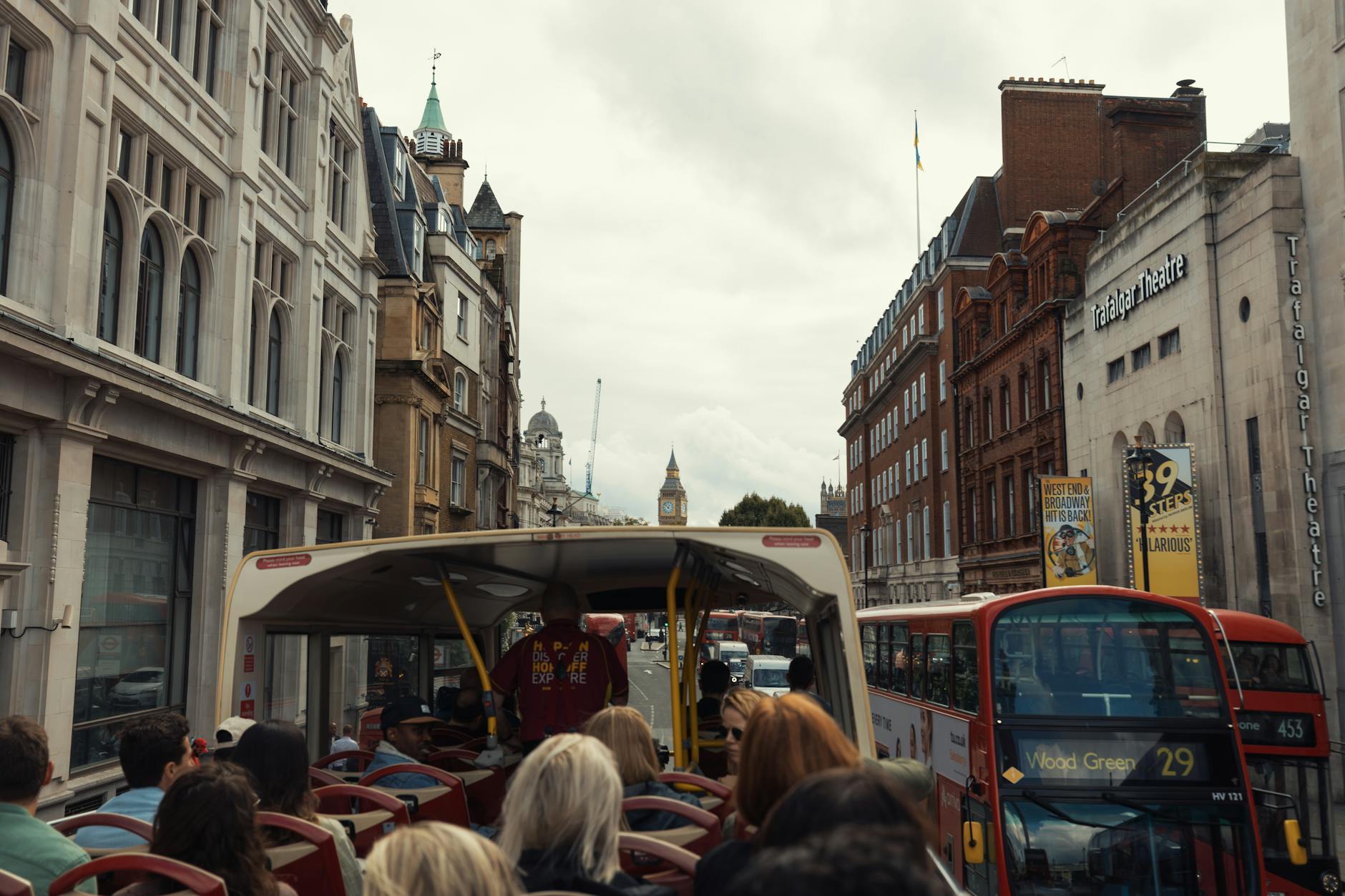
A tourist trip to London can be wonderful for the same reason it can become exhausting: the city offers too much. Westminster, the South Bank, the Tower, Covent Garden, Kensington museums, royal parks, markets, theater, shopping streets, pubs, river views, and neighborhood wandering all compete for a short visitor's attention. The mistake is to treat London as a single list of landmarks. The better approach is to build each day around a district, an anchor, and a clean return route. London is not difficult when the itinerary respects distance, crowds, weather, station changes, and the reality that a tourist still needs meals, pauses, and enough energy to notice where they are.
Plan by districts, not by landmark names
London's landmarks are close enough to tempt bad planning and far enough apart to punish it. Westminster, the South Bank, Covent Garden, the City, Tower Bridge, South Kensington, Notting Hill, Greenwich, Camden, and Hampstead are not interchangeable sightseeing blocks. A tourist can lose the best hours of the day moving between places that looked adjacent on a phone map. The stronger method is to group sights that share a route, a river walk, a Tube line, or a natural meal stop.
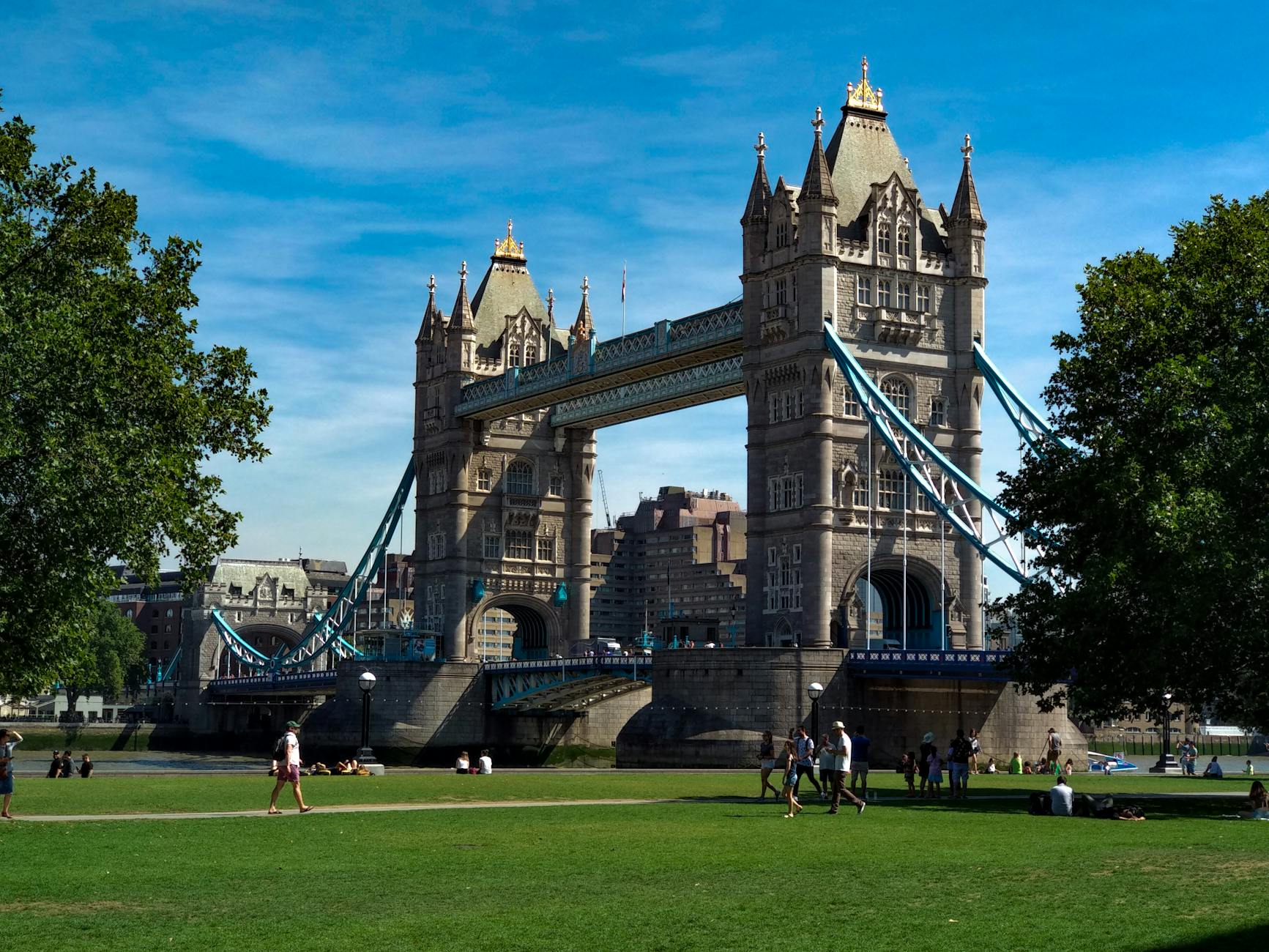
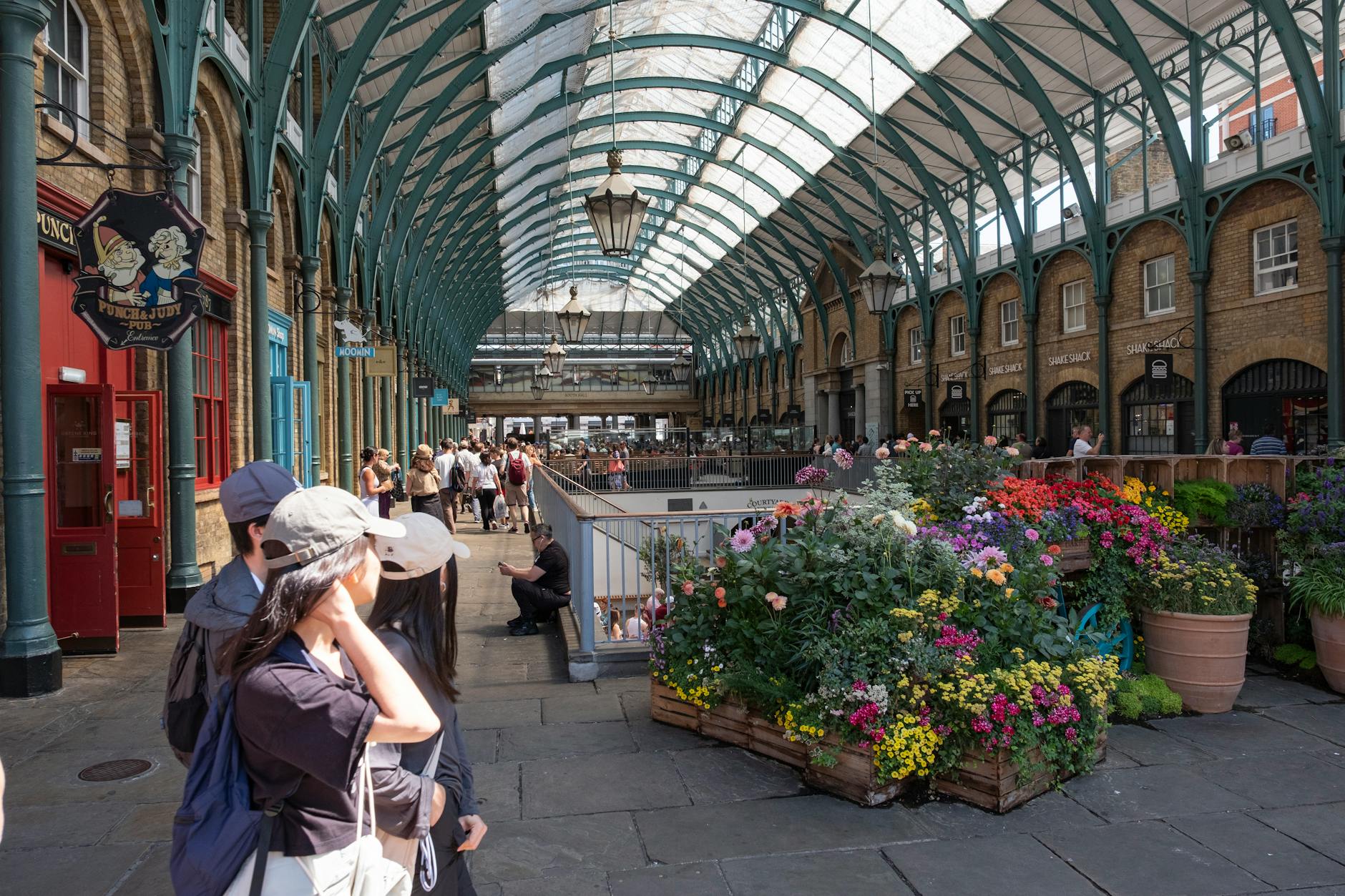
Westminster can pair with St. James's Park, the South Bank, or a river crossing. Tower of London and Tower Bridge can pair with Borough Market, the City, or a Thames walk. South Kensington museums can pair with Hyde Park or Kensington Gardens. Covent Garden can pair with Soho, the West End, the National Gallery, or an evening theater plan. The point is not to do less. It is to make the day coherent enough to enjoy.
- Group sights by district and walking logic before adding reservations.
- Avoid jumping between Westminster, Tower Bridge, South Kensington, and Camden in one day.
- Use one major anchor and nearby optional stops rather than a cross-city checklist.
Choose a hotel that fits the first two days
The hotel should not be selected only by price, brand, or whether it says central London. A tourist's base sets the rhythm for breakfast, first departure, evening return, theater nights, rainy-day changes, and the moment when everyone is tired but still needs dinner. Covent Garden, Bloomsbury, Westminster, South Bank, Marylebone, South Kensington, and parts of Kensington can all work well, but the best choice depends on the first two days of the itinerary.
A visitor planning museums may prefer South Kensington or Bloomsbury. A theater-heavy trip may benefit from Covent Garden, Soho, or a nearby West End base. A first-time classic-sights trip may work well from Westminster, St. James's, or the South Bank. A hotel farther out can still be fine when the rail connection is direct, but a cheaper room becomes expensive if every return requires extra transfers, weak late-night food options, or standing in the rain with a dead phone.
- Choose the hotel after mapping the first two sightseeing days.
- Check evening food and return routes, not just morning access.
- Be careful with distant bargains when the trip is short and time-sensitive.
Use transport as a tool, not an obligation
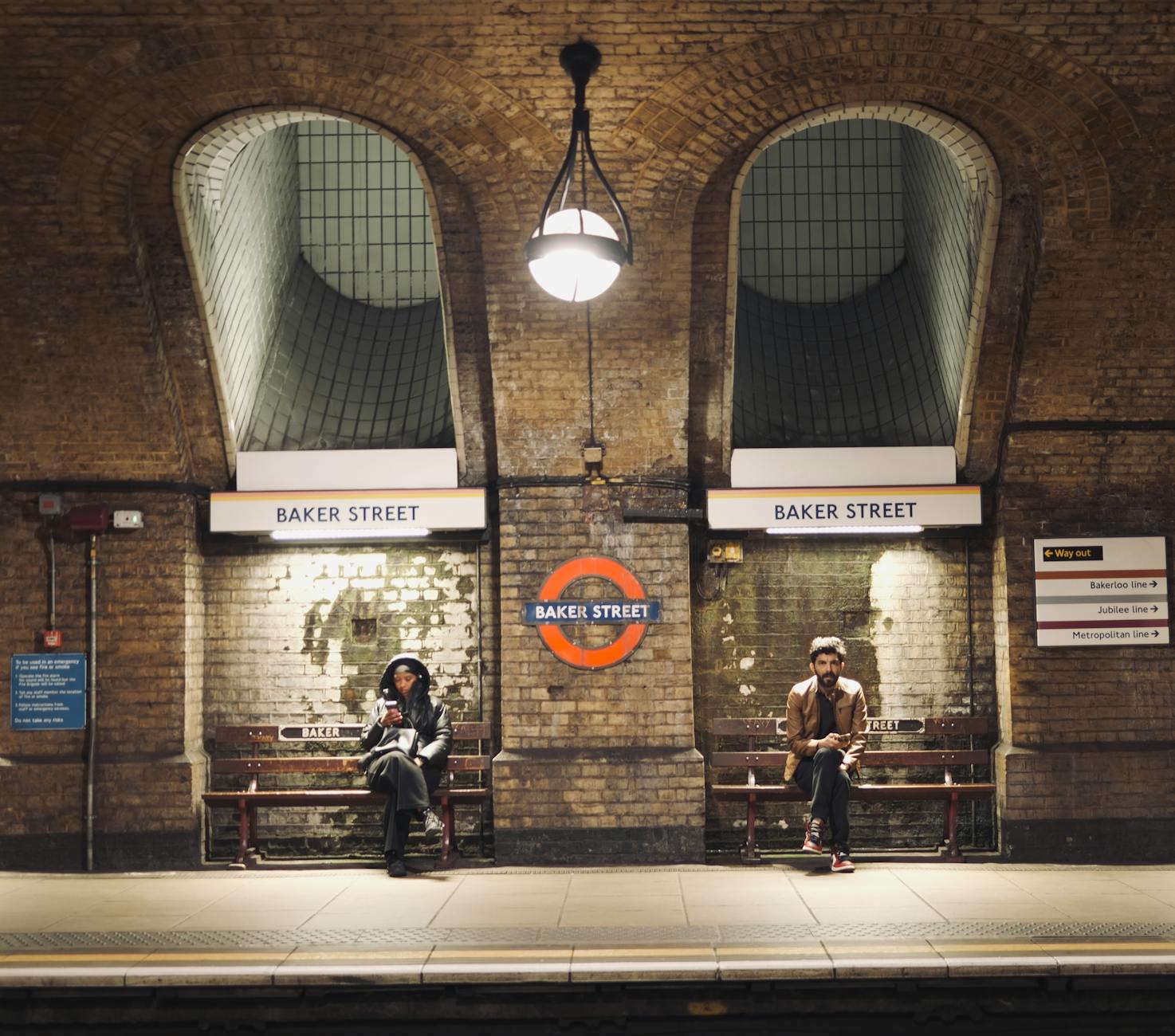
The Tube is useful, but tourists should not use it automatically for every movement. London rewards a mix of Tube, bus, walking, river services, black cabs, and occasional rideshare. The Tube is usually best for longer point-to-point moves. Buses can be slower but give better city context, especially when the traveler is not racing a timed ticket. Walking can be the best sightseeing in areas like Westminster, Covent Garden, the South Bank, the City, and Kensington. A black cab may be the right answer when rain, fatigue, luggage, or late-night timing changes the day.
Visitors should use contactless payment consistently, check routes before entering busy station flow, and remember that some changes require long corridors or stairs. The best route on a map is not always the best route for a tired tourist carrying bags, coats, purchases, or children. Transport should make the day easier; when it becomes the experience, the itinerary is probably too scattered.
- Mix Tube, buses, walking, cabs, and river options according to the day.
- Use the same contactless card or device for tap-in and tap-out journeys.
- Prefer simple routes over routes with multiple changes when tired or carrying bags.
Treat tickets and timed entries as the skeleton
Many London tourist mistakes begin with ticket timing. The Tower of London, Westminster Abbey, Buckingham Palace openings, popular exhibitions, theater, Harry Potter studio trips, restaurant reservations, and some museum or attraction entries can shape the whole day. A timed ticket is not just a time. It decides when the traveler eats, how early they must leave the hotel, how much weather exposure is acceptable, and whether another sight fits afterward.
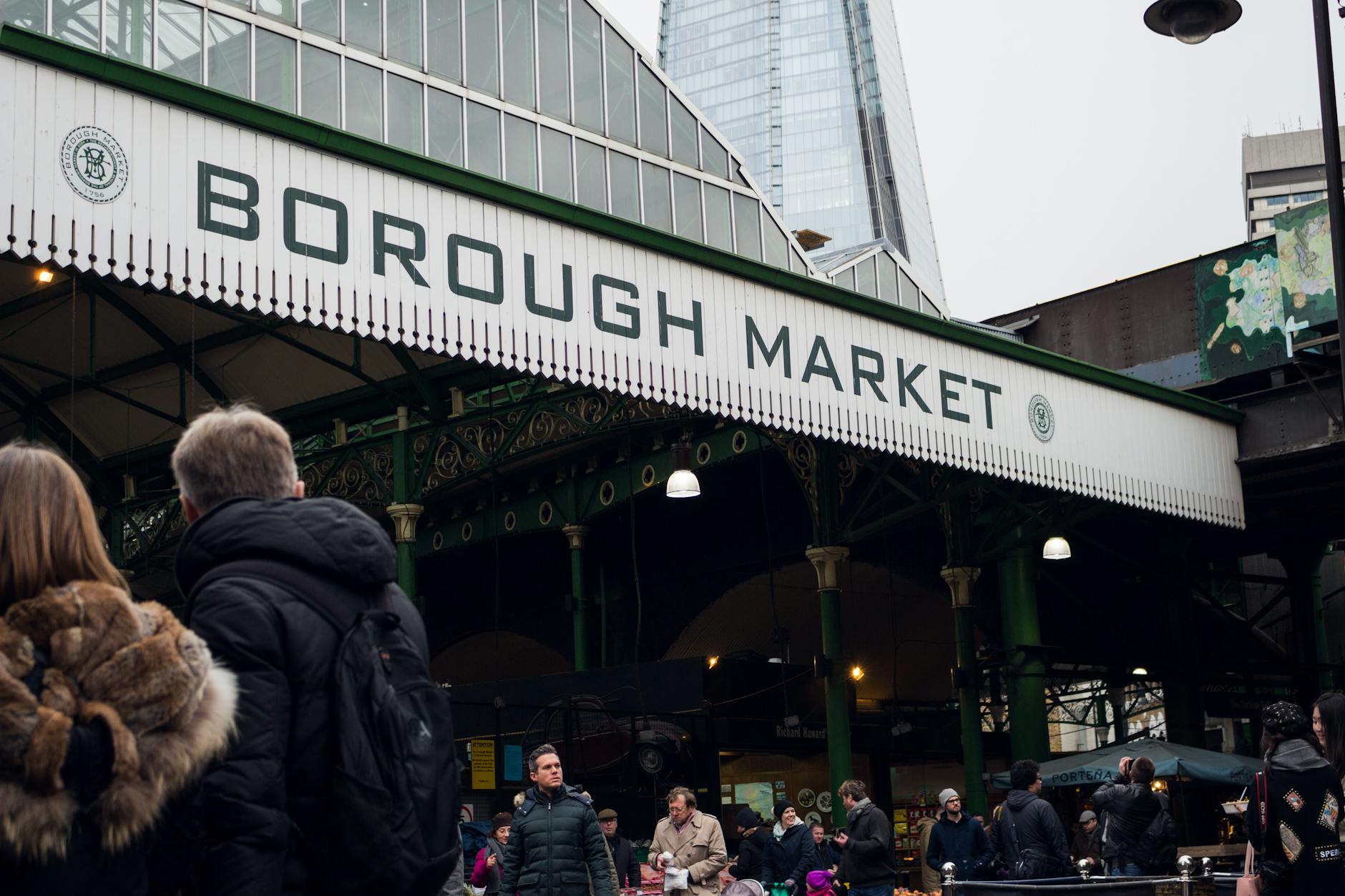
A tourist should build the day around the hard reservation and keep the surrounding pieces flexible. If the anchor is the Tower in the morning, lunch at Borough Market or a Thames-side walk may be natural. If theater is the evening anchor, the afternoon should not be so ambitious that everyone arrives rushed. Tickets are valuable because they impose order, but too many timed commitments can turn a vacation into queue management.
- Identify hard reservations before filling the rest of the day.
- Leave time for queues, security, weather, meals, and route changes.
- Avoid stacking timed entries unless the locations are genuinely close.
Use markets, parks, and museums to pace the trip
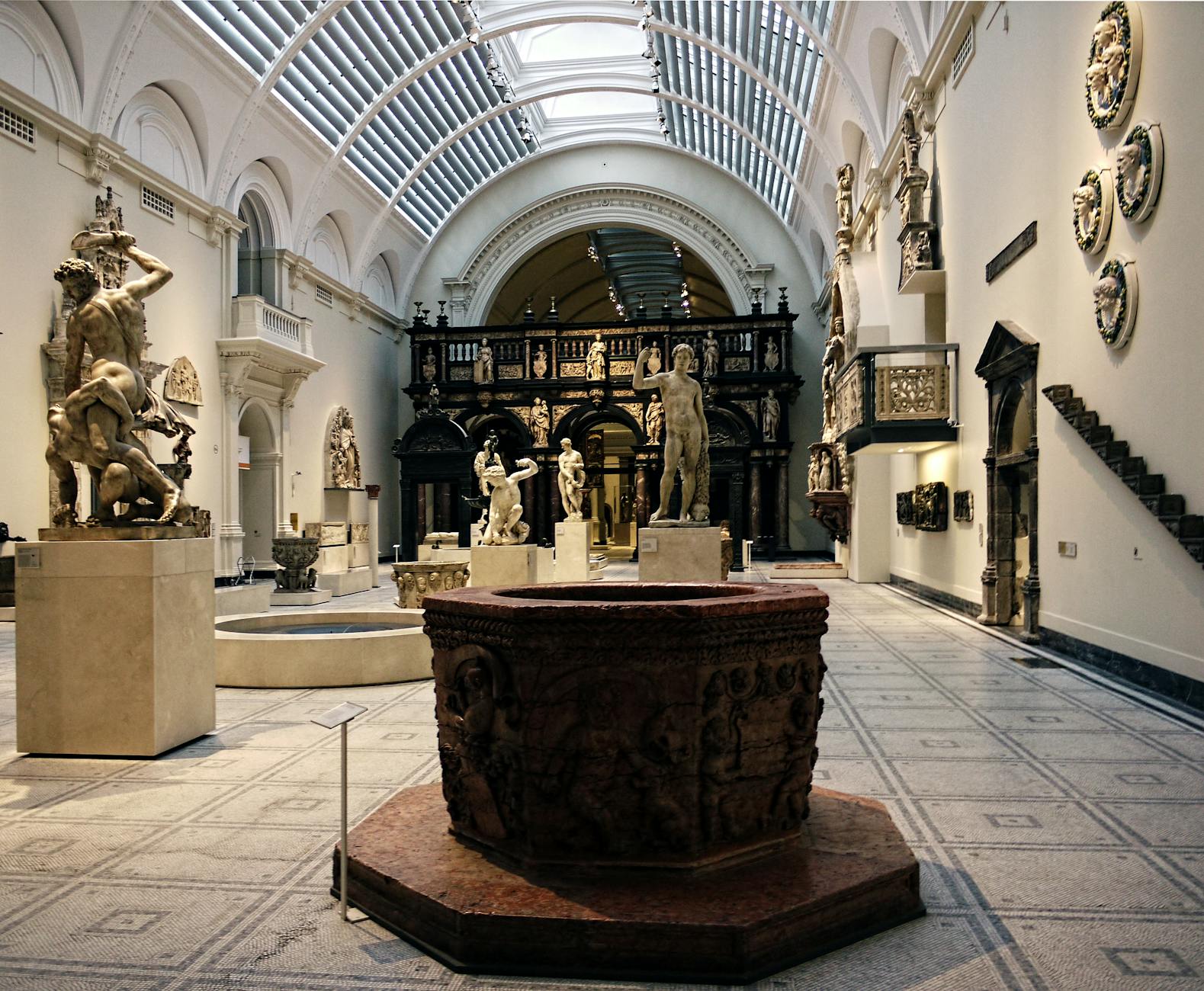
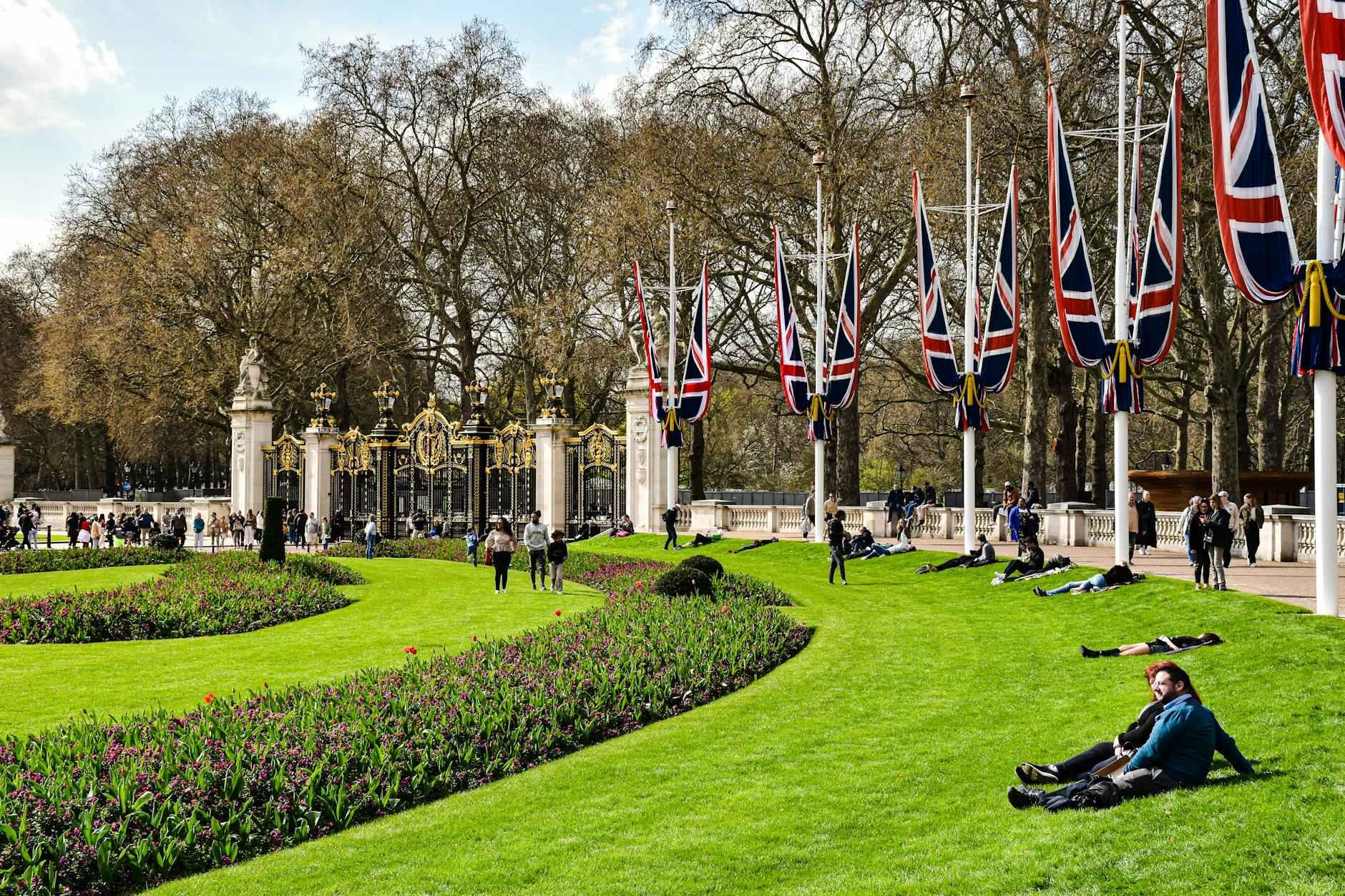
London's strongest tourist days often include a built-in reset. Museums, markets, parks, churches, galleries, department store cafes, and river walks let the traveler shift gears without leaving the city. Borough Market can support a Tower Bridge or City day. St. James's Park can soften a Westminster day. Kensington Gardens can balance a South Kensington museum day. The National Gallery or a cafe stop can rescue a wet afternoon near Trafalgar Square.
These pauses are not filler. They prevent the trip from becoming a blur of transport and facades. They also give the tourist a way to respond to London's weather. Rain, wind, heat inside crowded stations, or sudden fatigue can change the day quickly. A good tourist itinerary includes appealing second choices rather than treating every deviation as failure.
- Pair major sights with nearby markets, parks, or indoor alternatives.
- Use pauses before fatigue makes the next movement harder.
- Keep a rainy-day substitute near each outdoor-heavy plan.
Keep belongings and phone use disciplined
London's tourist risk is usually practical: phone snatching, pickpocketing, open bags, distraction at stations, or losing items while moving between attractions. Tourists are easy to read when they stand near curbs holding a phone loosely, stop in station thresholds to decode a route, or carry purchases and cameras in ways that divide attention. Oxford Street, Leicester Square, Westminster Bridge, major stations, markets, and crowded museum entrances deserve ordinary urban discipline.
The answer is not paranoia. It is better habits. Step aside before checking a map. Keep bags zipped. Do not put phones on outdoor tables or hold them casually at the curb. Separate passport, daily payment card, and backup card where possible. Take photos, but do not let the photo become the only thing happening. A tourist who stays present usually moves more safely and remembers more of the city.
- Control phones near curbs, bridges, markets, stations, and crowded tourist areas.
- Use zipped bags and separate key documents from daily payment cards.
- Step into a calmer spot before route checks, ticket searches, or longer messages.
When to order a short-term travel report
A relaxed repeat tourist with a familiar hotel and loose schedule may not need a custom report. A first tourist trip, a short stay, a family group, a traveler with mobility or medical needs, a theater-heavy plan, a long list of paid entries, or a visitor trying to choose between several hotel districts should plan more carefully. The report should test the hotel base, daily sightseeing geography, arrival route, ticket timing, transport fallbacks, food options, current local disruptions, and where the itinerary is trying to do too much.
The value is not another list of famous London attractions. The value is sequencing. A good report helps the tourist decide what belongs together, what should be dropped, where to stay, when to spend on a taxi, which tickets require advance attention, and how to protect the evening return. London is more memorable when the visitor stops fighting the map.
- Order when hotel district, ticket timing, mobility, family needs, or a dense landmark list raises the cost of mistakes.
- Include must-see sights, hotel candidates, arrival airport, paid tickets, evening plans, and mobility constraints.
- Use the report to make the trip coherent, not merely full.