Solo travel to London is not a special problem to be solved. It is a different operating style. The city gives a solo traveler rare advantages: dense public transport, neighborhoods that reward wandering, museums where being alone feels natural, counter dining, theater, river walks, bookshops, markets, and a hotel culture used to guests moving independently. The weak points are more ordinary: landing tired, choosing a base that looks central but feels awkward at night, carrying too much, using a phone carelessly in crowded areas, or letting a long evening end without a clear return plan. The best solo London itinerary keeps freedom, but removes preventable friction.
Choose a base that makes being alone easier
The hotel district matters more for a solo traveler than it may for a group. A group can absorb a bad transfer, divide attention, or decide together whether a street feels comfortable. A solo traveler has to make those decisions while carrying the full mental load. In London, the strongest short-stay bases are usually places where transport, food, and evening returns are simple: Bloomsbury, Covent Garden, Marylebone, South Kensington, St. James's, the South Bank, or a carefully chosen City hotel when the itinerary is east-heavy.
The point is not to avoid characterful neighborhoods. It is to avoid making every day depend on a late train, a confusing walk, or a cheap hotel on an edge that stops feeling convenient once the sun goes down. A good solo base has several dinner options within an easy walk, a Tube or Elizabeth line station that feels straightforward, a lobby where waiting is comfortable, and a route back that does not require the traveler to keep checking maps in the street.
- Prioritize hotels with easy food, transport, and evening return routes over the lowest room rate.
- Treat Bloomsbury, Covent Garden, Marylebone, South Kensington, St. James's, and South Bank as strong solo bases.
- Avoid isolated bargains that create repeated late-night or luggage-heavy friction.
Make arrival a pre-decided move
The most vulnerable part of many solo trips is not danger; it is tired confusion. A traveler lands at Heathrow or Gatwick, checks the phone, compares rail and car options while standing with luggage, and then makes a decision at the exact moment when judgment is weakest. London gives good arrival choices, but they should be chosen before landing. The Elizabeth line can be excellent from Heathrow for many central bases. The Heathrow Express makes sense for some Paddington-linked trips. A black cab or pre-booked car can be worth it when luggage, arrival time, weather, or fatigue makes simplicity the highest priority.
A solo traveler should not treat airport transfer as an adventure unless the route is genuinely easy. The plan should name the first-choice route, the fallback, and the point at which the traveler switches from saving money to protecting the rest of the day. This is especially true for arrivals after dark, first visits, or itineraries where check-in is followed by dinner, theater, or a meeting.
- Choose the airport-to-hotel route before the flight, including a fallback if rail service is disrupted.
- Use a car when late arrival, heavy luggage, rain, or fatigue would make rail unpleasant.
- Keep the first evening light when arrival timing is uncertain.
Use public transport confidently, not distractedly
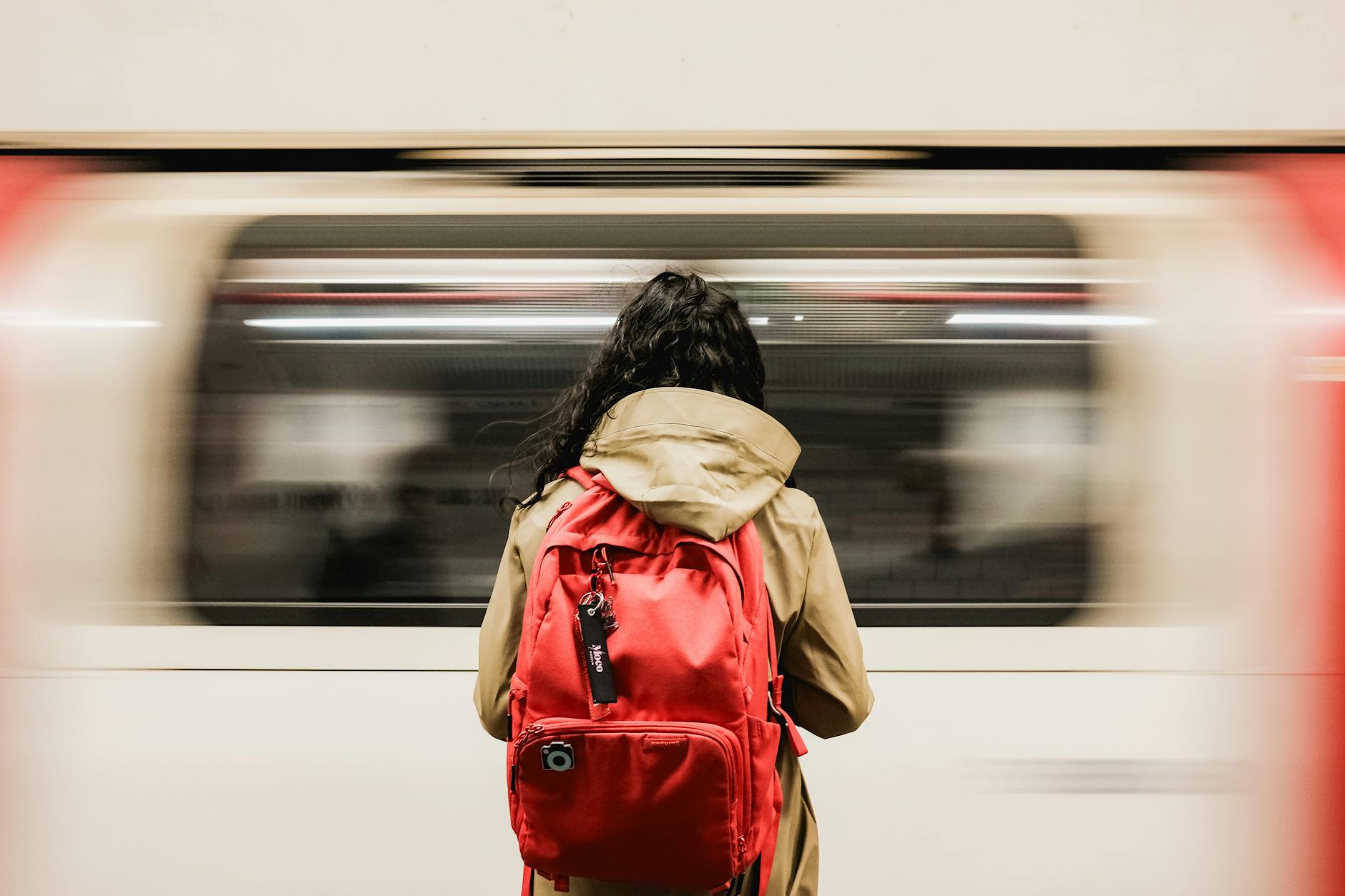
London's public transport is one of the main reasons solo travel works well here. The Tube, Elizabeth line, buses, Overground, Thameslink, and walking connections can make a solo itinerary efficient and inexpensive. The risk is not that the system is unusable. The risk is becoming visibly distracted: standing at the top of stairs with a phone out, stopping in station flow to interpret a route, or trying to manage luggage, payment, and directions at once.
The better pattern is to check the route before leaving the hotel or cafe, know the interchange, and put the phone away before entering the busiest parts of the station. Contactless payment is usually simpler than buying tickets for central movement, but the traveler should keep the same card or device for tapping in and out. For late returns, buses and the Tube can still work well, but the traveler should know the final walking segment before committing to the route.
- Check the full route before entering busy station flow.
- Use the same contactless card or device for each journey.
- For late rides, confirm the station exit and final walk before leaving the venue.
Plan evenings around the return, not just the event
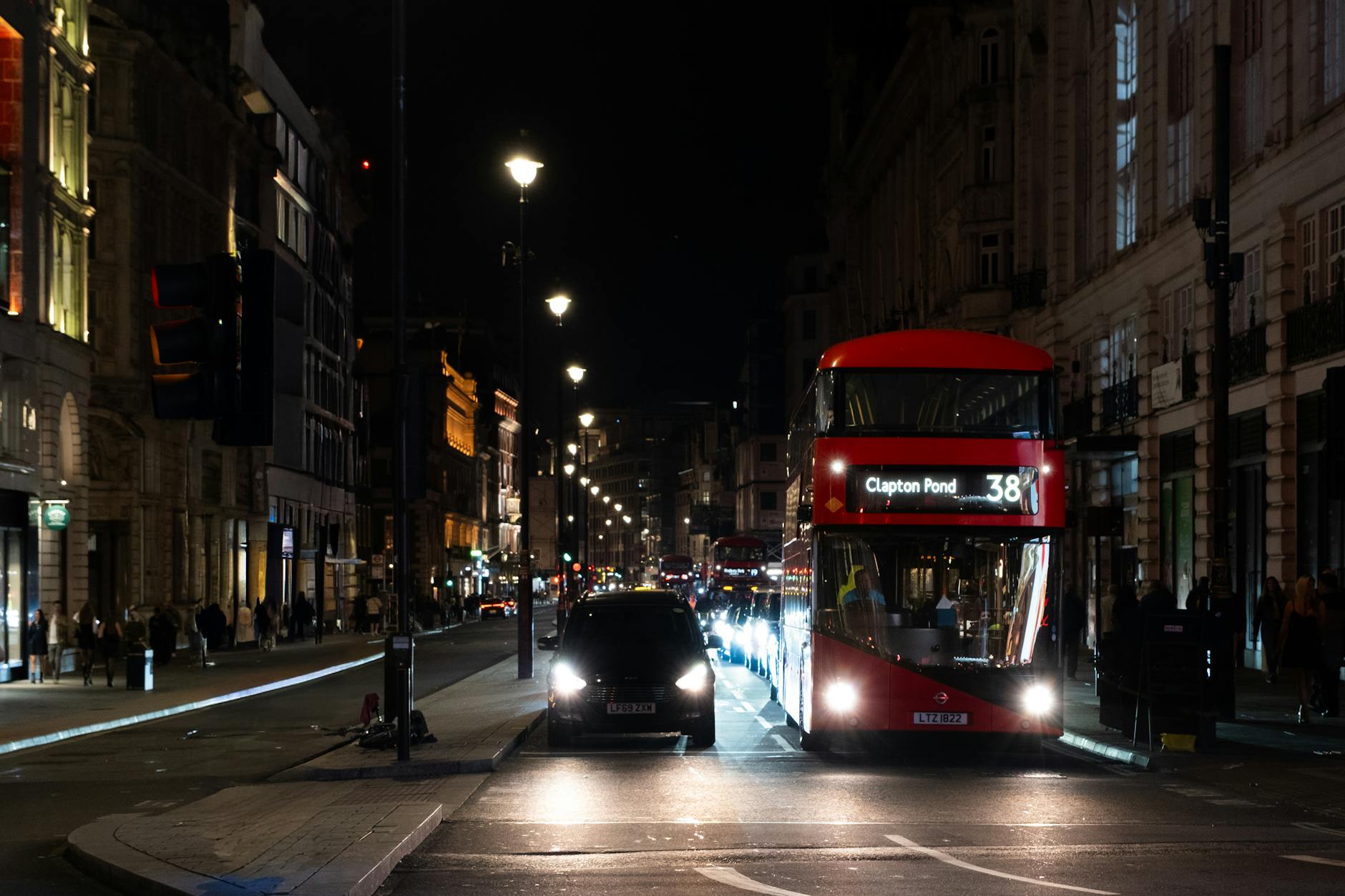
London is strong for solo evenings. Theater, cinema, live music, late museum openings, restaurants, pubs, bookshops, and river walks all work without a companion. The question is not whether a solo traveler should go out. The question is how the evening ends. A late show in the West End, dinner in Soho, a concert in Camden, or a long walk along the Thames can be excellent if the route back is clear before the traveler steps out.
This is where hotel placement matters again. A traveler staying near Covent Garden or Bloomsbury may walk back from many West End plans. Someone staying farther out may still be fine, but should decide whether the return is Tube, bus, black cab, or ride-hail before the end of the night. Alcohol, phone battery, weather, and crowds all change the quality of a return route. The safest solo evening is not the quietest one; it is the one with a clean exit.
- Book evening plans with the return route already chosen.
- Keep enough phone battery for navigation, payment, and backup contact.
- Use a black cab or ride-hail when the final walk or interchange no longer feels worth it.
Solo dining can be a strength
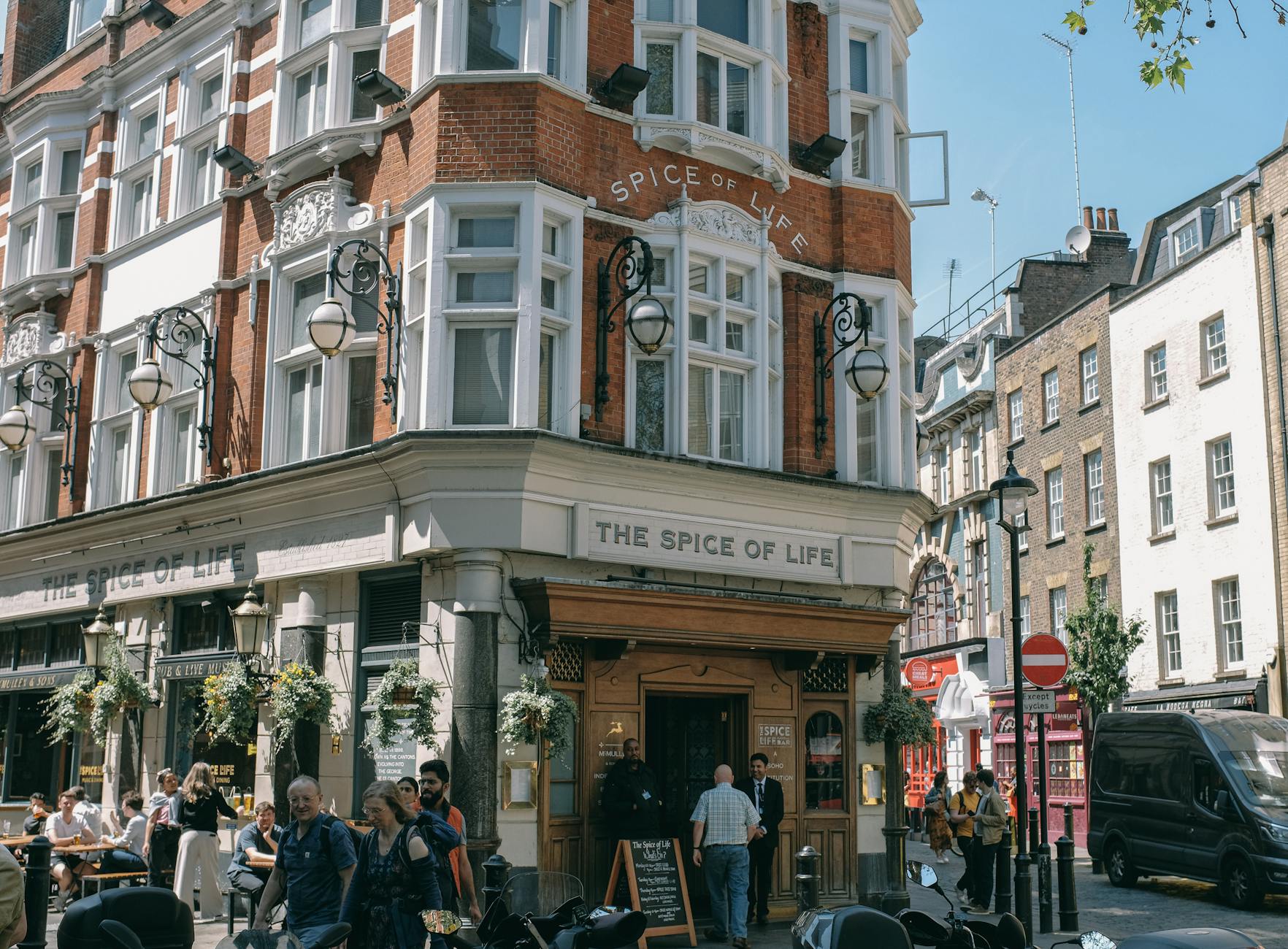
London is unusually kind to solo diners when the traveler chooses the right format. Counter seats, museum cafes, market lunches, hotel restaurants, wine bars, casual Soho rooms, Indian restaurants, ramen counters, food halls, and early reservations can all feel natural alone. The mistake is to assume every meal has to be either formal or improvised. A solo traveler should plan a few anchor meals and leave space for spontaneous ones.
The practical issue is timing. A late solo dinner after a full day may be less appealing than lunch as the main meal, followed by a lighter evening near the hotel. Borough Market, Covent Garden, Soho, Marylebone, South Kensington, and the South Bank all give useful combinations of food and movement. The traveler should not be shy about eating alone, but should avoid turning every meal into another cross-city transfer.
- Use counter dining, market lunches, museum cafes, and hotel restaurants to make solo meals easy.
- Plan one or two anchor meals, then keep the rest flexible.
- Do not chase distant dinner reservations after an already heavy solo sightseeing day.
Keep belongings boringly controlled
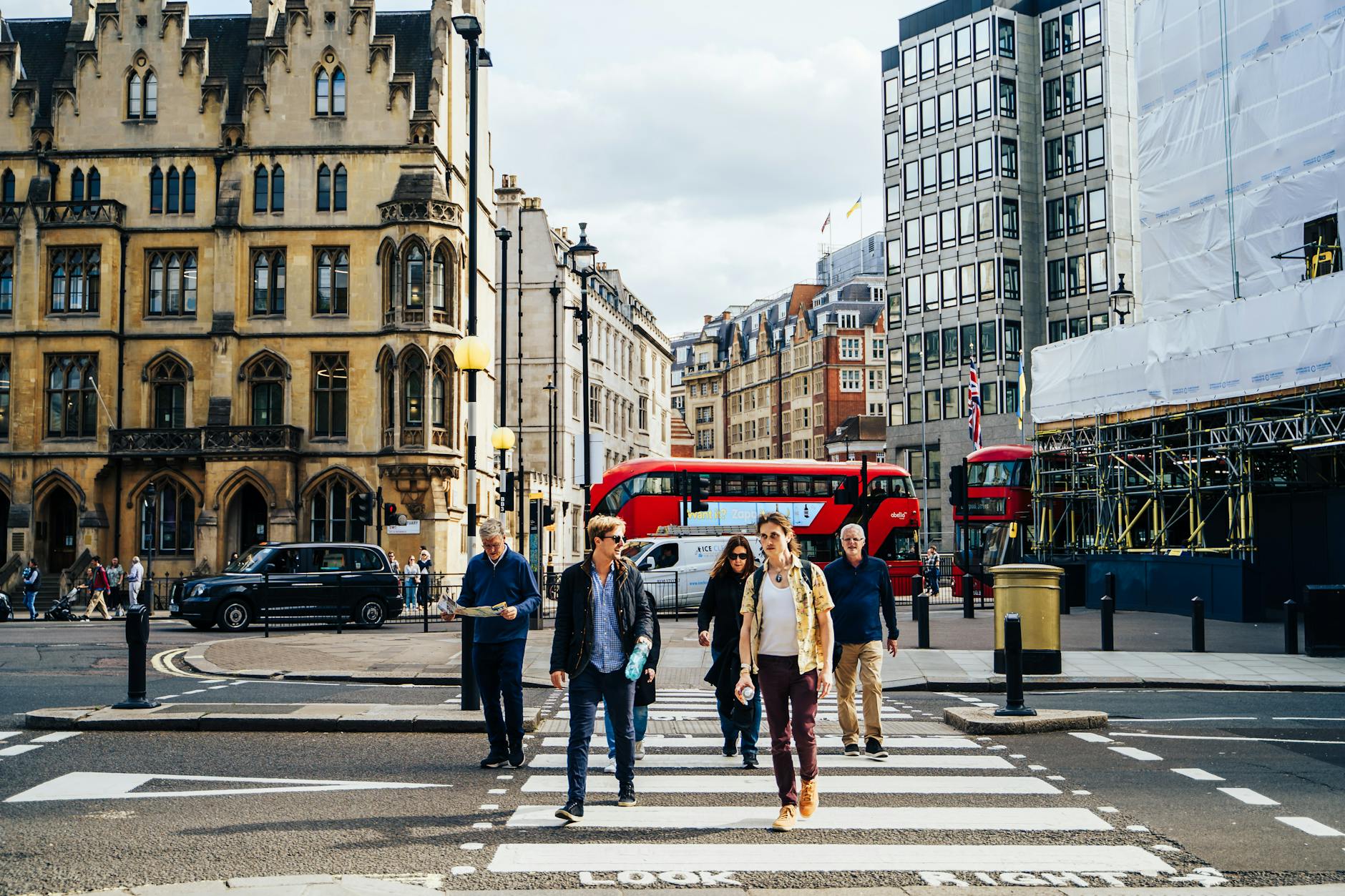
Theft risk in London is usually practical rather than dramatic: phone snatching in busy areas, bags left open in crowds, distraction around stations, or a wallet placed where it is easy to lift. A solo traveler has fewer spare hands and no companion watching the bag while tickets, maps, or reservations are checked. That makes simple habits more important. The phone should not be held loosely at the curb. A day bag should close fully. Passport and backup cards should not travel together unless there is a specific reason.
Crowded places deserve extra attention: Oxford Street, Leicester Square, major stations, bridge approaches, festival areas, markets, and the pavement outside busy venues. This does not mean avoiding them. It means entering them with the bag zipped, the route known, and valuables placed as if the traveler expects to be bumped. The less attention the traveler gives to belongings, the more attention the city will demand from them.
- Use a zipped day bag and keep phones controlled near curbs, stations, and crowded crossings.
- Separate passport, backup card, and daily wallet when possible.
- Step inside a cafe, shop, or station wall area before doing longer map or message checks.
When to order a short-term travel report
A confident solo traveler returning to a familiar London neighborhood may need very little beyond current transport checks and good judgment. A first-time solo traveler, a person arriving late, a traveler with theater and dinner plans across several districts, someone carrying specialist equipment, or a visitor who wants a quieter hotel base should plan more carefully. The report should test the hotel area, arrival route, late returns, neighborhood fit, current local signals, and the points where solo movement changes the decision.
The value is not to make London feel intimidating. It is to preserve the best part of solo travel: the ability to move at one's own pace. A useful plan removes the avoidable uncertainty around arrival, where to stay, how to get home, where to eat alone comfortably, and when to spend money for simplicity. That leaves the traveler with more room for the city itself.
- Order when the trip includes first-time solo arrival, late returns, multiple districts, or comfort concerns.
- Include hotel options, arrival time, luggage, evening plans, mobility limits, and food preferences.
- Use the report to protect independence, not to over-script the trip.