A repeat leisure visit to London is a different kind of trip. The traveler already knows the outline: Big Ben, Westminster, Tower Bridge, the museums, perhaps a West End show and a few famous streets. The second or third trip should not simply repeat that map with better restaurants. It should use familiarity as an advantage. London opens up when the visitor spends more time in neighborhoods, chooses a base for this version of the trip, uses transport to reach places that were not sensible on the first visit, and leaves room for markets, galleries, canals, parks, pubs, and quieter streets. The risk is not that the traveler will be lost. The risk is defaulting to old habits and missing the London that only appears after the landmark pressure is gone.
Choose a base for this trip, not the last one
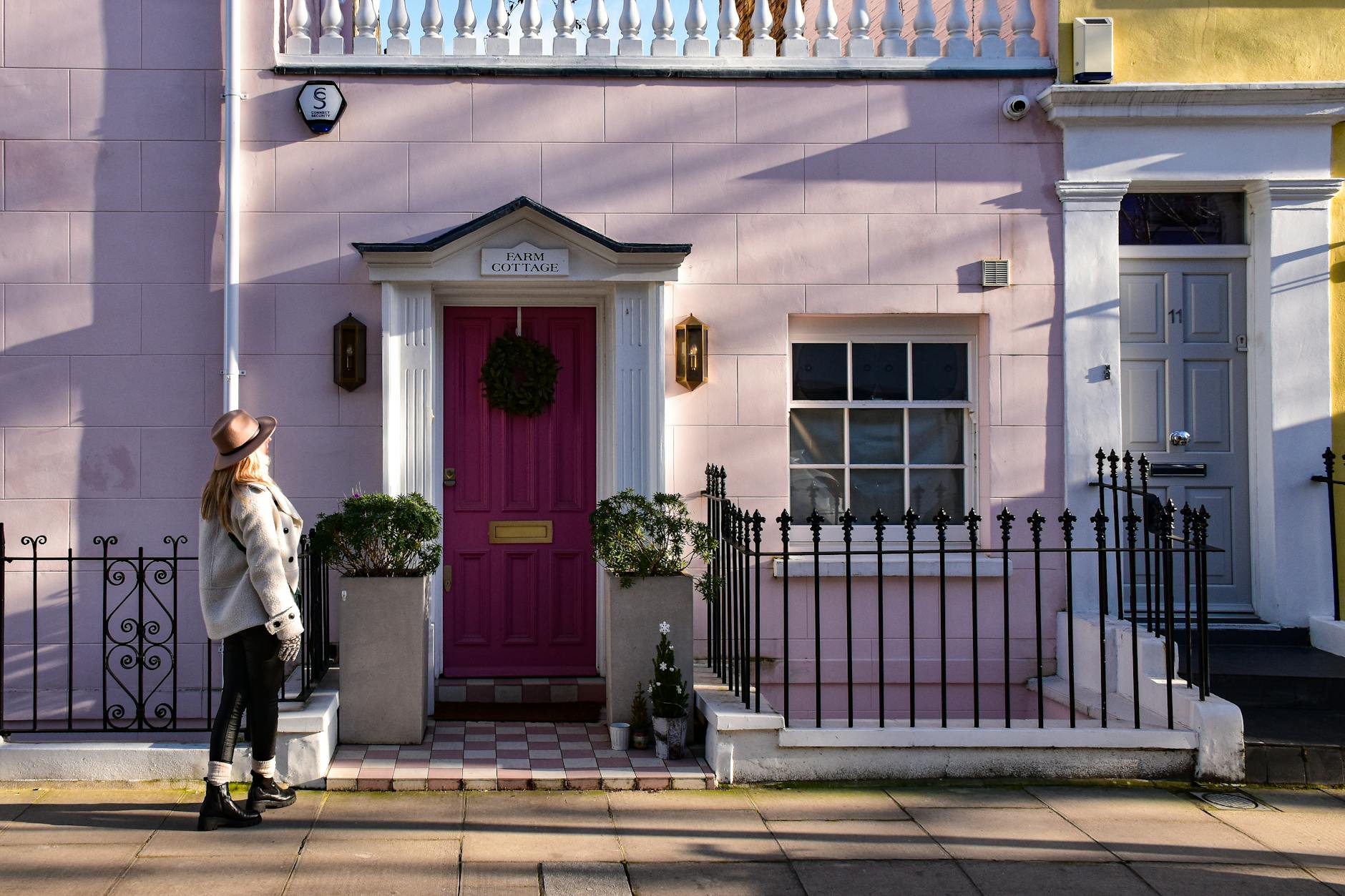
A repeat visitor has earned the right to stop treating central London as the only correct base. The right hotel depends on the version of London the traveler wants this time. Notting Hill can work for markets, walks, restaurants, and a more residential west-London rhythm. Marylebone can support galleries, shopping, Regent's Park, and calm evening returns. Clerkenwell, Shoreditch, or the City can make sense for restaurants, design, history, and east-London movement. South Bank and Bankside can anchor galleries, the river, Borough, and theater without feeling like a first-timer compromise.
The repeat visitor should not choose a hotel only because it was comfortable last time. A familiar hotel in the wrong district may pull the trip back toward the same routes and meals. The base should match the new anchor interests: food, theater, museums, markets, parks, day trips, friends, shopping, or simply a quieter London than the first visit allowed.
- Select the hotel by the neighborhoods and routines wanted on this visit.
- Consider Notting Hill, Marylebone, Bankside, Clerkenwell, Shoreditch, Greenwich, or South Kensington when they fit the itinerary.
- Avoid letting a familiar hotel recreate the same trip by default.
Spend time in neighborhoods that reward wandering
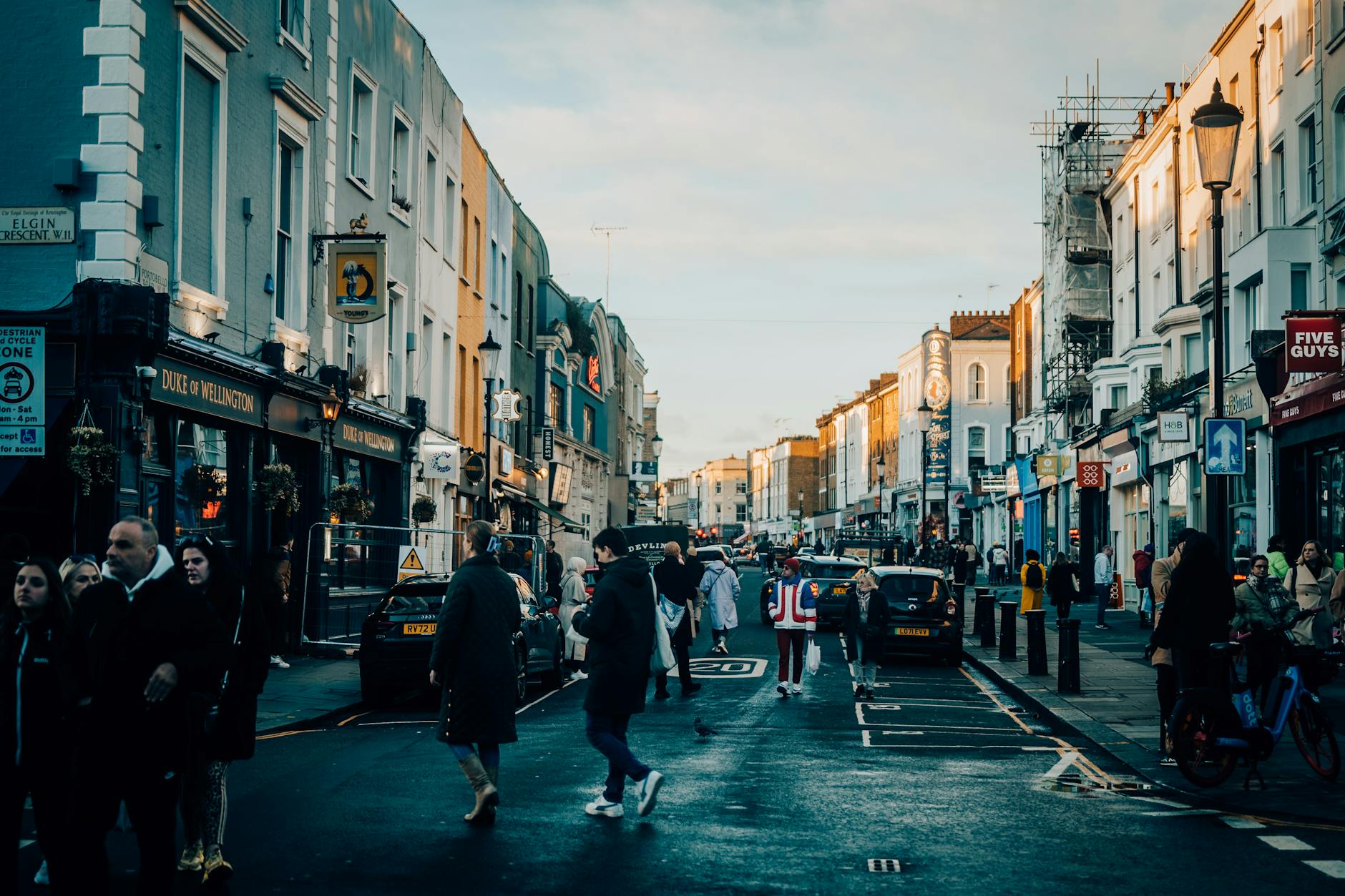
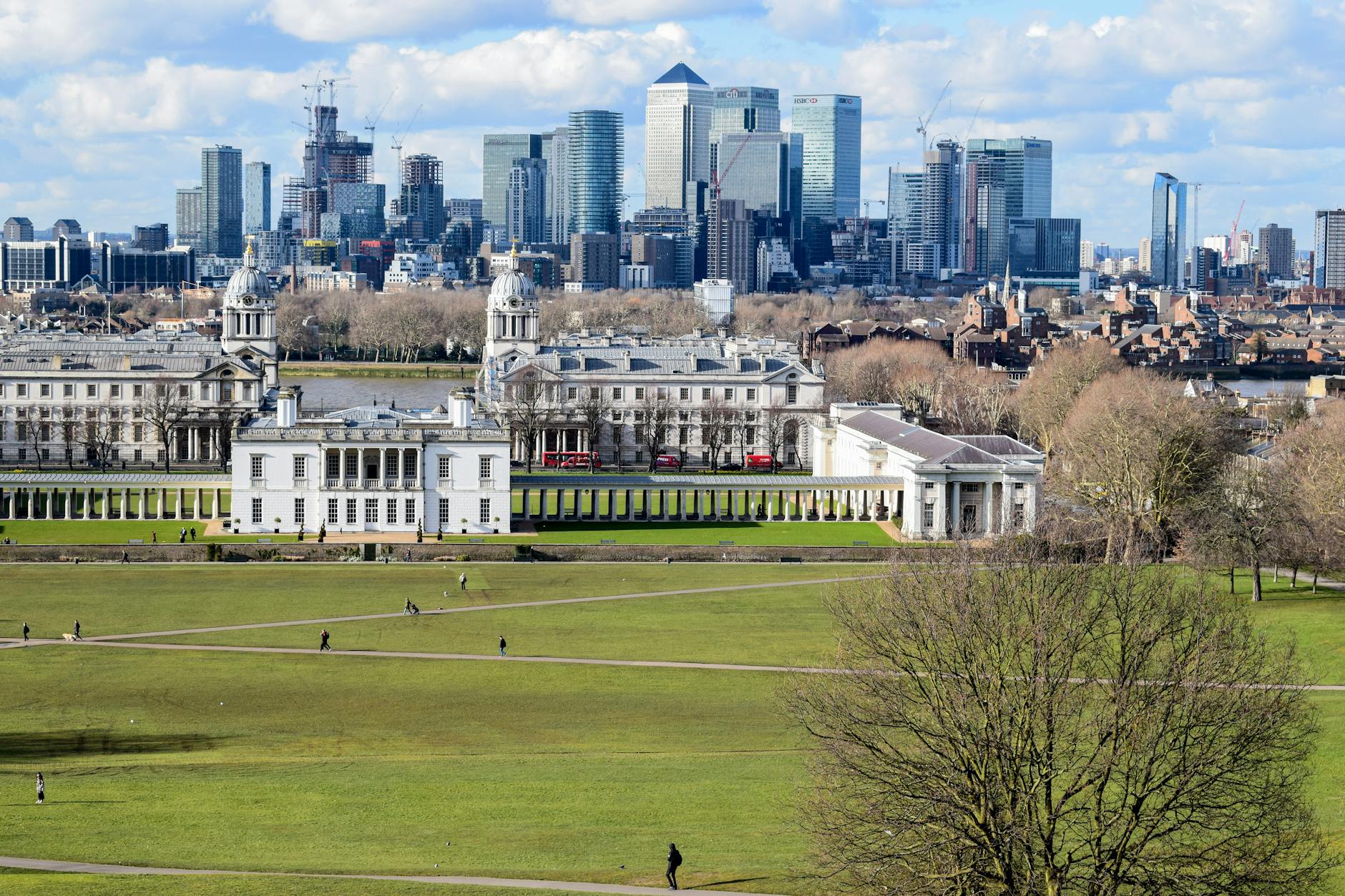
The best repeat trips often come from choosing fewer districts and staying with them longer. Hampstead, Highgate, Marylebone, Chelsea, Bermondsey, Clerkenwell, Stoke Newington, Richmond, Greenwich, and parts of east London do not always fit neatly into a first-visit itinerary. They reward walking, pausing, noticing shops and side streets, and accepting that the day's value may not be a famous sight.
This does not mean avoiding central London. It means using central London more selectively. A repeat visitor can still return to the National Gallery, the river, or the West End, but the day should have a neighborhood logic. A Hampstead day can include the village, the Heath, a pub, and a view. A Bermondsey day can include galleries, food, railway arches, and a river return. A Greenwich day can be a full leisure day, not just a photo stop.
- Give one neighborhood enough time to become the day rather than a stop.
- Use Hampstead, Greenwich, Bermondsey, Marylebone, Clerkenwell, and Richmond for slower repeat-visit texture.
- Keep a central favorite only when it supports the day's route.
Use transport to expand, not scatter, the itinerary
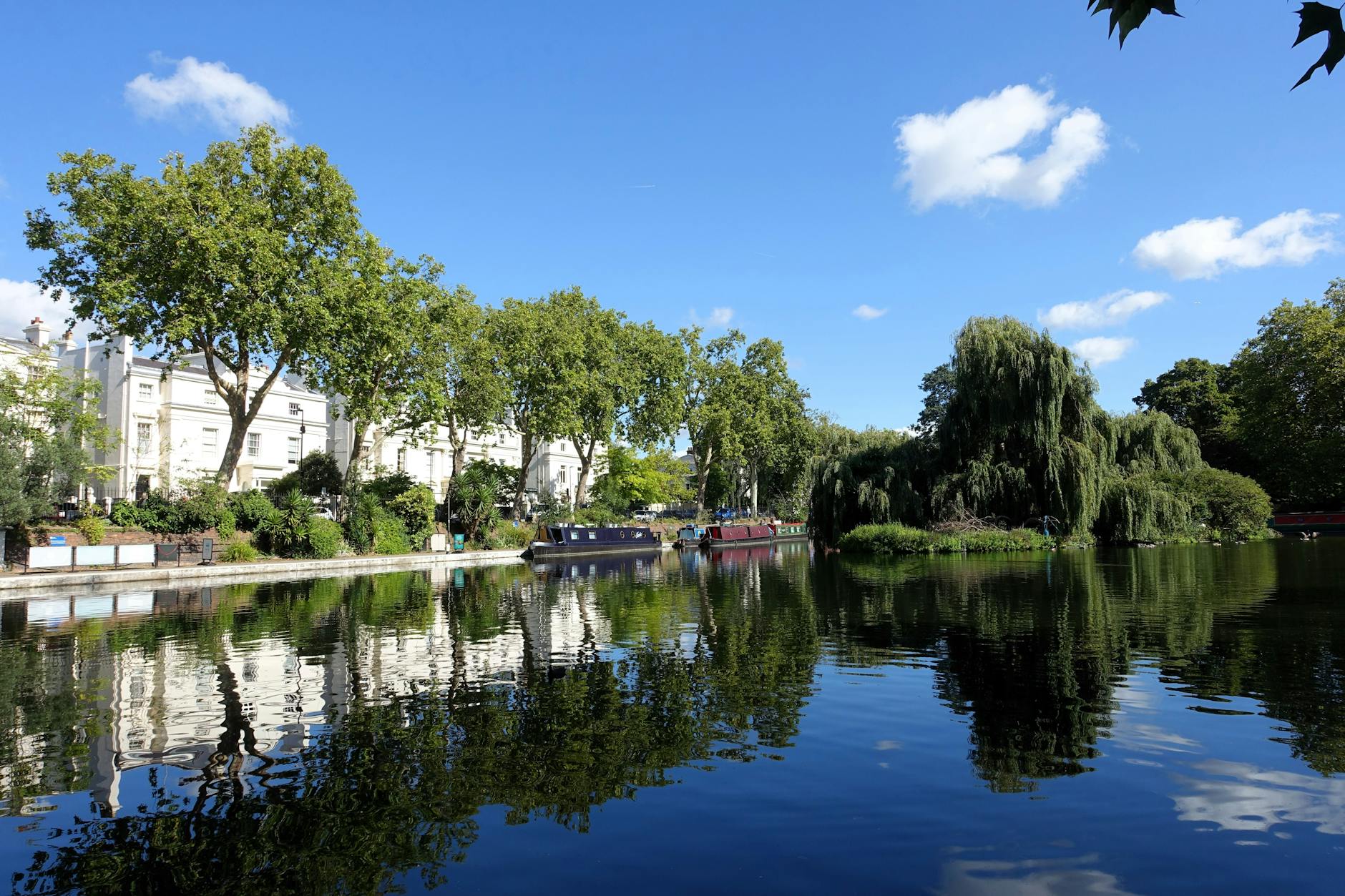
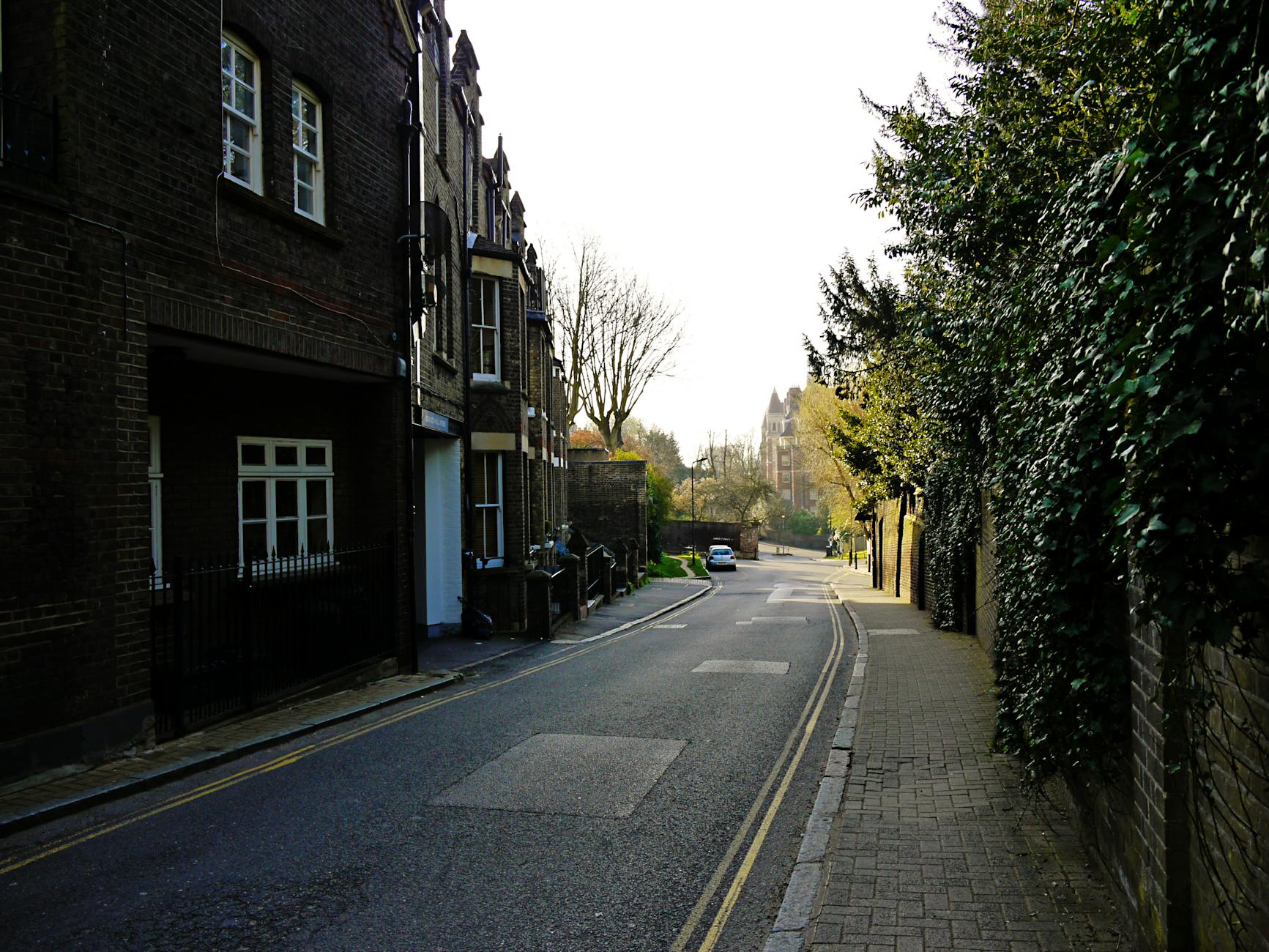
A repeat visitor usually has more confidence with the Tube, buses, Elizabeth line, Overground, DLR, rail, river services, and black cabs. That confidence should expand the trip, not fragment it. Greenwich, Kew, Richmond, Hampstead, Walthamstow, Dulwich, Chiswick, or Little Venice may become realistic, but not if each day turns into three distant transfers. The test is whether the transport unlocks a coherent half-day or full day.
London's outer and orbital routes can be part of the pleasure when chosen well. The DLR into Docklands and Greenwich gives a different view of the city. The Overground can make neighborhood movement easier than crossing through the center. River travel can slow the day in a useful way. The repeat traveler should still check engineering works, event congestion, and late return routes before committing to a far-flung evening.
- Use transport to create coherent half-days, not scattered errands.
- Consider DLR, Overground, river boats, and rail when they make a new district practical.
- Check weekend engineering works before building a day around outer-London movement.
Let markets and food shape the day
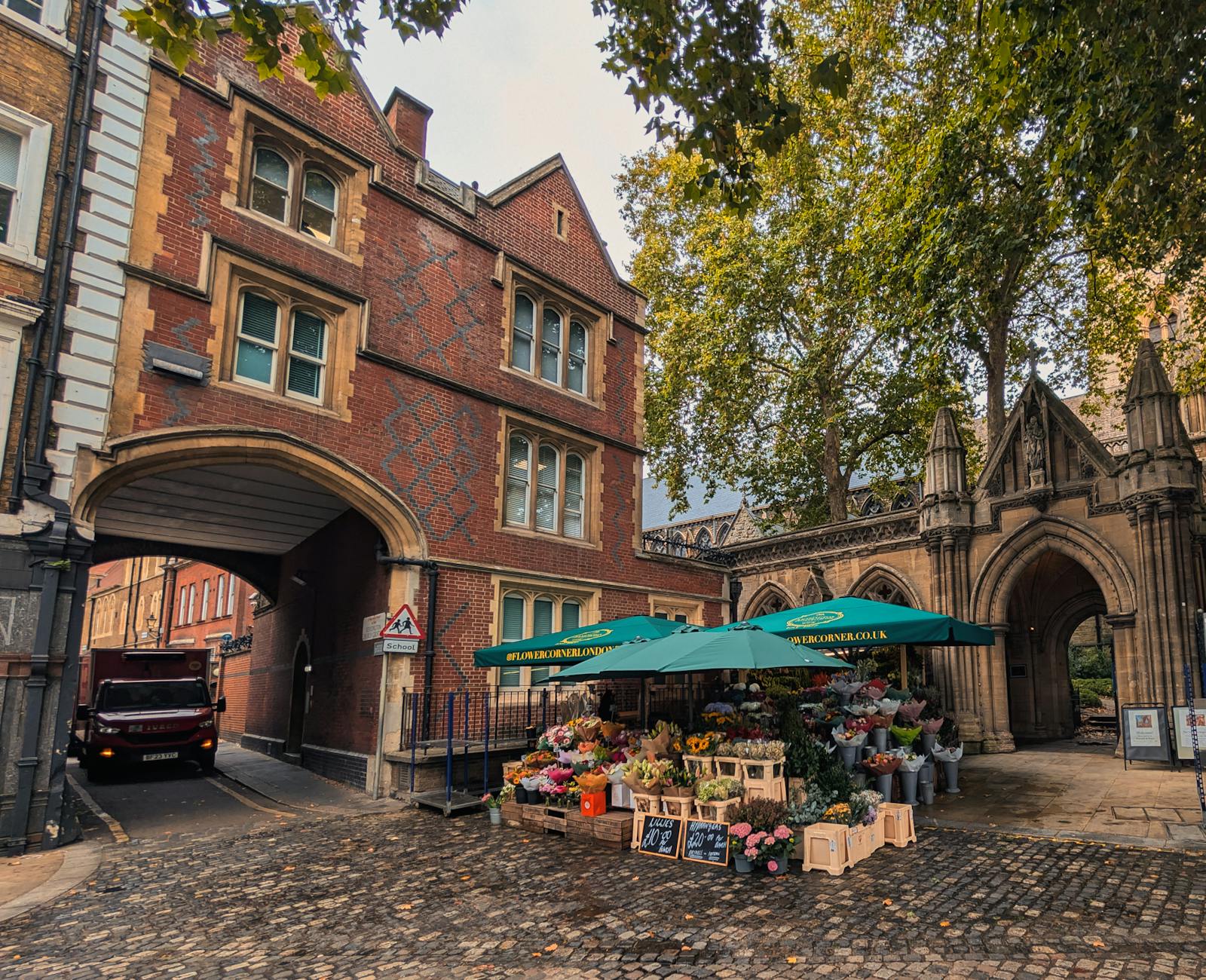
Food is often where repeat visitors can improve London most quickly. The first trip may have been built around convenience near landmarks. A repeat trip can choose Borough, Maltby Street, Broadway Market, Columbia Road, Marylebone, Soho, Spitalfields, Exmouth Market, Bermondsey, or neighborhood restaurants as the reason for a route. The meal can become the anchor rather than the afterthought.
The traveler should still be disciplined. London food geography can pull the itinerary apart if every meal is chosen in isolation. A lunch market should match the day's district. A dinner reservation should not require a tired cross-city return unless it is genuinely worth the effort. Repeat visitors get more out of London when they plan one or two food experiences carefully and leave the rest flexible.
- Use markets and restaurants as route anchors, not detached recommendations.
- Match Borough, Maltby Street, Columbia Road, Soho, Spitalfields, or Marylebone to the surrounding day.
- Avoid distant dinner reservations that undermine the next morning's plan.
Choose one deeper cultural thread
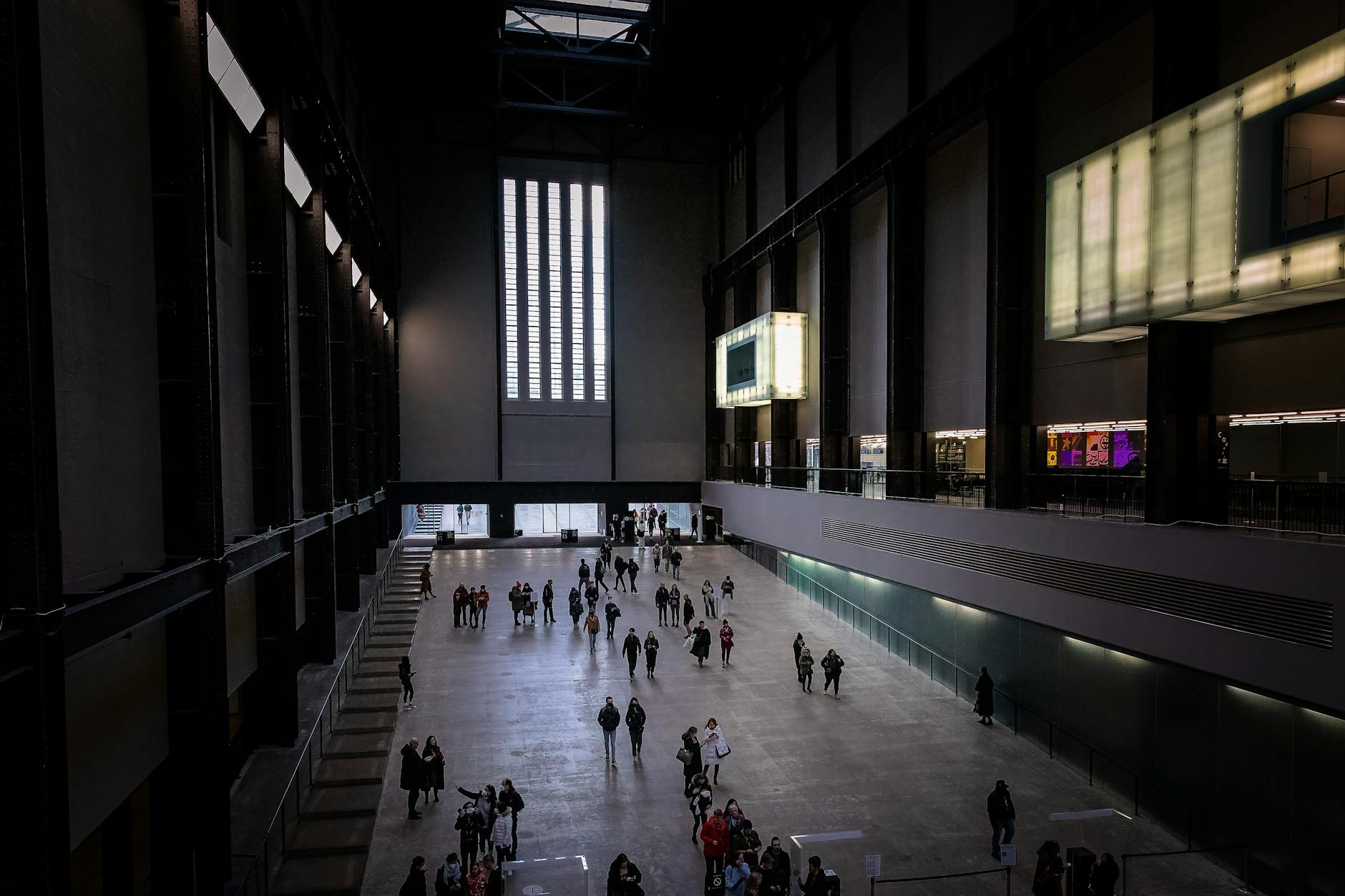
The repeat visitor should resist the temptation to sample everything again. London is better when the trip has a deeper thread: modern art, theater, bookshops, architecture, royal parks, design, music, legal London, Jewish East End history, Black British history, contemporary food, river history, fashion, gardens, or football. A thread gives the trip a reason to move through less obvious places.
For example, an art-focused repeat trip can pair Tate Modern, small galleries, the South Bank, Cork Street, the V&A, and a neighborhood dinner without needing to revisit every major museum. A theater-focused trip can include matinees, fringe venues, pre-theater meals, and quieter mornings. The thread should be specific enough to shape decisions but loose enough to leave room for London to interrupt.
- Pick one cultural thread that gives the trip a point of view.
- Use smaller galleries, specialized walks, performances, and neighborhoods to deepen the visit.
- Do not let a theme become a rigid schedule that removes pleasure.
Design evenings differently from the first trip
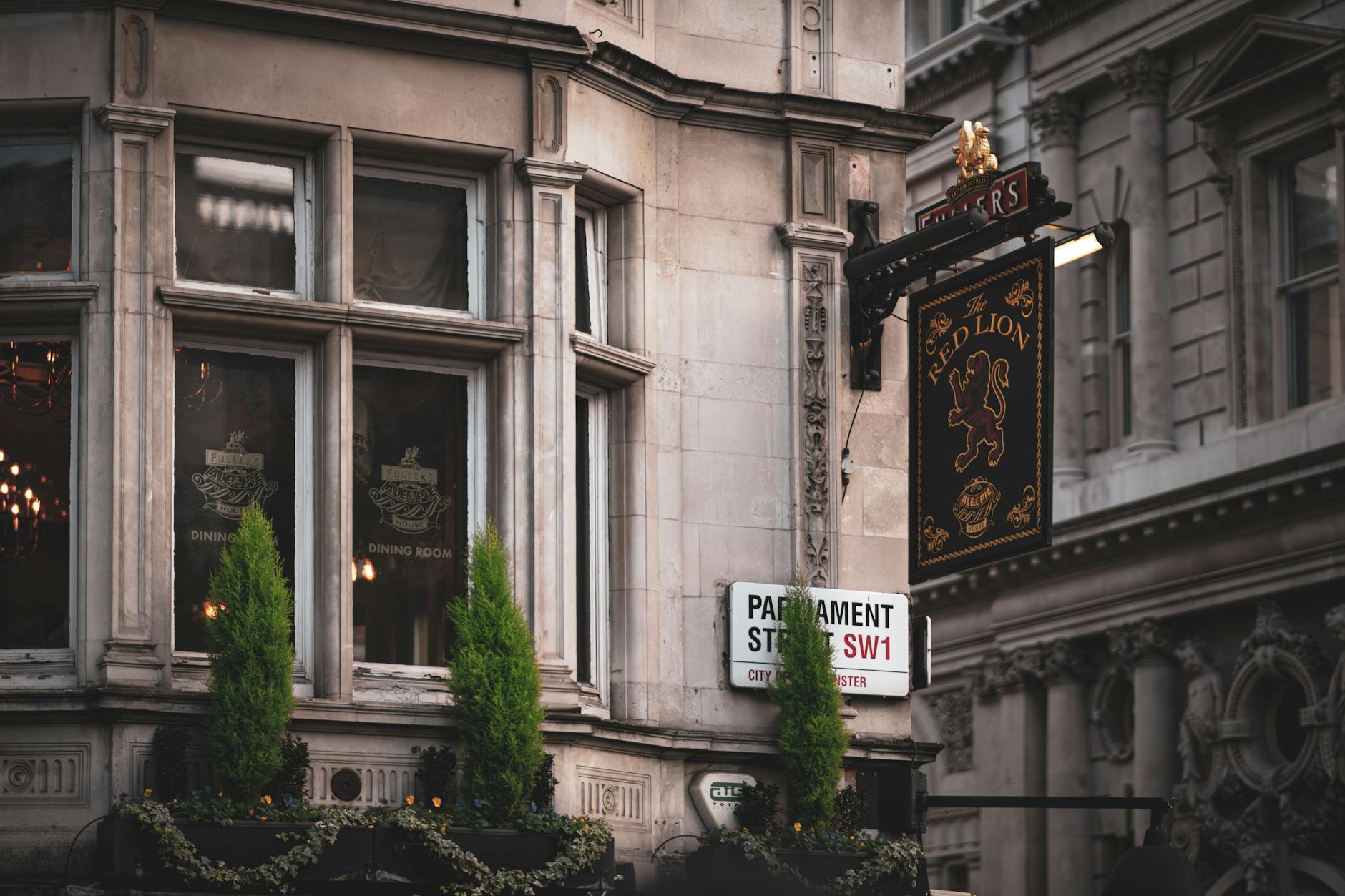
A first London visit often puts the evenings under pressure: a West End show, one famous dinner, one pub, and whatever can fit after sightseeing. A repeat leisure visitor can make evenings more deliberate. That may mean a neighborhood pub, a late gallery opening, jazz, a cinema, a riverside walk, a restaurant outside the tourist core, or an early night before a Greenwich, Richmond, or Hampstead day.
The evening plan should still account for return routes. A low-key pub in a lovely district is less appealing if the hotel return becomes awkward after closing. Theater and dining remain strong choices, but the repeat visitor has more freedom to choose a smaller evening with better fit. The goal is to make London feel lived-in for a few days, not simply consumed.
- Use evenings for neighborhood texture, not only West End obligation.
- Confirm the late return route before choosing a dinner, pub, or performance far from the hotel.
- Protect one or two quiet nights when the daytime plan reaches farther out.
When to order a short-term travel report
A repeat visitor who simply wants to return to a favorite hotel and revisit familiar places may not need a custom report. A repeat visitor trying to make the next trip meaningfully different can benefit from more specific planning. The report should test hotel district, neighborhood sequencing, food geography, transport links, current disruptions, outer-London options, evening returns, and whether the itinerary has a clear point of view rather than a collection of leftover recommendations.
The value is not novelty for its own sake. It is fit. A good report helps the traveler decide which London to visit this time: art London, food London, village London, theater London, river London, market London, or a slower version of a district they rushed through before. A repeat trip is strongest when familiarity makes the traveler more selective, not less curious.
- Order when the goal is to make a return trip feel more intentional than the first visit.
- Include past London experience, favorite districts, disliked friction, hotel candidates, food priorities, and mobility limits.
- Use the report to choose the right version of London for this visit.