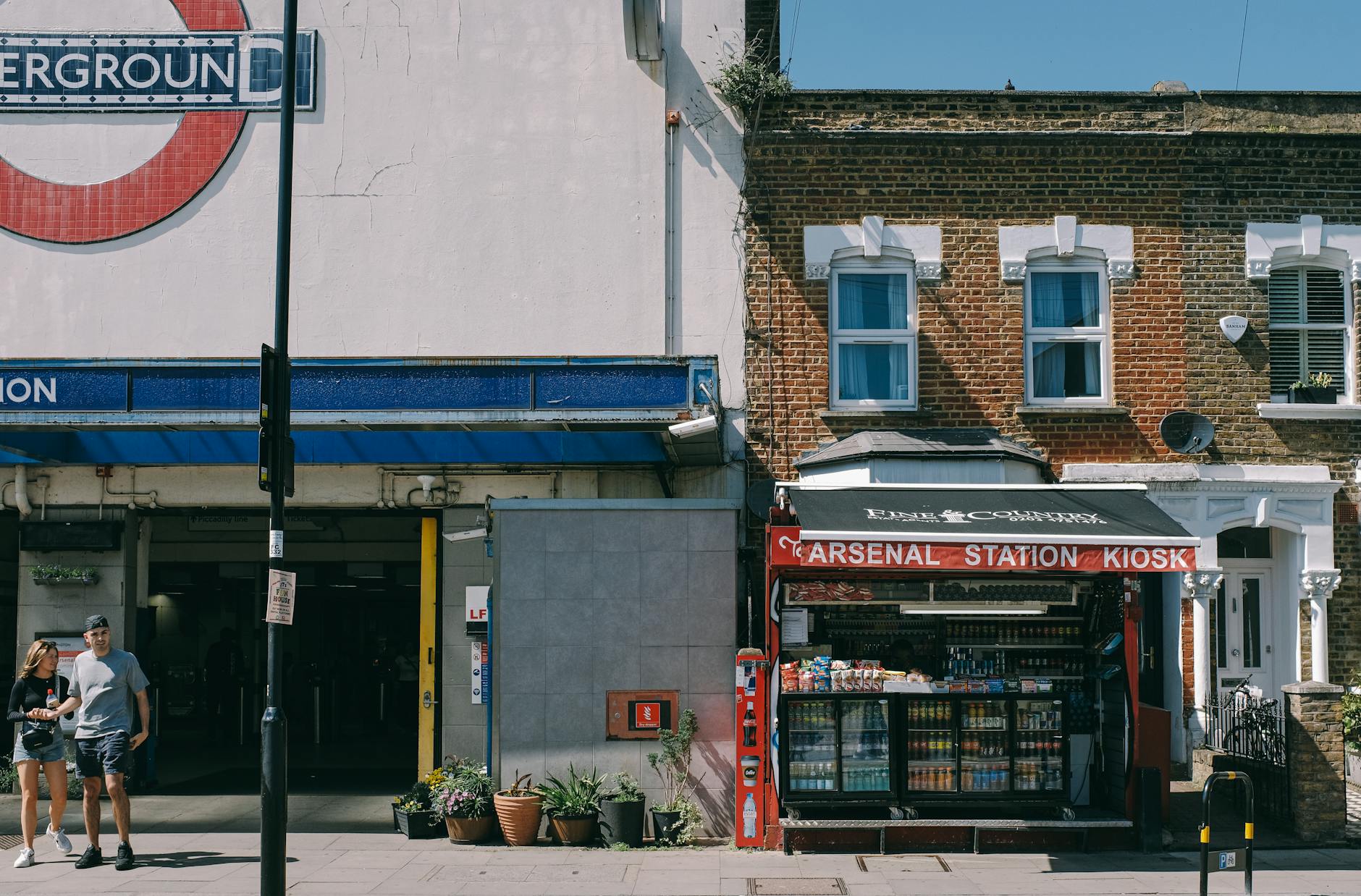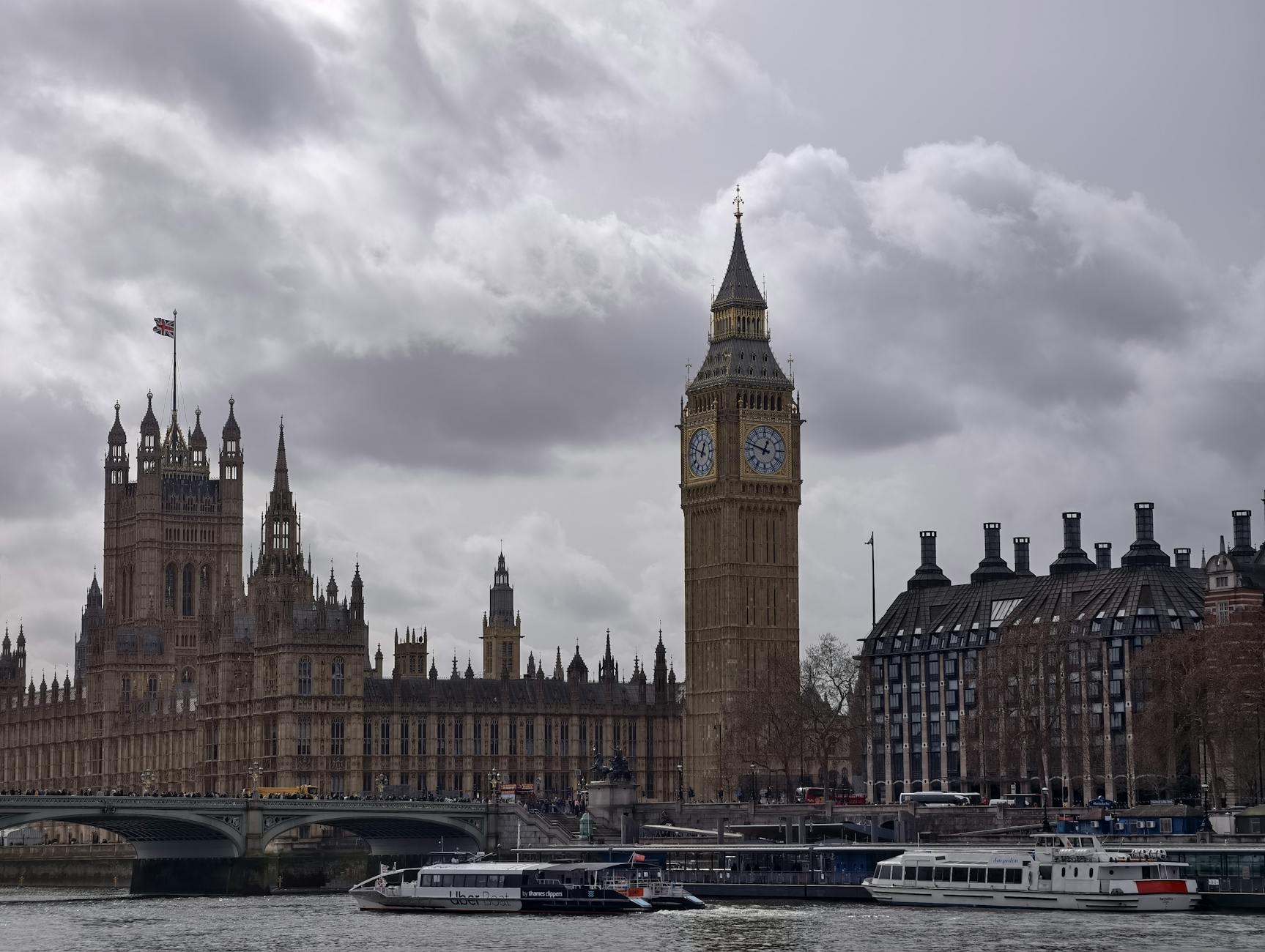
London is often a rewarding destination for older travelers because it offers deep culture, strong hotels, good museums, mature transport, familiar language for many visitors, and enough taxis, restaurants, parks, and indoor options to shape a comfortable trip. It is also a city that can quietly punish overconfidence. Long station corridors, stairs, uneven pavements, rain, crowded platforms, theater-night dispersal, and dense museum days can make a short visit feel harder than it looked on paper. The right trip is not cautious in a small way. It is deliberate, paced, and built around comfort, dignity, and recovery.
Start with the real walking day
London itineraries often hide the amount of walking involved. A museum visit may include the walk to the station, stairs inside the station, a long platform corridor, the walk from the destination station, time on hard floors, a lunch search, and the return. A day that looks gentle on a map can become a ten- or twelve-thousand-step day without any single dramatic exertion. That matters for knees, hips, balance, breathing, stamina, and confidence.
An older traveler should plan around the day as it will actually feel. Westminster, the South Bank, the British Museum, the Tower of London, Covent Garden, and the West End can all work beautifully, but not all in the same day for every traveler. The strongest plan clusters sights, uses seated breaks, builds in a real lunch, and treats the return to the hotel as part of the itinerary rather than a detail to be solved after fatigue has already set in.
- Estimate the full door-to-door walking day, not only the attraction distance.
- Cluster sights so the traveler does not burn energy crossing the city repeatedly.
- Protect seated breaks before fatigue becomes a safety or morale problem.
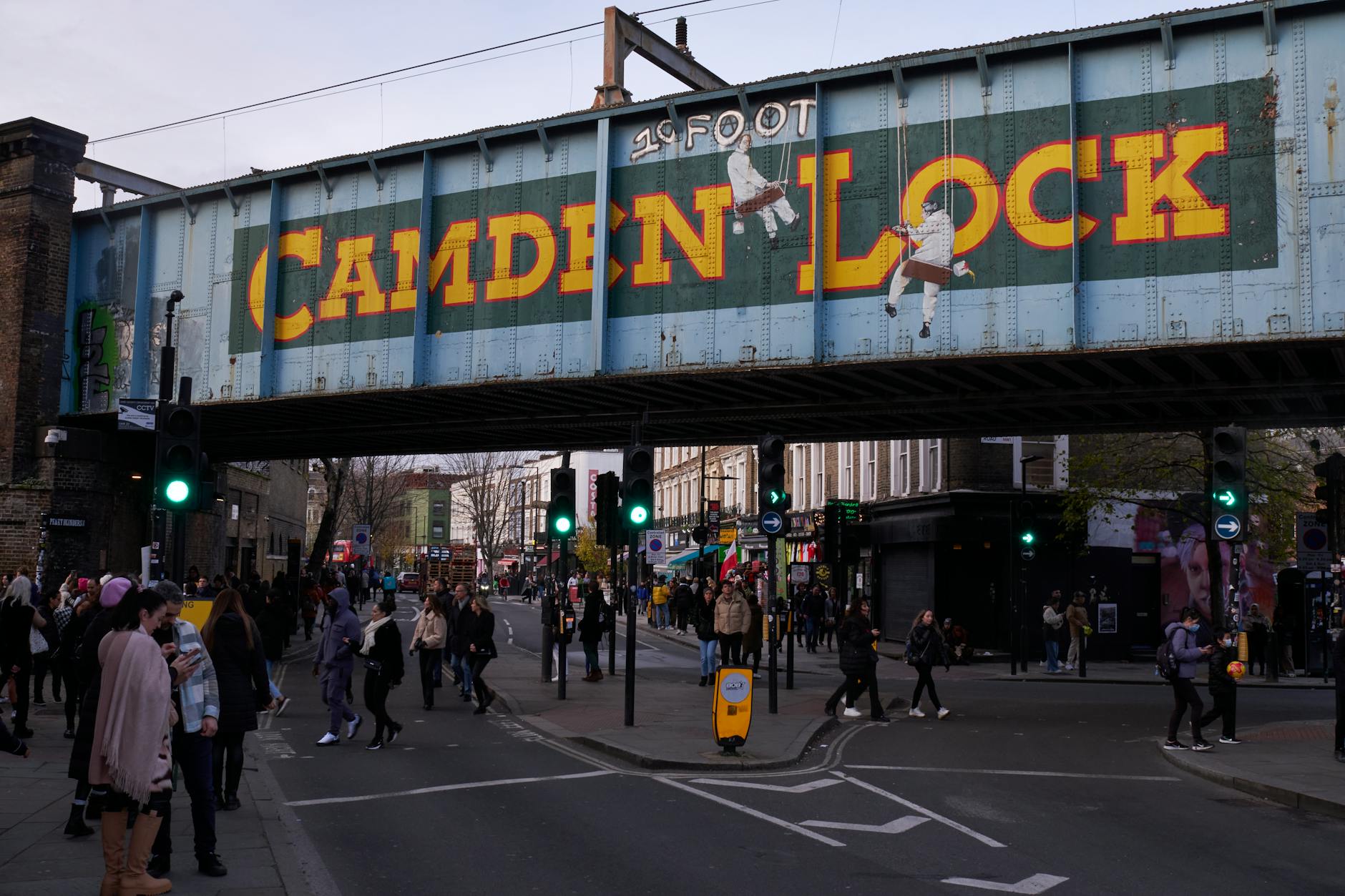
Choose the hotel for access, not romance
A charming London hotel can still be the wrong hotel if the lift is small, the entrance has awkward steps, the closest Tube station lacks step-free access, taxis cannot stop cleanly, or dinner requires a long walk after dark. Older travelers should treat the hotel as an operating base. The room should support rest. The lobby should support waiting. The neighborhood should support easy meals. The route back from evening plans should be simple.
This does not mean choosing a bland hotel or avoiding character. It means testing character against practical constraints. Bloomsbury, Westminster, South Kensington, Marylebone, Covent Garden, South Bank, and parts of Mayfair can all suit different older travelers, but the right choice depends on the trip's main sights, mobility level, budget, and need for taxis or direct transport. A beautiful bargain with bad access is not a bargain on a short trip.
- Check lift access, entry steps, bathroom layout, and nearby dinner options.
- Confirm whether nearby Tube stations are step-free if that matters.
- Prefer hotels with easy taxi pickup and a comfortable lobby when mobility or fatigue is a concern.
Airport arrival should minimize strain
The airport transfer is often where an older traveler first discovers whether the trip is well designed. A route with stairs, crowded trains, heavy luggage, a long station walk, or a confusing interchange can turn arrival into a draining first event. Heathrow can be straightforward with the Elizabeth line or a car, but the right answer depends on hotel location, luggage, arrival hour, mobility, and fatigue. Gatwick, London City, Stansted, and Luton require the same practical test.
A pre-booked car or black cab may be the better choice when the traveler arrives after a long flight, uses a cane, carries medical equipment, travels with a companion who also needs help, or cannot easily manage luggage through stations. Rail can still be excellent when the route is direct and the traveler is comfortable with it. The important point is to choose intentionally before landing.
- Match the airport transfer to mobility, luggage, hotel location, and arrival time.
- Use a car when a rail route saves money but costs too much energy.
- Plan bag drop, check-in timing, and the first meal before arrival.
Use transport selectively
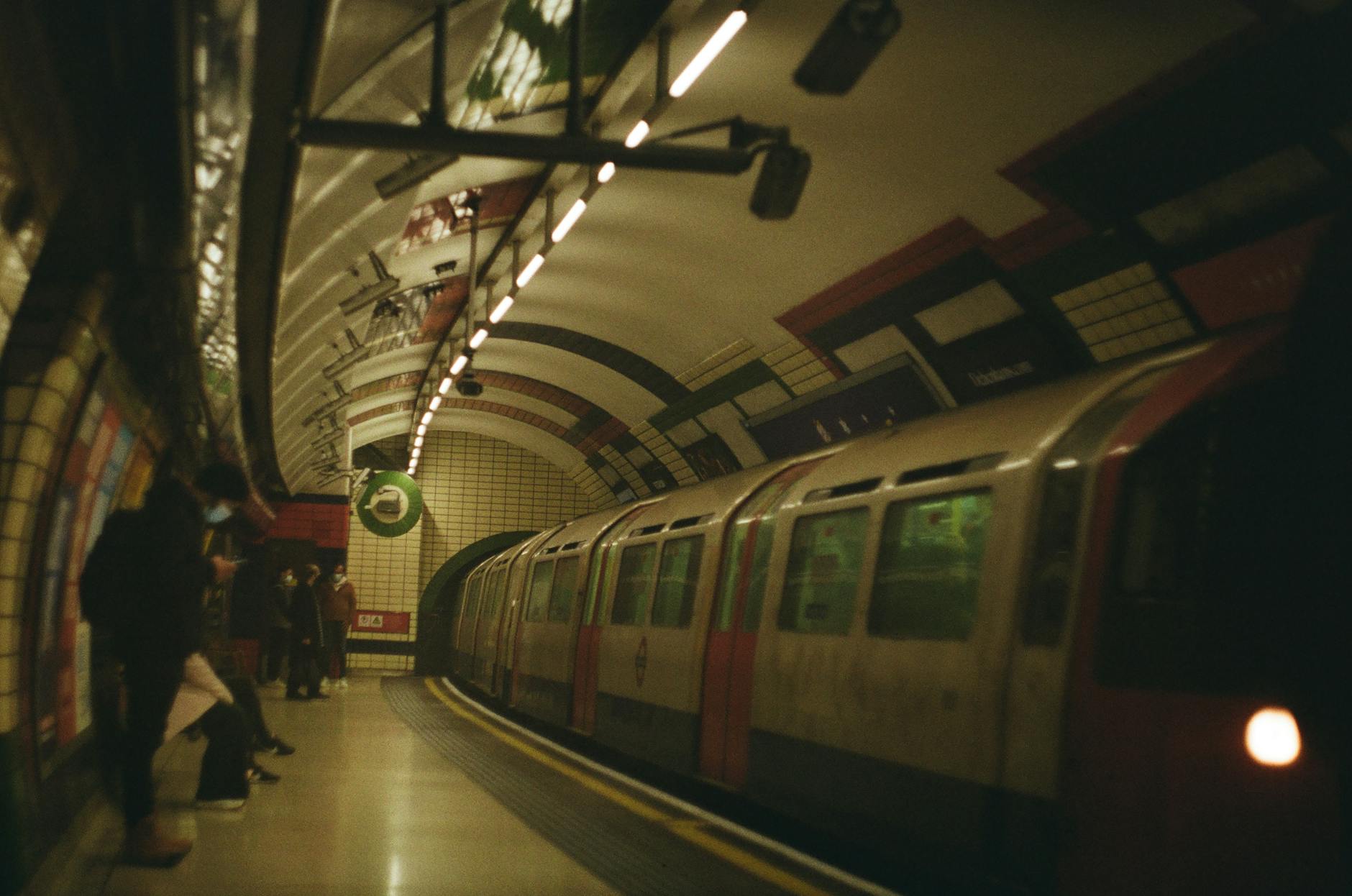
London transport is strong, but not every option suits every older traveler. The Tube can be fast and logical, yet it may involve stairs, escalators, heat, crowding, and long corridors. Buses can reduce stairs and show the city, but they can be slow in traffic. Black cabs can be expensive, but they are often valuable for controlled short movements, bad weather, theater returns, or days when energy is already low. Walking is pleasant when chosen, not when forced.
The practical plan should mix modes. Use rail or Tube for clean routes with manageable access. Use buses when the route is direct and time is not tight. Use taxis when comfort, safety, or schedule protection matters more than cost. Above all, avoid transfers that require the traveler to solve a complex route while tired, wet, or standing in a crowd.
- Check step-free access and station complexity before committing to Tube routes.
- Use taxis for late returns, rain, luggage, or low-energy moments.
- Do not make an older traveler prove independence by choosing the hardest route.
Medical continuity should be quiet but explicit
Most older travelers will not need medical care in London, but the plan should not depend on luck. Medication schedules, original packaging, prescriptions, travel insurance, emergency contacts, mobility aids, hearing aids, glasses, batteries, and backup payment methods should be organized before departure. The traveler should know what to do if medication is lost, a fall occurs, a chronic condition flares, or fatigue becomes more serious than expected.
London has serious medical capacity, but access pathways vary for visitors, and private care, NHS urgent care, emergency departments, pharmacies, and hotel doctor arrangements are not the same thing. A short trip does not require medical anxiety. It does require enough preparation that a small health problem does not consume the entire visit.
- Carry medications in hand luggage with documentation and enough extra supply.
- Know the nearest pharmacy and realistic urgent-care pathway near the hotel.
- Keep emergency contacts, insurance details, and medication lists accessible to a companion.
Evenings should be planned before dinner
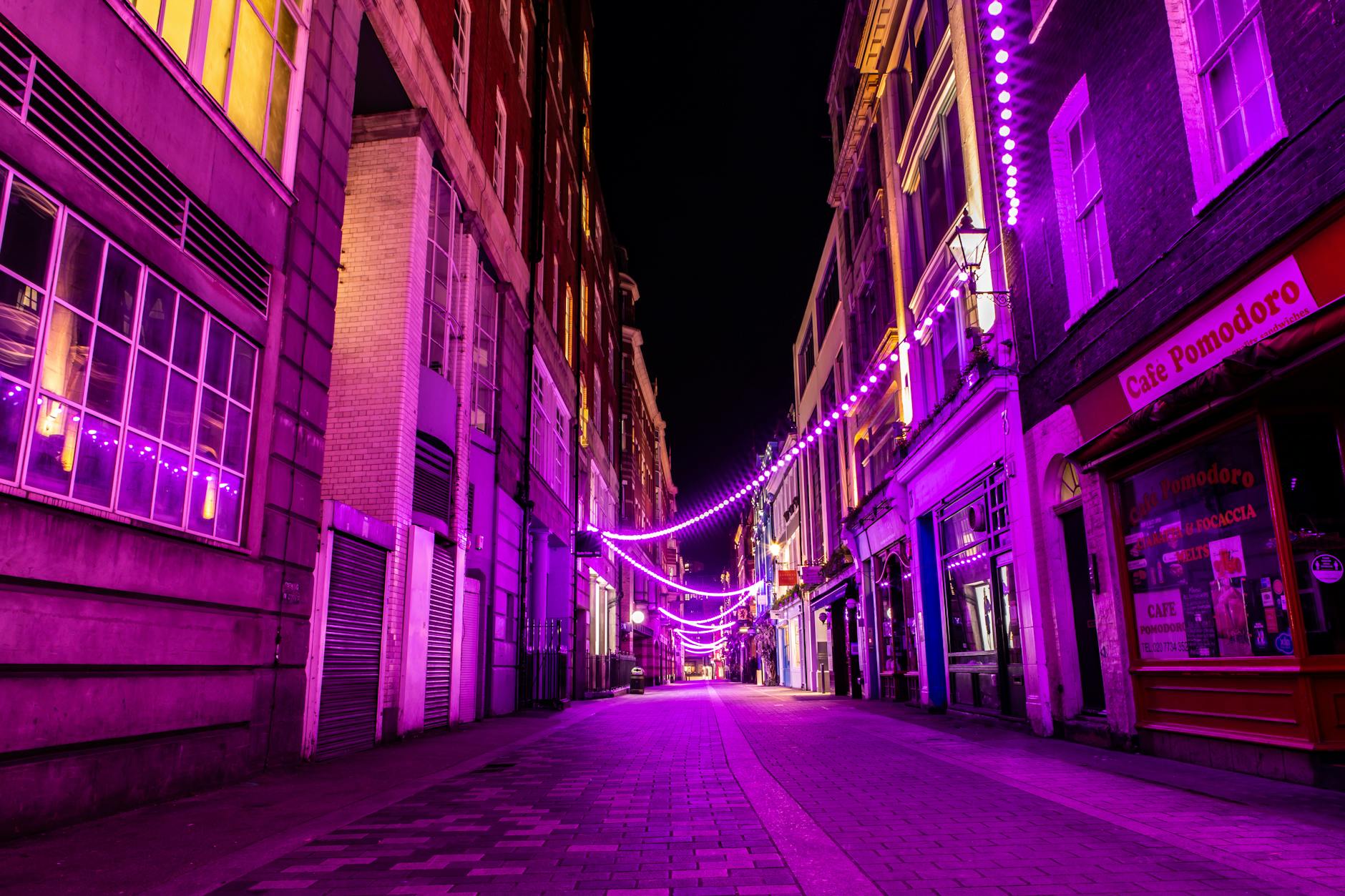
London evenings are one of the pleasures of the city: theater, concerts, restaurants, river walks, pubs, and quiet hotel bars. They also create the moment when older travelers may be tired, dressed for dinner rather than weather, carrying shopping or programs, and moving through crowded streets after dark. The solution is not to avoid evenings. It is to make the return route easy.
Before leaving the hotel, decide how the traveler will return. A black cab after theater may be worth more than the savings from a crowded Tube ride. A restaurant near the hotel may beat a famous choice that leaves the traveler searching for transport late. If a companion is involved, agree on the plan before the evening begins, not after the traveler is already tired.
- Plan the return from theater, dinner, or concerts before leaving the hotel.
- Use taxis when crowds, rain, or fatigue make transit unpleasant or risky.
- Choose at least some evening meals close to the hotel.
When to order a short-term travel report
An older traveler with strong mobility, a relaxed schedule, and previous London experience may not need a custom report. A traveler with limited stamina, a cane or walker, medication complexity, hearing or vision concerns, a tight family schedule, late arrival, expensive theater plans, or an ambitious first visit may benefit from a sharper plan. The report should test the actual hotel, room and access needs, airport route, daily clusters, medical continuity, current local signals, and realistic fallback transport together.
For London, the value is practical: where to stay, what to cut, when to use taxis, which station routes are too demanding, how to pace museum days, where weather changes the plan, and what needs to be known before arrival. The goal is not to make the trip smaller. The goal is to keep the trip comfortable enough that London remains enjoyable.
- Order when mobility, stamina, medication, or fatigue could change the trip.
- Include hotel options, arrival time, must-see priorities, and any access constraints.
- Ask for pacing and transport guidance, not just a list of sights.