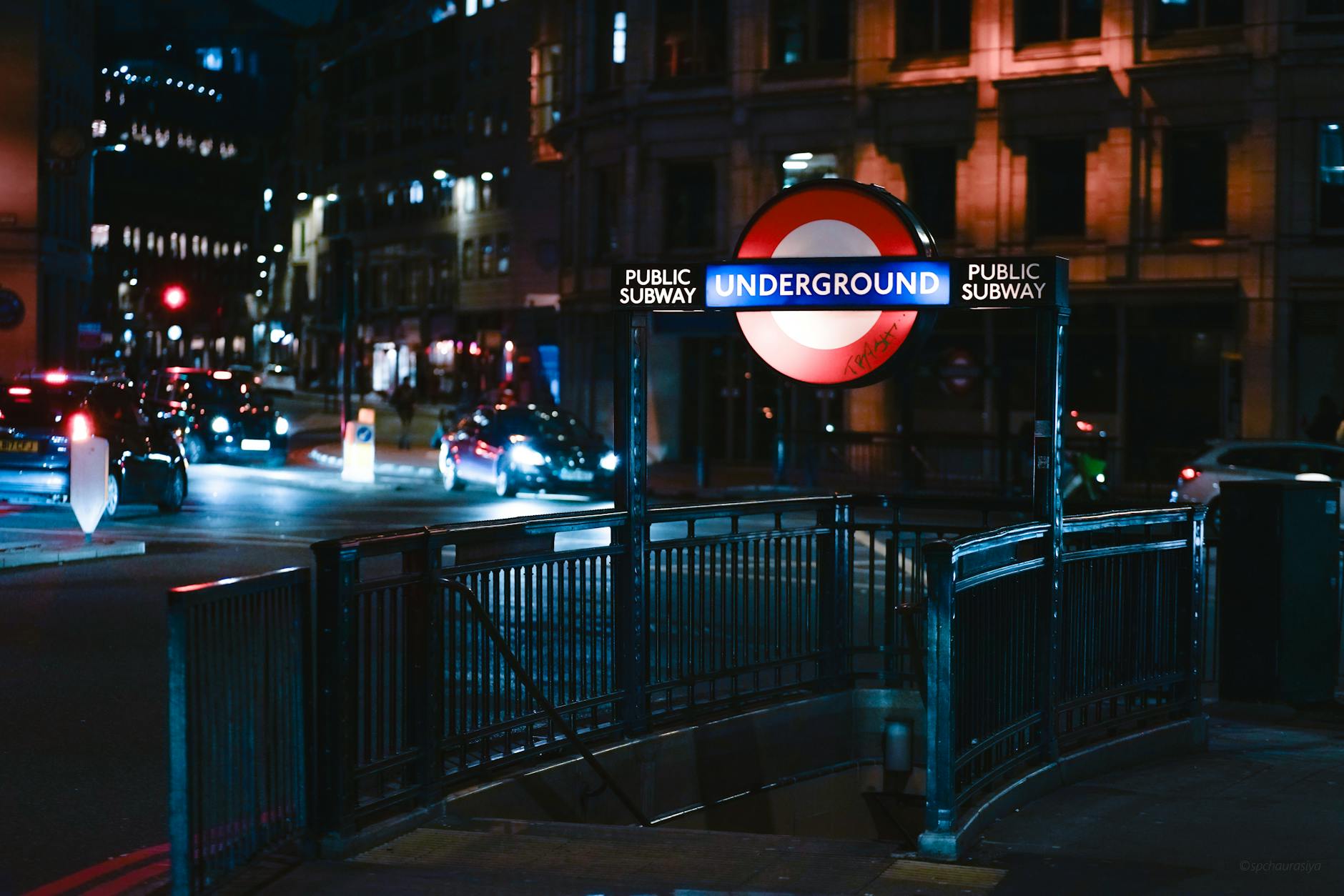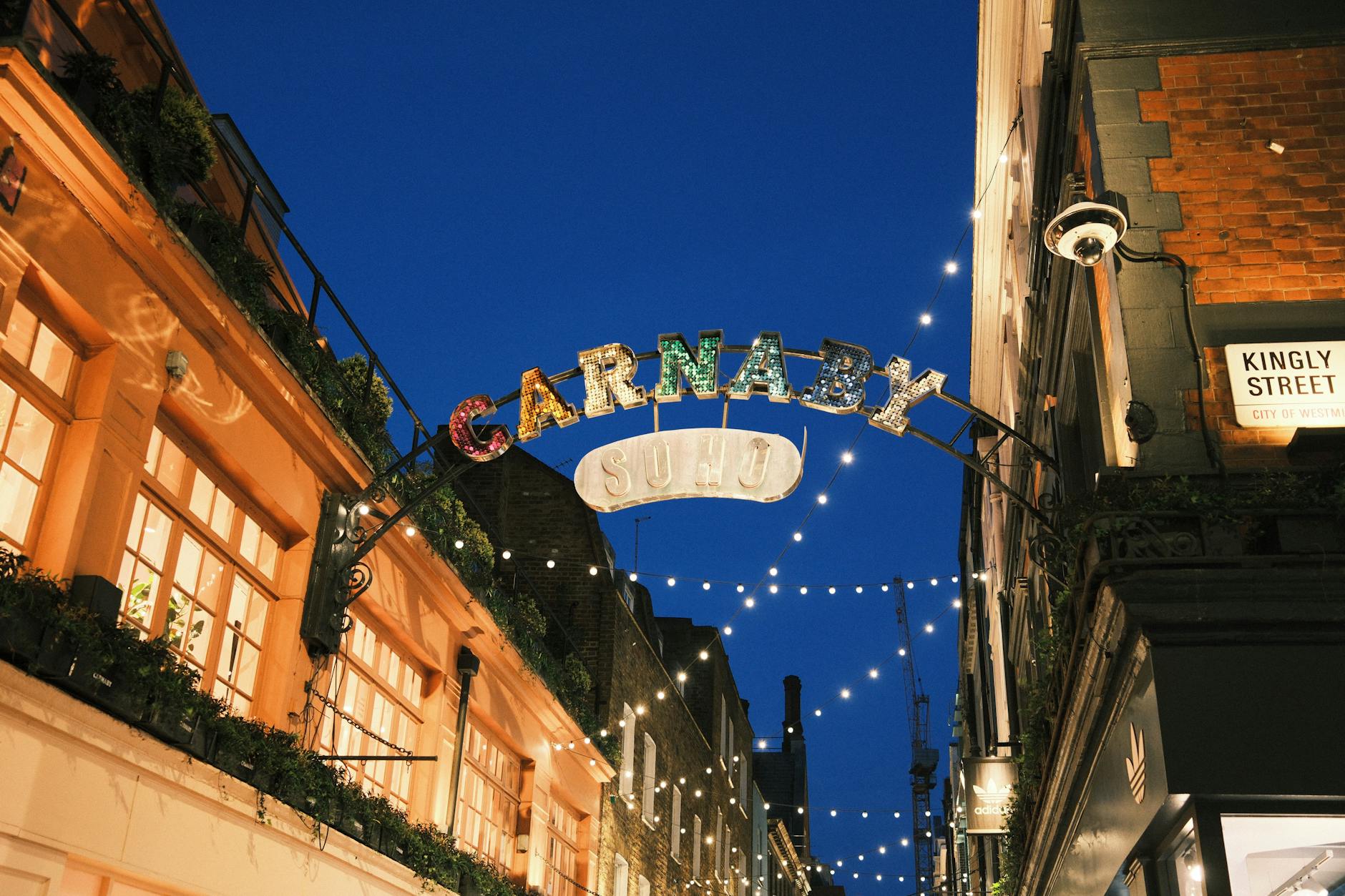
A nightlife-focused trip to London can mean West End theater, Soho bars, Chinatown late meals, Shoreditch clubs, Camden music, Brixton venues, Peckham rooftops, jazz rooms, hotel bars, comedy, cocktail lounges, queer nightlife, private member spaces, or a few classic pubs with no ambition beyond a good evening. London can support all of that, but the city rewards travelers who plan the night as a route rather than a mood. The weak points are usually not inside the first venue. They appear after midnight, when the traveler is tired, the group has split, phones are out, the last Tube assumptions are wrong, the hotel is farther away than it felt at dinner, or a lively district changes character after closing time. Good nightlife planning protects the fun by deciding where the night starts, where it can safely continue, and how it ends.
Choose the night before choosing the district
London nightlife is not one scene. A traveler who wants theater and cocktails may be happiest around the West End, Soho, Covent Garden, or Marylebone. Someone focused on clubs, live music, late bars, or street energy may look toward Shoreditch, Dalston, Camden, Brixton, Peckham, or Hackney Wick. A luxury traveler may want Mayfair, hotel bars, private dining, or a car-led evening. A queer traveler may build around Soho, Vauxhall, Dalston, or specific event nights. The right district depends on the kind of night, not the loudest online recommendation.
The traveler should also decide how much movement is acceptable after dinner. One strong district with several fallback options usually works better than chasing three neighborhoods in one night. London distances grow late, and a spontaneous cross-city move after drinks can turn a good plan into an expensive, tiring, and less controlled one.
- Match the district to the actual night: theater, pubs, clubs, live music, cocktails, queer nightlife, or late food.
- Use one primary nightlife zone with nearby backups instead of chasing distant venues after midnight.
- Choose hotel location with the return journey in mind, not only the daytime sightseeing plan.
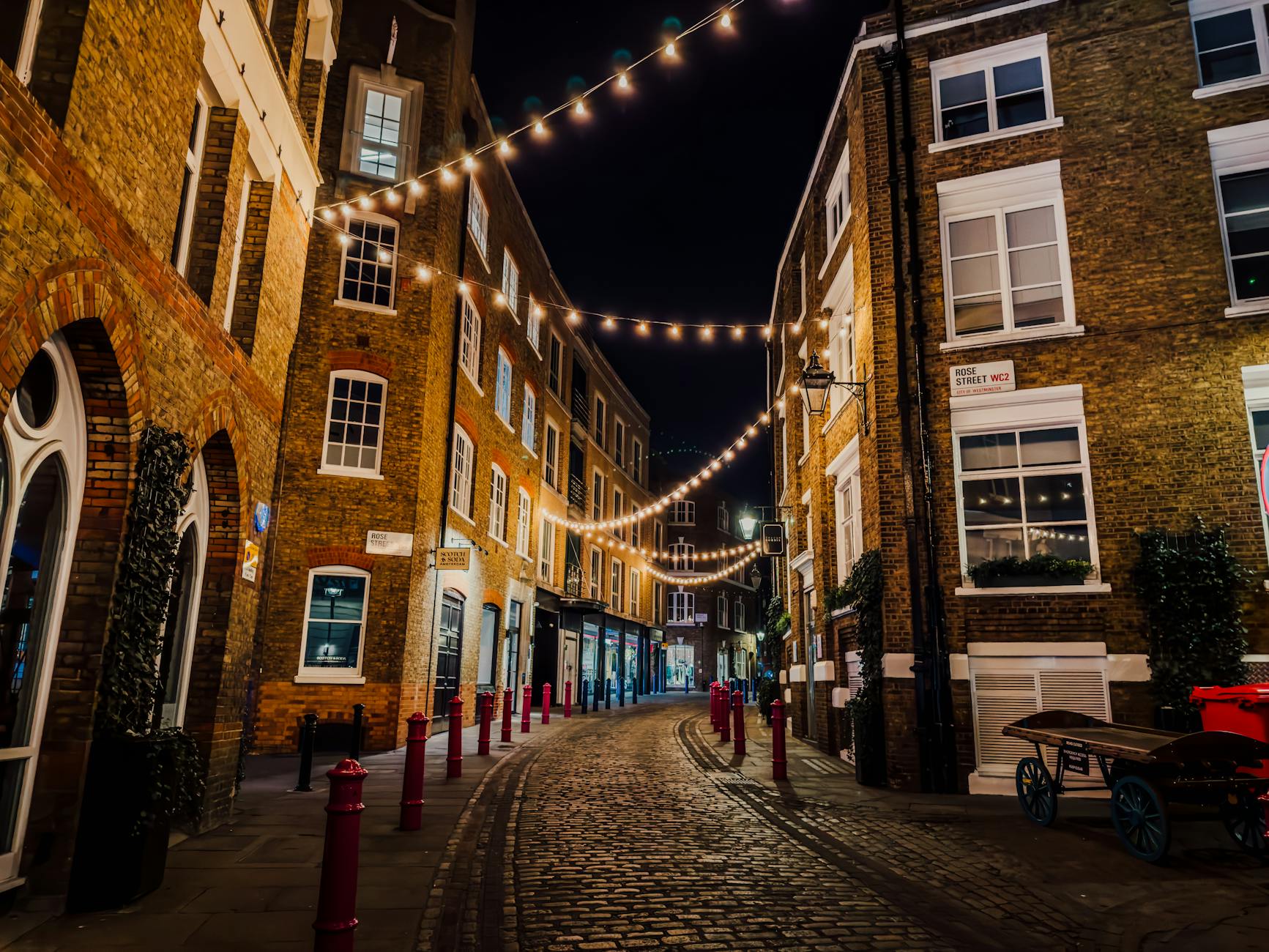
Understand venue rules before the queue
London venues can be informal, but the details still matter. Age checks, physical ID requirements, ticketed entry, last-entry times, cloakroom rules, bag checks, dress codes, private-event closures, guest lists, and card-only bars can all affect the night. A traveler who assumes every pub, club, theater, or music venue works the same way may lose time at the door or end up separated from the group.
The plan should identify which parts of the evening are fixed and which are flexible. A West End show, restaurant booking, ticketed club night, or concert has a clock attached. A pub crawl, casual Soho night, or late Chinatown meal can absorb more change. The traveler should know last entry and closing time before the night starts, especially when the venue is not close to the hotel.
- Check ID, ticket, guest-list, dress, bag, cloakroom, and last-entry requirements before leaving the hotel.
- Separate fixed-time events from flexible fallback venues.
- Do not rely on a venue being open or accessible just because it appears popular online.
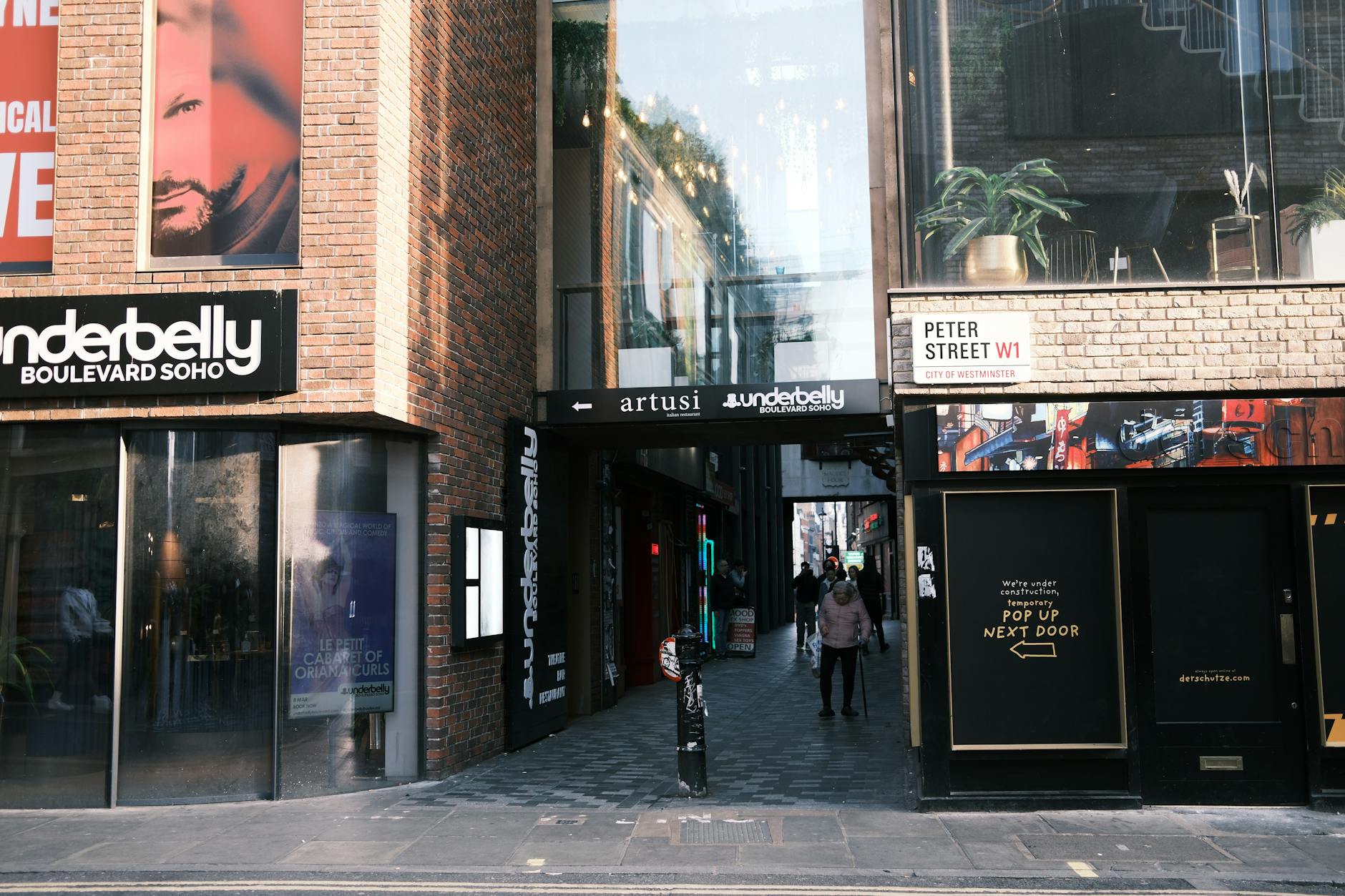
Plan the return before the first drink
Late transport is the core nightlife planning issue in London. The Tube, Night Tube, night buses, taxis, rideshare, walking, and hotel cars can all work, but not all lines run late every night, and not every district has the same late-night exit pattern. A traveler should know the realistic return method before alcohol, fatigue, weather, phone battery, or crowd pressure make the decision harder.
The return plan should be simple enough to follow at the end of the night. That may mean staying within walking distance of the hotel, choosing a venue near a Night Tube line that actually operates that night, pre-deciding a taxi threshold, or using a licensed black cab from a reliable rank. A late bus can be useful for confident travelers, but it is not the right default for everyone after a long night.
- Check the exact late-night return route for the date and day of week.
- Set a taxi or rideshare threshold before fatigue, alcohol, or weather changes judgment.
- Keep enough phone battery and payment backup to end the night without improvising.
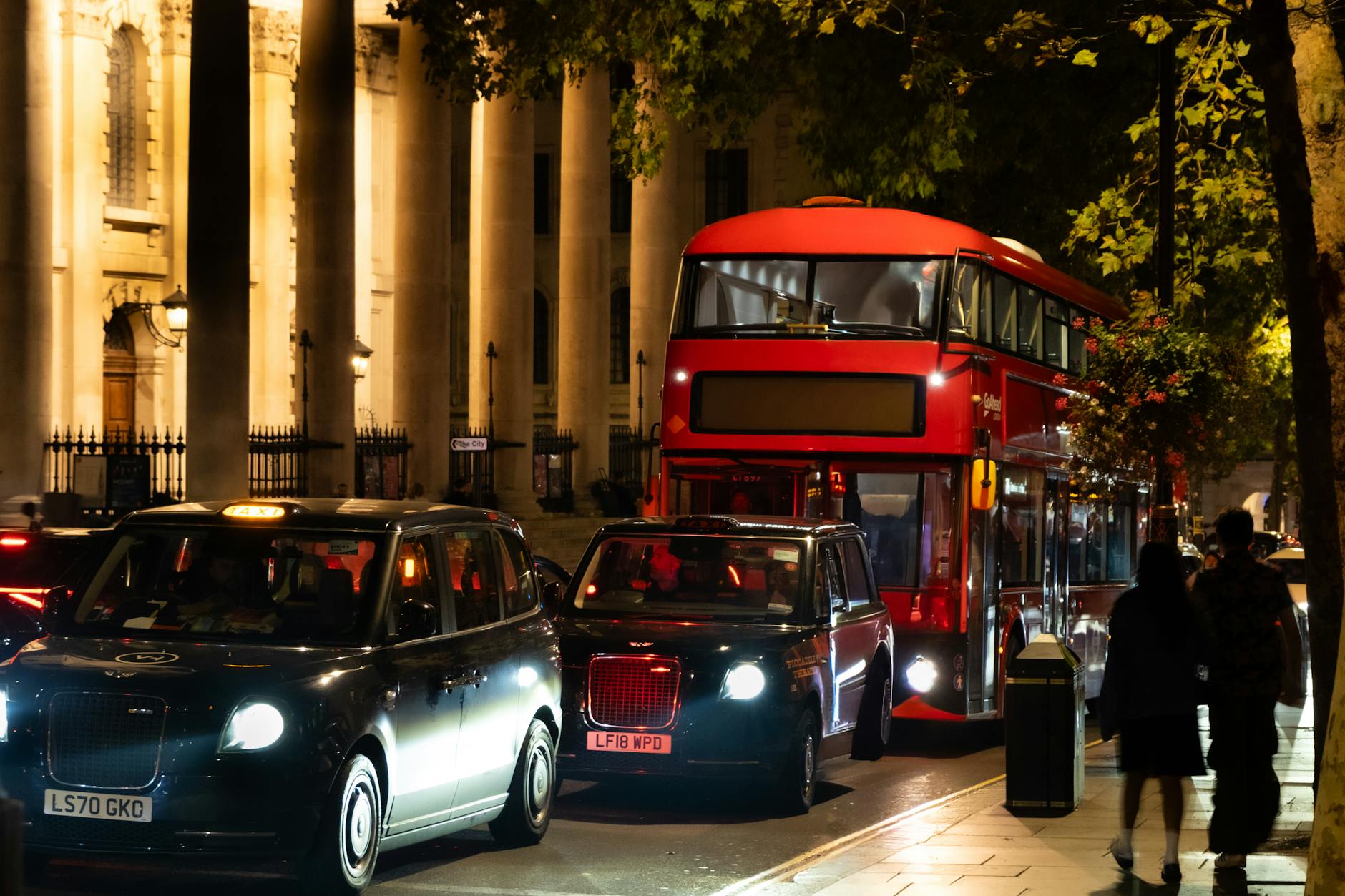
Treat alcohol, phones, and belongings as the main exposure
Most nightlife problems for short-term visitors are ordinary and preventable: losing a phone, leaving a bag under a table, overdrinking before a transfer, accepting drinks casually, separating from friends, or trying to solve transport while distracted on a crowded street. London has busy nightlife areas where opportunistic theft and phone snatching are more relevant than exotic danger. The traveler should assume that a phone held loosely at the curb is exposed.
Drink discipline is part of travel planning, not a moral lecture. Know what is being consumed, keep drinks under personal control, watch for signs of spiking or sudden impairment, and do not let one traveler become the group's unmanaged problem. A good night out includes a simple plan for payment, ID, phone, medication, hotel key, and a sober-enough decision point.
- Keep phones, bags, passports, cards, and hotel keys under deliberate control in bars, queues, cabs, and streets.
- Do not leave drinks unattended or accept ambiguous drinks from strangers.
- Use one payment card and keep backup cash, card, or phone access separate from the main wallet.
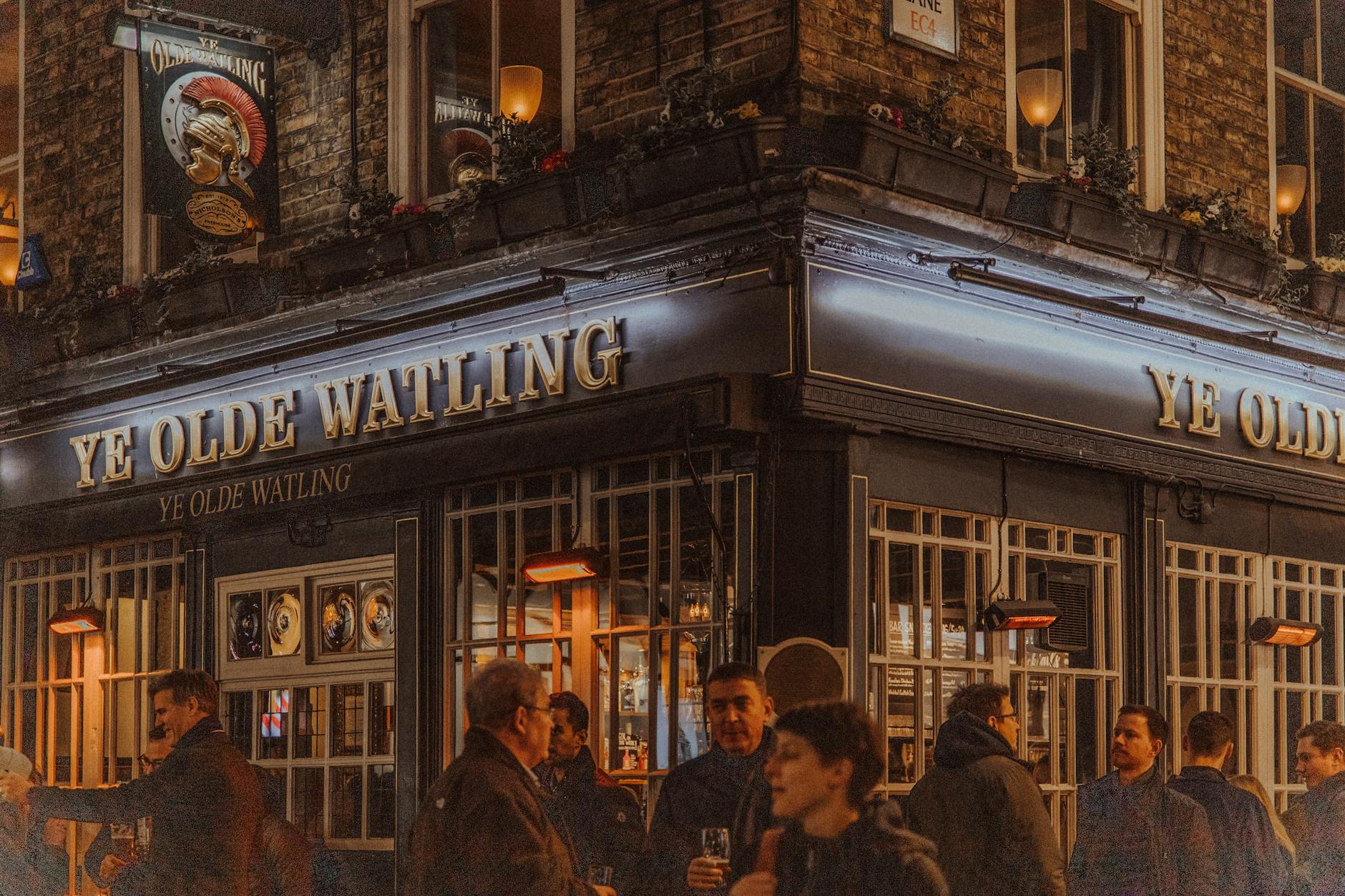
Keep the group together without killing the night
Nightlife trips often involve different energy levels. One person wants another club, another wants food, another is ready for the hotel, and another has met new people. That is normal, but it should not be unmanaged. A traveler should agree on check-in points, hotel return rules, and what happens if phones die or someone leaves early. This is especially important for solo travelers joining new acquaintances, students, young travelers, women travelers, LGBTQ travelers, and anyone whose identity or public profile may change how visible they feel late at night.
The goal is not to make the group rigid. The goal is to prevent one person from becoming isolated with no clear return plan. If the night splits, the split should be intentional: who is leaving, how they are going, what route they are taking, and when someone expects confirmation.
- Agree on check-ins, split rules, and hotel-return expectations before the group starts moving between venues.
- Avoid letting the most impaired or least confident traveler travel alone late at night.
- Use clear meeting points outside crowded venues, not vague promises to reconnect nearby.
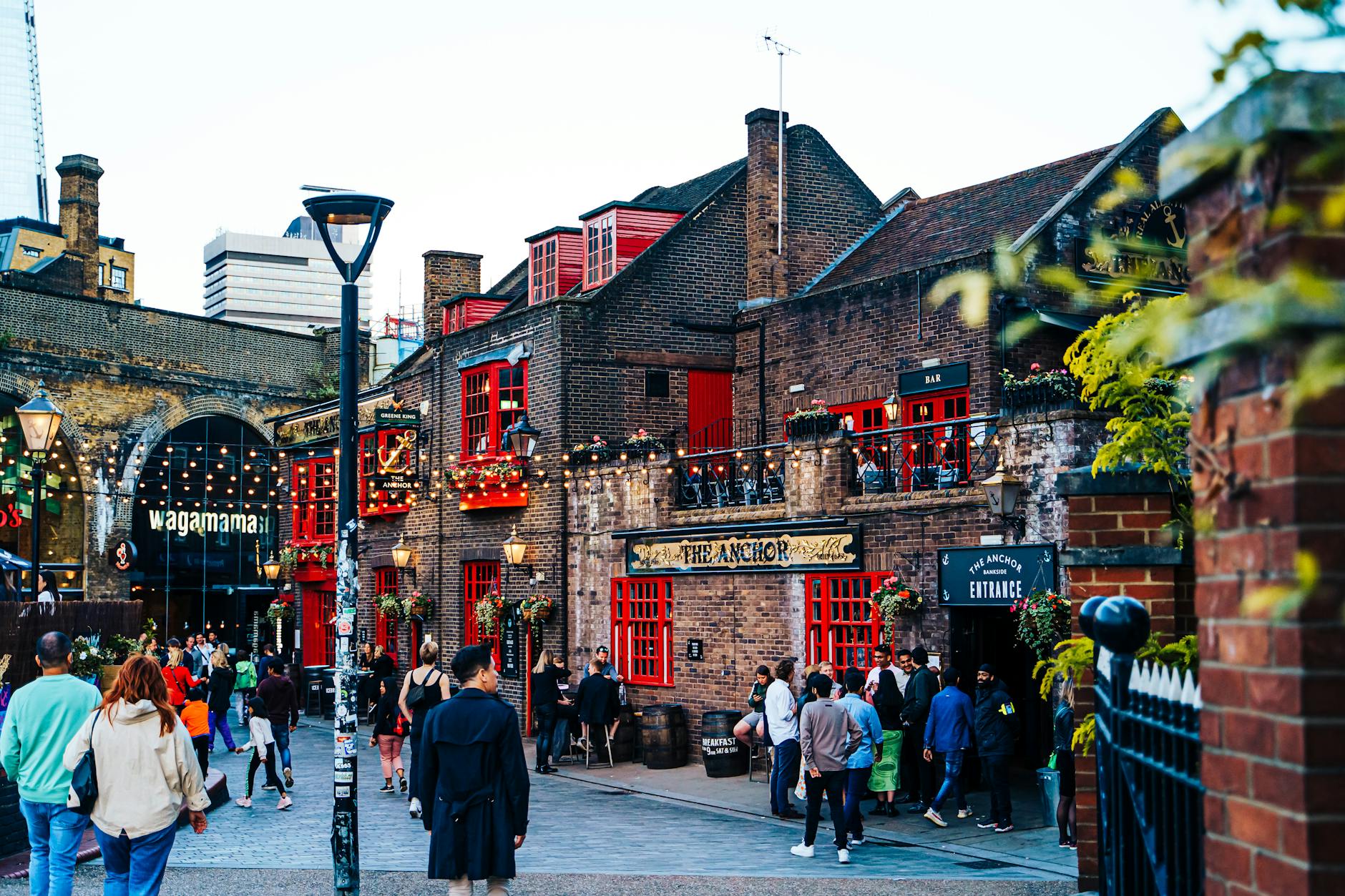
Let food, recovery, and the next morning shape the night
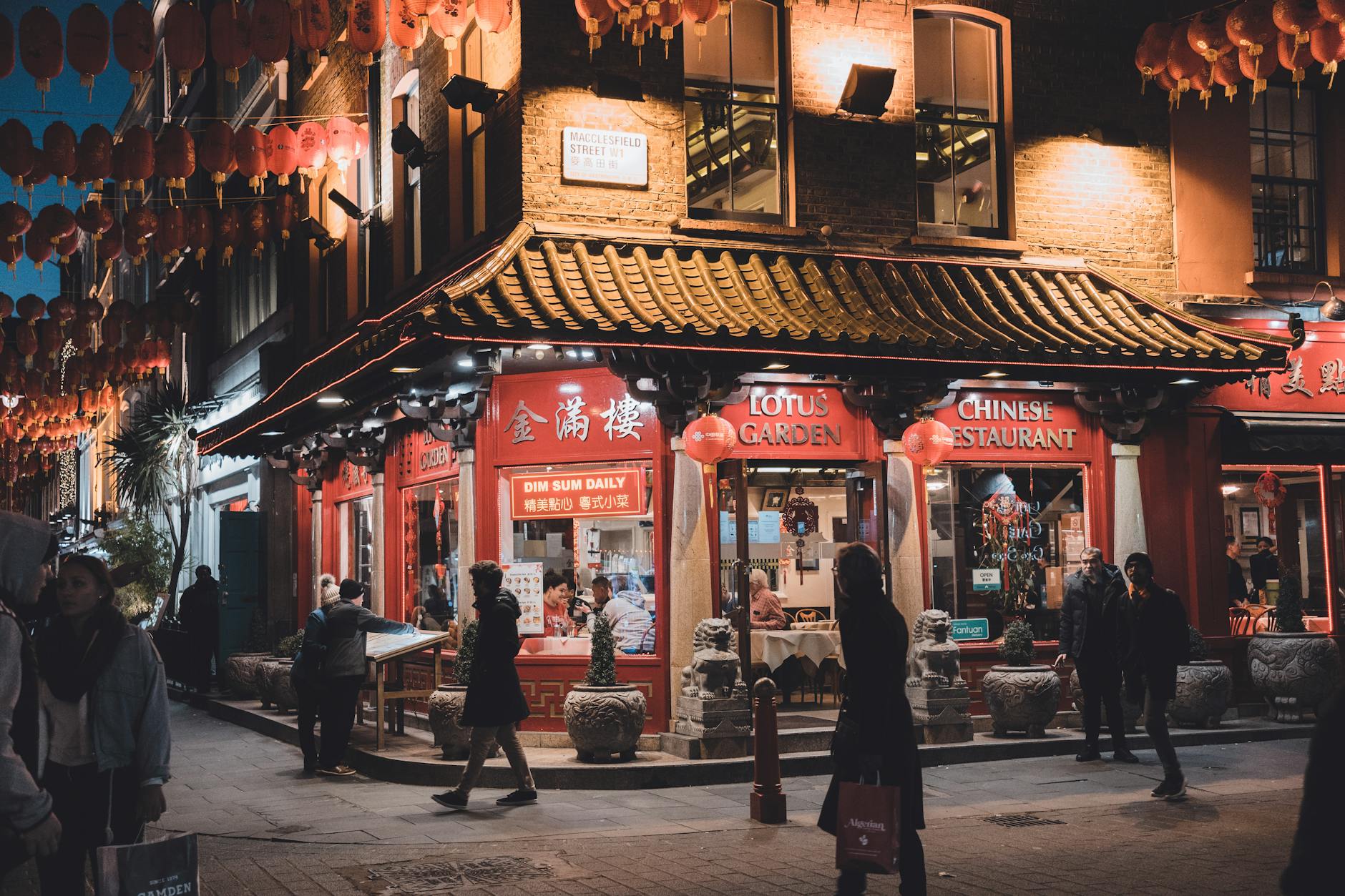
Nightlife-focused travel can fail because the traveler only plans the exciting part. London late food can be excellent in the right areas, but it is not evenly available, and a hungry group after closing time is not making its best decisions. Chinatown, Soho, parts of Shoreditch, Edgware Road, Dalston, and hotel-adjacent options may work, but the traveler should know the actual hours and distance rather than assuming the city will supply something good at any hour.
Recovery also matters. If the next morning includes a flight, business meeting, tour, train, or family obligation, the night needs a firm endpoint. A hotel near the nightlife district can be useful, but only if noise, street crowding, and late returns will not ruin sleep. The best plan lets the traveler enjoy the night without sacrificing the next day by accident.
- Know where late food is realistic near the final venue, not only near the first dinner.
- Set a hard endpoint when the next morning has a flight, meeting, tour, train, or family plan.
- Balance hotel proximity to nightlife against noise, sleep, and after-dark street conditions.
When to order a short-term travel report
A traveler planning one nearby pub or a single theater night probably does not need a custom report. A nightlife-focused traveler should consider one when the trip involves multiple districts, clubs, late returns, solo travel, a high-value hotel, public visibility, VIP or guest-list access, student groups, LGBTQ nightlife, unfamiliar transport, private vehicles, or a schedule that has to recover quickly the next morning.
The report should test the evening against the actual city: hotel base, district selection, venue timing, entry rules, late transport, phone-theft exposure, group movement, current local signals, and fallback options. The value is not telling the traveler that London is fun at night. The value is making the night enjoyable without losing control of the route, the group, or the next day.
- Order when late movement, multiple venues, solo travel, VIP access, group dynamics, or next-day commitments create risk.
- Provide venue names, hotel candidates, group composition, mobility needs, and the desired type of night.
- Use the report to plan a good ending, not only a good start.