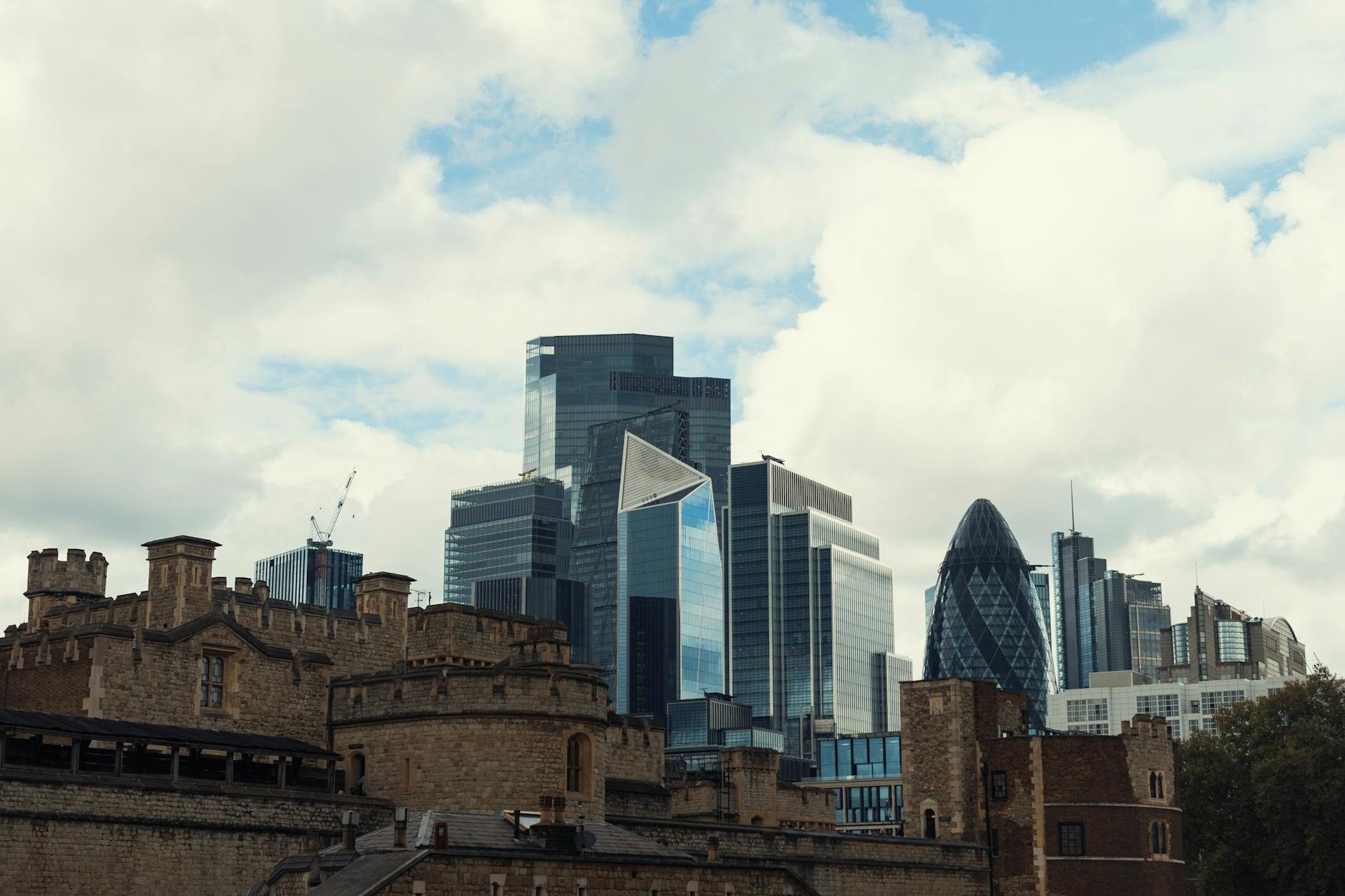
An investor or deal-team trip to London is rarely a simple business visit. The traveler may be moving between a target company, law firm, investment bank, fund office, accounting adviser, management presentation, site visit, lender meeting, and confidential dinner in a compressed window. London is excellent for this kind of work because the City, Canary Wharf, Mayfair, St. James's, Holborn, Shoreditch, King's Cross, and airport links can support a serious transaction schedule. It is also easy to weaken the trip by underestimating distance, reception procedures, confidentiality, late document work, and the difference between a pleasant hotel and a functional deal base. The best plan treats the trip as a sequence of decision points, not just meetings on a calendar.
Start with the transaction geography
London deal travel should begin with the transaction map. A fund meeting in Mayfair, a bank meeting in the City, a law-firm session near Holborn, a management presentation in Canary Wharf, and a target-site visit outside the center can all belong to the same deal but create very different movement problems. The traveler should not assume that a prestigious central hotel automatically supports the deal schedule.
The first step is to rank every location by importance, timing, confidentiality, and tolerance for lateness. A lender meeting with a flexible slot is not the same as a management presentation where the team needs to arrive composed and aligned. If most work is in the City, the City or a nearby east-central base may be the correct answer. If private equity, family office, or adviser meetings cluster in Mayfair and St. James's, the West End may be stronger. If the anchor is Canary Wharf, the hotel and airport route should reflect that.
- Map target company, fund, bank, law firm, adviser, lender, dinner, and site-visit locations before booking.
- Treat the City, Canary Wharf, Mayfair, Holborn, King's Cross, and outer-site visits as distinct operating zones.
- Give management presentations and diligence meetings stronger buffers than lower-stakes courtesy calls.
Plan arrival around the first decision point
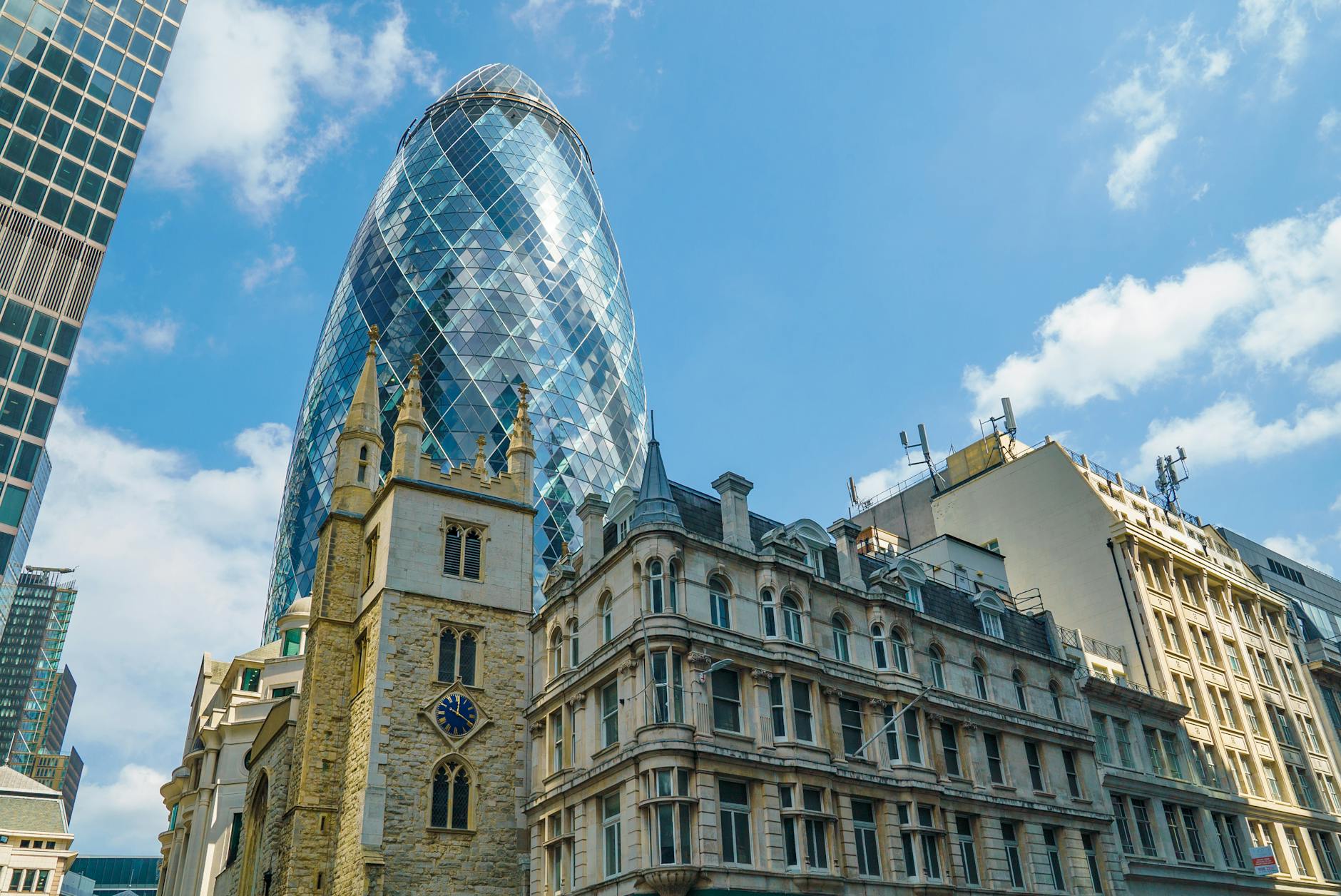
Investor and deal-team arrivals should be planned backward from the first meaningful decision point, not merely from hotel check-in. If the first day includes a management dinner, lender call, adviser preparation, or same-day presentation, the arrival plan must protect sleep, shower time, secure document access, and a clean transfer. Heathrow, London City Airport, Gatwick, Stansted, and Luton can all work, but they do not create the same margin.
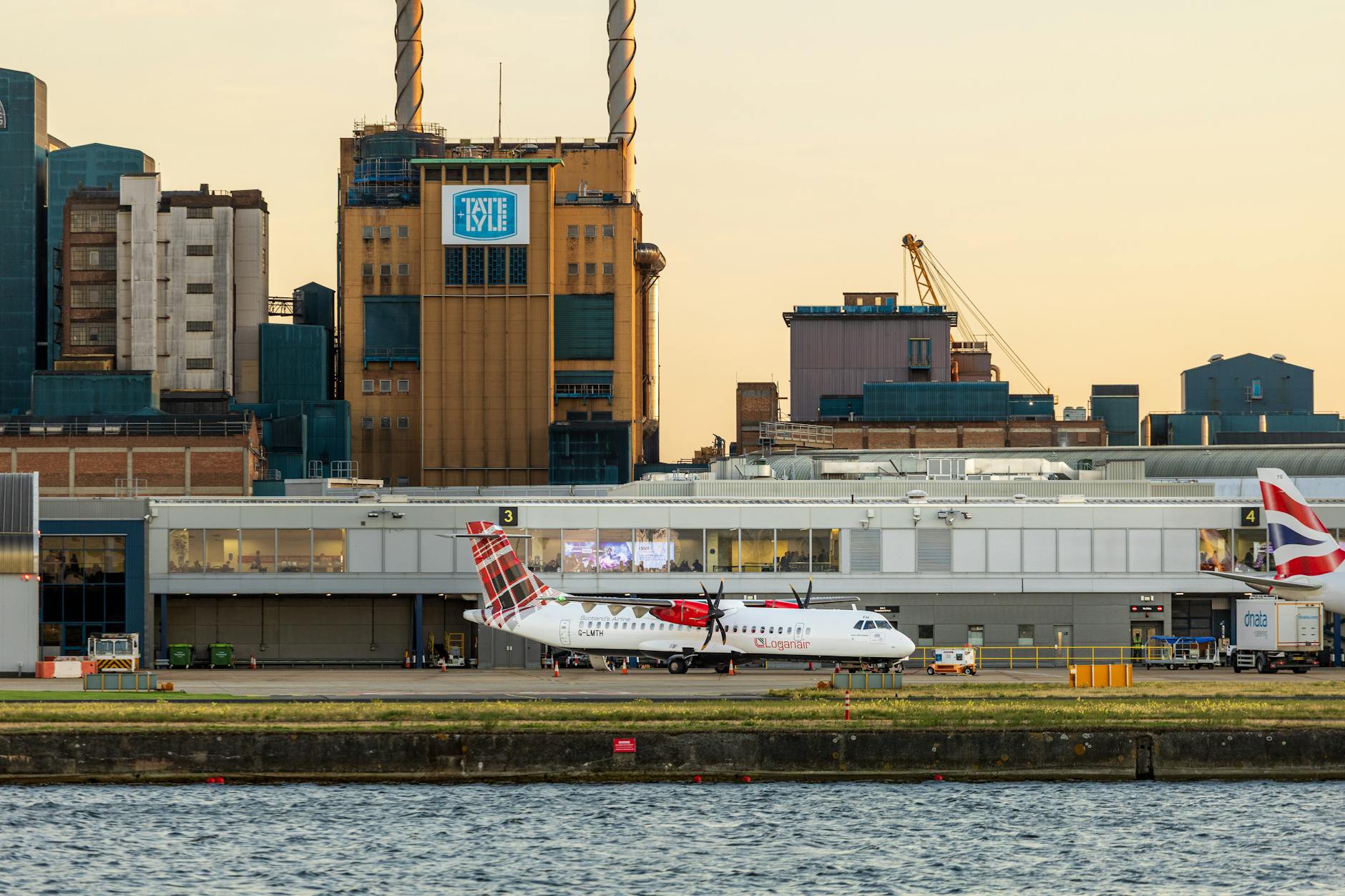
London City Airport can be useful for Canary Wharf and the eastern business corridor when the flight network fits. Heathrow can work well through the Elizabeth line or a pre-booked car depending on luggage, seniority, fatigue, and document sensitivity. A rail connection may be efficient for one traveler and poor for a team carrying materials. The arrival choice should reduce uncertainty before the first conversation that matters.
- Choose the airport transfer by first obligation, luggage, fatigue, seniority, and confidentiality.
- Use London City Airport strategically for Canary Wharf and east-London deal schedules when flights fit.
- Build a buffer before management presentations, diligence sessions, and formal adviser meetings.
Make diligence-room logistics explicit
Diligence work depends on rooms, screens, visitor access, Wi-Fi, printing, quiet, call privacy, and the ability to step out for internal alignment. These details sound mundane until a team arrives at a client office and discovers that guest Wi-Fi is weak, confidential calls must happen in a hallway, or the room cannot support the data room review or financial model discussion. The same issue can appear in law-firm, bank, accounting, or target-company offices.
The traveler should know who controls each room, when it is available, how visitor badges work, whether laptops can connect to screens, whether printing is permitted, and where the team can debrief privately. A diligence day may also need protected time after the formal meeting to sort open questions. If every hour is booked with movement or dinners, the team may leave London with notes but without judgment.
- Confirm room access, visitor badges, screen connection, Wi-Fi, printing, and private debrief space.
- Protect time after diligence sessions to sort open issues while memory is fresh.
- Do not rely on hallways, lobbies, or cafes for confidential internal alignment.

Treat confidentiality as a travel discipline
Deal travel carries confidentiality risks that ordinary business travel can ignore. A visible deck on the Tube, a call about valuation in a hotel lobby, printed diligence materials left in a restaurant, a model open on a train, or an identifiable target name discussed near another professional can create exposure. London is full of finance, law, consulting, media, and competitor traffic; public spaces should be treated as public even when they feel businesslike.
The plan should match the sensitivity of the transaction. Some trips require ordinary discretion. Others require privacy screens, minimal printed material, secure connectivity, careful call locations, encrypted files, and a decision not to work in public between meetings. The hotel, vehicle plan, meeting-room access, and evening schedule should all support the confidentiality standard rather than relying on the traveler to improvise while tired.
- Decide in advance where valuation, diligence, legal, and target discussions can safely happen.
- Use privacy screens, secure connectivity, and minimal paper when deal sensitivity warrants it.
- Avoid confidential calls and document review in lobbies, crowded trains, cafes, and reception areas.

Choose a hotel that can support the deal team
A deal-team hotel is part recovery base, part workroom, part transport node, and part privacy control. It should support early departures, late document review, quiet calls across time zones, secure laptop work, laundry, food after meetings, vehicle pickup, and enough room comfort to keep people sharp. A famous hotel can still be wrong if it forces repeated cross-town travel or provides poor work conditions in the room.
The hotel should also reflect the team structure. A senior principal may need simplicity, privacy, and controlled arrivals. Associates may need desk space and late-night food. Advisers may need a convenient meeting point before walking into a target session. If the team is split across hotels for budget or availability, the plan should account for where the actual coordination happens.
- Check desk, quiet, Wi-Fi, vehicle access, food, laundry, and call privacy before booking.
- Choose the base around the most important deal cluster, not the most recognizable address.
- Plan how principals, associates, and advisers will coordinate if they are not staying together.
Keep deal dinners commercially controlled
Investor dinners, management dinners, adviser meals, and informal drinks can be useful, but they should be planned as part of the transaction rather than treated as generic London hospitality. The right venue depends on the relationship, privacy needs, noise level, travel route, buyer or seller profile, and what must happen afterward. A beautiful restaurant that is too loud for conversation or too far from the hotel can reduce the value of the evening.
Deal dinners also create document, device, and judgment risks. The traveler should know how materials are secured, how the team returns, whether follow-up work is still required, and whether alcohol or late timing will undermine the next morning's diligence. London offers enough good options that the venue should fit the deal moment, not the other way around.
- Choose dinners by privacy, conversation quality, route, relationship stage, and next-day obligations.
- Plan device and document handling before moving from office to restaurant.
- Avoid late or distant dinners when the next morning carries high diligence or negotiation value.
When to order a short-term travel report
A single low-stakes investor meeting in familiar territory may not require a custom report. A transaction trip involving multiple advisers, management presentations, confidential materials, senior principals, site visits, lender meetings, tight timing, or evening negotiations should be planned more carefully. The report should test financial-district geography, airport arrival, hotel suitability, route fallbacks, confidentiality concerns, diligence-room logistics, meal placement, current disruptions, and the most exposed points in the deal schedule.
The value is not a generic London business overview. It is a transaction-aware operating plan that helps the team arrive prepared, protect confidentiality, preserve judgment, and avoid preventable friction around moments that affect decisions. For deal travel, the measure is not whether the traveler reached every address. It is whether London supported clear, timely, well-protected decision-making.
- Order when deal value, confidentiality, seniority, multiple sites, or tight timing makes travel friction expensive.
- Include adviser offices, target site, hotel candidates, airport, meeting sequence, materials, and evening plans.
- Use the report to protect judgment, discretion, and transaction momentum across the whole trip.