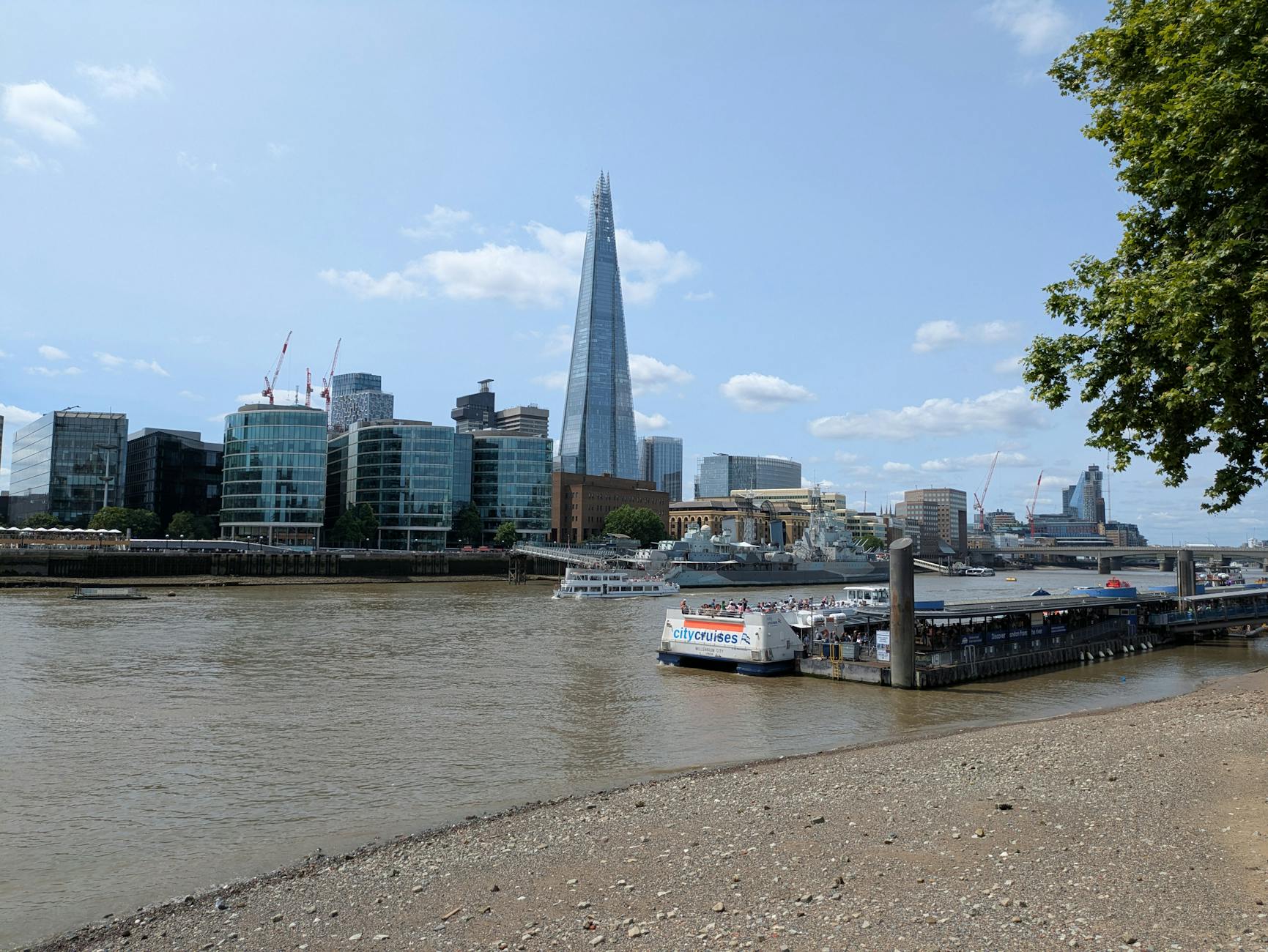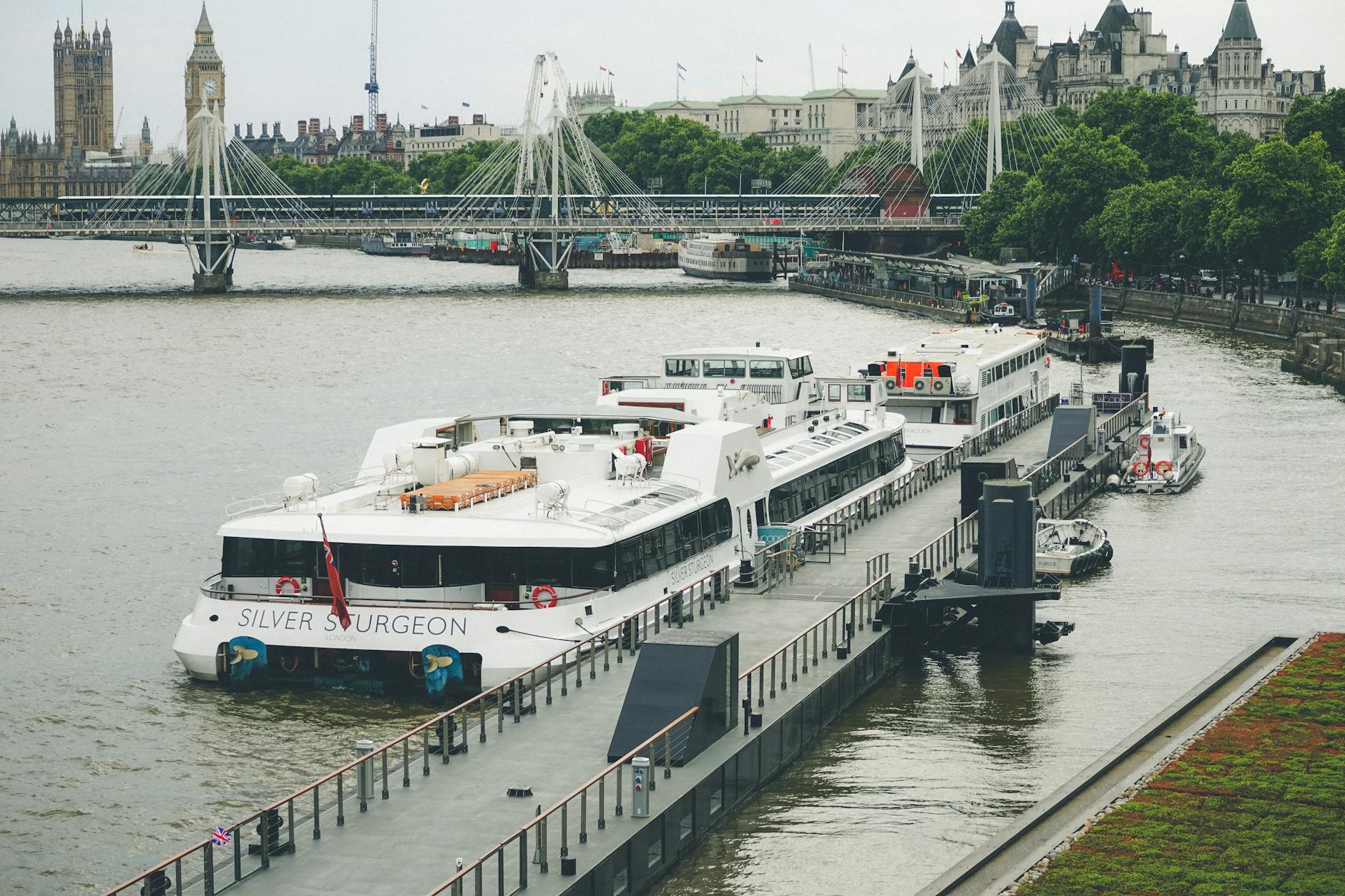
A cruise or port-call traveler coming to London has a different problem from a hotel-based visitor. London may be the cruise start, the cruise finish, a day trip from a distant port, a Thames-side call near Greenwich or Tower Bridge, a Tilbury transfer, or a marketed 'London' segment that actually begins or ends through Southampton, Dover, Harwich, or another south-east England port. That distinction changes everything. A hotel traveler can recover from a slow morning. A port-call traveler has a ship time, luggage constraints, possible immigration or security steps, a coach or rail transfer, and an all-aboard deadline that is not negotiable. The right plan starts with the port reality, then decides how much London can honestly fit into the available window.
First identify the real port problem
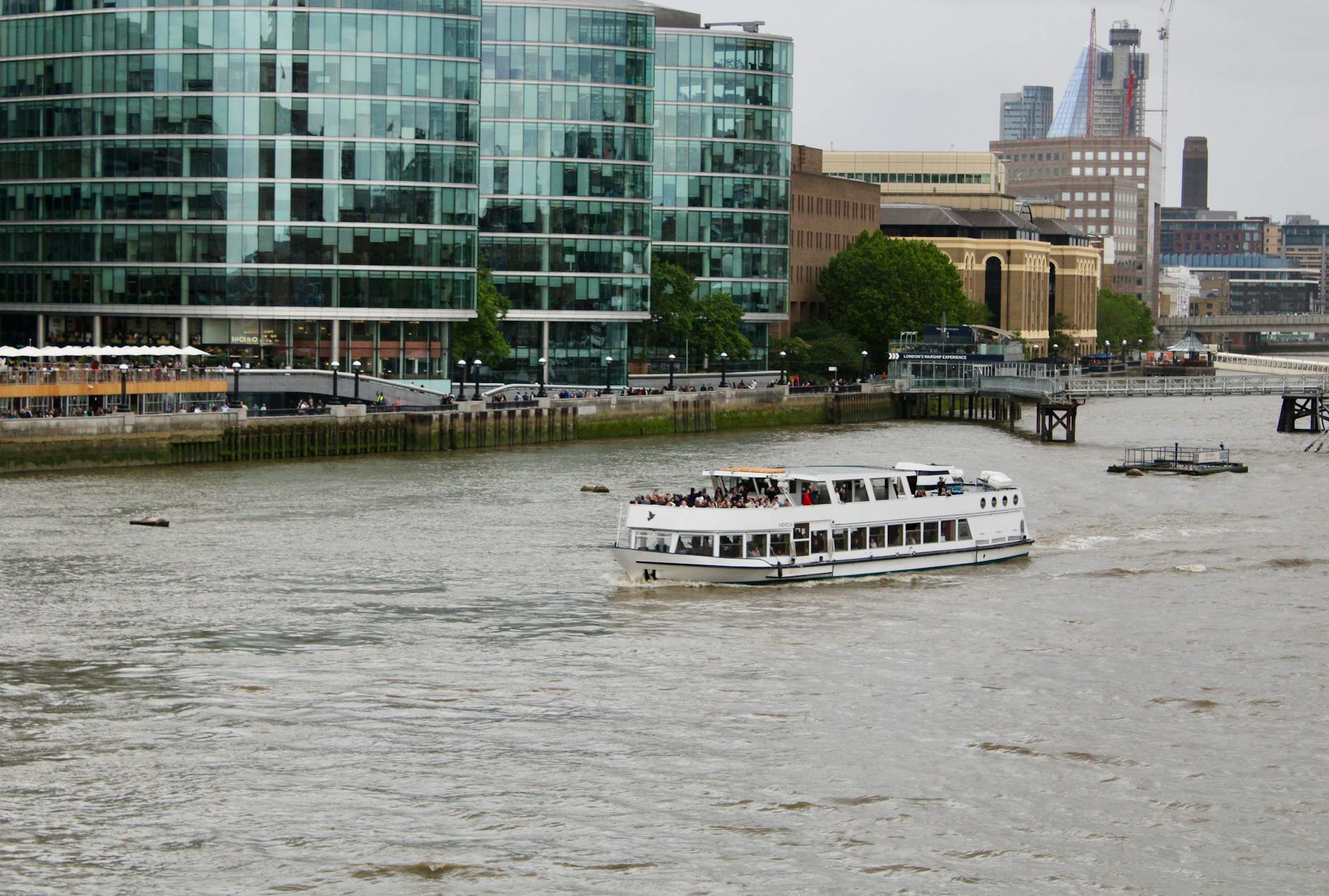
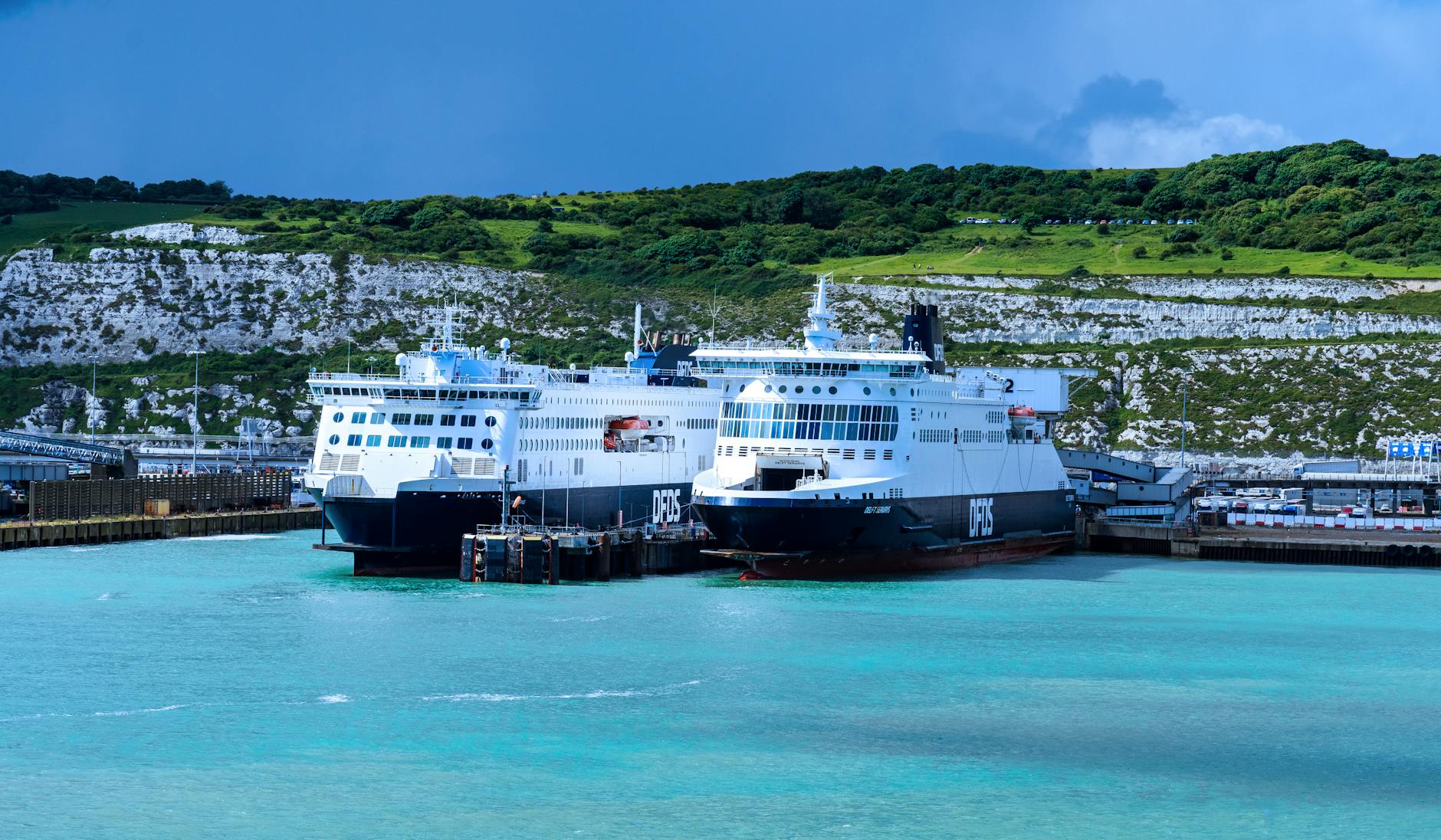
The word London can hide several different cruise realities. A traveler might be on a Thames itinerary with a close-in river experience, a Greenwich-linked call, a Tilbury embarkation, or a cruise package that uses London language while relying on a much longer transfer from Southampton, Dover, Harwich, or another port. Those are not minor details. They determine whether the day is a relaxed city visit, a tightly managed transfer, or a shore excursion with almost no room for improvisation.
Before choosing sights, restaurants, or transport, the traveler should confirm the exact pier, terminal, berth, meeting point, gangway time, ship time, and all-aboard time. If a cruise line, shore-excursion provider, or private driver gives different wording from the port or itinerary, resolve it before travel. A port-call plan should never be built from the phrase "London" alone.
- Confirm the exact port, terminal, pier, berth, ship time, and all-aboard deadline.
- Separate Thames or Greenwich calls from Tilbury, Southampton, Dover, Harwich, or other gateway-port transfers.
- Do not plan London sightseeing until the transfer reality is clear.
Treat the all-aboard time as the center of the itinerary
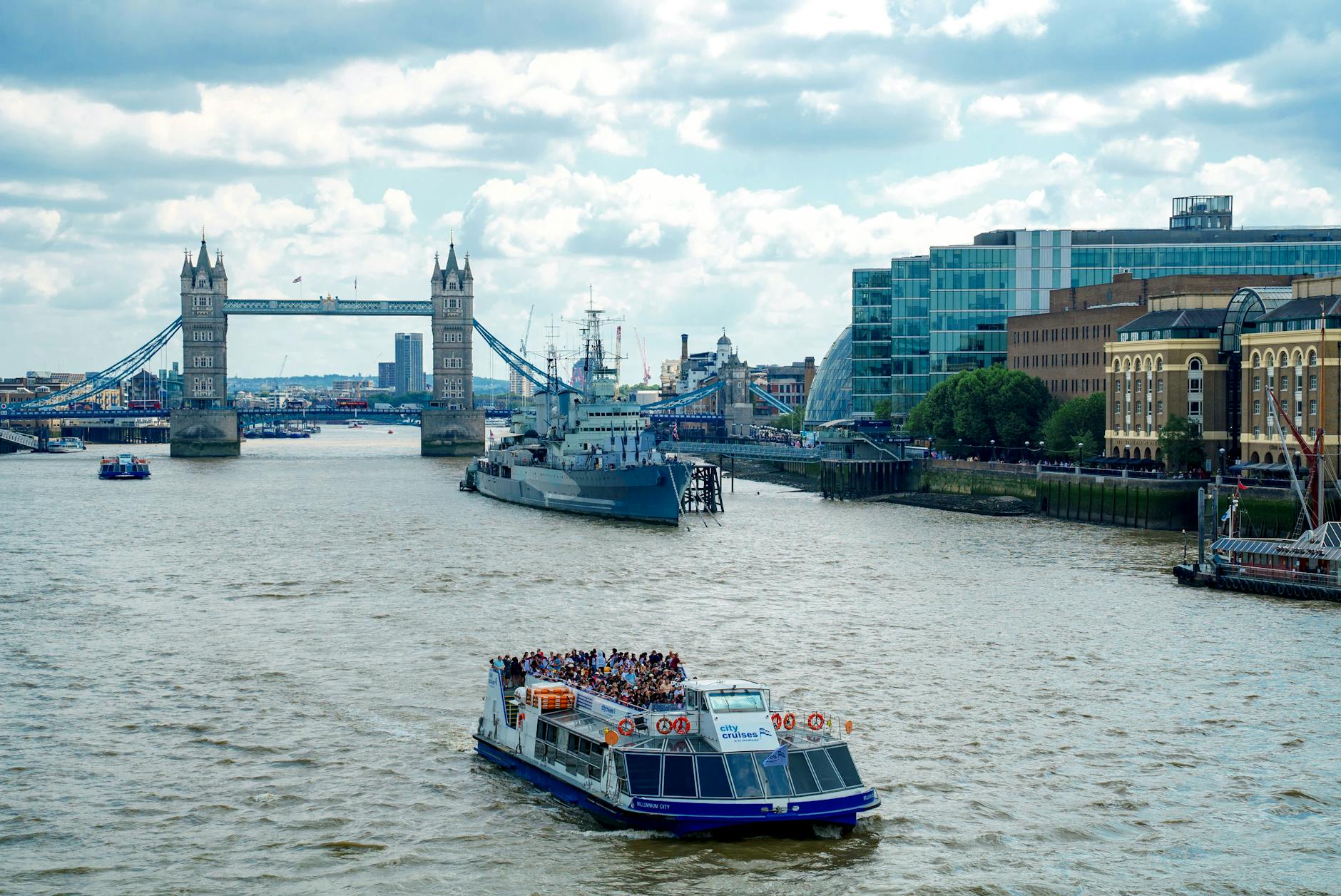
Port-call travel is unforgiving because the most important appointment is at the end of the day. A traveler can miss a museum slot, lunch reservation, or photo stop and still recover. Missing the ship is a different category of failure. The itinerary should therefore be built backward from all-aboard time, with a margin for traffic, rail disruption, security screening, walking from vehicle drop-off to gangway, mobility needs, and confusion at the terminal.
This is where independent travel and cruise-line excursions differ. A cruise-line excursion may be less original, but it often reduces return-risk exposure. Independent touring can be better, especially for experienced travelers, but only when the route has clear buffers and fallback options. The traveler should know the exact moment when sightseeing stops and the return begins.
- Build the day backward from all-aboard time, not forward from the first attraction.
- Protect a return buffer for traffic, rail disruption, walking distance, and terminal security.
- Use independent touring only when the return route has realistic backups.
Keep the London day deliberately narrow
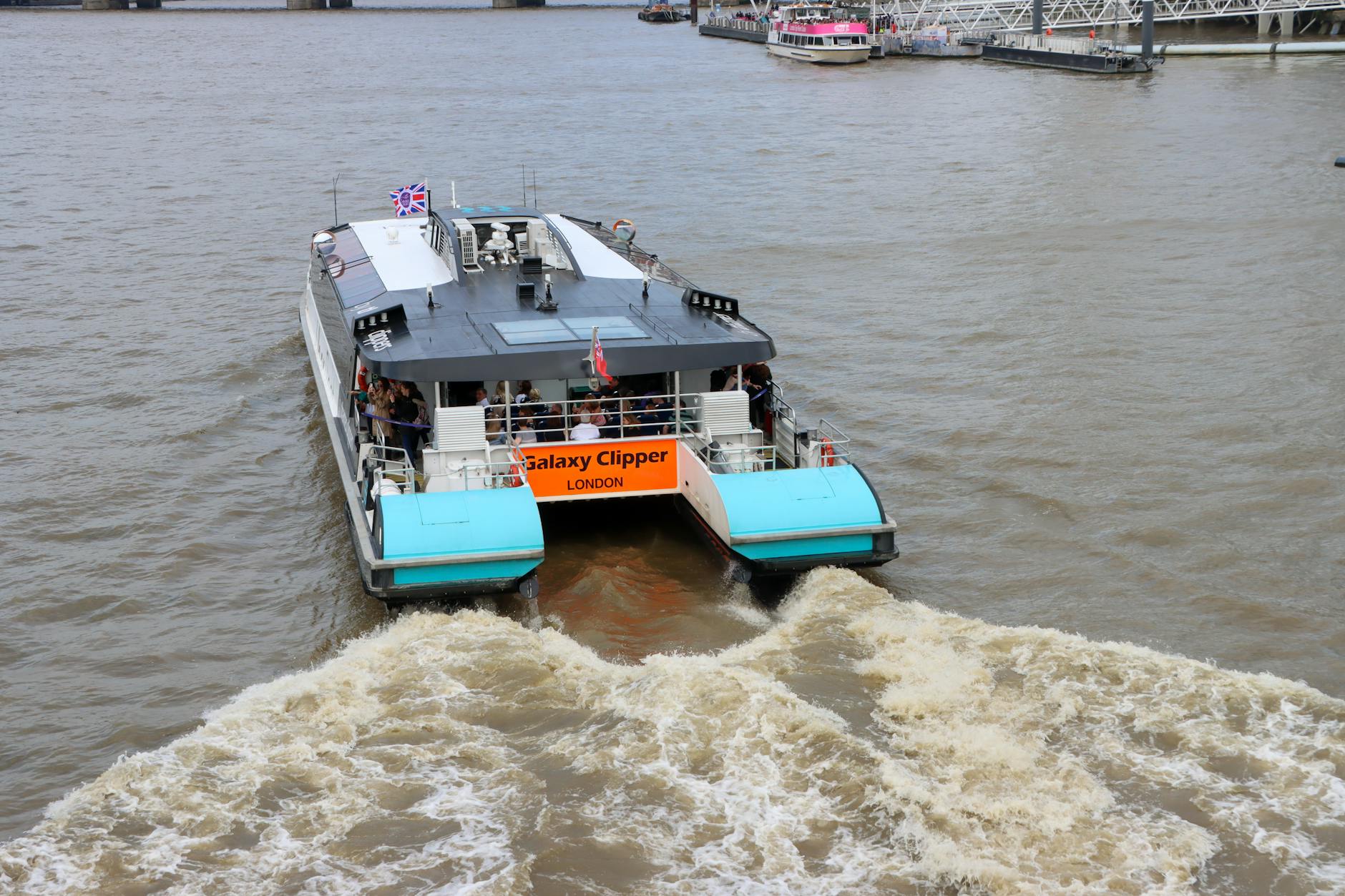
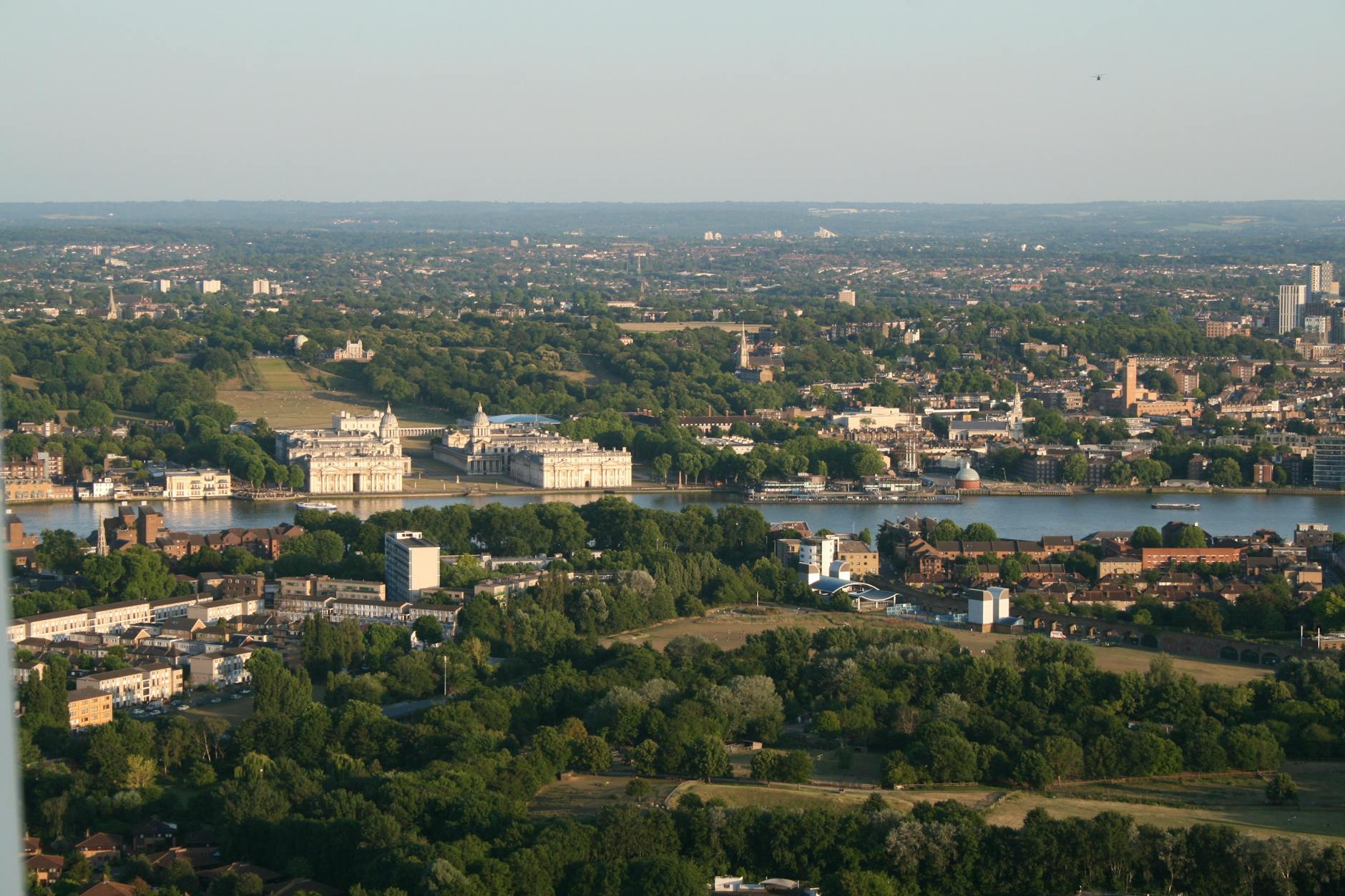
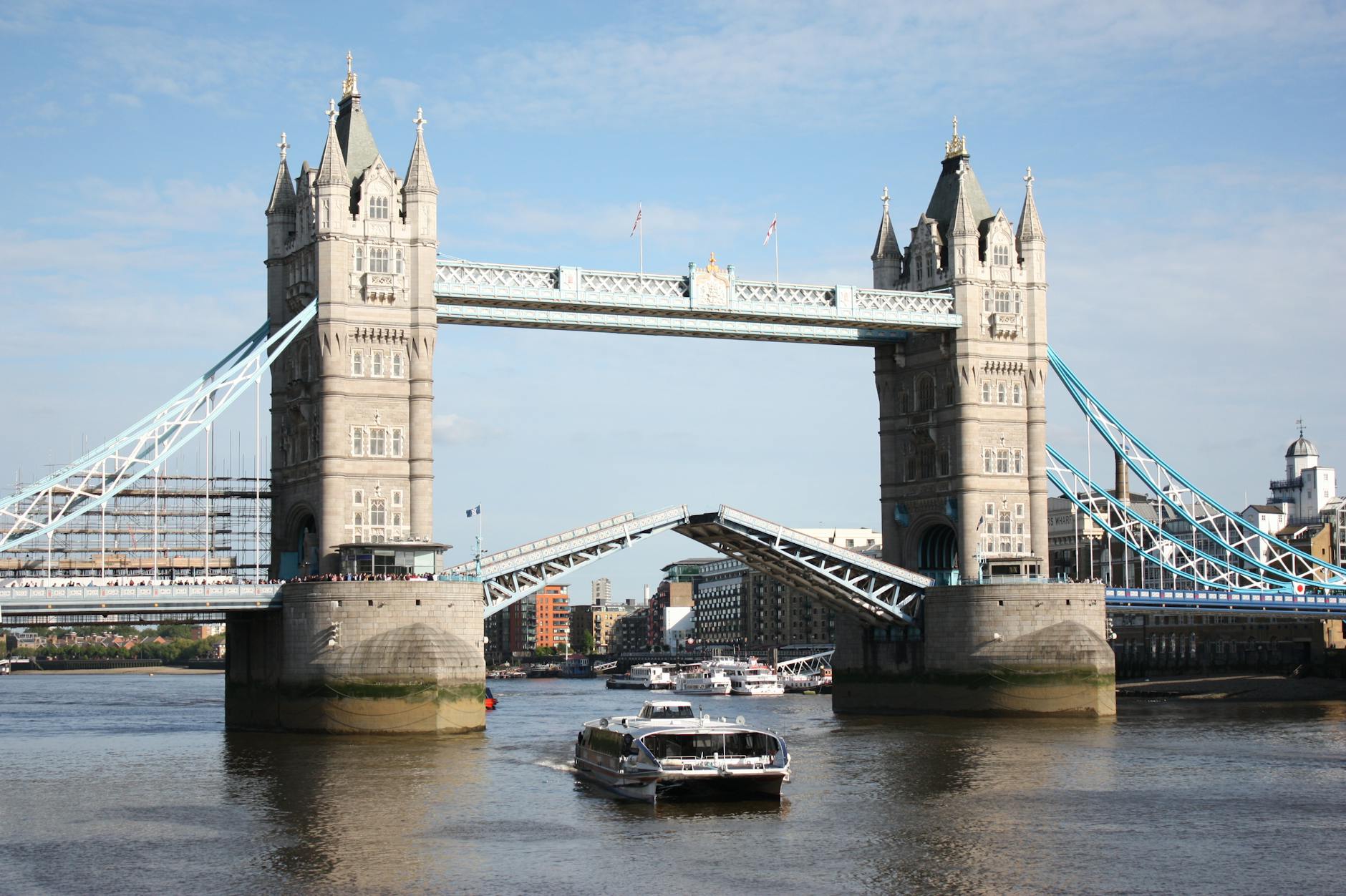
A port-call traveler should resist the instinct to see all of London. The city rewards focused shore days: Westminster and the river, Tower Bridge and the Tower area, Greenwich and the maritime district, the British Museum and Covent Garden, or a West End and Soho evening if the ship or hotel timing supports it. Trying to combine distant icons can turn the day into transfers, queues, and worry about the return.
The best shore plan usually has one anchor, one nearby secondary stop, and one optional stop that can be dropped without regret. If the traveler is docking close to the Thames, a river-centered plan may be more elegant than forcing a cross-city museum day. If the traveler is transferring from a distant port, the correct London plan may be only a few hours in one district.
- Use one anchor, one nearby secondary stop, and one optional fallback.
- Prefer compact district logic over a checklist of icons spread across the city.
- Drop optional sights early if the return margin starts shrinking.
Plan luggage, documents, and embarkation mechanics
Embarkation and disembarkation days are often more logistical than glamorous. Luggage drop, luggage pickup, hotel storage, rail station storage, cruise-line transfer tags, porter availability, customs or immigration steps, prescription medication, valuables, and document access all matter. The traveler should know what stays in hand luggage and what can disappear into ship or hotel handling.
Documents should be controlled, not buried. Passport, boarding pass, cruise documents, insurance, payment card, phone, medication, and any visa or entry confirmation should remain accessible until the traveler is through the relevant checkpoints. A sightseeing plan with full-size cruise luggage is usually a poor plan unless storage is explicitly arranged.
- Confirm luggage drop, storage, transfer tags, and pickup timing before building sightseeing into transfer day.
- Keep passport, boarding documents, phone, payment, medication, and entry paperwork accessible.
- Avoid dragging cruise luggage through crowded stations, museums, markets, or Tube transfers unless there is no alternative.
Choose transfer mode for reliability, not just price
Cruise travelers often compare coach, private car, rail, taxi, and cruise-line transfer by cost. Cost matters, but reliability matters more when the ship is the endpoint. A private car can simplify luggage and mobility but may face road traffic. Rail can be efficient when the route is direct and luggage is manageable, but disruption, strikes, stairs, and station changes can create stress. A cruise-line coach can be slower or less flexible but may reduce timing anxiety.
The right answer depends on port, date, luggage, party size, mobility, flight timing, and appetite for risk. A family with several bags, an older traveler, or anyone arriving after an overnight flight may need a simpler door-to-door option. A confident light packer with a direct rail route may prefer rail. The mistake is choosing the cheapest option without testing the whole transfer.
- Compare coach, car, rail, and taxi by timing resilience, luggage handling, and mobility, not only price.
- Check rail disruption and road conditions close to travel, especially on embarkation or disembarkation day.
- Use door-to-door transfer when luggage, fatigue, children, or mobility make interchanges fragile.
Account for mobility, seasickness, and group pace
Cruise parties often include mixed mobility, older travelers, children, and people who are tired from travel or affected by motion, sleep disruption, or medication timing. London can work well for them, but a shore day needs honest pacing. Long walks, Tube stairs, crowded attractions, coach steps, uneven river paths, and terminal distances can turn a promising plan into a tiring one.
The traveler should check step-free routes, vehicle access, toilets, seating, weather shelter, and attraction queue conditions. If the port call follows a rough sea day or a late night on board, the plan should have a lighter version. The goal is not to prove how much can be squeezed into London. It is to return to the ship with the group intact, fed, and calm.
- Plan around the slowest realistic member of the cruise party.
- Check step-free access, seating, toilets, shelter, and vehicle drop-off points for each stop.
- Keep a lighter version of the shore day ready after rough seas, late nights, or travel fatigue.
When to order a short-term travel report
A cruise traveler using a cruise-line transfer and one simple excursion may not need a custom report. A cruise or port-call traveler should consider one when London is a tight shore day, the port is distant, the party has luggage or mobility constraints, the traveler is arranging private touring, the ship arrives or departs at an awkward time, or the plan depends on rail, road, immigration, and sightseeing all working smoothly.
The report should test the exact port, terminal, hotel, flight, luggage plan, transfer mode, city route, all-aboard time, current transport signals, and backup options. The value is not a generic list of London sights. It is knowing how much London can safely fit between gangway, transfer, and return.
- Order when port location, luggage, mobility, private touring, flight timing, or return margins make the day fragile.
- Provide ship name, port, terminal, arrival time, all-aboard time, hotel or flight details, luggage load, and mobility needs.
- Use the report to protect the ship deadline while still getting a meaningful London day.