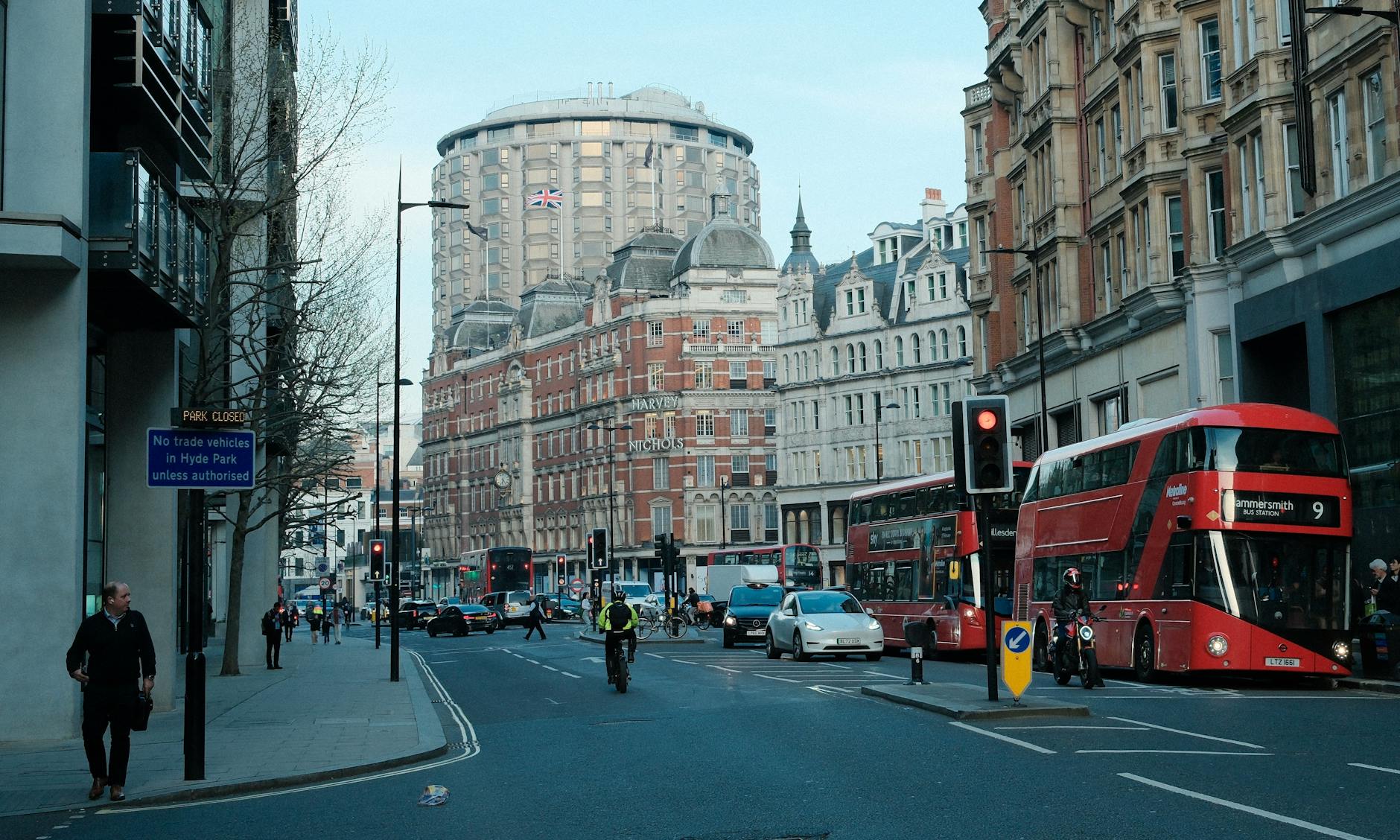
Budget travel to London is possible, but it is not won by choosing the cheapest version of every decision. The city has free museums, parks, buses, markets, supermarkets, hostels, budget hotels, inexpensive theater options, walkable districts, and strong public transport. It also has high accommodation costs, expensive mistakes, peak fares, airport transfers that can surprise visitors, and bargain lodging that can waste hours every day. The right budget plan does not try to make London cheap in the abstract. It decides where spending protects the trip and where London can be used intelligently without paying for every hour.
Do not let cheap lodging become the main cost
Accommodation is the hardest budget decision in London. A cheap bed can be a good deal if it sits on a simple transport line, has predictable check-in, supports safe late returns, and does not force the traveler to spend money correcting the location every day. A cheaper room becomes a false economy when it adds long commutes, awkward night buses, poor sleep, luggage problems, or repeated paid rides because the final mile feels wrong after dark.
Budget travelers should compare lodging by total trip friction. King's Cross, Bloomsbury edges, Southwark, Paddington, Earl's Court, Bayswater, Hammersmith, Greenwich, Stratford, and some east or south London areas can make sense when the rail connection is clean and the traveler understands the evening return. The point is not to stay in the center at any price. It is to avoid paying with time, fatigue, and extra transport for a room that only looked cheaper at booking.
- Judge lodging by nightly price plus daily transport time, sleep quality, and late-return comfort.
- Prefer a slightly higher room cost when it removes repeated cross-city friction.
- Check the final walk from the station before booking a distant bargain.

Use public transport with fare logic
London's public transport is one of the strongest tools for budget travelers, but it still needs strategy. Contactless payment or Oyster can be simpler than buying individual paper tickets. Daily and weekly caps can make frequent journeys predictable, while buses can be useful for short, low-cost movement and above-ground orientation. The traveler should understand peak timing, airport transfer choices, and whether a route crosses zones in a way that matters for the budget.
The cheapest route is not always the best route. A budget traveler who uses three transfers to save a small amount may lose the energy needed for the day. Buses are affordable but can be slow in traffic. The Tube is fast but can become tiring with luggage or multiple changes. Walking between adjacent areas can save money and show the city, but only when the route is pleasant and safe enough for the hour.
- Use one contactless card or device consistently so fare caps work correctly.
- Treat buses as useful budget transport, but account for traffic and late-night timing.
- Spend money on a simpler transfer when luggage, fatigue, or airport timing makes the savings too small.
Build the trip around London's free strengths
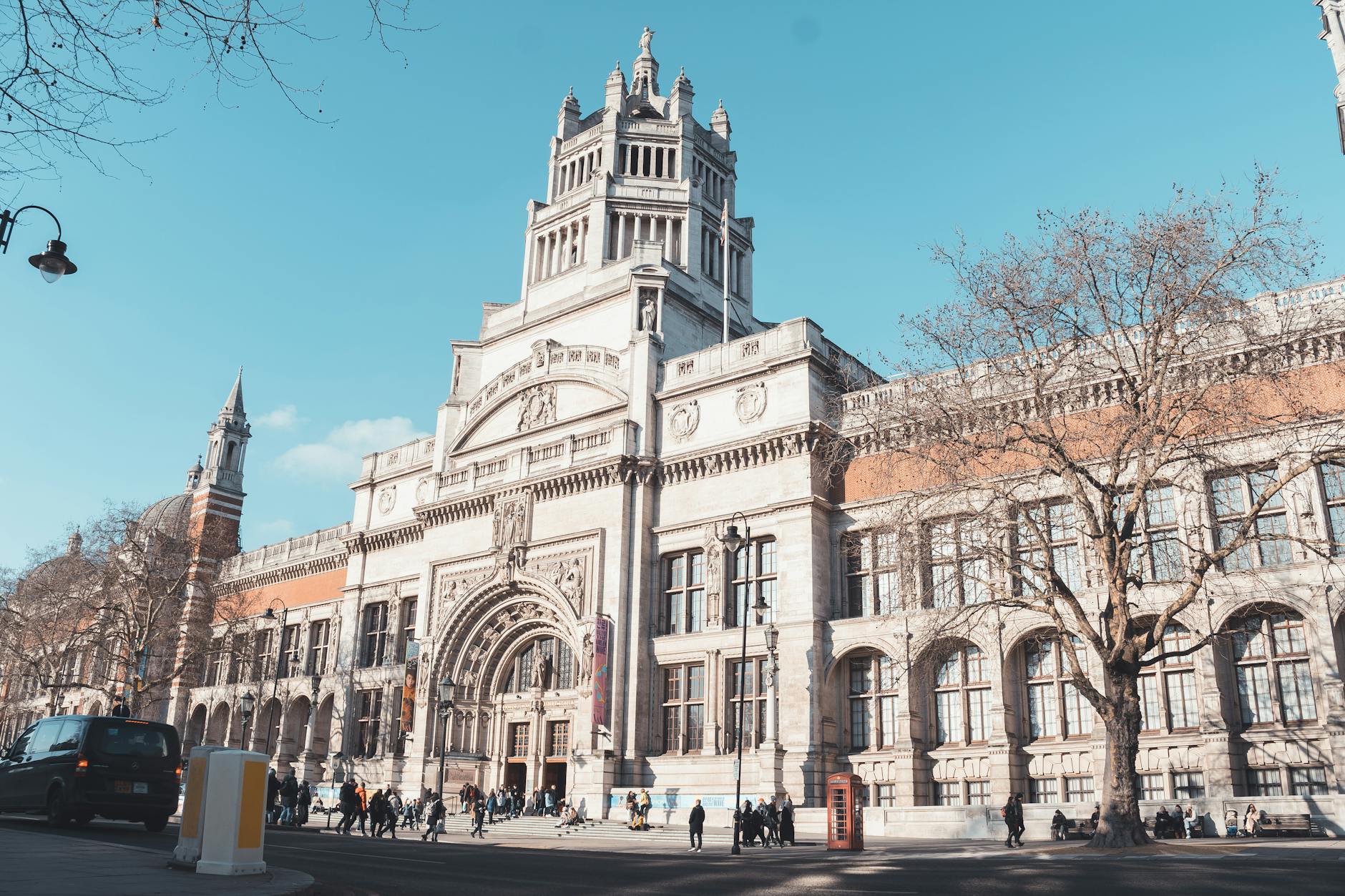
London is unusually strong for free and low-cost cultural time. The British Museum, National Gallery, Tate Modern, Tate Britain, Victoria and Albert Museum, Natural History Museum, Science Museum, parks, river walks, church exteriors, markets, street life, and many neighborhood walks can carry entire days without constant ticket spending. A budget itinerary should not feel like a lesser version of an expensive trip. It can be excellent when free anchors are chosen deliberately.
The trap is treating free attractions as filler around paid attractions. A South Kensington museum day, a Tate Modern and Bankside day, a Greenwich park and maritime day, or a National Gallery and West End walking day can be the main event. The traveler should reserve money for a few paid experiences that truly matter rather than paying reflexively for every viewpoint, queue, and branded attraction.
- Use free museums, parks, and river walks as primary anchors, not backup plans.
- Choose paid attractions selectively rather than stacking them by fame.
- Pair free cultural anchors with low-cost nearby meals to keep the whole day coherent.
Treat food as geography, not improvisation
Food spending can quietly break a London budget because hunger arrives where the traveler happens to be, not where good value sits. A budget traveler should know a few dependable near-hotel options, supermarket locations, market areas, museum cafes, casual chains, bakeries, and neighborhoods where affordable meals are not hard to find. Soho, Chinatown, Borough edges, Spitalfields, Brick Lane, Southall, Edgware Road, and many student-heavy or immigrant food areas can help, but the right choice depends on the day's route.
Markets are not automatically cheap, and supermarket meals are not automatically joyless. The useful plan is mixed: one inexpensive breakfast habit, one flexible lunch area, one or two food experiences worth paying for, and a fallback near the hotel for tired evenings. The traveler should avoid reaching dinner hungry in the most expensive part of the day with no plan.
- Map food near the hotel, near each day's anchor, and near evening returns.
- Use supermarkets, bakeries, market stalls, casual restaurants, and museum cafes strategically.
- Save paid dining for meals that are part of the trip, not emergency hunger fixes.
Know when a paid ticket is worth it
Budget travel does not require avoiding paid London experiences. It requires choosing them well. A West End show, Tower of London visit, special exhibition, football match, river trip, or day trip can be worth the money if it anchors the trip and is planned around timing, transport, and meals. The weak version of budget travel is spending small amounts all day on mediocre substitutes and then skipping the one experience the traveler actually cared about.
Paid tickets should be treated as structural pieces. If the traveler buys a theater ticket, the day should not be so overloaded that they arrive exhausted. If the Tower is the paid anchor, the surrounding day can be Borough, the river, or the City. If a special exhibition is the priority, the nearby food and transport should be simple. A good budget plan protects the paid moments by making the rest of the day affordable.
- Choose one or two paid anchors that genuinely matter.
- Build the surrounding day with free or low-cost nearby options.
- Avoid paying for filler experiences just because they are in front of you.

Avoid false economies after dark
The budget traveler's most expensive mistakes often happen late: missing the last simple train, choosing a distant room because it was cheap, walking too far in bad weather, or refusing a cab when the alternative is stressful and slow. London evenings can be affordable and enjoyable, but the return route should be chosen before the traveler is tired. Night buses, Tube lines, walking, black cabs, and ride-hail each have a place. The right choice changes with the hour and the area.
Budget travelers should also protect belongings. Replacing a phone, passport, wallet, or bag is far more expensive than paying attention in crowded areas. Oxford Street, Leicester Square, Westminster Bridge, major stations, buses, and nightlife streets require ordinary urban discipline: zipped bag, controlled phone, backup card separated from the daily card, and no long map checks at the curb.
- Set a late-night transport threshold before leaving the hotel.
- Spend on a cab or simpler route when the savings are outweighed by fatigue or exposure.
- Protect phone, passport, cards, and bag as part of the budget strategy.
When to order a short-term travel report
A budget traveler with a loose schedule, familiar London experience, and a well-located room may not need a custom report. A first-time budget traveler, a visitor choosing among distant hotels, someone arriving late, a traveler with a dense paid-ticket plan, or a person trying to keep costs low without losing the trip to friction should plan more carefully. The report should test lodging location, airport transfer, fare logic, free anchors, food geography, evening returns, current disruptions, and where spending a little more protects the whole trip.
The value is not making London sound cheap. It is making the budget honest. A good plan shows where London can be enjoyed for very little, where the traveler should not cut corners, and how to sequence the trip so money, time, and energy are all protected. Budget travel works best when the savings are intentional.
- Order when lodging location, airport transfer, paid tickets, or evening returns could make or break the budget.
- Include hotel candidates, arrival airport, must-pay attractions, food preferences, and walking tolerance.
- Use the report to separate smart savings from false economy.