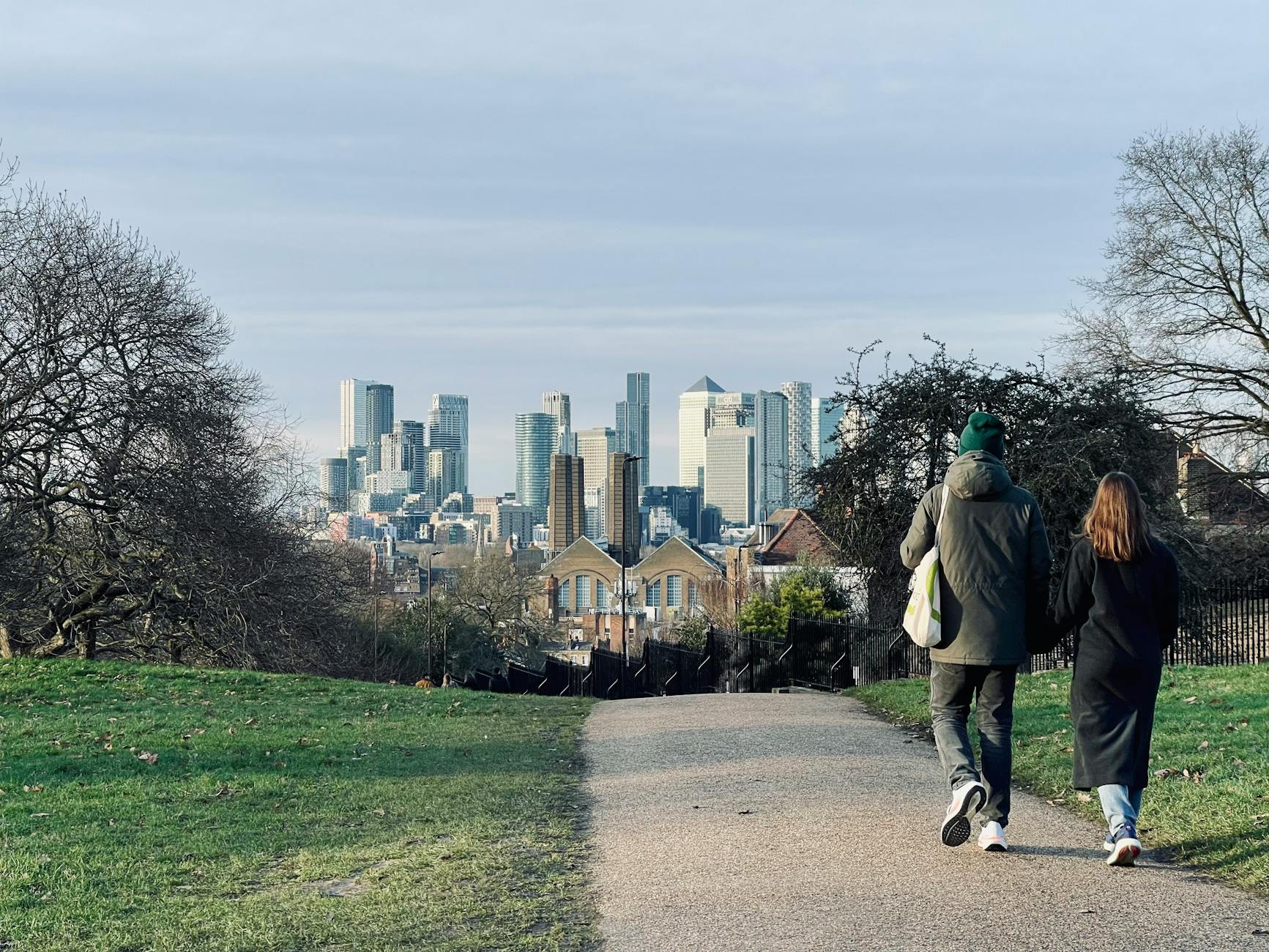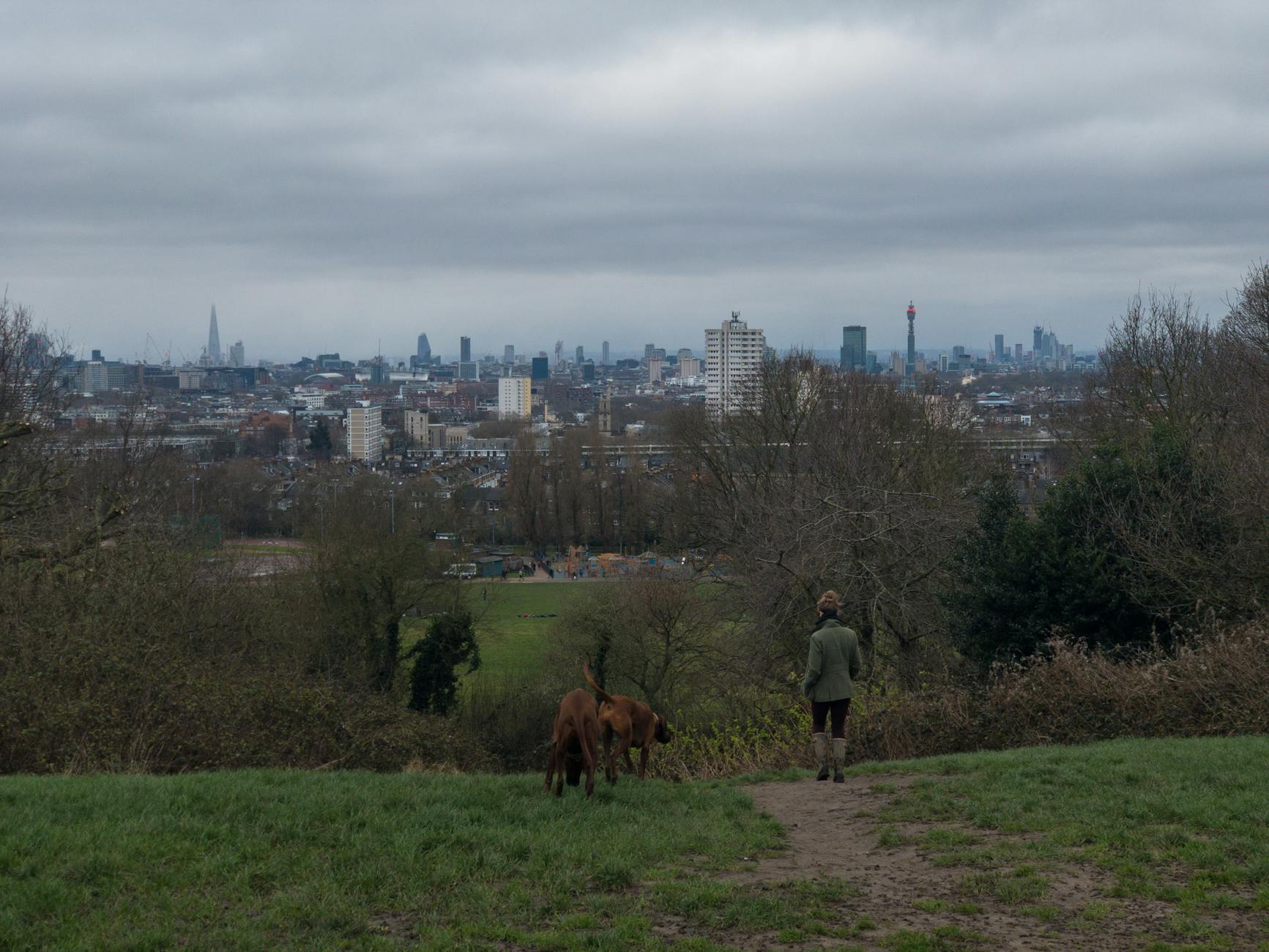
An adventure or outdoor traveler coming to London is usually not looking for wilderness in the alpine sense. The value is different: big-city access to royal parks, Hampstead Heath, Richmond Park, Greenwich Park, Regent's Canal, the Thames Path, Lee Valley routes, Epping Forest edges, climbing gyms, lidos, boating, running loops, cycling corridors, and quick rail escapes into the countryside. That range can make London unexpectedly good for an active trip, but it also creates planning traps. Outdoor time sits inside a dense city with variable weather, short winter daylight, crowded paths, water safety rules, park closures, transport disruptions, wildlife rules, and routes that can be awkward when the traveler is carrying gear. The best plan chooses the right kind of outdoor day for London, not the outdoor day the traveler would build in a mountain destination.
Define the outdoor trip London can actually support
London can be excellent for active travel, but it is not a blank outdoor canvas. A traveler should decide whether the trip is about long walks, urban hiking, photography, running, cycling, paddling, open-water swimming, climbing, wildlife watching, park-based recovery, or rail-linked day hikes. Those are different operating plans. The wrong assumption is that outdoor travel means simply adding parks between museums.
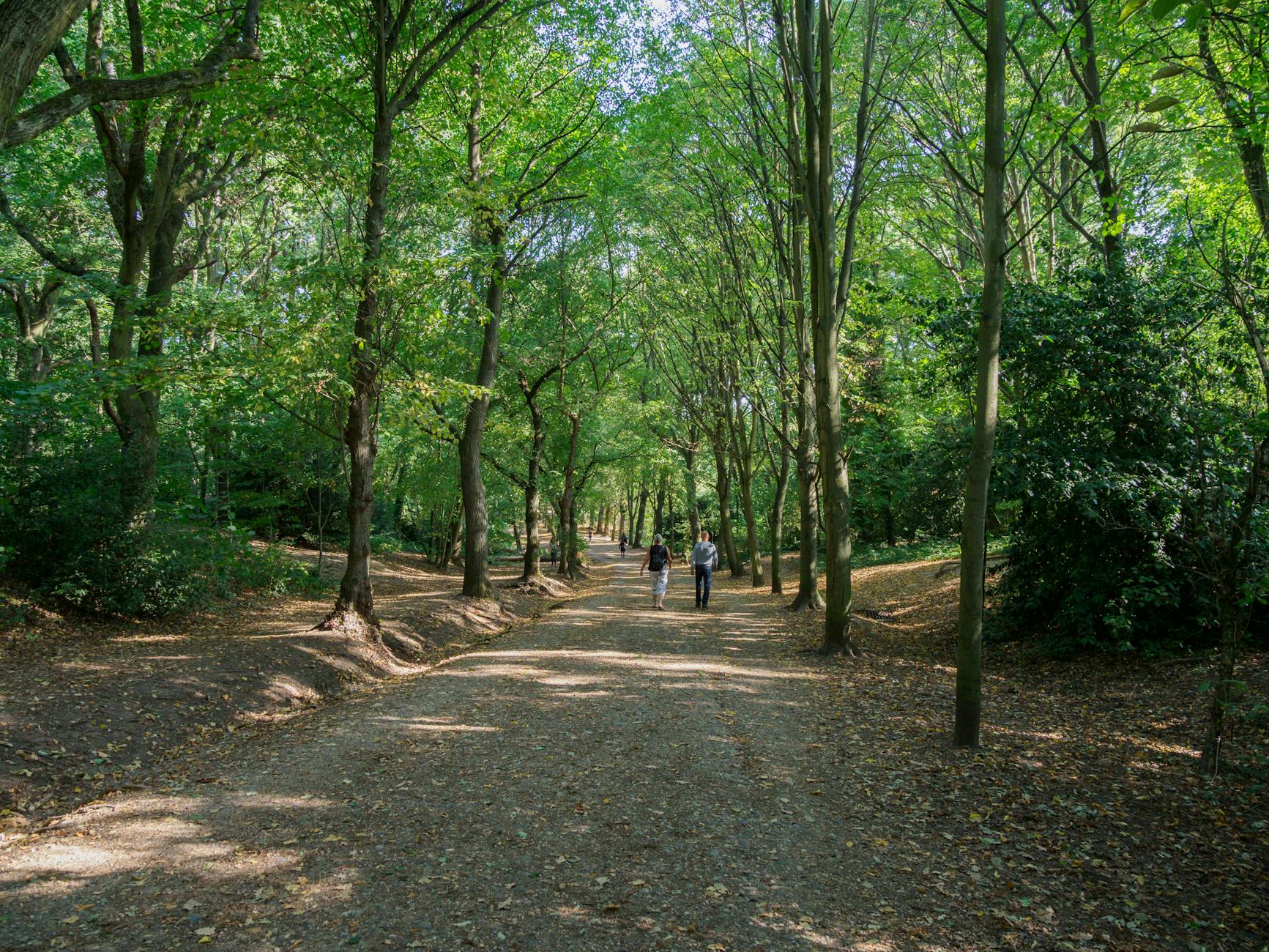
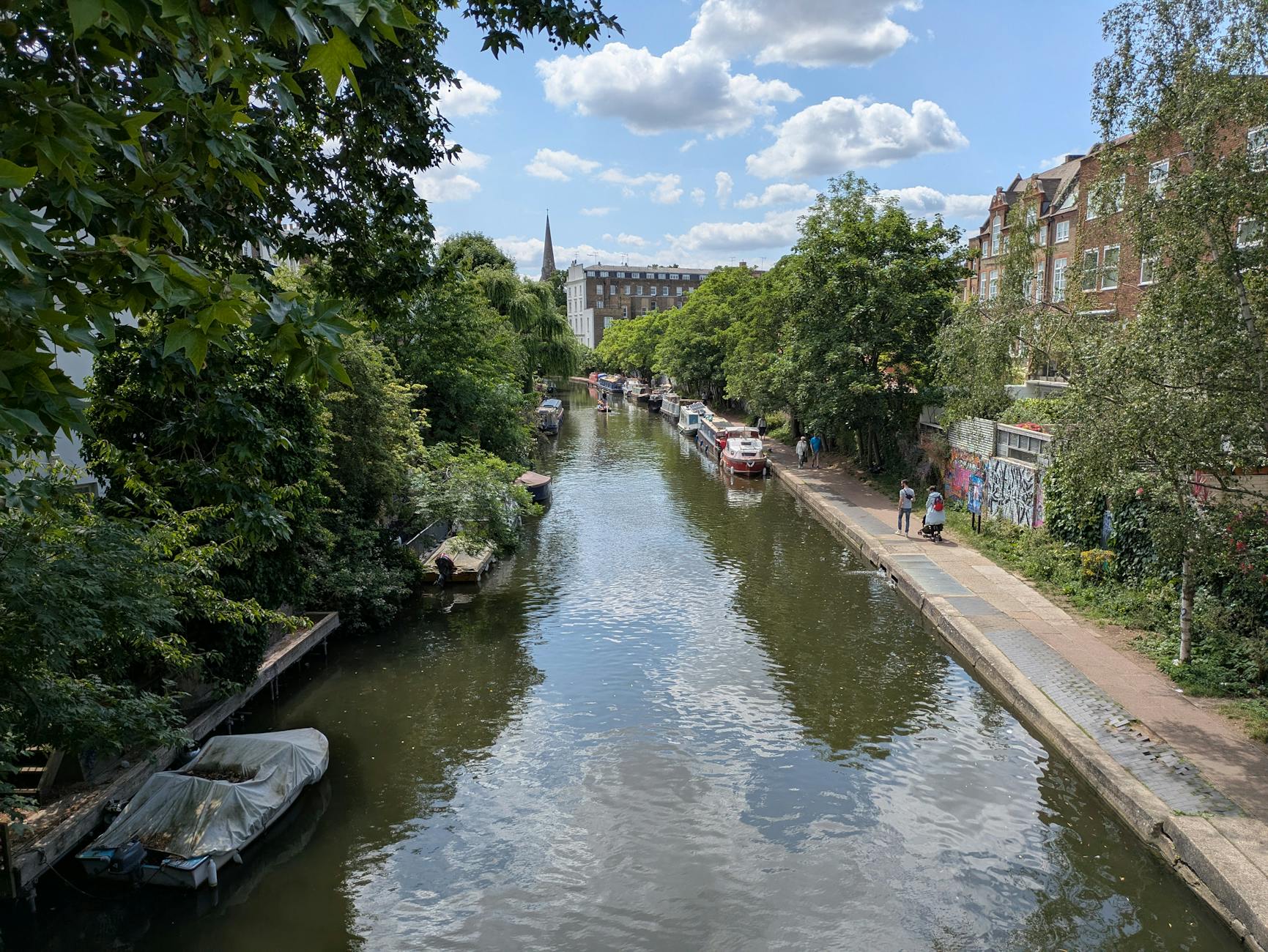
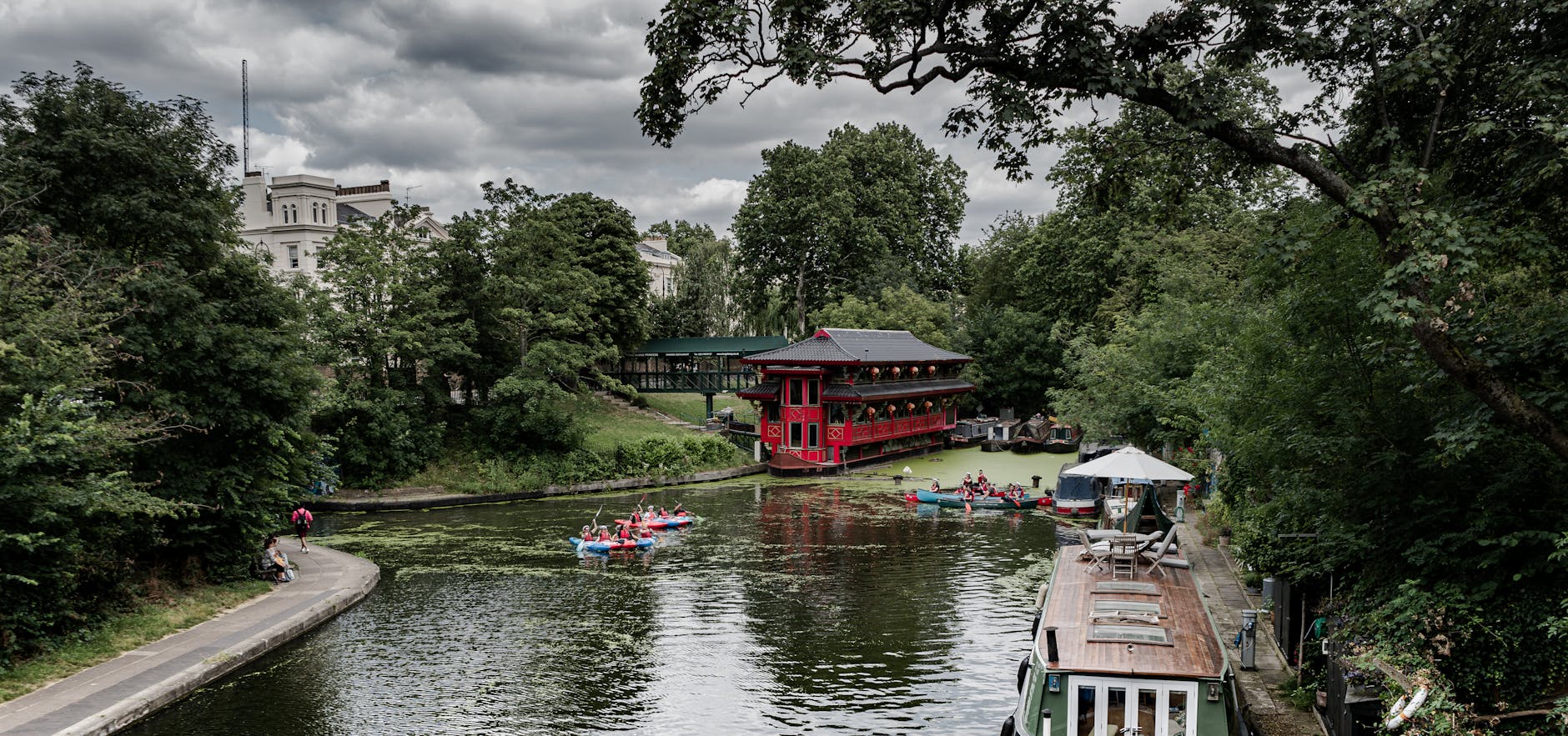
A good London outdoor day usually has one clear anchor and one flexible supporting area. Hampstead Heath can combine hills, views, ponds, woodland, and village streets. Richmond Park can support wildlife, longer walks, cycling, and open landscape. Greenwich can combine park views, river approaches, and maritime history. Regent's Canal can pair walking, markets, and low-pressure movement. The point is to choose the outdoor experience first and let the city route follow.
- Choose a specific outdoor mode: walking, running, cycling, paddling, swimming, climbing, wildlife, or day hiking.
- Use one outdoor anchor per day instead of scattering short park stops across the city.
- Treat London as an urban adventure base, not a substitute mountain destination.
Choose the right park, heath, or river corridor
The outdoor choice should match the traveler's fitness, season, route tolerance, and appetite for crowds. Hyde Park, St James's Park, Kensington Gardens, Regent's Park, and Battersea Park are easy central options, but they are more polished than rugged. Hampstead Heath feels wilder and hillier. Richmond Park is larger, more open, and better for longer movement, deer viewing, and cycling. Greenwich Park rewards walkers with skyline views and a strong river connection. The Thames Path and South Bank can be beautiful, but they can also be busy, exposed to wind, and uneven in mood from one segment to another.
The traveler should avoid choosing by fame alone. A first-time visitor may love the South Bank because it connects major sights. A runner may prefer Hyde Park or Regent's Park for predictable loops. A photographer may want Richmond at dawn or Greenwich in late light. A traveler who wants quiet may need Hampstead Heath, Epping Forest edges, or a weekday canal walk.
- Match the site to the purpose: views, distance, wildlife, water, quiet, running, cycling, or easy access.
- Plan around crowd pressure on the South Bank, central parks, and popular weekend routes.
- Do not assume every famous green space delivers the same outdoor experience.
Respect water, wildlife, and route rules
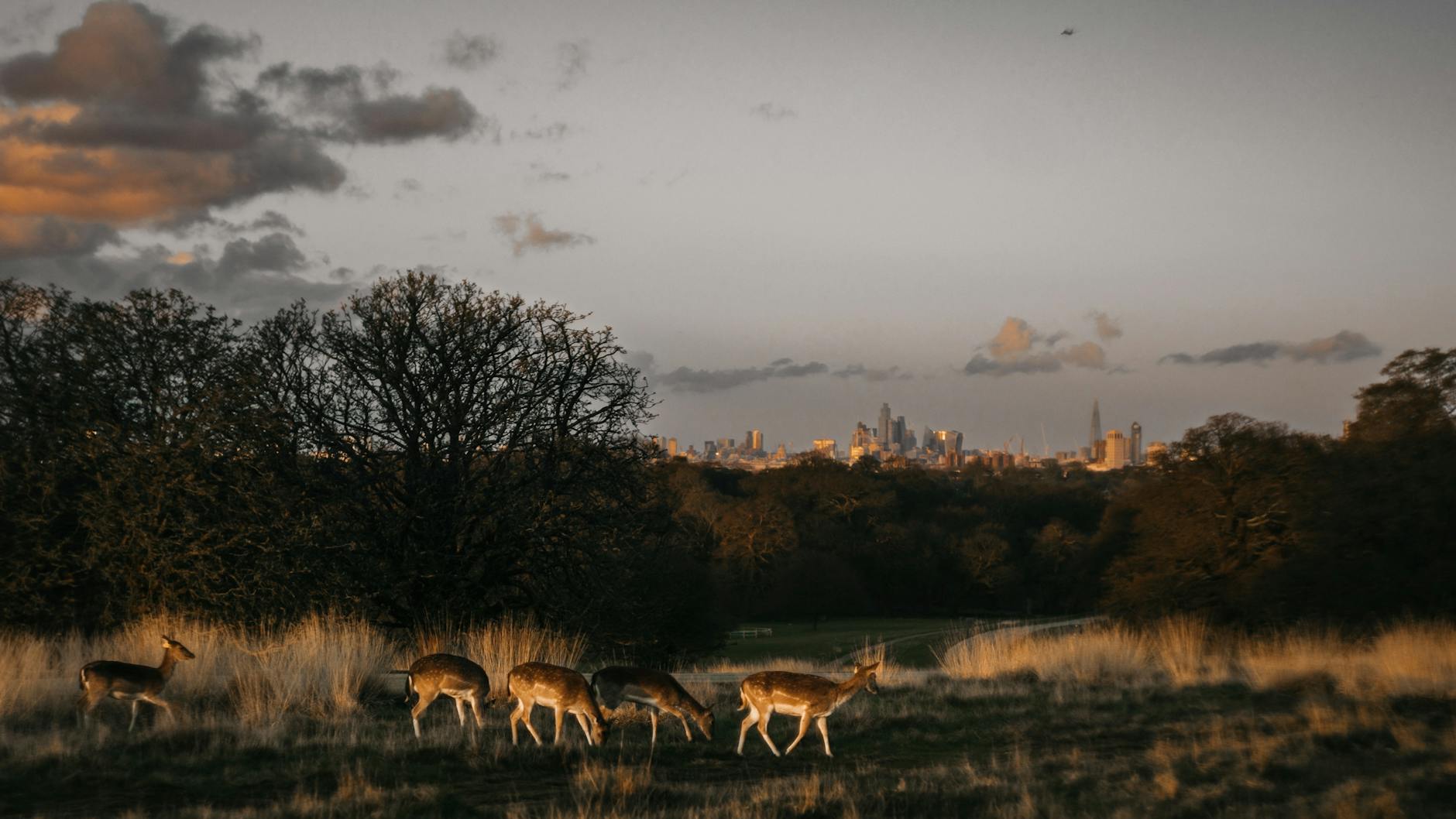
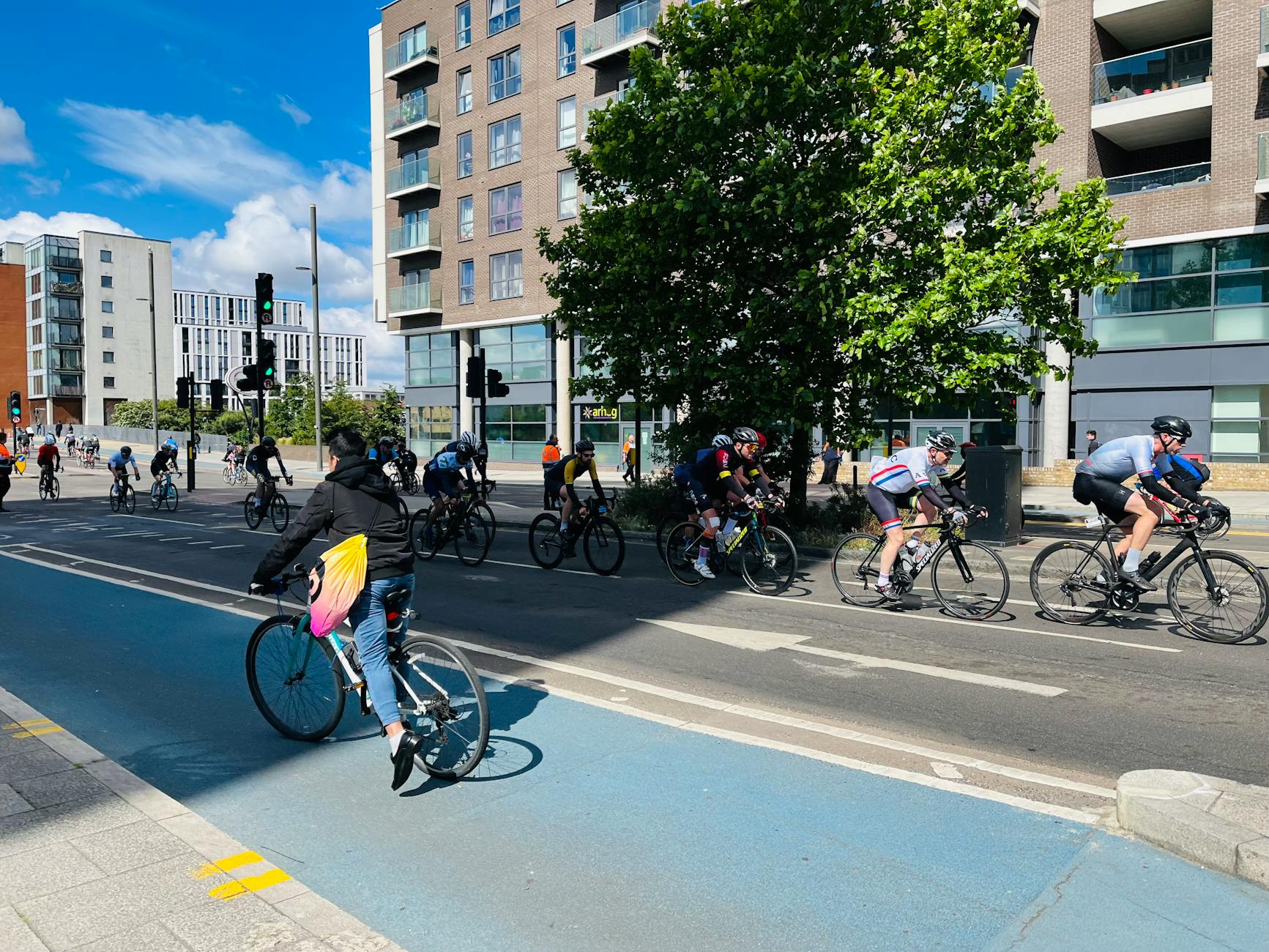
London's outdoor settings have rules that matter. Swimming in ponds, lidos, docks, and reservoirs is controlled and should not be improvised. Paddling and boating require the right operator, route, booking, tide or canal awareness, and weather judgment. Richmond Park's deer are wild animals, not photo props, especially during rutting and birthing seasons. Cycling rules vary by park and path. Some canal towpaths are narrow enough that pedestrians, cyclists, dogs, prams, and moored boats compete for the same strip of space.
An outdoor traveler should also understand that the Thames is not a casual river. Tides, currents, cold water, embankments, boat traffic, and access points can make the river dangerous for anyone treating it like a scenic backdrop. Good London outdoor travel is active but controlled. It uses permitted venues, respects posted signs, and keeps wildlife and water at a safe distance.
- Use formal venues or operators for swimming, paddling, boating, and climbing where rules apply.
- Keep distance from deer and other wildlife; do not chase a photograph.
- Treat the Thames and canals as managed water environments, not casual adventure playgrounds.
Build routes around transport, daylight, and weather
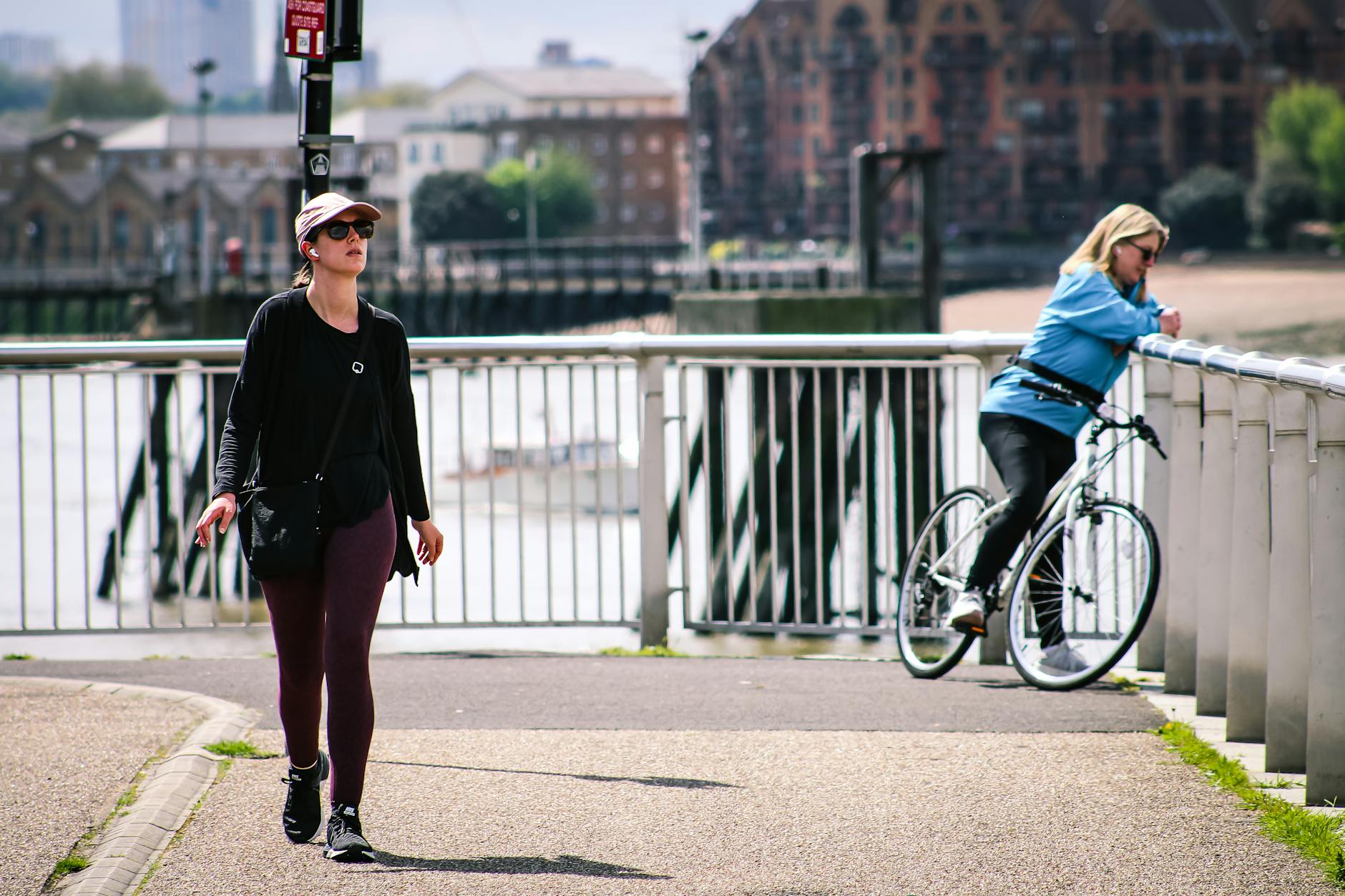
Outdoor movement in London depends on transport more than many travelers expect. A beautiful route can become tedious if it requires awkward transfers, wet gear on crowded trains, a late return from a poorly connected park, or a cycle route that looks simple on a map but crosses hostile traffic. The plan should check the exact entry and exit points, not only the named park or trail.
Daylight and weather should also shape the day. Winter light can disappear early, rain can make riverside paths slippery and parks muddy, and summer weekends can crowd central routes. The best outdoor plan includes a shorter route, an indoor recovery option, a transport fallback, and a realistic exit before the traveler is tired, wet, cold, or navigating unfamiliar streets in the dark.
- Check exact trailheads, park gates, station exits, and return routes before leaving the hotel.
- Carry a shorter-route option for rain, fatigue, injury, or fading daylight.
- Avoid committing to remote-feeling park or forest edges without a clear exit plan.
Carry city-appropriate outdoor gear
London outdoor gear is usually about versatility rather than expedition weight. Comfortable waterproof shoes, a light rain layer, warm layers in shoulder seasons, refillable water, battery reserve, offline maps, a small first-aid kit, and a secure day bag are often more useful than technical equipment. A traveler who plans to run, cycle, paddle, swim, or climb should confirm rental, locker, changing, towel, helmet, and insurance details before assuming they can improvise on arrival.
The city setting creates its own gear risks. A visitor may move from muddy trails to the Tube, from a canal walk to a restaurant, or from a cycling route to a hotel lobby. Wet clothing, bulky bags, exposed phones, and visible cameras can make the day less comfortable and less secure. The right kit lets the traveler stay active without becoming conspicuously overburdened.
- Prioritize waterproof footwear, layers, phone power, offline maps, and a compact day bag.
- Confirm rentals, lockers, changing rooms, towels, helmets, and operator rules before activity days.
- Pack for the transition from outdoor route to public transport, hotel, or meal stop.
Manage safety without making the city sound wilder than it is
London outdoor safety is usually ordinary city safety plus route discipline. The traveler should watch traffic crossings, bike lanes, wet steps, towpath edges, crowded riverside paths, isolated park sections after dark, and phone distraction. Theft risk is more relevant around busy stations, markets, riverside crowds, and cafe stops than deep inside a fantasy wilderness. A tired traveler looking at a map with an unlocked phone is often more exposed than a traveler walking through a park in daylight.
Solo travelers should be particularly careful with late routes, real-time location posting, and quiet areas after dark. Groups should choose meeting points before splitting up. Anyone with medical constraints should plan medication, hydration, allergy needs, and the nearest practical exit. The goal is not to avoid outdoor London. It is to avoid treating a short active trip as if fatigue, weather, and urban distraction have no cost.
- Use daylight for quieter parks, heaths, canals, and forest-edge routes when traveling alone.
- Keep phones, cameras, and bags controlled around stations, markets, riverside crowds, and cafe stops.
- Plan hydration, medication, meeting points, and exits before the route gets tiring.
When to order a short-term travel report
A traveler planning one casual park walk probably does not need a custom report. An adventure or outdoor traveler should consider one when the trip includes multiple outdoor anchors, cycling, open-water swimming, paddling, dawn or dusk photography, wildlife viewing, solo routes, children, older travelers, mobility limitations, day hikes by rail, activity bookings, or tight weather-dependent timing.
The report should test the outdoor plan against the actual London context: hotel base, route sequence, transport resilience, daylight, weather season, activity rules, water safety, gear, current disruptions, and backup indoor or shorter-route options. The value is not simply naming the prettiest park. It is making the active day work without wasting the trip on avoidable transfers, closed gates, unsafe water decisions, or a route that falls apart after rain.
- Order when outdoor activities, bookings, weather, solo movement, or rail-linked day trips add fragility.
- Provide the report writer with activity type, fitness level, dates, hotel candidates, gear needs, and must-do sites.
- Use the report to connect outdoor ambition with safe, realistic London routing.