London is one of the strongest conference cities in the world, but it is not a small or effortless one. An academic attendee is usually balancing a formal paper or panel, informal networking, institutional meetings, possible campus visits, evening receptions, and the need to remain alert after travel. The trip can be extremely productive when the base, route, and calendar are chosen around the conference reality. It can become thin and exhausting when the traveler treats London as a generic sightseeing city with a conference badge attached.
The venue should control the whole plan
The first question is not where the traveler wants to stay in London. It is where the conference actually takes place. A meeting at ExCeL London, the QEII Centre, the Barbican, Olympia, a university campus, a learned society, or a hotel conference floor creates very different daily movement. London can make two addresses look close on a map while turning them into a slow cross-city transfer at the wrong hour.
Academic attendees should start by marking the rooms and events that cannot be missed: registration, the paper session, poster session, keynote, funder meeting, editorial meeting, department reception, and any campus visit. A hotel that is charming but poorly placed can cost the attendee the margin needed for a morning panel or a late networking event. The right base is the one that makes the fixed conference obligations easy.
- Identify the exact venue building before choosing the hotel.
- Treat ExCeL, Westminster, the Barbican, Olympia, and university campuses as different travel problems.
- Protect the presentation slot, registration window, and key networking events first.
Hotel choice is about attendance discipline
Conference hotels are often expensive, uninspiring, or booked early. That does not mean the attendee should drift to a distant hotel just because it looks better. For a short academic trip, the hotel has to support attendance discipline: early starts, bag drop, wardrobe changes, short rest periods, quiet preparation, and a simple return after receptions. A hotel two transit changes away from the venue may be fine for a tourist and wrong for someone presenting at 9:00 a.m.
The best choice is usually either near the venue, on a direct line to the venue, or near a second anchor such as a university department or archive visit. The traveler should test the route under morning and evening conditions, not just at an ideal midday search time. If the venue is in east London and most dinners are in the West End, that split should be planned rather than discovered after the first long day.
- Prefer near-venue or direct-route hotels over prettier but awkward bases.
- Check whether the hotel allows practical luggage storage before check-in or after check-out.
- Make sure the room supports quiet preparation, not only sleep.
Arrival timing can decide the first day
Academic travelers often try to save a night by arriving on the morning of registration or even the morning of a session. In London, that is a fragile plan unless the schedule is forgiving. Immigration, baggage, airport rail choices, Tube transfers, hotel storage, jet lag, rain, and conference queues can turn a theoretically comfortable arrival into a rushed opening day. The risk is not only missing a session; it is arriving mentally dull for the conversations that justify the trip.
Heathrow, Gatwick, London City, Stansted, and Luton can all work, but they do not work the same way. The useful choice depends on the venue, luggage, arrival hour, and whether the attendee must be presentable soon after landing. If the traveler is carrying a poster tube, presentation laptop, books, samples, or formal clothing, convenience has value. The cheapest or fastest theoretical route may not be the best conference route.
- Avoid same-morning arrival before a paper, panel, or chairing duty when possible.
- Match the airport route to the venue rather than choosing transport by habit.
- Plan luggage handling before landing, especially with posters, books, or presentation gear.
Presentation logistics deserve their own checklist
A conference trip can fail in small technical ways. The attendee should know whether the session room uses HDMI, USB-C, a house laptop, uploaded slides, poster boards, app-based schedules, QR-coded badges, or security checks at the entrance. London is not the problem here; the problem is assuming the venue will solve every academic detail at the last minute. A calm presenter handles those details before walking into the room.
The practical kit should include a local power adapter, battery pack, slide backup, offline copy of the program, presentation notes, and a plan for weak venue Wi-Fi. If the attendee is presenting sensitive research, unpublished data, human-subject material, or politically delicate work, public laptop use and casual conversations should be handled with more care. Conference spaces feel collegial, but they are still public and crowded.
- Carry adapters, backups, and offline copies of the program and slides.
- Confirm poster and slide requirements before travel, not at the registration desk.
- Treat unpublished research and sensitive interviews as controlled material in public spaces.
Networking usually happens outside the formal schedule
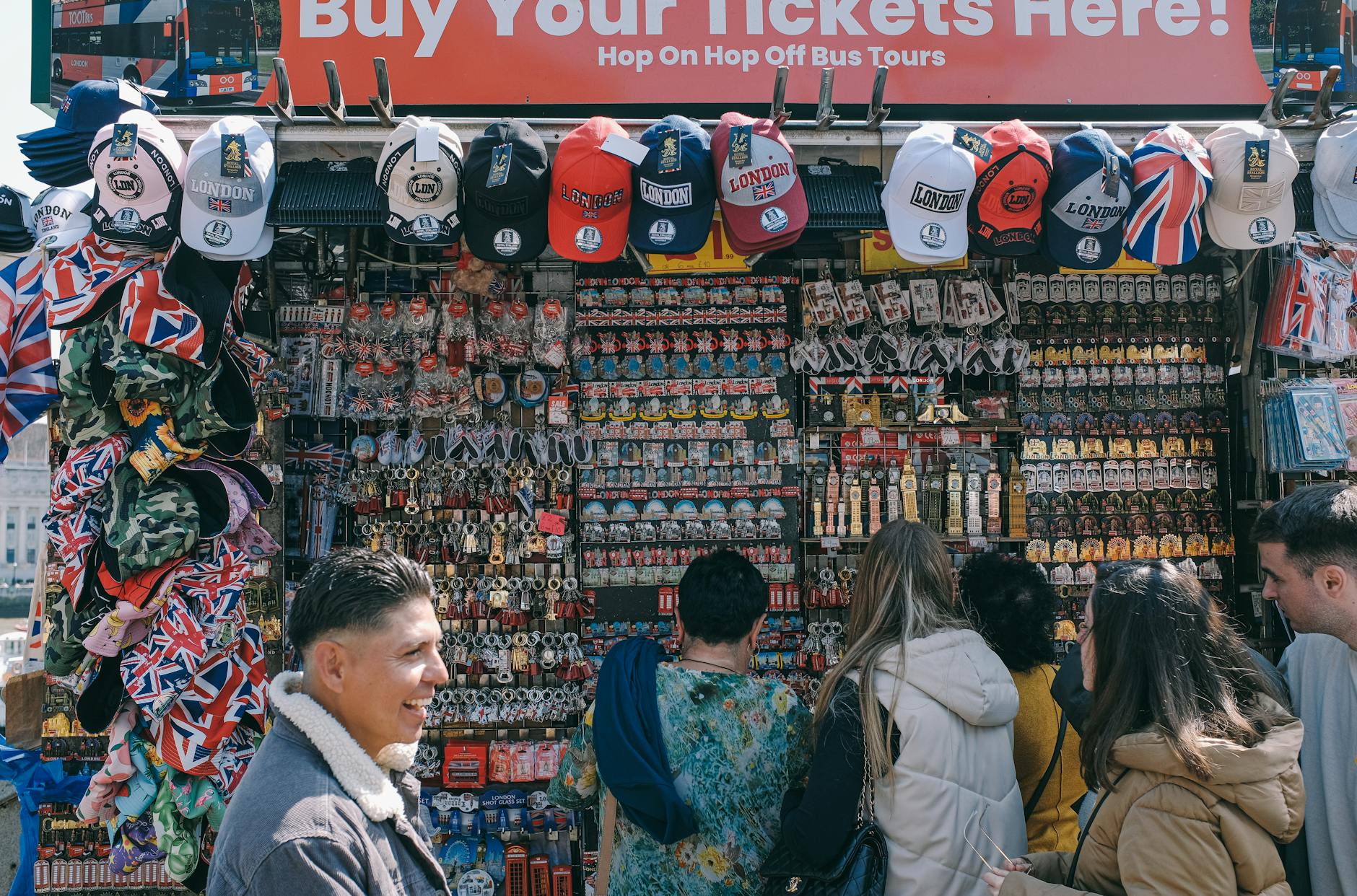
The official program is only part of the trip. Academic value often comes from coffee breaks, dinners, publisher meetings, funder conversations, graduate-student introductions, and a walk with someone who is impossible to reach by email. London gives those opportunities real depth, but it also spreads them across neighborhoods. A reception near the venue, dinner in Soho, drinks near the Strand, and a campus meeting in Bloomsbury can become a demanding sequence.
The attendee should decide which informal events matter and which ones are optional. Trying to attend everything can hollow out the presentation day. Late evenings also need a return plan. London nightlife areas can be lively and useful, but a tired traveler carrying a laptop bag should not drift through the return journey without a route, battery, and fallback.
- Prioritize the two or three informal meetings that justify the trip.
- Plan evening returns before receptions and dinners begin.
- Keep laptop bags and conference materials under control in pubs, cafes, and crowded venues.
Build the schedule around fatigue and weather
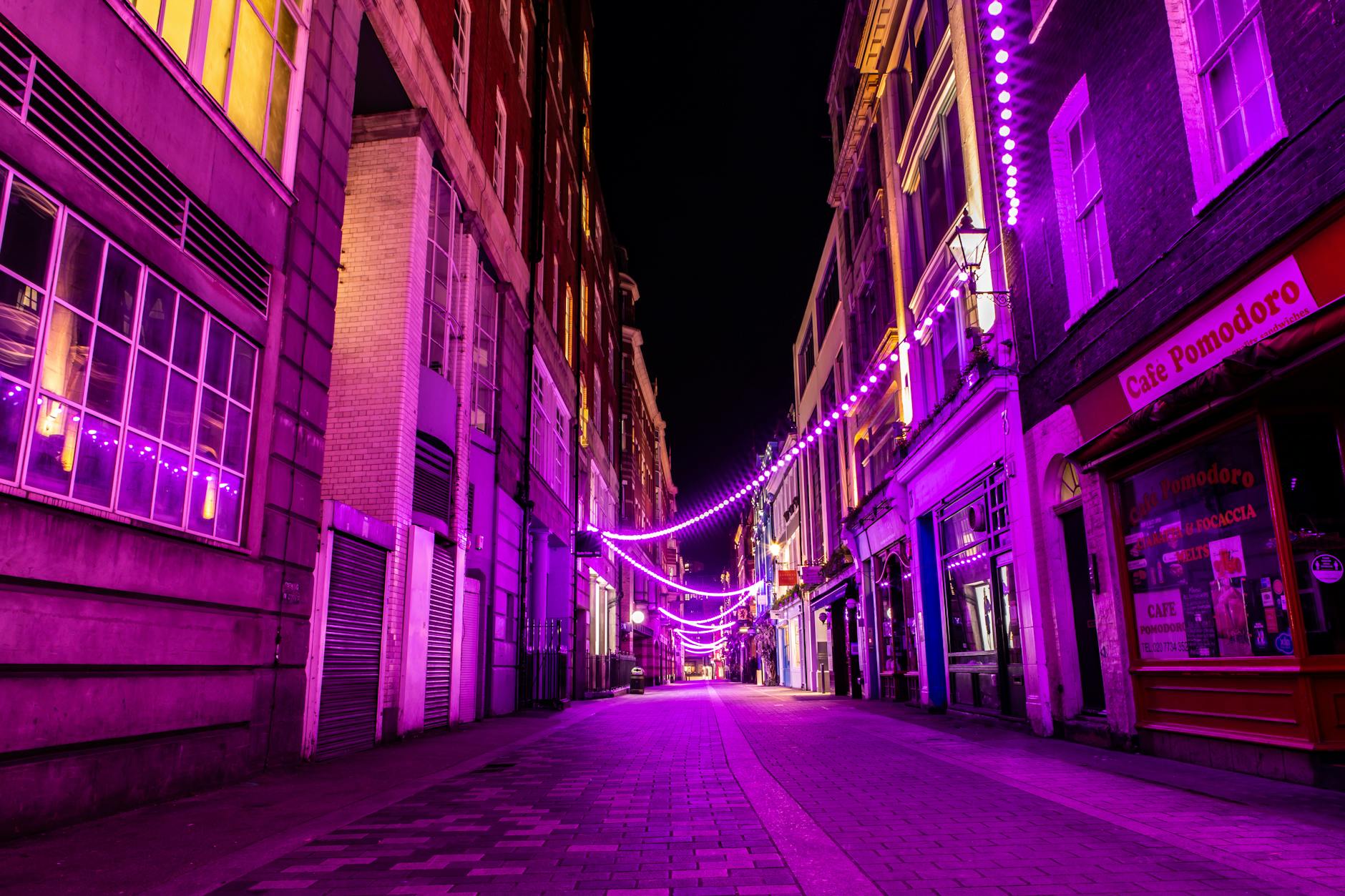
Conference schedules are dense, and London adds walking, stairs, transfers, rain, queues, and sensory load. The attendee may be able to push through one long day, but three long days can change the quality of conversation and presentation. This matters for senior scholars, first-time presenters, graduate students under pressure, and anyone trying to combine the conference with archives, campus visits, or department interviews.
Weather is part of the schedule, not background scenery. Rain can make a formal outfit, poster tube, or laptop bag harder to manage. A venue with poor nearby lunch options can also create avoidable stress. A good plan leaves room for food, quiet, a change of shoes if needed, and one protected block before the most important professional obligation.
- Reserve a quiet preparation block before the paper, panel, interview, or funding meeting.
- Check rain and transport conditions before leaving the hotel each morning.
- Do not let optional sightseeing consume the margin needed for the conference itself.
When to order a short-term travel report
A simple conference trip may not require a custom report. A more exposed trip does: first international presentation, senior keynote, tight arrival, multiple venues, late networking, sensitive research, mobility constraints, a student traveling alone, or a schedule that combines conference work with campus, archive, or funder meetings. The report should test the actual venue, hotel, airport, event timing, current local signals, and traveler profile together.
For London, the report is most useful when the attendee needs to know where to stay, how to arrive, which routes to trust, what to recheck close to departure, and where the schedule is too thin. The goal is not to turn an academic conference into a security operation. The goal is to let the traveler arrive prepared, present well, meet the right people, and leave without avoidable friction.
- Order when the paper, panel, keynote, or meeting cannot be casually missed.
- Use the exact venue, hotel, and event schedule rather than generic London assumptions.
- Include presentation gear, mobility needs, student status, and late-event plans in the request.