Krakow can be rewarding for travelers with mobility limitations, but the historic setting needs practical screening. Old Town, Wawel, Kazimierz, museums, restaurants, trams, taxis, and day trips can all work better when the traveler checks surfaces, steps, distances, seating, restroom access, and pickup points before arrival.
Choose lodging for step-free reality
A mobility-limited Krakow stay should begin with the exact route from vehicle to room. A central hotel can still be difficult if it has stairs at the entrance, a small elevator, uneven paving, pedestrian-only access, or a long walk from the nearest pickup point.
The lodging choice should reduce daily strain.
- Confirm entrance steps, elevator size, bathroom layout, room floor, breakfast access, and luggage help.
- Ask whether taxis or private drivers can reach the door at arrival and departure times.
- Choose a base close to planned routes rather than relying on long daily crossings.
Map surfaces, slopes, and distances
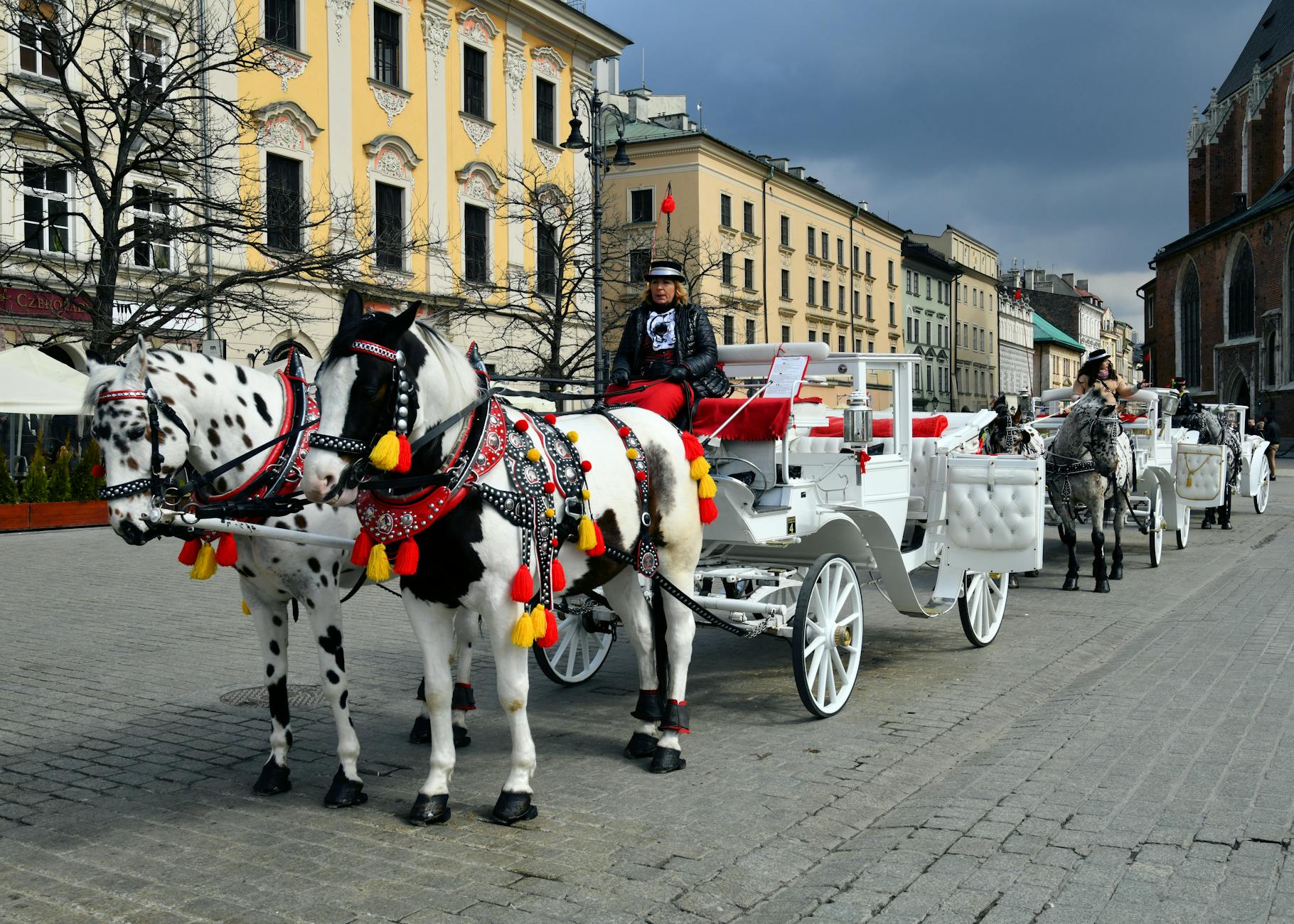
Krakow's historic core includes cobblestones, curbs, narrow sidewalks, older thresholds, stairs, crowds, and occasional construction. A route that looks short online may be slow or uncomfortable in practice. Travelers using canes, walkers, wheelchairs, scooters, or limited walking capacity should assess effort, not just distance.
The route needs physical detail.
- Check walking surfaces, curb cuts, slopes, seating, shade, and restroom access for each main stop.
- Group Old Town, Wawel, Kazimierz, and museums into smaller zones.
- Build rest points into the route before fatigue becomes the deciding factor.
Use transport before fatigue sets in
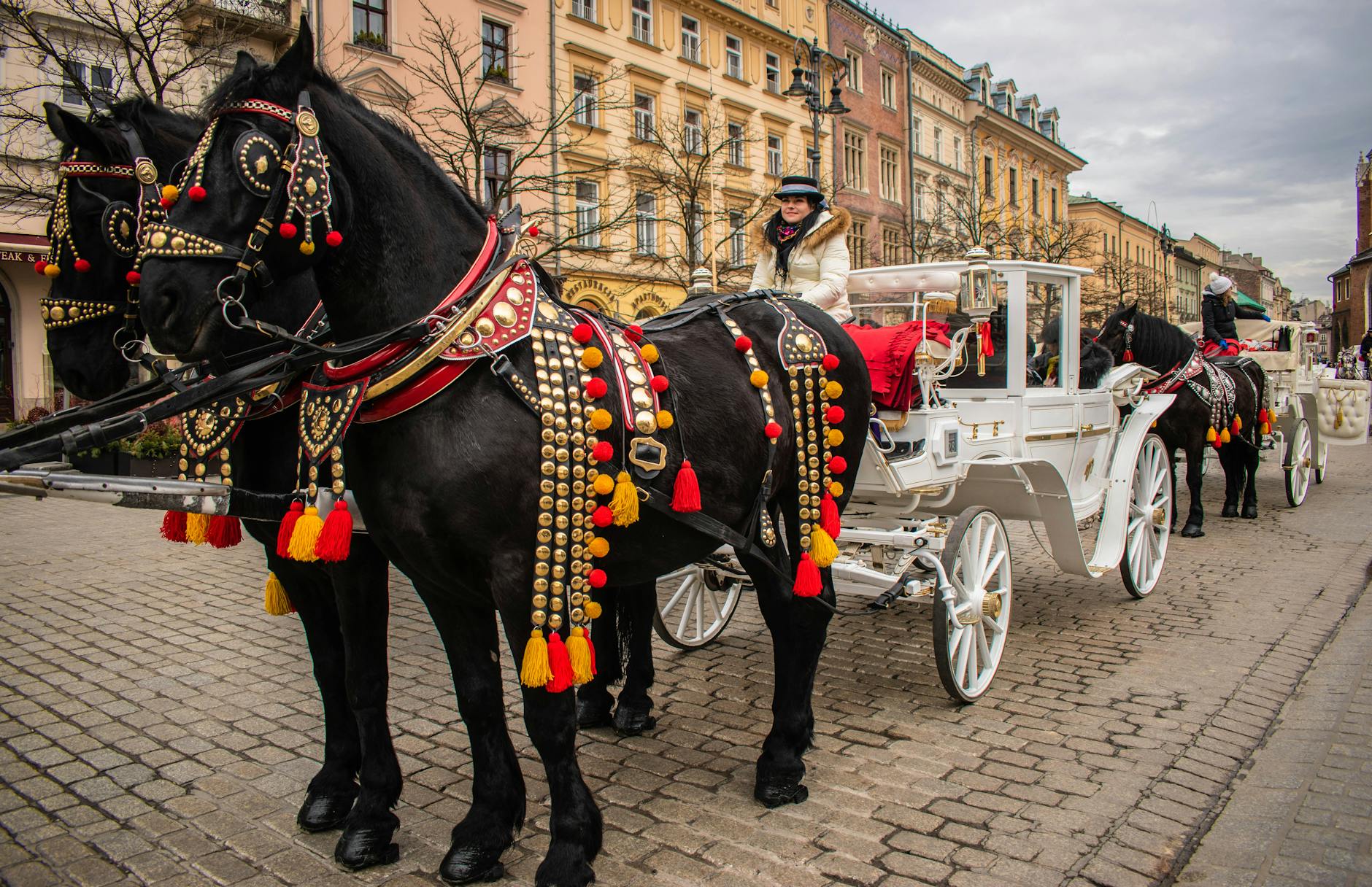
Transport should be part of mobility planning, not an emergency response. Trams, taxis, private drivers, hotel transfers, and rail station help can protect the trip when timed well. The traveler should know where vehicles can stop near pedestrian streets and major sights.
The easiest transfer is the one arranged early.
- Confirm airport or rail transfers when luggage, ramps, walking distance, or arrival timing could be difficult.
- Use taxis or drivers after long museum visits, bad weather, late meals, or uphill routes.
- Check tram stop access, vehicle boarding, ticketing, and walking distance at both ends before relying on transit.
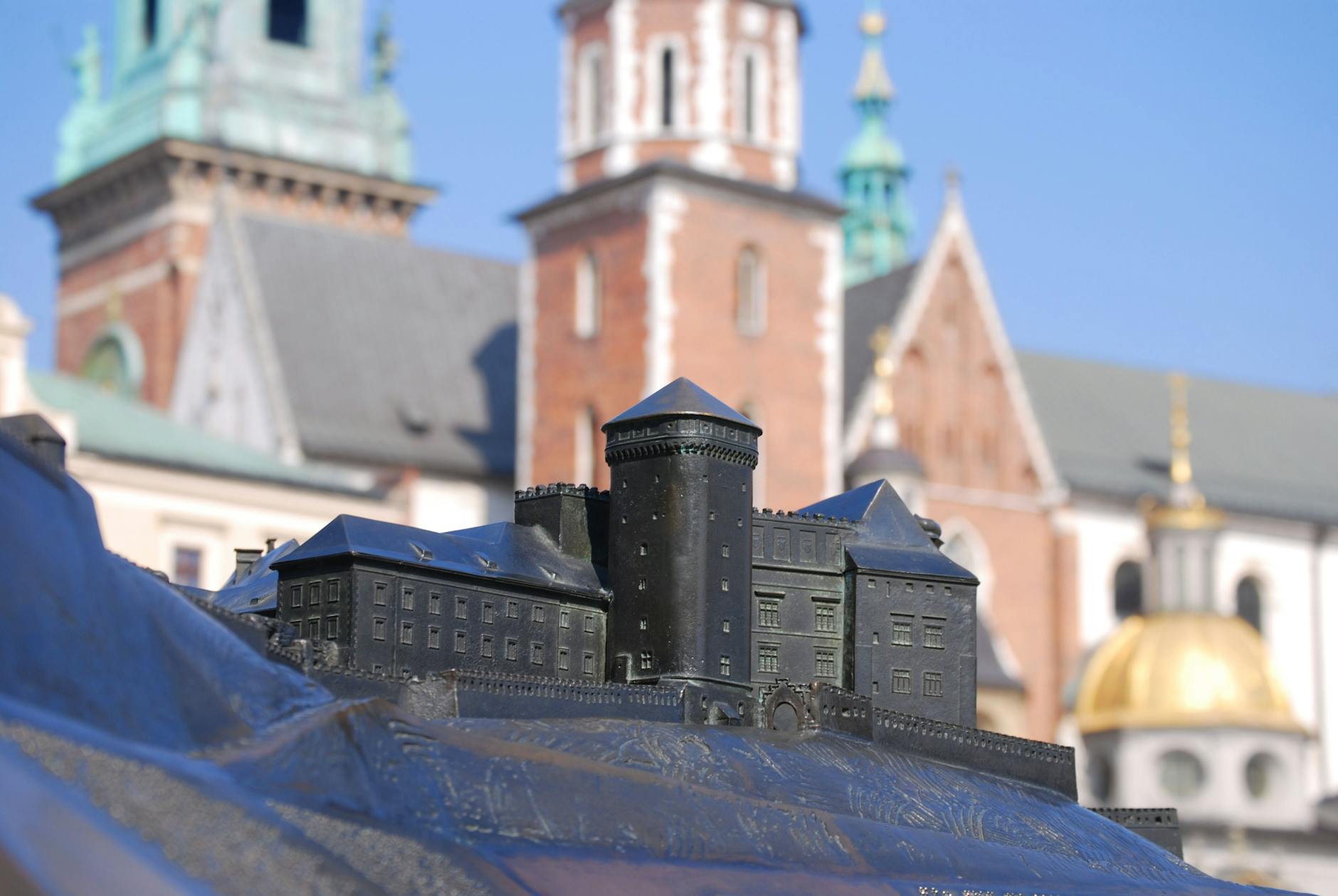
Screen Old Town, Wawel, and Kazimierz
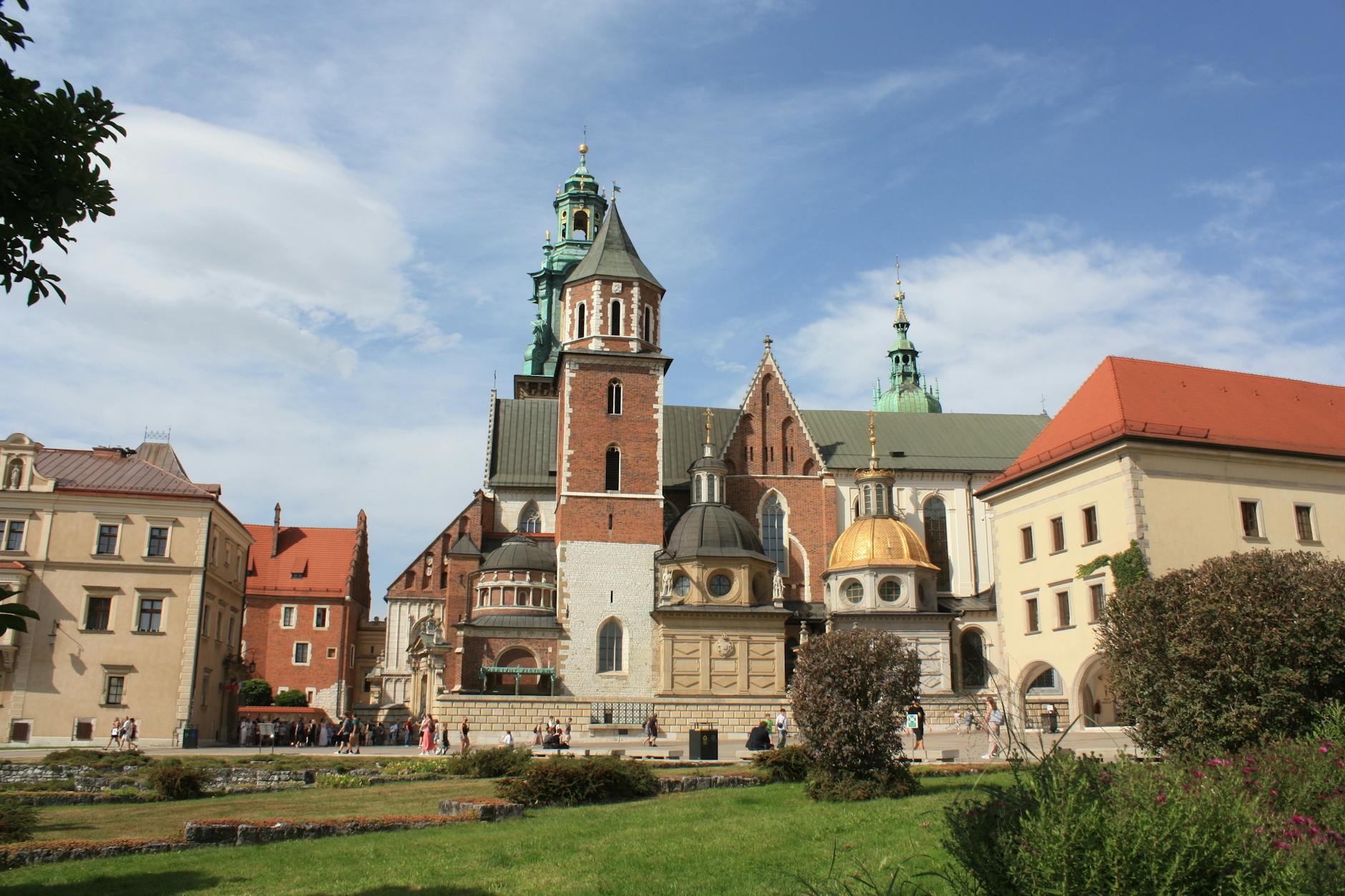
Krakow's best-known areas vary widely in accessibility. Some churches, courtyards, museum spaces, towers, restaurant entries, and side streets may have steps or uneven surfaces. The traveler should decide which experiences are essential and which can be adapted or replaced.
Sightseeing should match the body doing it.
- Check access notes for Wawel, museums, churches, synagogues, and guided tours before booking.
- Prioritize exterior routes, courtyards, viewpoints, and accessible interiors when stairs are limiting.
- Use a private guide or driver when custom pacing matters more than standard tour timing.
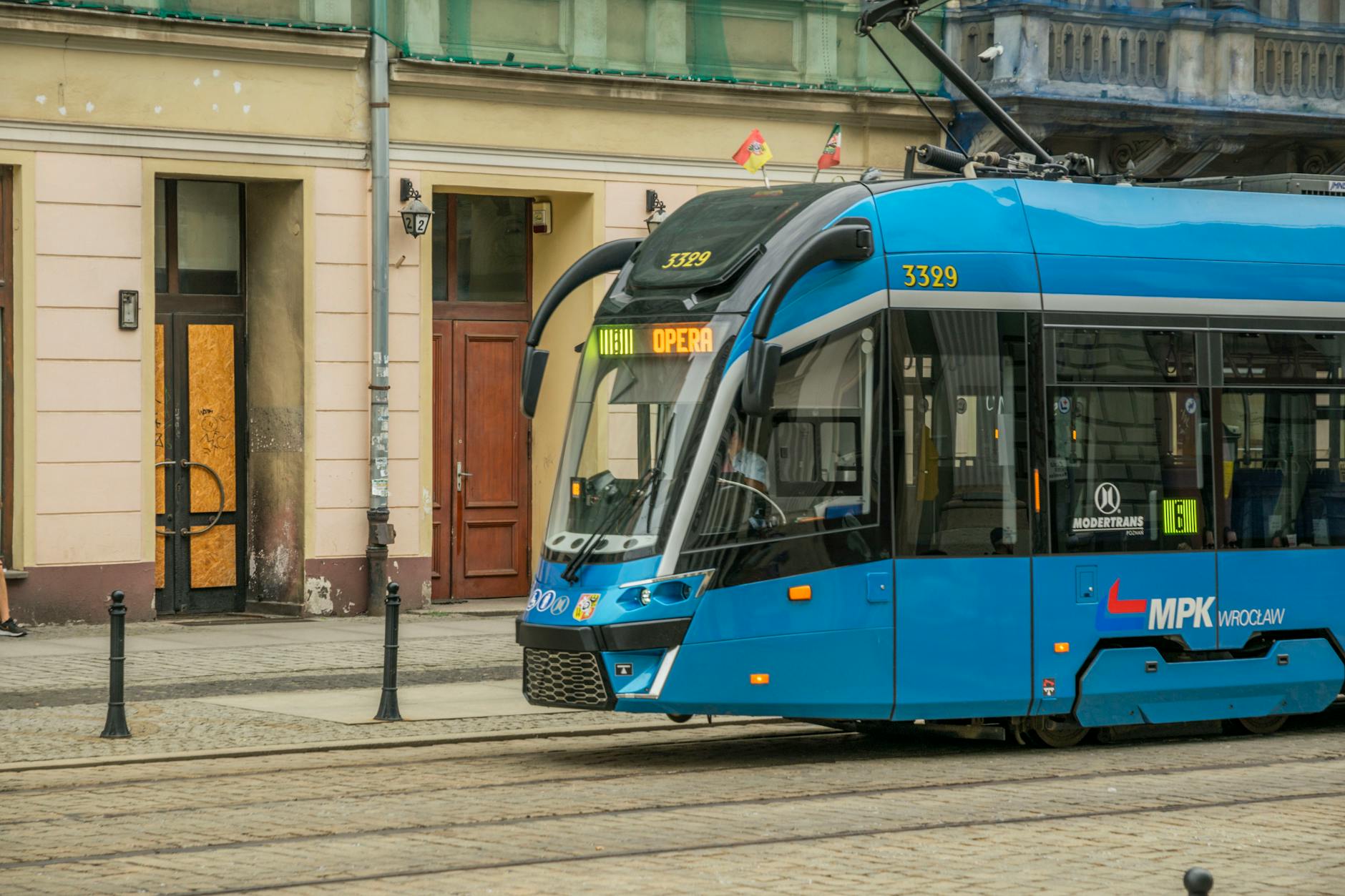
Plan meals and restroom access
Meals are practical infrastructure for a mobility-limited traveler. A restaurant with a step at the door, basement restroom, narrow seating, or distant taxi pickup can create avoidable stress. The best meal plan considers access as carefully as cuisine.
Food stops should also be rest stops.
- Save accessible cafes and restaurants near the hotel, Old Town, Kazimierz, and main route.
- Confirm entry steps, restroom location, seating comfort, and reservation timing for important meals.
- Carry snacks, water, medication, layers, and mobility supplies for longer sightseeing blocks.
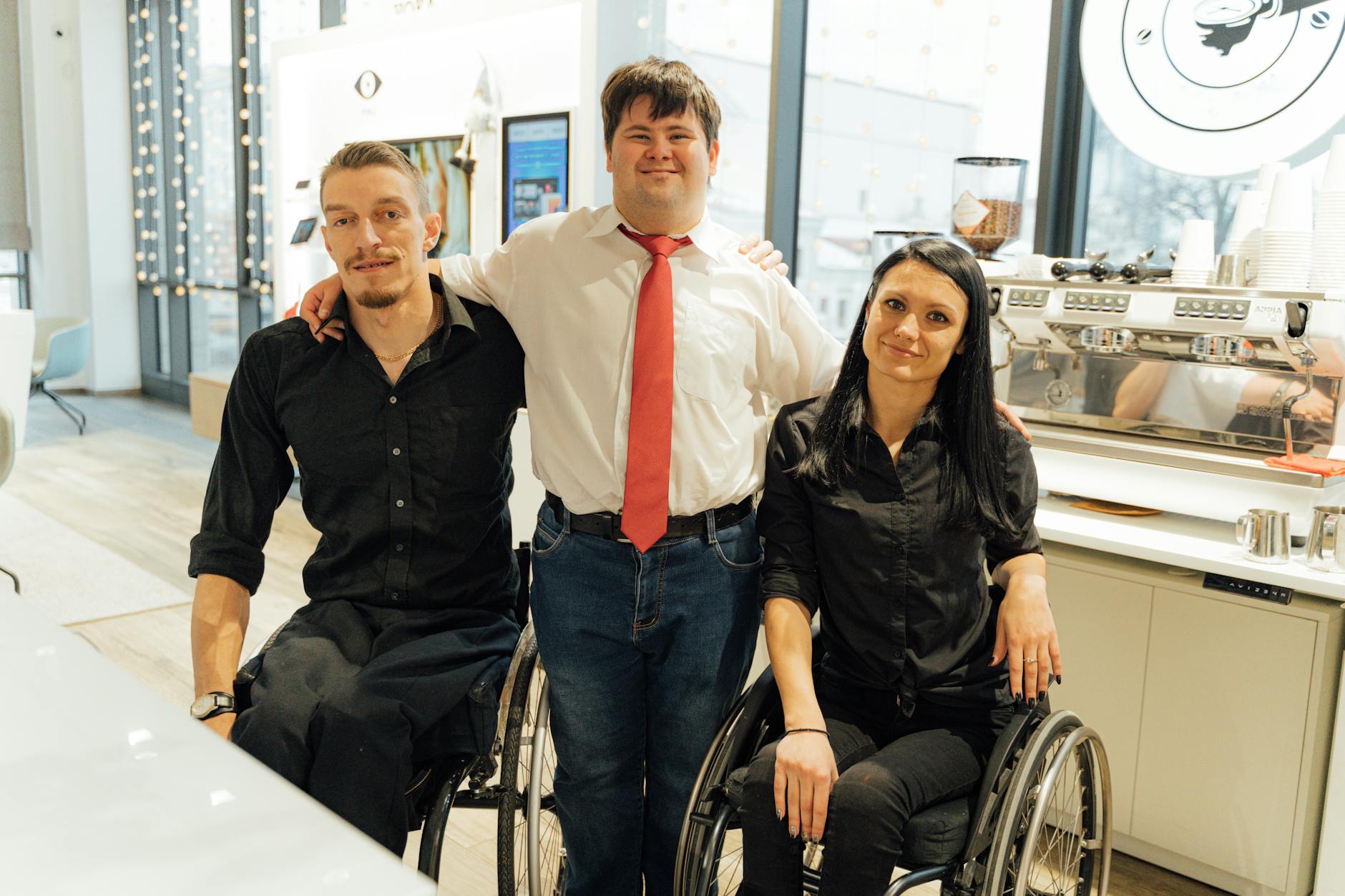
Be selective with excursions
Day trips from Krakow can be worthwhile, but accessibility varies by vehicle, pickup point, walking surface, stairs, restroom access, guide pace, and emotional intensity. A mobility-limited traveler should not assume that a standard tour can adapt in the moment.
Excursions need advance screening.
- Ask tour operators about step-free access, walking distance, seating, restrooms, vehicle type, and pickup location.
- Avoid full-day plans when they leave no recovery time before dinner or departure.
- Consider a private driver or shorter city plan when standard excursion pacing is too demanding.
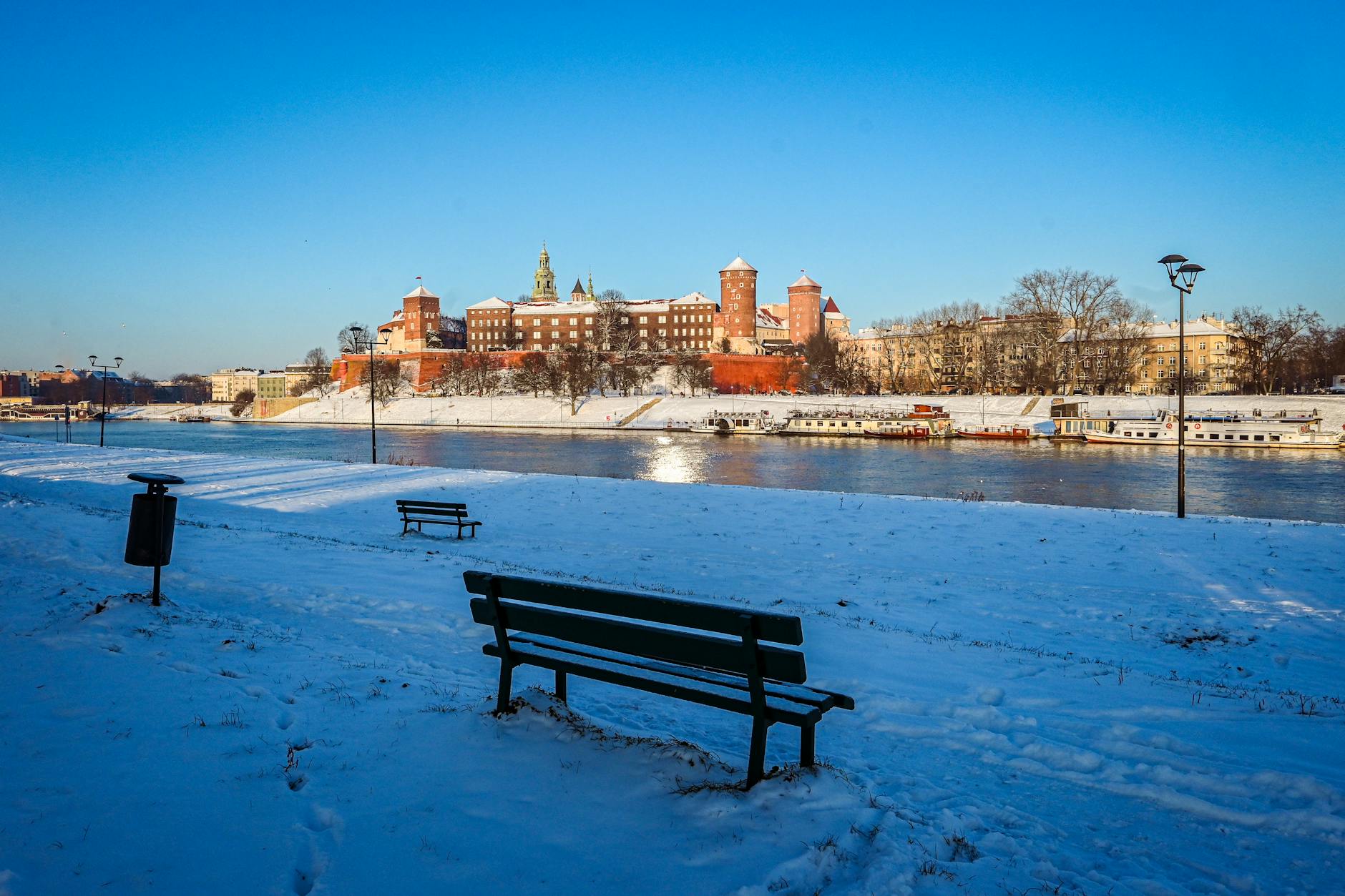
When to order a short-term travel report
A traveler with mild limitations, familiar lodging, and a relaxed schedule may not need a custom report. A report becomes useful when the trip includes wheelchairs, scooters, canes, limited walking tolerance, step-free lodging needs, day trips, restaurant access, medical equipment, or tight arrival and departure timing.
The report should test hotel access, vehicle pickup, walking surfaces, museum and church access, meals, restrooms, excursions, weather, and departure buffers. The value is a Krakow stay that protects energy while keeping the city meaningful.
- Order when lodging access, routes, transport, meals, restrooms, excursions, or departure timing need exact planning.
- Provide dates, hotel candidates, equipment needs, walking limits, step restrictions, interests, budget, and arrival details.
- Use the report to make access decisions before they become trip problems.