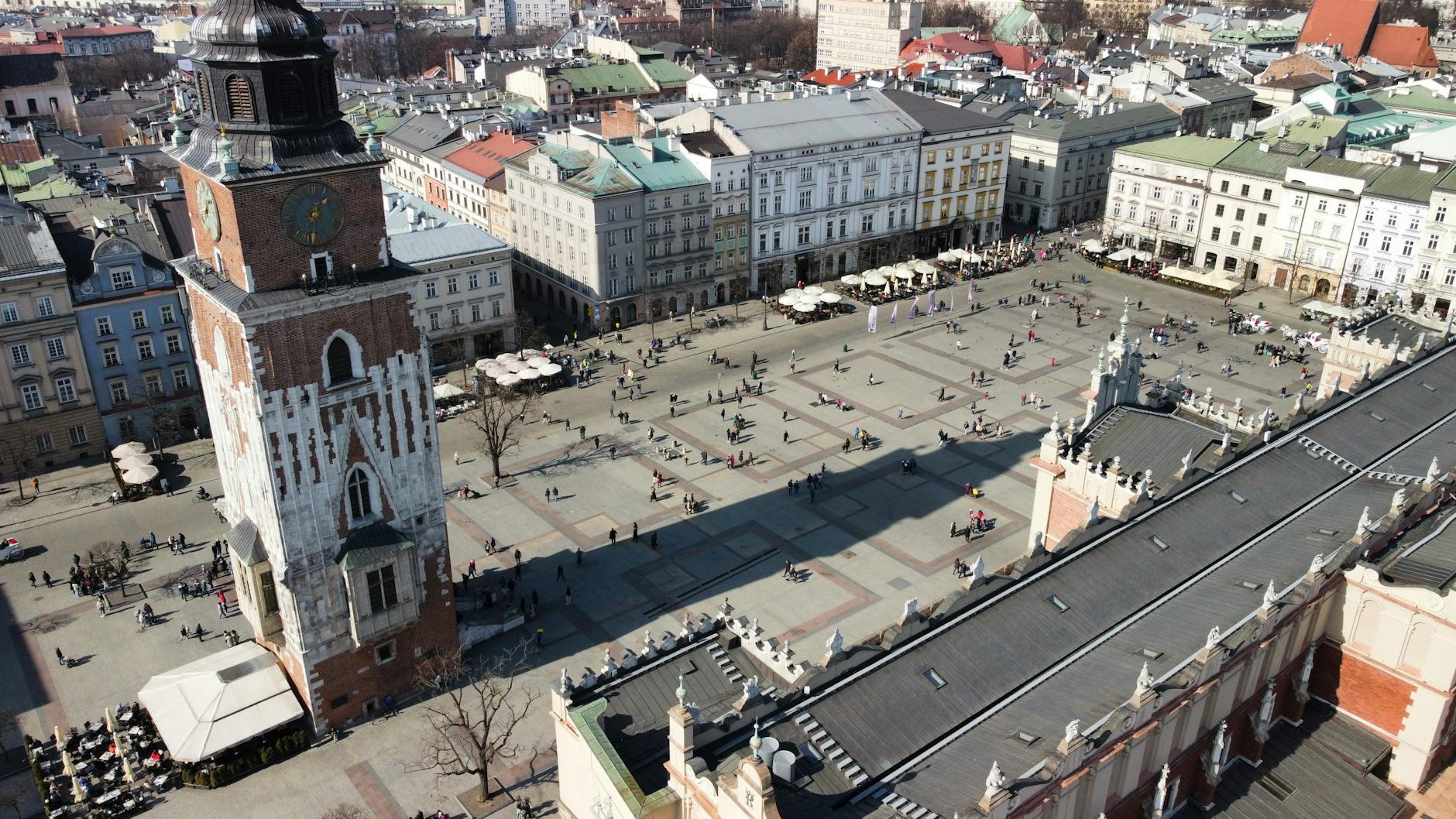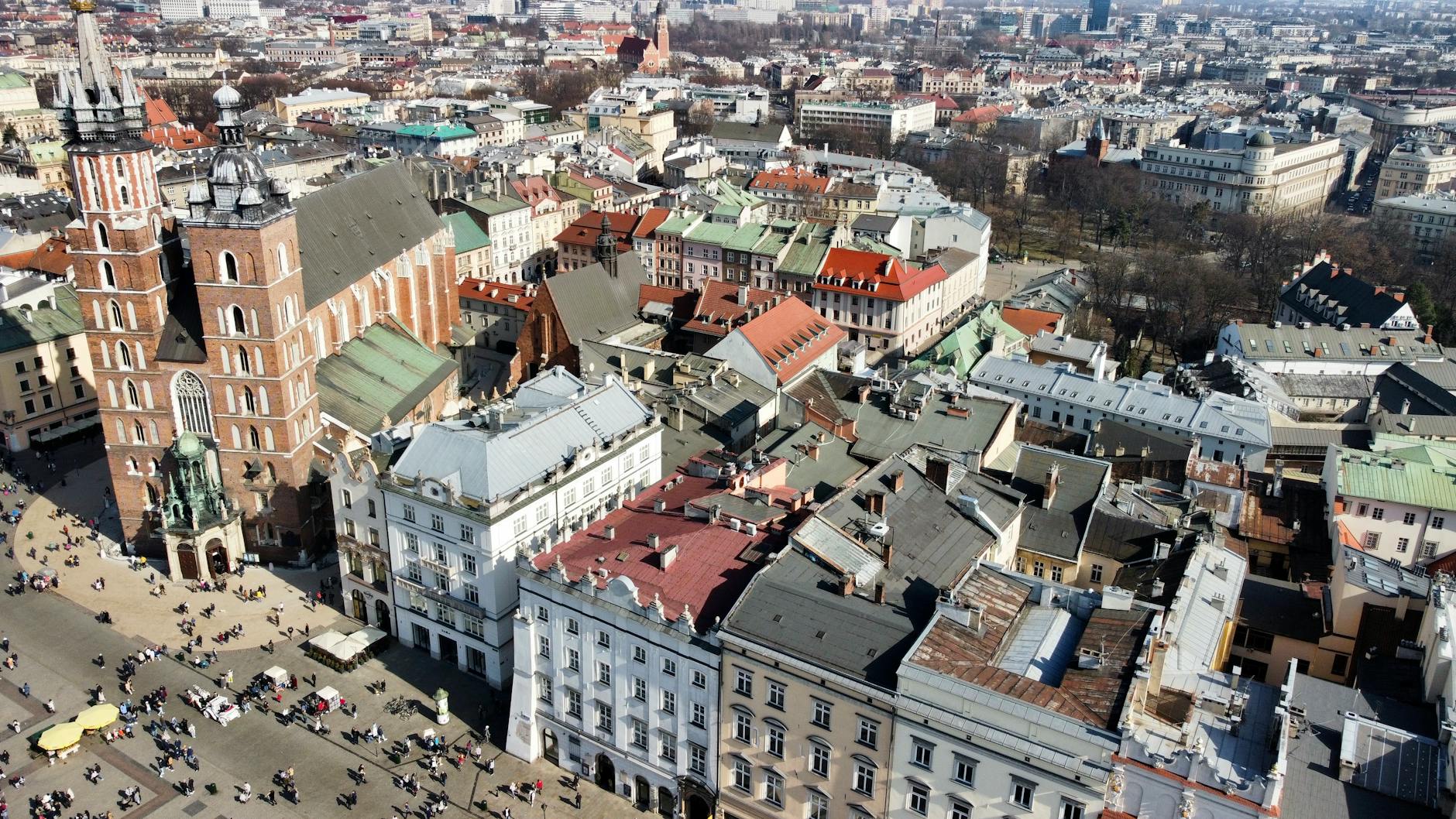
Krakow can be manageable for travelers with medical constraints, but the trip should be built around health routines from the start. Old Town, Wawel, Kazimierz, museums, restaurants, and day trips can all work better when lodging, medication timing, walking load, rest, food, and medical backup are planned before arrival.
Start with the medical routine
The travel plan should begin with medication timing, meals, hydration, sleep, mobility aids, temperature sensitivity, and any treatment schedule. Krakow sightseeing should fit around those requirements rather than forcing the traveler to recover from an overloaded itinerary.
The health routine is the schedule foundation.
- List medication times, food needs, rest blocks, equipment needs, and symptoms that require a slower day.
- Carry prescriptions, medication, medical summaries, glasses, chargers, and essential supplies in hand luggage.
- Build arrival day around recovery rather than immediate intensive sightseeing.

Choose lodging near support and rest
The right Krakow hotel or apartment can reduce medical strain. Elevator access, bathroom layout, climate control, quiet rooms, breakfast timing, refrigerator access, luggage help, and taxi pickup can matter more than a scenic view. The base should also make rest easy between outings.
Lodging is part of care planning.
- Confirm elevator access, bathroom setup, air conditioning or heating, quiet rooms, and refrigerator availability if needed.
- Choose a location near simple meals, pharmacy access, transport, and the main planned route.
- Avoid pedestrian-only access if luggage, mobility aids, or fatigue are concerns.

Know medical backup before it is needed
Travelers with medical constraints should not wait until a problem appears to find support. Pharmacy locations, clinic options, insurance contacts, translation needs, and hotel assistance should be known before the first full day. This is especially important over weekends, holidays, or after hours.
Backup knowledge lowers pressure.
- Save pharmacy, clinic, insurance, embassy or consular, and hotel contact information offline.
- Carry a concise medical summary and prescription details in a form a clinician can understand.
- Ask the hotel how they can assist with taxis, medical calls, or pharmacy directions if needed.

Limit walking strain and surface surprises
Krakow's historic center includes cobblestones, stairs, hills, curbs, crowded sidewalks, and long museum corridors. A traveler with pain, fatigue, balance issues, respiratory limits, or other medical constraints should assess each route by effort, not only distance.
The easiest-looking route may still be demanding.
- Check walking surfaces, stairs, seating, restrooms, and taxi drop-off points for each major stop.
- Group nearby sights and use transport before fatigue becomes a problem.
- Carry water, snacks, layers, and any supplies needed for symptom management.
Use transport as a health tool
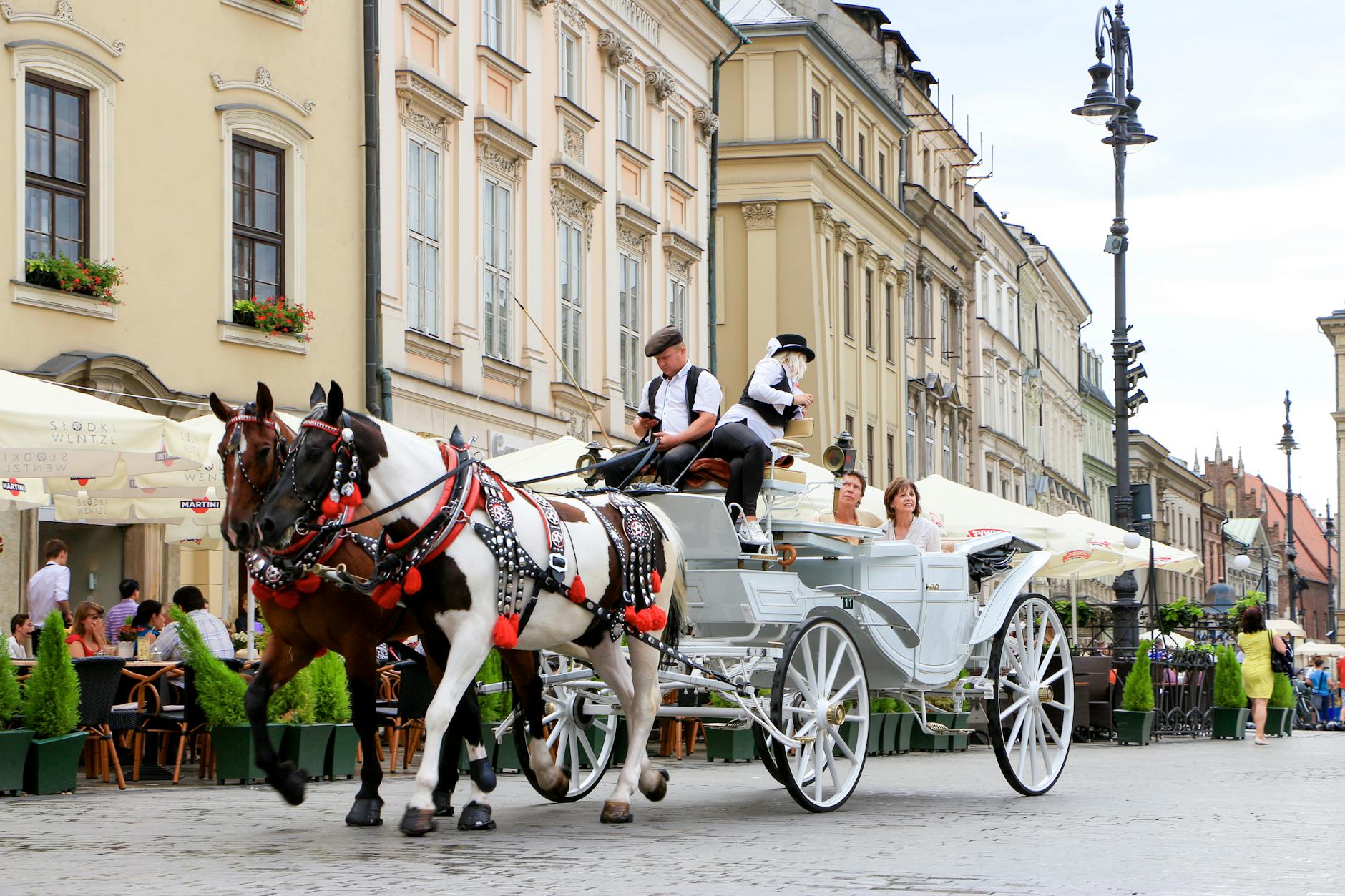
Trams, taxis, private drivers, hotel transfers, and rail links can protect energy when used at the right moments. A traveler with medical constraints should not treat walking every segment as a requirement. The goal is to save capacity for the experiences that matter.
Transport should reduce medical risk, not just save time.
- Prearrange airport or rail transfers when luggage, fatigue, or timing could be difficult.
- Use taxis or drivers after late meals, bad weather, long museum visits, or symptom flare-ups.
- Confirm pickup points near pedestrian zones before depending on door-to-door service.
Screen meals, day trips, and weather
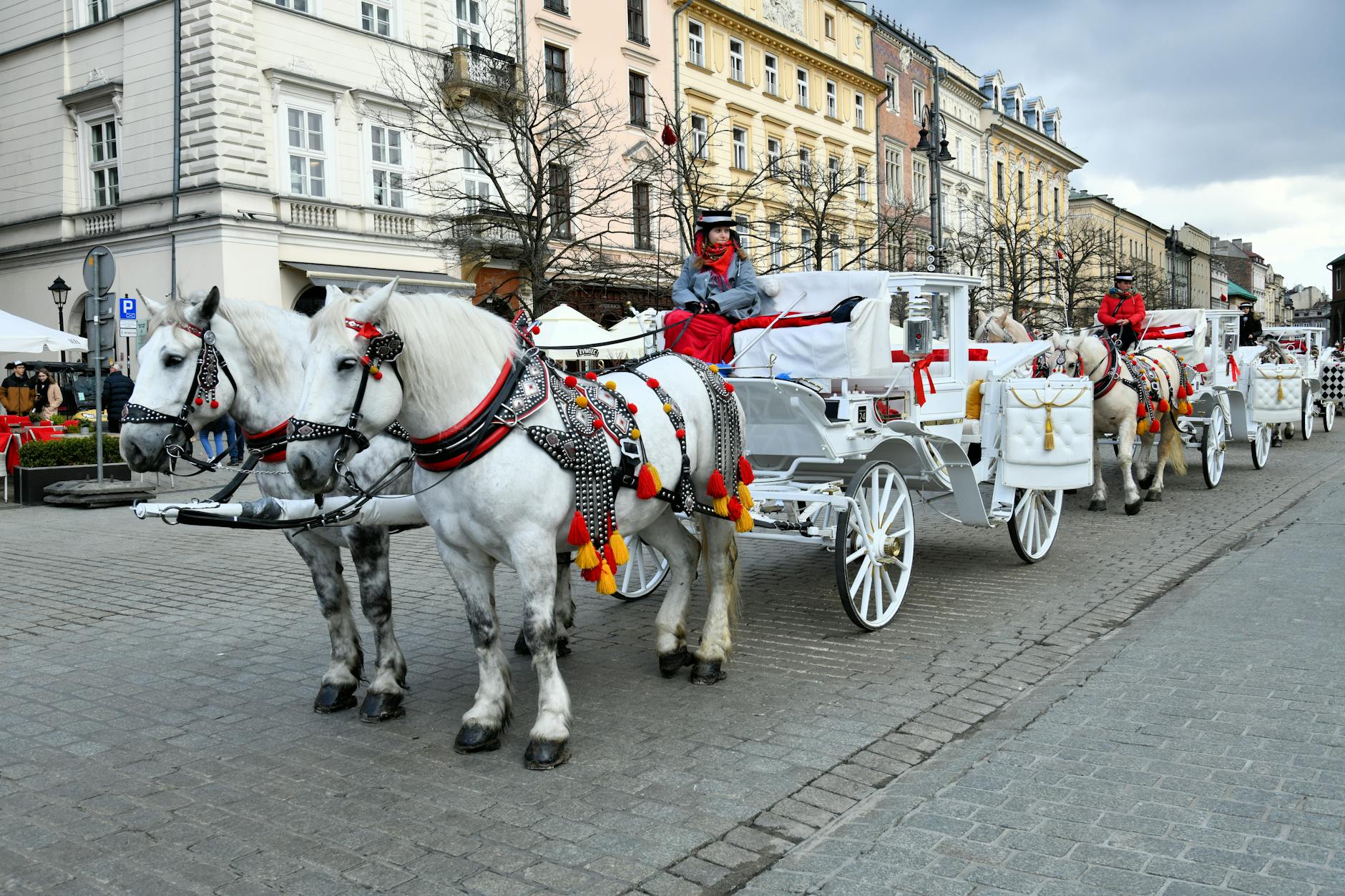
Meals, excursions, and weather can trigger avoidable problems. Food timing, dietary restrictions, heat, cold, rain, stairs, long rides, bathroom access, and emotional intensity should all be checked before committing to a day trip or long outing.
A good plan respects physical limits before they are tested.
- Save restaurants that fit dietary, medication, timing, and seating needs.
- Assess day trips by pickup time, vehicle comfort, walking load, restrooms, food, and return timing.
- Adjust plans for heat, cold, rain, air quality, and fatigue rather than forcing the original route.
When to order a short-term travel report
A traveler with stable routines and a relaxed Krakow schedule may not need a custom report. A report becomes useful when the trip includes medication timing, mobility limits, dietary needs, day trips, airport or rail transfers, heat or cold sensitivity, medical backup needs, or a tight departure.
The report should test lodging, medical routines, pharmacy and clinic access, walking surfaces, transport, meals, rest points, weather, day-trip demands, and departure buffers. The value is a Krakow plan that supports health while keeping the trip meaningful.
- Order when lodging, medication, medical backup, walking load, meals, transport, day trips, or departure timing need exact planning.
- Provide dates, medical constraints, medication schedule, mobility limits, hotel candidates, food needs, insurance context, and arrival details.
- Use the report to keep the short stay realistic, calm, and health-aware.