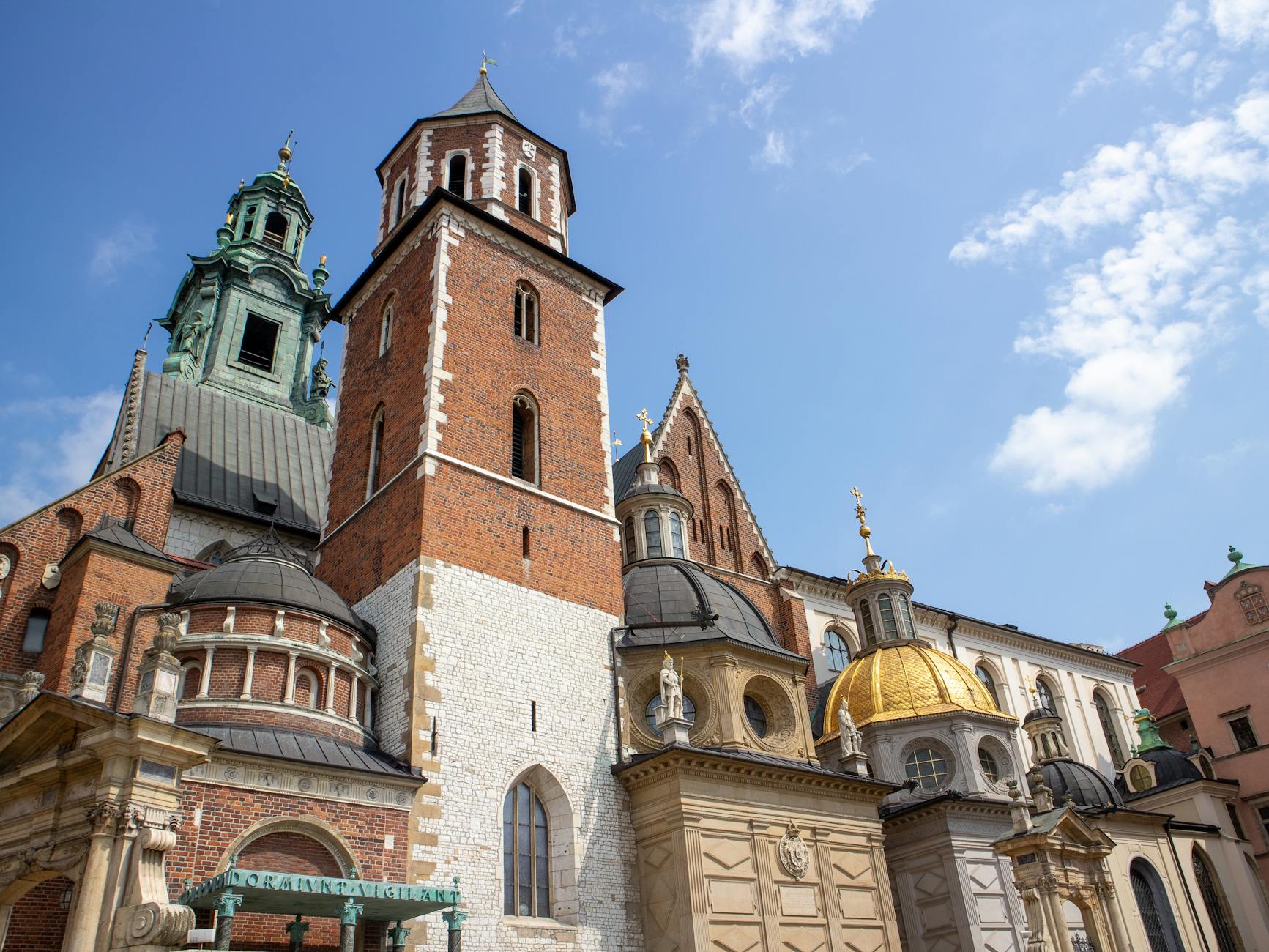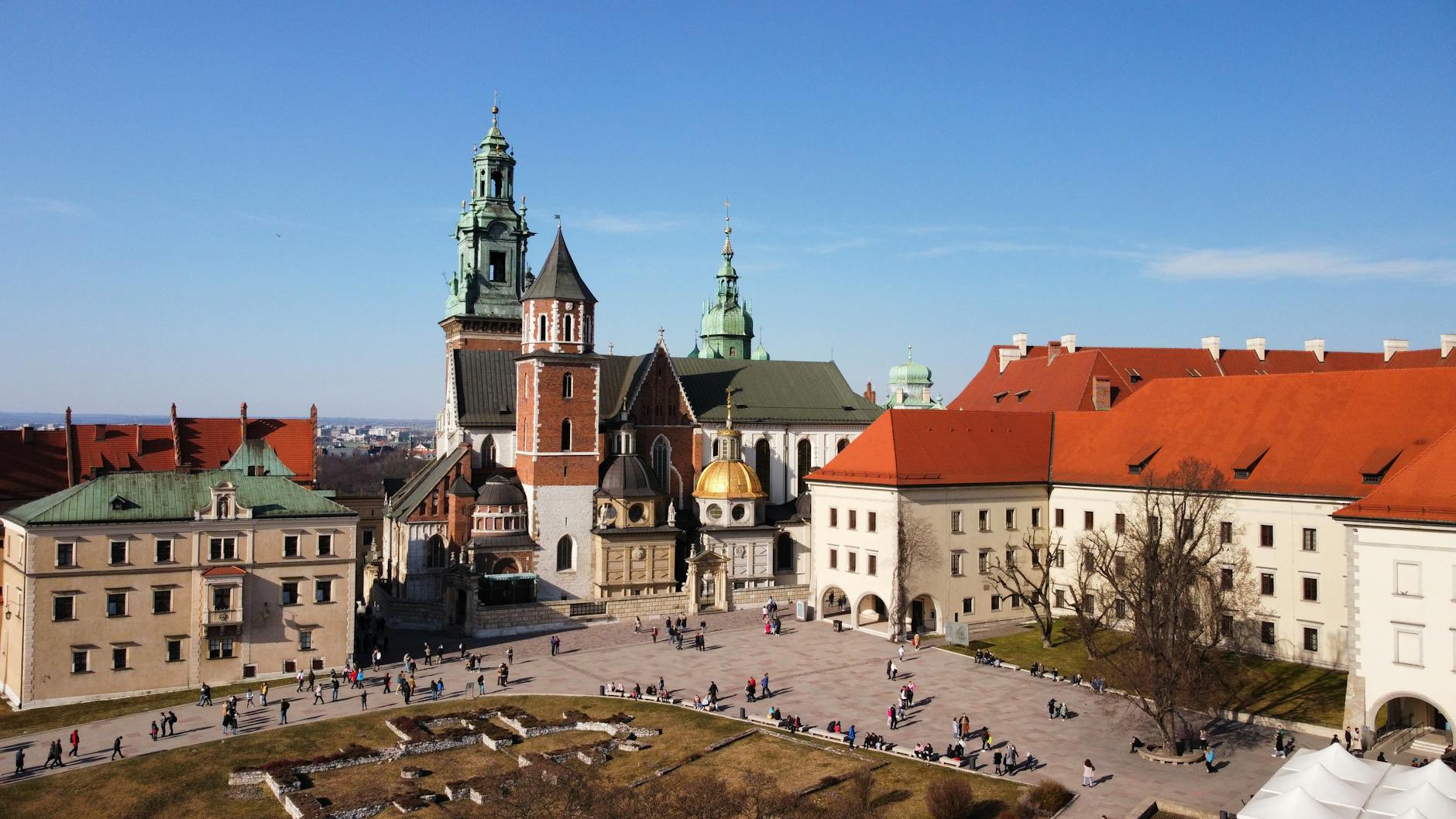
Krakow rewards tourists who give the city enough structure without trying to compress every famous stop into one rush. The Main Market Square, Wawel, Kazimierz, museums, restaurants, river walks, and possible day trips can fit well when the route is built around location, energy, weather, and the emotional weight of certain sites.
Start with the core Krakow loop
A short Krakow tourist stay should begin with the places that explain the city: the Main Market Square, St. Mary's area, Cloth Hall, Wawel, the river, and Kazimierz. The mistake is treating these as separate checkboxes rather than a connected route.
The first plan should be a walkable spine.
- Group Old Town, Wawel, and nearby river routes before adding distant stops.
- Mark museum opening days, ticket times, church access, and seasonal closures before arrival.
- Keep arrival day lighter if the trip begins after a flight, rail connection, or late check-in.
Pace Old Town and Wawel
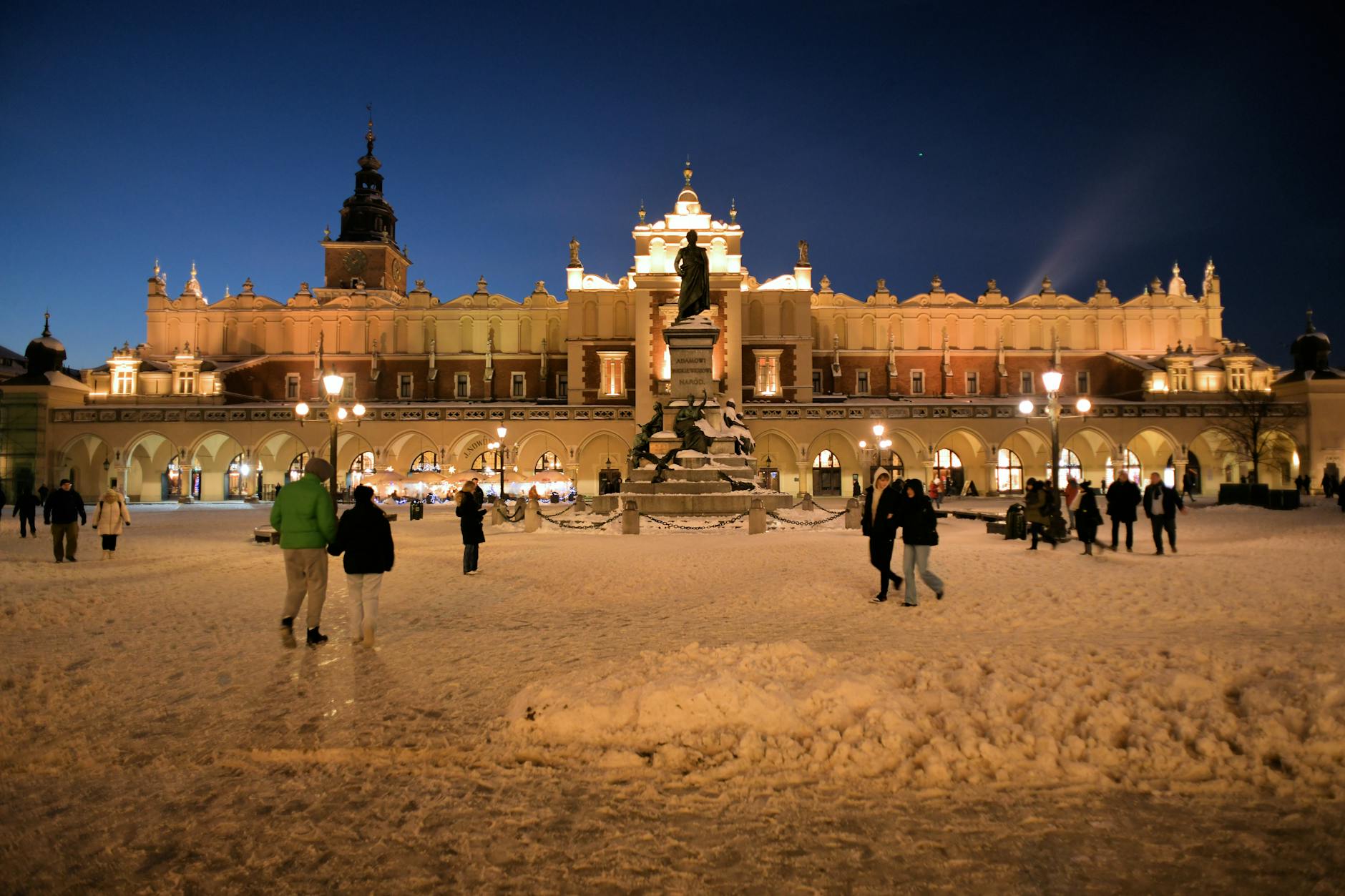
Old Town and Wawel can fill more time than they appear to on a map. Cobblestones, crowds, ticket lines, towers, courtyards, churches, and museum interiors can make a simple sightseeing block physically dense. A tourist who slows the pace often sees more clearly.
The historic center works best with deliberate breaks.
- Separate exterior wandering from ticketed interiors so the day does not become one long queue.
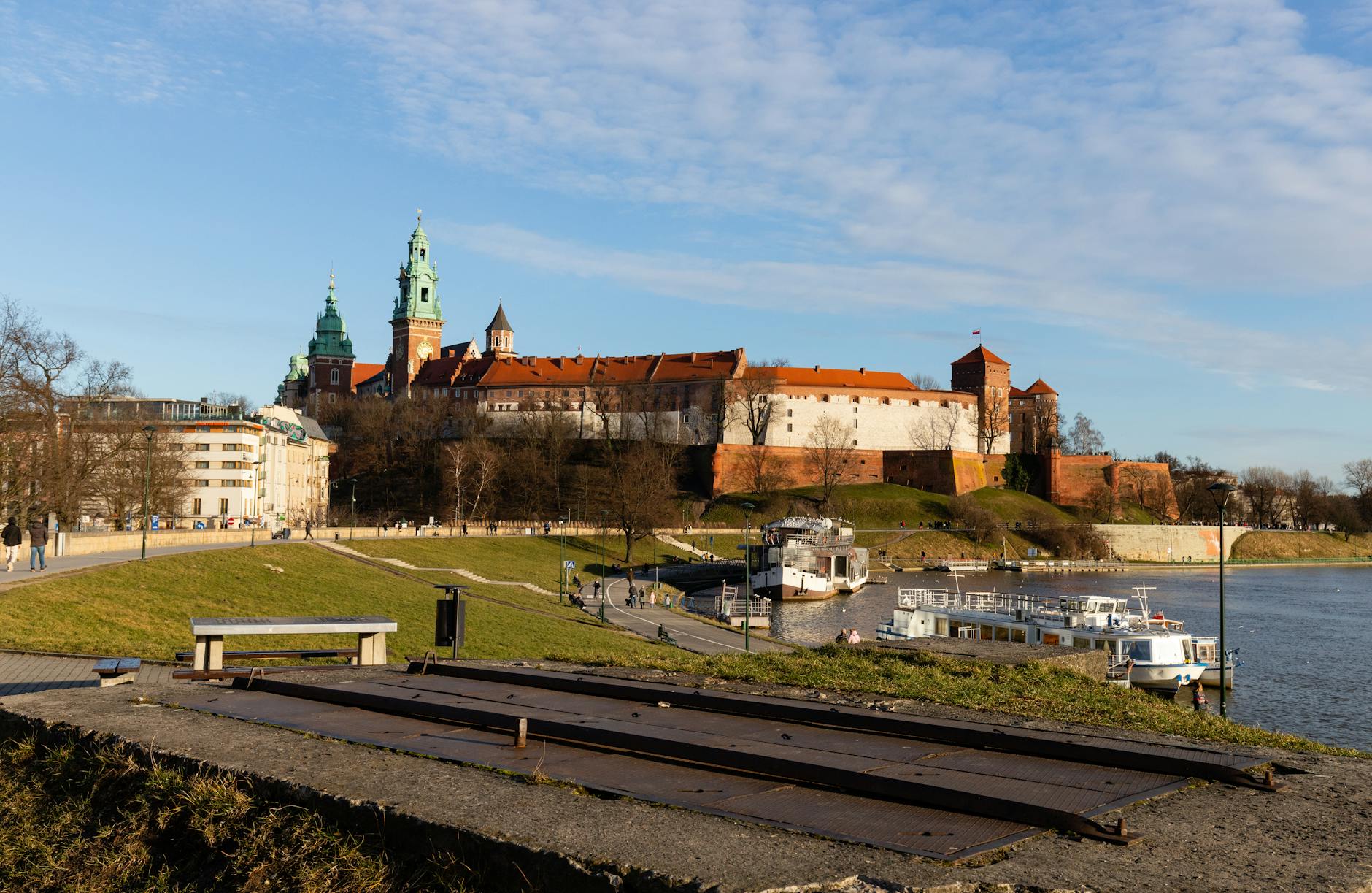
- Use cafes, courtyards, and river paths as breaks between heavier stops.
- Check whether Wawel tickets or timed entries need advance planning for the travel dates.
Handle Kazimierz and heritage sites thoughtfully
Kazimierz is not just an evening dining district. It carries Jewish heritage, religious sites, galleries, cafes, memorial context, and nearby museum options. A tourist should decide whether the visit is mainly food and atmosphere, historical learning, or both.
The neighborhood deserves more than a passing stop.
- Plan synagogue, museum, memorial, and walking-tour choices before filling the day with restaurants.
- Leave space after emotionally weighty visits rather than stacking them with late-night plans.
- Use a guide or curated route when heritage context matters to the trip.
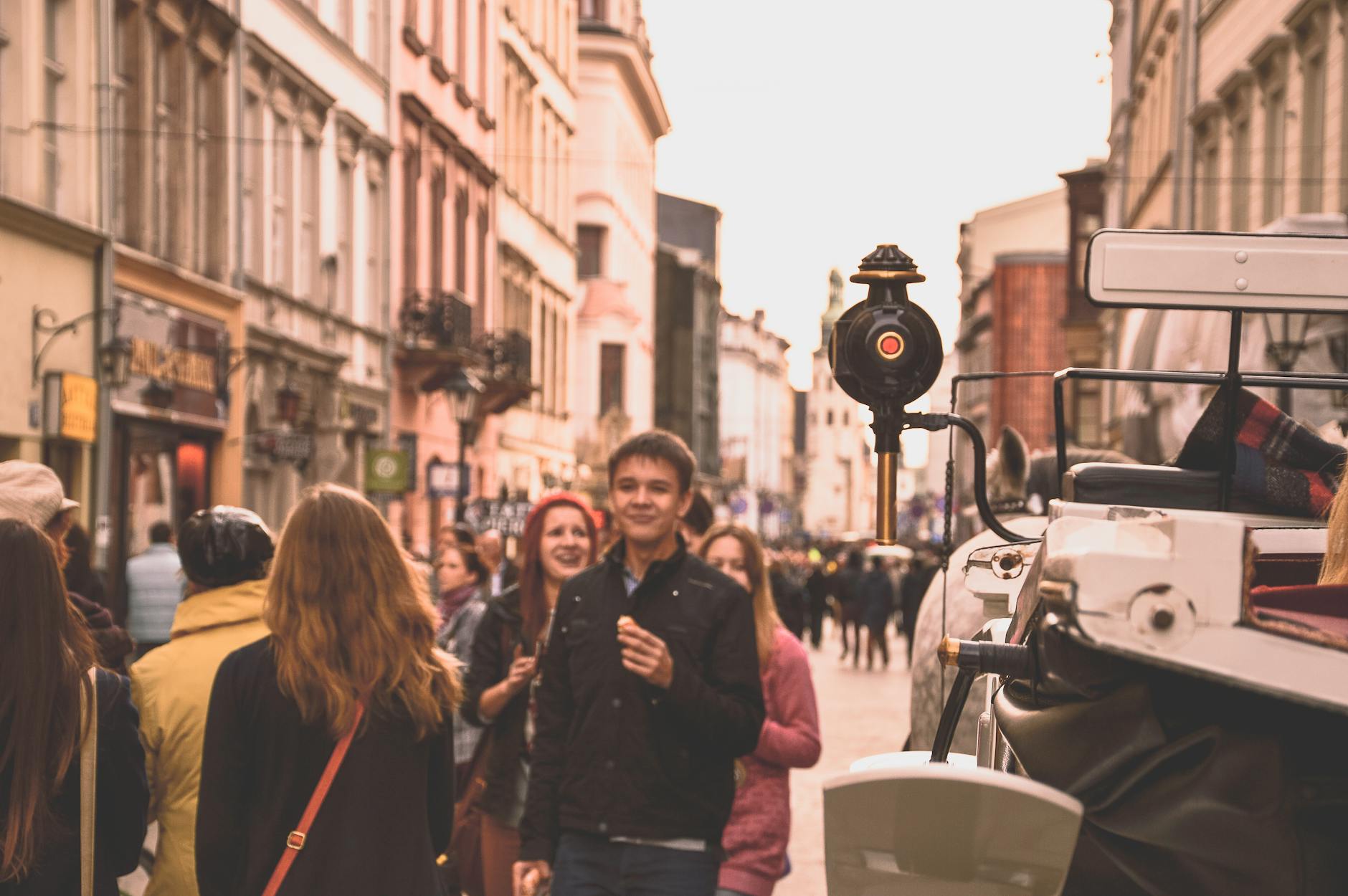
Be selective with day trips
Krakow tourists often consider Auschwitz-Birkenau, Wieliczka Salt Mine, Zakopane, or smaller regional visits. These can be meaningful, but they can also consume most of a short stay. The question is not whether a day trip is famous; it is whether it fits the traveler, timing, and purpose.
A day trip should earn its place.
- Compare pickup time, travel duration, walking load, emotional intensity, guide quality, and return hour.
- Avoid scheduling a demanding excursion after a late arrival or before an early departure.
- Keep the evening simple after a full-day trip, especially if it involves heavy history.
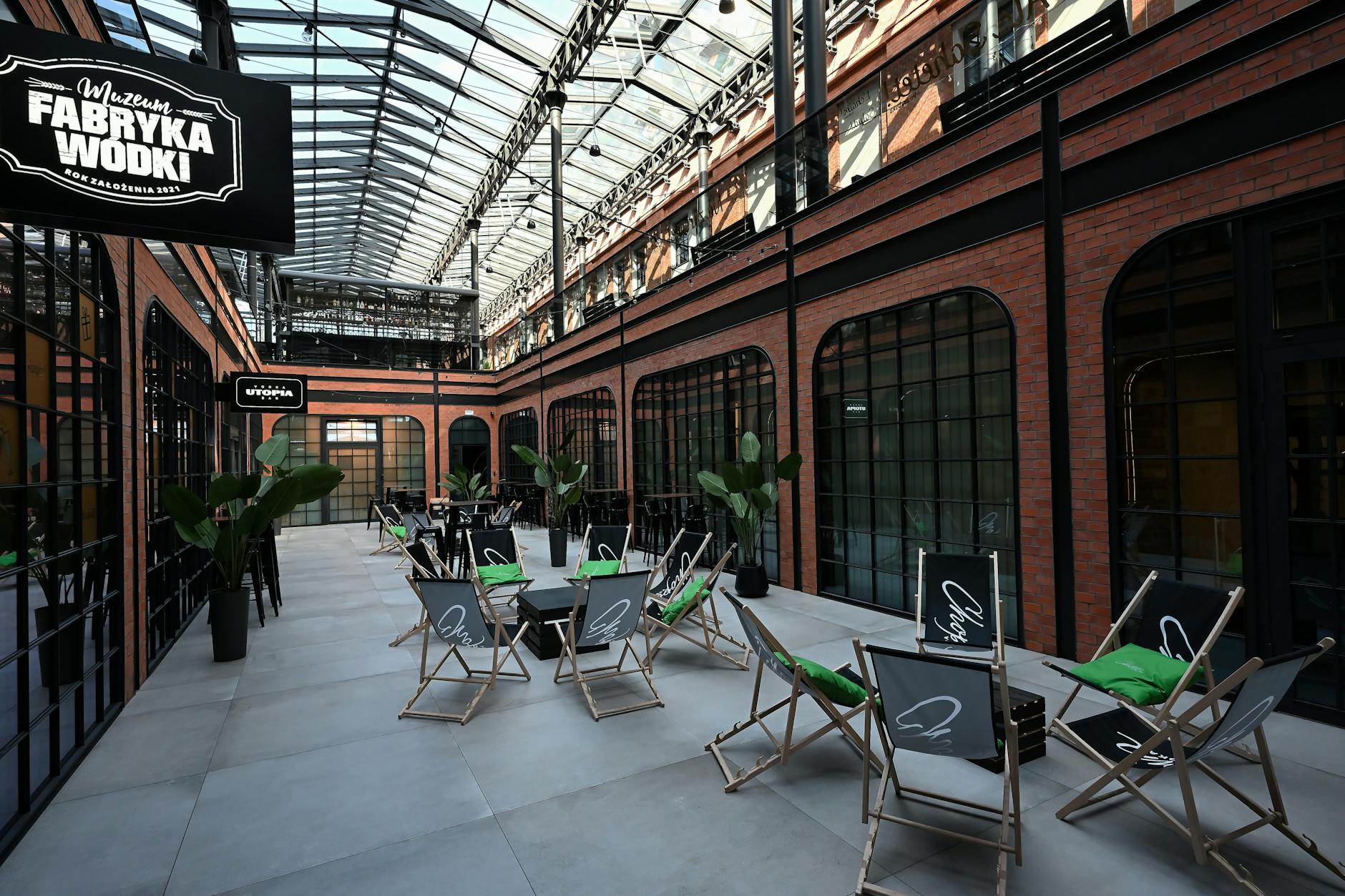
Plan meals and evenings near the route
Krakow has strong tourist meals, cafes, bars, and casual food options, but the best choices still depend on geography. A dinner across town can be worthwhile only if it does not create an awkward late return or force backtracking after a long day.
Meals should support the itinerary.
- Save restaurants and cafes near Old Town, Kazimierz, the hotel, and any evening venue.
- Reserve key dinners when the restaurant is small, popular, or central to the trip.
- Keep one easy meal option near the hotel for bad weather, fatigue, or delayed arrival.
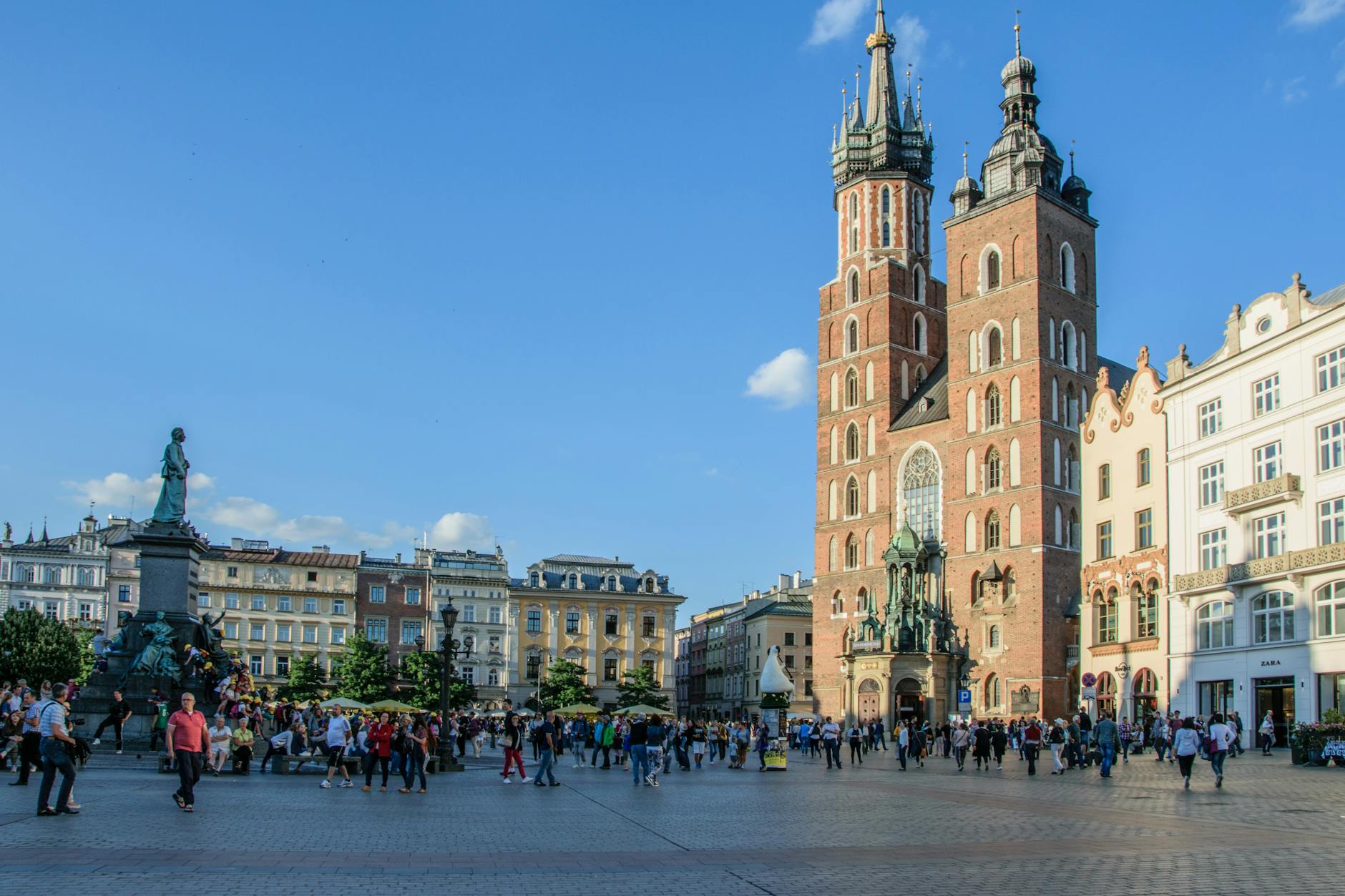
Use transport and weather backups
Krakow's center is walkable, but tourists still need backup options. Rain, heat, cold, tired feet, luggage, tram changes, pedestrian zones, and airport timing can all affect a short visit. A flexible plan keeps the city enjoyable when conditions change.
Convenience should be planned before it is needed.
- Know when to walk, when to use trams, and when a taxi or transfer is the better choice.
- Carry shoes, layers, rain protection, water, and a battery pack for long sightseeing blocks.
- Confirm airport or rail departure timing before adding a final morning activity.
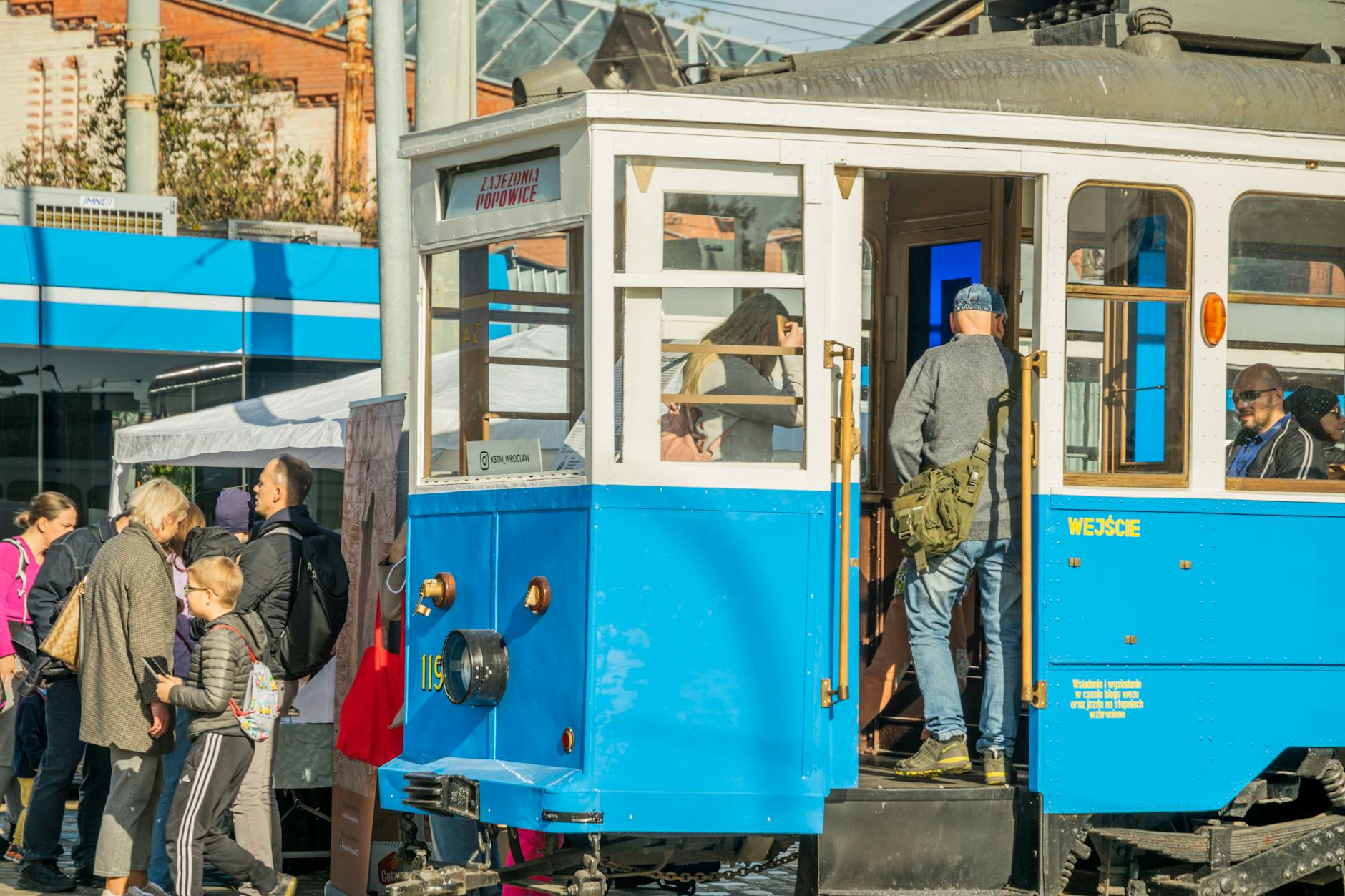
When to order a short-term travel report
A tourist with a relaxed Krakow stay and few fixed plans may not need a custom report. A report becomes useful when the visit is short, includes major museums or day trips, has mobility limits, carries personal heritage interest, or depends on smooth arrival and departure timing.
The report should test the route, lodging area, tickets, day trips, meals, transport, weather backups, rest points, and final departure buffers. The value is a Krakow tourist plan that feels complete without turning the city into a checklist.
- Order when routes, tickets, day trips, meals, weather, transport, or departure timing need exact planning.
- Provide dates, hotel candidates, arrival details, interests, walking tolerance, budget, and must-see sites.
- Use the report to keep the stay focused, realistic, and paced for the actual traveler.