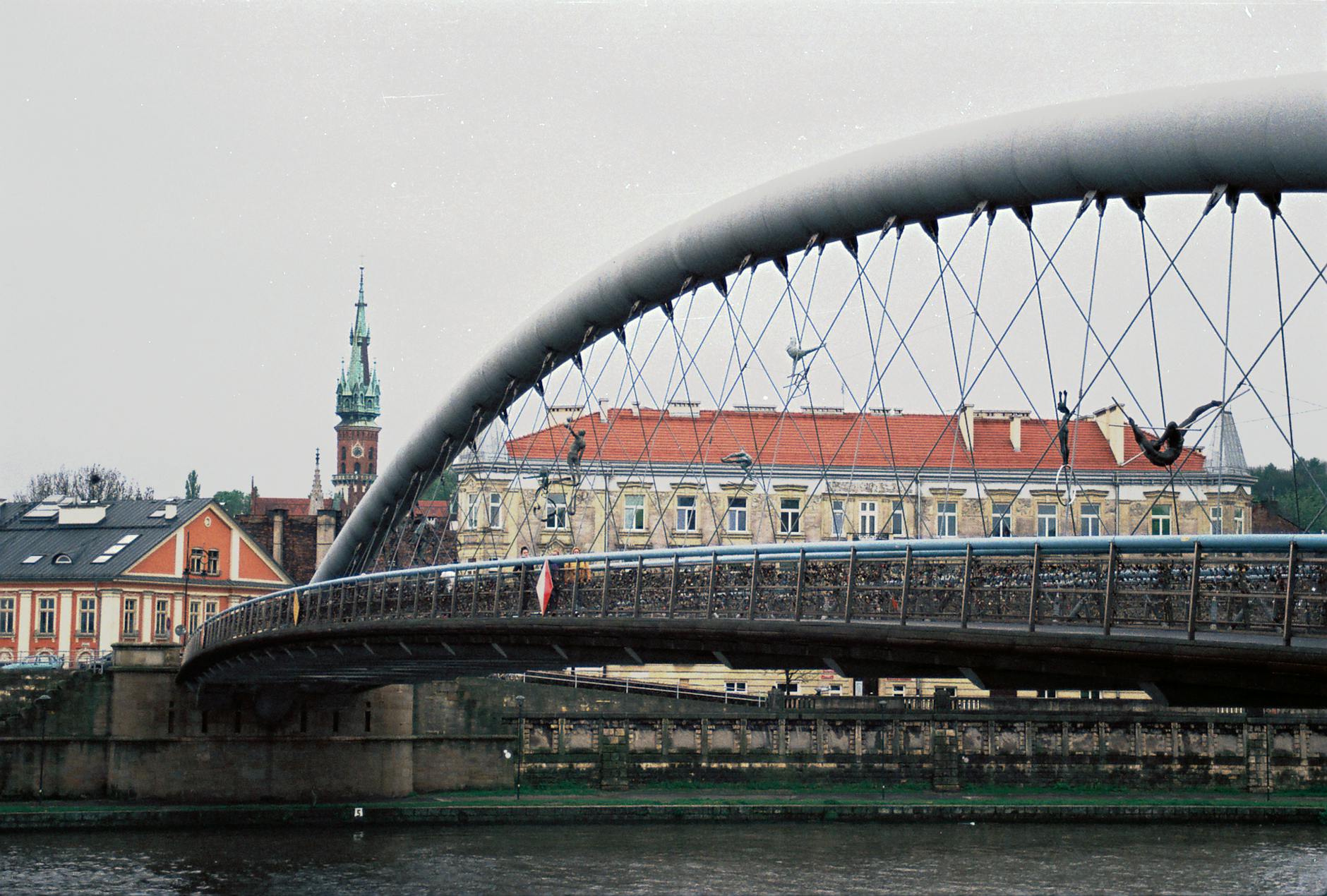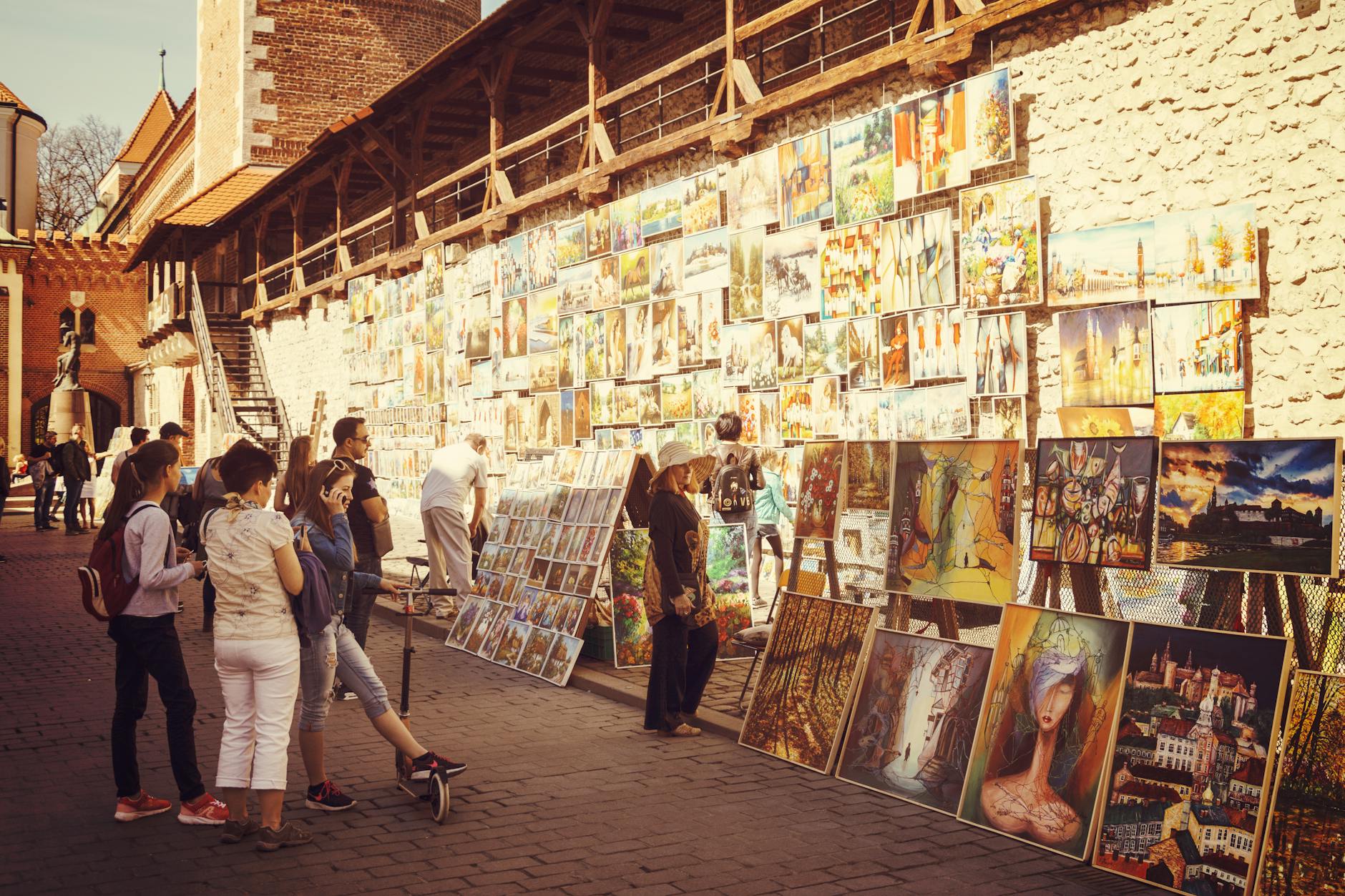
A Krakow sales trip is usually short, relationship-driven, and sensitive to timing. The traveler may need to move between prospects, client offices, restaurants, hotel work blocks, and airport or rail links while still arriving prepared and rested. The best plan keeps the sales purpose first and uses the city selectively.
Map prospects before choosing the hotel
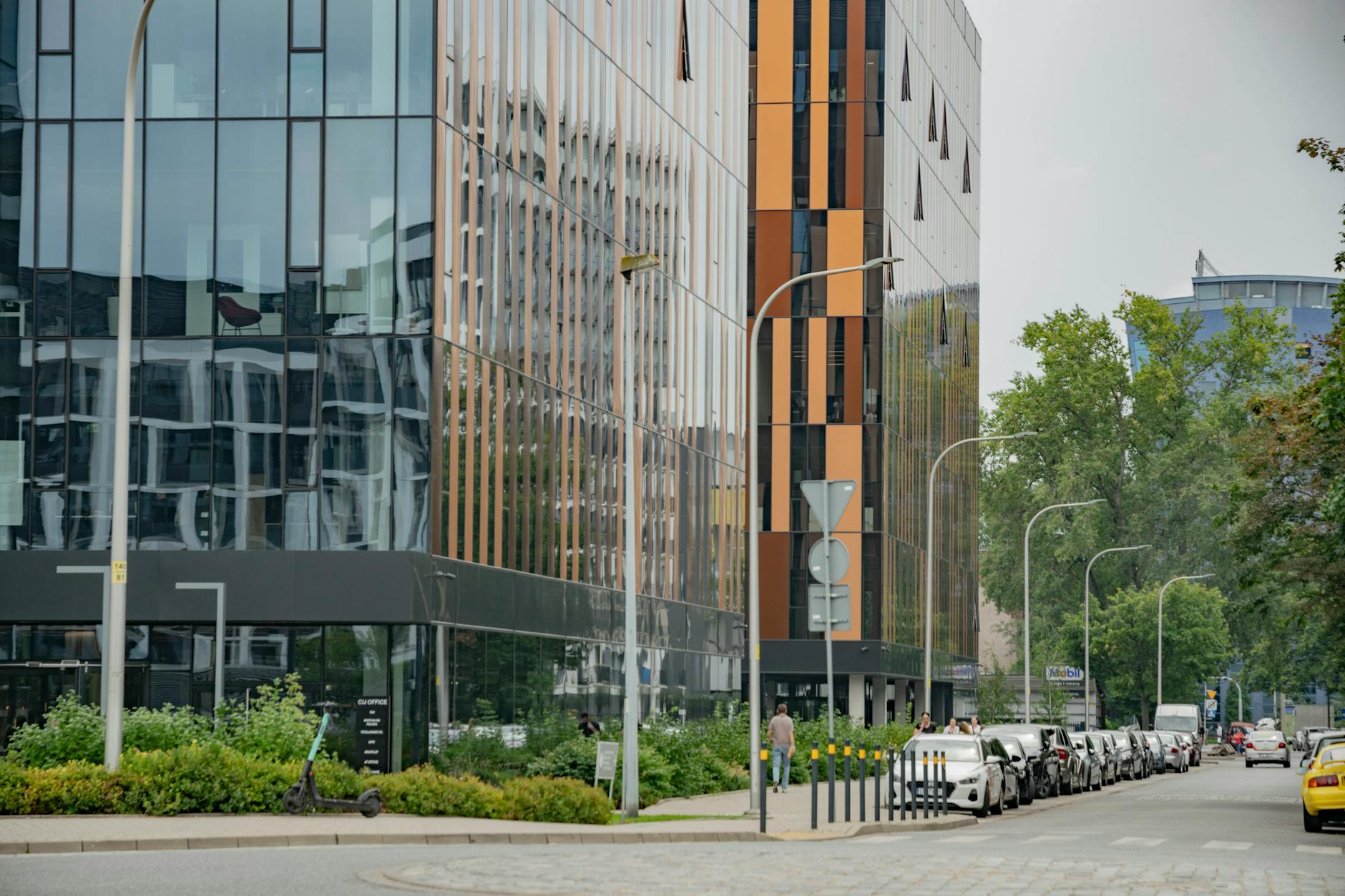
A sales traveler should begin with exact meeting locations, not a generic central hotel search. Krakow can involve office parks, universities, hotels, coworking spaces, restaurants, or off-site venues, and a beautiful Old Town base may not be practical for every meeting.
Client geography should control the base.
- Confirm prospect addresses, meeting rooms, reception procedures, parking or pickup points, and dinner locations.
- Compare hotel access to the highest-value meeting, not just the most scenic neighborhood.
- Build realistic buffers for morning traffic, weather, pedestrian streets, and last-minute meeting changes.
Protect pitch materials and prep time
Sales trips depend on readiness. Laptops, chargers, adapters, product samples, demos, decks, contracts, business cards, and printed material should have backups. The traveler also needs quiet time to adjust the pitch after early conversations.
Preparation is part of the itinerary.
- Carry core sales materials, chargers, adapters, and client notes in hand luggage.
- Save offline copies of decks, proposals, contracts, price sheets, and demo links.
- Schedule a private work block before the first meeting and after important calls.
Plan transport around arrival quality
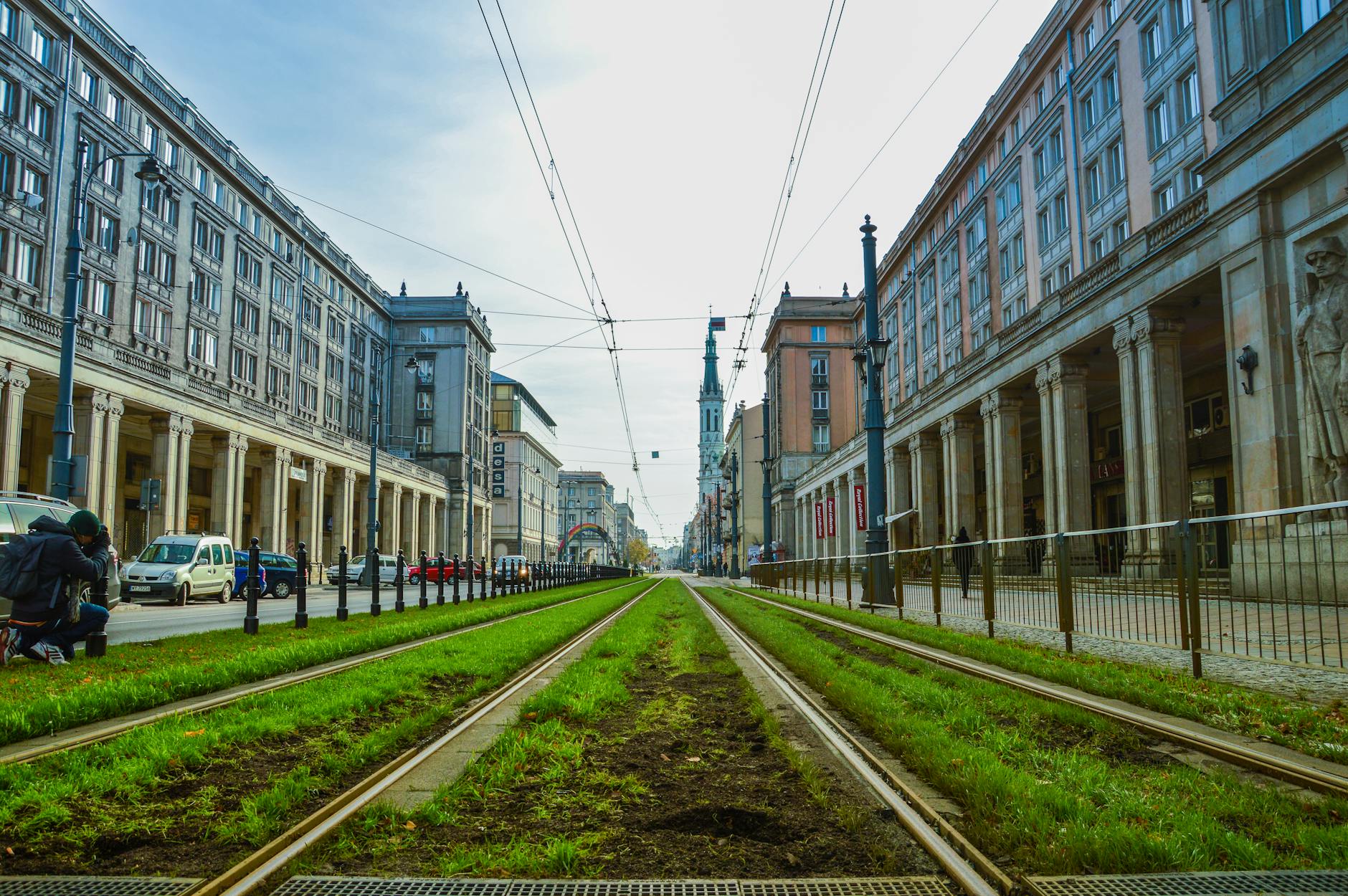
A sales traveler needs to arrive composed, on time, and ready to listen. Walking can work for some central meetings, but rain, snow, heat, cobblestones, laptop bags, formal clothing, or multi-stop days may call for taxis or drivers. The cheapest route is not always the best business route.
Transport should support credibility.
- Use direct transport for high-stakes meetings, poor weather, unfamiliar districts, or heavy bags.
- Save pickup points, client entrances, hotel address, and backup routes offline.
- Confirm airport or rail transfer timing before accepting a final-day meeting.
Choose meals for relationship value
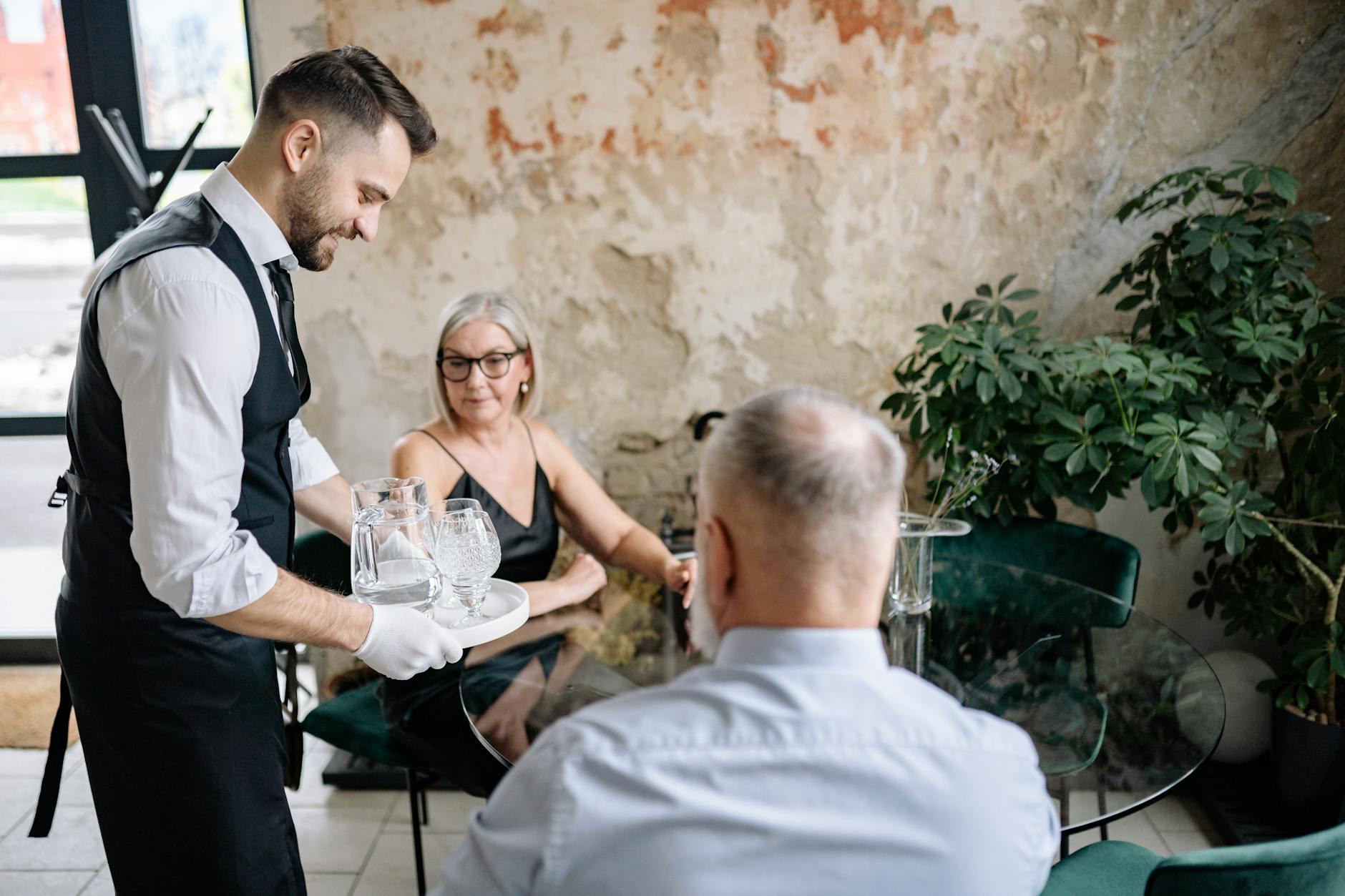
Client meals in Krakow can help a sales trip, but the restaurant needs to fit the conversation. Noise, seating, payment flow, distance from the hotel, dietary needs, and the return route all matter. A memorable setting is useful only if it supports the business purpose.
Meal planning should be intentional.
- Reserve client meals near the meeting site, hotel, or a clear evening return route.
- Choose quieter tables for sensitive pricing, renewal, or negotiation conversations.
- Keep one casual backup meal near the hotel for delayed arrivals or post-meeting follow-up.
Leave space for follow-up
Sales travel often creates the most important work after the meeting: notes, CRM updates, revised proposals, introductions, and next steps. A packed Krakow itinerary can make the trip feel productive while quietly weakening follow-through.
Follow-up needs protected time.
- Block time after key meetings for notes, next-step emails, and proposal changes.
- Avoid stacking every evening with networking when the next morning matters.
- Keep hotel Wi-Fi, workspace, and quiet areas in mind when booking.
Use Krakow without crowding the work trip
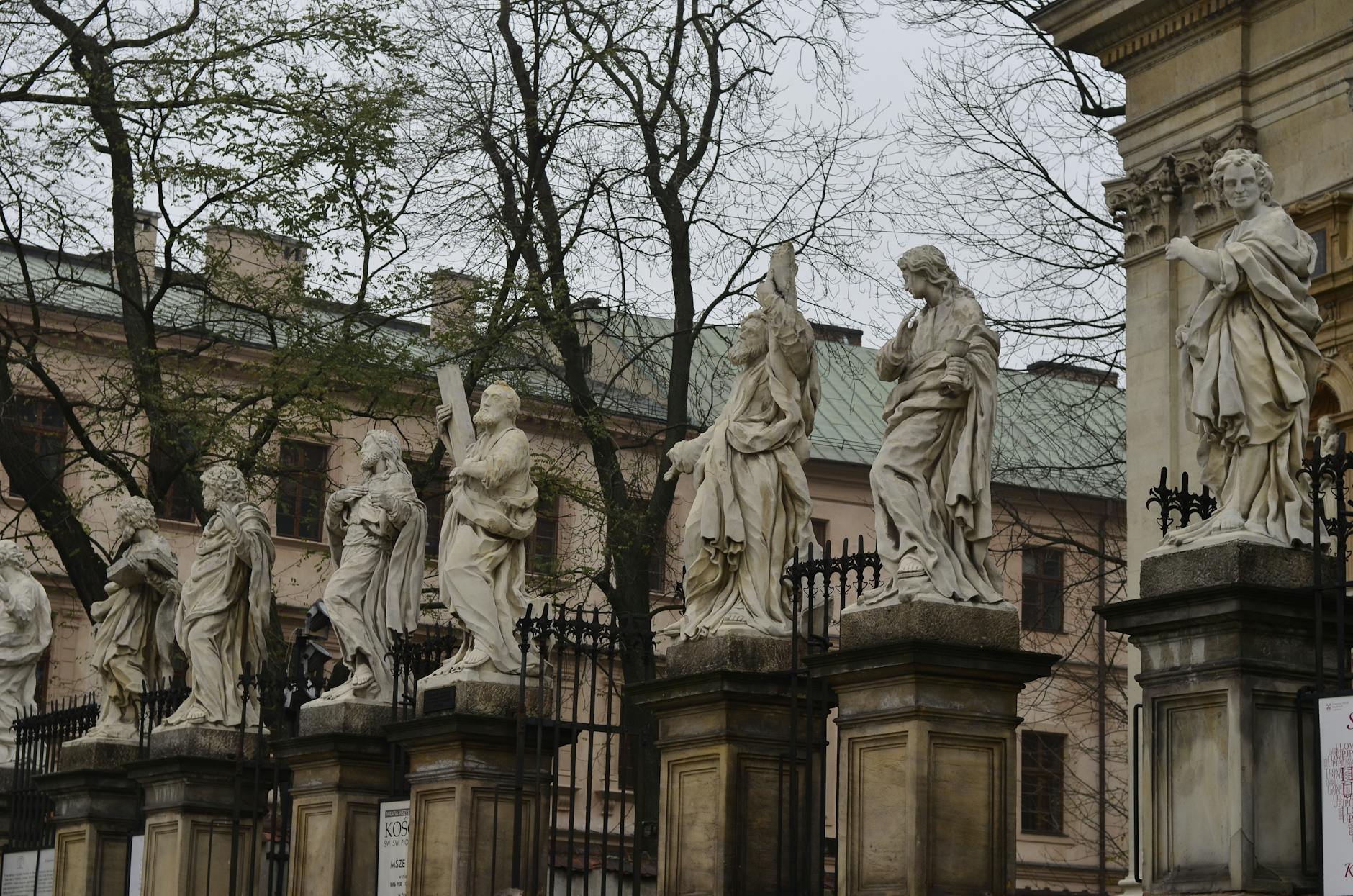
Old Town, Wawel, Kazimierz, cafes, and evening walks can make a sales trip more memorable, especially when hosting a client. The traveler should still keep sightseeing proportional. A short route near dinner can be better than a rushed attraction list.
The city should support the sales purpose.
- Use city context for client dinners, short walks, or arrival-day orientation.
- Avoid long day trips unless the sales work is complete and departure timing is open.
- Choose one useful local experience rather than trying to tour Krakow between meetings.
When to order a short-term travel report
A sales traveler with one familiar client and an event hotel may not need a custom report. A report becomes useful when the trip includes multiple prospects, client dinners, product samples, tight arrival timing, unfamiliar districts, high-value negotiations, or a departure soon after meetings.
The report should test client geography, hotel placement, meeting routes, meal options, transport, work blocks, weather, and departure buffers. The value is a Krakow sales trip where logistics stay quiet and relationship time gets priority.
- Order when client locations, hotels, routes, meals, materials, follow-up blocks, or departure timing need exact planning.
- Provide dates, prospect addresses, meeting schedule, hotel candidates, sales materials, meal plans, budget, and arrival details.
- Use the report to keep the trip punctual, prepared, and focused on closing useful next steps.