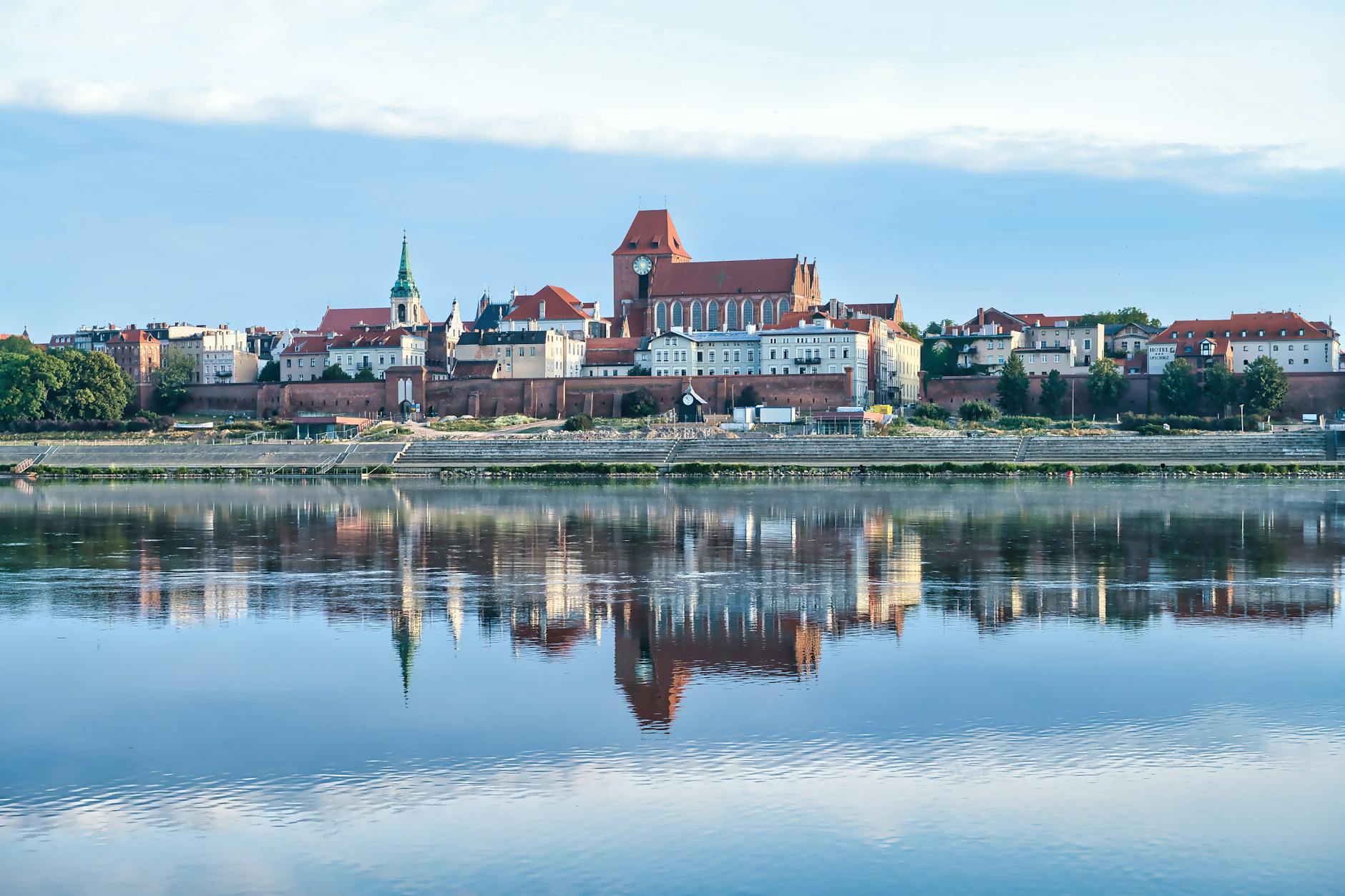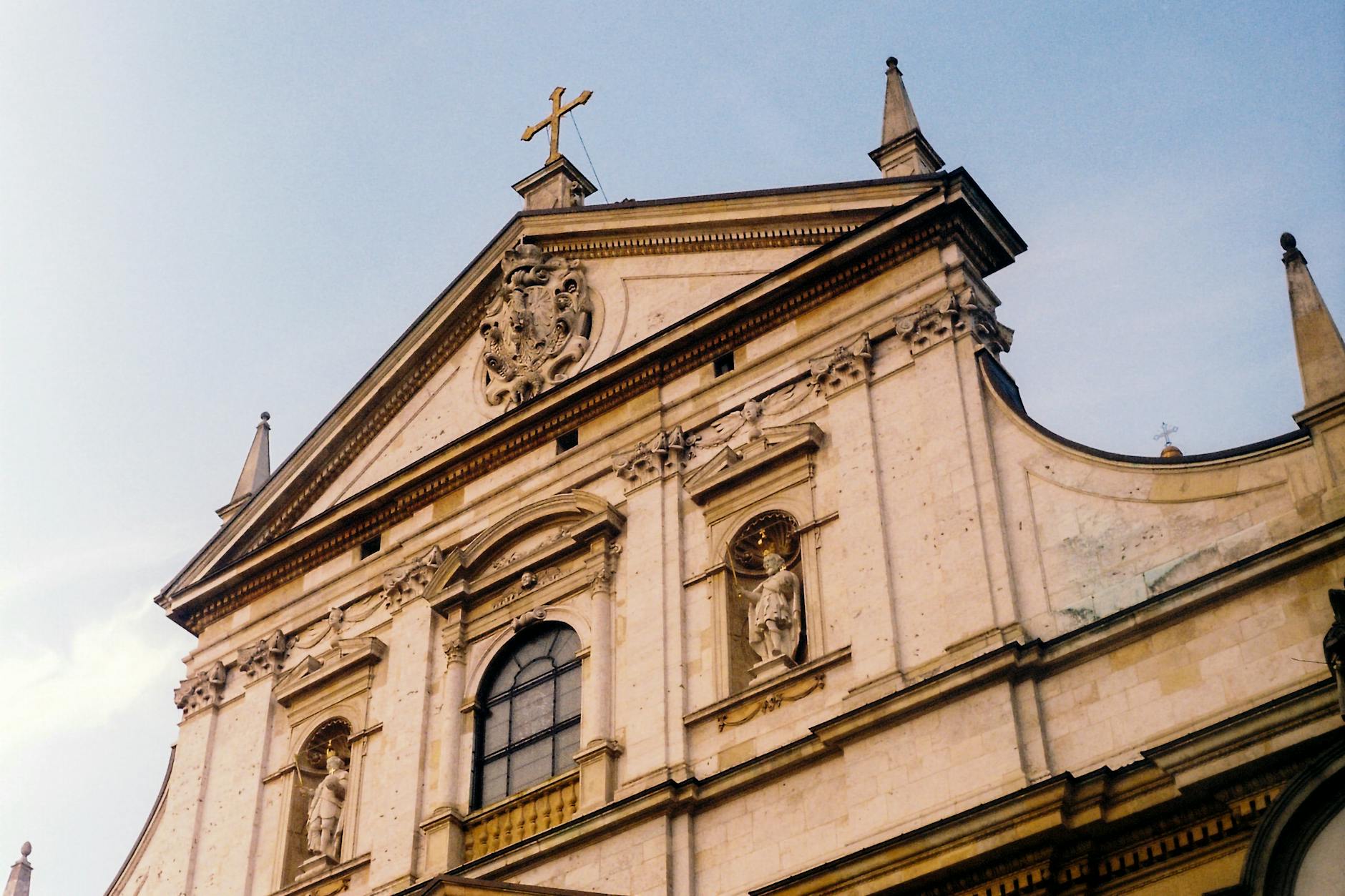
Krakow can be a meaningful short-stay destination for Catholic pilgrimage, Jewish heritage travel, church visits, quiet prayer, interfaith learning, or a wider spiritual itinerary in southern Poland. The traveler needs a plan that protects the purpose of the trip while still handling transport, opening hours, meals, rest, and the limits of a compressed schedule.
Define the pilgrimage purpose first
A short religious trip to Krakow can have very different purposes: Mass, confession, Jewish heritage, synagogue visits, saint-related sites, family memory, academic study, or quiet reflection. The traveler should name the priority before adding museums, restaurants, and day trips.
The spiritual purpose should control the itinerary.
- List the essential services, sacred sites, heritage addresses, guides, and prayer or reflection blocks.
- Separate must-visit places from optional cultural stops so the trip does not become rushed.
- Check service times, language availability, ticket rules, and seasonal hours before arrival.
Choose lodging around services and routes
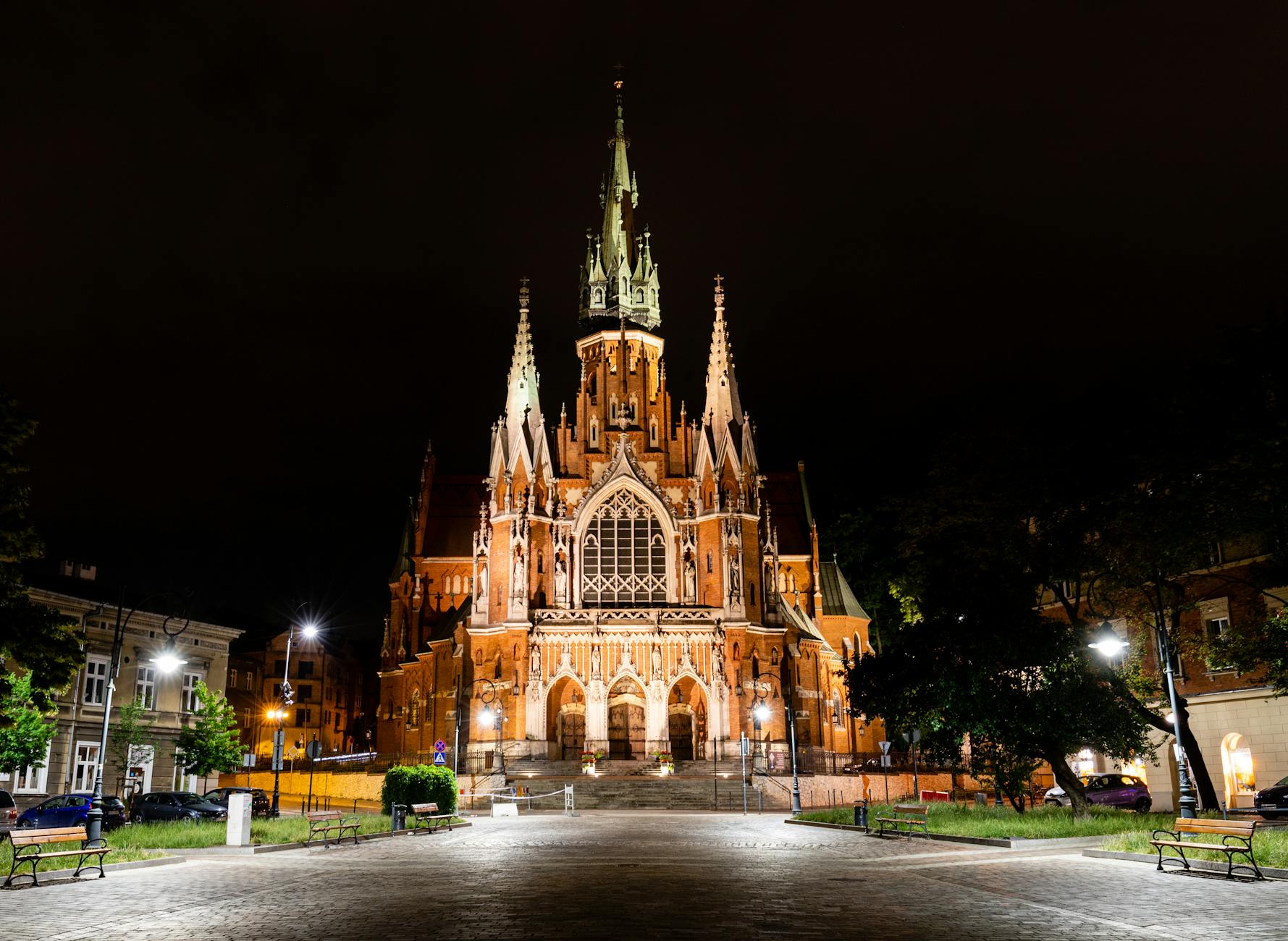
A hotel near the Main Market Square may be convenient for churches, restaurants, and evening walks, while a Kazimierz base may fit Jewish heritage visits better. Other travelers may need easier taxi access, elevator service, quiet rooms, or a fast route to a sanctuary or tour pickup.
The right base depends on the sacred geography.
- Map churches, synagogues, cemeteries, museums, meeting points, and day-trip pickups before booking.
- Check walking distance on cobblestones, winter conditions, stairs, and late return routes.
- Confirm breakfast timing, elevator access, luggage storage, and quiet-room options if rest is important.
Handle sacred and heritage sites respectfully
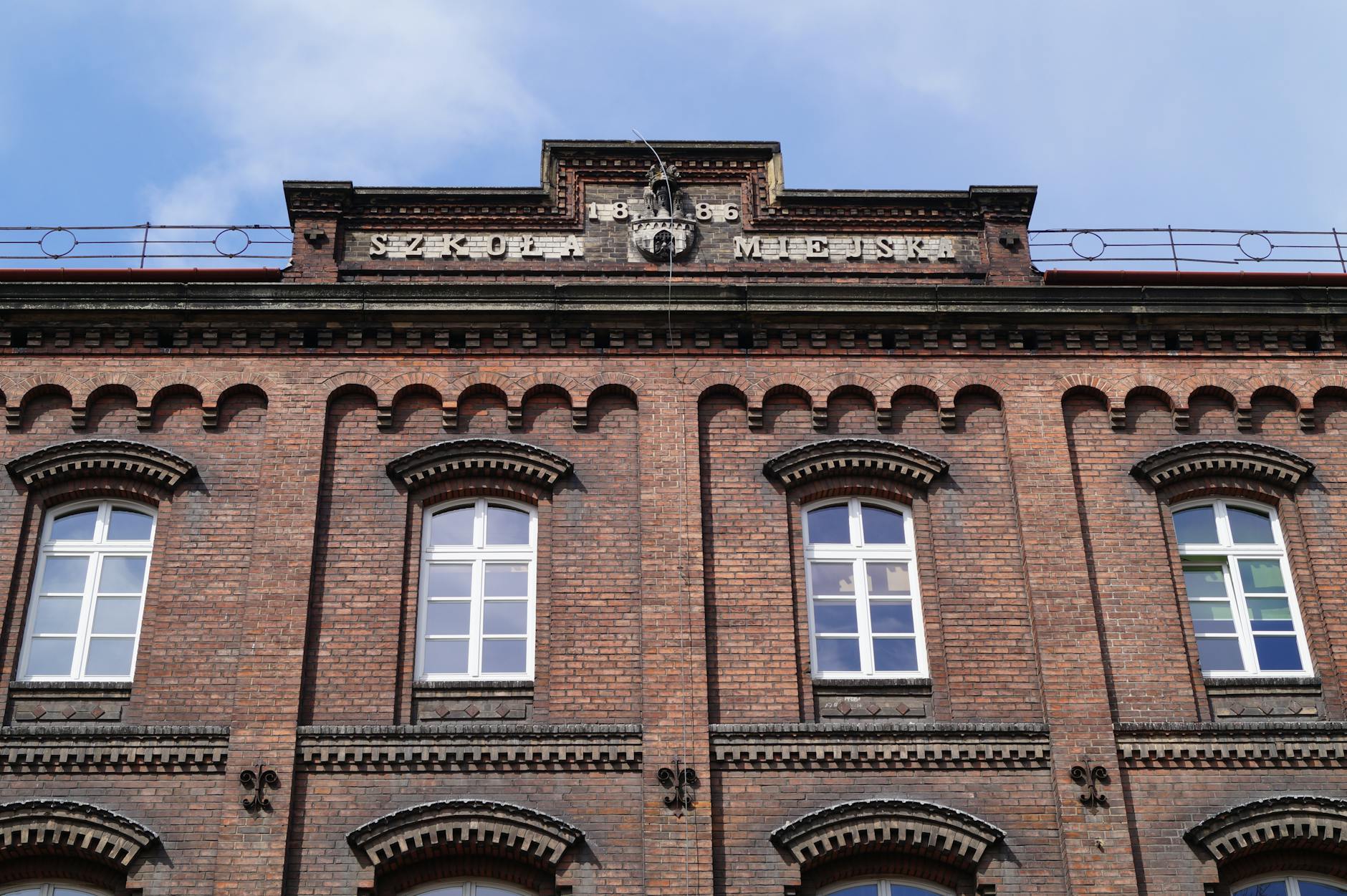
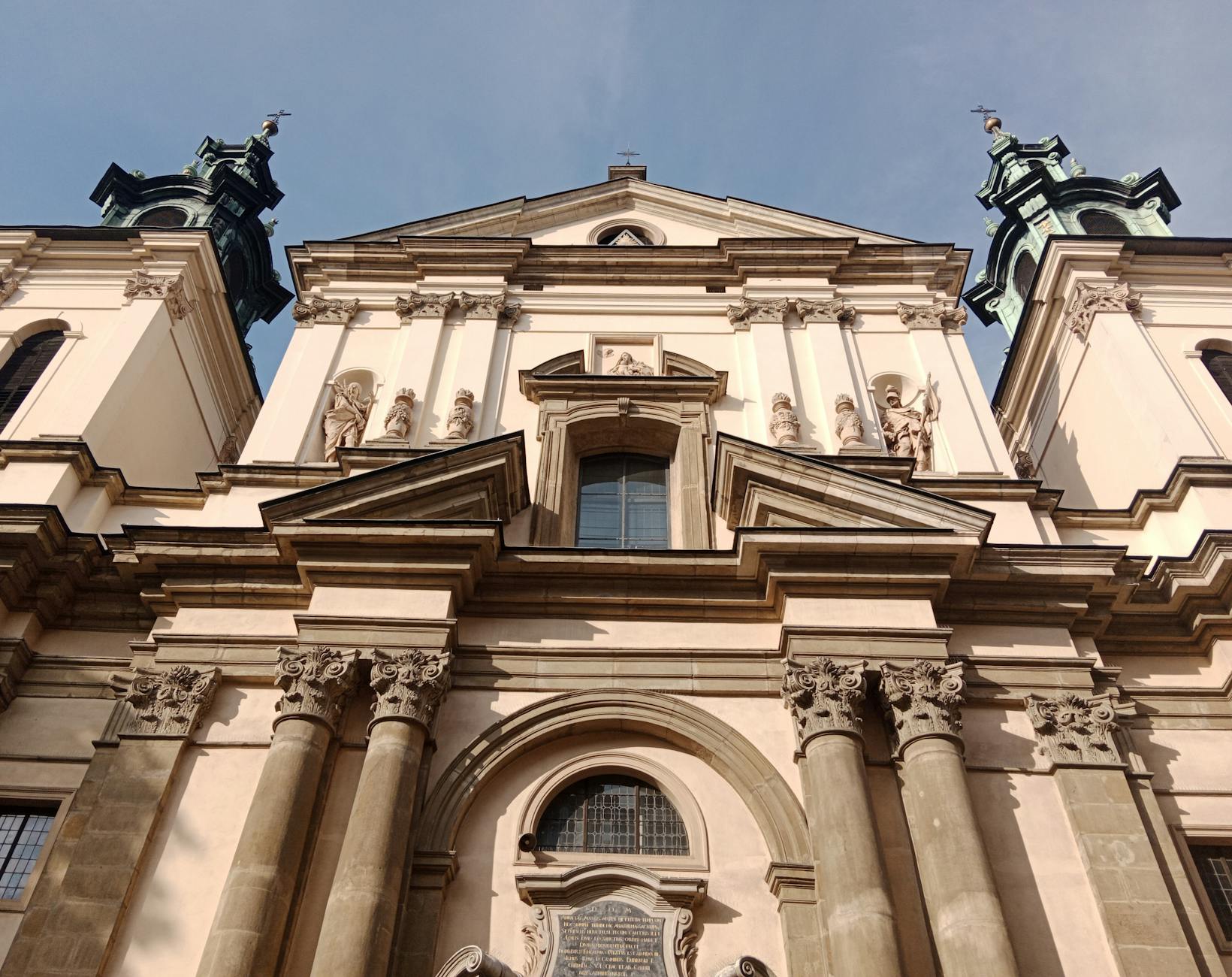
Krakow's religious landscape includes active churches, Jewish heritage sites, cemeteries, museums, memorial spaces, and neighborhoods where worship, tourism, and memory overlap. A traveler should understand when silence, dress, photography limits, or a slower pace is appropriate.
Respect is part of the visit, not an extra rule.
- Check dress expectations, photography rules, donation practices, security procedures, and service etiquette.
- Avoid treating worshippers, cemeteries, memorial spaces, or private ceremonies as sightseeing material.
- Use qualified guides when history, language, trauma, or family memory needs context.
Plan sanctuaries and day trips carefully
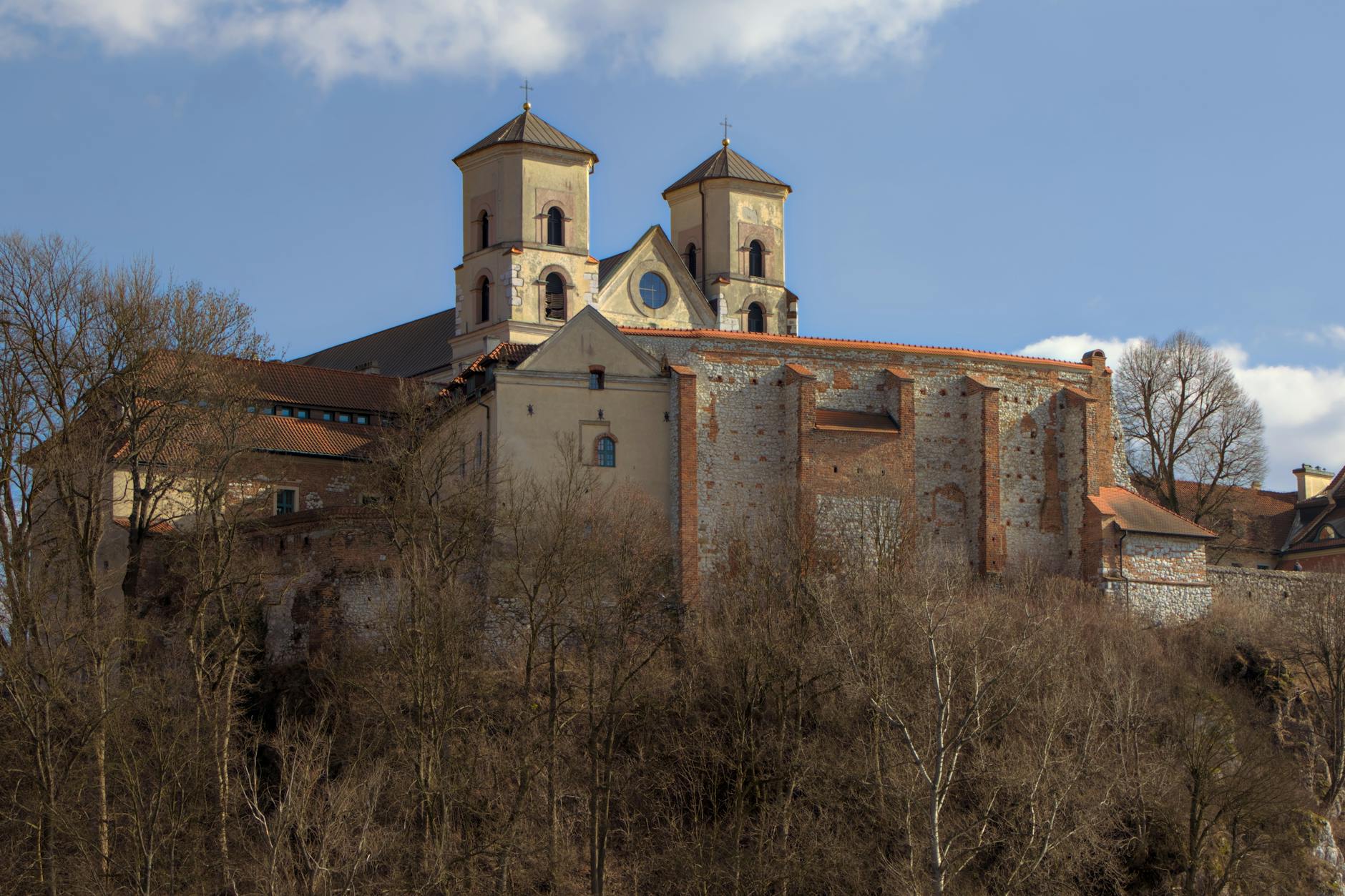
Some religious travelers use Krakow as a base for sanctuaries, monasteries, memorial sites, family towns, or other regional visits. These trips can be meaningful, but they can also consume an entire short stay. The traveler should be realistic about travel time, emotional weight, weather, and return logistics.
A meaningful day trip still needs a practical route.
- Confirm opening hours, guide requirements, transport schedules, pickup points, and return buffers.
- Avoid stacking major regional sites on the same day if the purpose requires attention and quiet.
- Keep a backup plan for winter weather, closures, delayed trains, or late tour returns.
Match meals to observance and energy
Food planning can matter for fasting, kosher needs, vegetarian diets, medication timing, family routines, or long service days. Krakow has many options, but a traveler should not assume the right meal will appear beside every sacred site or tour route.
Meals should support the purpose of the day.
- Save suitable restaurants, grocery stops, cafes, and simple backup meals near lodging and key sites.
- Check holiday hours, Sabbath constraints, fasting plans, and meal timing around services or tours.
- Carry water and simple snacks when health, medication, or long walks make delays difficult.
Protect mobility, weather, and quiet time
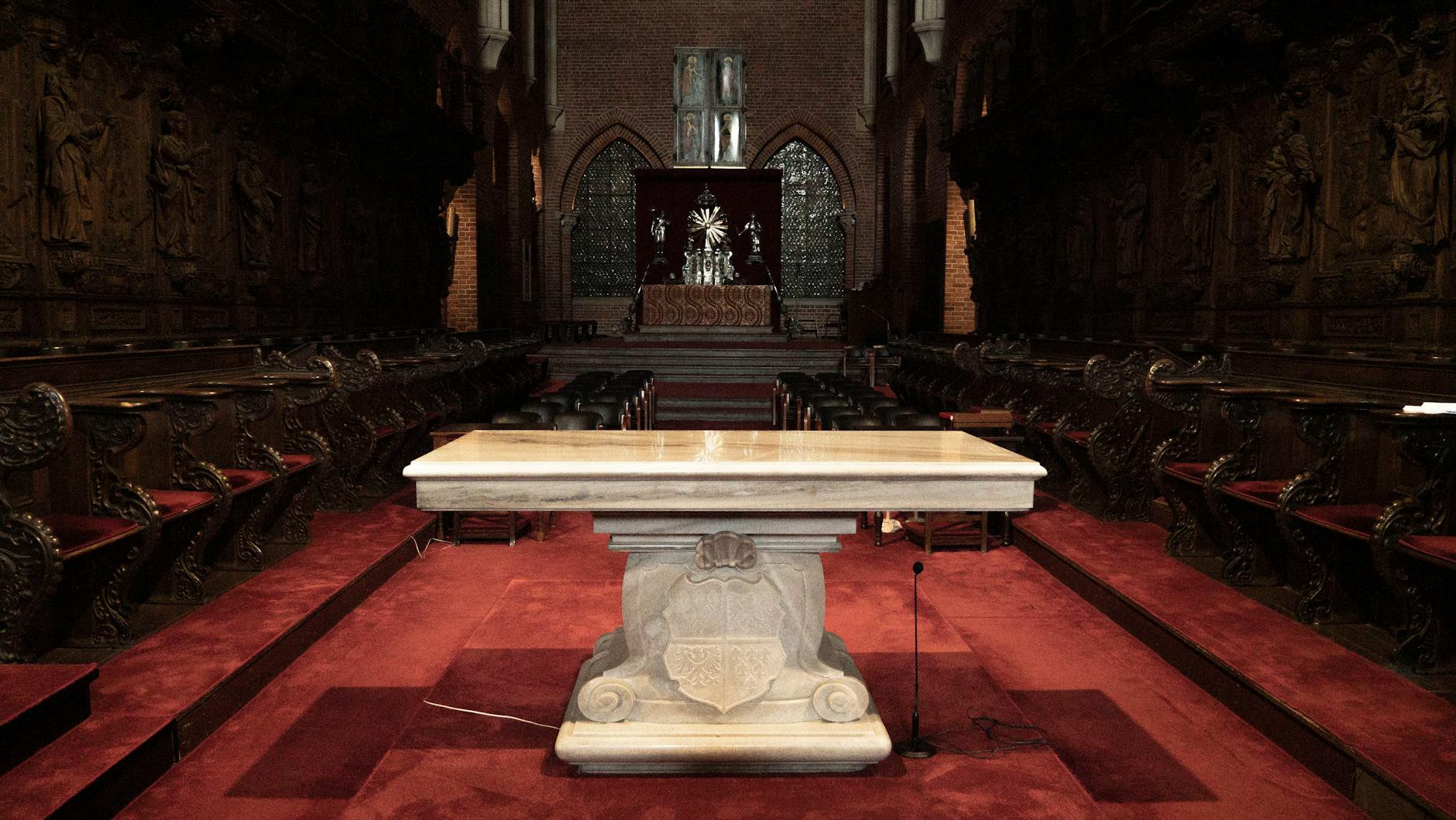
Pilgrimage and religious heritage travel can involve cobblestones, stairs, standing during services, crowded interiors, winter cold, summer heat, and emotionally demanding visits. A short trip should include rest blocks rather than assuming that devotion or interest can overcome fatigue.
The schedule should leave room for attention.
- Check accessibility, seating, taxi access, restroom availability, and walking surfaces at key sites.
- Plan weather layers, modest clothing, comfortable shoes, and quiet pauses between demanding visits.
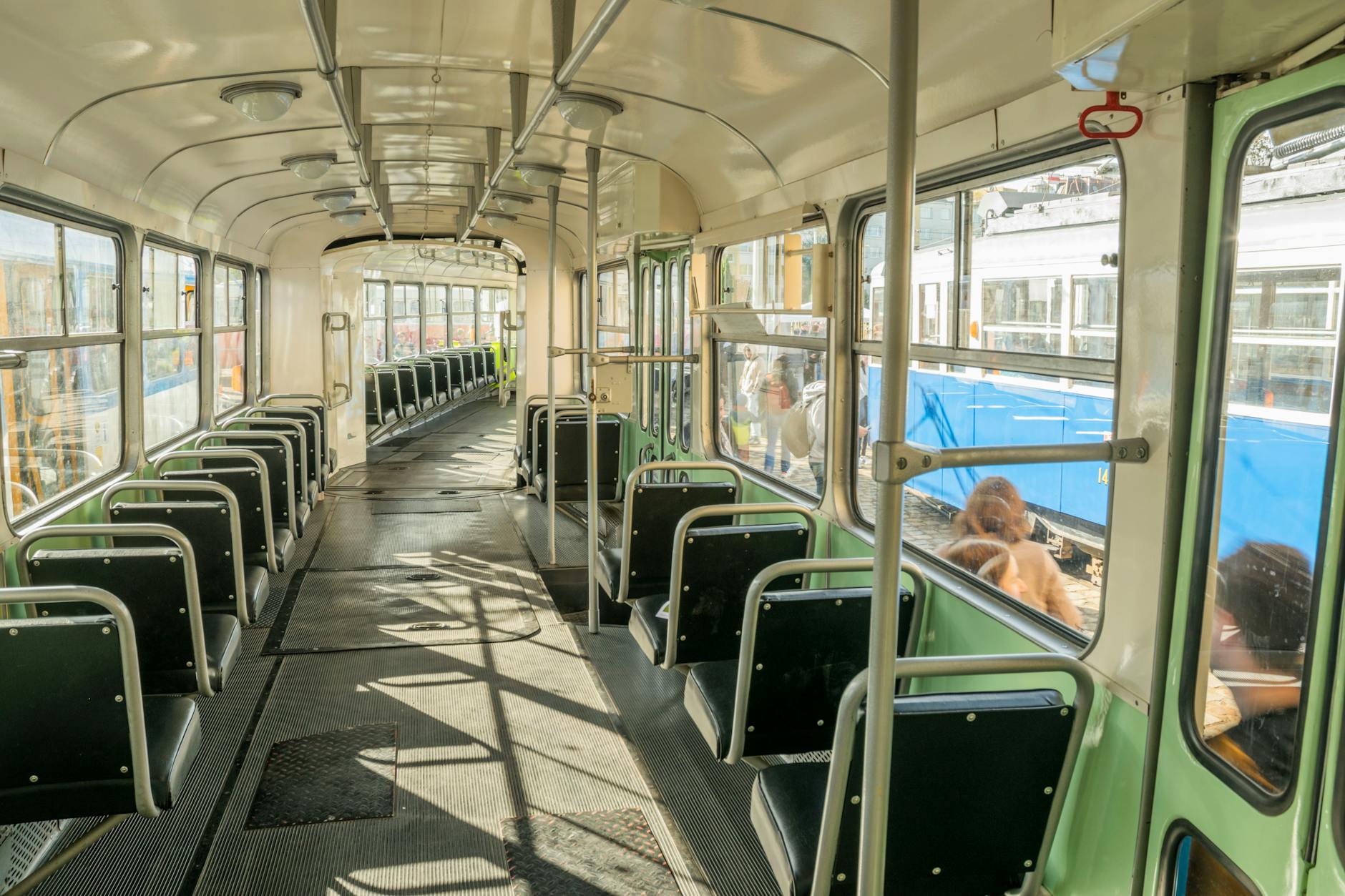
- Use trams, taxis, or private transport when mobility, health, or weather makes walking unrealistic.
When to order a short-term travel report
A religious traveler with one central church visit and flexible sightseeing may not need a custom report. A report becomes useful when the trip includes multiple sacred sites, services in specific languages, Jewish heritage visits, regional sanctuaries, mobility concerns, dietary observance, family memory, or a tight departure window.
The report should test sacred-site geography, lodging, service times, respectful conduct, meals, transport, accessibility, weather, and departure buffers. The value is a Krakow trip that gives the main purpose enough time and care.
- Order when sacred sites, services, guides, meals, observance, mobility, transport, or departure timing need exact planning.
- Provide dates, faith or heritage priorities, service needs, site list, lodging candidates, mobility needs, budget, and arrival details.
- Use the report to keep the trip reverent, practical, and realistic for a short stay.