A Krakow trip for investors or deal teams is usually constrained by meetings, diligence sessions, site visits, advisors, documents, and tight decision windows. The city can support focused work, but the plan needs to protect confidentiality, movement between stakeholders, and enough quiet time to interpret what the meetings reveal.
Map the deal itinerary before booking
An investor or deal team member should start with exact stakeholder locations. Meetings may involve company offices, advisors, banks, hotels, restaurants, industrial sites, universities, or government-adjacent venues. A central hotel is useful only if it supports the real meeting pattern.
Deal geography should guide the base.
- Confirm office addresses, site visits, advisor meetings, dinner locations, and airport or rail links.
- Check transfer times in traffic, bad weather, and early or late meeting windows.
- Choose lodging that supports the highest-pressure commitment and secure work needs.
Choose the hotel for secure work
The hotel may become a war room, call space, review area, and recovery point. Quiet rooms, strong Wi-Fi, desk space, meeting rooms, printing help, breakfast timing, elevator access, and taxi pickup can matter more than tourist charm. Confidential work should not depend on a noisy lobby.
The room needs to support judgment.
- Check workspace, Wi-Fi reliability, quiet-room options, meeting-room access, printing, and luggage storage.
- Confirm taxi pickup and late arrivals if the hotel is near pedestrian streets.
- Keep the base close enough for breaks between meetings when analysis time matters.
Protect documents and confidentiality
Deal travel creates document risk. Printed materials, laptops, data rooms, notes, names, valuations, and meeting locations can reveal more than intended. The traveler should plan how information will be carried, reviewed, stored, discussed, and discarded.
Discretion is a travel requirement.
- Use privacy screens, secure bags, encrypted access, and offline backups for essential documents.
- Avoid sensitive calls or valuation discussions in taxis, cafes, hotel lobbies, and crowded restaurants.
- Keep printed documents, notebooks, badges, and business cards controlled during transfers and meals.
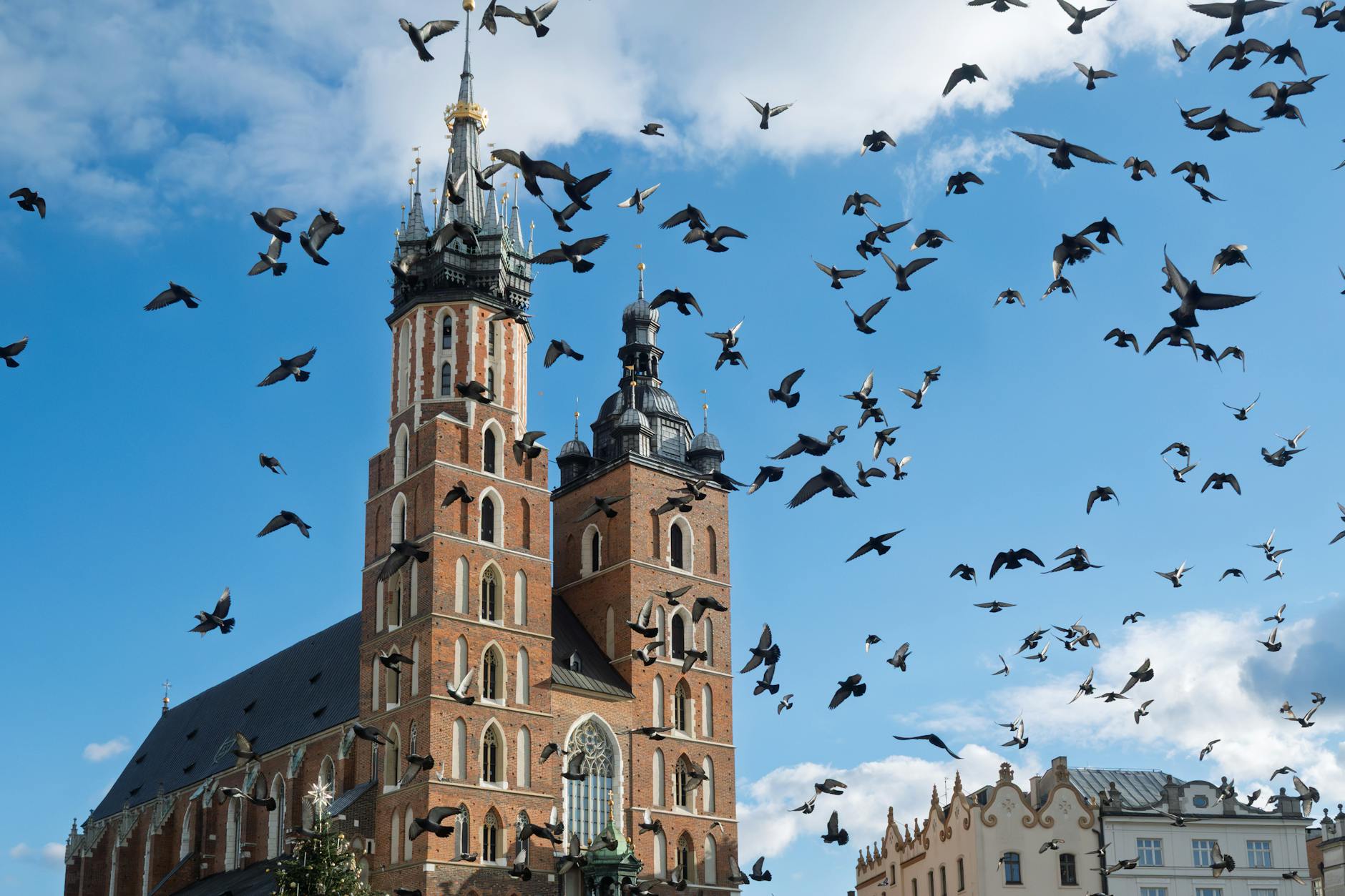
Plan meetings and meals by purpose
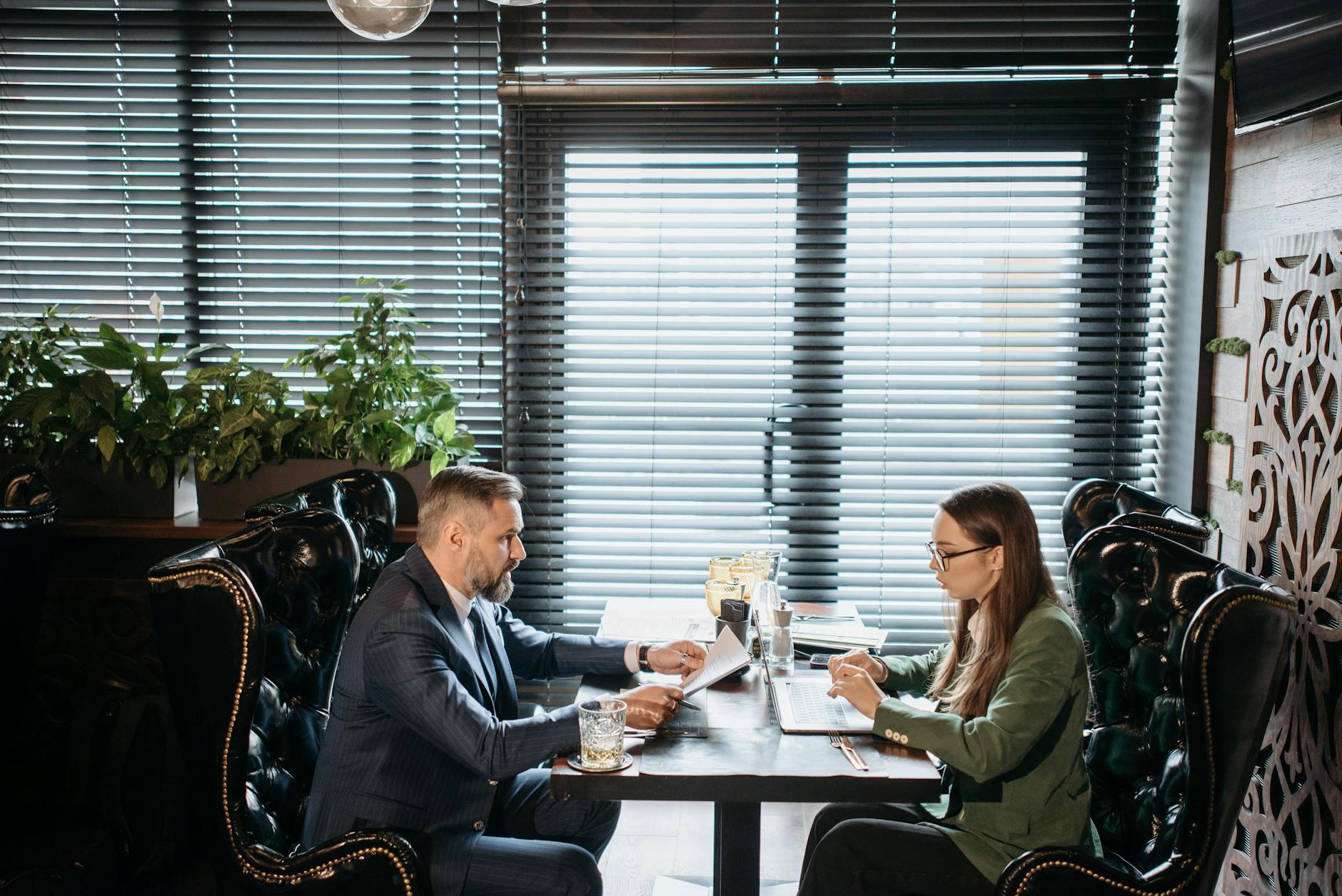
Deal meals can be useful for reading alignment, trust, and tone, but they need the right setting. Noise, table layout, privacy, payment flow, and return routes all matter. A restaurant chosen only for atmosphere can be a poor venue for serious discussion.
Meals should match the conversation.
- Choose restaurants or private rooms that fit negotiation, diligence, advisor, or relationship-building needs.
- Reserve ahead when the schedule includes senior stakeholders or a large group.
- Keep a quieter backup option near the hotel for post-meeting analysis.
Use transport to reduce execution risk
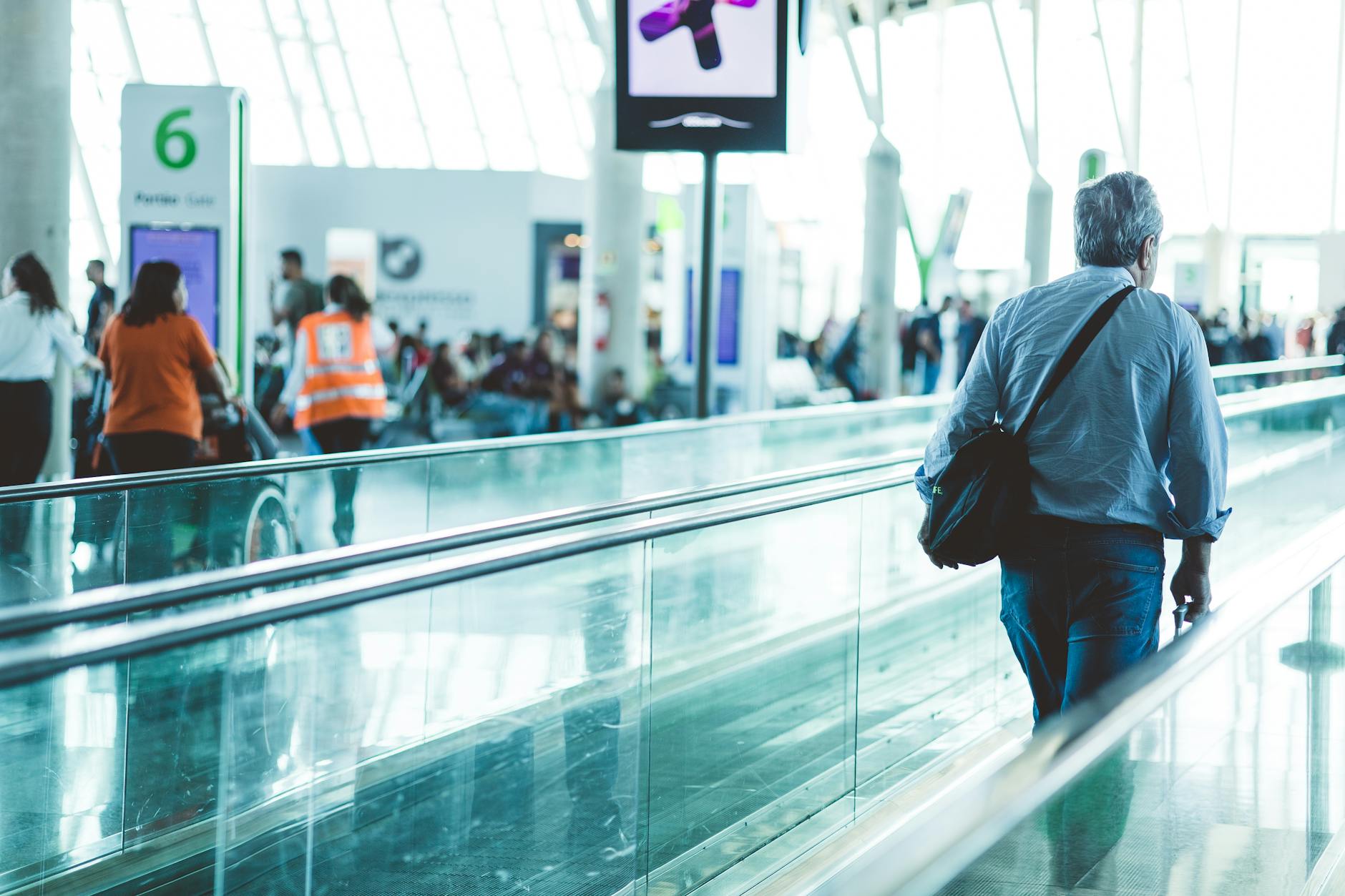
Investors and deal teams often move with documents, laptops, formal clothing, and compressed schedules. Walking through Old Town may be pleasant after work, but high-stakes meetings need reliable routing. Transport choices should reduce uncertainty.
Movement should preserve attention.
- Use direct transport before diligence sessions, site visits, advisor meetings, and final departure.
- Save addresses, pickup points, gate instructions, hotel details, and backup routes offline.
- Build buffers for weather, traffic, access control, late meetings, and luggage handling.
Keep Krakow context proportional
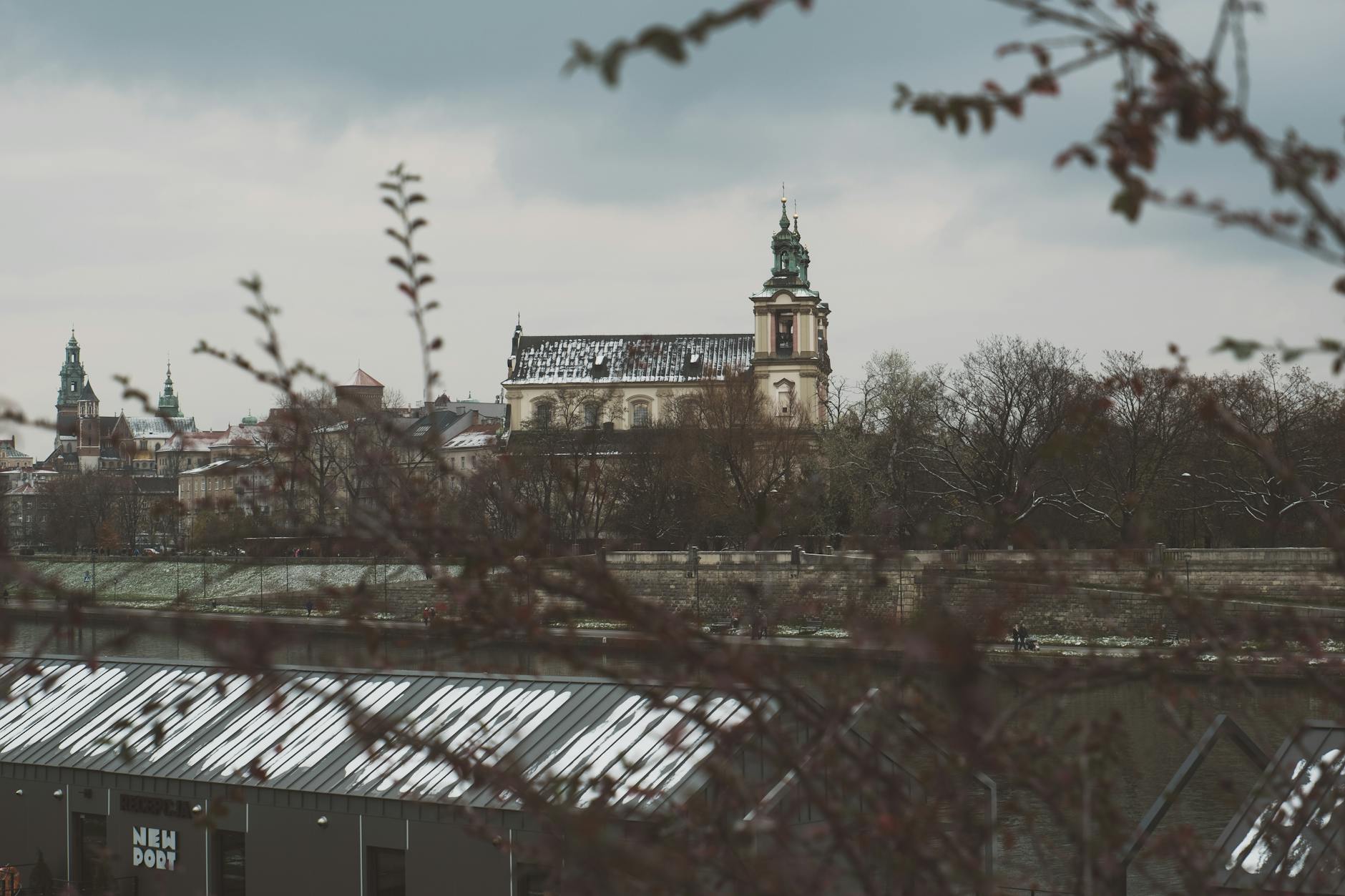
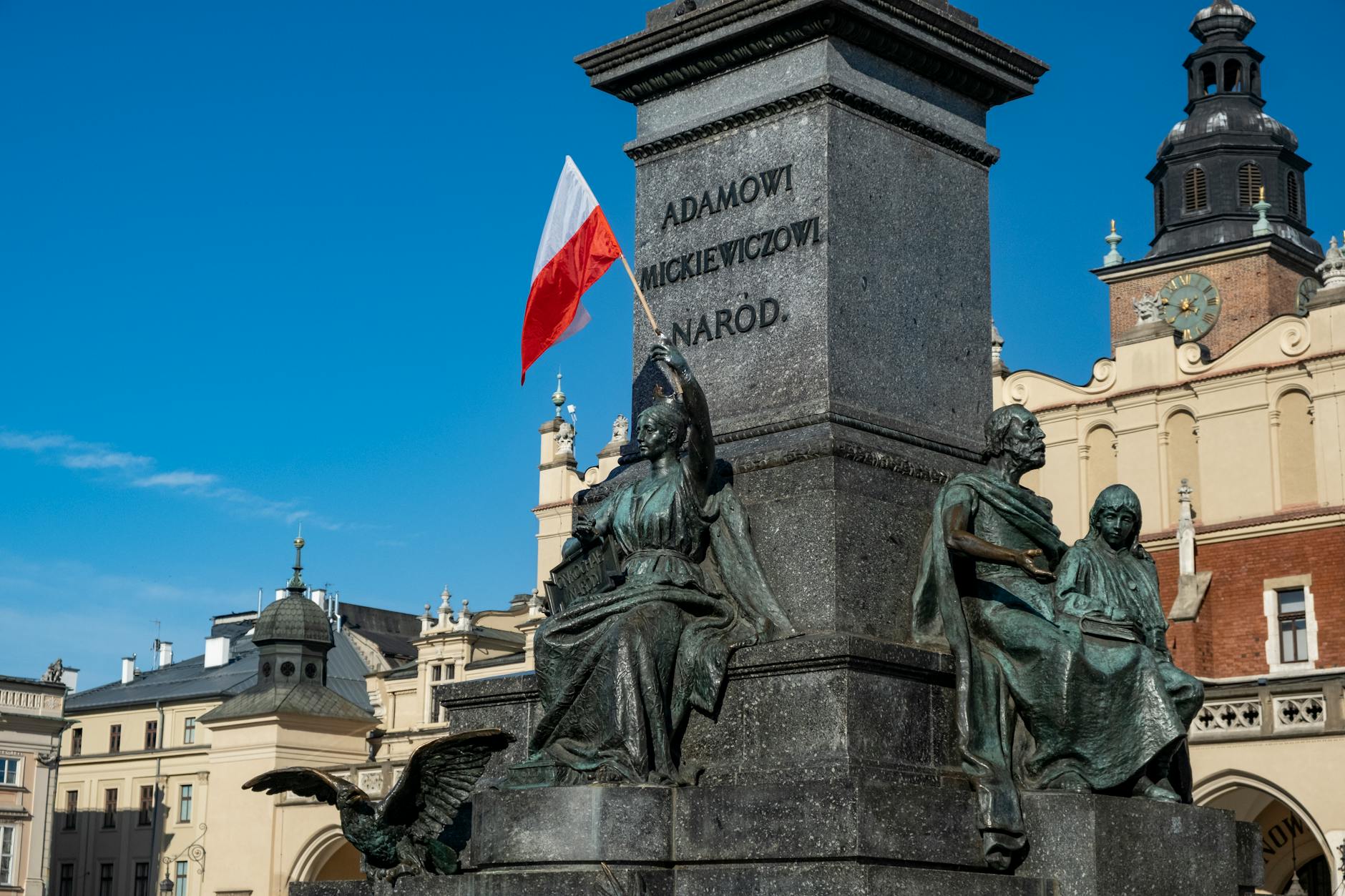
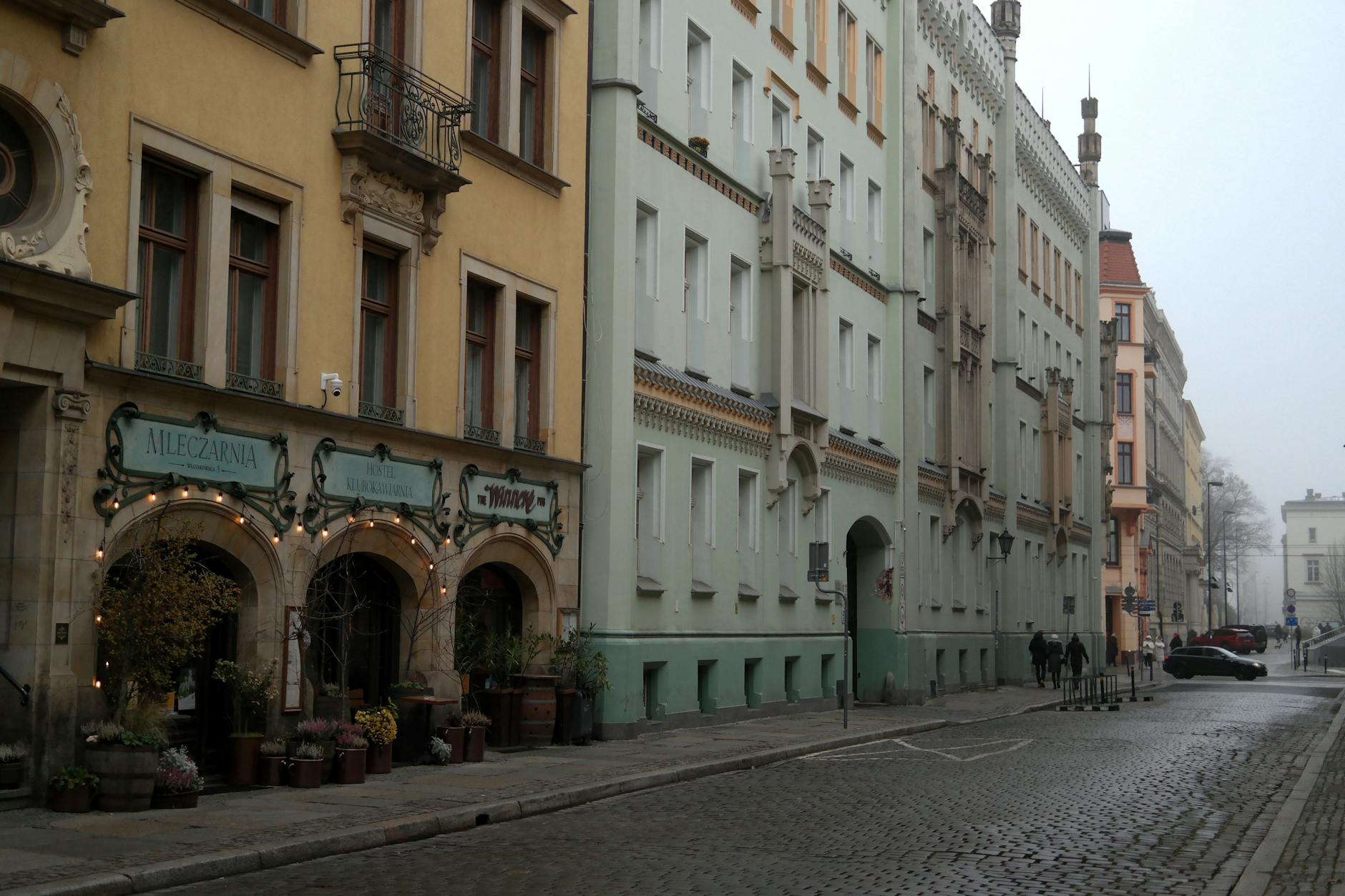
A deal trip can include a short Old Town walk, Kazimierz dinner, or Wawel view, but the city should not crowd the work. The traveler needs recovery, notes, calls, and time to compare what was said against what was observed.
The best city time is focused and nearby.
- Use short city routes near the hotel, dinner venue, or client meeting location.
- Avoid full sightseeing plans when meetings are still changing.
- Keep a quiet evening block for team alignment, document review, and next-step decisions.
When to order a short-term travel report
An investor or deal team member with one familiar meeting location may not need a custom report. A report becomes useful when the trip includes multiple stakeholders, diligence sites, confidential materials, advisor dinners, tight transfer windows, industrial or suburban visits, or departure soon after a final meeting.
The report should test meeting geography, secure lodging, transport, meals, privacy risks, work blocks, weather, and departure buffers. The value is a Krakow deal trip where logistics protect judgment and discretion.
- Order when meeting sites, lodging, transport, meals, privacy, work blocks, or departure timing need exact planning.
- Provide dates, addresses, meeting schedule, hotel candidates, confidentiality needs, meal plans, budget, and arrival details.
- Use the report to keep the visit discreet, punctual, and focused on the decision at hand.